2027 What Prerequisites Do You Need for a Christian Counseling Master's Degree? Entry Requirements, Credits & Eligibility Rules

Co-Founder and Chief Data Scientist
Many candidates face uncertainty when applying for a Christian Counseling master's degree, unsure about essential prerequisites, credit transfers, and eligibility criteria. Industry data shows that demand for clinically trained Christian counselors is expected to grow by 22% over the next decade, intensifying competition for limited program spots. Additionally, 40% of applicants struggle to meet the required academic background or lack clear guidance on technical skill expectations. This article clarifies key entry requirements, credit acceptance policies, and eligibility rules across accredited programs. It provides actionable insights to help applicants-whether recent graduates or career changers-navigate the admissions process with confidence and precision.
Key Things to Know About the Prerequisites for a Christian Counseling Master's Degree
- Most programs require a bachelor's degree in psychology, theology, or a related field, with a minimum GPA of 3.0, alongside official transcripts and letters of recommendation.
- Applicants must meet credit prerequisites, often completing foundational courses in counseling theories and ethics, though some credits may transfer depending on the institution.
- Eligibility rules vary widely by school and specialization; early review of specific program guidelines ensures alignment with documentation, prior experience, and technical skill expectations.
What Academic Background Is Expected for Admission to a Christian Counseling Master's Program?
Christian Counseling master's degree admission requirements generally expect applicants to hold a bachelor's degree from an accredited institution. While many programs prefer degrees in psychology, theology, social work, or related fields, a direct background in Christian counseling is rarely mandatory.
Instead, admissions committees assess how an applicant's academic and experiential background aligns with counseling principles, spirituality, and mental health foundations. Interdisciplinary backgrounds are welcomed when paired with relevant experience or coursework.
Many programs evaluate candidates with diverse academic qualifications for Christian Counseling graduate programs, especially if prerequisite courses have been completed to address any gaps. Here are some common prerequisites typically reviewed before full admission:
- Relevant Academic Background: Degrees in psychology, theology, education, sociology, or pastoral ministry are often accepted when foundational counseling courses have been completed.
- Introductory Coursework: Completion of basic psychology or counseling courses ensures applicants understand the fundamentals of human behavior and mental health.
- Christian Theology Knowledge: A grasp of Christian beliefs or religious studies helps integrate faith perspectives with counseling practices.
- Communication and Interpersonal Skills: Academic work or relevant experience demonstrating these skills is important for effective counseling and client rapport.
- Ethical Foundations: Awareness of counseling ethics ensures readiness to navigate professional standards and confidentiality requirements.
According to Council for Accreditation of Counseling and Related Educational Programs (CACREP) data, about 85% of accredited counseling master's programs accept applicants from closely related fields provided prerequisite criteria are met. This flexibility benefits career changers and international students by allowing smoother transitions into Christian counseling studies.
Prospective students may explore best one year masters programs for options that accommodate varied academic backgrounds and accelerate graduate-level learning.
Is a Minimum GPA Required for a Christian Counseling Master's Degree?
Meeting GPA benchmarks is crucial when applying for a Christian Counseling master's degree, as many programs expect a minimum GPA around 3.0 on a 4.0 scale. This requirement supports readiness for demanding coursework and ethical responsibilities. Employment in substance abuse, behavioral disorder, and mental health counseling, including Christian Counseling specialties, is projected to grow 23% from 2021 to 2031, reflecting strong demand.
Below are key points regarding GPA expectations and admissions options.
- Minimum GPA Expectations: Most Christian Counseling graduate admission GPA criteria require at least a 3.0 GPA, though highly competitive programs may seek higher academic achievement.
- Conditional Admission: Applicants with GPAs below the threshold might receive conditional admission, needing to meet specific academic benchmarks during initial coursework.
- Probationary Status: Some programs offer probationary periods to allow borderline students time to improve their GPA before full acceptance.
- Strengthening the Application: Those with lower GPAs can enhance their chances by presenting strong letters of recommendation, relevant experience, or high GRE scores.
- Holistic Review Process: Admissions often consider the entire application portfolio, including personal statements and community involvement, which can balance slightly lower GPAs.
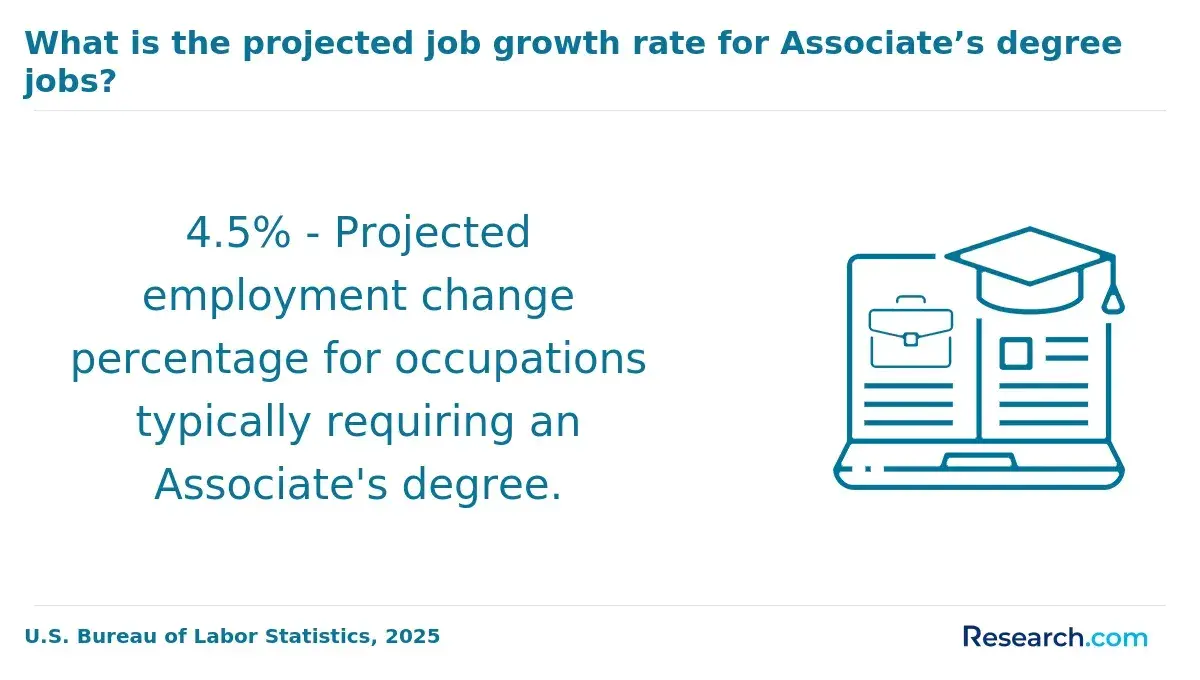
Prospective students may also explore related options like an online associate degree for foundational studies before applying to master's programs.
Are GRE, GMAT, or Other Graduate Entrance Exams Required?
Submitting strong GRE or GMAT scores can help strengthen an application, especially for competitive programs or research-oriented tracks. Yet, more than 70% of accredited Christian Counseling master's programs waive these exams, favoring a comprehensive review instead.
Consider these key points when evaluating entrance exam requirements:
- Test requirements vary by focus: Professional practice and ministry-based counseling programs often do not require GRE or GMAT scores, emphasizing undergraduate GPA, relevant experience, and personal statements instead.
- Research and thesis tracks: Programs with a stronger academic or research component may encourage or mandate test scores to demonstrate analytical abilities, although this is becoming less frequent.
- Waivers and alternatives: Many schools offer waivers based on prior graduate studies, professional history, or exceptional academic achievement. Some provide alternative assessments or interviews to evaluate readiness without standardized tests.
- Application strategy: Strengthening non-test credentials such as counseling experience, letters of recommendation, and service within faith communities can boost admissions prospects when scores are waived or unavailable.
Prospective students pursuing a Christian Counseling master's degree must carefully address undergraduate prerequisites to ensure their readiness for advanced study. Fulfilling these foundational courses early strengthens critical thinking, research skills, and spiritual understanding vital for graduate success.
Below is a list of typical required foundational courses for Christian Counseling graduate programs, including an explanation of why they matter and how any gaps can be addressed.
- Psychology fundamentals: These courses provide essential knowledge of human behavior and mental health principles crucial for effective counseling practice.
- Human development or lifespan studies: Understanding developmental stages across the lifespan informs therapeutic approaches and client assessment within diverse populations.
- Introductory theology or religious studies: These courses help integrate faith perspectives with counseling theories, a core component of Christian Counseling programs.
- Research methods and statistics: Students learn how to evaluate and apply empirical data, a skill needed for evidence-based practice and program evaluation.
Typically, these undergraduate prerequisites for Christian Counseling master's degree programs must be completed before enrollment, although some schools allow finishing certain courses during initial graduate terms via bridge or leveling classes. Early transcript evaluation is highly recommended to identify any missing prerequisites well before applying, which streamlines admissions and avoids delays.
Completing these required foundational courses ahead of time also affects program length and timely workforce entry. When all prerequisites are satisfied, students can progress through graduate coursework without interruption, reducing the total time to degree and licensure.
For students exploring additional educational pathways, several institutions offer affordable options in adjacent fields; for instance, a solid foundation can be helpful before exploring online engineering degree programs.
Applicants from diverse academic backgrounds can often enter a Christian Counseling master's program, even without direct counseling or psychology degrees. Programs typically allow entry for those coming from non-traditional fields such as education, social work, or business, though meeting specific prerequisites is commonly required.
Key factors to consider include:
- Prerequisite Coursework: Many programs mandate foundational courses in counseling theories, human development, and ethics. Students from unrelated fields usually complete bridge classes to establish essential knowledge before advancing to graduate-level study.
- Academic Preparation: Admission committees evaluate applicants' skills in research, communication, and understanding human behavior. Evidence of these competencies may come through undergraduate study or relevant experiences.
- Demonstrating Readiness: Letters of recommendation, prior related coursework, or professional involvement in helping roles often strengthen applications, highlighting an applicant's preparedness for graduate counseling work.
- Program-Specific Requirements: Each institution's criteria vary, so contacting admissions advisors and reviewing prerequisites are vital steps for clarification and planning successful entry.
Submitting well-prepared materials can streamline your application for a master's degree in Christian counseling by clearly demonstrating your readiness. Each document should collectively highlight your academic capabilities and professional potential in a way that aligns with the field's spiritual and emotional focus.
With a 15% increase in applicants from diverse backgrounds reported recently, presenting tailored and genuine content is more important than ever.
Below are key components to focus on:
- Statement of Purpose: This is your chance to express your passion for Christian counseling and how your personal values and experiences connect with the discipline's emphasis on faith-based support. Use specific examples to clearly illustrate your motivations and goals, avoiding generic statements.
- Letters of Recommendation: Select recommenders who know your character, work ethic, and spiritual maturity well, such as professors, employers, or ministry leaders. Their testimonials validate both your interpersonal skills and academic readiness.
- Resume: Highlight relevant education, work history, volunteer service, and any ministry involvement that relates to counseling. Focus on experiences that showcase your commitment and understanding of counseling within Christian contexts.
- Writing Samples or Portfolios: When requested, these provide an opportunity to exhibit your critical thinking and communication skills. Reflective essays or case studies that relate to counseling scenarios help admissions committees assess your analytical abilities and faith integration.
Knowing whether professional experience is required, preferred, or optional is crucial for prospective students considering Christian Counseling master's degree programs. Many applicants want clarity on how their background affects eligibility and the admissions interview process for Christian counseling graduate programs.
According to the Council for Accreditation of Counseling and Related Educational Programs (CACREP), around 60% of admitted applicants report some form of relevant experience, indicating its positive influence on acceptance.
Below are key points to understand about experience expectations:
- Experience requirements vary by program type: Executive-style programs often prioritize significant leadership or counseling experience within ministry, social work, or healthcare. Professional formats usually seek client-facing exposure like volunteer work, internships, or supervised practical experiences, while research-focused programs emphasize academic skills but still appreciate relevant experience.
- Relevant experience types include: pastoral or ministry roles, mental health support, crisis intervention, community outreach, and administrative work within counseling settings. This diversity helps applicants from various backgrounds demonstrate their fit for graduate training.
- Highlight transferable skills: Applicants with non-traditional experience can emphasize communication, empathy, conflict resolution, and organizational abilities through detailed personal statements or resumes. These skills illustrate readiness to participate effectively in clinical or academic program aspects.
- Interview requirements for Christian counseling master's admissions: Having professional or volunteer experience can support confidence during admissions interviews because applicants can draw on real-life examples relevant to counseling principles and challenges.
- Online and alternative pathways: Those interested in flexible study might explore options such as an online master's in social work, which often recognizes diverse experience and offers practical training complementing Christian Counseling master's degrees.
Interviews are often a crucial component of the admissions process for master's degree programs in Christian Counseling. They offer admissions committees a chance to evaluate candidates beyond academic records by assessing interpersonal skills, ethical perspectives, and alignment with the program's core values.
Preparing effectively for these conversations helps applicants present a clear and professional image, which may positively affect admissions decisions.
Consider the following tips to strengthen your interview readiness.
- Understand the purpose: Christian Counseling master's program interview questions commonly explore your motivation for pursuing this field, your ethical standpoint, and your experience with diverse populations. Familiarity with these topics can help you formulate thoughtful, genuine responses.
- Research program values: Take time to learn about the program's mission and focus to demonstrate alignment. This shows the admissions committee that you are seriously invested and have a clear understanding of their objectives.
- Reflect on your experiences: Drawing on relevant personal and academic experiences allows you to provide concrete examples that highlight your suitability for the program, emphasizing your readiness and commitment.
- Clarify career goals: Express clear short- and long-term professional objectives. Articulating how the program fits into your career path illustrates purposeful planning and ambition.
- Practice clear communication: Deliver concise and confident verbal responses. Strong communication skills are essential and can make a notable difference during interviews.
While not universally required, about 45% of Christian Counseling master's programs include interviews as part of their evaluation, conducted either in person, by phone, or via video conferencing platforms. This step enhances holistic candidate review and ensures a good fit on both sides.
For those interested in pursuing further related counseling credentials, it may be helpful to explore LMFT online programs that offer flexible pathways to advance your counseling career.
Research skills and academic involvement are key elements that graduate programs in Christian Counseling look for in applicants, particularly those aiming to complete a thesis. These competencies signal an applicant's readiness to handle complex scholarly work and contribute original ideas to the field.
To strengthen your candidacy, consider the following aspects carefully.
- Prior research exposure: Candidates are often expected to have engaged with research methodologies before applying. This might include relevant undergraduate courses, internships, or independent studies that build a solid foundation for designing and analyzing research projects within Christian Counseling.
- Publications and presentations: While not a strict requirement, having experience in publishing articles or presenting at conferences can enhance your application. These accomplishments demonstrate your commitment to academic dialogue and professional communication, which are especially valued in thesis-oriented tracks.
- Faculty collaboration: Initiating contact with potential advisors ahead of application deadlines can positively influence admission chances. Early engagement helps align your research interests with faculty expertise and clarifies expectations for thesis supervision.
- Thesis versus non-thesis options: Thesis tracks emphasize in-depth research involvement, typically requiring a formal proposal and original scholarly contribution. Non-thesis pathways focus more on coursework and practical skills, usually setting lower bars for prior research experience.
- Academic curiosity and methodological readiness: Admissions committees seek candidates who show enthusiasm for research questions and demonstrate familiarity with research design and statistical methods. Showing these qualities highlights your ability to engage thoughtfully with advanced academic challenges.
For international applicants to Christian Counseling master's programs, credential evaluation services are essential to verify that prior education meets U.S. academic standards. These evaluations ensure accurate recognition of degrees and grading systems, which differ widely by country.
- Credential evaluation services: These agencies review transcripts and academic records to establish equivalency with U.S. degrees, helping institutions determine eligibility for admission and credit transfer.
- Required documentation: Applicants must provide official transcripts, detailed course descriptions, and degree certificates. All documents should be certified and complete to prevent processing delays.
- Translation standards: All non-English documents need certified translations that adhere to institutional requirements, ensuring clarity and consistency in the evaluation.
- Evaluation timelines: The process typically takes two to six weeks. Early submission is advised to accommodate processing and institutional deadlines.
- Country-specific requirements: Each country's educational system varies, so verifying specific admission criteria, credit transfer policies, and professional certification prerequisites is crucial for a smooth application process.
What Graduates Say About the Prerequisites for Their Christian Counseling Master's Degree
- Justice: "Entering the Christian counseling master's degree program was a pivotal decision for me. The tuition was quite manageable compared to other programs, which made it easier to commit fully. Since graduating, my career has taken off significantly, and my salary increase has truly reflected the value of this education. I highly recommend it to anyone serious about making a meaningful difference."
- Wren: "Looking back, joining the Christian counseling master's program was a thoughtful choice driven by both faith and a desire to serve. Though the cost was a considerable investment, the knowledge and skills I gained were worth every penny. My professional growth and increased earnings confirm that this path was the right one for me."
- Ridley: "The program's combination of faith-based counseling principles and practical training drew me in, despite the tuition fees being a bit steep. However, the boost to my career and the salary improvement I experienced afterward justified the expense entirely. This degree has opened doors I hadn't imagined and enriched my work deeply."
Other Things You Should Know About Christian Counseling Degrees
Yes. Many programs require 12 to 18 undergraduate credits in Bible, theology, or ministry before admission, or they assign them as leveling courses after acceptance. These requirements are common in accredited seminaries and Christian universities, especially for applicants whose bachelor’s degree is in psychology or another non-ministry field.
In 2027, prerequisites for a Christian Counseling master’s program typically include a bachelor's degree, often in psychology or a related field, relevant coursework, and letters of recommendation. Most programs also look for a statement of faith and some professional or volunteer experience in counseling or a similar setting.
Given the sensitive nature of counseling work, many programs require background checks, drug screenings, or immunization records before students begin clinical practicum or internships. These requirements ensure client safety and compliance with state licensure regulations. Such clearances are often completed after conditional admission.
- Becoming a Christian Counselor: Master’s Degree Guide https://www.vision.edu/web/becoming-a-christian-counselor-masters-degree-guide/
- Master of Arts in Christian Counseling https://www.gs.edu/academics/degrees/masters-programs/master-of-arts-in-christian-counseling/
- MACC | MA in Christian Counseling - Gordon Conwell https://www.gordonconwell.edu/degrees/counseling/macc/
- Master's of Counseling: School or Professional https://onlineinfo.cuw.edu/ms-counseling
- MA in Christian Education with Biblical Counseling - Southeastern Baptist Theological Seminary https://www.sebts.edu/degree/master-of-arts-vocational/christian-education-with-biblical-counseling-ma/
- 100% Online MA in Biblical Counseling :: SCOPE https://scope.bju.edu/masters-in-biblical-counseling/
- Master of Arts in Christian Counseling | Counseling https://www.socalsem.edu/master-of-arts-christian-counseling/
- Eligibility https://www.masters.edu/academics/graduate/master-of-arts-in-biblical-counseling/eligibility/
- Master of Arts in Christian Counseling - Logos University https://logos.edu/academics/graduate-programs/master-arts-christian-counseling/
- Christian Counseling Degree or License? How to Decide - Above & Beyond Counseling Academy https://academy.aandbcounseling.com/christian-counseling-degree-license/