
2026 What Can You Do with a Christian Ministry Doctorate? Careers, Salaries, Academic Roles, and Industry Paths

Co-Founder and Chief Data Scientist
A Christian Ministry doctorate can lead to senior pastoral leadership, nonprofit executive work, teaching, consulting, and faith-based organizational strategy-but the payoff depends heavily on your goal. Federal labor data shows postsecondary education administrators had a May 2024 median wage of $103,960, while clergy roles were typically lower, so career direction matters. This guide is for ministry professionals, educators, chaplains, and nonprofit leaders comparing doctoral options. You'll learn which paths use the credential well, where salaries differ, and how to decide whether the degree fits your next move.
Key Things to Know About Online Christian Ministry Doctorate Career Outcomes
- A Christian Ministry doctorate is most valuable when tied to a specific outcome: senior church leadership, seminary or Bible college teaching, nonprofit executive work, chaplaincy leadership, publishing, or ministry consulting.
- Salary outcomes vary by role more than by the degree itself; May 2024 federal wage data placed postsecondary education administrators at a median of $103,960 and social and community service managers at $78,240, while many congregational roles depend on church size, denomination, and geography.
- Online doctorates can be respected when they come from accredited institutions, include rigorous research or applied ministry projects, and align with the hiring expectations of churches, schools, nonprofits, or agencies you want to serve.
What skills do you gain from Christian Ministry doctorate degrees?
A Christian Ministry doctorate is usually an applied or research-focused advanced degree for experienced ministry professionals. Common formats include the Doctor of Ministry, often called a DMin; a PhD in Christian Ministry or practical theology; and related doctorates in leadership, theology, missions, pastoral care, or ministry education.
The strongest programs move beyond biblical and theological knowledge alone. They help students diagnose organizational problems, lead people through change, evaluate ministry outcomes, communicate across communities, and produce a major doctoral project or dissertation.
The table below summarizes the most transferable skills and where they show up in real career settings. This matters because the same doctorate can support very different outcomes depending on whether you want to lead, teach, counsel pastorally, consult, or manage programs.
| Skill area | What it means in practice | Where it can help |
| Theological interpretation | Applying biblical, historical, and doctrinal knowledge to contemporary ministry questions | Preaching, teaching, denominational leadership, curriculum design |
| Organizational leadership | Guiding staff, volunteers, boards, and ministry teams through planning and change | Senior pastor roles, executive pastor roles, nonprofit management |
| Research and evaluation | Designing studies, assessing programs, interpreting qualitative or mixed-methods data | Program evaluation, academic work, consulting, grant-funded initiatives |
| Pastoral care and formation | Supporting spiritual growth, crisis response, discipleship, and congregational care systems | Chaplaincy, pastoral leadership, spiritual direction, care ministries |
| Public communication | Writing, preaching, presenting, publishing, and translating complex ideas for diverse audiences | Teaching, publishing, conference speaking, media ministry |
| Ethical decision-making | Using theological and moral reasoning in governance, conflict, safeguarding, and community issues | Boards, denominational offices, nonprofits, faith-based advocacy |
One important boundary: a Christian Ministry doctorate is not the same as a counseling license. If your goal is clinical mental health counseling, marriage and family therapy, or independent psychotherapy practice, compare ministry doctorates with licensure-focused online masters programs for counseling before enrolling.
Common mistakes include assuming a doctorate automatically makes someone a better leader, choosing a program only because it is flexible, or treating the doctoral project as a formality. The best career value comes when the project solves a real problem in your church, school, nonprofit, or community.
What specializations can you pursue within Christian Ministry doctorate degrees?
Specialization choice is one of the biggest career decisions in a Christian Ministry doctorate. A broad ministry leadership concentration offers flexibility, while a niche specialization can make you more credible for a specific role such as chaplaincy administration, intercultural missions, family ministry, preaching, or spiritual formation.
The table below compares common specializations with the career paths they most naturally support. Use it to test whether your interests match the market you want to enter.
| Specialization | Best fit | Potential career uses |
| Pastoral leadership | Experienced pastors preparing for larger or more complex ministry settings | Senior pastor, executive pastor, denominational leadership, church revitalization |
| Preaching and homiletics | Ministry leaders whose primary influence is teaching, preaching, and public theology | Lead pastor, preaching professor, conference speaker, author |
| Spiritual formation and discipleship | Leaders focused on Christian growth, retreats, mentoring, and congregational formation | Formation director, retreat leader, discipleship pastor, spiritual direction programs |
| Chaplaincy and pastoral care | Professionals serving hospitals, military settings, correctional facilities, campuses, or hospice | Senior chaplain, chaplain supervisor, pastoral care director, ethics committee work |
| Missions and intercultural ministry | Leaders working across cultures, immigrant communities, global partnerships, or mission agencies | Mission agency leadership, intercultural consultant, nonprofit program director |
| Christian education | Teachers, curriculum leaders, and ministry educators | Bible college instructor, curriculum director, seminary administrator, education pastor |
| Nonprofit and organizational leadership | Professionals moving toward executive administration or faith-based service organizations | Executive director, program administrator, development leader, consultant |
Family ministry is a good example of a specialization that overlaps with counseling, discipleship, youth work, and pastoral care. If your intended work includes family systems or relationship support but not clinical licensure, a ministry doctorate may fit; if you want licensure, compare it with best online MFT programs and confirm your state's requirements.
A general concentration makes sense if you want broad leadership mobility. A niche concentration makes sense if your ministry market rewards clear expertise, such as chaplaincy supervision, church revitalization, preaching, missions strategy, or Christian education. The red flag is choosing a specialization based only on personal interest without checking job postings, denominational expectations, faculty expertise, and alumni outcomes.
Are online Christian Ministry doctorate programs respected by employers?
Online Christian Ministry doctorates can be respected, but the format is not the main issue. Employers, churches, seminaries, and nonprofits usually care more about institutional accreditation, faculty credibility, academic rigor, ministry relevance, and whether the doctoral project demonstrates serious professional competence.
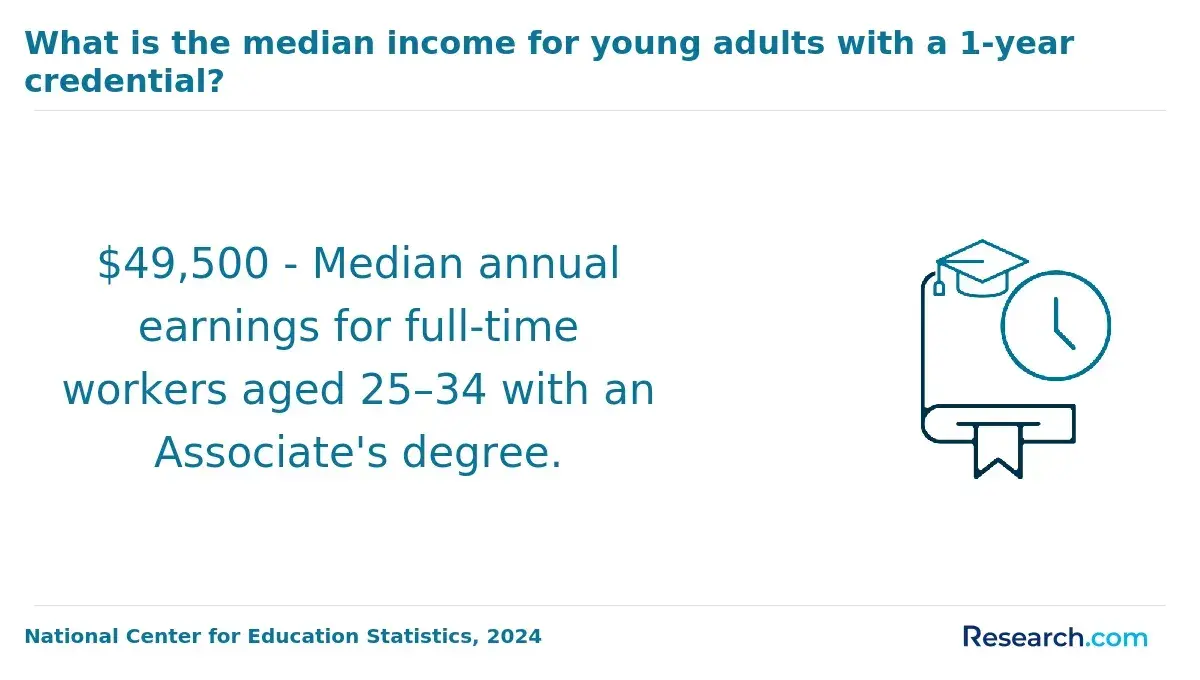
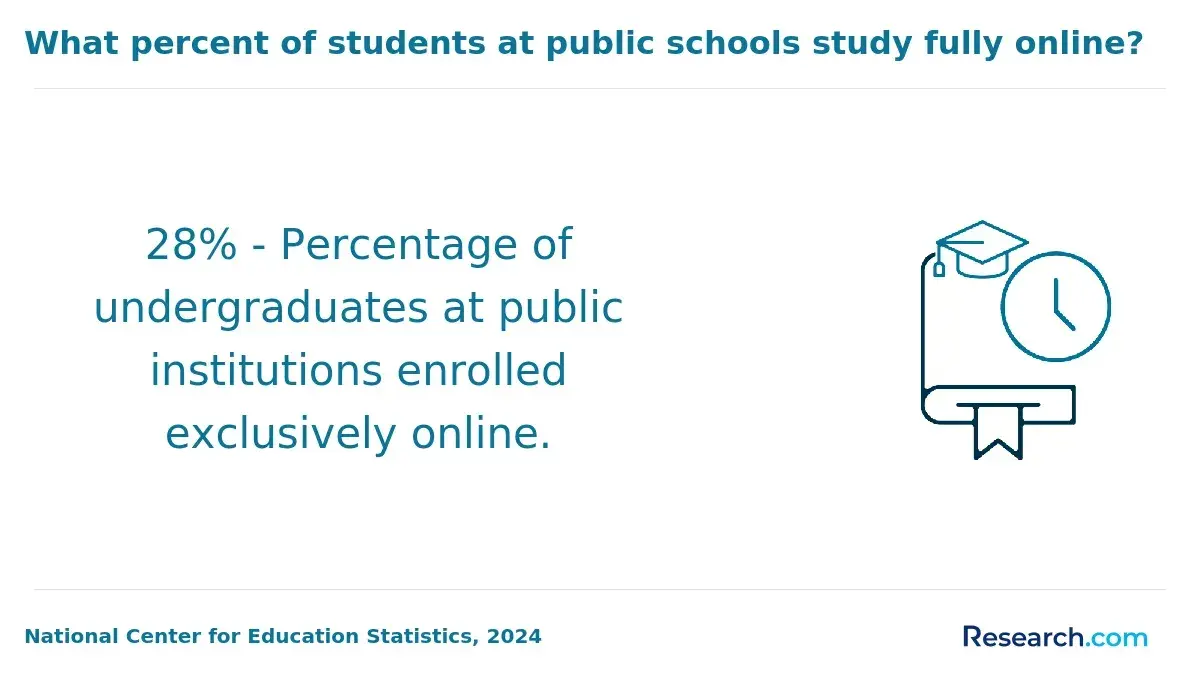
Online education has become a normal part of graduate learning. National Center for Education Statistics distance education data released in 2024 continues to show that millions of graduate students take at least some courses online, which means employers are increasingly familiar with online credentials. For ministry professionals who cannot relocate or leave full-time service, that flexibility can be the difference between finishing a doctorate and never starting one.
The table below shows how online and hybrid formats usually compare for ministry professionals. It is not a ranking of quality; it is a fit comparison.
| Format | Strengths | Limitations | Best for |
| Fully online | Maximum flexibility, no relocation, easier for full-time pastors or nonprofit leaders | May require more self-discipline and fewer in-person faculty relationships | Working professionals with stable ministry contexts for applied projects |
| Online with residencies | Combines flexibility with face-to-face networking and spiritual formation | Travel costs and time away from work can add up | Students who want mentoring, cohort relationships, and practical ministry engagement |
| Hybrid campus-based | More direct access to faculty, libraries, and peer communities | Less convenient for students far from campus | Students near a strong seminary or those seeking academic teaching pathways |
Before trusting any program, verify regional or national institutional accreditation recognized by the U.S. Department of Education or the Council for Higher Education Accreditation. For seminary-based programs, also check whether the school holds accreditation from the Association of Theological Schools if that matters in your denomination, employer network, or academic hiring market.
Practical signs of a respected online doctorate include clear admissions standards, faculty with terminal degrees and ministry experience, transparent dissertation or doctoral project requirements, library access, research support, student outcome information, and alumni working in the kinds of roles you want. Be cautious if a program promises unusually fast completion, vague accreditation, minimal research expectations, or guaranteed career advancement.
What industries value professionals with Christian Ministry doctorate degrees?
A Christian Ministry doctorate is most directly valued in faith-based and mission-driven environments, but the skills can also transfer to education, nonprofit leadership, chaplaincy administration, publishing, consulting, and community services. The credential carries the most weight where theological expertise, ethical leadership, and ministry experience are part of the job's core value.
The table below summarizes industries where the degree can matter and how strongly the doctorate itself is likely to influence hiring. This distinction is important because some sectors value doctoral-level credibility, while others prioritize management experience, fundraising ability, or licensure.
| Industry or sector | How the doctorate is valued | Common roles |
| Churches and denominations | Signals advanced ministry preparation, leadership depth, and theological maturity | Senior pastor, executive pastor, district superintendent, denominational consultant |
| Seminaries and Christian colleges | May support teaching, administration, curriculum design, and academic leadership | Instructor, program director, dean, academic administrator |
| Healthcare and institutional chaplaincy | Can strengthen leadership and supervisory credibility, especially alongside chaplaincy credentials | Director of spiritual care, senior chaplain, chaplain educator |
| Faith-based nonprofits | Supports mission alignment, ethical leadership, program design, and board-facing credibility | Executive director, program director, community engagement leader |
| Publishing and media ministry | Builds authority for teaching, writing, curriculum, and public communication | Author, editor, curriculum developer, podcast or media educator |
| Consulting and coaching | Helps establish expertise when paired with a track record of measurable ministry outcomes | Church consultant, leadership coach, conflict specialist, formation consultant |
Demand is often strongest where organizations face complex people problems: leadership succession, declining attendance, congregational conflict, community engagement, staff development, trauma-informed ministry, and multicultural outreach. AI is also changing administrative work by making content drafting, communication planning, and data analysis faster; doctorate holders who can combine theology, ethics, and responsible technology use may stand out in organizations trying to modernize without losing mission clarity.
The degree is less likely to matter in roles that are primarily clinical, financial, legal, or technical unless you also hold the required license or experience. For example, a ministry doctorate can strengthen chaplaincy leadership, but board certification, clinical pastoral education, and employer-specific requirements may still be decisive.
What executive or leadership roles can Christian Ministry doctorate degrees qualify you for?
A Christian Ministry doctorate can support executive advancement, especially for professionals already leading ministries, campuses, agencies, or nonprofit programs. It rarely replaces experience, but it can sharpen strategic thinking, increase credibility with boards, and prepare leaders to manage complex mission-driven organizations.
Federal wage data helps set realistic expectations. The U.S. Bureau of Labor Statistics reported a May 2024 median wage of $78,240 for social and community service managers, a category that includes many nonprofit and community program leaders. That figure is not specific to Christian Ministry doctorate holders, but it shows the compensation range for one of the broader leadership markets where ministry-trained professionals may compete.
Leadership roles that may make strong use of the doctorate include the following. These are best viewed as potential pathways, not automatic outcomes.
- Senior pastor or lead pastor: Often responsible for preaching, staff leadership, vision, pastoral care systems, and board or elder relations.
- Executive pastor: Usually focuses on operations, staff management, budgeting, ministry systems, and organizational execution.
- Denominational leader: May oversee regional churches, clergy development, church planting, conflict mediation, or credentialing processes.
- Director of spiritual care: Common in hospitals, hospice systems, or institutional chaplaincy, often requiring chaplaincy credentials in addition to graduate theological education.
- Faith-based nonprofit executive director: Leads mission strategy, fundraising, staff, programs, compliance, partnerships, and board communication.
- Ministry school or seminary administrator: Oversees programs, faculty coordination, student formation, accreditation projects, or institutional strategy.
The highest-paying leadership paths usually require more than the doctorate. Fundraising success, budget responsibility, management experience, denominational networks, and measurable program results often carry as much weight as the credential itself. If your goal is executive leadership, choose a doctoral project that produces evidence you can show to a board: improved retention, stronger volunteer systems, a new discipleship model, community partnerships, or a tested leadership development process.
Are there academic careers available for Christian Ministry doctorate holders?
Yes, but academic outcomes depend heavily on the type of doctorate, the institution's hiring standards, your research record, and the level at which you want to teach. A DMin is often respected for practical ministry teaching, pastoral leadership, preaching, chaplaincy, and formation courses. A PhD or ThD is usually stronger for tenure-track research roles, especially at seminaries, universities, or institutions that expect peer-reviewed scholarship.
The academic market is competitive and should not be treated as a guaranteed return on investment. BLS data placed the May 2024 median wage for postsecondary teachers overall at $84,380, but salaries vary widely by field, institution type, rank, contract status, and whether the position is full-time or adjunct. For many ministry doctorate holders, academic work begins part time through adjunct teaching, cohort mentoring, online course development, or continuing education programs.
Academic roles may include several different levels of responsibility. Understanding the distinction can help you choose the right doctoral route.
- Adjunct instructor: Often teaches ministry, Bible, leadership, or practical theology courses while maintaining a primary ministry role.
- Full-time faculty member: Usually requires teaching, student mentoring, committee work, and scholarship or professional engagement.
- Program director: Oversees curriculum, student outcomes, faculty coordination, and program assessment.
- Dean or academic administrator: Manages academic strategy, accreditation work, budgets, faculty development, and institutional planning.
- Researcher or writer: Produces books, articles, curriculum, denominational resources, or applied ministry studies.
If you want a faculty career, ask programs where recent graduates teach, whether the degree is accepted for the academic roles you want, and how much research training the curriculum includes. If you want practical ministry leadership with occasional teaching, a DMin may fit well. If you want a long-term research career, a PhD or ThD is often the safer academic path.
Are there consulting opportunities for Christian Ministry doctorate holders?
Consulting can be one of the most flexible ways to use a Christian Ministry doctorate, especially for professionals with a strong track record in church leadership, chaplaincy, education, missions, or nonprofit management. The doctorate can increase credibility, but clients usually pay for solved problems, not for credentials alone.
Consulting opportunities often cluster around complex organizational needs. The most viable consultants usually have a clear specialty, documented outcomes, and a practical method that churches or nonprofits can understand.
- Church health and revitalization: Helping congregations assess attendance trends, leadership structures, volunteer systems, discipleship pathways, and community engagement.
- Leadership development: Training pastors, elders, ministry teams, chaplains, or nonprofit staff in supervision, communication, succession, and conflict response.
- Preaching and communication coaching: Supporting pastors, speakers, and ministry educators in sermon design, teaching clarity, and audience engagement.
- Conflict mediation and organizational repair: Working with churches or boards navigating staff conflict, leadership transitions, governance breakdowns, or congregational division.
- Program evaluation: Designing tools to assess whether ministries, grants, or community programs are meeting their intended outcomes.
- Spiritual formation and retreats: Creating formation pathways, clergy renewal programs, mentoring models, or retreat experiences.
Consulting makes sense if you enjoy business development, can tolerate uneven income, and have a network that trusts your expertise. A full-time leadership role may be better if you prefer stable compensation, benefits, and long-term authority within one organization.
Some ministry professionals also compare a Christian Ministry doctorate with counseling-related doctorates when their consulting interests involve pastoral care, trauma, or family systems. If your goal is research-heavy counseling education rather than ministry consulting, reviewing options such as the cheapest online PhD in counseling can clarify whether a ministry doctorate is the right credential.
A common red flag is launching a consulting practice immediately after graduation without a defined offer. Before investing in consulting full time, test a narrow service, gather testimonials ethically, build sample tools, and confirm that churches or agencies have both the need and the budget to hire outside help.
What nonprofit or public sector roles are open to Christian Ministry doctorate holders?
Christian Ministry doctorate holders can be competitive for nonprofit and public-facing roles when the work involves community engagement, ethical leadership, faith partnerships, chaplaincy, program design, or service to vulnerable populations. In these settings, the doctorate is usually most useful when combined with grant management, supervision, evaluation, fundraising, or policy experience.
Public sector roles may not require a ministry doctorate, and some will prioritize social work, public administration, counseling, education, or public health degrees. However, faith-based experience can be valuable in community outreach, correctional chaplaincy, disaster response, veteran services, reentry programs, and interfaith partnerships.
Potential roles include the following areas, especially for candidates who can translate ministry experience into measurable community outcomes.
- Faith-based nonprofit executive director: Leads strategy, fundraising, staff, partnerships, compliance, and board reporting.
- Community engagement director: Builds partnerships among churches, agencies, schools, public offices, and neighborhood organizations.
- Program director: Oversees service programs such as food security, housing support, recovery ministry, refugee support, prison reentry, youth development, or family services.
- Chaplaincy program administrator: Coordinates spiritual care teams in hospitals, correctional systems, hospice, military-adjacent organizations, or emergency services.
- Ethics or mission integration leader: Helps organizations align policies, services, and staff training with religious mission and ethical commitments.
- Grant-funded initiative leader: Designs, evaluates, and reports on programs supported by foundations, churches, government contracts, or donor networks.
The strongest candidates know how to speak both ministry and management. That means translating phrases such as "discipleship," "pastoral care," or "mission" into employer-friendly evidence: improved service access, stronger volunteer retention, lower program gaps, better referral networks, or clearer outcomes reporting.
Nonprofit salaries vary widely because organization size, funding model, and location matter. A small local ministry may offer deep mission fit but modest compensation; a large health system, foundation-backed nonprofit, or national faith-based agency may offer more structured advancement.
How do Christian Ministry doctorate degrees impact long-term earning potential?
A Christian Ministry doctorate can improve long-term earning potential, but it does so indirectly. The degree may help you qualify for larger leadership roles, academic appointments, consulting opportunities, or executive-level nonprofit work. It does not, by itself, create a standard salary premium across the labor market.
There is no public U.S. dataset that isolates the average income of Christian Ministry doctorate holders specifically. The most reliable approach is to compare target roles. For example, May 2024 federal wage data placed postsecondary education administrators at a median of $103,960, which is substantially higher than many local church roles but generally requires administrative experience in addition to advanced education.
The table below compares common pathways by earning logic rather than promising exact outcomes. This helps you think about ROI in terms of role, market, and responsibility level.
| Career path | How the doctorate may affect earnings | Salary limitations to consider |
| Senior church leadership | Can support movement into larger congregations or denominational roles | Compensation depends heavily on church size, location, budget, and tradition |
| Academic teaching | May open adjunct, faculty, or program leadership opportunities | Adjunct work can be modest; full-time roles are competitive |
| Nonprofit executive work | Can strengthen board credibility and leadership positioning | Fundraising and management results may matter more than the degree alone |
| Chaplaincy leadership | Can support advancement into supervisory or director roles | Clinical pastoral education, board certification, and institutional requirements may be necessary |
| Consulting | Can help establish expertise and premium positioning | Income depends on client demand, reputation, pricing, and business development |
| Publishing and speaking | Can add credibility for books, curriculum, conferences, and media | Income is often inconsistent unless paired with a platform or institution |
Cost is the other side of the earning question. Federal education data does not publish a Christian Ministry doctorate-specific average cost of attendance, so students should compare program tuition, fees, residency travel, books, technology, and lost work time. As a broad benchmark, NCES graduate tuition data released in 2024 shows that average graduate tuition and required fees are much lower at public institutions than private nonprofit institutions, but many ministry doctorates are offered by private seminaries where institutional aid and denominational discounts can change the real price.
To estimate ROI realistically, compare total out-of-pocket cost with the specific advancement you expect. A $25,000 program that helps you move into a better-aligned leadership role may be reasonable; a much more expensive program may be hard to justify if your target role has limited compensation growth. Avoid borrowing based on hoped-for preaching invitations, book deals, or academic jobs unless you already have strong evidence that those opportunities exist.
How can you assess if a doctorate degree in Christian Ministry is aligned with your career goals?
The right question is not simply whether a Christian Ministry doctorate is worth it. The better question is whether this specific degree, from this specific program, supports the work you want to do over the next decade.
Use the steps below to evaluate fit before applying. They are designed to prevent the most common mistakes: enrolling without a target role, ignoring accreditation, choosing a specialization too narrowly, or underestimating the academic load of an online doctorate.
- Define your target outcome: Write down the role you want after graduation, such as senior pastor, seminary instructor, chaplaincy director, nonprofit executive, or consultant.
- Check whether the doctorate is actually expected: Review job postings, denominational standards, seminary faculty profiles, chaplaincy requirements, and nonprofit executive listings.
- Verify accreditation: Confirm institutional accreditation and, where relevant, theological accreditation or denominational recognition.
- Compare degree type: Choose a DMin for applied ministry leadership, a PhD or ThD for research and academic scholarship, or another professional doctorate if your goal is organizational leadership beyond church settings.
- Evaluate faculty fit: Look for professors publishing or practicing in your intended area, not just a school with a familiar name.
- Ask for outcome evidence: Request examples of doctoral projects, alumni roles, completion support, and typical time to finish.
- Calculate total cost: Include tuition, fees, residencies, travel, books, technology, and possible reduced work hours.
- Test the doctoral project idea early: Choose a real ministry problem that matters to your employer, denomination, community, or future clients.
- Compare alternatives: Consider whether a certificate, coaching credential, counseling master's, MBA, MPA, EdD, PhD, or leadership training would serve your goal better.
Program format should also match your life. Online programs work best for self-directed students with a stable ministry context and strong time management. Hybrid programs can be better for students who need cohort connection, mentoring, and in-person formation. Campus-based programs may fit those pursuing academic careers or living near a seminary with strong faculty in their niche.
If your long-term goal is licensed counseling rather than pastoral leadership or ministry education, a Christian Ministry doctorate may not be the direct path. In that case, compare licensure-focused routes such as accelerated mental health counseling programs online and confirm state board requirements before choosing a ministry doctorate.
Ask each program direct questions before you enroll. What percentage of students finish the program? How many leave before completing the project or dissertation? What support exists for online students? How are faculty assigned? What happens if your ministry context changes? National, program-specific completion and attrition rates for Christian Ministry doctorates are not standardized in public federal datasets, so school-level transparency is especially important.
Other Things You Should Know About Christian Ministry
Many professional ministry doctorates take about three to five years, depending on the program structure, course load, project requirements, and whether you study part time. Research doctorates can take longer, especially if they require language work, comprehensive exams, or a traditional dissertation.
Not always. Some programs require ordination, ministry experience, or endorsement from a church or denomination, while others accept nonprofit leaders, educators, chaplains, missionaries, or lay ministry professionals. Requirements vary by school and degree type.
It can strengthen your theological and leadership preparation, but chaplaincy certification often has separate requirements, such as clinical pastoral education, supervised hours, endorsement, and board review. Always check the standards of the certifying body and employer you plan to pursue.
No. A DMin is typically an applied professional doctorate for experienced ministry leaders, while a PhD is usually a research doctorate aimed at scholarship, teaching, and original academic contribution. Both can be valuable, but they serve different career goals.
References
- CareerPaths for Christian Ministry Graduates | Types of Careers https://christianministryedu.org/blog/career-paths-for-christian-ministry-degree-graduates-exploring-your-options/
- What Can You Do With a Master of Divinity Degree? 15 Job Options [+ Salary Expectations] | Franciscan School of Theology https://www.fst.edu/master-of-divinity-jobs/
- Overview of the DMin Degree - United Theological Seminary https://united.edu/overview-of-the-dmin-degree/
- What Can You Do With a Doctor of Ministry Degree? | Houston Christian University https://hc.edu/articles/what-can-you-do-with-a-doctor-of-ministry-degree/
- Some PhD FAQs https://www.thegospelcoalition.org/blogs/kevin-deyoung/some-phd-faqs/
- What's the Difference between a PhD, a DMin, and a ThD? https://www.pastortheologians.com/articles/2024/4/10/whats-the-difference
- New Orleans Baptist Theological Seminary Catalog https://catalog.nobts.edu/graduate/doctoral/professionaldegrees
- All Doctor of Ministry (DMin) Programs - TheologyDegree.org https://www.theologydegree.org/programs/doctor-of-ministry/
- Nobody is Hiring, So What Can I Do with My PhD in Theology? https://theology.wp.st-andrews.ac.uk/2017/06/14/nobody-is-hiring-so-what-can-i-do-with-my-phd-in-theology/
- Career Oppurtunities - Memphis Theological Seminary https://memphisseminary.edu/career-oppurtunities/


