2027 Weekly Start Online Degrees vs Self-Paced Accelerated Business Development Degree Programs

Co-Founder and Chief Data Scientist
The choice between a weekly start online degree and a self-paced accelerated business development program is really a choice about structure, speed, support, and risk. Both formats can work for online learners, but they serve different needs. A student who needs predictable deadlines may thrive in a weekly start model, while a highly independent learner with available study time may benefit from an accelerated self-paced path.
Scheduling flexibility is a major reason students consider online education. According to the National Center for Education Statistics, over 30% of online learners cite scheduling flexibility as a top priority when selecting a program. Still, flexibility is not the same in every online program. Some programs are flexible because they start often; others are flexible because students control the pace.
This guide compares weekly start online degrees and self-paced accelerated business development programs across structure, admissions, completion time, flexibility, difficulty, grading, tuition, instructor support, employer perception, salary considerations, and graduate experiences. Use it to identify which format better matches your work schedule, learning style, budget, and career timeline.
Key Benefits of Weekly Start Online Degrees vs Self-Paced Accelerated Business Development Degree Programs
- Weekly start online degrees offer continuous enrollment flexibility, enabling students to begin studies anytime, reducing wait times and maintaining steady progress toward business development career goals.
- Self-paced accelerated business development programs often reduce overall tuition and living costs by shortening completion time, appealing to budget-conscious learners seeking quicker workforce entry.
- Studies show students in flexible formats demonstrate higher retention rates, as adapting pace and start dates to personal schedules supports sustained academic achievement and professional growth.
How Are Weekly Start Online Degrees and Self-Paced Accelerated Business Development Programs Structured?
Weekly start online degrees and self-paced accelerated business development programs differ most in how they control time. Weekly start programs offer frequent entry points but still use instructor-led schedules. Self-paced accelerated programs give students more control over when they complete coursework, but they also require stronger self-management.
Weekly Start Online Degrees
A weekly start online degree is usually designed for students who want online convenience without losing the accountability of a structured academic calendar. New classes may begin every week or every few weeks, but once enrolled, students typically follow a defined course sequence.
- Course pacing: Courses move on a synchronized schedule. Students usually complete readings, discussions, assignments, and assessments according to weekly deadlines.
- Term length: Terms usually last between 5 to 8 weeks, depending on the institution and course design.
- Assignment schedules: Instructors set due dates, which helps students maintain steady progress and avoid falling too far behind.
- Assessment methods: Exams, quizzes, projects, and discussions are typically due on established dates within each term.
- Weekly time commitment: Students typically spend 10 to 15 hours weekly on lectures, readings, assignments, discussions, and exams.
- Best fit: This format often works well for students who want flexibility in when they begin but need external deadlines to stay organized.
Self-Paced Accelerated Degrees
A self-paced accelerated business development degree gives students more control over their academic speed. Instead of waiting for weekly content releases or fixed class meetings, learners can often move through course material as quickly as they can demonstrate competency or complete required work.
- Course pacing: Learners may start anytime and progress at their own speed, which can support faster completion for students with strong discipline and available study time.
- Term length: Duration varies widely. Motivated students can finish semester-equivalent workloads in months, depending on their effort, prior knowledge, and program rules.
- Assignment schedules: Assignments and tests are often available on demand, allowing students to build study sessions around work, family, or travel.
- Weekly time commitment: Students pursuing fast completion often dedicate 15 to 20 hours per week or more, especially when balancing multiple courses or competency requirements.
- Best fit: This format is usually better for independent learners who can plan their own deadlines and maintain momentum without frequent reminders.
The key distinction is not whether the program is online; both are. The difference is how much structure the school provides. Students comparing formats across disciplines can also review how other online programs are organized, including cheapest online SLP programs, to understand how scheduling models vary by field.
Are Weekly Start Online Business Development Programs Easier to Get Into vs Self-Paced Accelerated Programs?
Weekly start online business development programs may be easier to enter when they use rolling admissions, multiple start dates, and broader applicant criteria. Self-paced accelerated programs can be accessible as well, but some expect stronger academic preparation because students must move quickly with less day-to-day structure.
Admissions requirements vary widely by school, degree level, accreditation status, and applicant background. Students should not assume that an online program is automatically easy to enter. Instead, compare the admissions checklist, transfer credit policy, prerequisite requirements, and readiness expectations.
- GPA expectations: Weekly start programs tend to accept students with lower GPA requirements, while self-paced accelerated formats often expect higher academic achievement due to their rigorous pace.
- Prerequisite coursework: Weekly start online business development program admissions may allow more flexible prerequisite completion. Self-paced accelerated programs may require students to enter with stronger foundational knowledge in business, management, accounting, marketing, or analytics.
- Standardized tests: Tests such as the GRE or GMAT are less commonly required for weekly start programs, whereas self-paced accelerated degrees may place more emphasis on these scores, depending on the institution and degree level.
- Academic records: Self-paced accelerated programs often prioritize applicants with stronger academic profiles because the model assumes students can handle independent work and compressed timelines.
- Professional experience: Some business development programs may value work history in sales, operations, entrepreneurship, marketing, management, or client relations, especially for graduate-level applicants.
- Readiness screening: Accelerated programs may include advising conversations, placement reviews, or readiness assessments to determine whether applicants understand the workload.
Applicants should ask admissions offices direct questions: What GPA is typical for admitted students? Are transfer credits accepted? Are there probationary admission options? Can prerequisite gaps be completed before or during enrollment? Students comparing online admissions patterns in other fields may find similar considerations in engineering degrees online.
How Long Does a Weekly Start Online Degree Take to Complete vs Self-Paced Accelerated Business Development Degree?
Completion time depends on degree level, transfer credits, course load, program rules, and how consistently a student can study. Nearly 30% of online degree seekers look for quicker pathways to graduate, but faster is not always better. A shorter timeline can reduce opportunity costs, yet it can also increase weekly workload and stress.
- Term length: Weekly start programs operate within standard academic terms such as semesters, quarters, or shorter online sessions. Many degree pathways still require two to four years for completion, depending on the credential and student enrollment status. Self-paced accelerated programs allow students to progress continuously without waiting for new terms to begin, which may shorten the overall duration.
- Pacing control: Students in weekly start formats follow a predetermined schedule, limiting how quickly they can move through material. Self-paced accelerated options let learners advance faster by managing their own study rhythm, often enabling completion in as little as 12 to 18 months if they maintain strong discipline and meet program requirements.
- Credit load: Weekly start programs may limit how many courses students can take at once to protect academic quality and prevent overload. Self-paced students may be able to complete heavier workloads when they are ready, but this requires strong organization and sustained focus.
- Transfer credits: Both formats can become faster when schools accept prior credits. Students should verify credit equivalency, grade minimums, residency requirements, and expiration rules for older coursework.
- Prior learning or work experience: Some programs may evaluate professional training, certifications, military experience, or portfolio evidence. Policies vary, so students should request a formal credit review before assuming time savings.
- Enrollment flexibility: Weekly start degrees reduce waiting time because new courses begin frequently, but students still follow class timelines once enrolled. Self-paced models may offer continuous enrollment, allowing students to begin and proceed without waiting for the next scheduled term.
The fastest option is usually the one a student can complete consistently. A self-paced program may be shorter on paper, but students who lack time or structure may take longer than expected. A weekly start program may move more slowly, but its deadlines can help working adults finish without losing momentum.
How Flexible Are Weekly Start Online Degrees vs Self-Paced Accelerated Business Development Programs?
Self-paced accelerated business development programs are usually more flexible in daily scheduling and pacing. Weekly start online degrees are flexible in access because they begin often, but they are less flexible once a course starts because students must meet set deadlines.
The best choice depends on what kind of flexibility the student needs. A parent, shift worker, consultant, or traveling professional may need control over study times. A student who struggles with procrastination may need the structure of weekly deadlines, even if that feels less flexible.
- Scheduling control: Weekly start programs require students to follow a set weekly schedule with fixed deadlines. Self-paced programs let learners study when they choose, giving them greater control over daily and weekly planning.
- Pacing speed: Students in self-paced accelerated programs can speed up or slow down progress based on capacity, prior knowledge, and outside responsibilities. Weekly start formats maintain a steady, predetermined pace for all students in the course.
- Start dates: Weekly start degrees admit students at specific intervals throughout the year, such as weekly or monthly. Self-paced programs often allow enrollment at any time, offering continuous access to coursework.
- Assignment deadlines: Weekly start programs use fixed submission deadlines to keep students moving. Self-paced formats generally offer more flexible deadlines, though schools may still impose term limits, assessment windows, or satisfactory academic progress requirements.
- Instructor interaction: Weekly start formats commonly include scheduled discussions, office hours, peer activities, and instructor announcements. Self-paced programs may provide more asynchronous support, which can be convenient but less immediate.
- Ability to pause or accelerate progress: Self-paced students may have more room to pause or move quickly, depending on school policy. Weekly start students typically need to continue with the course schedule or formally withdraw, pause, or re-enroll.
- Financial aid timing: Students using federal financial aid, employer reimbursement, or payment plans should confirm how each format defines enrollment status, academic progress, and billing periods.
Are Self-Paced Accelerated Business Development Degrees Harder Than Weekly Start Online Programs?
Self-paced accelerated business development degrees are not automatically harder academically, but they can feel harder because they shift more responsibility to the student. The difficulty comes from managing time, staying motivated, completing work without frequent reminders, and maintaining quality at a faster pace.
Weekly start programs can also be demanding, especially when courses require group projects, weekly discussions, exams, and instructor-set deadlines. The difference is that the structure distributes the pressure more predictably.
- Workload intensity: Accelerated self-paced programs can compress coursework into a shorter period, increasing the weekly study load. Weekly start programs distribute work more evenly over time, which may reduce pressure for students with full-time jobs or caregiving duties.
- Pacing expectations: Self-paced formats offer flexibility but require students to create and follow their own deadlines. Without a personal study plan, flexibility can turn into procrastination. Weekly start programs provide built-in pacing.
- Self-discipline: Success in self-paced degrees depends heavily on motivation, time blocking, and consistent progress. Weekly start courses provide routine through set deadlines, announcements, discussions, and regular instructor contact.
- Assessment structure: Self-paced programs may allow flexible timing for assignments and tests, but students who delay work can face heavy pressure near the end of a term or subscription period. Weekly start programs usually spread assessments across the course.
- Instructor interaction: Weekly start students typically receive more frequent instructor prompts and feedback. Self-paced learners may need to ask for help sooner and monitor their own understanding more carefully.
- Learning style fit: Students who learn best through discussion, examples, and feedback may find weekly start programs easier to manage. Students who already know some business development concepts may find self-paced programs efficient.
A practical test is to review your last three months of work and personal obligations. If you can reliably protect study time several days per week, a self-paced accelerated program may be realistic. If your schedule is busy but predictable, a weekly start program may provide better accountability.
How Does Grading Differ Between Weekly Start Online vs Self-Paced Accelerated Business Development Programs?
Grading in weekly start online programs is usually tied to scheduled modules, weekly assignments, and instructor timelines. Grading in self-paced accelerated programs may be tied more closely to competency, project completion, exams, or end-of-course assessments. Both can be rigorous, but they create different study behaviors.
- Assessment frequency: Weekly start programs schedule assessments regularly, often weekly, which keeps students engaged with the material. Self-paced accelerated programs allow students to complete assessments on their own timeline, making evaluation intervals less predictable.
- Mastery requirements: In weekly start programs, students may need to achieve minimum grades before advancing or passing a course. Self-paced programs may also require mastery, especially when they use competency-based assessment, but students often control when they attempt evaluations.
- Feedback timing: Weekly start formats usually provide routine feedback because instructors grade within a course schedule. Self-paced students may receive feedback less regularly and should confirm expected turnaround times before enrolling.
- Grading flexibility: Scheduled online programs follow strict grading deadlines aligned with course calendars. Self-paced accelerated formats offer more latitude in submission timing, but delaying work can create a backlog of assignments or assessments.
- Discussion and participation grades: Weekly start courses may grade discussion posts, peer replies, group projects, and attendance at live or asynchronous activities. Self-paced programs may rely more on individual assignments, exams, simulations, or projects.
- Academic progress rules: Students should ask how incomplete courses, failed assessments, retakes, and withdrawals affect GPA, financial aid, employer reimbursement, and graduation timelines.
Before choosing a format, request a sample syllabus or course outline. Look for the number of graded assignments, exam rules, late policies, discussion requirements, and how quickly instructors return feedback. These details often matter more than the label “weekly start” or “self-paced.”
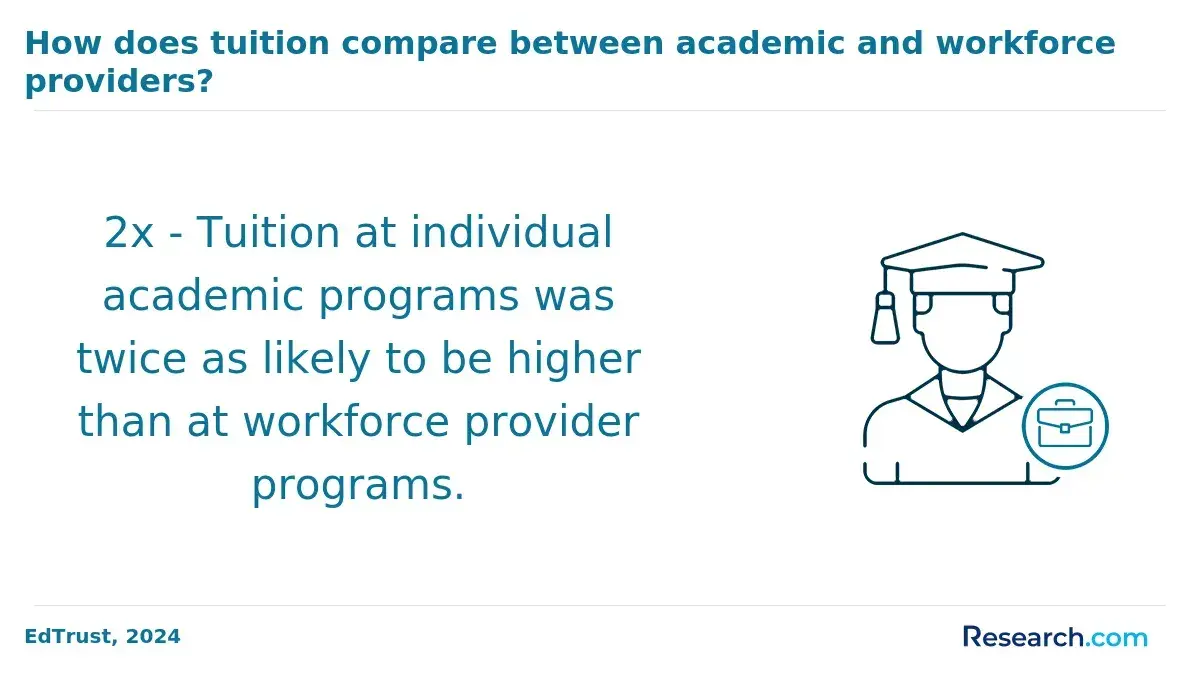
How Does Tuition Compare Between Weekly Start Online and Self-Paced Accelerated Business Development Programs?
Tuition comparisons can be misleading if students look only at the advertised price. The better question is total cost to completion. That includes tuition, fees, books or digital materials, technology charges, transfer credit acceptance, retake costs, and the amount of time a student remains enrolled.
- Pricing structure: Weekly start online programs generally charge per credit hour or per course, similar to traditional formats. Self-paced accelerated options often feature flat-rate tuition for a fixed period, which can reward students who complete more work quickly.
- Time to completion: Weekly start programs typically take between 18 to 24 months, reflecting a standard semester pace for certain program types. Accelerated formats may allow students to finish faster if they maintain a rigorous study schedule.
- Cost predictability: Weekly start formats can be easier to budget because students know the cost per course or credit. Accelerated programs may involve upfront payments or period-based charges, which can be efficient for fast completers but costly for students who slow down.
- Course intensity: Accelerated programs may require a near full-time academic effort to produce savings. If the pace forces a student to reduce paid work, the indirect cost may rise. Weekly start formats may better support part-time study alongside employment.
- Additional fees: Both types can include technology, graduation, assessment, resource, or student service fees. Students should ask for a full fee schedule before enrolling.
- Transfer credits and prior learning: Recognition of previous coursework or experience can reduce required credits and tuition in either model. Students should request an official transfer evaluation and compare the remaining credits required.
- Financial aid and reimbursement: Students using federal aid, scholarships, veterans benefits, or employer tuition reimbursement should verify whether the program’s calendar and pacing model meet eligibility rules.
Students focused on affordability should compare total program cost, accreditation, transfer policy, and completion rules together. For a broader cost comparison in the same field, review accredited online business degree programs alongside each school’s published tuition and fee disclosures.
Do Weekly Start Online Business Development Degrees Offer More Instructor Support Than Self-Paced Accelerated Programs?
Weekly start online business development degrees often provide more predictable instructor support because the course operates on a shared schedule. Self-paced accelerated programs can still offer faculty access, tutoring, coaching, or advising, but students may need to initiate contact more often.
- Instructor availability: Weekly start programs generally provide a more consistent instructor presence through scheduled announcements, office hours, feedback cycles, and class discussions. Self-paced accelerated programs offer greater timing flexibility but may involve less direct day-to-day faculty interaction.
- Response times for questions and feedback: Students in weekly start formats often receive instructor feedback within 24 to 48 hours, depending on school policy and faculty workload. Self-paced learners may experience longer waits because communication is asynchronous and not tied to a shared weekly module.
- Structured interaction: Weekly start courses may include live discussions, peer replies, group projects, case analyses, or instructor-led activities. Self-paced formats emphasize independent progress and may include fewer required group activities.
- Scheduled or live communication: Live sessions and real-time advising are more common in weekly start degrees. In self-paced programs, live support may be optional, limited, or provided through academic coaches rather than course instructors.
- Academic advising touchpoints: Weekly start programs may build in regular check-ins to help students stay on track. Self-paced students typically need to monitor deadlines, completion rates, and graduation requirements more independently.
- Student independence expectations: Self-paced accelerated business development program student guidance relies heavily on learner autonomy. Weekly start formats provide more direct oversight, which can help students who benefit from reminders and accountability.
When comparing support, ask specific questions: Who grades assignments? How quickly do instructors respond? Are office hours available? Is tutoring included? Can students schedule advising appointments? Are there career services for business development roles? Students comparing online support and cost structures in other fields may also review cheapest psychology degree online options for additional context.
Do Employers Prefer Weekly Start Online or Self-Paced Accelerated Business Development Degrees?
Employers usually care less about whether a degree was weekly start or self-paced and more about whether the institution is legitimate, the program is relevant, and the graduate can show useful skills. Accreditation, curriculum quality, internship or project experience, communication ability, sales or partnership results, and measurable achievements matter more than the scheduling format.
- Perceived rigor: Weekly start online business development degrees may signal structure, deadlines, and consistent engagement. Some employers may view this as evidence of reliability and time management.
- Completion timelines: Self-paced accelerated programs can show initiative and focus, especially when a student completes the degree while working. However, employers may ask how the program ensured depth, assessment quality, and practical application.
- Time management skills: Weekly start programs demonstrate repeated deadline management, which aligns with project timelines, sales cycles, client follow-ups, and reporting tasks in business development roles.
- Adaptability and initiative: Self-paced accelerated formats can highlight independence, self-motivation, and fast learning. These traits are valuable in entrepreneurship, sales strategy, market expansion, and client acquisition.
- Collaboration experience: Weekly start formats may include more peer interaction, team projects, and discussion-based learning. These experiences can support communication and collaboration skills that employers value.
- Alignment with workforce needs: Employers tend to prioritize practical skills such as prospect research, market analysis, CRM use, negotiation, proposal development, relationship management, and data-informed decision-making.
Students in either format should build evidence beyond the transcript. Strong examples include a business development portfolio, capstone project, sales strategy analysis, market entry plan, internship experience, employer-backed project, or measurable results from current work.
Program format can influence how a candidate explains their education, but it rarely determines employability by itself. Students comparing affordability and online formats across graduate-level pathways can also review affordable EdD programs to see how structure, cost, and credibility vary by field.
Is There a Salary Difference Between Weekly Start Online vs Self-Paced Accelerated Business Development Degrees?
There is generally no automatic salary difference based only on whether a business development degree used a weekly start or self-paced accelerated format. Salaries depend more on role, industry, location, experience, performance, employer size, prior credentials, and the student’s ability to turn coursework into workplace results. Studies show that average salaries in business development roles tend to increase by about 6% annually with experience and proven skills.
- Time-to-completion: Self-paced accelerated programs may enable students to finish faster, allowing earlier entry into the workforce or earlier eligibility for promotion. This can affect long-term earnings, but only if the student completes the program successfully and applies the credential effectively.
- Employer perception: Weekly start online programs offer structured timelines that some recruiters may view as more familiar or reliable. Self-paced programs can also be respected when offered by accredited institutions with clear assessment standards.
- Skills and competencies gained: Practical, portfolio-relevant skills usually matter more than scheduling format. Employers look for evidence that candidates can identify opportunities, build relationships, analyze markets, communicate value, and contribute to revenue growth.
- Career advancement: Weekly start formats may support networking and instructor interaction, which can help with referrals, recommendations, and confidence. Self-paced formats may help motivated students accelerate credential completion while continuing to work.
- Return on investment: Students should compare total program cost, time away from work, expected career benefit, and credential value. A cheaper or faster program is not necessarily the best value if it lacks support, recognition, or relevant coursework.
For salary planning, focus less on format labels and more on outcomes: graduation rate, career services, alumni roles, curriculum relevance, employer recognition, and the kinds of projects students complete. Students exploring easier online degree paths and related salary expectations can compare broader options through easy degrees to get online.
What Graduates Say About Their Weekly Start Online Degrees vs Self-Paced Accelerated Business Development Degrees
- : "Choosing the weekly start online business development degree program felt right for me because I needed a structured schedule to keep me motivated. While the average cost of attendance was higher than some alternatives, I budgeted carefully by combining student loans and part-time work. The consistent pacing helped me apply lessons directly at work, leading to a promotion within months. — Kiane"
- : "I opted for the self-paced accelerated business development degree program because my job demanded unpredictable hours and I couldn't commit to fixed class times. Financing was a challenge, so I took advantage of employer tuition reimbursement and a payment plan to manage expenses efficiently. The fast-track nature allowed me to jumpstart new projects sooner, which impressed my clients and boosted my professional confidence. — Haydenz"
- : "Reflecting on my decision to pursue a weekly start online business development program, I appreciated the clear deadlines and community interaction, which grounded my learning experience. I managed costs by applying for scholarships and limiting personal expenses, mindful that the average tuition reflected quality instruction. This degree opened doors to leadership roles I hadn't anticipated, proving the investment was worthwhile. — Aljenz"
Other Things You Should Know About Business Development Degrees
Yes. Weekly start online degrees use fixed weekly deadlines for lectures, discussion posts, quizzes, and assignments, usually within 7-day course modules. Students in self-paced accelerated business development programs submit work on rolling timelines, but must still meet the school’s final course completion deadline and any minimum assessment requirements.
When choosing between weekly start online degrees and self-paced accelerated programs in 2027, students should consider their learning style, scheduling flexibility, career goals, and time commitment. Weekly start programs offer structured schedules, while self-paced options provide flexibility for independent learning. Evaluating these factors helps align education choices with personal and professional objectives.
Weekly start online programs in 2027 provide a structured timeline, with new courses commencing each week, offering consistent interaction with instructors. Self-paced accelerated programs allow students to progress at their own speed, which can potentially reduce the overall time needed to earn the degree, but may limit regular instructor interactions.
Weekly start programs usually provide scheduled academic advising, tutoring, and career services which correspond to cohort timelines. Self-paced accelerated students may have access to similar support but must proactively seek assistance, as services are often on-demand rather than structured around a fixed calendar.
References
- NovoEd Knowledge Base | Customer Portal https://support.devrev.ai/novoed/article/ART-1453
- Greater flexibility of business schools equals less pressure for online MBA students - AEEN https://www.aeen.org/greater-flexibility-of-business-schools-equals-less-pressure-for-online-mba-students/
- Top 1 to 2-Year Online DBA Programs: Accelerate Your Education https://www.eimt.edu.eu/top-1-year-2-year-accelerated-dba-programs-online
- Picture an Online Degree at Your Own Pace https://www.snhu.edu/about-us/newsroom/education/picture-an-online-degree-at-your-own-pace
- Why Online Education Opens More Doors Than Ever Before https://internationalopenacademy.com/blogs/news/why-online-education-opens-more-doors-than-ever-before
- 10 Steps to Accelerate Your Course - Faculty eCommons https://faculty.risepoint.com/10-steps-to-accelerate-your-course/
- Online College Degrees That Start Anytime and the Benefits of a Self-Paced Education | Academic Influence https://academicinfluence.com/inflection/online-degree/online-colleges-that-start-anytime
- Alternative grading in a six-week asynchronous course https://gradingforgrowth.com/p/alternative-grading-in-a-six-week
- Online Programmes & Business School Courses | INSEAD https://www.insead.edu/executive-education/open-online-programmes