2027 How Long Does It Take to Earn an Online Business Development Degree?

Co-Founder and Chief Data Scientist
Choosing an online business development degree is partly an academic decision and partly a time-management decision. The right program length depends on how many credits you already have, whether you can study full time, how quickly courses are offered, and how much intensity you can realistically handle while working or managing other responsibilities.
Online study has become a common path for business students and working adults. According to the National Center for Education Statistics, over 30% of undergraduate students now take at least some courses online, which reflects growing demand for flexible, career-focused education. Still, “online” does not automatically mean “faster.” Some programs follow the same four-year schedule as campus degrees, while others use accelerated terms, transfer credits, or competency-based learning to shorten the timeline.
This guide explains how long online business development programs usually take, what can speed up or slow down graduation, how credit hours work, what courses you can expect, and how program length may affect cost, employment timing, and salary outcomes.
Key Benefits of Online Business Development Degree
- An online business development degree typically takes 2 to 4 years to complete, depending on whether students enroll full-time or part-time, offering flexibility for working professionals.
- The self-paced nature of many programs allows learners to accelerate their studies, potentially finishing in as little as 18 months by taking extra courses each term.
- Online schedules often include asynchronous classes, enabling students to balance education with personal and work commitments without fixed class times.
What is the Average Completion Time for Online Business Development Programs?
Most online business development programs take 2 to 4 years to complete, but the exact timeline depends on the degree level and the student’s pace. A full-time student with no transfer credits will usually follow a standard schedule, while a student with prior college coursework, military training, professional certifications, or an accelerated course load may finish sooner.
- Associate degree: An online associate degree is generally completed in about 2 years of full-time study. It is best for students who want foundational business skills, entry-level opportunities, or a lower-cost transfer path into a bachelor’s program. Some accelerated tracks can shorten the timeline to around 16 months, especially when students bring in prior credits.
- Bachelor's degree: The average completion time for an online bachelor's in business development is about 4 years full-time, similar to an on-campus degree. Part-time students may take 5 to 6 years. Students who transfer credits, enroll year-round, or choose an accelerated format may finish in as little as 2 to 3 years.
- Master's degree: Online master’s programs, including MBAs with a business development focus, typically take 2 to 3 years. Accelerated master’s tracks may be completed in as little as 16 months, although capstone projects, internships, prerequisite courses, and part-time enrollment can extend the timeline.
The main question is not only how quickly a program can be completed, but whether that pace is sustainable. A shorter timeline often means heavier weekly reading, more frequent deadlines, and less recovery time between terms. Students comparing programs should ask how many hours per week each course requires, how often courses start, and whether required courses are available every term.
Some universities, like Western Governors University, have students finishing online degrees in an average of 2.5 years-significantly faster than the national average of over 5 years. For working adults comparing fast options, reviewing accelerated online undergraduate degrees for working adults can help clarify which formats are designed for speed and which simply offer online access.
What Factors Can Affect How Long It Takes to Earn an Online Business Development Degree?
The time required to earn an online business development degree is shaped by academic policies, personal bandwidth, and program design. Two students in the same degree level can graduate years apart if one studies full time with transfer credits and the other studies part time while working full time.
- Enrollment status: Full-time students finish faster because they take more courses each term. A full-time bachelor’s student may graduate in four years, while a part-time student balancing employment, caregiving, or military service may need six years or longer.
- Transfer or prior learning credits: Transfer credit can be one of the biggest time savers. Students with previous college coursework or relevant experience may reduce the number of required classes. Some institutions accept these credits, allowing students to graduate in as little as two to three years.
- Program structure: Self-paced and competency-based programs allow students to move quickly through material they already know. Fixed-term programs may be more predictable but can slow progress if a required course is offered only once or twice per year.
- Accelerated options: Condensed courses, frequent start dates, and year-round enrollment can shorten the calendar time to graduation. The trade-off is intensity: shorter terms often require faster reading, more frequent assignments, and strong time management.
- Personal and professional commitments: Work schedules, travel, family responsibilities, health, and financial pressures all affect course load. A realistic plan is usually better than an overly aggressive schedule that leads to withdrawals or repeated courses.
- Institutional support: Academic advising, tutoring, career services, course availability, and clear degree audits can prevent delays. Poor advising or limited course scheduling can add terms to a student’s completion timeline.
Before enrolling, ask the school for a degree map based on your actual transfer credits and intended pace. Also ask what happens if you pause for a term, fail a course, or need to switch from full-time to part-time study. Students who want to strengthen their employment profile while completing a degree may also compare relevant certifications that pay well, especially if a certificate aligns with sales, analytics, project management, or operations roles.
What Are the Different Types of Online Business Development Programs Available?
Online business development education is available at several levels, from short credentials to graduate degrees. The right option depends on your current education, career goals, budget, and how quickly you need a credential.
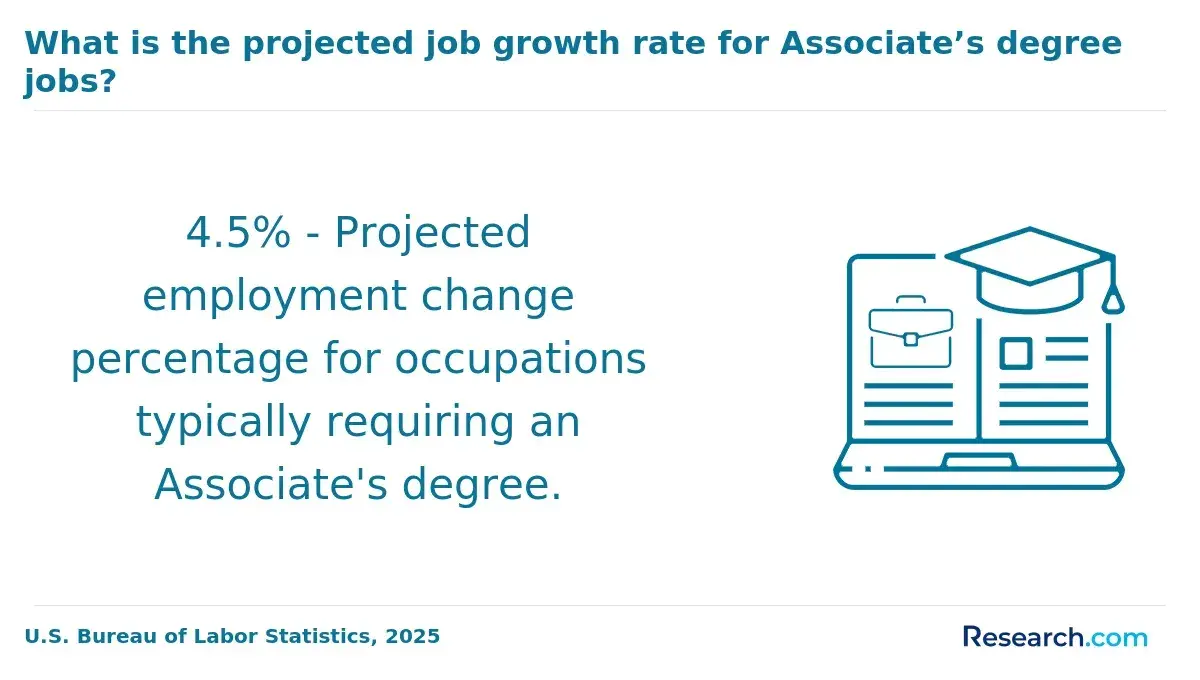
- Associate degree in business development: Typically a two-year program, this option introduces business communication, basic accounting, customer relations, operations, and introductory management. It can support entry-level employment or serve as a transfer pathway into a bachelor’s degree.
- Bachelor's degree in business development: Usually completed over four years, this degree provides broader preparation in management, entrepreneurship, financial forecasting, marketing, business law, sales strategy, and organizational growth. It is often the most practical choice for students seeking mid-level business roles or future graduate study.
- Graduate degrees, including master's and MBA programs: These programs are designed for professionals who want leadership, strategy, consulting, or executive-track roles. They can take one to three years full- or part-time and may include industry-specific tracks such as healthcare, technology, nonprofit management, or entrepreneurship.
- Concentration programs and certificates: Certificates and concentrations can provide focused training in areas such as project management, supply chain, human resources management, sales leadership, or analytics. They may suit professionals who already have a degree and need targeted upskilling without committing to a full program.
- Flexible, competency-based formats: Programs like those at Western Governors University allow students to progress by demonstrating mastery. This format may benefit adult learners with prior academic or professional experience, but it requires self-direction and consistent progress without the structure of a traditional weekly class schedule.
When comparing program types, consider the credential employers in your target field typically expect. For example, an associate degree may help with entry-level administrative or sales support roles, while management, strategy, and senior business development roles often favor a bachelor’s degree, graduate education, or substantial professional experience.
How Many Credit Hours Are Required for an Online Business Development Degree?
Credit hour requirements vary by degree level, institution, and curriculum. The number of credits determines how many courses you must complete, but not always how long the degree will take. Course length, transfer credits, part-time status, and whether the program is competency-based all affect the final timeline.
- Associate Degree: Generally requires between 60 and 65 credit hours. Full-time students often finish in about two years, while part-time students may take longer. Transfer credits or accelerated terms can shorten the schedule.
- Bachelor's Degree: Most programs require 120 to 124 total credit hours, with 60 to 86 hours focused on business core and specialization courses. Full-time students typically complete the degree in four years, while associate degree transfers or degree-completion students may finish sooner.
- Master's Degree (MBA, MS): Usually requires 36 to 48 credit hours. Full-time students often finish within one to two years, while part-time students may need more time. Requirements vary based on specialization, electives, prerequisites, and capstone expectations.
- Doctoral Degree (PhD, DBA): These programs typically demand 60 to 90 credit hours beyond the master's degree. They are often designed for working professionals and can take three to six years part-time, depending on research, dissertation, or applied doctoral project requirements.
Credit hours also affect cost. Some schools charge by credit, while others charge by term. In a per-credit program, reducing credits through transfer evaluation can directly lower tuition. In a term-based program, finishing more courses per term may reduce the number of terms paid for, but only if the student can maintain the pace.
Students should request an official transfer credit evaluation before making a final enrollment decision. Unofficial estimates can be helpful, but an official evaluation shows which credits count toward general education, business core, electives, and the major itself. This distinction matters because credits that transfer only as electives may not shorten the degree as much as expected.
What Courses Are Included in a Standard Online Business Development Curriculum?
A standard online business development curriculum combines broad business foundations with applied coursework in growth strategy, sales, relationship management, finance, marketing, operations, and entrepreneurship. The goal is to prepare students to identify opportunities, build partnerships, evaluate markets, and support revenue growth.
- Business Strategy and Growth: Covers competitive analysis, growth planning, market expansion, innovation, mergers, acquisitions, and strategic alignment with organizational goals.
- Relationship Management and Business Development: Focuses on client relationships, partner engagement, stakeholder communication, customer retention, and long-term account development.
- Marketing Strategy and Consumer Behavior: Teaches market opportunity analysis, customer segmentation, value proposition development, campaign planning, and consumer psychology.
- Business Analysis and Process Management: Builds skills in process mapping, workflow improvement, performance measurement, and operational problem-solving.
- Financial Acumen and Business Planning: Introduces financial statements, budgeting, forecasting, valuation, and business case development for data-informed decisions.
- Negotiation and Sales Techniques: Covers lead generation, sales pipelines, negotiation strategy, proposal development, and deal closing.
- Digital Business Models and Innovation: Examines digital transformation, platform-based business models, social media marketing, technology adoption, and scalable growth strategies.
- Project Management: Teaches planning, scheduling, team coordination, risk assessment, agile methods, and traditional project management practices.
- Ethics and Stakeholder Management: Addresses corporate governance, ethical decision-making, compliance awareness, and responsible management of stakeholder expectations.
- Entrepreneurship and New Venture Development: Explores idea validation, lean startup methods, business model design, funding considerations, and launch planning.
In stronger programs, these courses are not purely theoretical. Look for applied projects, simulations, case studies, presentations, portfolio assignments, and capstone experiences that let you demonstrate business development skills to employers.
How Often Do Online Business Development Programs Start During the Year?
Online business development programs may start once, several times, or many times per year. Start-date flexibility can make a major difference for working adults, but it should be weighed against course availability, financial aid timing, and the pace of the academic calendar.
- Traditional Academic Calendar: Many universities use fall, spring, and summer start dates. Courses usually last 12 to 15 weeks. This format works well for students who prefer predictable schedules, traditional financial aid cycles, or easier credit transfer alignment.
- Multiple Semester Entry Points: Some programs offer up to six entry points annually, with new terms every eight weeks. This can reduce waiting time and help students begin when their work or family schedule allows.
- Rolling Admissions and Accelerated Schedules: Certain institutions begin classes every five to six weeks. This option can help motivated students start quickly and maintain momentum, but deadlines arrive faster than in standard-length courses.
- Monthly or Bi-Monthly Starts: Some universities, especially those using accelerated or competency-based formats, provide start dates monthly or every other month. This gives maximum flexibility, but students should confirm whether every required course is available on the same frequent schedule.
Before choosing a start date, ask whether your first term will include prerequisite, general education, or major courses. Also confirm add/drop deadlines, refund policies, and whether delaying by one term would improve financial aid packaging or transfer credit processing.
How Much Faster Can You Complete an Accelerated Online Business Development Degree?
An accelerated online business development degree can shorten a traditional timeline substantially, but the amount of time saved depends on the program model. Some students may complete a bachelor’s degree in as little as two to three years, especially when they combine transfer credits with year-round enrollment or competency-based progress.
- Shorter Course Terms: Accelerated programs often use 5 to 10 week courses instead of the usual 15 weeks. This allows students to complete more courses during the year, but each course moves quickly and may require concentrated weekly effort.
- Year-Round Enrollment: Summer and winter courses reduce long breaks and help students maintain steady progress. This is useful for students who want to graduate faster and can study without extended pauses.
- Transfer Credits: Prior college coursework, associate degrees, and approved prior learning can reduce the number of required courses. This is often the most efficient way to shorten a degree because it removes requirements rather than simply compressing them.
- Competency-Based Learning: Some schools allow students to move ahead by proving mastery of course outcomes. Students with relevant work experience may progress faster, but those who need more structure may find the self-paced model challenging.
The faster route is not always the better route. Accelerated formats work best for students who can protect study time, manage deadlines without frequent reminders, and avoid overloading themselves. A student who withdraws from courses because the pace is too intense may end up taking longer and spending more.
When evaluating an accelerated program, ask for a sample weekly workload, not just the advertised completion time. Also ask whether courses are asynchronous, whether deadlines are fixed, and how quickly faculty provide feedback. Those details determine whether an accelerated schedule is realistic.
Does Finishing an Online Business Development Degree Faster Save You Money?
Finishing faster can save money, but it is not guaranteed. The financial benefit depends on how the school charges tuition, how many credits you transfer, whether you can avoid course repeats, and whether a heavier course load affects your ability to keep working.
- Lower Tuition Costs: Many online programs, such as Western Governors University, charge tuition by term rather than by credit hour. In that model, completing more courses per term can reduce the number of terms you pay for. In per-credit programs, savings usually come from transferring credits or avoiding unnecessary courses.
- Reduced Living Expenses: A shorter program length can reduce the time spent balancing school-related expenses with housing, food, transportation, and other costs. Online students may already avoid some campus costs, but time still has a financial value.
- Earlier Entry Into the Workforce: Graduating sooner can help students pursue full-time roles earlier. Business graduates with a high-paying bachelor’s degree typically earn median starting salaries in the $50,000-$60,000 range, so entering the workforce one or two years earlier may improve short-term financial outcomes.
- Less Time Off Work: For working professionals, a faster but flexible online program may reduce the need to take unpaid leave or cut work hours for several years. However, an overly intense schedule can create the opposite problem if it forces a student to reduce employment.
Students focused on cost should compare total program price, transfer credit policy, fees, book costs, and tuition structure. If affordability is your top priority, it may also help to compare options for the most affordable online business administration degree before committing to a faster but more expensive format.
How Soon Can Graduates Start Working After Earning Their Online Business Development Degree?
Graduates can often begin applying for business development roles before they finish the degree, and many start working within a few months of graduation. The actual timeline depends on prior experience, location, industry demand, networking, internships, and how well the student can show measurable business skills.
Roles in business development and finance are expected to grow faster than average through 2033, creating favorable opportunities for new graduates. Students with internships, sales experience, customer-facing work, project experience, or existing professional networks may move into roles faster than graduates with no related experience.
Online programs can support faster employment when they allow students to keep working, complete internships, build portfolios, or apply class projects to current jobs. Career-ready students often graduate with resumes that already include market research, sales strategy, financial planning, customer analysis, or partnership development examples.
To improve the transition from degree to employment, students should use career services early, not only after graduation. Helpful steps include building a LinkedIn profile, documenting project outcomes, requesting references, practicing interviews, and identifying target job titles before the final term. Students who need to control costs while preparing for the workforce may also explore low-cost accredited online colleges.
How Much Do Online Business Development Graduates Earn on Average?
The average salary for online business development degree graduates typically ranges from $51,000 to over $225,000 annually, depending on experience, education level, industry, location, performance incentives, and role seniority. Because business development roles often include commissions, bonuses, or performance-based compensation, base salary and total compensation can differ significantly.
- Entry-level roles: New graduates often begin as business development associates with salaries between $51,000 and $56,000, depending on industry and location. Those holding a bachelor's degree may see averages closer to $71,500, while master's degree holders can earn around $83,500.
- Business development specialists: Professionals with some experience often earn an average salary of $65,799, with possible commissions or bonuses. Salary ranges can be wide-from $38,800 to $111,600-because employer size, sector, geography, and sales structure vary.
- Mid-career professionals: Business development managers with several years of experience may earn base salaries from $114,500 up to $128,000, with total compensation including bonuses potentially reaching $173,000.
- Leadership roles: Senior managers and directors in business development often earn between $146,000 and $225,000 or more, especially in top markets and specialized industries. These roles usually require a record of revenue growth, strategic partnerships, team leadership, and strong negotiation skills.
- Industry variations: Sectors like technology, action sports, and network security offer some of the highest salaries, with seasoned professionals averaging $225,000. Location also affects pay; for example, business development employees in San Diego earn around $100,000 versus approximately $80,000 for remote workers.
Salary outcomes are not determined by the online format alone. Employers generally care more about accreditation, skills, experience, results, and the relevance of the degree. Students should look for programs that help them build evidence of practical ability, such as sales plans, market analyses, financial models, client proposals, or capstone projects. For readers still evaluating career fit, reviewing the best jobs for introverts may also help compare business development with less client-facing paths.
Here's What Graduates of Online Business Development Programs Have to Say About Their Degree
- Khalil: "Completing my online business development degree opened doors I never thought possible. The flexibility of studying while working full-time allowed me to balance my responsibilities and still acquire valuable skills tailored for real-world application. Since graduating, I've stepped confidently into a role where I strategize partnerships and drive growth for a tech startup. This program truly prepared me to meet industry demands and excel professionally."
- Maria: "Going through the online business development program was transformative on both a personal and professional level. The curriculum pushed me to think critically about community impact and sustainable growth, which inspired me to launch initiatives supporting local small businesses. It wasn't just about gaining knowledge; it was about applying that knowledge to empower others and contribute positively to the economy around me."
- Tyrone: "As a working parent, pursuing my business development degree online was challenging but incredibly rewarding. Navigating coursework while managing family life demanded discipline and time management skills that have made me more effective in my role as a business consultant. The program also expanded my professional network and heightened my confidence to pursue leadership positions that were previously unreachable."
Other Things You Should Know About Online Business Development Degree Programs
Yes. Accredited colleges often accept 30 to 60 transfer credits toward a 120-credit bachelor’s degree, which can cut completion time by one to two years. Schools usually require official transcripts and may limit how many major-specific credits can be transferred.
In 2027, an online Business Development degree typically takes between 2 to 4 years to complete, depending on whether you're pursuing an associate's, bachelor's, or master's degree. The duration can vary based on your previous credits, enrollment status (full-time or part-time), and specific program structure.
In 2027, online Business Development degree programs often provide flexible scheduling, allowing students to learn at their own pace. Many programs offer asynchronous courses, enabling professionals to complete assignments and watch lectures at times that fit their work commitments.
References
- Bachelor Business Development - INSEEC https://www.inseec.com/en/program/bachelor-ecommerce-startup-business-manager/
- Top Salary Insights for Online MBA Professionals 2025 https://amityonline.com/blog/salary-trends-for-online-mba-graduates
- Your Guide to an Online Business Degree https://www.coursera.org/articles/online-business-degree
- Stevenson University https://www.stevenson.edu/online/about-us/news/how-long-does-it-take-to-get-a-business-degree-online/
- Business Development and Sales - School of Business & Hospitality https://www.algonquincollege.com/business-hospitality/program/business-development-and-sales/
- Top Business Development Courses Online - Updated [October 2025] https://www.udemy.com/topic/business-development/