2027 TESOL Master's Degree vs Graduate Certificate: Which Is Better?

Co-Founder and Chief Data Scientist
Choosing between a TESOL master's degree and a TESOL graduate certificate often challenges aspiring educators seeking to balance cost, time, and career impact. The master's degree typically demands greater financial investment and longer completion times-ranging from 1.5 to 2 years-while a graduate certificate can be earned in six months to a year at a lower cost but may carry less weight with some employers. According to a 2024 National Center for Education Statistics report, TESOL master's holders earn on average 15% more annually than certificate holders in comparable positions. This article explores differences in admission criteria, employer recognition, salary trends, and career utility to guide informed decisions.
Key Things to Know About Which Is Better: A TESOL Master's Degree or a TESOL Graduate Certificate
- Master's degrees typically require two years and higher admission criteria-graduate certificates often take under a year and have more accessible entry, ideal for career-changers seeking faster credentialing.
- Costs for master's programs average $20,000-$40,000-certificates range $5,000-$10,000, making certificates more affordable for professionals upgrading skills without significant debt.
- Employers tend to recognize master's degrees more strongly, correlating with a 15% higher salary on average, while certificates mainly improve entry-level positions without substantial long-term salary gains.
What Is the Difference Between a TESOL Master's Degree and a TESOL Graduate Certificate?
A TESOL master's degree generally requires completing 30 to 36 credit hours, offering a broad curriculum that covers linguistic theory, language acquisition, curriculum development, and advanced pedagogical strategies. It prepares graduates for diverse roles in education, research, or leadership within TESOL and related fields. Completion often takes two years of full-time study and usually involves a thesis or comprehensive project. In contrast, a TESOL graduate certificate focuses on practical teaching skills and foundational knowledge, requiring 12 to 18 credit hours. It is designed for quicker completion-commonly within a year or less-catering to working professionals or career-changers seeking focused skill enhancement without the duration or scope of a full master's.
- Academic Standing: A master's degree is a graduate-level credential that meets higher academic standards, whereas a graduate certificate is a non-degree credential meant to supplement existing qualifications.
- Curriculum Scope: The master's program offers a comprehensive and research-oriented curriculum, while the graduate certificate zeroes in on applied instructional techniques and core TESOL concepts.
- Intended Audience: Master's candidates often include recent undergraduates and those pursuing academic or leadership careers; certificates serve working teachers or individuals seeking a quick transition into TESOL.
- Duration and Credit Load: Masters require multiple semesters with more credit hours; certificates take less time with fewer courses.
- Stackability: Some institutions allow certificate credits to transfer into a future master's program, complicating direct comparisons.
Common misconceptions-such as believing a certificate is merely a shorter version of a master's degree-fail to capture their distinct academic roles. Graduate certificates provide targeted skill development and valuable credentials for immediate employment or specialized knowledge but lack the depth and prestige of a master's. Master's degrees carry more academic weight and often lead to better employer recognition, which is critical in salary and career advancement. By comparing career outcomes for tesol master's degree vs graduate certificate holders, students can assess which path best aligns with their goals. Additionally, prospective students might explore options like the cheapest 1 year online MBA programs to understand varying program lengths and costs when weighing advanced degrees.
What Are the Typical Admission Requirements for a TESOL Master's Program Compared to a TESOL Graduate Certificate?
Admission requirements for a TESOL master's degree program typically demand a higher level of academic preparation and documentation than graduate certificate programs-reflecting the advanced and comprehensive nature of the master's credential.
- Undergraduate GPA: Most master's programs require a minimum GPA-commonly around 3.0 on a 4.0 scale-to demonstrate consistent academic performance.
- Prerequisite Coursework: Applicants generally must have completed foundational courses related to linguistics, education, or language studies to ensure readiness for graduate-level TESOL work.
- Standardized Test Scores: Some programs request GRE scores, though this is becoming less common; when required, competitive scores strengthen applications.
- Letters of Recommendation: Usually two or three letters assess academic potential and professional qualities from professors or employers.
- Personal Statement: Candidates submit an essay explaining motivation, career goals, and relevant experiences.
In contrast, TESOL graduate certificate programs usually have more flexible admission standards, making them accessible for a wider range of students, including those who may not meet master's program criteria. Graduate certificate vs master's degree admission standards in TESOL highlight the less rigorous entry barriers for certificates, which serve as a practical on-ramp for skill-building and academic experience.
- Lower or No GPA Requirement: Certificates often waive strict GPA thresholds, focusing on general competence or work experience.
- Minimal Prerequisites: Foundational coursework is typically not required, benefiting career-changers and newcomers to language teaching.
- No Standardized Tests: GRE or similar test scores are rarely requested.
- Limited or No Letters of Recommendation: Some certificate programs require no more than one letter or none at all.
- Brief Statement of Purpose: When needed, statements are shorter and focus on interest and objectives rather than detailed academic plans.
This difference matters for prospective students weighing their options, including recent undergraduates, working professionals, and career-changers. Graduate certificates provide a faster pathway into teaching roles and an opportunity to strengthen one's profile before pursuing a master's degree. These distinctions help individuals make informed decisions grounded in both career utility and academic outcomes-unlike assumption or prestige bias.
Those interested in related graduate options may also explore fields like cyber security through the cyber security masters, reflecting the diverse paths in today's graduate education landscape.
What Is the Minimum GPA Requirement for a TESOL Master's Program?
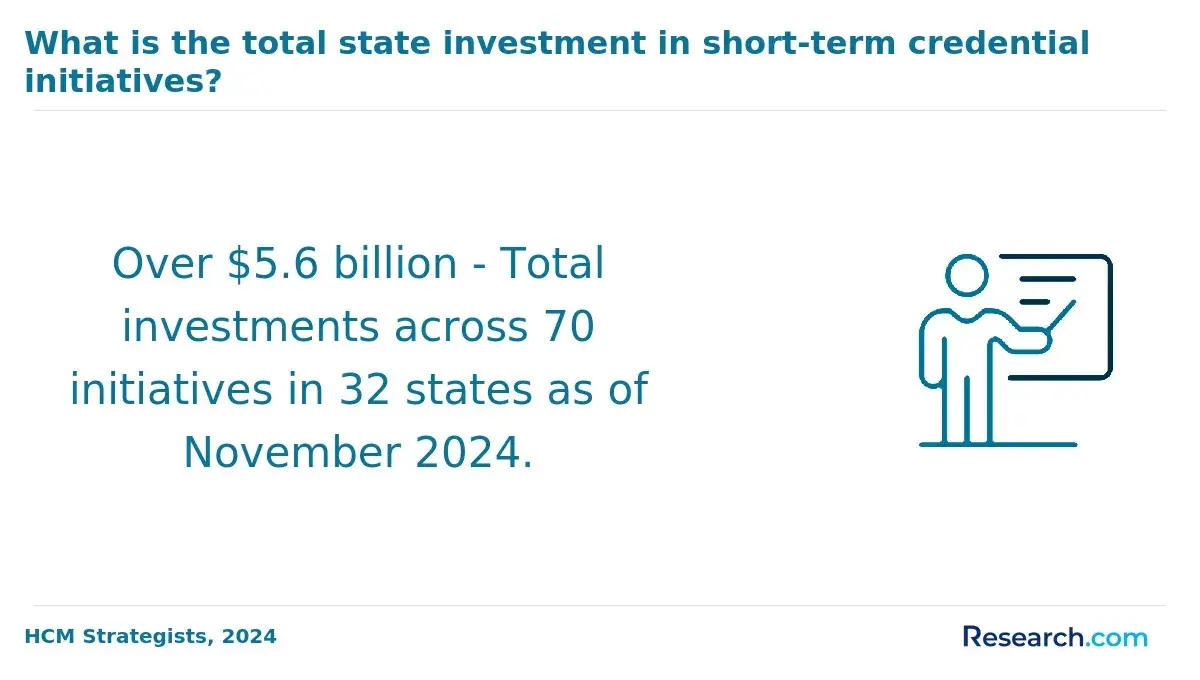
GPA requirements for tesol master's programs vary significantly based on the institution's selectivity and academic focus. Regionally accredited universities generally set a minimum GPA between 2.5 and 3.0 on a 4.0 scale, though more competitive programs often require a minimum of 3.0 or higher to reflect their focus on academic rigor and research preparedness.
- Variability: Highly selective programs emphasize strong academic records and commonly expect GPAs above 3.0, indicating readiness for graduate-level scholarship.
- Access: Professionally oriented or open-enrollment programs sometimes accept GPAs as low as 2.5, aiming to accommodate career changers and working professionals seeking skill improvement.
- Published Thresholds: Minimum GPA figures posted on official program pages usually represent the lowest acceptable scores rather than the average GPA of admitted candidates, who typically exceed these minimums.
- Conditional Admission: Some institutions offer provisional acceptance to applicants slightly below the stated GPA requirement, often requiring satisfactory performance in initial courses to maintain enrollment.
- Perspective: Applicants should regard minimum GPAs as baseline criteria, not targets; stronger grades enhance admission chances and access to scholarships or assistantships.
A professional who completed a tesol master's program shared that despite initially worrying about his borderline GPA, persistent effort and taking advantage of conditional admission pathways allowed him to succeed. He recalled, "It was daunting at first, managing coursework while proving my academic abilities, but the support during my provisional period really made a difference. It showed me that a lower GPA isn't an absolute barrier-it's about how you respond and improve." This experience highlights how programs can balance standards with flexibility to nurture motivated students.
How Long Does It Take to Complete a TESOL Master's Degree Versus a TESOL Graduate Certificate?
Duration Range: The typical TESOL master's degree completion time spans 1.5 to 3 years for full-time learners, with part-time students often needing longer. Accelerated options are rare but possible, demanding intense commitment. In comparison, a TESOL graduate certificate generally takes 6 months to 1 year full-time or 1 to 2 years part-time, reflecting its streamlined design and fewer requirements. This difference in timelines suits various learner needs.
Structural Differences: Master's programs cover 30 to 36 credit hours and include extensive coursework in linguistics, pedagogy, and research methods. Most programs require a thesis or capstone project plus comprehensive exams, significantly extending study time. Graduate certificates focus narrowly on essential TESOL teaching skills, omitting heavier research and theory components-facilitating quicker program completion.
Professional Considerations: Many working adults opt for the graduate certificate to quickly enhance skills without a major disruption to their careers. Those targeting academic roles, leadership positions, or university teaching often pursue the master's degree, which better fulfills advanced career prerequisites and offers greater depth.
Life Circumstances: Employment, family, and financial responsibilities strongly influence how long students take to finish. Part-time enrollment, common among professionals, extends the timeline more for master's degrees due to their heavier credit requirements. Assessing personal commitments helps align expectations with the realistic TESOL master's degree completion time or graduate certificate program duration.
Time Versus Career Urgency: Individuals seeking swift entry into TESOL roles often find certificates a practical choice. Conversely, those investing in lasting expertise and broader opportunities usually accept the master's time investment. For those evaluating flexible credential options, exploring related pathways such as bookkeeping certification online can offer insight into balancing time and skill acquisition across fields.
How Much Does a TESOL Master's Degree Cost Compared to a TESOL Graduate Certificate?
Cost Ranges: A TESOL master's degree carries a notably higher price tag than a TESOL graduate certificate. Public universities charge in-state students roughly $15,000 to $30,000 for a master's, with out-of-state tuition ranging from $25,000 to $50,000. Private institutions generally demand between $30,000 and $60,000 for completion. Certificates are more affordable, commonly costing $5,000 to $15,000, depending on residency and institution.
Credit Hours and Program Length: The master's degree is substantially more expensive due to larger credit requirements-typically 30 to 36 credits-spanning one to two years. Certificates usually require only 9 to 15 credits and can be finished in under a year, bringing faster savings on tuition and fees.
Institutional Overhead: Master's programs incur added costs from administrative tasks, faculty involvement, and accreditation upkeep, which collectively elevate tuition. In contrast, certificates-being smaller, focused programs-have reduced overhead and carry lower profit margins, reflected in their tuition rates.
Financial Aid Availability: Graduate-level funding often benefits master's candidates through access to assistantships, fellowships, and employer tuition aid-options rarely available for certificate students-lowering their effective costs significantly.
Hidden and Opportunity Costs: Master's students may face income loss if work hours decrease or jobs are paused during study, alongside delayed potential salary growth due to longer program duration. Certificates come with fewer upfront costs but tend to yield smaller salary gains and less career advancement.
Advice on ROI: Prospective students are best served by evaluating net costs after financial aid rather than sticker prices alone. Many online calculators exist to help estimate return on investment by factoring tuition, aid, living expenses, and expected salary changes, aiding in choosing the credential that aligns with individual goals.
A professional who built her career after completing a TESOL master's recalled the financial strain and time commitment: "Juggling part-time work and coursework was exhausting, and I worried about lost income. However, the program's depth and connections truly opened doors that a certificate alone might not have. Despite the upfront sacrifice, I feel the investment positioned me better for advancement and stability." Her experience underscores how weighing both tangible and intangible costs informs wise educational choices.
How Does Earning a TESOL Master's Degree Affect Salary Compared to a TESOL Graduate Certificate?
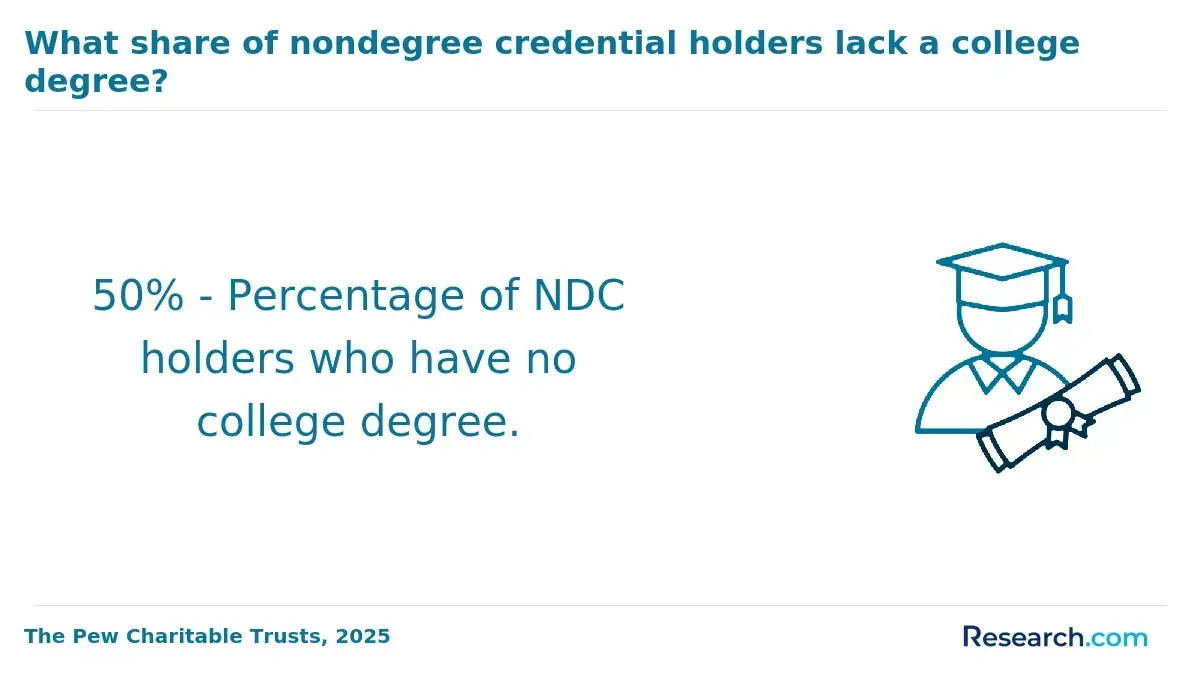
Data from the Bureau of Labor Statistics and NACE salary surveys highlight a clear earnings advantage for professionals with a master's degree in TESOL compared to those holding only a graduate certificate. This premium typically ranges from 15% to 30%, reflecting the increased expertise and qualifications that a master's program demands.
- Industry Impact: The salary difference is especially significant within K-12 public education and higher education, where advanced degrees are often prerequisites for senior or tenure-track positions.
- Employer Variability: Public universities and government institutions generally offer higher compensation for master's holders, while some private language schools may pay certificate holders similarly.
- Career Path Exceptions: Specific TESOL roles-like curriculum development, specialized assessment, or corporate training-may reward a focused graduate certificate nearly as well or better than a master's, thanks to direct relevance and faster completion.
- Return on Investment: With master's programs often requiring about two years of study and higher tuition fees, compared to shorter, less expensive certificates, prospective students should carefully assess whether the salary uplift offsets these factors based on their goals.
- Leadership Roles: Advanced administrative or leadership positions in TESOL almost always require a master's and offer substantially higher pay, underscoring the degree's value for career advancement.
According to the Georgetown University Center on Education and the Workforce, the wage premium for master's-level education in language teaching fields has grown steadily, emphasizing the continued relevance of advanced credentials in education labor markets as of 2024.
Which TESOL Career Paths Favor a Master's Degree Over a Graduate Certificate?
Certain TESOL career tracks substantially favor a master's degree due to its broader knowledge base, academic rigor, and higher professional standards compared to a graduate certificate. Employers and licensure boards often mandate or strongly prefer a master's credential for roles involving advanced responsibilities beyond classroom teaching.
- Leadership: Positions like program director, curriculum developer, or department head usually require a master's degree. These roles demand a deep understanding of language acquisition theories, instructional design, and administrative expertise that certificates typically do not provide.
- Research-Intensive Roles: Careers in academic research, policy analysis, or postsecondary teaching generally mandate a master's degree or higher. This credential demonstrates a candidate's capability to engage with complex scholarly work, conduct empirical studies, and contribute original knowledge.
- Licensure and Certification: Many states and countries require a master's degree as the minimum qualification for TESOL licensure. This includes formal teacher certification programs necessary for public school employment and specialized adult education roles.
- Career Advancement: Educators aiming to move into senior instructor, mentor, or specialized language consultant roles often face a master's degree as a formal threshold. Employers view this degree as proof of comprehensive expertise required for higher-level responsibilities.
- Salary Premiums: Data from 2024 reveal that TESOL master's degree holders can earn 10-25% more than those with graduate certificates, reflecting the greater job scope and leadership demands tied to the degree.
Individuals pursuing advanced TESOL pathways should carefully consider these requirements and benefits-factoring in licensure mandates and promotion criteria when choosing between a master's degree and a graduate certificate.
Which TESOL Career Paths Favor a Graduate Certificate Over a Master's Degree?
Employers in certain TESOL graduate certificate career opportunities often prioritize demonstrated technical skills and applied expertise instead of broader academic credentials-making a graduate certificate more advantageous than a master's degree in key contexts. Job posting data from platforms like Lightcast and LinkedIn Workforce Insights reveal that hiring managers frequently treat certificate credentials as equivalent or sometimes preferred over master's degrees in specific TESOL roles.
- Technical Competency: Roles such as curriculum coordinators, language assessment specialists, and instructional designers commonly value the focused skills proven by certificates more than the theoretical knowledge emphasized in a master's program.
- Adult Education and Workplace Training: Employers hiring ESL instructors for corporate or community programs often favor practical certificates that demonstrate immediate classroom readiness and adult education methodologies.
- Career Changers: Individuals shifting from unrelated fields into TESOL benefit from graduate certificates that quickly bridge skills gaps, facilitating entry or re-entry into the workforce without undertaking a full master's degree.
- Supplemental Specialization: Working professionals holding a bachelor's or master's in related areas often choose certificates to specialize-for example, in digital language teaching tools or bilingual education-thus upgrading competencies without repeating foundational studies.
- Employer Preferences: Workforce analytics show many school districts and language schools list graduate certificates as meeting or exceeding minimum qualifications for particular TESOL roles, reflecting strong acceptance of certificates for practical expertise.
For those weighing the career advantages of a TESOL graduate certificate over a master's degree, the certificate offers expedited skill acquisition aligned with job market demands, especially useful for career-oriented professionals seeking efficient, relevant advancement.
Those exploring focused skills upgrades might also compare options in related fields such as photography or digital arts-an example being some of the most affordable photography degree online programs-which similarly cater to specialized, practical skillsets.
Is a TESOL Graduate Certificate Stackable Toward a Master's Degree?
Whether a TESOL graduate certificate is stackable toward a master's degree depends largely on institutional policy-there is no universal standard. Many accredited universities offer stackable credentials, allowing credits earned in a graduate certificate program to be applied toward a related master's degree within TESOL fields. For example, some schools permit transfer of credits if students achieve a minimum grade, typically a B or better, effectively reducing the overall coursework required for the master's degree.
This stackable pathway usually requires both credentials to come from the same institution or closely affiliated ones to ensure curricular consistency. Time limits often apply-programs may mandate that the certificate be completed within a set number of years prior to enrolling in the master's program so coursework remains current. Such policies on TESOL graduate certificate stackable toward master's degree programs vary widely, so prospective students should confirm specific rules with graduate admissions offices.
Stackability offers a lower-risk entry point for those unsure about pursuing a full master's, providing a chance to test academic demands and manage expenses incrementally before committing. This approach aligns with broader trends seen in fields like computer science degrees, where stackable credentials support flexible, cost-effective education pathways.
- Institutional Variance: Transfer policies differ; check with each school.
- Grade Thresholds: Minimum grades are crucial for credit transfer.
- Time Restrictions: Certificates must often be recent to count.
- Program Consistency: Certificate and master's must align closely.
- Cost and Risk Management: Certificates help test skills and costs before full enrollment.
How Do Employers in the TESOL Field Perceive a Master's Degree Versus a Graduate Certificate?
Employers in the TESOL field evaluate master's degrees and graduate certificates differently based on industry, role, and institutional reputation. According to data from the NACE Job Outlook Report and the Council of Graduate Schools, the master's degree remains the preferred credential in traditionally regulated or academic roles-such as K-12 teaching and higher education-where depth of knowledge and research experience are critical.
- Industry Variation: Sectors like technology and consulting often value graduate certificates for their focus on specialized skills and faster completion times, making them more attractive for roles requiring targeted expertise.
- Role Type: Instructional and curriculum development positions typically prioritize the comprehensive training of a master's degree, while administrative or support roles may accept certificates as sufficient.
- Institution Reputation: Credentials from well-recognized, accredited universities carry greater weight-sometimes a high-quality certificate can surpass a master's from a lesser-known institution in employer preference.
- Credential Weight: Salary scales and promotion criteria in many education settings strongly favor master's degrees, with certificates commonly viewed as supplemental qualifications.
- Employer Familiarity: Some hiring managers are less confident evaluating graduate certificates, especially newer or non-standard programs, and thus lean toward the widely understood master's degree.
Applicants should align their credential choice with their career goals and sector expectations-understanding how employers perceive these qualifications helps set realistic outcomes for both advancement and earning potential within TESOL careers.
Can a TESOL Graduate Certificate Help Someone Transition Into the Field From a Different Background?
Speed: TESOL graduate certificate programs offer an accelerated track, enabling career changers to acquire foundational knowledge in months rather than years-ideal for swiftly entering the English language teaching field without a lengthy master's commitment.
Cost-Effectiveness: These certificates require significantly less financial investment compared to master's degrees, appealing to professionals testing the waters before dedicating to an advanced degree.
Applied Curriculum: Focused on practical teaching skills, lesson planning, and cultural competence, certificate programs often include coursework designed to help students develop a TESOL-centered portfolio showcasing their capabilities.
Stackability: Many certificates can be credited toward master's programs later, providing a flexible educational pathway for those who decide to continue their studies.
Limitations: While certificates build essential credentials quickly, they generally lack the theoretical depth and employer recognition needed for senior or specialized TESOL roles, making them better suited as initial qualifications.
Practical Experience: To stand out in hiring, certificate holders should complement their credentials with tangible work-such as volunteering, portfolio projects, or classroom practice-that demonstrates teaching effectiveness.
What Graduates Say About Which Is Better: A TESOL Master's Degree or a TESOL Graduate Certificate
- Truett: "When I weighed the decision between a TESOL master's degree and a TESOL graduate certificate, the cost was a major factor for me-while the master's program was pricier, it opened doors that a certificate simply didn't. Time-to-completion mattered too; the certificate got me into the classroom faster, but the master's gave me deeper knowledge that employers respect. Ultimately, I found that investing more time and money upfront with the master's degree significantly impacted my salary growth down the line."
- Charlie: "Reflecting on my journey, the admission requirements for the TESOL master's degree felt more rigorous-yet that selectivity boosted my confidence and credibility in the field. The graduate certificate offered quicker access but lacked the prestige I sought for long-term career utility. In my experience, employer recognition clearly favors the master's degree, which has led to better job opportunities and professional respect over time."
- Daniel: "I approached this choice with a professional mindset-balancing career utility against time-to-completion. While the TESOL certificate allowed me to start teaching with minimal delay, the master's degree gave me comprehensive training that proved invaluable in diverse educational settings. From my perspective, the salary impact after obtaining the master's was noticeable, making the longer, more demanding program worth every effort."
Other Things You Should Know About TESOL Degrees
Online TESOL master's programs generally offer more comprehensive training and are widely recognized by academic institutions and employers alike. Graduate certificates tend to be shorter and more focused-offering specific skills but less theoretical depth. While both can be credible if accredited, master's programs often carry higher prestige and better support career advancement in education settings.
Accreditation is crucial for both TESOL master's degrees and graduate certificates-it ensures the program meets established quality standards. Employers and graduate schools are more likely to recognize accredited credentials, which affect job prospects and eligibility for further study. Students should verify that the program is accredited by a recognized body such as a regional accreditor or a specialized educational organization.
A TESOL master's degree is typically required for admission to doctoral programs and advanced academic research in language education. Graduate certificates are not usually sufficient for direct entry into doctoral study-they may serve better as supplemental credentials or stepping stones. Choosing a master's degree can open doors to higher academic qualifications, while certificates offer quicker entry into the workforce.
References
- Choosing a Master's Program | TESOL | International Association https://www.tesol.org/careers/career-tools/advancing-your-career/choosing-a-masters-program/
- Is A Master's In TESOL/TEFL Worth It? https://www.theteflacademy.com/tefl-guide/is-a-masters-in-tesol-worth-it/
- Where a TESOL Degree Can Take You: Exploring the Many Career Opportunities in the Field https://www.nottinghillcollege.co.uk/post-1/where-a-tesol-degree-can-take-you-exploring-the-many-career-opportunities-in-the-field
- Interview: How I started a new career from teaching. - World TESOL Academy https://www.worldtesolacademy.com/interview-how-i-started-a-new-career-from-teaching/
- Teaching English to Speakers of Other Languages (TESOL) Graduate Certificate https://www.etamu.edu/programs/teaching-english-to-speakers-of-other-languages-tesol-graduate-certificate/
- Master’s Certificate in Teaching English to Speakers of Other Languages (TESOL) https://www.uregina.ca/academics/programs/education/masters-cert-teaching-english-tesol.html
- Job Discussion Forums :: View topic https://forums.eslcafe.com/job/viewtopic.php
- A TESOL Master’s Degree Offers More Than Certification https://www.apu.edu/articles/a-tesol-masters-degree-brings-more-than-certification/
- I finished my CELTA/CertTESOL - Should I take a Diploma or MA in TESOL? https://hongkongtesol.com/blog/i-finished-my-celtacerttesol-should-i-take-diploma-or-ma-tesol
- Is a Master’s in TESOL worth it? – Bridge https://bridge.edu/tefl/blog/masters-tesol-worth-it/