2027 State-Approved Online Spanish Degree Master's Programs

Co-Founder and Chief Data Scientist
Many working professionals struggle to find accredited online master's programs in Spanish that comply with their state's education regulations, limiting their career growth. According to recent data, enrollment in state-approved online Spanish degree programs has increased by 25% over the past five years, reflecting rising demand for flexible, credible options. Without state approval, degrees may not qualify for licensure or promotion, creating barriers in education, translation, and international business fields. This article explores state-approved online Spanish master's programs, highlighting key accreditation standards and offering guidance to help prospective students select programs that meet professional and regulatory requirements.
Key Benefits of State-Approved Online Spanish Degree Master's Programs
- State-approved online Spanish master's programs ensure adherence to rigorous academic standards, enhancing program quality and guaranteeing compliance with regional educational regulations.
- Completion increases eligibility for professional licensure and career advancement, meeting requirements in education, translation, and international business sectors.
- Employers and industry organizations recognize degrees from accredited programs, boosting graduate credibility and improving job placement prospects in competitive markets.
What Does "State-Approved" Mean for an Online Spanish Master's Degree Program?
"State-approved" indicates formal recognition by a state's education agency or regulatory body that an online Spanish master's degree program meets established standards for academic quality, curriculum rigor, and institutional capacity. This approval process involves a detailed review by state officials to ensure the program's design, faculty qualifications, learning outcomes, and delivery methods comply with specific criteria. Such oversight guarantees that the program prepares graduates for professional or regulated careers within that state's jurisdiction, reinforcing educational quality and program accountability.
State authorization for online Spanish master's programs is crucial in fields requiring credentials from state-approved programs, especially in teaching or translation professions. More than 90% of U.S. states have formal mechanisms to regulate graduate programs in language or education disciplines, highlighting this oversight's importance.
Students seeking programs with recognized approval can also compare related fields, such as online speech pathology programs, through trusted resources like online speech pathology programs. Understanding state approval improves clarity on program legitimacy and regional reliability for prospective students.
How Can I Check If an Online Spanish Master's Program Is State-Approved?
Verifying state approval for an online Spanish master's program is essential for ensuring the program meets regulatory standards that impact credit transfer, financial aid, and professional licensing. Online graduate enrollment has surged by over 150% in the past decade, highlighting the importance of thorough vetting. Below are reliable methods to confirm a program's state approval status before enrollment.
- Review State Education Agency Databases: Most states provide publicly accessible databases listing authorized postsecondary institutions and programs. Using these state authorization lookup tools allows students to verify if an online Spanish master's degree program is officially recognized in their state.
- Check Institutional Authorization Disclosures: Accredited schools typically disclose their state authorization status on their websites, often under sections like "Accreditation" or "State Authorization." This transparency helps prospective students confirm an institution's legal operation in their state.
- Examine Regulatory Reciprocity Agreements: Some states participate in interstate compacts like the State Authorization Reciprocity Agreement (SARA), which facilitates cross-state approval for online programs. Confirming participation can simplify verifying program approval for students residing in different states.
- Review Program Approval Documentation: Specific online master's programs may carry additional state-level program-specific approval or licensure. Requesting or locating this documentation ensures compliance beyond the institution's general authorization.
- Confirm Information Through Official Institutional Resources: Contacting admissions or registrar offices in writing can provide official confirmation regarding state approval, especially for complex regulations in certain states. For more options, students may explore online MSW programs that demonstrate clear authorization pathways.
Do Online Spanish Master's Programs Meet State Licensing Board Standards?
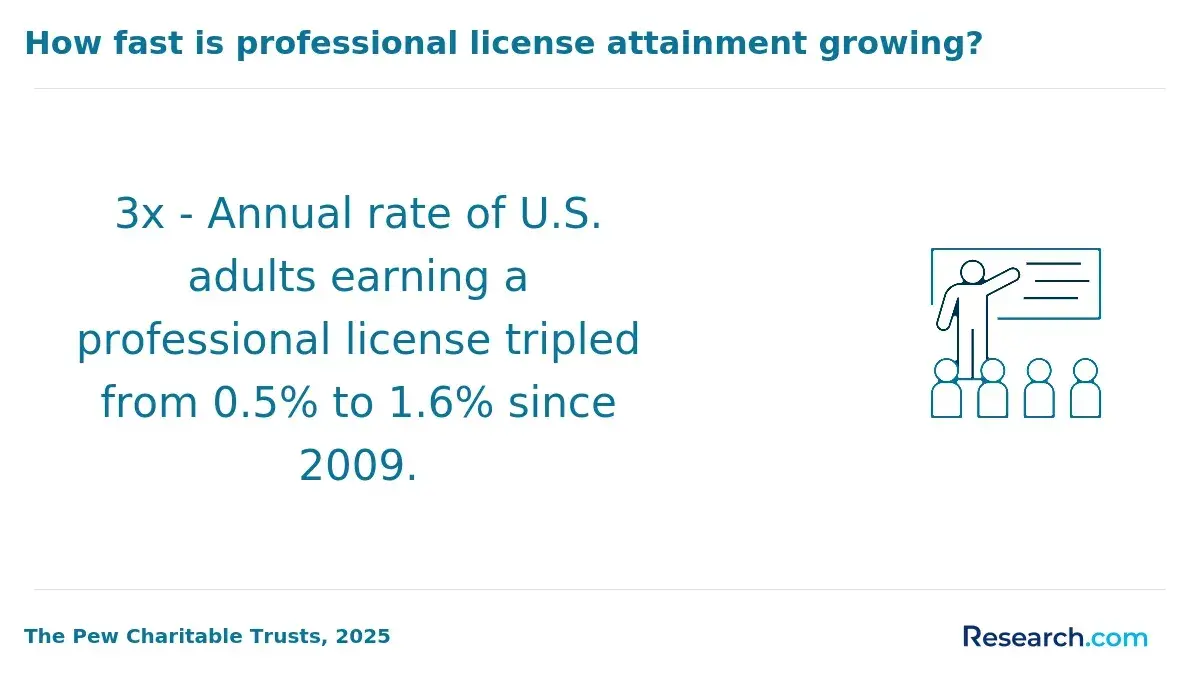
Certain careers require completing master's programs that adhere to state licensing board regulations, and many online Spanish master's programs strive to meet these standards. Research shows that about 70% of state licensing boards in education and language-related fields recognize accredited online degrees that satisfy specific criteria. Below are key elements that influence whether an online Spanish master's program complies with licensing requirements.
- Curriculum Alignment: Programs must address essential subjects designated by licensing authorities, including advanced Spanish proficiency, linguistics, pedagogy, and cultural studies, ensuring graduates possess required knowledge and skills.
- Faculty Qualifications: Instructors should hold appropriate credentials, often including terminal degrees, and demonstrate experience in Spanish language education or related fields, maintaining educational quality and credibility.
- Supervised Training: Some career paths mandate practicum or internship experiences supervised by qualified professionals, providing hands-on training necessary for licensure eligibility.
- Institutional Authorization: The institution delivering the degree must be properly accredited and authorized by recognized bodies to support consistent compliance with state licensing policies.
- Program Review and Approval: Several states require regulatory agency evaluation or endorsement of the curriculum before graduates can apply for licensure, ensuring programs meet local standards.
A professional who completed a state-approved online Spanish master's shared that the process was "challenging but reassuring," especially in verifying the program's approval status with their state board before enrolling. They emphasized that navigating varied state-specific requirements demanded "careful research and ongoing communication" with advisors and licensing agencies. This attention to detail helped them feel confident the degree would support their professional goals without unexpected obstacles.
Some graduate programs earn broad recognition because they adhere to academic and professional standards accepted by multiple states, ensuring credentials are valid across jurisdictions. With over 75% of U.S. graduate students enrolled in online or interstate programs, the importance of nationally recognized online Spanish master's programs continues to grow. Several factors contribute to the wider acceptance of these degrees.
- National Accreditation: Accreditation by agencies acknowledged by the U.S. Department of Education affirms that programs maintain quality standards recognized in most states, supporting consistent degree acceptance nationwide.
- Standardized Curriculum: Programs following uniform curriculum guidelines provide reliable learning outcomes, enhancing the transferability and statewide reputations of the degree.
- Interstate Authorization Agreements: Participation in compacts such as the National Council for State Authorization Reciprocity Agreements (NC-SARA) simplifies state approval processes for distance education providers.
- Alignment With Professional Bodies: Adhering to standards set by language education and Spanish studies associations promotes academic integrity and ethical rigor across programs.
- Consistent Academic Standards: External reviews verify faculty qualifications and program rigor, helping maintain quality that multiple states recognize and approve for professional use.
Prospective students aiming for flexibility in their career opportunities should prioritize programs with state approval for Spanish degree programs and national recognition. Exploring resources like CACREP accredited schools can provide guidance on meeting regulatory requirements in graduate education.
State approval and accreditation serve different but important roles in graduate education. While state approval certifies a program's legal authority to operate, accreditation evaluates academic quality and institutional effectiveness. Over 90% of U.S. higher education institutions maintain accreditation, underscoring its significance in the academic landscape. Prospective students should be aware of key distinctions and considerations when assessing accreditation for state-approved Spanish master's programs.
- State Authorization: This confirms a program's legal permission to offer degrees within a state. However, it does not assess the quality or rigor of the curriculum or faculty.
- Recognized Accrediting Agencies: Accrediting bodies acknowledged by the U.S. Department of Education or the Council for Higher Education Accreditation evaluate programs against established academic and operational standards.
- Quality Assurance: Accreditation requires regular peer review processes and ongoing improvements to curriculum, faculty qualifications, and student support services to ensure academic excellence.
- Federal Aid Eligibility: Accreditation often determines whether students can access federal financial aid and support, which can be crucial for many graduate candidates.
- Academic Oversight: Accredited status reassures employers and other institutions that degrees meet consistent and credible educational benchmarks.
When discussing accreditation requirements with a graduate of an online Spanish master's program, she reflected on her journey with appreciation. Initially uncertain about the importance of accreditation, she found comfort in knowing her degree came from an accredited program that was state-approved, which eased concerns about the legitimacy of her education. She recalls how the program's frequent evaluations and peer feedback helped strengthen her skills and confidence in the subject matter. "It wasn't just about completing credits," she said, "but about feeling assured that the education I was receiving was recognized and respected." This clarity allowed her to focus on applying her degree effectively without worrying about the value of her credentials.
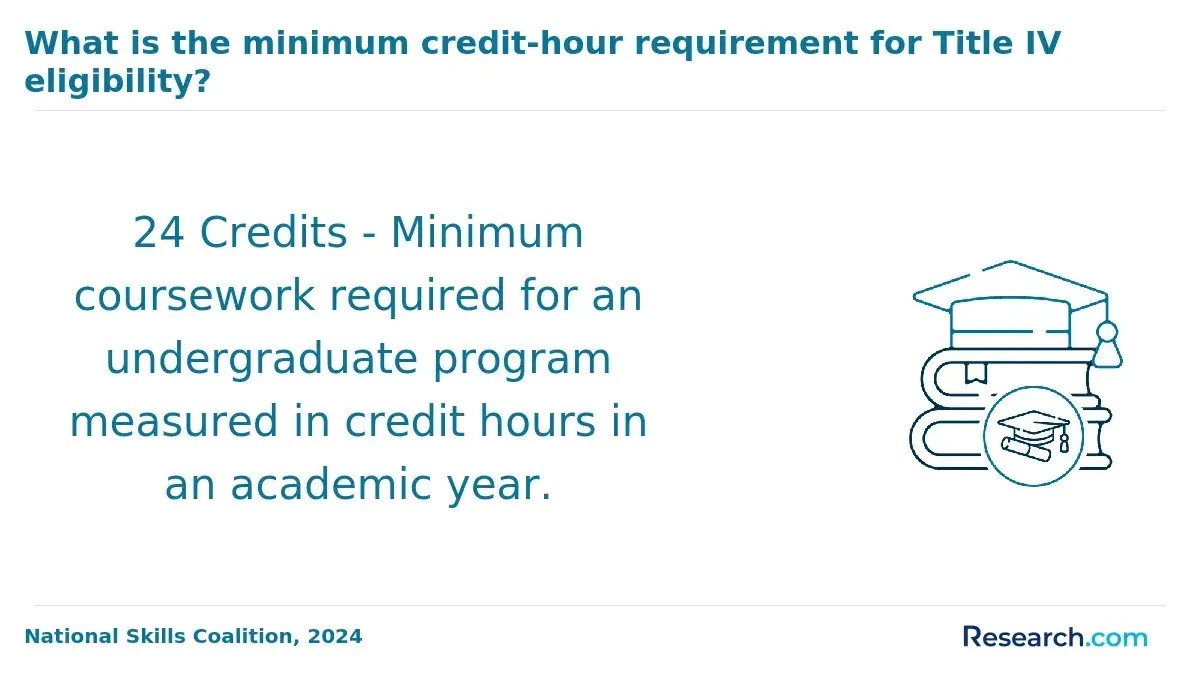
State-approved online Spanish master's programs generally follow a well-organized curriculum that aligns with both academic standards and state regulations. Typically, these programs require about 30 to 36 credit hours to complete, ensuring a thorough yet manageable course of study. Below are five core courses commonly included in these programs.
- Advanced Spanish Grammar and Composition: This course strengthens graduate-level writing and grammar skills, essential for clear and effective communication within academic and professional contexts.
- Hispanic Literature and Cultural Studies: Students examine key literary works and cultural developments from Spanish-speaking regions, enhancing their critical thinking and cultural insight.
- Research Methodologies in Spanish Studies: Focused on developing rigorous research skills, this course covers both qualitative and quantitative methods relevant to language, literature, and cultural analysis.
- Spanish for Professional Application: Designed to build practical language skills, this course prepares students for careers in translation, interpretation, education, or international business.
- Capstone Project or Thesis Seminar: Serving as the program's culmination, this requirement tasks students with producing original research or applied projects that showcase their expertise and scholarly growth.
Tuition costs for state-approved online Spanish master's degrees can differ significantly based on program design, credit hour requirements, and institution policies. Typically, tuition for online master's programs across the United States ranges from $300 to $1,200 per credit hour. This variability reflects differences in how universities structure their programs and associated fees. Several key factors shape the total cost students can expect to pay for such degrees.
- Per-Credit Tuition Rates: Tuition fees are usually charged on a per-credit basis and vary widely between institutions. Rates often differ for in-state versus out-of-state students, making residency a significant financial consideration.
- Total Credit Requirements: Most online Spanish master's programs require between 30 and 40 credits to graduate. Programs with higher credit requirements naturally increase overall tuition expenses.
- Technology or Online Learning Fees: Many universities impose additional fees to cover digital platforms, online classrooms, technical support, and other virtual learning tools essential to remote education.
- Residency Status: State regulatory approval impacts tuition rates differently for residents compared to non-residents. This distinction can affect affordability and is important for prospective students to evaluate.
- Additional Academic Expenses: Besides tuition, students must often budget for textbooks, course materials, and exam fees, which vary depending on program specifics and can add to total costs.
Admissions requirements for state-approved online Spanish master's programs vary widely. Many programs now assess applicants using a broader range of criteria beyond standardized test scores, reflecting the limitations of exams like the GRE or GMAT in fully capturing a candidate's potential. Nearly 60% of graduate programs nationwide have adopted test-optional or test-waiver policies, underscoring this shift. Below are common scenarios that illustrate how these exams may or may not factor into admissions decisions.
- Test-Optional Policies: Programs often allow applicants to submit GRE or GMAT scores if they believe the results enhance their application. However, scores remain optional, providing flexibility for those with strong academic backgrounds or relevant experience applying for Spanish master's degrees.
- GPA-Based Waivers: Some institutions waive GRE requirements for applicants with a minimum undergraduate GPA, frequently around 3.0. This encourages candidates with solid academic histories to apply without the barrier of standardized testing.
- Professional Experience: Applicants with significant experience in education, translation, or Spanish-related fields may be exempt from submitting GRE or GMAT scores. This approach values practical knowledge and skills that tests may not adequately measure.
- Holistic Admissions Reviews: Committees increasingly emphasize writing samples, recommendation letters, and personal statements to evaluate fit and motivation, reducing the emphasis on standardized test scores in the admissions process.
- Program-Specific Testing Requirements: Certain tracks or concentrations, particularly research-focused or administrative pathways, may still require GRE or GMAT scores. Prospective students should carefully review individual Spanish master's programs' admission criteria.
For those considering advanced degrees beyond a master's, exploring pathways such as a PhD in organizational leadership can also be valuable. Understanding the nuances of GRE requirements for state-approved online Spanish master's degrees and GMAT and admission criteria for Spanish master's programs helps applicants navigate the evolving landscape of graduate education more effectively.
Employer expectations for state-approved online Spanish master's degree programs vary significantly based on industry, professional role, and regulatory environment. A 2022 survey by the National Association of Colleges and Employers found that 72% of employers value the reputation and accreditation status of a graduate's institution when assessing credentials. Understanding this, several key factors typically influence hiring decisions for applicants holding a Spanish master's degree.
- Academic Credentials: Employers often prefer graduates whose degrees come from recognized and accredited institutions, ensuring that the education meets established quality standards. This recognition provides confidence that the applicant's knowledge is reliable and aligns with professional expectations.
- Program Reputation: The standing of a program within the language field, including faculty expertise, can impact employer perception. A well-regarded program signals rigorous training and strong faculty support, which can enhance employability in specialized sectors.
- Curriculum Relevance: Curriculum content must be directly applicable and sufficiently rigorous for the intended job functions. Employers look closely at how well the coursework prepares candidates for real-world competencies, such as translation accuracy or cultural fluency.
- Licensing and Regulations: In professions like teaching or legal translation, state approval and compliance with licensing requirements are critical. Graduates may need state-approved programs to qualify for necessary certifications or regulatory compliance.
- Work Experience: Practical experience coupled with formal education strengthens a candidate's profile. Employers value demonstrated proficiency and real-world application of language skills alongside academic achievements.
Those seeking a state-approved online Spanish master's degree should weigh these factors carefully to match employer standards and career goals. For professionals interested in related fields, exploring options like a master's degree in cybersecurity online may also offer valuable insights into accreditation and program recognition across disciplines.
Advanced degrees often enhance earning potential, though the impact varies by industry, experience, and program focus. Those holding a state-approved Spanish master's degree report average salaries ranging between $50,000 and $75,000 annually, depending largely on their career path. Several factors influence how this degree affects income.
- Career Advancement: A master's degree can open doors to leadership and specialized roles typically unavailable to those with only a bachelor's, creating opportunities for higher compensation.
- Industry Demand: Sectors like education, translation, international business, and government highly value expertise in Spanish language and culture, which can drive up salary offers.
- Certification Eligibility: Holding a recognized advanced degree often qualifies graduates for professional licenses or certifications that further boost employability and pay.
- Program Credibility: State-approved programs convey assurance of academic rigor and relevance, increasing employer confidence in the graduate's qualifications.
- Experience Integration: Combining prior work experience with a master's degree typically results in greater salary gains compared to entry-level candidates.
What Graduates Say About State-Approved Online Spanish Degree Master's Programs
- Azrael: "Choosing a state-approved online Spanish master's degree was a game-changer for me. The flexibility allowed me to balance work and study seamlessly, while the accredited curriculum ensured I gained comprehensive linguistic and cultural knowledge. Graduating opened doors to new career opportunities that I never thought possible."
- Alvaro: "Pursuing a state-approved online Spanish master's was demanding, especially juggling deadlines with a full-time job, but the structured support from faculty made it manageable. Reflecting on my experience, the program's rigorous standards truly prepared me for professional challenges in translation and education sectors. It's gratifying to see my credentials recognized and valued across industries."
- Robert: "The professionalism embedded in the state-approved online Spanish master's degree program immediately affirmed my decision to enroll. I appreciated the emphasis on cultural competency alongside language mastery, which has significantly enhanced my role in international relations. This degree has been instrumental in establishing my credibility and advancing my career."
Other Things You Should Know About Spanish Degrees
State approval means the program is authorized by a state higher education agency or professional board to operate and award degrees. It is not the same as regional accreditation. For Spanish master’s programs, check approval status, credit requirements, and whether the degree meets licensure or transfer rules in your state.
Yes, many state-approved online Spanish master's programs offer flexible schedules designed to accommodate working professionals. These programs often provide asynchronous coursework, allowing students to complete assignments at their own pace. Some programs also include live virtual sessions scheduled during evenings or weekends to increase accessibility.
International students are generally eligible to enroll in state-approved online Spanish master's programs, but requirements vary by institution. Many U.S. schools require proof of English proficiency and may have additional documentation or visa considerations. It is important for international applicants to verify admission criteria and state regulations with the chosen university.
- Advantages of Doing an Online Master's in Spain | ESIC https://www.esic.edu/rethink/internacional/advantages-online-masters-in-spain-c
- How to Check Immigration Application Status in Spain 2026: Step-by-Step https://immigrationresolution.com/immigration-application-status-spain/
- 2025 Most Affordable Online Master's in Spanish Degrees https://www.onlineu.com/most-affordable-colleges/spanish-masters-degrees
- Breaking Down the Cost vs. Benefit of a Master’s Degree in Spain https://blcspain.com/masters-degree-in-spain/
- 10 Amazing Benefits of Taking Online Spanish Classes - Cactus BCN Languages https://www.cactusbcnlanguages.com/10-amazing-benefits-of-taking-online-spanish-classes/
- Foreigners - Check case status https://www.poznan.uw.gov.pl/cudzoziemcy-stan/
- Spanish for the Professions (Online) https://hss.mnsu.edu/academic-programs/world-languages-and-cultures/spanish-program/graduate/spanish-for-the-professions-master-of-science-online/
- Delegations https://mptmd.gob.es/en/portal/delegaciones_gobierno/delegaciones/cantabria/servicios/educacion/reconocimiento-de-firmas-de-titulos-y-certificados-de-estudios
- Sede electrónica https://sede.administracionespublicas.gob.es/pagina/index/directorio/infoext2/language/en