2027 Competency-Based Online Spanish Master's Degrees

Co-Founder and Chief Data Scientist
Many potential students face obstacles enrolling in traditional online Spanish master's programs due to rigid course schedules and credit-hour requirements that do not match their prior experience or busy lives. Competency-based education (CBE) offers a flexible solution by allowing learners to progress by demonstrating mastery, rather than time spent, which suits working professionals and career changers.
According to recent data, enrollment in competency-based master's programs has grown by 25% annually, reflecting rising demand for adaptable, skills-focused education. This article explores how CBE works for Spanish master's degrees and guides readers on admissions, curriculum, accreditation, cost, and career outcomes to support informed decisions.
Key Benefits of Competency-Based Online Spanish Master's Degree
- Competency-based online Spanish master's programs offer flexible pacing, accommodating working professionals by allowing progress through demonstrated skills rather than fixed semesters.
- These programs accelerate skill acquisition by focusing on mastery of specific language competencies, reducing time spent on previously known content.
- Students gain access to global networking opportunities, collaborating with diverse peers and instructors, enhancing cultural competence and career prospects in international settings.
What Is a Competency-Based Spanish Master's Degree, and How Does It Work?
Competency-based online Spanish master's degree programs offer a modern alternative to traditional credit-hour graduate studies by focusing on the mastery of specific skills and knowledge. This educational model allows students to advance by demonstrating proficiency rather than spending set amounts of time in class. Below are key elements that highlight how competency-based Spanish master's degrees function and their benefits for learners.
- Mastery Over Time Spent: Unlike conventional programs that require accumulating credit hours, competency-based education (CBE) lets students progress by proving their abilities in defined competencies, ensuring a deeper understanding before moving forward.
- Self-Paced Learning Modules: Courses are organized into distinct modules that align with particular language and cultural competencies. This flexibility enables learners to move quickly through material they grasp readily or spend additional time on challenging topics.
- Assessment-Centered Progression: Advancement depends on regular, rigorous evaluations such as exams, projects, or practical applications, rather than attendance alone. This maintains high academic standards crucial in graduate-level Spanish studies.
- Faculty and Mentor Support: Students receive guidance from faculty mentors and advisors who provide feedback and support remotely, balancing flexibility with personalized academic assistance.
- Alignment with Adult Learners' Needs: This approach suits working professionals and adult students seeking graduate education that accommodates busy schedules without sacrificing quality.
Prospective students should note that many programs incorporate technology platforms that support remote assessments and learning management. For those exploring advanced degrees beyond master's, understanding the landscape of online doctorate degrees may also be beneficial. Overall, competency-based online Spanish master's degrees provide a distinctive, student-centered option that differs significantly from traditional online programs in structure and learning philosophy.
What Are the Admission Requirements for a Competency-Based Online Spanish Master's Program?
Prospective students aiming to enroll in competency-based online Spanish master's programs should understand the unique admission criteria these programs use. These standards often differ from traditional graduate admissions, reflecting the focus on demonstrated skills over conventional metrics. The following points summarize the core admission requirements and considerations for applicants:
- Bachelor's Degree and Transcripts: A bachelor's degree from an accredited institution is generally required. Applicants must submit official transcripts to verify academic achievement and demonstrate preparedness for advanced Spanish studies, especially since GPA requirements for online Spanish master's degrees can vary by institution.
- Letters of Recommendation: Most programs request two or three letters that emphasize the applicant's academic capabilities, Spanish language proficiency, or relevant professional experience. These references help admissions committees assess suitability for graduate-level work.
- Professional Experience: While not always mandatory, prior professional experience related to Spanish-such as teaching, translation, or international business-is highly valued. This experience can provide practical proof of language competence and commitment to the field.
- Standardized Test Policies: Unlike traditional programs that often require GRE or GMAT scores, many competency-based online Spanish master's programs waive these tests. They prioritize demonstrated competencies and holistic reviews over standardized test metrics.
- Holistic Application Review: Admissions committees evaluate the entire application package, including academic history, professional experience, personal statements, and demonstrated competencies in Spanish. Evidence of advanced language skills or cross-cultural communication strengthens the application.
To enhance your chances of acceptance, clearly showcase how your skills and experiences align with the master's program outcomes. Highlight relevant Spanish competencies and articulate practical examples from your career or studies. In addition, those interested in exploring affordable options might consider cheap online colleges that accept FAFSA, which can make pursuing a degree more accessible.
What Is the Minimum GPA Requirement for a Spanish Competency-Based Master's Program?
For prospective students aiming to enroll in competency-based online Spanish master's programs, understanding typical undergraduate GPA requirements helps frame realistic expectations during the application process. Below are crucial points about GPA standards and alternative admissions considerations in these programs.
- Standard GPA Threshold: Generally, accredited Spanish CBE master's programs ask for a minimum undergraduate GPA near 3.0 on a 4.0 scale, ensuring applicants have demonstrated sufficient academic performance.
- Acceptance of Lower GPAs: Several programs may consider candidates with GPAs below 3.0 if they can present substantial professional experience, language proficiency, or other relevant achievements to compensate for academic metrics.
- Use of Alternative Assessments: Many CBE programs supplement or replace GPA requirements with portfolios, competency tests, or other demonstrations of mastery to holistically evaluate applicant readiness.
- Variations by Institution: Since policies differ widely, prospective students should examine each school's admissions guidelines closely to understand specific benchmarks and evaluation methods.
- Importance of Direct Communication: Contacting admissions advisors is recommended to clarify how GPA and experiential factors affect application success and to obtain advice tailored to individual profiles.
A professional who pursued a competency-based online Spanish master's to shift careers shared that despite an undergraduate GPA just under 3.0, the flexibility of the program's admissions was key. "I was initially worried my GPA would hold me back, but the portfolio review process allowed me to showcase real-world language projects," he explained. He emphasized the importance of reaching out to admissions early to understand alternatives and how to best present qualifications. "It made the difference between feeling stuck and advancing confidently."
For prospective students considering a competency-based online Spanish master's degree, understanding the program duration is vital for planning. These programs offer a self-paced format, enabling learners to progress based on their mastery and availability. Below are important aspects to keep in mind about pacing and completion time.
- Flexible Self-Paced Timeline: Learners can move through competencies at their individual speed, allowing some to finish rapidly while others take more time due to work or personal responsibilities.
- Completion Time Range: Motivated students often complete their degrees in about 12 months, whereas balancing other commitments can extend the duration up to 3 years.
- Subscription-Based Tuition Models: These programs typically bill tuition monthly or per term, providing a financial incentive for completing the program sooner and reducing total costs.
- Prior Learning Assessment and Credits: Students with prior Spanish knowledge may skip certain competencies through transfer credits or PLA, shortening the overall program length.
- Realistic Timeline Planning: Successful progress requires assessing weekly work hours, family duties, and current familiarity with the subject to avoid burnout while maintaining steady momentum.
Choosing a program that aligns with your needs and lifestyle is essential. For more guidance on affordable options, consult resources like the cheapest online counseling degree listings, which can offer insights into cost-effective pathways.
Evaluating the costs behind a competency-based online spanish master's degree helps prospective students plan their educational investment wisely. The pricing methods differ significantly from traditional fee structures, influencing how much learners pay during their studies. Below are essential aspects to consider when budgeting for these programs:
- Subscription-Based Tuition: This model charges a flat rate per term no matter how many competencies are completed. It encourages students to accelerate their progress, potentially reducing the total time and cost needed to finish.
- Per-Competency or Per-Credit Pricing: Here, fees are assessed based on each mastered competency or credit. This offers flexibility, letting students pay only for what they complete, though total expenses can vary depending on pace and program length.
- Cost Advantages: Competency-based degrees typically come at a lower cost compared to traditional credit-hour programs. Their self-paced, streamlined format reduces overhead and shortens completion time, often translating into substantial savings.
- Financial Aid and Scholarships: Learners may access federal loans, employer tuition assistance, and scholarships especially aimed at graduate spanish students. These supports can help considerably cut out-of-pocket expenses.
- Comprehensive Expense Planning: Beyond tuition, students should factor in technology fees, textbooks, software, and proctoring services. Opportunity costs, like time away from work, also shape the true overall investment.
When I spoke to a professional who recently transitioned careers after completing a competency-based online spanish master's degree, she reflected on the unpredictability of costs at first. "The flat-rate term fee motivated me to move quickly but budgeting for extra materials caught me off guard," she said. While federal aid lightened her financial load, navigating payment schedules alongside work commitments was challenging but rewarding. Her advice: "Calculate all expenses upfront and stay disciplined with your pace - it really pays off in the end."
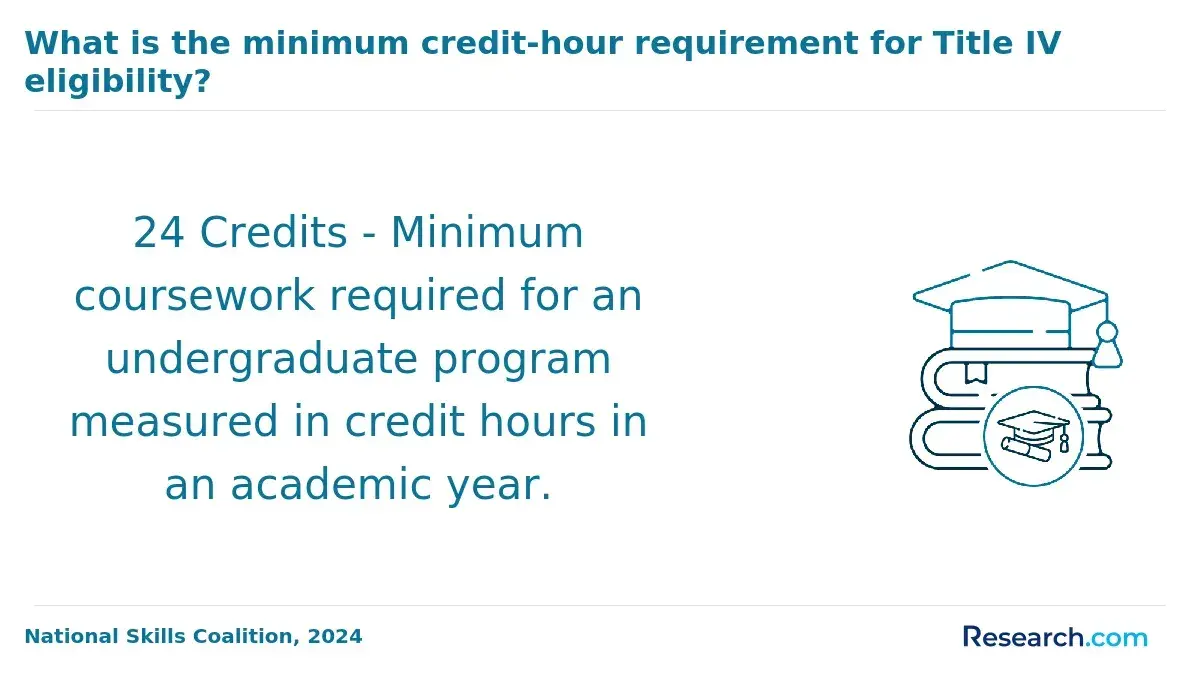
For students exploring competency-based online Spanish master's degrees, ensuring the program holds proper accreditation is vital for both employer recognition and access to federal financial aid. Below are essential considerations to keep in mind when assessing accreditation status.
- Regional Accreditation Is Essential: Accredited regional bodies like the Higher Learning Commission (HLC), Southern Association of Colleges and Schools Commission on Colleges (SACSCOC), and WASC Senior College and University Commission (WSCUC) evaluate overall institutional quality, confirming the legitimacy of competency-based program offerings within their jurisdictions.
- Discipline-Specific Accreditation for Spanish Programs: Beyond institutional accreditation, specialized organizations such as the Modern Language Association (MLA) provide programmatic recognition that reflects the academic rigor and learning outcomes specific to Spanish language and literature curricula.
- Verification Through Official Government Resources: Prospective students should confirm a program's accredited status via the U.S. Department of Education's Database of Accredited Postsecondary Institutions and Programs (DAPIP), ensuring both the institution and its Spanish master's degree meet recognized standards.
- Impact on Financial Aid Eligibility: Only programs accredited by recognized agencies qualify students for federal funding like Pell Grants and Direct Loans, which affects the affordability and perceived value of the degree in professional contexts.
- Beware of Dubious Accreditation Claims: Some institutions may advertise accreditation from unrecognized or predatory agencies not approved by the Department of Education or CHEA, which can undermine credential legitimacy and limit career and funding opportunities.
For prospective students considering a competency-based online Spanish master's degree, understanding how programs define and measure learning outcomes is crucial. These programs focus on equipping learners with skills aligned to industry standards and professional expectations. The curriculum is organized around competency units, assessments, and applied projects that reflect real-world challenges rather than traditional coursework.
Key domains within these programs typically include:
- Analytical and Critical Reasoning: Students hone their ability to analyze linguistic structures, cultural texts, and social contexts within the Spanish-speaking world, developing skills essential for effective communication and complex problem-solving.
- Leadership and Communication Skills: Graduates learn to lead projects, collaborate across diverse teams, and communicate fluently in Spanish, emphasizing intercultural competence and clear articulation in professional and informal settings.
- Domain-Specific Technical Skills: Mastery of advanced language proficiency, translation techniques, and terminology relevant to sectors like education, business, or healthcare is integrated, with practical application through competency assessments.
- Ethical Practice and Cultural Awareness: Programs embed ethical considerations tied to language use and cultural representation, preparing students to handle professional integrity and ethical dilemmas effectively.
- Applied Projects and Assessments: The curriculum centers on authentic tasks that replicate real-world scenarios, allowing students to demonstrate competencies through practical application rather than traditional exams.
Carefully reviewing each program's competency framework helps ensure alignment with career goals and professional development plans in the field of Spanish language mastery.
Competency-based online spanish master's programs rely heavily on advanced technology platforms to facilitate effective remote learning. These platforms support varied learning styles and ensure that students can engage fully with course content and instructors. Below are important components commonly found in the online delivery systems of these programs.
- Learning Management Systems (LMS): Most courses are delivered through robust LMS platforms such as Canvas, Blackboard, or proprietary tools crafted for competency-based education. These systems centralize course materials, assignments, assessments, and communication tools, streamlining the learning process.
- Asynchronous Learning: This flexible feature enables students to access lectures, readings, and exercises according to their own schedules, which is ideal for those balancing work or family responsibilities. Asynchronous formats are a hallmark of online spanish competency-based learning platforms.
- Synchronous Components: Some programs enhance interaction through live sessions or virtual labs. These real-time activities provide opportunities for speaking practice, cultural immersion, and immediate feedback from instructors or peers.
- Accessibility and Mobile Compatibility: Quality programs ensure their platforms work well on various devices, including smartphones and tablets. They also incorporate accessibility features like closed captioning and screen readers to accommodate diverse learner needs.
- Technical Support Services: Reliable and responsive technical support is vital. Effective programs offer help desks, tutorials, and troubleshooting resources to assist students in navigating any platform challenges.
Prospective students should request demos or free trial access to these platforms whenever possible. This hands-on experience helps determine if the technology aligns with their learning preferences and device capabilities, ensuring a smooth and successful educational experience. Those exploring options might also consider accredited online psychology degree programs for comparative insight into competency-based models in other fields.
For prospective students exploring competency-based online Spanish master's degrees, understanding how assessment differs from traditional exams is essential. Instead of relying on timed tests, these programs emphasize practical demonstration of skills and mastery. Below are key elements explaining how students demonstrate Spanish competency in CBE programs.
- Performance Tasks and Simulations: Students complete assignments like translating complex texts or conducting oral presentations that require applying Spanish language skills in real-world contexts, reflecting true language proficiency beyond rote memorization.
- Capstone Projects and Portfolios: Comprehensive projects or portfolios collect evidence of a student's cumulative mastery across diverse competencies, providing a detailed snapshot of their progress and skill development over time in Spanish competency-based education.
- Faculty Evaluation Using Standardized Rubrics: Qualified faculty or competency assessors rigorously evaluate submissions based on rubrics aligned with professional Spanish language standards to ensure fair, objective, and consistent assessment of mastery.
- Opportunity for Resubmission: When mastery is not demonstrated initially, students are encouraged to revise and resubmit work, supporting a growth mindset and non-punitive learning environment common in CBE.
- Employer-Relevant Demonstration of Mastery: This evidence-based approach often provides employers with more meaningful insights into a graduate's practical language skills and readiness than traditional letter grades.
Competency-based assessment methods in online spanish master's programs represent a more personalized and applied evaluation, distinct from traditional testing models. For those also curious about cost, program length, or admissions factors when comparing degree options, resources about online data science programs illustrate how affordability and flexibility shape modern competency-based education alternatives.
For students pursuing a competency-based online Spanish master's degree, prior learning assessment (PLA) is an important option to accelerate progress by recognizing language skills and knowledge acquired outside the classroom. Below are essential points about how PLA can translate existing expertise into academic credit.
- Portfolio Evaluation: Many programs accept detailed portfolios showcasing relevant work experience, formal training, certifications, or informal learning in spanish. Faculty review these submissions to assess credit eligibility based on demonstrated language proficiency and competencies.
- Standardized Exams: Tests like CLEP (College-Level Examination Program) and DSST (DANTES Subject Standardized Tests) are widely recognized for granting credit. These exams evaluate foundational spanish skills and can reduce required coursework.
- Institutional Challenge Exams: Some schools offer their own challenge exams aligned with their curriculum, allowing students to prove mastery in key topic areas and earn corresponding credits.
- Transfer Credit Limits: Most spanish CBE programs cap the percentage of transfer and PLA credits, typically allowing between 30% and 50% of the total degree requirements to be counted from prior learning.
- Time and Cost Benefits: Earning credits through PLA can shorten program length and lower tuition expenses by reducing the number of courses needed, offering valuable savings for busy professionals or those with existing spanish expertise.
Prospective students should gather thorough evidence of their spanish language experience and certifications before applying and engage admissions staff early to clarify PLA policies and maximize prior credit recognition.
For students pursuing a competency-based online Spanish master's degree, understanding its impact on career advancement is crucial. This format highlights skill mastery over traditional credentials, which many employers find increasingly valuable. The following points outline key career benefits and practical strategies for leveraging a CBE degree in today's job market.
- Wide Industry Demand: Graduates often secure roles in sectors such as education, healthcare, government, international business, and translation services. Employers in these fields appreciate advanced Spanish language skills combined with demonstrated cultural competence.
- Common Job Roles and Earnings: Typical positions include bilingual educator, translator, cultural liaison, program coordinator, and international relations specialist. According to labor statistics, annual salaries generally range from $50,000 to $80,000, with growth linked to experience and industry.
- Valued Competency Documentation: Hiring managers prefer candidates who provide evidence of abilities through portfolios and practical assessments, making CBE graduates' documented skills a strong advantage during recruitment and interviews.
- Distinctive Candidate Profiles: Customized competency portfolios enable graduates to showcase language proficiency and applied expertise, helping them stand out in competitive applicant pools that emphasize measurable skills.
- Networking and Professional Growth: Involvement in spanish language organizations, alumni networks, and professional associations supports career development by opening pathways to mentoring, job leads, and ongoing learning opportunities.
What Graduates Say About Their Competency-Based Online Spanish Master's Degrees
- Alyssa: "Choosing a competency-based online Spanish master's program was a game-changer for me because it allowed me to progress at my own pace while balancing a demanding work schedule. The affordable tuition made it even more accessible compared to traditional programs, which was a major factor in my decision. After completing the degree, I immediately noticed an improvement in my professional communication skills and confidence when working with international partners."
- Lance: "I was drawn to the competency-based structure because it focuses on mastering specific skills rather than time spent in class, which suited my learning style perfectly. The cost efficiency of the program made it feasible without sacrificing quality, especially compared to conventional degree paths. This degree has not only opened doors for new career opportunities but also enriched my understanding of cultural nuances within the Spanish-speaking world."
- Robert: "As a busy professional, the flexibility offered by a competency-based online Spanish master's degree allowed me to complete coursework alongside my job without feeling overwhelmed. The reasonable price point made continuing my education realistic, and the program's relevance to real-world skills has directly contributed to my career advancement. I now feel equipped to take on roles that require nuanced Spanish language expertise and cross-cultural competence."
Other Things You Should Know About Spanish Degrees
The main challenges of pursuing a competency-based Spanish master's program in 2027 include adapting to a self-directed learning model, ensuring time management for non-traditional schedules, and accessing consistent online support. Establishing the rigor of competency assessments to match institutional standards is also a key concern.
Competency-based Spanish master's programs allow students to progress at their own pace by demonstrating mastery of specific skills, unlike traditional programs that rely on fixed credit hours and scheduled courses. This format is ideal for self-motivated learners who may have prior experience in Spanish or related fields. Traditional programs, however, often provide a more structured schedule and cohort-based learning, which some students may prefer for routine and peer engagement.
Most programs require advanced Spanish proficiency, often equivalent to ACTFL Advanced Low or higher, plus official transcripts and a statement of purpose. Some schools also ask for a recent writing sample or placement interview to verify graduate-level reading and writing ability before admission.
- Dedicated e-learning platforms - Eduexpert https://eduexpert.eu/en/dedicated-e-learning-platforms/
- Online Spanish Master's Degrees - Study in Spain https://studying-in-spain.com/plan-your-studies/online-spanish-masters-degrees/
- How long does it take to master Spanish? - International House México https://ihmexico.mx/how-long-does-it-take-to-master-spanish/
- Educational Accreditations - AIL Madrid https://ailmadrid.com/the-school/educational-accreditations/
- What Can You Do With a Master’s in Spanish? More Than You Think | UT Permian Basin Online https://online.utpb.edu/about-us/articles/spanish/what-can-you-do-with-a-masters-in-spanish
- Accreditation of University Centres - Aneca Web https://www.aneca.es/en/accreditation-of-centres
- University Master's Degree in Spanish and English as Second Languages/Foreign Languages https://web.ua.es/en/masteres/espanol-e-ingles-como-segundas-lenguas-lenguas-extranjeras/curriculum.html
- What is a competency based master's? Competency based degree programs explained - Academia Insider https://academiainsider.com/competency-based-masters-and-education/
- Advantages of Doing an Online Master's in Spain | ESIC https://www.esic.edu/rethink/internacional/advantages-online-masters-in-spain-c
- Launch a Global Career with a Spanish Degree | Houston Christian University https://hc.edu/articles/launch-a-global-career-with-a-spanish-degree/