2027 No-Exam Online Energy Policy Master's Degrees: Schools, Costs & Outcomes

Co-Founder and Chief Data Scientist
Professionals aiming to enter the renewable energy sector often face the challenge of balancing work commitments with the demands of graduate admissions exams. Many seek no-exam online energy policy master's degrees to fast-track their careers without standardized test barriers. The nationwide enrollment in online energy policy programs rose by 18% recently, reflecting a growing preference for flexible learning options.
This increase demonstrates the sector's shift toward accessible education paths tailored to working adults. This article examines leading no-exam online energy policy master's programs by comparing schools, tuition costs, and employment outcomes to guide informed decisions.
Key Benefits of No-Exam Online Energy Policy Master's Degrees
- No-exam online energy policy master's degrees offer flexible admission, enabling applicants from diverse backgrounds to enroll without standardized test barriers.
- These programs typically reduce costs by 20-40% compared to traditional formats, making graduate education more accessible.
- Graduates report enhanced career opportunities, with a 15% salary increase on average within one year of program completion.
Why Do Some Online Energy Policy Master's Programs Eliminate Admission Exams?
Graduate admissions for many online programs have shifted toward removing or making standardized tests optional, aiming to increase access and better assess applicant potential. Nearly 60% of online master's programs no longer require exams like the GRE or GMAT, reflecting a growing emphasis on academic and professional experience.
This shift also applies to no-exam online energy policy master's programs, which benefit from more inclusive evaluation methods. Below are key reasons driving this change.
- Accessibility and Equity: Eliminating admission exams reduces financial costs and scheduling conflicts, making programs more attainable for working professionals and those with family responsibilities.
- Professional Experience Focus: Admissions prioritize relevant work accomplishments over standardized test scores, valuing real-world expertise vital for energy policy careers.
- Holistic Admissions: Schools increasingly review transcripts, recommendation letters, and personal statements to capture a broader picture of a candidate's abilities and potential.
- Applicant Diversity: Programs recognize the varied backgrounds of non-traditional students and remove tests that may not fairly evaluate diverse experiences.
The benefits of no admission exams for energy policy degrees include removing unnecessary barriers and better matching candidates' strengths with program goals. For prospective students seeking flexible options, exploring accelerated degrees online that pay well can expand career prospects in related fields.
How Do You Compare Schools Offering No-Test Online Energy Policy Graduate Programs?
The absence of entrance exams in no-test online energy policy master's programs can increase accessibility, but prospective students should carefully evaluate multiple academic and career-related factors when comparing schools. About 62% of graduate students report improved job prospects within two years of completing a public policy or related degree.
Below are key criteria to consider when comparing no-exam online energy policy graduate schools.
- Accreditation: Regional or specialized accreditation ensures the program meets rigorous academic standards. This affects credit transferability and recognition by employers and professional bodies.
- Curriculum and Faculty Expertise: Programs led by faculty with both academic credentials and industry experience offer current insights on energy policy challenges and innovations, enhancing the learning experience.
- Tuition and Fees: Understanding total costs, including any in-state online rates or tiered pricing structures, allows for a realistic comparison of affordability and long-term return on investment.
- Career Support and Alumni Outcomes: Schools providing robust career services and tracking employment data in energy sectors improve graduates' chances of timely employment and career advancement.
Prospective students researching no-test online energy policy master's programs may also find value in exploring cheapest online EdD programs as part of a broader consideration of cost-effective graduate education options.
What Are the Admission Requirements for No-Exam Online Energy Policy Master's Programs?
While no-exam online energy policy master's programs do not require standardized tests, applicants must satisfy clear academic and professional criteria to be considered for admission. Over half of programs now emphasize a candidate's overall experience and potential rather than exam results, reflecting a shift toward holistic review. Below are some essential components commonly assessed in no test requirement energy policy master's programs.
- Bachelor's Degree Requirement: Candidates typically need an accredited undergraduate degree, often in fields such as environmental science, engineering, economics, or political science to ensure foundational knowledge appropriate for graduate study.
- Professional Experience: Many programs expect one to three years of relevant work history to demonstrate practical skills and commitment to energy policy issues, particularly for mid-career applicants.
- Letters of Recommendation: Academic or professional references are required to provide insight into the applicant's qualifications, work ethic, and suitability for advanced study.
- Personal Statement or Essay: Applicants must submit a narrative explaining their career goals, motivation for pursuing the degree, and how the program aligns with their aspirations, showcasing critical thinking and communication abilities.
- Resume or Portfolio Submission: A detailed overview of accomplishments, research, or publications related to energy policy often helps support an applicant's candidacy.
The growing popularity of online energy policy master's programs with no test requirements reflects a broader trend that prioritizes diverse professional backgrounds. For those curious about financial commitment, resources discussing how much does it cost to get a business degree online can provide valuable context for comparing tuition expenses.
The removal of entrance exams generally does not impact tuition costs for online energy policy master's degrees. Instead, tuition is mostly determined by credit requirements and the institutional pricing framework. Across the country, total tuition for these programs typically falls between $20,000 and $45,000, with per-credit rates ranging from approximately $500 to $1,200.
Below are several important factors that affect tuition expenses for no-exam online energy policy master's programs.
- Cost Per Credit: This is a major driver of overall expenses. Programs with lower credit-hour fees help keep total tuition more affordable.
- Total Program Cost: The total amount depends on required credit hours, which usually span from 30 to 36 credits for master's degrees.
- Public vs. Private Pricing: Public universities generally charge less, especially for in-state students, making them a cost-effective option for many applicants.
- In-State vs. Out-of-State Tuition: While many programs distinguish between in-state and out-of-state rates, some online formats waive this difference, offering uniform pricing.
- International Student Rates: Tuition for international students may be higher to cover additional administrative and support services.
- Additional Fees: Various charges for technology access, course materials, and online student services contribute to the total cost but are often unique to digital learning environments.
When I spoke with a recent graduate of a no-exam online energy policy master's program, he shared that while the tuition was manageable, navigating the fee structure required attention to detail. He mentioned, "It wasn't just the tuition-I had to budget for tech fees and software access, which added up over the semesters."
He also found that the flexibility of not having to take an entrance exam allowed him to focus financially on his coursework rather than prep costs. Despite the challenges of managing these expenses alongside work, he emphasized that the clarity of knowing total costs upfront helped alleviate uncertainty throughout his studies.
Admission exam requirements generally do not impact eligibility for federal or institutional financial aid in no-exam online energy policy master's programs. According to the National Center for Education Statistics, about 56% of graduate students receive some form of financial assistance annually. Below are key financial aid options available to students in these programs:
- Federal Student Loans: Graduate students can access up to $20,500 per year through Direct Unsubsidized Loans. Eligibility for these loans does not hinge on having taken standardized admission tests.
- Graduate Scholarships: Numerous colleges and external organizations award scholarships targeting energy policy or related disciplines. These awards typically do not require exam scores for consideration.
- Employer Tuition Assistance: Working professionals often benefit from tuition reimbursement programs offered by employers. These programs evaluate eligibility based on employment and enrollment status rather than entrance exam results.
- Institutional Grants: Many schools offer grants based on financial need or academic merit to online students. Such awards usually focus on student circumstances instead of exam performance.
The lack of a required admission exam does not limit access to most financial aid sources, ensuring that students pursuing online energy policy master's degrees can find funding to support their studies.
Eliminating entrance exams from online energy policy master's programs does not usually shorten the time needed to graduate. Instead, the total duration hinges on credit requirements, enrollment status, and course structure. Typically, these programs demand between 30 and 36 credits, with full-time students commonly finishing within 18 to 24 months. Key factors that influence how long completion takes include:
- Full-Time vs. Part-Time Enrollment: Students enrolled full-time often complete courses faster, while part-time options extend the timeline but accommodate work and personal commitments.
- Accelerated Course Options: Some programs provide accelerated classes or summer sessions, allowing students to reduce overall study time if they choose.
- Transfer Credit Opportunities: Those with applicable graduate coursework can sometimes transfer credits, lowering the number of required classes and shortening program length.
- Capstone or Thesis Requirements: Completing a project or thesis demands additional effort and time, which can increase the overall duration.
A professional who completed a no-exam online energy policy master's degree shared that balancing work responsibilities with coursework was a juggling act. She noted that while the absence of admission exams made starting the program less stressful, the intensive nature of the capstone project required significant planning and dedication. "I found that pacing myself and taking advantage of summer courses helped me stay on track," she said. Her experience highlighted that although program length varies, strategic course selection and time management are crucial for timely completion.
Waiving traditional entrance exams like the GRE does not reduce the academic rigor or content of no-exam energy policy master's programs. These programs generally require completion of 10 to 14 courses, totaling between 30 and 36 credit hours. The coursework balances foundational knowledge with specialized topics to prepare students for impactful careers.
Below is an overview of typical curriculum components found in no-exam energy policy master's curriculum courses.
- Core Courses: These establish essential knowledge in areas such as energy economics, environmental policy, energy law, and sustainable energy systems. They equip students to critically evaluate and influence energy-related decisions.
- Elective Options: Students customize their studies through electives focusing on renewable energy technologies, energy finance, or global energy markets, allowing deeper expertise aligned with career goals.
- Capstone or Applied Project: Many programs require a culminating project that involves real-world problem solving or policy analysis, often in collaboration with industry partners or stakeholders, demonstrating practical competencies.
- Specialization Tracks: These tracks enable concentration on specific themes such as climate change policy, legislative advocacy, or energy infrastructure, facilitating targeted knowledge development.
Courses in no-exam energy policy graduate programs are designed to combine theory with applied skills, ensuring graduates are well-prepared for complex challenges in the field. For prospective students evaluating different options, it's important to compare not only the curriculum but also tuition costs and career outcomes. For additional insight into flexible graduate programs, explore reputable resources like an online MSW programs guide.
Many employers today prioritize the skills and credentials candidates bring over whether a master's degree program required an entrance exam. The rise of test-optional and no-exam graduate programs has shifted some focus away from standardized testing as a key indicator of career readiness.
According to a 2023 survey by the National Association of Colleges and Employers, 68% of employers regard the reputation and accreditation of graduate programs as more important than whether applicants took a standardized entrance exam. Below are key factors shaping how employers view graduates from no-exam energy policy master's programs:
- Accreditation: Accredited programs ensure that the curriculum meets industry standards, providing employers confidence in the quality of education regardless of test requirements.
- Program Reputation: Institutions with strong connections in the energy sector or renowned faculty tend to have an edge, influencing how graduates are perceived even without entrance exams.
- Professional Experience: Practical experience in energy policy or related fields often carries more weight with employers than standardized test scores.
- Demonstrated Skills: Candidates who showcase expertise through projects, internships, or certifications tend to bolster their appeal beyond the presence or absence of entrance exams.
For those concerned about the impact of no entrance exam on energy policy master's career prospects, focusing on gaining relevant experience and demonstrating skills can greatly enhance employability. Additionally, prospective students might also consider exploring a cyber security masters program for complementary skills in today's digital landscape.
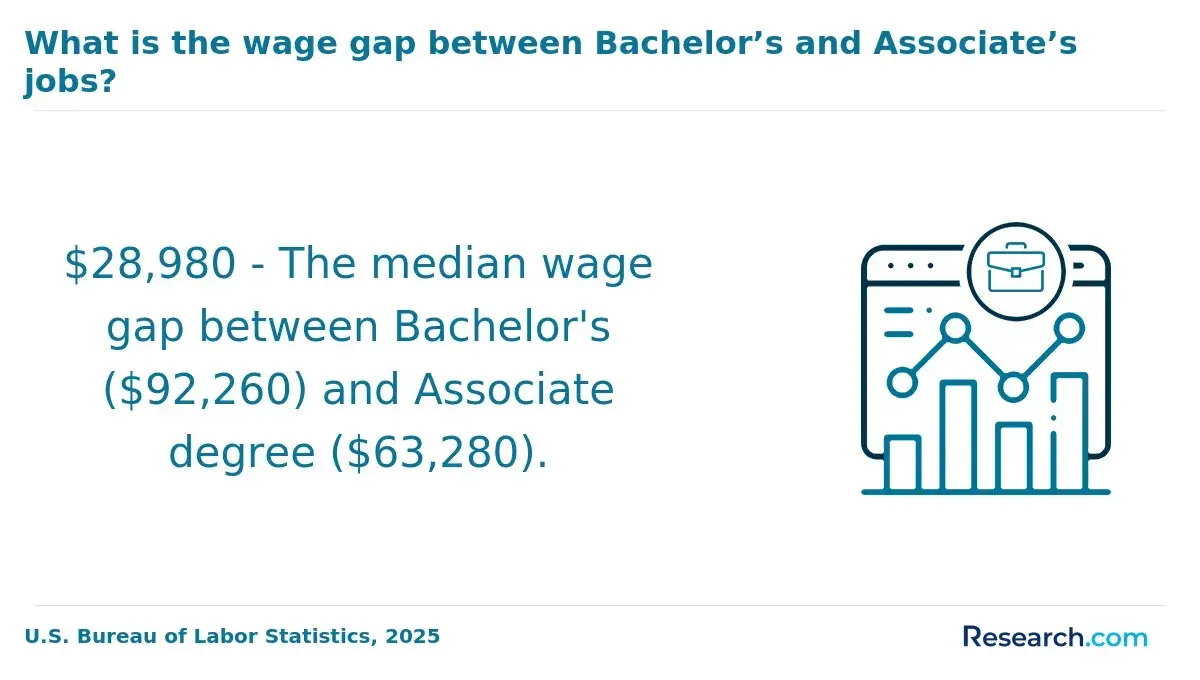
Graduates who earn a no-exam or test-optional online master's degree in energy policy access the same professional opportunities as those completing traditional programs requiring exams. According to the U.S. Bureau of Labor Statistics, related fields such as environmental science and policy are projected to grow 8% from 2022 to 2032.
Entry-level salaries typically range from $60,000 to $75,000, depending on location and employer. Below are some common career paths for energy policy graduates.
- Policy Analyst: Analyze legislation and evaluate its impact on energy systems. Develop strategic recommendations to promote sustainable energy initiatives for government agencies or think tanks.
- Energy Consultant: Advise public and private sector clients on energy projects and regulatory compliance. Use technical and economic expertise gained from the degree to support renewable energy implementation.
- Sustainability Coordinator: Manage programs that advance environmental goals within organizations. Collaborate with stakeholders to develop and monitor sustainability policies aligned with energy sector trends.
- Regulatory Affairs Specialist: Ensure compliance with environmental laws and energy regulations. Draft policy briefs and liaise with regulatory bodies to support ethical and effective energy management.
The master's degree equips professionals with skills in policy formulation, economic analysis, and a technical understanding of energy markets. Responsibilities in these roles often include conducting research, managing projects, and fostering collaborations across diverse teams, ultimately positioning graduates to influence energy production and sustainable policy decisions.
Earning a master's degree in energy policy through no-exam or test-optional online programs generally results in salary prospects comparable to those of traditional, exam-based programs. Median annual earnings for professionals in this field typically range between $85,000 and $95,000 in the U.S. The following factors play a significant role in shaping compensation levels for graduates:
- Geographic Location: Salaries often rise in major metropolitan areas and energy centers like Houston, Washington D.C., or California, where demand is higher and living costs influence pay.
- Industry Sector: Compensation varies widely across government roles, private energy companies, and consulting firms, with private industry frequently offering higher salaries.
- Work Experience: Prior backgrounds in areas such as environmental science, economics, or engineering typically enhance salary potential after graduation.
- Specialization: Concentrations in renewable energy, regulatory affairs, or sustainability may command different salary ranges depending on employer needs and market trends.
Recognizing these influences helps current and future students make informed decisions when selecting an energy policy master's program that aligns with their career objectives and financial expectations.
What Graduates Say About Their No-Exam Online Energy Policy Master's Degrees
- Doug: "Choosing the right no-exam online energy policy master's program was overwhelming at first, but focusing on schools with strong industry connections made all the difference. The affordability compared to traditional programs allowed me to pursue my degree without financial strain, which was crucial. Since graduating, I've seen a remarkable boost in job offers and career growth that directly results from the practical knowledge I gained. "
- Emma: "I was initially hesitant about the no-exam format, but the flexibility allowed me to balance work and study effectively. The cost was significantly lower than many on-campus programs, which let me invest more time in applying what I learned rather than worrying about tuition debt. After completing the program, I confidently secured a leadership role in a renewable energy firm, proving the degree's impact on my professional trajectory."
- Samantha: "The decision to enroll in a no-exam online energy policy master's degree was driven by my need for a tailored, cost-effective education. I appreciated the transparent pricing models across different schools, which helped me make an informed choice without compromising quality. The program's comprehensive curriculum empowered me to influence policy decisions in my organization, demonstrating the tangible career benefits of this path."
Other Things You Should Know About Energy Policy Degrees
In 2027, many employers recognize no-exam online energy policy master’s degrees as legitimate, especially if they are from accredited institutions. Employers often value the flexibility and self-discipline required for such programs. However, it's crucial to verify the school's accreditation and reputation in the field before enrolling.
Many do. A capstone or thesis is often required in place of final exams, usually after 30 to 36 credit hours. Programs commonly ask for faculty approval of a topic, a research proposal, and a final written project or presentation before graduation.
Yes, several no-exam online energy policy master's programs provide specialization tracks within the curriculum. These may include focuses such as renewable energy, environmental policy, or energy economics. Specializations enable students to tailor their studies to specific career goals within the broader energy policy field.
In 2027, graduates of no-exam online energy policy master's degrees can pursue careers in renewable energy consulting, policy analysis, environmental advocacy, and sustainability planning. With the increasing focus on green energy, such programs prepare students for roles in both governmental and private sectors.
- Master of Science in Management of Smart and Sustainable Energy Systems https://international-academy-for-german-engineering.de/product/management-of-smart-and-sustainable-energy-systems/
- Find Master's in Energy Policy Programs - EnergyDegrees.org https://www.energydegrees.org/programs/masters-in-energy-policy/
- Online Master's Degree in Renewable Energy | RBS https://romebusinessschool.com/online-masters-degree-renewable-energy/
- Influencing Energy Policy Advisor Job Description https://enable.green/esg-roles/green-energy-careers/energy-policy-advisor-job-description/
- Accredited Master in Renewable Energy Award - The Renewable Energy Institute https://www.renewableinstitute.org/training/accredited-master-in-renewable-energy-award/
- Triple-accredited business school https://www.strath.ac.uk/courses/postgraduatetaught/economicspolicyofenergyclimatechange/
- Application Requirements https://mastersplus.innoenergy.com/application-process/requirements/
- Online Master in Renewable Energy https://www.iosd.org/online-master-renewable-energy/
- Master of Energy Policy at Griffith University | Open Universities Australia https://www.open.edu.au/degrees/master-of-energy-policy-griffith-university-grf-enp-mas
- Climate and Energy Jobs in Europe | EuroClimateJobs https://www.euroclimatejobs.com/