2027 Shortest Online Financial Technology Degree Master's Programs That Pay Well: Cost, Time to Completion, and Salary Outlook

Co-Founder and Chief Data Scientist
Professionals aiming to pivot quickly into fintech leadership face a dilemma: longer master's programs delay career advancement and inflate costs. Many working adults cannot afford to pause their income streams for traditional two-year degrees. Accelerated online Financial Technology master's programs offer a solution by condensing coursework into 12 to 18 months.
Statistics reveal that 67% of graduates from these accelerated programs report securing higher-paying roles within six months of completion, underscoring their industry relevance. This article examines the shortest online Financial Technology master's degrees, focusing on cost efficiency, time to completion, and salary outcomes to guide career-oriented decisions.
Key Benefits of the Shortest Online Financial Technology Degree Master's Programs That Pay Well
- Shortest online financial technology master's programs often enable completion in 12-18 months, allowing students to enter the workforce faster and capitalize on timely industry advancements.
- These accelerated programs typically reduce tuition and related costs, providing a cost-efficient pathway without sacrificing academic rigor or accreditation quality.
- Graduates see robust salary growth, with median incomes rising by 20% or more within five years, reflecting strong market demand for advanced financial technology expertise.
What Are the Shortest Online Financial Technology Master's Programs Available Today?
Demand for accelerated online master's programs continues to grow as professionals seek the shortest online financial technology master's programs with accelerated completion times to rapidly enhance their skills. Many fast-track programs can be completed in as little as 12 to 18 months, significantly shorter than the traditional two-year graduate timeline. Below are common program types that achieve these reduced durations through innovative scheduling and curriculum design.
- Full-Time Accelerated: These programs usually take 12 to 15 months and enable students to complete courses consecutively without breaks. Intensive semesters and year-round enrollment facilitate rapid progression.
- Part-Time Accelerated: Designed for working professionals, these programs typically finish in 15 to 18 months by streamlining course loads and incorporating flexible, often asynchronous, scheduling.
- Executive or Professional: Combining rigorous coursework with practical projects, these programs generally complete within 12 to 18 months. They emphasize hands-on learning and may offer multiple start dates annually.
This approach to graduate education aligns with wider trends emphasizing flexibility and time efficiency, helping students balance work while pursuing lucrative financial technology careers. For those exploring options beyond master's degrees, insights about online PhD programs may also be relevant. Choosing among the top quickest online financial technology master's degrees with high salary potential can maximize return on investment while minimizing time spent in school.
How Many Credits Are Required for the Shortest Online Financial Technology Master's Programs?
Accelerated online Financial Technology master's programs streamline their credit requirements to enable quicker degree completion, typically within 12 to 18 months. Most of these shortest programs require between 30 and 36 total credit hours, balancing rigorous content with efficient pacing. The following key factors influence credit hours and support faster completion:
- Total Credit Range: Programs commonly maintain a 30-36 credit range, which aligns with graduate-level standards while allowing for a focused curriculum.
- Core Requirements: Coursework emphasizes fintech fundamentals, data analytics, and financial systems, minimizing excess electives to concentrate on essential skills.
- Capstone Structure: Many programs replace multiple research papers with a single, comprehensive capstone project, saving time on extensive writing tasks.
- Accelerated Terms: Shortened academic terms and options for continuous enrollment enable students to accumulate credits quicker than traditional schedules.
- Credit Transfer Options: Some institutions allow transfer of qualifying prior graduate credits, further reducing credit hour requirements and total time.
These structural elements play a crucial role in meeting credit hour needs for accelerated financial technology degrees without compromising academic quality. Working professionals seeking to minimize time to completion often pursue these programs to achieve strong earning potential in fintech careers efficiently. For those looking to complement a degree with practical credentials, exploring certificates I can get online can enhance employment prospects alongside an accelerated master's.
Are There Specializations Available in the Shortest Online Financial Technology Master's Programs?
Accelerated online financial technology master's programs often condense their curricula into 12 to 18 months, which can restrict the variety of specialization options available. Nevertheless, about 68% of online master's degrees offer at least one concentration or specialization to help students focus their studies and advance their careers. Below are some of the common specializations integrated into these fast-paced programs:
- Data Analytics: This specialization emphasizes analyzing large data sets and utilizing predictive modeling techniques tailored to financial markets, providing critical insights within a condensed timeframe.
- Blockchain and Cryptocurrency: Students explore distributed ledger technologies, digital currencies, and the development of smart contracts, positioning themselves at the forefront of fintech innovation even within a shortened program.
- Financial Risk Management: Concentrating on identifying and mitigating various types of financial risks, this track equips students with tools to navigate volatility in digital financial ecosystems quickly.
- Regulatory Compliance: This area covers the legal and regulatory standards fintech firms must adhere to, ensuring students gain essential knowledge to manage compliance challenges efficiently in an accelerated setting.
Each specialization is designed to merge essential fintech concepts with focused elective courses, allowing learners to deepen their expertise without adding significant time to their studies.
When asked about his experience, a graduate from one of these accelerated online financial technology programs shared how intensive the pace was. "Balancing work, family, and a demanding curriculum wasn't easy," he explained. "Choosing a concentration helped me target exactly what I needed for my career, but it meant every assignment counted-and there wasn't much room to slow down." He also noted that program advisors were vital in helping him select the specialization that aligned with his goals while managing the accelerated schedule. "It felt challenging, but the support made the process doable and ultimately very rewarding."
Accelerated online financial technology master's programs are structured to be completed within 12 to 18 months by organizing coursework into three to four terms, with students typically enrolling in three to four courses each term. This design balances speed with thoroughness, ensuring a comprehensive yet manageable learning experience. The main curriculum aspects supporting fast-track progression are outlined below.
- Core Courses: These foundational subjects cover essential topics such as blockchain technology, data analytics, digital payments, cybersecurity, and financial regulations, providing a robust knowledge base crucial for the fintech industry.
- Electives: Students can specialize via a variety of electives focused on areas like artificial intelligence applications, machine learning, or risk management, allowing customization of the curriculum to individual career goals.
- Capstone or Project: A practical, integrative project usually completed during the final term. This hands-on experience applies theoretical concepts to real-world financial technology challenges, showcasing students' readiness for professional roles.
- Term Sequencing: Courses are scheduled back-to-back with minimal downtime between terms, reducing delays and maintaining momentum throughout the program. Overall, most accelerated programs require 10 to 12 courses for graduation, emphasizing efficiency in mastering critical skills.
Accelerated online master's programs in financial technology generally cost between $20,000 and $40,000 total, offering a faster and often more cost-effective path compared to traditional two-year degrees. The average total tuition for these shortest online financial technology master's programs is approximately $30,000, reflecting an efficient balance of intensive coursework and affordability. Understanding key cost components can help prospective students budget effectively.
Several factors influence the overall expense of completing a fast-track financial technology degree, including:
- Average Total Tuition: This represents the full cost to complete the program, which is typically lower for accelerated tracks as students attend fewer semesters while completing the same credits.
- Tuition Per Term: Although the total tuition may be less, the cost per term tends to be higher due to condensed schedules demanding a heavier credit load each term.
- Additional Program Fees: Beyond tuition, costs such as technology fees, application fees, and specialized software access for financial technology coursework can add to the total financial investment.
When evaluating cost, it is also important to consider out-of-state tuition policies for online financial technology master's degrees, as some programs maintain uniform rates regardless of residency. For those exploring affordable options, consulting resources like the online college business degree rankings can provide valuable guidance on cost and quality.
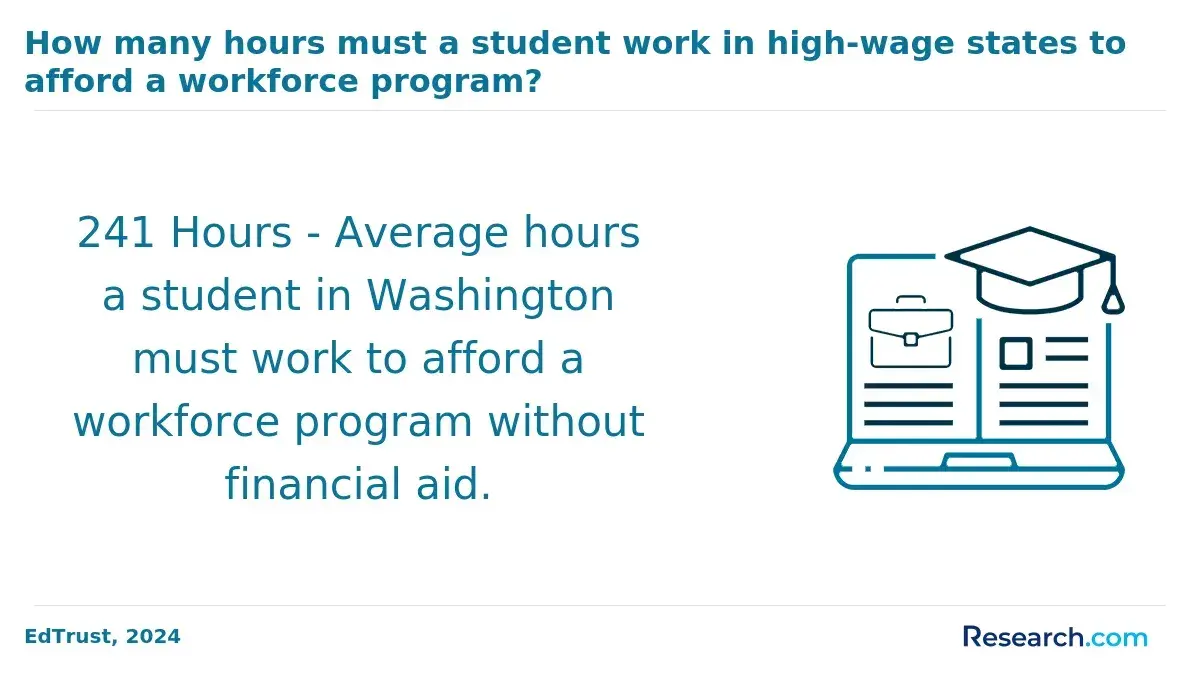
Tuition structures for online programs often differ from traditional on-campus rates, especially regarding residency status. Around 60% of institutions offering graduate courses online charge the same tuition regardless of whether a student is in-state or out-of-state. This reflects the reduced overhead costs of digital learning environments.
Below are key factors affecting tuition costs for accelerated online financial technology master's programs:
- Tuition Parity: Many online programs charge a uniform tuition rate to all students, which eliminates additional fees for out-of-state enrollees and simplifies financial planning.
- Residency Exceptions: Some universities still apply different rates based on residency, often tied to state funding rules, meaning out-of-state students may face higher tuition.
- Program-Specific Fees: Beyond base tuition, accelerated financial technology programs might impose fixed technology or course fees that apply equally to everyone, adding modest costs irrespective of residency.
- Additional Costs: Expenses like textbooks, software subscriptions, and certification tests vary independently from tuition but significantly affect overall program affordability.
A professional who earned an accelerated online financial technology master's degree shared her experience with residency-based tuition policies. She noted that while her chosen program did not charge extra for out-of-state students, she initially worried about potential hidden fees due to her non-resident status. Navigating university websites and contacting admissions helped clarify that costs were consistent, which she found reassuring.
She reflected, "Knowing the tuition wouldn't change based on where I lived allowed me to focus fully on coursework without financial surprises." Her process involved thoughtful budgeting and verifying all fees upfront, which she recommends to prospective students aiming for fast, affordable financial technology education online.
Tuition typically accounts for the primary expenses in the shortest online financial technology master's programs, such as course instruction and access to digital materials. However, students should be prepared for additional charges that can influence the total cost of earning the degree. Below are some common extra fees to consider when budgeting for an accelerated online program.
- Technology Fee: This fee supports online platform maintenance, software licenses, and technical support. It ensures students have reliable access to virtual classrooms and can add several hundred dollars to overall costs.
- Application or Enrollment Fee: A one-time charge that covers administrative processing when submitting admission paperwork. Although it varies by institution, it is generally modest compared to tuition expenses.
- Proctoring and Exam Fees: Many programs require monitored testing to uphold academic integrity. Fees may apply per exam or as a flat rate and are necessary for online assessments.
- Graduation or Diploma Fee: This small fee covers the processing and issuance of official degree credentials, often required for graduates entering the workforce promptly after completion.
- Access Fees for Specialized Software: Financial Technology courses sometimes include subscriptions to premium tools or data services essential for coursework but not included in tuition.
These additional costs are key considerations for those seeking the shortest online financial technology master's program fees and related expenses.
Prospective students aiming for a streamlined path to advance their careers may also explore offerings such as a 1 year online master's in social work for comparative insight on accelerated degree options.
Financial aid significantly enhances the affordability of the shortest online financial technology master's programs, making them more accessible for busy professionals. Nearly 60% of online graduate students benefit from some form of financial assistance, highlighting how crucial aid is in managing education costs while pursuing accelerated degrees. Below are key financial aid options that can help reduce the financial burden:
- Federal Loans: These loans offer low-interest rates and flexible repayment plans, allowing students to cover tuition and related expenses without immediate financial strain. Federal loans support learners in completing accelerated programs without interrupting their careers.
- Scholarships and Grants: Awarded based on merit, financial need, or specific criteria related to financial technology, these funds do not require repayment. They serve as vital resources to decrease overall education costs.
- Employer Tuition Assistance: Many employers reimburse tuition or offer assistance programs for employees advancing their education. This greatly benefits working students by offsetting some or all program expenses.
- Institutional Aid: Some universities provide specialized grants, scholarships, or reduced tuition rates specifically for online or expedited financial technology master's programs. This internal support can make fast-tracked education more affordable.
By leveraging these financial aid options, students can pursue their financial technology master's degrees efficiently and minimize debt, enabling quicker entry or advancement in the evolving fintech industry.
Earning an online financial technology master's degree significantly broadens career opportunities and enhances professional advancement in a rapidly evolving industry. Nearly 85% of master's graduates in this field find employment within six months, reflecting strong demand. Below are five common career paths for graduates with an accelerated online financial technology master's degree.
- Fintech Product Manager: Leading the development and launch of innovative financial products within startups or well-established financial firms, focusing on bridging technology and customer needs.
- Data Analyst/Scientist: Utilizing large financial datasets to improve decision-making, detect fraud, and identify emerging trends in banking, investment, and other sectors.
- Blockchain Developer: Creating secure decentralized platforms for digital assets, cryptocurrencies, and smart contracts, enhancing transparency and security.
- Risk Manager: Evaluating and mitigating risks related to cybersecurity, regulatory compliance, and market volatility within financial institutions.
- Financial Software Engineer: Designing scalable software solutions that automate financial processes, from payment systems to algorithmic trading platforms.
Professionals pursuing an online master's degree in financial technology benefit from accelerated programs that offer high-paying careers with a master's in financial technology while minimizing time to completion and overall costs. For those interested in complementing their knowledge in finance, exploring accounting classes online can provide valuable skills to support broader financial expertise.
Earning an accelerated online master's degree in financial technology often leads to a substantial increase in earning potential by preparing graduates for specialized and advanced roles. The median annual salary for professionals with this level of education is around $120,000, underscoring the premium employers place on expertise in areas like blockchain, AI, and cybersecurity within finance. Below are key factors that shape salary outcomes for those who complete the shortest online programs.
- Industry Demand: The rapid integration of fintech solutions by both established banks and innovative startups creates a competitive market that pushes salaries higher for qualified candidates.
- Location: Major financial centers such as New York, San Francisco, and Chicago typically offer enhanced salary packages due to the concentration of fintech firms and higher living costs.
- Experience Level: Candidates with prior work history in finance or technology command better starting salaries due to their proven skill set and reduced onboarding time.
- Technical Expertise: Proficiency in programming languages, data analytics, and blockchain technology increases marketability and can lead to premium compensation.
- Job Function: Roles like fintech product managers and quantitative analysts usually provide higher pay compared to entry-level technical positions because of their strategic importance.
What Graduates Say About the Shortest Online Financial Technology Degree Master's Programs That Pay Well
- Vincent: "The affordability of the program was a major deciding factor for me. Because it was a short online financial technology master's degree, the overall cost was lower compared to longer courses, which made it accessible without taking on much debt. Finishing quickly allowed me to enter the job market sooner, boosting my salary significantly within a year. "
- Lyra: "I took a reflective approach when choosing my financial technology master's degree, realizing the shorter duration meant less tuition but also a more intense workload. The compressed format pushed me to learn efficiently and apply skills immediately. After graduation, the salary increase justified the effort, proving that even brief programs can have a strong impact on career advancement. "
- Gabriel: "As a professional already working in tech, I valued how the shortest online financial technology master's degree fit seamlessly into my schedule and budget. The reduced length translated to lower costs and less time away from work, which minimized financial strain. Gaining specialized knowledge quickly helped me negotiate for a higher salary within months of completing the program."
Other Things You Should Know About Financial Technology Degrees
Many employers offer tuition reimbursement for employees pursuing advanced degrees related to their work, including financial technology master's programs. This benefit can significantly reduce out-of-pocket expenses, especially for degrees completed online within a shorter timeframe. Students should verify their company's policies and ensure their chosen program qualifies for reimbursement before enrolling.
Accelerated courses and bootcamp options allow students to complete an online financial technology master's program more quickly, often in as little as 12-18 months. These formats condense learning material into shorter timeframes, offering intensive sessions that focus on core fintech skills to ensure both efficiency and comprehensive understanding.
Most accelerated online fintech master’s programs require a final capstone, not a thesis. A capstone is usually 3 to 6 credits and is completed in the last term, while a thesis is more common in research-focused degrees and often adds extra semesters.
- Careers | MSc Financial Technology | Fintech Master's Degree | Warwick Business School https://www.wbs.ac.uk/courses/masters/financial-technology/careers/
- Master's in Financial Technology (FinTech) https://www.wpi.edu/academics/study/financial-technology-ms
- What Jobs Could You Do with a Masters Degree in Financial Technology | Good Universities Guide https://www.gooduniversitiesguide.com.au/articles/education-blogs/guest/what-jobs-could-you-do-with-a-masters-degree-in-financial-technology
- Master's in FinTech https://business.ucdenver.edu/ms/fintech
- From Student to Fintech Innovator: Career Paths in Financial Technology https://www.esilv.fr/en/from-student-to-fintech-innovator-career-paths-in-financial-technology/
- 2025 Most Affordable Online Master's Degrees in Finance https://www.onlineu.com/most-affordable-colleges/finance-masters-degrees
- Online Master in Fintech and Digital Banking https://www.global-business-school.org/programs/masters-europe/online-master-in-fintech-and-digital-banking/
- Verifying that you are not a robot... https://jliedu.ch/courses/msc-financial-technology/
- Financial Technology (FinTech) MSc https://www.qmul.ac.uk/postgraduate/taught/coursefinder/courses/financial-technology-fintech-msc/
- Master of Science (MSc) FinTech https://www.dbs.ie/course/postgraduate/master-of-science-(msc)-in-financial-technology