2027 State-Approved Online Financial Technology Degree Master's Programs

Co-Founder and Chief Data Scientist
Professionals aiming to advance in financial services often face credential recognition challenges when enrolling in online master's programs lacking state approval. Without this endorsement, degrees can be invalid for certain licenses or employer requirements. The rapid growth of the financial technology sector boosts demand for standardized education; studies show a 35% increase in state-approved online Financial Technology degree enrollment from 2018 to 2023.
Navigating this complexity is essential to secure career progress and compliance. This article examines state-approved online Financial Technology master's programs, guiding readers to select options that meet regulatory standards and support professional goals.
Key Benefits of State-Approved Online Financial Technology Degree Master's Programs
- State-approved online financial technology master's programs ensure curriculum quality and compliance with regional educational standards, enhancing trust in the credential's academic rigor.
- Graduates gain improved eligibility for professional licensure and certifications crucial for career growth in fintech, with 65% reporting faster job promotions.
- Employers and industry bodies prefer candidates from state-approved programs due to verified program credibility, increasing graduate hire rates by up to 40% in fintech-related roles.
What Does "State-Approved" Mean for an Online Financial Technology Master's Degree Program?
State approval for online financial technology master's degrees means that a state's education agency or regulatory body has reviewed and authorized a program to operate within that state. This evaluation typically examines curriculum content, faculty expertise, learning resources, and institutional policies to ensure the program meets academic and professional standards. The state authorization process for a financial technology master's program focuses on program oversight, ensuring that students receive education aligned with state-specific regulatory expectations. Unlike accreditation, state approval governs the legality of enrollment and operation within the state's jurisdiction rather than broader academic reputation.
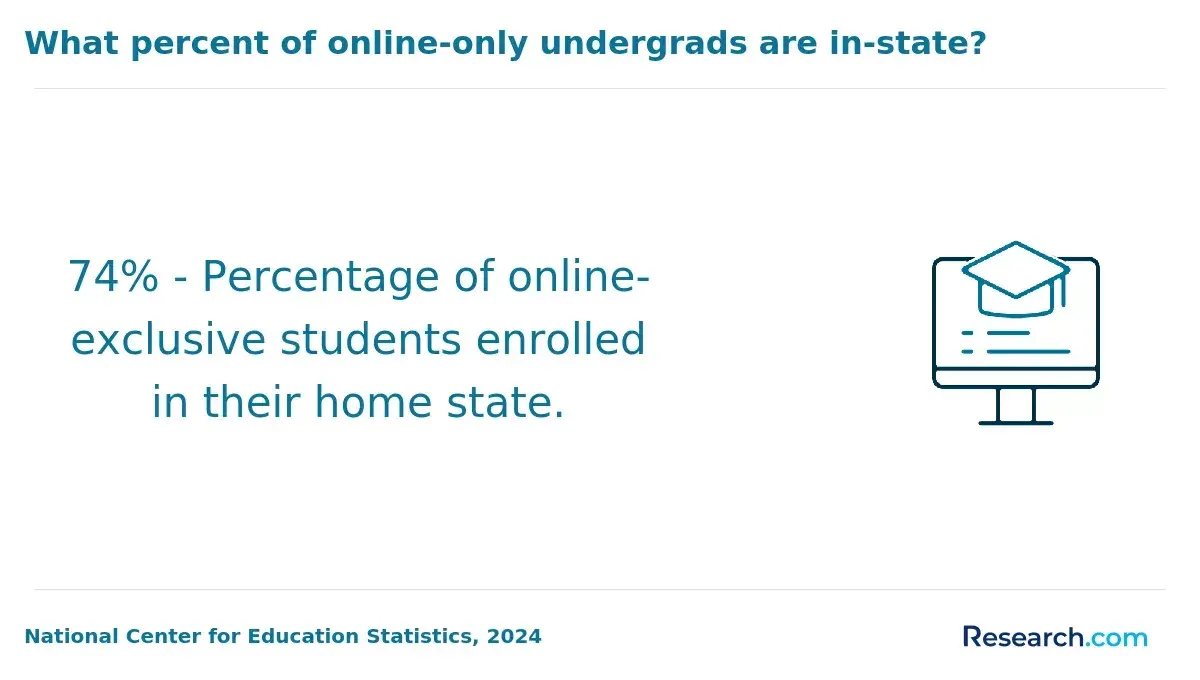
This regulatory oversight helps maintain educational quality while protecting students pursuing advanced online studies. For working professionals, enrolling in a state-approved program offers assurance that the curriculum and training adhere to required benchmarks for graduate competency and professional ethics. In fact, more than 80% of states have approval or authorization processes for postsecondary programs to safeguard education standards and uphold accountability. Students interested in expanding their credentials might also explore options like an online speech pathology masters to compare program structures. Understanding the financial technology master's program state authorization process can thus be key when selecting programs that meet regulatory conditions essential for career advancement.
How Can I Check If an Online Financial Technology Master's Program Is State-Approved?
Verifying state approval is essential when evaluating online financial technology master's programs because it affects credit transferability, licensure, and employer recognition. With over six million graduate students enrolled exclusively online in recent years, confirming a program's legitimacy is increasingly important. Here are reliable ways to verify state-approved online financial technology master's degree program status.
- Review State Education Agency Databases: Each U.S. state maintains databases listing approved institutions and programs through its higher education agency or authorization office. Checking these public records confirms if the program is authorized where the institution operates or where a student resides.
- Check Institutional Authorization Disclosures: Legitimate programs disclose their state authorization status clearly on their official websites, often within "About," "Accreditation," or "Consumer Information" sections. These disclosures specify the states where the program is approved to operate.
- Examine Regulatory Reciprocity Agreements: Several states participate in interstate compacts like the State Authorization Reciprocity Agreement (SARA). Programs approved under SARA meet uniform standards across member states, easing cross-state enrollment for students.
- Review Program Approval Documentation: Accreditation bodies or state regulators may issue approval letters or certificates for specific online financial technology master's degree program verification methods. Requesting or locating these documents provides direct evidence of state approval.
- Confirm Information Through Official Institutional Resources: Contacting the institution's registrar, admissions office, or state authorization coordinator offers clarification on approval status and answers questions about compliance with state educational regulations.
Prospective students seeking educational options might also explore related resources, such as the cheapest edd programs, to compare pathways and accreditation standards when choosing online graduate degrees.
Do Online Financial Technology Master's Programs Meet State Licensing Board Standards?
Certain careers require completing master's programs that comply with state licensing board criteria. Many online financial technology master's degrees are now designed to meet these requirements, with over 70% of accredited online programs in related areas actively aligning curricula to licensing standards. Below are essential elements that determine if a program satisfies state board expectations.
- Curriculum Alignment: The coursework should encompass all competencies mandated by state licensing authorities, including regulatory practices, ethics, and applied financial technology concepts to ensure graduates are prepared for real-world professional obligations.
- Faculty Qualifications: Instructors need to possess advanced degrees and relevant professional certifications recognized by regulatory bodies to maintain academic rigor and licensure relevance.
- Supervised Practical Training: When required, programs must include internships, practicum hours, or monitored projects that provide hands-on experience essential for licensure eligibility and skill development.
- Institutional Authorization: The institution must hold valid accreditation and authorization recognized by the student's state of residence or intended practice area, ensuring legal compliance and validity of the degree.
- Regulatory Review: Ongoing evaluation by state education or licensing bodies helps confirm that programs stay up-to-date with changing professional standards, maintaining long-term approval and recognition.
When discussing these factors with a graduate from a state-approved online financial technology master's program, he recalled the challenge of verifying the program's licensing alignment before enrolling. "It wasn't always clear which courses would meet the state board's requirements, so I spent a lot of time reviewing syllabi and contacting both the school and licensing agencies," he said. Despite the complexity, he found reassurance knowing the program's ongoing compliance reviews meant his degree would be accepted for professional certification, which ultimately helped ease his transition into regulated financial roles.
Some graduate programs in financial technology achieve wide recognition by meeting academic and professional standards accepted across various states. Over 40% of U.S. graduate students enroll in programs offering remote or online options, highlighting the significance of nationally recognized credentials. Several key factors support the broad approval of certain financial technology master's programs.
- National Accreditation: Accreditation from established regional agencies ensures educational quality and helps programs gain acceptance in multiple states, bolstering the credibility of nationally accredited financial technology master's programs.
- Standardized Curriculum Guidelines: Programs adopting industry-relevant and academically rigorous curricula aligned with national competency frameworks maintain consistent learning outcomes valued across state lines.
- Interstate Authorization Agreements: Participation in agreements such as the State Authorization Reciprocity Agreement (SARA) allows institutions to legally deliver programs to students in varying states without additional state-level approvals.
- Professional Association Alignment: Ties to leading financial technology professional organizations reinforce program relevance and demonstrate adherence to nationally endorsed standards.
- Consistent Academic Standards: Uniform credit requirements, measurable student outcomes, and qualified faculty recognized by multiple states facilitate ease of transfer and recognition for financial technology degrees recognized by multiple states.
Prospective students pursuing an engineer degree online or similar graduate credential should verify such markers to ensure their program meets state approval and supports career flexibility.
State approval and accreditation serve two different purposes in higher education, yet they are often mistaken for one another by prospective students. While state approval legally allows a program to operate within a particular state, accreditation is a voluntary evaluation of a program's educational quality and rigor. Approximately 80% of U.S. higher education institutions are accredited by agencies recognized by the U.S. Department of Education or CHEA. Here are several important distinctions and considerations when assessing accreditation for financial technology master's programs:
- State Authorization vs. Accreditation: State approval ensures legal operation but does not guarantee academic quality or standards. Accreditation involves a thorough review of educational excellence beyond compliance with state regulations.
- Recognized Accrediting Agencies: Institutions accredited by agencies recognized by the U.S. Department of Education or CHEA carry more credibility and are held to rigorous standards.
- Program Quality Assurance: Accreditation evaluates curriculum relevance, appropriateness of faculty expertise, and effectiveness of student learning outcomes to ensure educational value.
- Federal Education Program Eligibility: Students in accredited programs are often eligible for federal financial aid and grants, which are typically unavailable in non-accredited programs.
- Academic Standards Oversight: Accredited institutions are subject to cyclical reviews and must demonstrate ongoing improvements to maintain their status and academic integrity.
When discussing whether accreditation is necessary for state-approved financial technology master's programs, a recent graduate shared her perspective. She described navigating the application process with some initial confusion over the distinction between state approval and accreditation. "I realized that while the program was authorized to operate in my state, its accreditation gave me confidence that the curriculum was challenging and widely accepted," she said. The graduate emphasized that this recognition also opened doors for scholarships and federal aid, reducing financial stress during her studies. Reflecting on her experience, she noted, "Choosing an accredited program felt like investing in my future, not just legally attending a course." Her positive outlook highlighted how accreditation played a key role in her educational journey without overshadowing the convenience of an approved online format.
State-approved online financial technology master's programs typically follow well-defined graduate structures that satisfy both academic standards and industry regulations. In the U.S., these degrees usually require between 30 and 36 credit hours, often completed within one to two years of full-time study. The coursework generally spans multiple key subject areas, including the following essential categories.
- Foundational Courses: These classes cover the basics of financial systems and finance principles while introducing programming and data analytics skills necessary for fintech applications. They prepare students with essential knowledge like understanding financial markets and coding fundamentals.
- Specialized Electives: Students select from targeted topics such as blockchain, cryptocurrencies, and payment technologies to build expertise in specific niches within the fintech domain.
- Research or Methodology Courses: These classes emphasize quantitative techniques, data analysis, and risk management strategies critical for interpreting financial data and supporting data-driven decision-making.
- Practical Application Courses: Offering hands-on experience, these courses focus on developing fintech solutions through tools like artificial intelligence and machine learning tailored for financial environments.
- Capstone or Thesis Requirements: Programs typically culminate in a significant project or thesis that challenges students to apply their cumulative knowledge to complex, real-world fintech problems, showcasing their mastery of the discipline.
Tuition costs for state-approved online financial technology master's programs can vary widely depending on program structure, credit requirements, and institutional policies. Typically, tuition for online master's degrees in the United States ranges from $500 to $1,500 per credit hour. Several factors directly influence the total expense of earning a degree in this field. The following list highlights five key elements that affect program costs:
- Per-Credit Tuition Rates: This baseline cost fluctuates significantly across institutions and states, with some programs charging more due to reputation or resources.
- Total Credit Requirements: Most online master's degrees require between 30 and 45 credits. Programs with higher credit demands naturally incur greater overall tuition expenses.
- Technology or Online Learning Fees: Additional fees may apply to support access to digital learning platforms, software, and other essential online resources.
- Residency Status Considerations: While less common for fully online programs, some institutions offer reduced tuition for in-state residents compared to out-of-state students.
- Additional Academic Expenses: Beyond tuition, costs can include textbooks, course materials, specialized software, and fees for proctored exams, all contributing to the total financial commitment.
Awareness of these cost factors helps prospective students make informed decisions when selecting a program that fits both their educational and financial goals within the landscape of state-approved online financial technology master's degrees.
Admissions requirements for graduate programs can differ considerably, with many institutions now assessing applicants based on multiple criteria beyond standardized tests. Over 60% of graduate programs have adopted test-optional or test-waiver policies recently, reflecting a shift to increase accessibility and diversity. These evolving policies shape the common scenarios in which GRE or GMAT exams may or may not be required for a state-approved financial technology master's degree.
- Test-Optional Admissions: Applicants may choose to submit GRE or GMAT scores but are not obligated. Instead, other qualifications such as a strong undergraduate GPA or relevant experience can compensate for the absence of test results in evaluating readiness.
- GPA-Based Waivers: Some programs waive standardized test requirements for candidates with high undergraduate GPAs. This approach rewards academic excellence and streamlines the admissions process for qualified applicants.
- Professional Experience: Demonstrated work experience in fintech, finance, or related sectors often serves as a significant factor. Candidates with several years of relevant experience may bypass GRE or GMAT requirements, emphasizing real-world skills over exams.
- Holistic Admissions Reviews: Institutions may evaluate the entirety of an application, including essays, letters of recommendation, and leadership qualities. This comprehensive review reduces the focus on standardized test scores.
- Program-Specific Testing Requirements: Some state-approved financial technology master's programs retain strict GRE or GMAT mandates, particularly where quantitative skills are crucial or exam results correlate with success in credentialing exams.
Prospective students should carefully examine each program's standards, as policies vary and can evolve. For those seeking affordable options, exploring an online psychology degree cheap may provide insights into comparable flexible admission structures in graduate education.
Employer expectations regarding graduates from state-approved online financial technology master's programs vary widely depending on the industry, job role, and regulatory environment. In sectors with strict oversight, such as banking, formal state approval is often a crucial factor. According to a 2023 National Association of Colleges and Employers (NACE) survey, 62% of employers consider the accreditation or state approval status of a candidate's academic program during their evaluation. Key factors employers consider when reviewing applicants with a financial technology master's degree include:
- Academic Recognition: Employers often prefer degrees from programs that are recognized by state education authorities or accredited bodies, ensuring alignment with industry standards. This recognition enhances a candidate's credibility, especially in regulated environments.
- Program Reputation: The reputation of the institution granting the degree plays a significant role, as fintech or financial services employers value credentials from well-regarded schools with demonstrated expertise in the sector.
- Curriculum Relevance: Alignment of coursework with current financial technology trends, tools, and evolving regulatory requirements is critical to ensure graduates possess up-to-date knowledge applicable to their roles.
- Licensing and Regulations: For certain positions, particularly in compliance or risk management, holding specific regulatory certifications or licenses is mandatory, making state-approved programs that align with such requirements more attractive.
- Practical Experience: Employers frequently weigh practical skills gained through internships, projects, or work experience alongside academic credentials, emphasizing applied fintech knowledge over formal approvals alone.
Prospective students should carefully consider these employer requirements when choosing a program, especially if state-approved status is essential for career progression. For those comparing options, exploring the cheapest online construction management degree could offer insight into how affordability and accreditation intersect in online education environments.
Earning an advanced degree can enhance salary potential, though results differ by industry, individual experience, and program specialization. Graduates holding a financial technology master's typically see salaries ranging from $90,000 to $130,000 annually, reflecting the increasing need for niche expertise. Several factors determine how this degree influences earnings.
- Career Advancement Opportunities: A master's credential often enables access to higher-level roles like fintech project managers or senior analysts, which usually offer better compensation.
- Industry Demand for Specialized Skills: Employers seek professionals skilled in blockchain, machine learning, and digital payments, rewarding these experts with salary premiums.
- Professional Certification Eligibility: Many certifications prefer or require accredited degrees, enhancing candidates' credentials and their marketability.
- Leadership or Management Roles: Advanced degrees increase the likelihood of moving into supervisory or strategic positions that provide higher pay.
- Credibility and Recognition: State-approved program status indicates quality and regulatory compliance, fostering employer trust and potentially improving salary offers.
The overall salary impact depends on how these elements align with an individual's career trajectory and continuous professional development.
What Graduates Say About State-Approved Online Financial Technology Degree Master's Programs
- Marianne: "Choosing a state-approved online Financial Technology master's degree was one of the best decisions I made for my career. The program's rigorous curriculum challenged me to balance work and study effectively, which pushed my time management skills to new heights. Since graduating, the recognition of the state approval has opened doors in my company that were previously out of reach."
- Pamela: "Completing a state-approved online Financial Technology master's degree demanded resilience, especially with the complex subjects and tight deadlines. Reflecting back, the structured support from instructors and peers made the difference in navigating these challenges. Professionally, having the state-approved credential has not only boosted my confidence but also significantly enhanced my credibility in the fintech industry."
- Gary: "I approached a state-approved online Financial Technology master's degree with a clear goal to transition into a more analytical role. The program's state approval assured me of its legitimacy and quality, which was crucial given the number of online options available. Today, I credit this degree for the advanced skills I bring to my job and the competitive edge I hold in the marketplace."
Other Things You Should Know About Financial Technology Degrees
State approval usually comes from the higher education authority in the program’s home state, such as a state postsecondary commission or department of education. In 2027, students should confirm that the school is authorized to operate and that the program is listed as state-recognized before enrolling.
Completion time depends on the program structure, course load, and whether students study full-time or part-time. On average, a state-approved online financial technology master's program takes about 18 to 24 months for full-time students. Part-time enrollment, often chosen by working professionals, can extend completion to three years or more.
- Financial Technology | VIZJA University https://vizja.pl/en/specjalizacja/financial-technology-fintech/
- Financial technology (FinTech) - Ministry of Finance - Gov.pl website https://www.gov.pl/web/finance/financial-technology-fintech
- Master of Science in Digital Financial Technologies (Fintech) https://www.kennesaw.edu/degrees-programs/master-degrees/fintech.php
- What Can I Do With a Master’s Degree in FinTech? https://wp.wpi.edu/catalyst/2025/03/21/what-can-you-do-with-a-degree-in-fintech/
- Financial Technology https://www.liverpool.ac.uk/courses/financial-technology-msc
- Online Master in Fintech and Digital Banking https://www.global-business-school.org/programs/masters-europe/online-master-in-fintech-and-digital-banking/
- Navigating Fintech Licensing: Expert Guidance from Flagright https://www.flagright.com/post/applying-for-a-fintech-license-flagright-has-you-covered
- STUDYFINDER* https://study.gov.pl/user/107/studyfinder
- Master of Science in Financial Technology (MSc FinTech) Fees and Financing - Asian Institute of Management https://aim.edu/fintech-fees-and-financing/