
2027 Self-Paced Online Forensic Science Degree Master's Programs

Co-Founder and Chief Data Scientist
Many professionals seeking to advance or change careers in forensic science face challenges balancing work, family, and education. Traditional programs often demand rigid schedules incompatible with personal commitments. This barrier deters capable candidates from pursuing advanced credentials critical for forensic leadership roles. In fact, enrollment in self-paced online forensic science master's programs has surged by over 35% since 2018, reflecting growing demand for flexible education models. This article examines how self-paced online options address these challenges by detailing program structures, accreditation standards, costs, curriculum choices, and career pathways to help readers make informed decisions about their forensic science education.
Key Benefits of Self-Paced Online Forensic Science Degree Master's Programs
- Self-paced online forensic science master's programs offer unmatched flexibility, enabling working professionals to balance career, family, and education without strict deadlines.
- These programs facilitate accelerated skill acquisition by allowing students to progress at their own speed, often reducing time to degree completion compared to traditional formats.
- Students gain access to global networking opportunities, connecting with diverse peers and experts, which enriches professional development and broadens career prospects in forensic science.
What Are Self-Paced Online Forensic Science Master's Programs, and How Do They Work?
Prospective students exploring online master's degrees will find self-paced learning models particularly relevant when considering forensic science programs. These programs offer flexibility for students to tailor their study schedules while maintaining rigorous academic standards.
- Definition and Learning Model: Self-paced online forensic science master's programs explained offer students the ability to progress at their own speed without fixed class times, differing from traditional cohort-based programs that require simultaneous group advancement.
- Asynchronous Coursework Structure: Students access course materials such as lectures, readings, and assignments through online platforms available 24/7. They submit work and interact with faculty and peers asynchronously via discussion boards, email, or virtual office hours, fitting study around personal commitments.
- Flexibility and Customization: This learning model allows acceleration or extension of study periods based on professional or personal needs, ideal for working professionals, caregivers, and international students. Flexibility is a top reason many choose online programs, reflected in a survey where 67% of graduate students prioritized this feature.
- Student Engagement and Support: Although students learn independently, programs often provide timely faculty feedback and virtual interaction opportunities to foster motivation and a sense of community throughout the degree.
- Accreditation and Quality Assurance: Accreditation bodies like the Forensic Science Education Programs Accreditation Commission (FEPAC) ensure self-paced online degrees meet strict educational standards. Graduates from accredited programs receive recognized credentials respected by employers and licensing boards.
For those interested in accelerated study options, researching a 1 year masters degree can provide guidance on fast-tracked programs compatible with a self-paced online forensic science master's degree.
What Are the Eligibility and Admission Requirements for a Forensic Science Master's Program?
Prospective students considering self-paced online forensic science master's programs must meet a variety of eligibility criteria to ensure they are prepared for graduate-level study. These requirements help maintain academic standards and support student success throughout the curriculum and beyond.
- Relevant Bachelor's Degree: Applicants usually need a bachelor's degree in forensic science, biology, chemistry, criminal justice, or a related discipline. This foundational knowledge ensures students have the scientific and analytical skills needed for advanced coursework in forensic science master's program admission requirements.
- Minimum Undergraduate GPA: Many programs set a minimum GPA requirement, often around 3.0 on a 4.0 scale. Meeting or exceeding this GPA demonstrates academic competence and readiness for the rigor of graduate study.
- Standardized Test Scores: GRE or GMAT scores are sometimes requested, though this requirement is gradually becoming optional. These test scores can enhance an application by showcasing quantitative and verbal reasoning abilities, important for competitive forensic science master's programs.
- Letters of Recommendation and Statement of Purpose: Typically, applicants must provide two to three letters of recommendation from academic or professional referees. A well-crafted statement of purpose that clearly outlines career goals and motivation for pursuing the degree is also critical for the admissions review process.
- Professional Experience Requirements: Some selective or practitioner-focused tracks mandate relevant work or research experience. This practical exposure helps prepare students for applied learning and leadership roles within forensic science.
Because eligibility criteria for forensic science master's programs vary widely, prospective students should carefully review the specific admission standards listed on each program's website to plan accordingly. Those seeking cost-effective options may explore affordable online doctoral programs as part of their educational pathway.
What Is the Minimum GPA Requirement for a Forensic Science Master's Program?
Applicants to self-paced online forensic science master's programs often wonder about the minimum GPA required for admission. While many schools set a baseline, this criterion is only one part of a more comprehensive evaluation process.
- Typical Minimum GPA: A 3.0 undergraduate GPA on a 4.0 scale is commonly used as a general benchmark for candidates to be competitive in forensic science master's admissions.
- Institutional Differences: GPA expectations differ across programs, with some schools applying more flexible or stringent standards based on their admission priorities and resources.
- Holistic Admissions Approach: Committees review each applicant's entire profile, including recommendation letters, relevant professional experience, and personal statements, allowing them to gauge strengths beyond GPA alone.
- Support for Lower GPA Applicants: Candidates with GPAs under the typical threshold may gain conditional acceptance, be required to complete additional coursework, or participate in bridge programs to build necessary foundational skills.
- Direct Communication Encouraged: Prospective students should consult program representatives to clarify how their GPA interacts with other qualifications such as research background and work history, helping tailor their application strategy.
A professional who pursued an online forensic science master's program shared that his undergraduate GPA was below the standard cutoff, which initially caused some hesitation. However, after discussing his extensive laboratory experience and career goals with the admissions team, he was encouraged to apply. He noted, "Knowing that my work experience and recommendations mattered as much as my GPA kept me motivated." The pathway included enrolling in a preparatory course to strengthen his grasp of core scientific concepts, which he described as challenging yet rewarding, ultimately solidifying his confidence and readiness for the program's demands.
Prospective students considering a self-paced online forensic science master's degree should be aware that completion times can vary significantly based on several personal and academic factors. Understanding these can help in planning a realistic timeline for earning the degree.
- Variable Completion Periods: Most self-paced online forensic science master's programs take between 18 months and three years to finish, depending largely on how many credits a student chooses to complete each term.
- Transfer Credits and Prior Learning Assessments: Applicants with applicable transfer credits or relevant prior learning may reduce their overall time by skipping some required courses, speeding up degree completion.
- Enrollment Status and Obligations: Full-time students typically complete their studies faster, whereas part-time learners balance academic, professional, and personal commitments, resulting in a longer duration.
- Accelerated Options: Some programs provide opportunities for motivated learners to advance more quickly by taking extra courses each term or submitting portfolio-based assessments to demonstrate competency in forensic science subjects.
- Institutional Time Limits: Students must verify the maximum allowed time for degree completion, which commonly ranges from five to seven years, to ensure their pace complies with university policies.
For those interested in affordable, high-quality education, researching CACREP-accredited programs can provide valuable insight, even though this pertains specifically to counseling, the approach to accreditation and program structure offers useful parallels.
For prospective students pursuing a self-paced online forensic science master's degree, familiarizing themselves with typical core courses and curriculum structure is crucial for aligning educational outcomes with career objectives.
- Core Foundational Courses: Most programs start with essential classes in research methods, forensic theory, and quantitative analysis techniques. These courses establish a scientific framework necessary for interpreting evidence and conducting rigorous investigations.
- Specialized Seminars: Advanced seminars explore focused areas such as forensic toxicology, DNA profiling, digital forensics, and crime scene procedures. These targeted subjects ensure up-to-date knowledge of evolving technologies and methodologies.
- Elective Tracks and Concentrations: Many curricula offer options to specialize in fields like forensic psychology, chemistry, or criminalistics. This flexibility allows students to customize their learning to support specific professional goals.
- Capstone Projects: Culminating experiences such as theses, applied research projects, practicums, or comprehensive exams are typically required to showcase mastery of forensic science principles and real-world application skills.
- Curriculum Alignment Review: Given that course offerings vary widely, it is important for students to carefully assess program syllabi and catalogs to ensure the coursework matches their vocational aspirations and industry standards.
Enrollment in forensic science master's programs has increased by over 15% in the past five years, highlighting growing interest and demand for specialized expertise in this discipline.
A professional who transitioned careers after completing an online forensic science master's shared that while the initial coursework in research methods felt challenging, it quickly became a solid foundation for understanding more technical subjects like DNA analysis. She recalled the intensive process of selecting electives that truly aligned with her passion for digital forensics, which made her learning experience more engaging. The capstone project, an applied research study on cybercrime evidence handling, was "the most rewarding and demanding part," providing practical insight and confidence. Reflecting on her journey, she emphasized the importance of reviewing course details beforehand, stating it helped her "make informed choices that matched my career shift goals and prepared me well for professional practice."
For those considering self-paced online forensic science master's programs, ensuring a degree's accreditation is crucial for professional recognition and career advancement. Accreditation confirms that a program meets established educational standards valued by employers, licensing boards, and graduate schools.
- Regional Accreditation: The most widely respected accreditation for U.S. institutions comes from seven regional bodies approved by the U.S. Department of Education, including the Middle States Commission on Higher Education (MSCHE) and the Southern Association of Colleges and Schools Commission on Colleges (SACSCOC). Degrees from these institutions typically carry substantial weight across job markets and advanced academic programs.
- Programmatic Accreditation: Beyond regional approval, some forensic science master's programs are accredited by specialized groups such as the Forensic Science Education Programs Accreditation Commission (FEPAC). This targeted accreditation assures that the program's curriculum meets industry-specific standards and rigor.
- Credential Acceptance and Licensing: Accredited degrees often influence eligibility for professional certifications and state licensure, which are essential for many careers in forensic science. Employers and licensing authorities tend to require proof of accreditation before recognizing qualifications.
- Verification of Accreditation: Prospective students should verify accreditation statuses using reliable resources like the Council for Higher Education Accreditation (CHEA) database or the official websites of accrediting agencies. Confirming this information helps prevent enrollment in unrecognized or disreputable programs.
- Risks of Unaccredited Credentials: Degrees from unaccredited programs might not be accepted by employers or regulatory boards, severely restricting job prospects and further study options. Recent data shows that approximately 15% of online learners have raised concerns about program legitimacy, highlighting the importance of accreditation checks.
Prospective students considering self-paced online forensic science master's programs should carefully evaluate the full range of costs involved. These expenses can vary significantly depending on factors such as institution type, residency status, and program format, impacting the total investment required.
- Tuition Rates Vary Widely: Public universities typically charge lower per-credit tuition rates than private schools, especially for in-state residents. Tuition can range from about $400 to over $1,200 per credit hour, leading to total costs between approximately $12,000 and $43,000 for a standard 30- to 36-credit master's program.
- Additional Fees and Materials: Beyond tuition, students should budget for technology fees to support online learning platforms and digital resources. Specialized forensic software, lab kits, or textbooks may add several hundred dollars. Some programs also require short in-person residencies or lab sessions, which add travel and lodging expenses.
- Cost Benefits of Self-Paced Learning: The flexible, self-paced format often enables students to complete coursework faster than traditional schedules, reducing tuition and minimizing opportunity costs such as lost wages. This flexibility also helps avoid fees related to course repeats or extended enrollment periods.
- Residency and Lab Requirements Impact Costs: Hands-on components are essential for mastering forensic science skills and for accreditation purposes. While these add to overall expenses, budgeting for these experiences upfront is crucial for program completion and career readiness.
- Utilize Net Price Calculators and Request Full Disclosures: Institutions typically offer net price calculators to estimate program costs. Students should contact program administrators to get comprehensive cost breakdowns and ensure transparency before making financial commitments.
Securing funding is a critical step for students pursuing self-paced online forensic science master's programs, as it can reduce financial stress and enable greater focus on studies. Exploring all financial aid options for forensic science master's programs helps students make informed decisions and maximize available support throughout their graduate journey.
- Federal Financial Aid Eligibility: Students enrolled at least half-time in an accredited self-paced online forensic science master's program are eligible for federal financial aid, including loans and grants. Completing the Free Application for Federal Student Aid (FAFSA) is essential to determine qualification and maximize the financial assistance available to support educational expenses.
- Institutional Scholarships and Assistantships: Many universities offer merit-based and need-based scholarships tailored to forensic science graduate students. Graduate assistantships and fellowships often provide tuition remission and stipends in exchange for research or teaching responsibilities, helping to alleviate the overall cost of the degree.
- External Funding Sources: Scholarships available for forensic science graduate students frequently come from professional associations, private foundations, and nonprofit organizations dedicated to this field. Additionally, employer tuition reimbursement programs can provide financial support to working professionals advancing their education in forensic science.
- Importance of the Financial Aid Office: Working closely with the financial aid office at the chosen institution helps students craft a personalized funding strategy that balances scholarships, assistantships, and loans. This collaboration is key to minimizing debt and optimizing the financial aid package based on individual needs.
- Planning for Long-Term Financial Health: Early exploration of all financial aid options that do not require repayment is encouraged to keep education affordable and reduce dependence on loans. Thoughtful financial planning supports sustainable post-graduation stability and achievement of career goals in forensic science.
For those interested in related fields, programs such as the bachelor of psychology online also offer financial aid opportunities that may complement forensic science studies or career transitions.
Prospective students pursuing self-paced online Forensic Science master's programs must understand how instruction and student engagement are structured to maximize learning flexibility and effectiveness. These programs leverage key delivery technologies and support services to promote interactive learning experiences despite the lack of synchronous classes.
- Use of Learning Management Systems: Platforms such as Canvas, Blackboard, or Moodle organize coursework by providing access to recorded lectures, interactive modules, assignments, and assessments. Centralized materials allow students to progress at their own pace, fostering an engaging and well-structured educational experience.
- Engagement Without Live Sessions: Interaction with faculty and peers occurs through asynchronous discussion boards, email communication, and scheduled virtual office hours. Peer review assignments encourage collaboration and critical feedback, compensating for the absence of real-time class meetings.
- Academic and Career Support Services: Many reputable programs extend online tutoring, writing centers, and digital library access to ensure robust academic support. Career advising services tailored to forensic science graduate programs assist students with job searches, internships, and professional advancement.
- Importance of Self-Discipline and Time Management: Success in these programs relies heavily on students' ability to create weekly goals, dedicate consistent study hours, and use program reminders to stay on track throughout their studies. These strategies are vital for completing coursework efficiently and preparing for leadership roles in forensic science.
Students seeking accredited options can benefit from researching online accredited colleges that offer quality self-paced forensic science graduate programs.
For prospective students pursuing a self-paced online master's degree in forensic science, understanding the career trajectories and professional growth this qualification offers is essential. This knowledge helps clarify how advanced study can lead to expanded opportunities and enhanced earning potential in the field.
- Specialized Forensic Roles: A master's degree opens doors to positions such as forensic analysts, crime laboratory supervisors, and digital forensics specialists, with advanced degrees often required for technical expertise and increased responsibilities.
- Leadership and Administrative Positions: Graduates are well-prepared to assume supervisory roles, manage projects, and lead forensic teams within law enforcement agencies or forensic departments, fostering career advancement.
- Research and Academic Careers: Opportunities also exist in research institutions and academia, where graduates contribute to forensic methodologies development and the education of future practitioners.
- Employer Acceptance of Online Credentials: Accredited self-paced online forensic science programs are generally considered equivalent to traditional degrees, ensuring that graduates remain competitive despite the flexibility of their learning format.
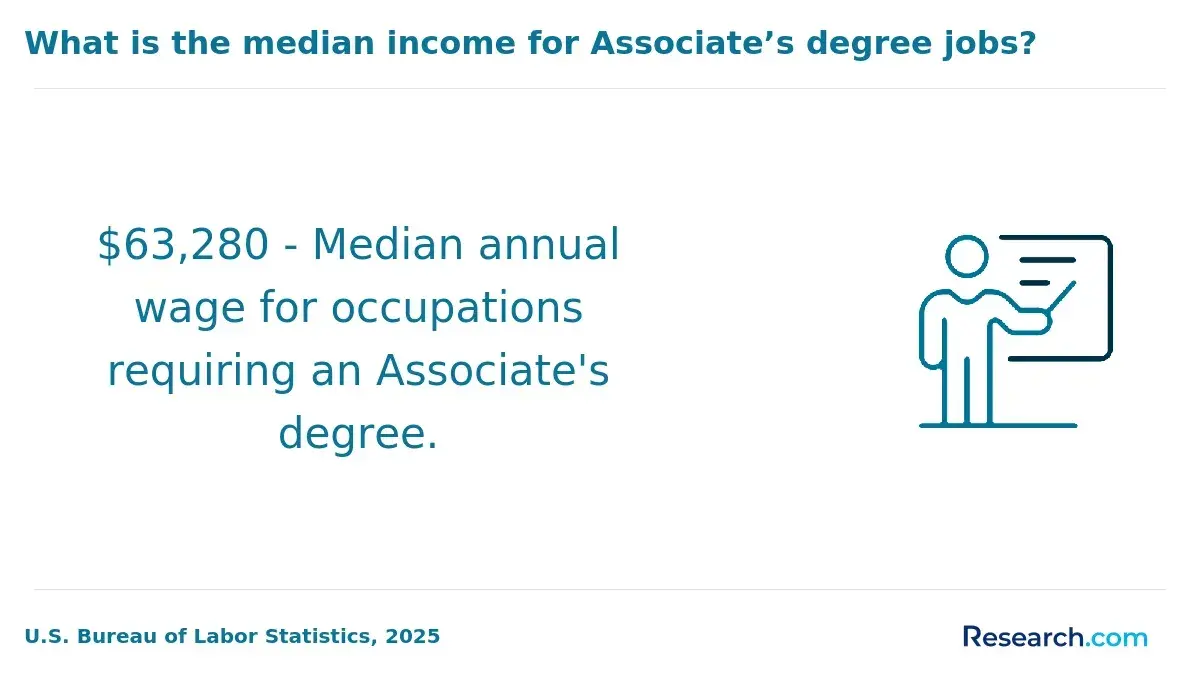
- Employment Outlook and Earnings: The U.S. Bureau of Labor Statistics projects a 14% growth in forensic science jobs through 2031, with median salaries typically ranging from $60,000 to $90,000 based on specialization and location.
Students should carefully assess a program's alumni success, career support services, and collaborations with forensic labs or law enforcement agencies to maximize their post-graduate professional prospects.
Prospective students in self-paced online forensic science master's programs must meet certain technical and academic prerequisites to fully engage with coursework and virtual learning environments.
- Hardware and Internet Specifications: A modern computer equipped with at least 8 GB of RAM, a multi-core processor, and 250 GB or more of storage is essential. Internet speeds of no less than 10 Mbps ensure smooth streaming of lectures, participation in virtual labs, and handling of data-rich applications.
- Discipline-Specific Software and Tools: Coursework incorporates specialized applications such as MATLAB, ChemDraw, and digital crime scene reconstruction platforms. Programs usually grant students licensed access through virtual labs, secure downloads, or cloud-based services to foster practical proficiency.
- Access to Licensed Programs: Institutions often provide remote desktop access or cloud environments for required software, eliminating the need for personal purchases while supporting hands-on experience with industry-standard technology.
- Support for Novice Online Learners: Many programs offer orientations to familiarize students with digital learning systems, along with technical help desks and resources that build digital literacy. This support helps ease transitions for those less experienced with online education.
- Digital Communication and Information Literacy: Developing competence in digital communication and online resource management is crucial for succeeding academically and boosting career readiness in technology-driven forensic science roles.
What Graduates Say About Their Self-Paced Online Forensic Science Master's Degree
- Taylor: "Choosing a self-paced online forensic science master's program was the best decision for me because it allowed me to balance work and study without compromising either. The affordable tuition made it accessible while offering the same quality education as traditional programs. Since graduating, I've seen a significant boost in my career opportunities, especially in forensic analysis roles I previously couldn't pursue."
- Cruz: "Reflecting on my experience, the flexibility of a self-paced online forensic science degree was a game-changer, enabling me to advance my education despite a demanding job schedule. The cost-effectiveness compared to in-person programs eased my financial stress, making the investment feel worthwhile. Now, as a forensic consultant, I credit this degree with opening doors to positions that value my specialized knowledge and commitment."
- Luka: "The self-paced format of the forensic science master's program allowed me to tailor my studies around my career shift from law enforcement to forensic investigation. The program's reasonable cost was critical in making this career transition feasible without overwhelming debt. Completing the degree boosted my confidence and credentials, leading to a rewarding new role within the field."
Other Things You Should Know About Forensic Science Degrees
Some programs require a supervised laboratory residency or internship, usually one term or about 120 to 240 hours, while others offer it as an elective. Check whether the placement must be completed at an accredited crime lab, medical examiner’s office, or approved forensic facility.
Self-paced online forensic science master's programs typically offer a range of research options, including independent projects, literature reviews, or experimental studies related to forensic disciplines. Some programs require a thesis to demonstrate advanced research competency, while others provide a non-thesis option with additional coursework or capstone projects. These formats cater to students aiming for academic or professional career paths.
While a forensic science master's degree strengthens foundational knowledge, licensure and certification requirements vary by state and employer. Professional credentials like the American Board of Criminalistics (ABC) certification often require both education and practical experience. Graduates should verify credentialing standards relevant to their career goals, as a master's degree alone may not suffice for some forensic practitioner roles.
- Self-Paced Online Forensic Science courses https://www.findcourses.co.uk/search/self-paced-online-forensic-science/b618-c4525
- How Online Forensic Science Programs Provide Hands-On Training https://www.crimesceneinvestigatoredu.org/blog/online-forensic-science-training/
- 871 Master's Degree Forensic science Scholarships available https://www.hotcoursesabroad.com/study/international-scholarships/all/Postgraduate/forensic-science/cid/98/b18/scholarship43.html
- Best Forensic Science Master's Degrees Online https://www.onlinemastersdegrees.org/best-programs/criminal-justice/forensic-science/
- What Are The Benefits Of Online Forensic Courses? - NCC Blog https://www.ncchomelearning.co.uk/blog/what-are-the-benefits-of-online-forensic-courses/
- Learn How To Earn A Master's In Forensic Science Online https://www.learnhowtobecome.org/best-online-masters-in-forensic-science-degree-programs/
- Verifying that you are not a robot... https://jarvee.com/breaking-down-the-tech-skills-needed-to-thrive-in-modern-forensic-science/
- Forensic Science Education Programs Accreditation Commission https://www.aafs.org/FEPAC
- Educational Requirements for Forensic Science: From Courses to Certification https://www.scuhs.edu/mshgg-article/educational-requirements-for-forensic-science-from-courses-to-certification/
- Forensic Science, M.S. - University of New Haven https://www.newhaven.edu/lee-college/graduate-programs/forensic-science/index.php


