2027 Return on Investment (ROI) of a Business Law Degree Program

Co-Founder and Chief Data Scientist
A business law degree can be valuable, but it is not automatically a high-ROI choice. The payoff depends on the program price, how long you study, whether you can keep working, and whether the credential helps you move into higher-paying legal, compliance, contracts, risk management, or corporate governance roles. For working professionals, the main question is not simply “Can I afford the degree?” but “Will this degree change my career outcomes enough to justify the cost?”
The job market also requires a realistic view. According to the Bureau of Labor Statistics, employment for legal occupations is projected to grow only 8% from 2022 to 2032, slightly below average for all occupations. That means students should evaluate business law programs by outcomes, accreditation, flexibility, debt risk, and fit with a specific career plan rather than assuming the degree will pay off by itself.
This guide explains how to calculate ROI for a business law degree, what costs to include, how financial aid changes the equation, whether online or on-campus programs tend to offer better value, which industries may produce stronger returns, and when the degree is most likely to be worth it.
Key Things to Know About Business Law Degree ROI
- Graduates with a business law degree often see a 20% higher earning potential compared to non-law peers within five years post-graduation.
- Business law expertise facilitates career advancement in corporate, compliance, and consulting roles, with a 15% faster promotion rate reported in surveys.
- This degree offers job stability and long-term salary growth, as demand in legal advisory roles within diverse industries grows annually by 7%.
How Is ROI Calculated for a Business Law Degree Program?
ROI for a business law degree compares what you spend and give up to earn the credential against the career and income gains you receive afterward. A useful ROI calculation should include more than tuition. It should also account for lost income, borrowing costs, time to completion, salary growth, and whether the degree improves your access to better roles.
A simple way to think about ROI is: total financial benefit after graduation minus total degree cost. The challenge is defining both sides honestly. A low-cost program may still have weak ROI if it does not improve your career options, while a more expensive program may be worthwhile if it leads to a substantial promotion, industry shift, or specialized role.
Key ROI factors to include
- Tuition and required fees: Include tuition, registration fees, textbooks, legal databases, technology charges, and any program-specific costs. These are the most visible expenses, but they are rarely the only ones.
- Opportunity cost: If you reduce your work hours or leave a job to study, the income you give up is part of the real cost. This is especially important for career changers and mid-career professionals.
- Time to completion: A shorter timeline can reduce living costs and get you back to full earning capacity sooner. A slower timeline may still make sense if it allows you to keep earning while enrolled.
- Post-graduation salary outcomes: Compare likely earnings before and after the degree, not just average salaries. The strongest ROI usually comes when the credential clearly supports a move into a higher-paying function or industry.
- Career advancement opportunities: A business law degree may improve eligibility for roles in compliance, contracts, risk, corporate operations, procurement, governance, or legal-adjacent management. The value is higher when the degree fills a real qualification gap.
- Debt and repayment timeline: Borrowing can reduce ROI if monthly payments absorb much of the salary gain. Estimate repayment before enrolling, not after graduation.
Students comparing business law with other graduate or professional fields should use the same framework across options. For example, an artificial intelligence degree online may involve different costs, labor-market demand, and salary patterns, so the “best” ROI depends on the student’s background and target career.
How Much Does a Business Law Degree Program Cost?
The cost of a business law degree depends on institution type, delivery format, residency status, program length, and whether the student can continue working. Because many graduate programs now charge over $30,000 annually, students should calculate total attendance cost before applying—not just the advertised tuition rate.
The most useful cost estimate includes direct academic expenses, living costs, and indirect costs that affect cash flow during the program. This is where many students underestimate the investment.
Costs to budget for before enrolling
- Tuition and fees: This is usually the largest expense. Costs may vary widely depending on the school’s reputation, public or private status, location, and whether online students pay a different rate.
- Books and materials: Legal texts, casebooks, digital resources, and required databases can add meaningful costs. Some materials may need current editions because law and regulation change.
- Living or relocation expenses: On-campus programs may require moving, commuting, parking, or housing near campus. In high-cost cities, these expenses can materially change ROI.
- Opportunity cost: Students who pause or reduce employment lose income while studying. For some professionals, this cost can exceed tuition.
- Hidden or indirect costs: Budget for technology, exam fees, document fees, graduation fees, travel for residencies or networking events, and potential licensing-related expenses where relevant.
- Financing costs: Interest can make the final cost higher than the amount borrowed. Students using loans should compare monthly payments against expected salary gains.
A business law graduate described the pressure of budgeting beyond tuition: “I didn't realize how much the smaller expenses, like specialized software and unexpected exam fees, would add up.” He said balancing part-time work and coursework was “exhausting but necessary,” and relocation forced him to reduce personal spending. His experience shows why the true cost of a degree includes the practical financial strain students face while completing it.
What Financial Aid Is Available for Business Law Degree Programs?
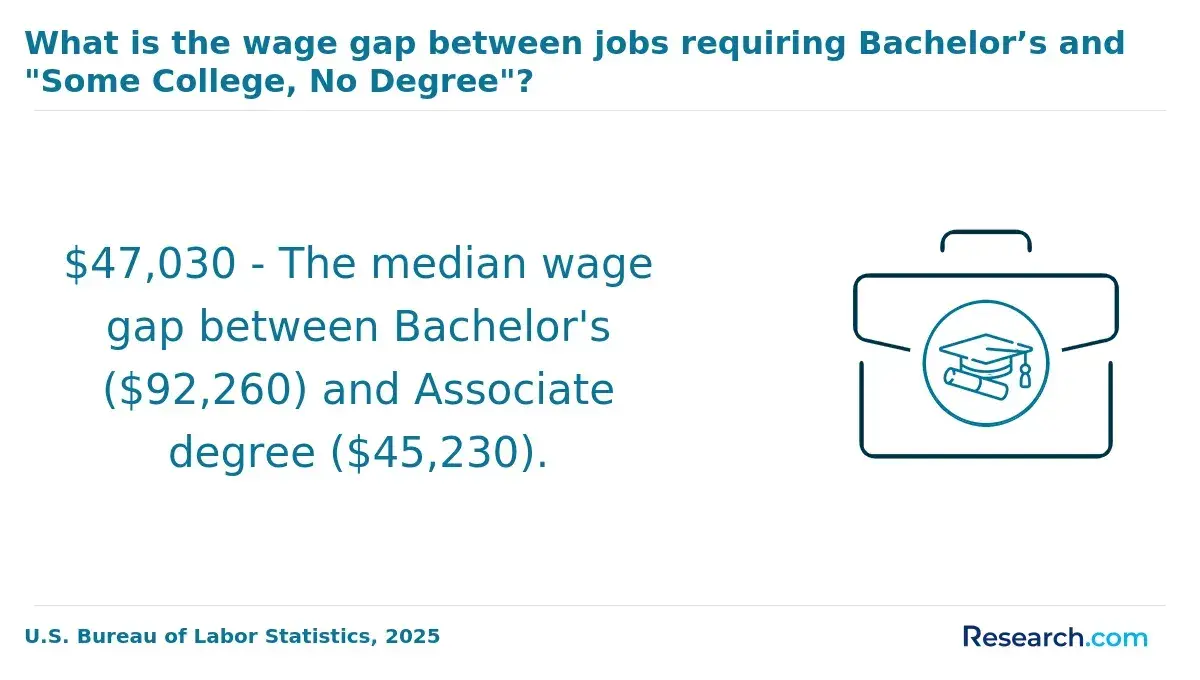
Financial aid can improve ROI by reducing the amount students pay out of pocket or borrow. Because nearly 85% of graduate students rely on federal loans, applicants should treat aid planning as part of the enrollment decision. The goal is not simply to secure funding, but to graduate with a debt level that fits expected earnings.
Business law students may combine several aid sources. The best package usually starts with funding that does not require repayment, then uses employer support or federal loans only as needed.
Common financial aid options
- Scholarships: Scholarships may be based on merit, need, professional background, academic performance, or specific career goals. Because they do not require repayment, they directly lower total cost and improve ROI.
- Grants: Grants are often need-based and can reduce reliance on loans. Students should check institutional, state, and professional association funding where available.
- Fellowships: Fellowships may include tuition support, stipends, research opportunities, or professional placements. They are often competitive but can significantly reduce financial pressure.
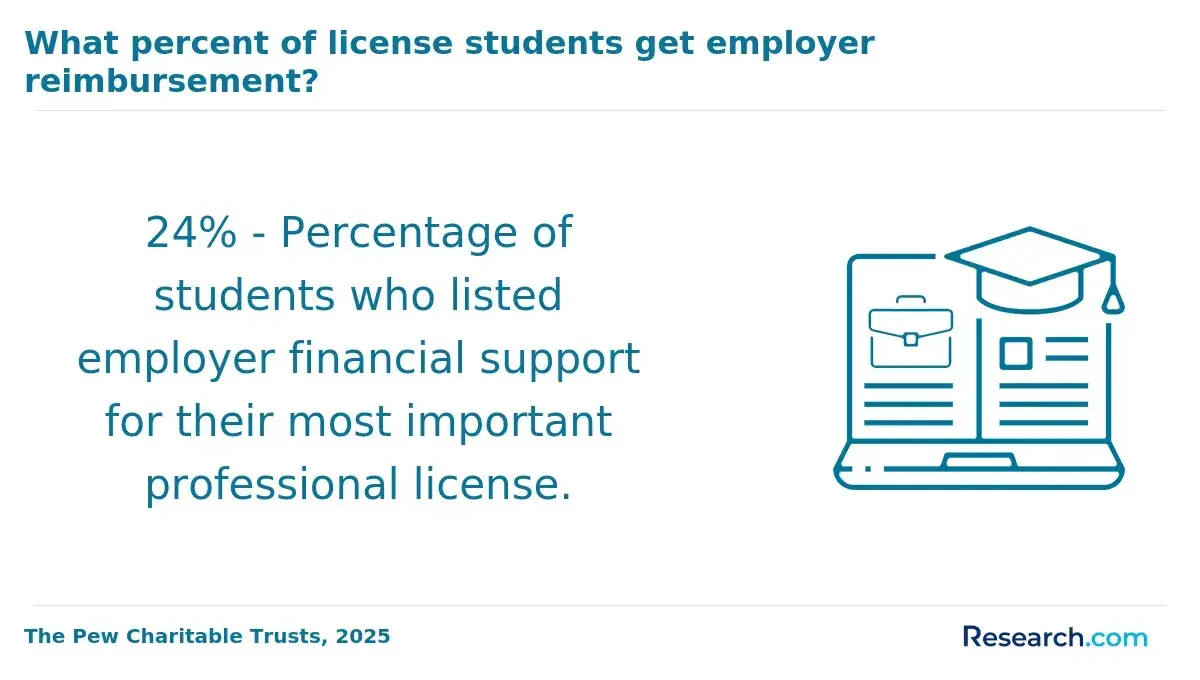
- Employer tuition assistance: Working professionals should ask whether their employer offers tuition reimbursement, direct billing, or professional development funding. This can be especially valuable if the degree aligns with compliance, contracts, legal operations, human resources, procurement, or risk management needs.
- Federal student loans: Federal loans may offer lower interest rates and more flexible repayment options than private loans, but they still increase total cost. Borrow only after estimating repayment under realistic salary scenarios.
- Payment plans: Some schools allow students to spread tuition across a term. This does not reduce the price, but it can reduce short-term cash-flow pressure.
Before accepting an offer, compare the net cost after scholarships, grants, and employer support. A program with a higher sticker price may be less expensive than a cheaper-looking option if it offers stronger aid.
How Long Does It Take to Complete a Business Law Degree?
Completion time matters because it affects both cost and earnings. A longer program can mean more tuition terms, more living expenses, and delayed access to full salary gains. However, finishing faster is not always the best financial choice if it requires leaving a job or taking on heavier debt.
For ROI, students should compare the fastest path with the most sustainable path. The right timeline is the one that balances affordability, academic performance, career momentum, and personal obligations.
Factors that influence completion time
- Enrollment status: Full-time study may shorten the timeline and reduce the period before career benefits begin. Part-time study may take longer but allows many students to keep earning income.
- Program format: Online, hybrid, evening, weekend, or accelerated formats can make it easier to fit coursework around work and family responsibilities. Flexibility can improve ROI when it prevents lost income.
- Transfer credits: Approved prior coursework may reduce the number of credits needed, lowering both time and cost. Students should confirm transfer policies before enrolling.
- Internship, practicum, or thesis requirements: These components may lengthen the program, but they can also strengthen practical skills and employer appeal. The value depends on quality and relevance.
- Course availability: Some programs do not offer every required course every term. Poor sequencing can delay graduation, especially for part-time students.
- Academic workload: A heavier course load may reduce completion time but can increase stress, lower grades, or interfere with work performance.
One graduate described choosing a slower path while working full-time: “It wasn't easy balancing deadlines with my job,” she said, “but the flexibility of evening classes made it possible.” She took four years instead of two, which allowed her to maintain income and reduce financial pressure. Her thesis was demanding, but she felt it strengthened skills she later used in her career. Her advice was practical: “finishing sooner doesn't always mean better outcomes if it sacrifices valuable experience or financial stability.”
Is ROI Higher for Online or On-Campus Business Law Programs?
Online programs often offer stronger ROI for students who need flexibility, want to keep working, or want to avoid relocation costs. On-campus programs may provide stronger in-person networking, recruiting access, and campus-based career support. The better option depends on the student’s career stage, target role, and ability to convert the degree into advancement.
Online enrollment in graduate programs has increased by over 30% in the last five years, reflecting broader acceptance of flexible graduate education. Still, students should evaluate program quality, accreditation, faculty access, and employer recognition rather than assuming online is always cheaper or on-campus is always more prestigious.
Online vs. on-campus ROI considerations
- Tuition and fees: Online programs may charge lower total costs, but this is not guaranteed. Compare the complete price, including technology fees and residency requirements.
- Opportunity cost: Online formats may allow students to continue working, which can preserve income and reduce debt. This is often the biggest ROI advantage.
- Time to completion: Some online programs offer accelerated pacing, while others follow the same schedule as on-campus programs. Confirm whether faster completion is realistically available.
- Networking: On-campus programs may offer more frequent in-person networking with faculty, alumni, employers, and classmates. Online students should look for virtual networking, live sessions, mentoring, and career events.
- Career services: The value of career support varies widely. Ask whether online students receive the same services as campus students, including resume reviews, employer introductions, and internship support.
- Employer perception: Employers generally focus on accreditation, school reputation, relevant experience, and demonstrated skills. The format matters less when the program is credible and the graduate can show practical value.
Students comparing flexible education models may also review the fastest online psychology degree programs to understand how accelerated online formats differ across fields.
What Is the Average Salary After Earning a Business Law Degree?
Salary outcomes are central to ROI because they determine how quickly graduates can recover education costs. In the United States, the average salary for business law graduates typically ranges from $60,000 to $120,000 annually. The wide range reflects differences in role, industry, location, experience, employer type, and whether the graduate moves into a legal, compliance, management, or legal-adjacent position.
Students should avoid relying only on broad salary averages. A stronger estimate compares current income with likely post-degree roles in the student’s target market.
What affects salary after a business law degree?
- Industry: Corporate legal departments, financial services, technology, healthcare, and regulated industries may offer stronger compensation than some government or smaller private-sector roles.
- Geographic location: Metropolitan areas may offer higher salaries, but higher living costs can reduce the practical value of that income.
- Prior experience: Graduates with relevant work history, internships, compliance exposure, contract experience, or management experience often have stronger salary prospects than those entering without related experience.
- Specialization: Areas such as compliance, intellectual property, corporate governance, data privacy, procurement, and contract management can improve earning potential when aligned with employer demand.
- Career level: Entry-level roles and senior roles produce very different outcomes. ROI often improves over time if the degree supports promotions and salary growth.
- Licensure and role requirements: Not every business law degree qualifies a graduate to practice law. Students seeking attorney roles should confirm whether the program meets the requirements for their intended jurisdiction and career path.
For a broader view of how cost and salary interact across disciplines, students may compare business law outcomes with lower-cost options such as the cheapest online degree in psychology.
Does a Business Law Degree Lead to Promotions?
A business law degree can support promotions, but it does not guarantee them. The strongest promotion outcomes usually occur when the student already works in a field where legal knowledge improves decision-making, risk management, contracts, compliance, governance, or leadership readiness.
Many organizations increasingly use credentials when evaluating candidates for specialized or managerial roles. A business law degree may help employees stand out when promotion criteria include advanced education, regulatory expertise, negotiation skills, or cross-functional business judgment.
How the degree may improve promotion potential
- Credential requirements: Some managerial, compliance, contracts, or governance roles prefer or require advanced education. The degree can help meet that screening requirement.
- Leadership preparation: Business law coursework can strengthen analytical reasoning, negotiation, risk assessment, and ethical decision-making, all of which are useful in leadership roles.
- Internal promotion policies: Employers may prioritize employees who complete relevant graduate education, especially when the program aligns with organizational needs.
- Employer tuition support: If an employer helps pay for the degree, ROI may improve because the employee gains a credential without bearing the full cost.
- Experience synergy: The degree is usually more powerful when paired with work experience. A professional who already manages contracts, compliance, HR risk, procurement, or operations may be able to apply the learning immediately.
- Career signaling: Completing the program can show commitment to higher-level responsibilities, but students should still build measurable achievements at work.
Professionals trying to shorten their education timeline may also compare the cost and flexibility of an accelerated bachelors degree online when mapping long-term advancement plans.
To judge promotion-related ROI, ask a direct question before enrolling: Which specific role, salary band, or responsibility level will this degree help me reach, and what evidence do I have that employers value it?
Which Industries Offer the Best ROI for Business Law Graduates?
The industries with the best ROI for business law graduates are usually those where legal knowledge directly reduces risk, supports revenue, protects assets, or ensures regulatory compliance. Strong ROI often comes from sectors with higher pay, complex rules, frequent contracts, and clear promotion ladders.
Students should choose an industry before choosing electives whenever possible. A business law degree becomes more valuable when coursework, internships, projects, and networking are aligned with a target sector.
Industries that may offer stronger ROI
- Financial services: Banks, investment firms, insurance companies, and fintech employers often need expertise in regulatory compliance, corporate governance, risk, contracts, and audits. Compensation and bonus potential can improve ROI for qualified candidates.
- Technology: Technology companies need support for intellectual property, data privacy, software licensing, vendor agreements, and complex transactions. Career mobility may be strong for graduates who combine legal knowledge with business and technical awareness.
- Healthcare and pharmaceuticals: These sectors operate in complex regulatory environments and often deal with compliance, privacy, mergers, procurement, and contracts. The combination of stability and specialization can support long-term returns.
- Energy and utilities: Employers in this sector manage major contracts, environmental regulations, infrastructure projects, and public-sector oversight. Business law skills can be valuable in risk and regulatory roles.
- Real estate and construction: Property transactions, zoning, development agreements, financing, and contract disputes create demand for professionals who understand both business and legal issues.
The best industry for ROI is not always the highest-paying one on paper. It is the industry where the graduate can realistically enter, compete, and advance. Students seeking faster credential pathways may also research one year masters programs online when comparing timelines across advanced degrees.
Does Accreditation Affect ROI for a Business Law Degree?
Yes. Accreditation can directly affect the ROI of a business law degree because it influences financial aid eligibility, credit transfer, employer confidence, and—in some cases—professional or licensure-related pathways. A lower-cost program may become a poor investment if its accreditation is weak, unclear, or not recognized by the employers or institutions that matter to the student’s goals.
Accreditation signals that a program or institution has been reviewed against established academic standards. It does not guarantee a job or salary increase, but it helps protect students from spending money on a credential that may not be respected.
Why accreditation matters for ROI
- Employer trust: Employers are more likely to recognize degrees from accredited institutions, especially for compliance, contracts, corporate governance, and management roles.
- Federal financial aid: Accreditation can affect access to federal financial aid, which may reduce reliance on higher-cost borrowing options.
- Credit transfer: Accredited coursework is more likely to transfer if a student changes schools or pursues another degree later.
- Graduate study options: Students planning future legal or business education should confirm that the credential will be accepted by later programs.
- Licensure-related considerations: Students who want to become attorneys should verify whether the program meets the educational requirements for their intended jurisdiction. Many business law degrees are designed for legal-adjacent business roles rather than bar eligibility.
When comparing lower-cost business-related options, students should also verify accreditation carefully; lists of online business degree programs accredited by recognized agencies can be a useful starting point for understanding how affordability and credibility should be evaluated together.
Is a Business Law Degree Worth It?
A business law degree is most likely to be worth it when it supports a clear career outcome: promotion, transition into a higher-paying field, specialization in compliance or contracts, or advancement into leadership that requires stronger legal and regulatory judgment. It is less likely to pay off when the student enrolls without a target role, chooses an expensive program without aid, or assumes the degree alone will create opportunities.
Financially, students should weigh tuition, fees, borrowing, and the opportunity cost of time spent studying, which typically ranges from two to three years. Graduates often start with salaries between $60,000 and $90,000 annually, and those with specialized legal education can earn approximately 20% more than peers holding only a bachelor's degree in related disciplines. These figures can support a positive ROI, but only if the student’s debt and career path are realistic.
When the degree may be worth it
- You already work in a related field: Professionals in compliance, finance, HR, procurement, contracts, operations, healthcare administration, or risk management may be able to apply the degree immediately.
- Your employer values the credential: The ROI improves if the degree is tied to promotion criteria, salary bands, or tuition assistance.
- You choose a cost-conscious format: Part-time or online formats may reduce income loss and make the investment easier to manage.
- You target regulated or contract-heavy industries: Finance, healthcare, technology, energy, real estate, and pharmaceuticals may offer stronger alignment with business law skills.
- You secure scholarships or employer support: Reducing debt can be the difference between a strong and weak ROI.
When to be cautious
- You need bar eligibility: Confirm the degree meets the exact requirements for your intended legal career. A business law degree is not always a substitute for a law degree that qualifies a graduate to practice law.
- You are borrowing heavily without a salary plan: Debt can erase much of the financial benefit if expected earnings are uncertain.
- The program lacks recognized accreditation: Weak recognition can limit employer value, aid access, and future academic options.
- You are changing careers without experience: A degree can help, but internships, networking, and practical experience often determine whether the transition succeeds.
The best decision is based on net cost, realistic salary gains, target industry, and career timing. If the degree helps you qualify for a role you could not otherwise reach, it may provide meaningful returns beyond immediate earnings.
What Graduates Say About The ROI of Their Business Law Degree
- : "“Choosing to enroll in a business law degree through a traditional route was a strategic move for me, especially considering the extensive network and practical experiences it offered. The average cost, around $20,000 per year at my university, felt steep initially, but the long-term return on investment has been undeniable as it opened doors to roles that significantly boosted my earning potential. Completing this program fundamentally transformed my career path, equipping me with legal insight that is highly valued in corporate environments.” — Bonnie"
- : "“Opting for an online business law degree was a practical solution to balance work and study, with the cost being more manageable-typically between $15,000 and $18,000 in total. Reflecting on this decision, I see the value not just in monetary terms but in the flexibility and up-to-date curriculum that kept pace with my career demands. This degree has been a pivotal asset, expanding my understanding and advancing my professional responsibilities within the legal field.” — Rey"
- : "“As a part-time student, I weighed the financial investment of roughly $25,000 against the benefits of gaining specialized business law knowledge while maintaining my job. It was a measured decision; the cost was considerable but justified by the enhanced professional credibility and career advancement opportunities it generated. Completing the degree has allowed me to confidently navigate complex legal issues in my work, proving the program's worth beyond initial expenses.” — Pura"
Other Things You Should Know About Business Law Degrees
Internships play a crucial role in enhancing the 2027 ROI of Business Law degree programs. They provide practical experiences, expand professional networks, and increase job prospects upon graduation. Employers often value candidates with relevant work experience, thereby boosting initial salary offers and long-term career advancement opportunities, directly impacting ROI.
In 2026, emerging industries like technology, healthcare, and renewable energy offer the highest ROI for business law graduates. These sectors are experiencing rapid growth, increasing demand for legal expertise in regulatory compliance, contracts, and intellectual property, which can lead to higher salaries and advancement opportunities.
References
- Does College Pay Off? A Comprehensive Return On Investment Analysis - FREOPP https://freopp.org/whitepapers/does-college-pay-off-a-comprehensive-return-on-investment-analysis/
- Is law with business a good degree? https://www.law.ac.uk/resources/blog/is-law-with-business-a-good-degree/
- Is a bachelor’s in business law right for you? Explore career outcomes https://ema.education/en/blog/is-a-bachelor-s-in-business-law-right-for-you-explore-career-outcomes/
- Average Cost of Law School [2025]: Tuition + Expenses https://educationdata.org/average-cost-of-law-school
- Law https://www.euruni.edu/en/BA-Hons-in-Business/Law.html
- Bachelor’s Degree Program in Business Law | ZHAW School of Management and Law https://www.zhaw.ch/en/sml/study/bachelor/business-law
- The ROI of Your Business Degree: Why Your Education Matters https://www.sbs.edu/blog/roi-of-your-business-degree-education-matters/
- 6 Fast-Growing Jobs You Can Land with a Master of Business, Law, and Technology Degree | The Colleges of Law https://www.collegesoflaw.edu/blog/2025/09/09/fast-growing-jobs-masters-business-law-technology/
- Evaluating Big Law Firms' ROI and DEI Metrics: Which T14 Schools Lead the Way? - SurePoint Legal Insights https://www.leopardsolutions.com/biglaw-roi-from-leading-law-schools-hiring/
- Law School Rankings by Tuition https://www.ilrg.com/rankings/law/tuition