
2027 Accelerated vs. Traditional Business Law Degrees: Pros & Cons

Co-Founder and Chief Data Scientist
Accelerated and traditional business law degrees can lead to similar academic credentials, but they ask very different things from students. The real choice is not simply “faster or slower.” It is whether you can handle compressed legal and business coursework, limited breaks, and rapid career planning—or whether you need more time for internships, networking, electives, and academic exploration.
Accelerated programs often appeal to working adults, career changers, and students with a clear legal or compliance-related goal who want to finish sooner, often condensing coursework into 12 to 18 months. Traditional programs usually provide a steadier pace, more room for professional development, and greater flexibility for students balancing school with work, family, or uncertainty about their long-term path. Enrollment in accelerated law courses has increased by over 25% in recent years across the U.S., reflecting growing demand for shorter, career-focused options.
This guide compares accelerated and traditional business law programs across time to completion, admissions, course structure, cost, financial aid, student support, accreditation, and hiring outcomes. Use it to decide which format fits your schedule, learning style, finances, and career goals.
Key Points About Accelerated vs. Traditional Business Law Degrees
- Accelerated business law programs offer flexibility and quicker completion, appealing to professionals eager for rapid career advancement and decreased tuition costs.
- Traditional degrees provide in-depth academic engagement, enabling students to thoroughly master complex legal concepts essential for business law careers.
- Longer programs foster stronger peer connections and networking opportunities, benefiting learners who prefer a balanced pace for skill development and collaboration.
What Are the Differences Between Accelerated vs. Traditional Business Law Programs?
The main differences between accelerated and traditional business law programs are pace, scheduling, workload, and access to experiences outside the classroom. Accelerated programs compress the curriculum into shorter terms and usually require a stronger upfront commitment. Traditional programs spread the same general academic path over more time, giving students more flexibility to explore interests and build credentials gradually.
Neither format is automatically better. The stronger choice depends on how much time you can realistically devote to school and how clearly you understand your career target.
- Program pace: Accelerated programs move quickly, often using year-round schedules, shorter terms, and heavier course loads. Traditional programs usually follow a standard academic calendar with longer breaks between terms.
- Time management demands: Accelerated students need to keep up with reading, writing, case analysis, exams, and career planning at the same time. Traditional students usually have more room to recover between major assignments and adjust their study habits.
- Classroom and cohort experience: Accelerated formats often rely on smaller cohorts, which can create close peer relationships and more consistent contact with faculty. Traditional programs may offer larger classes and a broader network of classmates, alumni, and student organizations.
- Internships and experiential learning: Accelerated students may have less open time for internships, legal clinics, law review, moot court, or extended externships. Traditional students often have more scheduling room for these experiences, which can matter for competitive legal, compliance, and corporate roles.
- Academic exploration: Accelerated programs work best when students already know they want a business law-related path. Traditional programs are usually better for students who want to test different areas such as corporate law, contracts, employment law, regulatory compliance, taxation, or entrepreneurship.
- Advising and support: Accelerated programs often use structured advising to keep students on schedule. Traditional programs may provide a wider range of academic and career services over a longer period.
Students who are comparing formats should also look beyond the label “accelerated.” A short program with weak career services, limited faculty access, or poor scheduling support may be harder to complete than expected. Likewise, a traditional program can still be efficient if it accepts transfer credits, offers summer coursework, or provides strong advising. Working adults may also compare flexible formats such as online college courses for older learners when planning a realistic study schedule.
How Fast Can You Finish an Accelerated vs. Traditional Business Law Program?
Accelerated business law programs are designed to shorten the time to completion by condensing terms, increasing course loads, or allowing students to combine undergraduate and law-related coursework. Traditional programs usually take longer because they follow the standard academic sequence and give students more time for electives, internships, and professional development.
The fastest route depends on the credential, school policies, transfer credit, and whether you enroll full time. Students should confirm the exact program map before applying because “accelerated” can mean different things at different institutions.
- Transfer credits: Advanced Placement (AP), International Baccalaureate (IB), dual enrollment, and prior college credits can reduce undergraduate requirements. This can make an accelerated path more realistic, especially for students entering with a strong academic record.
- Full-time versus part-time study: Full-time enrollment is usually necessary for the shortest completion timeline. Part-time study can make the degree more manageable for working professionals but often extends the total time in school.
- Course intensity: Accelerated programs may require back-to-back terms, summer coursework, and limited academic breaks. Traditional programs spread requirements more evenly, which can reduce burnout risk.
- Admissions timing: Some accelerated tracks require students to qualify early, complete a set number of credits, or meet GPA benchmarks before advancing. Missing a deadline or falling below the required academic standard can delay completion.
- Institutional limits: Not every university offers an accelerated business law pathway. Even when one is available, requirements may differ by department, law school, or degree level.
Before choosing the fastest option, ask whether the timeline leaves enough room for bar-related preparation if relevant, internships, writing-heavy coursework, and career applications. Finishing quickly helps only if the pace does not weaken your grades, résumé, or readiness for the job market.
What Are the Admission Requirements for Accelerated vs. Traditional Business Law Programs?
Accelerated and traditional business law programs often review similar application materials, including academic history, GPA, standardized test scores when required, prerequisite coursework, recommendations, and personal statements. The difference is usually the threshold for readiness. Accelerated programs must be confident that students can handle a compressed schedule, so they may apply stricter academic and timing requirements.
Traditional programs generally allow a broader range of applicants because students have more time to build academic strength, complete prerequisites, and refine their career goals.
- Academic performance: Accelerated business law program admission requirements may include higher GPA expectations, such as a 3.8 at USC or 3.3 at the University of Arizona. These benchmarks reflect the pace and limited margin for falling behind. Traditional programs often consider a wider GPA range and may weigh improvement over time.
- Standardized testing: Accelerated tracks may require stronger standardized test performance, including SAT/ACT 85th percentile at USC. Traditional programs may consider a broader range of LSAT or GRE scores, depending on the credential and institution.
- Degree progress: Accelerated programs may require students to complete undergraduate requirements by the end of the junior year so they can transition directly into law-related graduate coursework. Traditional programs usually let students complete the full undergraduate degree before beginning the next stage.
- Career focus: Accelerated applicants are often expected to show a clear interest in law, business regulation, compliance, corporate governance, or related fields. Traditional programs may be better suited for applicants still comparing business law with other academic or career paths.
- Transfer and major restrictions: Some accelerated tracks limit eligibility for transfer students or require specific undergraduate planning. Traditional programs are usually more adaptable for students changing majors, returning to school, or entering from a different professional background.
Applicants who are not yet ready for a bachelor’s or graduate-level business law pathway may first compare lower-cost starting points, including a low-cost online associate degree, before committing to a longer legal or business education plan.
How Are Accelerated Business Law Courses Structured Compared to Traditional Ones?
Accelerated business law courses are structured to cover required material in less time. That usually means shorter terms, heavier weekly reading, more frequent deadlines, and fewer long breaks. Traditional courses cover similar subjects at a steadier pace, giving students more time to review complex legal concepts, meet with faculty, and participate in outside activities.
Accelerated business law programs may compress the standard curriculum into 2-3 years, while traditional degrees may follow a 3-4 years structure, depending on the credential and institution. The academic expectations should remain rigorous in both formats, but the student experience can feel very different.
- Pacing: Accelerated programs may use rapid, back-to-back courses, nine-week quarters, intensive summer sessions, or combined undergraduate and law coursework. Traditional tracks usually follow fall and spring semesters, with summer used for optional courses, internships, or work experience.
- Weekly workload: Accelerated students often face denser reading assignments, faster writing deadlines, and more frequent assessments. Traditional students still complete demanding work but usually have more time between major assignments.
- Credit load: Accelerated formats may require heavier term loads, often reaching 15-16 credits including summer terms. Traditional programs may distribute credits more evenly across the academic year.
- Course sequencing: Accelerated programs leave less room to retake a course, pause enrollment, or change specialization without delaying graduation. Traditional programs generally provide more flexibility for sequencing electives and prerequisites.
- Experiential opportunities: Accelerated students may need to plan clinics, externships, or compliance internships early because open time is limited. Traditional students often have more chances to test different practice areas before graduating.
Students should review sample syllabi, not just degree maps. A compressed course in contracts, employment law, tax law, business organizations, or regulatory compliance can be manageable for disciplined students, but difficult for those who need more time to absorb dense legal reading.
How Much Do Accelerated Business Law Programs Cost Compared to Traditional Programs?
Accelerated business law programs can cost less overall when they reduce the number of semesters in school, but they are not always cheaper per credit. Traditional programs may spread tuition and fees over more time, which can feel easier to manage, but longer enrollment can increase housing, transportation, books, fees, and lost-income costs.
When comparing cost, look at the full price of attendance rather than the advertised tuition rate. A program that finishes sooner may reduce living expenses and opportunity cost, while a slower program may give you more time to work, apply for scholarships, or complete paid internships.
- Tuition per credit: Accelerated programs may charge the same or slightly higher tuition per credit as traditional programs. Some Master of Legal Studies programs keep consistent rates regardless of pace, while juris doctor programs may have tuition rates exceeding $3,000 per credit.
- Total semesters enrolled: Accelerated degrees may reduce total tuition and living expenses by shortening enrollment. Traditional programs can require an additional year, which may increase both direct and indirect costs.
- Opportunity cost: Finishing sooner may allow graduates to return to full-time work or enter a new role earlier. This can offset some upfront expense, but only if the student can complete the program successfully without reducing work quality or grades.
- Cash-flow pressure: Accelerated programs may require students to pay for more credits in a shorter window. Traditional programs may be easier to budget across multiple academic years.
- Financial aid timing: Both formats may qualify for federal financial aid, but accelerated students must pay close attention to enrollment status, term dates, and renewal requirements.
Students focused on affordability should compare total program cost, aid offers, transfer-credit policies, and online options. If business is your broader target and law is one possible specialization, researching the cheapest business degree online can also help you evaluate lower-cost pathways before committing to a business law concentration.
What Financial Aid Is Available for Accelerated vs. Traditional Business Law Degrees?
Students in accelerated and traditional business law programs may have access to similar financial aid sources, including federal loans, institutional scholarships, employer tuition assistance, and private scholarships. The difference is usually timing. Accelerated students often need to secure funding quickly and track shorter academic terms, while traditional students usually follow a more familiar annual aid cycle.
Because aid eligibility depends on institution, accreditation, enrollment status, degree level, and satisfactory academic progress, students should confirm details directly with the financial aid office before enrolling.
- Federal aid: Both program types can access federal loans by completing the FAFSA when the institution and program meet eligibility requirements. Accelerated students may need closer guidance because compressed terms can affect disbursement timing.
- Scholarships: Traditional students may receive automatic scholarship consideration during regular admissions. Accelerated students may face faster scholarship timelines and should ask whether awards cover summer or year-round enrollment.
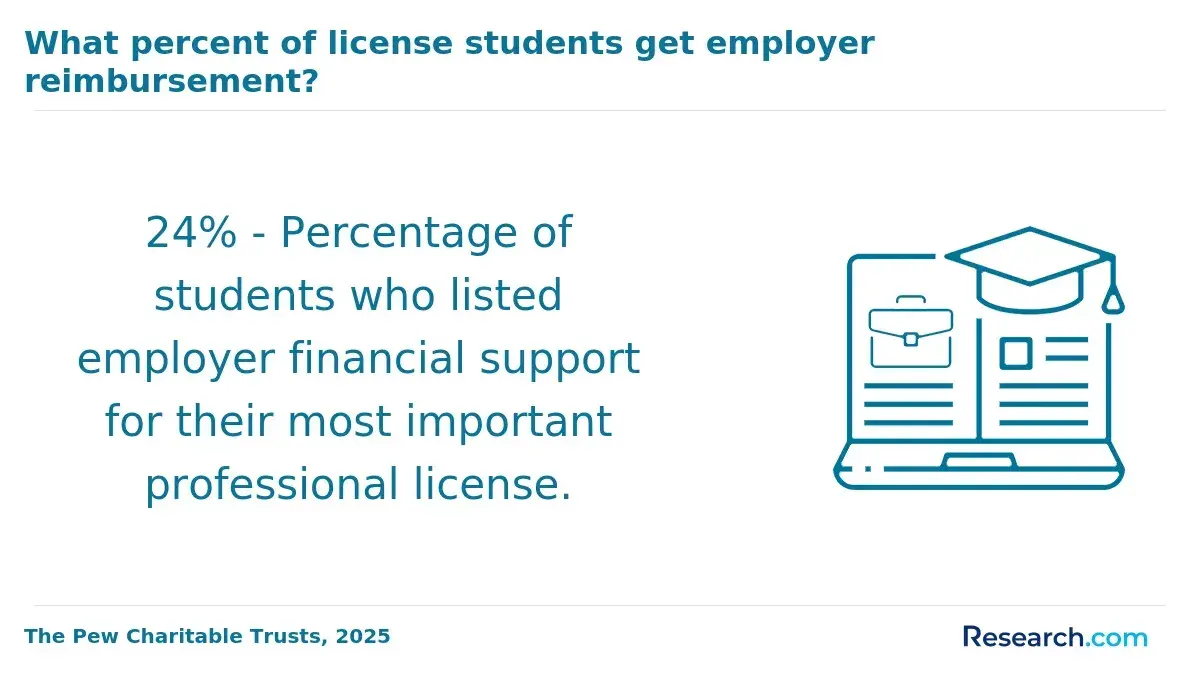
- Employer tuition assistance: Working professionals in either format may qualify for employer support. However, some employers require specific accreditation, minimum grades, approved providers, or reimbursement after course completion.
- Aid renewal: Accelerated students must be especially careful with renewal deadlines because multiple terms can occur within a shorter period. Missing paperwork can create cash-flow problems.
- Enrollment requirements: Dropping below required credit levels may affect aid eligibility. This risk can be higher in accelerated programs because each course carries more scheduling weight.
A professional who chose an accelerated business law degree described the financial aid process as demanding but manageable with early planning. He said, “Balancing multiple FAFSA submissions within a few months was stressful at first, but it pushed me to stay organized and proactive.”
He also noted that scholarship deadlines came quickly and that employer assistance required careful verification. His main lesson was to confirm eligibility before starting the program, not after tuition bills arrive. For him, the process “made the accelerated route feasible and ultimately worthwhile.”
What Kind of Student Support Do Accelerated vs. Traditional Business Law Programs Offer?
Student support matters in both formats, but accelerated programs usually deliver support on a tighter schedule. Students may need proactive advising, fast access to tutoring, and career guidance early in the program. Traditional programs often provide a wider window for mentorship, internships, student organizations, and long-term career planning.
Academic advising
Accelerated programs often use more frequent or mandatory advising because one missed requirement can delay graduation. Advisors may help students sequence courses, monitor academic progress, and plan around summer or condensed terms. Traditional programs usually provide more flexible advising, giving students greater independence and more time to explore concentrations.
Tutoring and academic assistance
Accelerated tracks may offer structured tutoring, peer study groups, writing support, and scheduled academic check-ins. These services are most useful when they are available before students fall behind. Traditional programs may provide drop-in tutoring centers, office hours, writing labs, and longer-term academic coaching.
Career services
Accelerated students benefit from early, targeted career support because graduation arrives quickly. Résumé reviews, interview preparation, employer introductions, and compliance or corporate-law job-search guidance should start near the beginning of the program. Traditional students usually have more time to complete internships, attend networking events, and refine their career goals.
Peer and alumni networks
Accelerated cohorts can be close-knit because students move through the curriculum together. Traditional programs may offer broader networking through student groups, alumni events, law-related organizations, and longer campus involvement.
Before enrolling, ask how support services are delivered to students in your format. Online, evening, weekend, and accelerated students should confirm whether advising, tutoring, library support, and career services are available when they actually need them.
Do Graduates from Accelerated vs. Traditional Business Law Programs Get Hired More Quickly?
Graduates from accelerated programs may enter the job market sooner because they finish faster, but that does not guarantee faster hiring. Hiring speed depends on the student’s prior experience, internships, grades, network, location, employer demand, and the type of role pursued. Traditional graduates may take longer to finish school, but they often have more time to build employer connections before graduation.
For business law-related careers, employers may consider both the credential and the candidate’s practical readiness. Roles in compliance, contracts, operations, risk management, corporate governance, and legal support can reward candidates who combine legal knowledge with business judgment.
- Employer perception: Some employers are more familiar with traditional programs and may associate them with deeper academic engagement. Accelerated graduates, however, can signal discipline, focus, and the ability to learn quickly.
- Career readiness: Accelerated degrees typically finish within 12 to 15 months, enabling faster entry into the workforce. Some studies report job placement rates as high as 96% within six months for these graduates.
- Professional experience: Working adults in accelerated programs may already have business, compliance, human resources, finance, or management experience. That background can help them translate the degree into a job more quickly.
- Internships and networking: Traditional students may gain an advantage if they use the longer timeline for internships, clinics, alumni connections, and employer-facing projects.
- Industry demand: Growing needs in compliance, operations, and tech favor graduates with current skills. Many legal firms anticipate deeper AI integration, making tech-aware graduates attractive in roles where legal knowledge and technology intersect.
A graduate of a traditional business law program described the job search as steady rather than immediate. She said that internships and networking helped her move from graduation into employment: “It wasn’t immediate, but the depth of my education and connections built during the degree helped me land a position shortly after graduation.”
The practical takeaway is clear: an accelerated degree can shorten the calendar, but career preparation still matters. A traditional degree can provide more development time, but students must use that time strategically.
Are Accelerated Business Law Degrees Accredited the Same Way as Traditional Programs?
Accreditation is based on academic quality, institutional standards, faculty qualifications, curriculum, student services, and compliance with accreditor requirements—not simply on whether a program is accelerated or traditional. An accelerated business law degree can be accredited in the same way as a traditional program if it meets the same standards.
This matters because accreditation can affect financial aid eligibility, transfer credit, employer recognition, graduate school admission, and, when relevant, bar exam eligibility. Students should not assume that a faster program is automatically less legitimate, but they also should not assume that every accelerated program carries the right accreditation for their goals.
For business-focused programs, students may see institutional accreditation and, in some cases, business-related programmatic accreditation such as AACSB accreditation for accelerated business law degrees. For law degrees intended to support legal practice, regional or programmatic accrediting bodies, including the American Bar Association (ABA), may assess curriculum, faculty, and student services across formats.
Before applying, verify accreditation directly through the school and accreditor. This is especially important for ABA accredited accelerated versus traditional law programs, online formats, and hybrid options. Students comparing online schools can also review ranked online colleges as a starting point, then confirm each program’s accreditation and professional eligibility requirements independently.
How Do You Choose Between an Accelerated vs. Traditional Business Law Degree?
Choose an accelerated business law degree if you have a clear goal, strong time-management skills, and the ability to handle dense coursework with limited breaks. Choose a traditional business law degree if you need more flexibility, want deeper academic exploration, or plan to use internships and networking as a major part of your career strategy.
The best choice is the one you can complete successfully while building the credentials employers or graduate schools will value.
- Choose accelerated if speed is essential: This format may fit students who want to enter or return to the workforce quickly, already understand their career target, and can commit to year-round study.
- Choose traditional if you need flexibility: A slower path may be better if you are working, caring for family, exploring specialties, or unsure whether business law is your final direction.
- Consider your learning style: Accelerated programs reward students who can absorb complex material quickly. Traditional programs may better serve students who learn through reflection, discussion, writing revision, and repeated exposure to legal concepts.
- Compare career-building opportunities: If internships, clinics, moot court, research, or student organizations are important to your target role, make sure an accelerated schedule leaves room for them.
- Review total cost, not just tuition: A shorter program may reduce living expenses and opportunity cost, but a traditional program may allow more time to work or apply for aid.
- Check accreditation and licensure implications: If your goal involves legal practice, confirm whether the program supports the eligibility requirements that apply in your state or jurisdiction.
Students who are still comparing education paths outside business law may also review high-paying trade school careers to understand how time, training cost, and career outcomes differ across alternatives.
What Students of Accelerated vs. Traditional Business Law Programs Say About Their Degree
Student experiences often reflect the central trade-off between speed and flexibility. Traditional students tend to value time for deeper study and career exploration, while accelerated students often emphasize focus, intensity, and faster completion.
- : "Enrolling in a traditional business law degree program gave me a solid foundation in legal principles and practical business applications. Although the pace was steady and sometimes slow, it allowed me to absorb complex materials thoroughly. The cost was reasonable compared to accelerated options, and I feel well-prepared to enter the legal field with confidence. — Benny"
- : "The business law program’s structured timeline helped me balance work and study effectively, but the length extended my overall educational expenses. While learning was comprehensive, I found some content repetitive over semesters. However, this depth has proven invaluable in advancing my career prospects within corporate law. — Greyson"
- : "The accelerated business law degree was intense and fast-paced, which suited my need to enter the workforce quickly but required significant dedication and time management. The cost was higher upfront, but I appreciate finishing sooner and saving on living expenses. Though challenging, this program sharpened my skills rapidly and boosted my professional confidence. — Cooper"
Other Things You Should Know About Traditional vs. Accelerated Business Law Degrees
Yes, if the degree comes from an accredited institution, employers and graduate law schools usually accept it. Regionally accredited programs carry the strongest recognition, and ABA-accredited law schools still require a bachelor’s degree, not a specific format or duration.
Graduates from accelerated programs are generally eligible to pursue advanced degrees, such as an MBA or JD, provided their program is properly accredited. Some advanced programs may scrutinize the accelerated degree's coursework intensity, but most recognize them as valid credentials. Success in further education primarily depends on individual academic performance rather than program format.
References
- Attrition and success rates of accelerated students in nursing courses: a systematic review https://pmc.ncbi.nlm.nih.gov/articles/PMC4825075/
- How Long Is Law School: What to Expect as a Law Student https://www.coursera.org/articles/how-long-is-law-school
- How Long is Law School? Timelines and Law Degrees Explained https://bemoacademicconsulting.com/blog/how-long-is-law-school
- Curriculum & Requirements https://www.suffolk.edu/law/academics-clinics/juris-doctor/curriculum-requirements
- SCALE MYTH #1 - 2 Year Accelerated J.D. Programs are Too Short for Both Bar and Practice Readiness https://www.swlaw.edu/swlawblog/201802/scale-myth-1
- Navigating Law School as a Non-Traditional Student: Benefits and Challenges - School of Law - University at Buffalo https://www.law.buffalo.edu/blog/navigating-law-school-as-non-traditional-student.html
- Accelerated 2 Year LLB Law Degree London | BIL https://www.bil.ac.uk/courses/law/llb-law-and-legal-practice-accelerated/
- Top 20 JD MBA Programs 2025: Tuition Fees, Average GMAT & LSAT | Rostrum Education https://rostrumedu.com/best-mba-jd-programs/
- Everything You Need to Consider in a Law School https://www.nesl.edu/blog/detail/everything-you-need-to-research-in-a-law-school


