
2027 Return on Investment (ROI) of a Business Communications Degree Program

Co-Founder and Chief Data Scientist
A business communications degree can be useful, but it is not automatically a strong financial investment for every student. The real question is whether the degree helps you earn more, qualify for better roles, advance faster, or change careers at a cost you can reasonably recover.
This guide explains how to evaluate the return on investment of a business communications degree using the factors that matter most: tuition, fees, time to completion, financial aid, salary outcomes, career advancement, delivery format, accreditation, and industry demand. It is designed for prospective undergraduate students, working adults considering an online or part-time program, and career changers who want communication, management, marketing, or client-facing business roles.
Because 65% of employers prioritize communication skills alongside technical expertise, the degree can have value across many fields. Still, ROI depends heavily on program cost, your existing experience, the industry you enter, and whether you use the credential to move into higher-responsibility work.
Key Things to Know About Business Communications Degree ROI
- Graduates with a business communications degree report median salaries 20% higher than those with general business degrees, enhancing earning potential early in their careers.
- Business communications skills are prized across industries, offering greater career flexibility and increased promotion opportunities in roles such as marketing, PR, and management.
- Job stability for business communications professionals is strong, with a projected employment growth rate of 10% through 2030, supporting consistent long-term salary growth.
How Is ROI Calculated for a Business Communications Degree Program?
ROI for a business communications degree compares what you spend to earn the credential with the financial and career benefits you gain after graduation. A simple way to think about it is: total career benefit minus total education cost. The challenge is that both sides of the equation include more than tuition.
For this degree, ROI should be measured through direct costs, lost income while studying, expected salary after graduation, and the likelihood that the credential helps you move into better roles. A low-cost program with strong job outcomes can produce a stronger ROI than a more expensive program with similar career results.
Key inputs in the ROI calculation
- Tuition and fees: Include tuition, mandatory fees, textbooks, software, technology charges, and any program-specific expenses. This is the clearest starting point for estimating total investment.
- Opportunity cost: If you reduce work hours or stop working to enroll, the income you give up should be counted as part of the cost. This is especially important for full-time students and working adults.
- Time to completion: A longer program may increase tuition, delay earnings, and extend loan repayment. A shorter or transfer-friendly path can improve ROI if academic quality and employer recognition remain strong.
- Post-graduation salary outcomes: Starting salaries and early-career wages show how quickly you may recover your education costs. Compare outcomes by role, location, and industry rather than relying only on broad averages.
- Long-term earning potential: Business communications can support advancement into management, marketing, public relations, client success, training, internal communications, and strategic communication roles. Promotions and career mobility often matter as much as the first job after graduation.
When comparing degree options, ask each program for career placement information, internship access, employer partnerships, alumni outcomes, and average time to graduation. Students comparing ROI across other education pathways may also review accelerated EdD programs to see how completion time affects total educational value.
How Much Does a Business Communications Degree Program Cost?
The cost of a business communications degree depends on school type, residency status, delivery format, enrollment pace, transfer credits, and whether the program is undergraduate or graduate level. To judge ROI accurately, calculate the full cost of attendance rather than looking only at the advertised tuition rate.
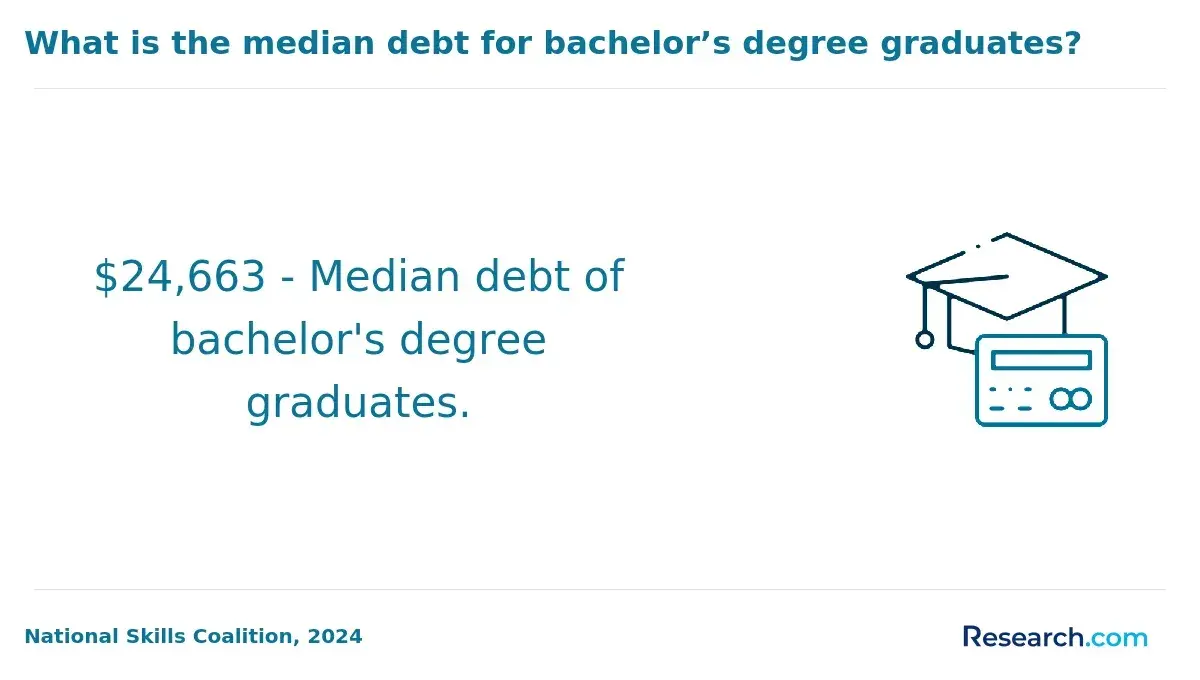
Graduate tuition in the U.S. has increased by nearly 3% annually over the past decade, and average student debt exceeds $37,000 per borrower. Those figures make cost control central to the ROI decision, especially for students who plan to borrow.
Costs to include before enrolling
- Tuition and fees: Public universities, private colleges, and online programs can vary widely in price. Check whether tuition is charged per credit, per course, per term, or as a flat program rate.
- Books and materials: Budget for textbooks, digital subscriptions, communication tools, presentation software, and industry platforms used in marketing, analytics, or media coursework.
- Living or relocation expenses: On-campus students may need to pay for housing, meals, commuting, parking, or relocation. Online students may avoid some of these costs but still need reliable technology and internet access.
- Opportunity cost: Full-time study may reduce your income. Part-time or online study may protect your earnings, but it can also extend the timeline to graduation.
- Hidden or indirect costs: Graduation fees, transcript fees, professional association dues, portfolio tools, certification exam costs, and travel for internships or campus requirements can affect the final price.
| Cost category | Why it matters for ROI | Question to ask the school |
| Tuition and required fees | Usually the largest direct cost | What is the full program cost, not just the per-credit rate? |
| Course materials and technology | Can add recurring expenses each term | Are software, textbooks, or platform fees included? |
| Living and commuting costs | Can make an on-campus program substantially more expensive | Are there in-person requirements, residencies, or internships? |
| Lost income | Delays the payback period after graduation | Can the program be completed while working? |
A useful budgeting step is to compare online and campus-based options side by side, including tuition, fees, commuting, housing, and lost work hours. If cost is a deciding factor, research how much is a business degree online before committing to a program format.
One graduate described the cost planning process as “a constant balancing act,” especially when software updates and commuting costs “added up faster than anticipated.” That experience points to a common mistake: underestimating non-tuition expenses. Students who plan beyond tuition are usually better prepared to judge whether the degree’s benefits justify the total investment.
What Financial Aid Is Available for Business Communications Degree Programs?
Financial aid can improve ROI by lowering the amount you pay out of pocket or borrow. Nearly 85% of graduate students benefit from some form of financial assistance, so students should treat aid research as part of program selection, not as an afterthought.
The best aid is funding that does not need to be repaid. Loans can still be useful, but they should be used carefully because interest and repayment terms affect the true cost of the degree.
Common financial aid options
- Scholarships: Scholarships reduce direct cost and do not require repayment. Look for awards from colleges, professional communication associations, local organizations, employers, and foundations.
- Grants: Grants are typically based on need, merit, or program eligibility. Like scholarships, they can improve ROI because they lower borrowing.
- Fellowships: Fellowships are more common at the graduate level and may provide tuition support, stipends, or funding for research and professional development.
- Employer tuition assistance: Working adults should ask whether their employer offers tuition reimbursement or direct billing. This can sharply improve ROI, especially if the degree supports advancement within the same organization.
- Federal student loans: Federal loans must be repaid with interest, but they generally offer borrower protections and flexible repayment options. They are often preferable to high-cost private borrowing when grants, scholarships, and employer aid are not enough.
How to use aid strategically
- Apply early because some institutional aid is awarded on a first-come basis.
- Compare net price after aid, not sticker price.
- Ask whether scholarships are renewable and what GPA or enrollment status is required.
- Check whether part-time, online, or transfer students qualify for the same aid as full-time campus students.
- If using employer assistance, confirm service commitments, grade requirements, and reimbursement timing.
How Long Does It Take to Complete a Business Communications Degree?
Time to completion directly affects ROI because it influences tuition, lost income, career entry, and promotion timing. A faster path can improve ROI when it does not sacrifice learning quality, internship access, or employer recognition. A slower path may still be worthwhile if it allows you to keep working and avoid excessive borrowing.
Business communications students should evaluate both calendar time and financial time. A program that takes longer but lets you remain employed may produce a better overall outcome than a shorter program that requires you to leave the workforce.
Factors that affect completion time
- Enrollment status: Full-time study usually leads to faster graduation. Part-time study may extend the timeline but can help working students preserve income.
- Program format: Online and accelerated programs may offer flexible scheduling, multiple start dates, and shorter sessions. These features can help motivated students finish sooner.
- Transfer credits: Accepted credits from prior college coursework can reduce both time and cost. Before enrolling, request a formal transfer evaluation.
- Internships or thesis requirements: Experiential requirements can add time, but they may also strengthen your resume, portfolio, and job prospects.
- Scheduling flexibility: Evening, weekend, asynchronous, or hybrid courses can help working adults progress steadily, though they may also lengthen the total completion period.
One graduate said that work, family, and evening classes stretched her studies over nearly four years. The longer timeline was demanding, but practical projects and internships helped her gain confidence and contributed to a promotion after graduation. Her experience shows that ROI is not only about finishing quickly; it is about choosing a timeline that supports both learning and career progress.
Is ROI Higher for Online or On-Campus Business Communications Programs?
ROI can be higher for either online or on-campus business communications programs depending on cost, flexibility, networking, and student circumstances. Online enrollment in undergraduate programs has grown by over 20% in the past five years, reflecting greater acceptance of flexible formats. Still, format alone does not determine value; accreditation, curriculum quality, faculty support, and career services matter more.
Online versus on-campus ROI factors
| Factor | Online programs | On-campus programs |
| Tuition and fees | May reduce costs when students avoid relocation, housing, and commuting | May cost more when campus fees and living expenses are included |
| Opportunity cost | Often better for students who need to keep working | May require reduced work hours, especially for full-time study |
| Time to completion | Can be flexible or accelerated, depending on the school | May follow a more fixed academic calendar |
| Networking | Depends on virtual events, cohort design, alumni access, and career support | Often stronger for face-to-face relationship building and campus recruiting |
| Employer perception | Increasingly accepted when the institution is accredited and reputable | Still familiar to employers, especially when the school has strong regional ties |
Online programs may produce stronger ROI for working adults, parents, military students, and career changers who cannot relocate or pause employment. On-campus programs may be a better investment for students who want in-person internships, campus organizations, local employer pipelines, and frequent faculty interaction.
Students comparing online professional programs in other fields may also examine affordable CACREP accredited counseling programs to understand how accreditation and format affect cost and career readiness.
What Is the Average Salary After Earning a Business Communications Degree?
Salary is one of the most important ROI measures because it determines how quickly graduates can repay education costs and build financial stability. The average salary for business communications graduates typically falls between $50,000 and $75,000 annually, depending on role, experience, employer, industry, and location.
Graduates should avoid assuming that the degree alone guarantees a specific salary. Stronger outcomes usually come from pairing the credential with internships, writing samples, presentation experience, analytics skills, leadership experience, and a clear career target.
What affects salary after graduation?
- Industry: Technology and finance roles often pay more than nonprofit or education roles, though mission-driven sectors may offer other forms of career value.
- Geographic location: Major metropolitan areas may offer higher wages, but cost of living can reduce take-home value.
- Prior experience: Internships, full-time work, military experience, or relevant volunteer leadership can help graduates qualify for better-paying roles.
- Specialization: Digital communication, marketing, analytics, public relations, crisis communication, and corporate communication can strengthen earning potential when aligned with employer demand.
- Career level: Entry-level roles typically pay less, but the degree may support advancement into supervisory, client-facing, strategic, or managerial positions over time.
Students who are still comparing career paths should evaluate salary alongside job fit, program cost, and required credentials. For a broader comparison, some may review affordable online psychology master’s programs when considering alternative graduate-level options.
Does a Business Communications Degree Lead to Promotions?
A business communications degree can support promotions, but it does not guarantee them. The degree is most valuable for advancement when it fills a real skills gap, meets an employer’s credential preference, or helps an employee move from execution-focused work into leadership, strategy, training, marketing, client relations, or internal communication roles.
Promotion ROI is especially important for working adults. If the degree helps you qualify for a higher-level position without changing employers, the payoff may begin sooner than it would for a student entering the job market for the first time.
How the degree can improve promotion prospects
- Credential requirements: Some mid-level and senior roles prefer or require a degree. A business communications credential can help employees meet those screening criteria.
- Leadership preparation: Coursework in writing, presentations, organizational communication, conflict management, persuasion, and business strategy can translate directly into management tasks.
- Tuition reimbursement: If an employer pays part of the cost, the ROI can improve significantly because the employee gains a credential with less personal debt.
- Internal promotion policies: Some organizations favor employees who combine workplace performance with formal education when filling supervisory roles.
- Experience and education balance: Employers often reward candidates who can demonstrate both practical results and formal training. The degree is strongest when paired with measurable workplace achievements.
Before enrolling, working professionals should ask their manager or human resources department whether the degree aligns with internal promotion ladders, salary bands, or leadership development programs. Students comparing fields with strong advancement potential may also review high-paying bachelor’s degree options to benchmark their decision.
The degree tends to support promotion best when students build a portfolio, document business outcomes, seek stretch assignments, and apply class projects to real workplace communication problems.
Which Industries Offer the Best ROI for Business Communications Graduates?
Industries with higher pay, strong demand for communication talent, and clear advancement pathways usually offer the best ROI for business communications graduates. The strongest fit depends on whether you want to focus on marketing, public relations, employee communication, client relations, sales enablement, training, project coordination, or executive communication.
Industries with strong ROI potential
- Technology: Technology companies need professionals who can explain complex products, support customer education, manage internal messaging, and connect technical teams with nontechnical audiences.
- Financial services: Banks, investment firms, insurance companies, and fintech employers often value clear client communication, compliance-aware messaging, and relationship management.
- Healthcare: Healthcare organizations need communication professionals for patient engagement, internal communication, regulatory messaging, public relations, and community outreach.
- Marketing and advertising: This field rewards strong writing, audience research, campaign planning, brand messaging, and digital communication skills.
- Consulting: Consultants rely on presentations, client communication, project documentation, change management, and stakeholder alignment, making business communications skills highly transferable.
The best industry for ROI is not always the one with the highest starting salary. Students should also consider job stability, advancement speed, portfolio development, remote-work options, and whether the industry values both communication and business judgment.
Students who want shorter or career-focused alternatives can compare quick degrees that pay well while weighing the time and cost required for a business communications program.
In practice, the strongest ROI comes from targeting industries where communication affects revenue, customer trust, compliance, brand reputation, or organizational performance.
Does Accreditation Affect ROI for a Business Communications Degree?
Yes. Accreditation can affect ROI because it influences financial aid eligibility, credit transfer, employer confidence, and graduate school options. An accredited program has been reviewed by a recognized accrediting body for academic quality, faculty standards, student support, and institutional stability.
Accreditation matters most when students plan to use federal financial aid, transfer credits, apply to graduate school, or present the degree to employers that screen for recognized credentials. While business communications is not typically a licensure-driven field, accreditation still protects students from investing in a credential that may have limited recognition.
Why accreditation affects value
- Employer confidence: Employers may be more comfortable with candidates from accredited institutions because the school has met external quality standards.
- Federal financial aid: Accreditation is often tied to eligibility for federal aid, which can lower upfront barriers and improve affordability.
- Credit transfer: Credits from accredited institutions are more likely to be reviewed for transfer, although acceptance is never automatic.
- Graduate study: Accredited undergraduate degrees are typically expected for admission to many graduate programs.
- Long-term flexibility: A recognized credential can remain useful if you change employers, move to another state, or pursue additional education.
Before enrolling, verify accreditation through the school’s website and recognized accrediting sources. Be cautious with programs that are vague about accreditation, promise unusually fast results without clear academic requirements, or make salary guarantees that cannot be supported.
Is a Business Communications Degree Worth It?
A business communications degree is worth it when the total cost is reasonable, the program is accredited, the curriculum builds marketable skills, and the student has a clear career plan. It is less likely to pay off when tuition is high, completion takes longer than expected, borrowing is excessive, or the student does not connect the degree to specific roles.
Costs can range from community college fees to higher university rates, and study often takes between two and four years. Graduates often earn between $45,000 and $65,000 annually, depending on geographic location and industry sector. The degree’s value also depends on how quickly graduates can enter, re-enter, or advance in the workforce. Research shows that individuals with business-related degrees see about a 5% higher salary compared to those without a degree.
When the degree is more likely to be worth it
- You want roles that require strong writing, presentation, persuasion, client communication, or organizational communication skills.
- You can keep costs low through transfer credits, employer assistance, scholarships, grants, or an affordable online format.
- The program includes practical projects, internships, portfolio work, or career services.
- You already have work experience and need a credential to qualify for promotion.
- You are targeting industries with strong demand for business communication skills.
When to be cautious
- The program is expensive and offers limited career support.
- You would need to borrow heavily without a realistic salary plan.
- The curriculum is too general and does not build job-ready skills.
- The school lacks recognized accreditation.
- You are unsure which career path the degree will support.
For many students, the degree is most valuable as a practical business credential rather than as a standalone guarantee of higher earnings. The best ROI comes from choosing a credible, affordable program and using it to build a portfolio, professional network, and clear path to advancement.
What Graduates Say About The ROI of Their Business Communications Degree
- : "Choosing to pursue a business communications degree as a traditional student was a game-changer for me. While the average cost can reach around $40,000, I saw it as a valuable investment with a solid long-term return, especially since communication skills are vital in every industry. Today, I'm advancing rapidly in my career, confident that my education opened doors that might have remained closed otherwise. — Gale"
- : "Opting for an online business communications program was initially driven by cost considerations-the flexibility and lower tuition fees made it feasible without sacrificing quality. The average expenses hovered around $25,000, but the real worth is in how it has expanded my professional network and opportunities remotely. Reflecting on my journey, I can say the degree truly paid off when I secured a managerial role within a year after graduating. — Vidan"
- : "Balancing work and studies as a part-time student was challenging, but investing roughly $30,000 into a business communications degree felt justified given the career growth it enabled. The program's practical approach sharpened my skills and improved my workplace interactions, leading to promotions and higher responsibility. Looking back, the cost and effort were completely worth it for the professional confidence and success I now enjoy. — Aysha"
Other Things You Should Know About Business Communications Degrees
Alumni networks can significantly enhance the ROI of a Business Communications degree by providing networking opportunities, mentorship, and job placement assistance. Strong connections within an industry can lead to job offers and career advancement, increasing the overall value of the degree in 2027.
Internships provide practical experience that can significantly boost the return on investment of a business communications degree. They allow students to apply theoretical knowledge in real-world settings, build professional networks, and often lead to job offers post-graduation. As a result, internships help graduates transition into the workforce more quickly and can increase starting salaries.
Continuing education can significantly enhance the ROI of a Business Communications degree in 2027 by providing graduates with updated skills and knowledge. This makes them more competitive in the job market and can lead to higher salary opportunities, thus improving the degree's financial returns.
References
- Is College Worth it? | Return on Investment Analysis of College Degree https://educationdata.org/college-degree-roi
- What to do after a Bachelor's degree in communication? https://www.ipag.edu/en/blog/what-do-after-bachelors-degree-communication
- Home https://www.husson.edu/online/blog/2023/03/communications-vs-business
- Does a Communications Degree Have a Good Return on Investment? - Best Communications Degrees https://www.bestcommunicationsdegrees.com/faq/does-a-communications-degree-have-a-good-return-on-investment/
- Online Business Communication Degree Programs https://www.academicinfo.net/business-communication/
- Jobs for Communications Graduates: Top 12 Best Across Industries https://www.betterup.com/blog/jobs-for-communications-graduates
- Accreditation and financial ROI | Woolf News & Updates https://woolf.university/news/accreditation-and-financial-roi
- Bachelor of Business / Bachelor of Communication https://www.unisc.edu.au/study/courses-and-programs/bachelor-degrees-undergraduate-programs/bachelor-of-business-bachelor-of-communication
- Communications Degree: Waste or Worth It? - The Fairfield Mirror https://therearview.org/communications-degree-waste-or-worth-it/
- What’s the Difference Between Online vs. On-Campus Digital Marketing Master’s Programs? | Digital Marketing Institute https://digitalmarketinginstitute.com/blog/whats-the-difference-between-online-vs-on-campus-digital-marketing-masters-programs


