
2027 Do Employers Pay for Business Communications Degrees: Tuition Reimbursement and Sponsorship Options

Co-Founder and Chief Data Scientist
Deciding whether to pursue a business communications degree often comes down to one practical question: who will pay for it? For working professionals, tuition can be difficult to justify when private institutions average around $38, 000 per year for full-time students and U. S. student loan debt has surpassed $1. 7 trillion. Employer tuition assistance can change that calculation, but the rules are rarely automatic or simple.
This guide explains how employer tuition reimbursement and sponsorship typically work for business communications degrees, who qualifies, what online students should check, how much support employees may receive, and what risks to watch for before signing an agreement. It also covers how to ask your employer for support and what to do if your company does not pay for the degree.
Key Benefits of Employers Paying for Business Communications Degrees
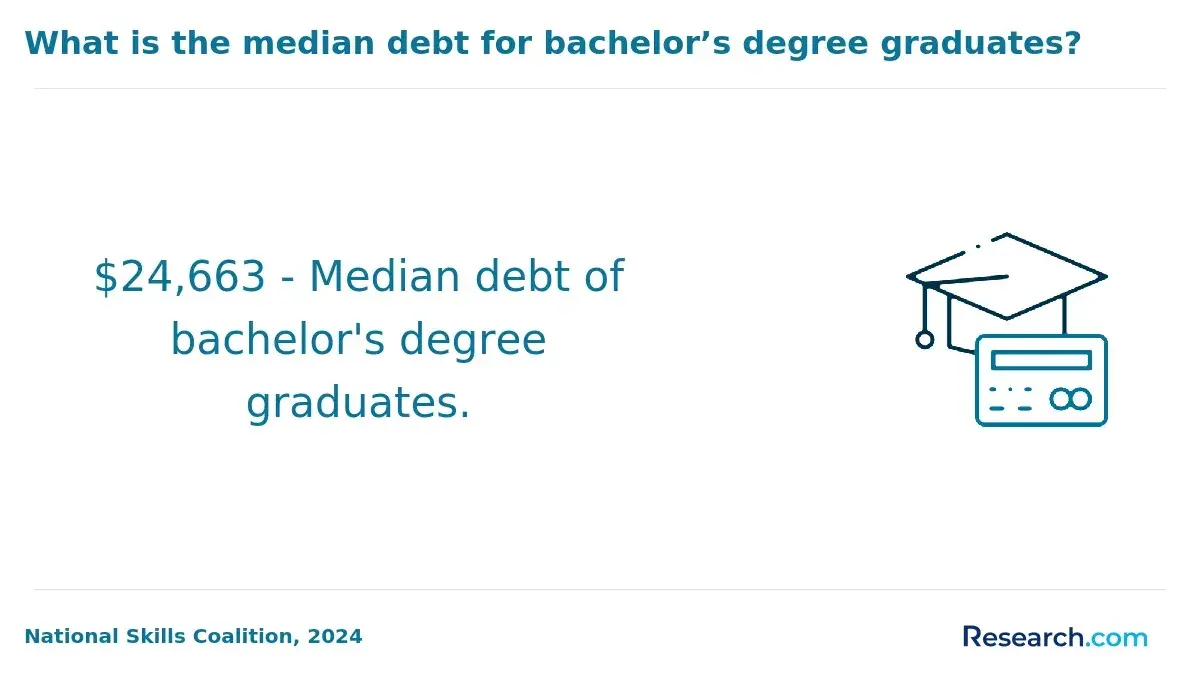
- Employers often cover partial or full tuition, reducing student debt, which averaged $32,731 for graduates nationwide in 2023.
- Sponsorship programs enhance employee loyalty and skills in business communications, leading to improved workplace efficiency and collaboration.
- Tuition reimbursement offers flexible financial support, enabling professionals to balance work and study without significant income loss.
Do Employers Pay for Business Communications Degrees?
Yes, many employers help pay for business communications degrees when the program is relevant to the employee’s current role, promotion path, or the company’s workforce needs. These benefits are usually offered through tuition reimbursement, direct tuition sponsorship, education stipends, or broader professional development budgets.
According to a Society for Human Resource Management report, about 58% of organizations provide some level of tuition reimbursement. Business communications is often a strong fit for these programs because communication skills support marketing, sales, client relations, management, training, public relations, and internal communications.
Employer support is not guaranteed, however. Companies typically evaluate whether the degree will improve your performance, prepare you for a needed role, or strengthen skills the organization values. A business communications degree is more likely to qualify when you can connect coursework to measurable workplace needs, such as clearer executive reporting, stronger client presentations, better cross-functional collaboration, or improved employee messaging.
Where employer support is most common
Tuition assistance policies vary by employer, but support is often more developed in industries where communication, compliance, client management, and leadership are central to business performance. Finance, healthcare, technology, consulting, and large corporate employers may offer more structured education benefits than smaller organizations with limited training budgets.
Before applying to a program, ask HR for the written tuition assistance policy and confirm whether a business communications degree is eligible. If your interests are broader than business communication, it can also help to compare adjacent communication-focused pathways, such as affordable online speech-language pathology programs, to understand how program purpose, accreditation, and career fit affect funding decisions.
What Types of Tuition Assistance Do Employers Offer for Business Communications Degrees?
Employers use several models to help employees pay for business communications degrees. The best option depends on whether your company pays the school directly, reimburses you later, or provides a fixed education allowance. The difference matters because some plans require you to cover tuition upfront before receiving any money back.
- Tuition reimbursement: You pay tuition first, complete the approved course, submit grades and receipts, and receive reimbursement if you meet the employer’s requirements. Many plans require satisfactory grades and may reimburse only approved tuition and fees.
- Tuition sponsorship: The employer pays the school directly or advances funds before the term begins. This can be more helpful for employees who cannot comfortably pay tuition upfront, but it may come with stricter approval rules or service commitments.
- Education stipends: Some employers provide a fixed amount per year, semester, or course. A stipend may be easier to use but may not cover the full cost of a degree.
- Professional development funds: In some organizations, education support is handled through departmental training budgets rather than a formal tuition plan. This can work for certificates, individual courses, or degree-related coursework if your manager approves the expense.
- Partner school discounts: Some companies have preferred education partners. These arrangements may reduce tuition before reimbursement is applied, but you should still verify accreditation, transfer policies, and whether the program fits your career goals.
When comparing benefits, focus on total out-of-pocket cost, reimbursement timing, annual caps, grade requirements, and repayment obligations if you leave the company. Time can also affect cost: accelerated formats may reduce the number of semesters you pay for, similar to how the fastest online psychology degree options are often evaluated for speed and affordability.
Who Is Eligible for Employer Tuition Reimbursement for Business Communications Degrees?
Eligibility usually depends on your employment status, tenure, job performance, program relevance, and whether you receive approval before enrolling. The most common mistake is assuming reimbursement applies automatically after admission. In many companies, you must receive written approval before the course begins.
- Employment status: Full-time employees are typically more likely to qualify. Part-time, temporary, contract, or probationary employees may be excluded or offered reduced benefits.
- Tenure requirements: Many employers require a minimum period of service before you can use tuition assistance. This can affect when you should apply to a business communications program.
- Degree relevance: Employers often require a clear connection between the degree and your current job, a planned promotion, or a business need. A general interest in communication may not be enough.
- Academic standards: Policies may require a minimum grade or satisfactory academic progress. Falling below the standard can reduce or eliminate reimbursement for that course.
- Pre-approval process: HR, your manager, or a benefits administrator may need to approve the school, degree plan, course list, and estimated costs before enrollment.
- Performance standing: Some employers limit tuition benefits to employees in good standing, meaning you may need to meet attendance, conduct, and performance expectations.
- Ongoing employment commitment: Employers may require you to remain with the company for a designated period after receiving tuition support or graduation. Leaving early can trigger repayment obligations.
If you are planning graduate or leadership-focused study later, review whether your employer’s policy supports only one degree level or allows continued assistance for advanced credentials. For example, employees considering broader leadership roles may compare business communications study with an online doctorate in organizational leadership to understand how degree level and role relevance influence sponsorship.
How Do Employer Tuition Reimbursement Programs Work for Business Communications Degrees?
Most tuition reimbursement programs follow a predictable process: get approval, enroll, complete the course, submit documentation, and wait for payment. The details matter because missing a deadline or skipping pre-approval can make an otherwise eligible course ineligible for reimbursement.
- Step 1: Review the written policy. Look for eligible degree types, covered expenses, reimbursement caps, grade requirements, tax treatment language, and repayment clauses.
- Step 2: Confirm program eligibility. Employers may require the school to be accredited and the business communications degree to align with your role or career path inside the company.
- Step 3: Submit a pre-approval request. This may include the program name, course descriptions, tuition estimate, start date, and a short explanation of how the coursework benefits your work.
- Step 4: Pay tuition or arrange billing. In reimbursement models, employees often pay upfront. In sponsorship models, the company may pay the institution directly.
- Step 5: Complete the course and meet grade requirements. A minimum grade-often a C or better-is typically required to qualify for reimbursement.
- Step 6: Submit proof. Employers commonly require proof of payment, final grades, course completion records, and receipts for covered expenses.
- Step 7: Receive reimbursement. Payment timing varies. Some employers reimburse after each course, while others pay at the end of a term or after final grade verification.
Ask whether the plan covers tuition only or also fees, books, technology charges, and required materials. Also ask whether reimbursement is applied through payroll, accounts payable, or direct payment to the school, as this affects your short-term cash flow.
Are Online Business Communications Degrees Eligible for Company Sponsorship?
Online business communications degrees can be eligible for employer sponsorship, especially when the institution is properly accredited and the curriculum clearly relates to the employee’s role. Employer attitudes toward online education have become more favorable as remote learning has become more common, but approval still depends on company policy.
Studies indicate that around 56% of U.S. employers offer tuition reimbursement plans that may include online degrees. Eligibility varies widely, so employees should not assume that an online program qualifies simply because a traditional program would.
What employers usually check
- Accreditation: Employers may require the college or university to hold recognized institutional accreditation. Some may also look for business-related accreditation or documented academic quality.
- Program relevance: The degree should support your current responsibilities or a realistic internal career path.
- Academic rigor: Employers may ask whether online courses have comparable expectations, faculty involvement, assessments, and learning outcomes to campus-based courses.
- Schedule compatibility: A program that allows you to keep working full time may be easier for an employer to approve than one that disrupts business operations.
- Documentation: You may need to provide course descriptions, degree requirements, tuition rates, accreditation information, and a timeline to completion.
A professional who completed an online business communications degree with employer support explained that the approval process required careful documentation: "I had to provide extensive program information and justify how the courses related to my role." The paperwork was demanding, but the financial assistance reduced the burden and signaled that the employer viewed the degree as an investment in his growth.
How Much Tuition Reimbursement Can You Get for Business Communications Degrees?
The amount you can receive depends on your employer’s annual limit, lifetime cap, covered expenses, and whether the degree is considered directly job-related. Tuition reimbursement limits are important because they determine how much of the business communications degree you can complete with employer support and how much you may need to finance yourself.
According to the National Center for Education Statistics, approximately 34% of full-time employees with employer tuition aid accessed such benefits in 2016. Employers commonly set annual reimbursement limits between $5,000 and $10,000, with lifetime maximums often ranging from $20,000 to $50,000. Larger organizations and employers with strong internal talent development programs may offer more substantial aid, especially when the degree supports a defined business need.
Federal tax regulations allow up to $5,250 per year in tax-free educational benefits, which influences how many employers structure tuition assistance plans. This is not tax advice; employees should review employer policy documents and consult an appropriate tax professional if they have questions about personal tax treatment.
Questions to ask before estimating your true cost
- Is the cap annual, per semester, per course, or lifetime?
- Does reimbursement cover tuition only, or are fees and books included?
- Does the employer reimburse 100% of eligible costs or only a percentage?
- Are undergraduate and graduate courses funded at different levels?
- Will reimbursement be reduced if you receive scholarships, grants, or military education benefits?
- Are online programs reimbursed at the same rate as on-campus programs?
Are There Penalties for Leaving an Employer-Sponsored Business Communications Program Early?
Yes, leaving an employer-sponsored business communications program early can create repayment obligations if your agreement includes a clawback or service commitment. These terms are common because companies want to protect their investment when they pay for employee education.
Research shows about 60% of employers require reimbursement if benefits are used and the employee leaves within one or two years. The exact amount depends on the policy, the timing of your departure, and whether repayment is prorated.
- Tuition repayment obligations: You may be required to repay tuition the employer already covered if you resign, are terminated for cause, or stop participating before meeting the agreement terms.
- Prorated repayment schedules: Some employers reduce the amount owed over time. For example, the repayment obligation may decrease as you remain employed after receiving assistance.
- Early termination clauses: Agreements often define the events that trigger repayment, the deadline for repayment, and whether the amount is deducted from final pay where permitted.
- Loss of future benefits: Leaving a program, failing a course, or missing documentation deadlines may affect eligibility for future tuition assistance.
- Career flexibility trade-off: Employer funding can reduce debt, but it may also make it harder to change jobs quickly if repayment would be expensive.
A professional who completed a business communications degree with employer tuition assistance said the repayment policy shaped her career planning: "Knowing that leaving too soon would mean paying back tuition made me think twice about switching jobs." She described the contract review as intimidating at first, but useful once she understood the terms: "It wasn't just about the money-it was about investing in my future while staying aligned with my employer's support."
Can Employer-Paid Business Communications Degrees Improve Long-Term Earning Potential?
An employer-paid business communications degree can improve long-term earning potential when it helps you qualify for promotions, leadership responsibilities, specialized communication roles, or higher-paying opportunities outside your current job. The degree itself is not a salary guarantee, but reducing or eliminating tuition costs can significantly improve the return on investment.
According to research, individuals with bachelor's degrees earn about 84% more over their lifetimes compared to those without degrees. For working professionals, employer funding can make that educational investment less risky because less personal debt is required to earn the credential.
- Increased promotion opportunities: A business communications degree can strengthen your case for roles that require writing, presentation, stakeholder management, team leadership, or strategic messaging.
- Faster career progression: Employees who connect coursework to current projects may be able to demonstrate new skills before graduation.
- Access to higher-paying roles: Communication skills apply across marketing, corporate communications, public relations, human resources, sales enablement, training, and management.
- Stronger workplace performance: Coursework in persuasion, organizational communication, business writing, media strategy, and leadership communication can improve daily job effectiveness.
- Better return on investment: When an employer covers part or all of the tuition, the financial payoff can improve because your personal cost is lower.
When evaluating earning potential, compare the degree with your target role rather than relying on broad salary assumptions. It may also help to review the college majors that make the most money to place business communications in a wider career and earnings context.
How Do You Ask Your Employer to Pay for a Business Communications Degree?
The best way to ask your employer to pay for a business communications degree is to present the request as a business case, not just a personal goal. Show how the degree will help you solve problems, perform better, prepare for needed responsibilities, or contribute to company objectives.
With 56% of employers offering some form of tuition reimbursement according to the Society for Human Resource Management (SHRM), many employees have a realistic basis for asking. Still, approval often depends on how clearly you connect the degree to business value.
- Research the policy first. Review the employee handbook, benefits portal, HR documents, and any tuition reimbursement forms. Identify eligibility rules, caps, deadlines, and required approvals.
- Choose a credible program. Be ready to explain the institution’s accreditation, degree format, tuition, schedule, course requirements, and expected completion timeline.
- Connect coursework to business needs. Identify specific skills the program will build, such as executive communication, crisis messaging, client presentations, employee engagement, or analytics-informed communication strategy.
- Prepare a short proposal. Include the program name, total estimated cost, requested employer contribution, reimbursement schedule, and how the company will benefit.
- Schedule a formal meeting. Speak with your manager first if department approval matters, then HR if policy approval is required.
- Address concerns directly. Explain how you will manage coursework while maintaining job performance. If a service agreement is required, ask for the terms in writing.
- Follow up in writing. Send a summary email after the meeting with attachments, deadlines, and next steps.
For professionals comparing education options before making a request, reviewing online degrees that pay well can help frame the discussion around career outcomes, time commitment, and return on investment.
What To Do If Your Employer Doesn't Pay for a Business Communications Degree?
If your employer does not pay for a business communications degree, you still have several ways to reduce the cost. The key is to combine funding sources, choose a program carefully, and avoid borrowing more than your expected career path can reasonably support.
Nearly 70% of undergraduate students in the U.S. utilize some form of financial aid, so employer reimbursement is only one possible funding route. Start with aid that does not require repayment, then consider loans or alternative payment models only after comparing total cost.
- Federal and state financial aid: Complete the required aid applications to determine whether you qualify for grants, subsidized loans, unsubsidized loans, or state-based support.
- Scholarships and grants: Look for awards tied to communications, business, leadership, adult learners, first-generation students, military affiliation, professional associations, or local foundations.
- Lower-cost program options: Compare public universities, transfer-friendly programs, community college pathways, and online formats. If your career goals also fit business administration or management, an affordable business management degree online may be worth comparing alongside business communications programs.
- Payment plans: Some schools let students spread tuition across the term, which can reduce the need for short-term borrowing.
- Personal savings and loans: Savings can reduce debt, while loans should be evaluated carefully based on interest rates, repayment terms, and realistic post-graduation income.
- Income-share agreements (ISAs): These alternatives tie repayment to post-graduation income, but terms vary and should be reviewed closely before signing.
- Part-time and online study options: Flexible formats may allow you to keep earning income while completing the degree, although a longer timeline can affect total cost and motivation.
If employer support is unavailable now, revisit the question later. A promotion, department transfer, new manager, or updated benefits policy may make tuition support possible in a future term.
What Graduates Say About Employers Paying for Their Business Communications Degrees
- : "Completing my business communications degree was a game-changer, especially considering the average cost of attendance can be daunting. Thanks to my employer's tuition assistance program, I was able to pursue my studies without the financial burden weighing me down. This sponsorship not only eased my expenses but also accelerated my promotion to a managerial role. — Vynnie"
- : "The cost of a business communications degree can often feel overwhelming, but my company's sponsorship made all the difference for me. Reflecting on this support, I realize it allowed me to focus fully on learning rather than stressing about tuition fees. Ultimately, this investment transformed my confidence and effectiveness as a communications professional. — Zev"
- : "Employer-sponsored tuition was crucial in helping me afford the business communications degree program, which typically involves significant costs. This financial backing empowered me to enhance my skills while working full-time, leading to greater responsibilities and recognition in my career. I'm grateful for how this partnership boosted my professional growth. — Sendy"
Other Things You Should Know About Business Communications Degrees
Yes. Many employer education benefits cover more than tuition, including required textbooks, lab fees, and exam fees, up to the IRS educational assistance exclusion limit of $5,250 per year in 2027. Costs above that amount are often treated as taxable wages unless the employer plan says otherwise.
Most employers that offer tuition reimbursement for business communications require employees to achieve a minimum grade, often a C or above, to continue receiving financial support. This ensures that the investment is going toward meaningful academic progress and successful completion of the degree program.
Under current IRS guidelines, up to $5,250 per year can be excluded from taxable income if an employer provides tuition assistance for business communications degrees. Amounts above this threshold are typically considered taxable income, so employees should plan accordingly and consult a tax professional for personalized advice.
Yes, some employer sponsorship programs for business communications degrees may cover additional expenses such as textbooks, technology fees, and even paid time off for study or exams. These benefits vary by company, so employees should inquire about the full scope of sponsorship to maximize available resources.
References
- How to Ask Your Employer to Pay for Your Degree - Coursera Blog https://blog.coursera.org/how-to-ask-your-employer-to-pay-for-your-degree/
- What is a Tuition Reimbursement & Case Study on How it Helps Employers https://incentfit.com/wellness-word/what-is-tuition-reimbursement-case-study-on-how-it-helps-employers/
- Companies That Pay For College | Find 36 Top Options https://www.educationconnection.com/financial-aid/companies-that-pay-for-college/
- Sponsorship Obligations | Ajuria Lawyers - Leaders in Immigration https://ajurialawyers.com/faq/sponsorobligations/
- Jobs That Pay for College: 10+ Companies Offering Tuition Assistance https://www.fastweb.com/career-planning/articles/jobs-that-pay-for-college-with-tuition-reimbursement
- Exploring the Versatility of Careers With a Communication Degree https://www.ucumberlands.edu/blog/the-versatility-of-careers-with-a-communication-degree
- Jobs and employers that cover college tuition in 2025 | Earnest https://www.earnest.com/blog/jobs-that-pay-for-college
- The Strategic Value of Tuition Assistance: Four Essential Questions for Employers https://www.uschamberfoundation.org/workforce/the-strategic-value-of-tuition-assistance-four-essential-questions-for-employers
- These employers will help you earn a no-cost degree or certification while on the job https://workingnation.com/employer-education-benefits-2/
- Fines for employers who breach sponsor obligations - The Migration Agency https://www.themigrationagency.com.au/fines-for-employers-who-breach-sponsor-obligations/


