2027 Return on Investment of an Online Medical Studies Bachelor's Degree: Salary vs Cost

Co-Founder and Chief Data Scientist
Consider a working professional with a nonmedical bachelor's degree aiming to pivot into healthcare through an online medical studies bachelor's program. The key concern is whether the time and financial investment will translate into a meaningful salary increase-especially when healthcare salaries vary widely by role.
Recent data shows graduates of online medical studies programs can see an average salary boost of 20% within five years of completion. This article examines the balance between tuition costs and potential earnings, helping prospective students assess if an online medical studies bachelor's degree offers a viable return on investment in today's competitive job market.
Key Things to Know About the Return on Investment of an Online Medical Studies Bachelor's Degree
- Real tuition costs for online medical studies bachelor's degrees average $15,000 to $30,000, significantly lower than campus-based programs, making them accessible for students on tight budgets.
- Graduates typically see a 20% to 35% salary increase within five years, with median annual wages around $60,000, reflecting strong financial benefits post-graduation.
- Non-financial returns include improved job security, expanded career paths in healthcare, and professional development opportunities vital for long-term success in evolving medical fields.
What Is the True Cost of Earning an Online Medical Studies Bachelor's Degree From Enrollment to Graduation?
Completing an online medical studies bachelor degree involves several direct and indirect costs beyond just tuition. These expenses can influence the overall financial commitment and should be considered carefully when assessing return on investment.
- Tuition Fees: Tuition is typically the largest cost, with public online programs charging between $15,000 and $40,000 for the full degree. Private institutions often exceed $50,000 before financial aid, according to IPEDS data and net price calculators.
- Technology and Access Fees: Mandatory fees for online platform access and technical support generally range from $300 to $1,200 over the course of study. These fees are often non-negotiable and necessary for participation.
- Textbooks and Course Materials: Physical and digital textbooks, subscriptions, and specialized software usually cost $1,000 to $2,500 total. Many medical studies programs require resources critical for lab work and research.
- Proctoring and Examination Fees: Maintaining academic integrity involves proctored exams with fees around $50 to $150 each, summing up to $500 to $1,000 for the degree depending on exam quantity.
- Net Price After Financial Aid: Despite sticker prices, many students pay 30% to 50% less due to grants, scholarships, and federal aid, substantially reducing the total cost based on individual eligibility.
After accounting for these factors, the total expenses of earning an online medical studies bachelor's degree generally fall between approximately $18,000 and $55,000 post-aid. This realistic range helps students estimate costs compared with expected salaries and career growth opportunities.
For students working on a budget or seeking efficient pathways to advanced practice roles, exploring options like the cheapest MSN to DNP programs can provide valuable alternatives for career advancement after completing a bachelor's degree.
How Does the Starting Salary for Medical Studies Bachelor's Degree Graduates Compare to the Total Cost of the Degree?
The starting income of medical studies bachelor's degree graduates in the US varies by career path but generally offers a promising return, especially when weighed against degree costs. According to the Bureau of Labor Statistics (BLS), entry-level roles in health education and community health have median salaries around $48,000 annually. Positions in health services management start closer to $60,000, reflecting the diversity of career outcomes possible with this degree.
Online medical studies degree programs typically range from $15,000 in best-case scenarios to $45,000 in more expensive programs. This means that in low-cost programs with generous financial aid, graduates can offset their educational investment in roughly 4 to 5 months of starting salary.
Conversely, higher tuition and limited aid may extend this break-even point to about 9 to 11 months. Such comparisons help students consider how the cost of education aligns with anticipated paychecks over time.
It is crucial to remember that starting salary is only the beginning. The BLS projects over 5% growth in pay for medical and health-related careers over ten years, offering potential long-term salary increments. This growth often outpaces inflation and can significantly improve financial returns over a graduate's career.
For first-generation college students, working professionals, or career changers, evaluating both financial and non-financial benefits is essential. Graduates also gain enhanced job security, professional development, and upward mobility that extend beyond immediate salary data.
Exploring options like an online nurse practitioner program can further expand career possibilities within the healthcare sector.
What Is the Average Return on Investment (ROI) for an Online Medical Studies Bachelor's Degree Over a 10-Year Career?
Return on investment (ROI) in higher education quantifies the net financial benefit from earning a degree by subtracting the total cost of education from the additional earnings gained over time compared to someone without that degree.
According to data from Georgetown University's Center on Education and the Workforce and PayScale's College ROI Report, ROI measures how much more a graduate earns over 10 years relative to holders of a high school diploma or associate degree in the same field.
For an online medical studies bachelor's degree, the Bureau of Labor Statistics shows median starting salaries at roughly $55,000 annually. Assuming a steady 3% raise each year, total earnings over a decade can reach around $620,000.
When considering an estimated program cost of $40,000, net earnings after education expenses significantly surpass those of a high school graduate, whose 10-year cumulative income might be about $418,000. This results in an estimated net gain near $162,000 over ten years.
A professional who enrolled in an online medical studies bachelor's degree program shared that deciding to pursue the degree involved careful financial planning and weighing potential outcomes. He recalled feeling uncertain about balancing tuition costs against future salary prospects but found the flexibility of online coursework essential for managing work and study simultaneously.
"It wasn't just about the numbers," he explained, emphasizing how gaining relevant knowledge and credentials opened doors to roles he hadn't previously accessed. The process required persistence and time management but ultimately provided confidence in investing in his career path. Reflecting on that journey, he noted the degree's value extended beyond immediate paychecks to long-term professional satisfaction and advancement potential.
How Do Online Medical Studies Program Tuition Rates Compare Across Public, Private, and For-Profit Institutions?
Tuition costs for online medical studies programs vary notably among public universities, private nonprofit schools, and for-profit colleges, influencing overall value and affordability. Evaluating these cost differences for online medical studies degrees by institution type helps students make informed decisions balancing price and outcomes.
- Public Universities: Generally offer the lowest tuition, often with in-state rates or flat-rate pricing for online students regardless of residency. These institutions tend to provide strong academic support and enjoy broad employer recognition, which benefits long-term career progression and enhances return on investment.
- Private Nonprofit Institutions: Typically charge more upfront but deliver smaller class sizes, specialized facilities, and extensive alumni networks. Their enhanced career services can improve employment prospects, potentially offsetting higher tuition with better job opportunities and salary growth.
- For-Profit Colleges: Advertise lower tuition and flexible payment plans appealing to budget-conscious learners. However, IPEDS data highlights their comparatively lower graduation rates and employer skepticism, which may hinder career advancement and salary potential-meaning initial savings might not translate into improved returns.
Beyond the cheapest tuition, factors such as graduation success, accreditation, and employer perceptions significantly impact the real value of an online medical studies program. Students, whether first-generation, career changers, or professionals aiming for advancement, should weigh these aspects carefully.
For those exploring advanced options, consider reputable PhD in nursing online programs as part of a broader strategy to maximize educational investment and career growth.
What Long-Term Salary Growth Can Medical Studies Bachelor's Degree Holders Expect Over a 20- to 30-Year Career?
The salary progression for individuals holding a bachelor's degree in medical studies often reflects steady growth aligned with increasing experience and advanced qualifications.
- Entry-Level Starting Point: Medical studies graduates commonly begin with salaries somewhat higher than those without degrees in similar healthcare roles, reflecting foundational skills and limited work history.
- Five-Year Growth: Around five years, many professionals see notable pay increases, typically 15-20%, as they gain certifications or specialized expertise, moving into more responsible positions.
- Mid-Career Milestones: Between 10 and 15 years, salary increases accelerate further. Graduates frequently assume supervisory or specialized clinical roles, with earnings rising 25-35% above early-career figures. PayScale data indicates mid-career median salaries often exceed $65,000 annually.
- Late Career Stability and Peak Earnings: After two decades, salary growth steadies but continues to outpace inflation due to leadership and advanced credential roles, representing peak earning potential.
- Cumulative Lifetime Earnings Premium: Over a full career, holding a medical studies bachelor's degree results in an estimated 30% to 50% higher total earnings than non-degree counterparts in related healthcare fields, reflecting both earlier promotions and higher wage trajectories.
A professional who built her career after completing an online medical studies bachelor's program shared that balancing work, family, and coursework was challenging but rewarding. She described moments of doubt during intense study periods but emphasized how the ability to apply new knowledge immediately on the job kept her motivated.
Over time, this integration of learning and practice translated into promotions and salary increases that she hadn't anticipated when she started. "Seeing the tangible impact of my degree on both my career and income was a powerful validation of those sacrifices," she reflected, highlighting the long-term value beyond just paycheck figures.
How Does the ROI of an Online Medical Studies Bachelor's Degree Compare to an Associate Degree or a Professional Certificate?
Comparing the financial and professional benefits of an online medical studies bachelor's degree with a two-year associate degree or professional certificates involves multiple factors-primarily cost, earning potential, and career progression.
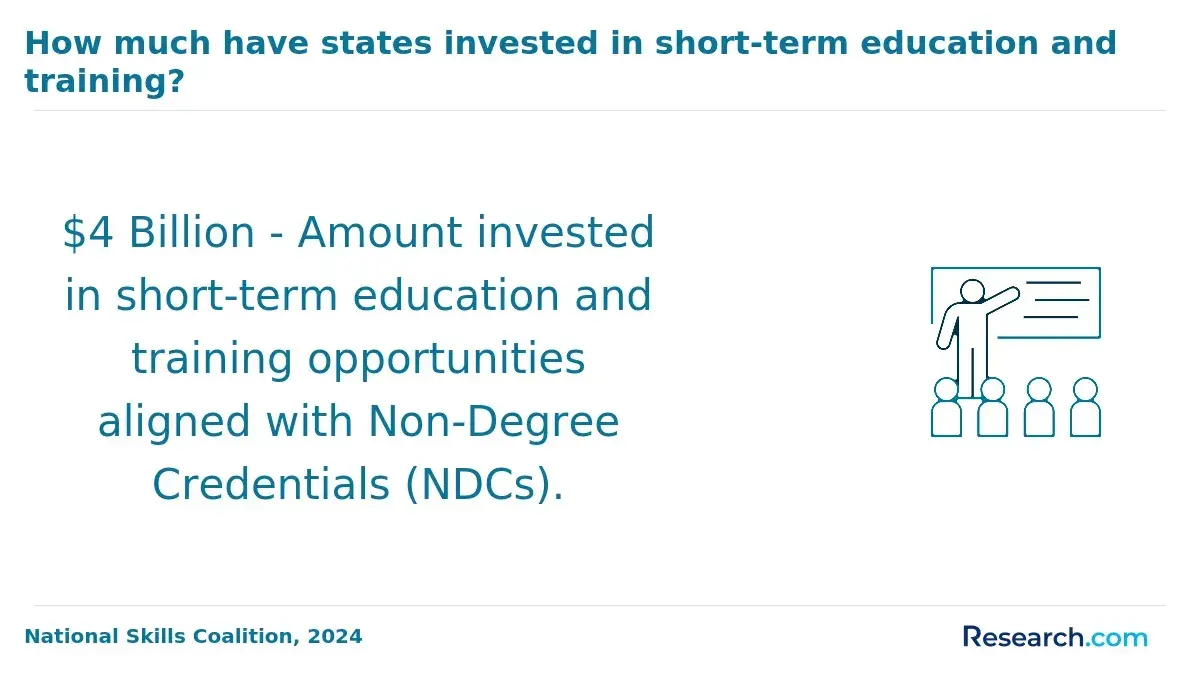
- Cost of Credential: Associate degrees usually require a lower upfront investment, with tuition averaging between $12,000 and $15,000 over two years. Certificates often come with the lowest price tag, sometimes costing less than $5,000, though this varies widely by program depth and provider. Bachelor's degree programs in medical studies tend to be more expensive, generally ranging from $40,000 to $60,000 in total tuition.
- Median Salary Outcomes: Data from the Bureau of Labor Statistics highlights a substantial wage gap tied to educational attainment. Those holding a bachelor's degree in healthcare-related fields earn approximately 20% to 30% more annually than associate degree holders. For example, medical and health services managers typically make over $100,000 per year, while medical assistants and technicians with associate degrees earn between $45,000 and $55,000. Entry-level jobs tied to certificates usually generate annual incomes of $30,000 to $40,000.
- Short-Term Versus Long-Term: Individuals needing a rapid entry into the workforce or with limited financial resources may benefit more from certificates or associate degrees to minimize debt and quickly start earning. Over a decade or longer, the higher initial cost of a bachelor's degree often leads to greater cumulative earnings, especially in supervisory or specialized roles that are generally unavailable to those with lower credentials.
- Career Advancement and Stability: A bachelor's degree typically unlocks opportunities for leadership, professional growth, and enhanced job security, benefits less accessible with certificates or associate degrees.
- Decision Framework: Choice depends on personal finances, time availability, and career aspirations. For immediate income needs and reduced debt risks, certificates or associate degrees can be more practical. For those able to invest more time and money, aiming for management or specialized healthcare positions, the bachelor's degree often delivers a stronger return on investment.
Which Online Medical Studies Specializations or Concentrations Yield the Highest Earning Potential After Graduation?
Specializing within an online medical studies bachelor's program can significantly influence salary outcomes, according to Bureau of Labor Statistics (BLS) data. Graduates focusing on certain tracks tend to earn more than their generalist counterparts, who typically start near a $60,000 median salary in related healthcare management roles.
- Health Informatics: This track combines healthcare expertise with IT skills, opening doors to roles like clinical informatics specialists. BLS data indicates a median salary around $100,000, substantially higher than general healthcare managers. However, pursuing certifications such as the Certified Health Informatics Systems Professional (CHISP) increases upfront costs but enhances career advancement and salary potential.
- Public Health Administration: Graduates managing healthcare programs or community health initiatives earn roughly $70,000 on average. Licensure is usually not required, though obtaining a master's degree may be advisable for long-term growth, balancing additional educational investment against future earnings.
- Medical Laboratory Science: Clinical lab roles offer median salaries near $55,000, with certified technologists earning up to $65,000. Certification, for example through the American Society for Clinical Pathology, involves extra study and expense but improves employability and wage prospects.
- Health Policy and Management: Professionals in this concentration typically make between $60,000 and $80,000. The field favors workplace experience and continuing education rather than formal licensure, often resulting in faster returns on educational investment.
Students mindful of tight budgets and career timelines should weigh certification costs, salary premiums, and time-to-return on investment carefully. Specializations with clear certification pathways tend to deliver higher salaries but demand more initial investment. Alternatives focusing on policy or public health administration might suit those prioritizing quicker entry into the workforce with competitive earnings.
How Do Employer Tuition Reimbursement and Financial Aid Reduce the Net Cost of an Online Medical Studies Bachelor's Degree?
Employer tuition reimbursement programs can substantially reduce the out-of-pocket expense for an online medical studies bachelor's degree. Under IRS Section 127, employers may offer up to $5,250 annually in tax-free tuition assistance to employees, allowing working students to lower their education costs without additional taxes.
According to the Society for Human Resource Management (SHRM), about 55% of U.S. employers provide some form of tuition assistance, making these benefits widespread among working adults pursuing degrees.
Alongside employer tuition reimbursement programs for online medical studies bachelor's degrees, federal and institutional financial aid further lessens the financial burden. Grants and scholarships provide non-repayable funds awarded based on need or merit.
Subsidized federal loans offer lower interest rates and deferred repayment options, reducing immediate costs. Combining these sources, students can dramatically lower the net tuition cost to just a fraction of the sticker price.
For instance, a working student paying $30,000 in tuition over four years could use employer reimbursement capped at $5,250 annually to receive $21,000 in tax-free aid. Adding $6,000 in federal grants and scholarships shrinks the remaining balance to $3,000, often manageable with subsidized loans. This strategic combination greatly eases debt and supports degree completion with less financial stress.
Prospective students should also explore various options when choosing CAHME accredited MHA programs to ensure their investment aligns with career goals and costs.
What Hidden Costs Should Students Factor Into the Total Investment of an Online Medical Studies Bachelor's Degree?
When budgeting for an online medical studies bachelor's degree, students often overlook several indirect costs that can significantly impact their total expenses. Verified data from institutional disclosures and the College Board show these hidden fees may add 10 to 20 percent on top of tuition, affecting the return on investment and extending the timeline to break even.
Common additional expenses include technology fees, proctoring charges, graduation fees, and course-specific software licenses, all of which contribute to the indirect costs of online medical studies degrees. These costs can create financial strain, especially for first-generation college students or working professionals managing tight budgets.
Students should always request a detailed cost-of-attendance breakdown, not just tuition estimates, to prepare realistically for the full financial commitment. Understanding these additional expenses also helps align expectations around career advancement benefits post-graduation.
Specific programs may also recommend joining professional organizations. While optional, memberships often cost between $50 and $150 annually and offer valuable networking and career resources that can improve long-term outcomes.
For those exploring continuing education, considering a post masters NP program could supplement their career pathway and investment in healthcare education.
How Does the Accreditation Status of an Online Medical Studies Program Affect Graduate Salary and Employability?
Regional accreditation evaluates the overall quality of an institution, while programmatic accreditation specifically assesses the medical studies curriculum to ensure it meets industry standards. Both types are essential for graduates aiming for recognition in the healthcare field.
Employer surveys from the National Association of Colleges and Employers (NACE) and the Society for Human Resource Management (SHRM) show a strong preference for candidates holding degrees from regionally and programmatically accredited programs. These preferences correlate with better salary offers and more favorable job prospects.
Graduates from non-accredited or solely nationally accredited programs often face significant obstacles. These include restricted eligibility for licensure exams, difficulties gaining admission to graduate schools, and limited access to certain government and healthcare jobs. Such barriers can hinder career growth and reduce earning potential.
Prospective students should always confirm a program's accreditation through trusted sources like the U.S. Department of Education's accreditation database and the Council for Higher Education Accreditation (CHEA) to protect their investment and career prospects.
What Entry-Level Job Titles and Salary Ranges Are Available to Graduates of Online Medical Studies Bachelor's Programs?
Entry-level roles for medical studies bachelor's graduates vary widely, influencing salary potential and how quickly educational costs are recovered. Common positions include:
- Medical and Health Services Coordinator: Found mostly in healthcare administration within hospitals or private clinics, starting salaries range from $45,000 to $55,000.
- Clinical Research Assistant: Employed by pharmaceutical firms or government health agencies, salaries typically begin between $40,000 and $53,000, with higher pay possible through certifications or clinical trial experience.
- Health Informatics Specialist: Combining healthcare and IT, these specialists earn $50,000 to $60,000 initially, often within health technology companies or large healthcare providers.
- Public Health Educator: Working for non-profits, government, or educational institutions, entry wages range from $42,000 to $52,000, especially when focused on community health or epidemiology.
- Medical Sales Representative: In pharmaceutical or device sectors, base pay is around $45,000 to $58,000, with commissions enhancing total income.
- Health Policy Analyst: Usually at government or research organizations, starting salaries hover near $50,000, with specialized knowledge or internships enabling higher offers.
- Medical Laboratory Technician: Clinical labs and hospitals offer starting pay between $40,000 and $52,000, which can increase through certifications such as ASCP.
- Healthcare Customer Service Specialist: Insurance companies and healthcare providers pay $38,000 to $48,000 to begin, with growth possible via experience.
Internships and credentials like Certified Clinical Research Professional (CCRP) or Registered Health Information Technician (RHIT) often elevate entry salaries. Concentrating in specialized areas, such as informatics or policy analysis, can accelerate progression. Considering these roles and salary ranges helps medical studies students visualize diverse career entry points and estimate the return on investment for their degree.
What Graduates Say About the Return on Investment of Their Online Medical Studies Bachelor's Degree
- Louie: "Choosing an online medical studies bachelor's degree was a strategic decision for me after carefully analyzing the ROI compared to traditional programs. The cost savings on commuting and housing combined with the flexibility allowed me to work while studying, which maximized my investment. Beyond finance, the program opened doors for career advancement that I hadn't anticipated, giving me a significant edge in the competitive healthcare sector."
- Zamir: "The non-financial returns of my online medical studies degree have been profound-job security and professional growth have truly outweighed the price of tuition. I particularly value how the program's flexibility accommodated my personal life while still pushing me to develop skills applicable in real-world healthcare environments. This balance has transformed my career trajectory in ways I didn't foresee when I first enrolled."
- Matthew: "From a professional standpoint, the impact of pursuing an online medical studies bachelor's degree has been transformative. Having been able to immediately leverage the knowledge gained into better roles and responsibilities confirmed the value of the degree. The program's reputation, coupled with the practical expertise it provided, translated into tangible ROI through both salary increases and greater job stability."
Other Things You Should Know About Medical Studies Degrees
Geographic location significantly influences salary in medical studies-related fields, with urban areas and regions with a higher cost of living offering larger salaries. Industry sectors such as pharmaceutical companies and specialized healthcare providers often pay more than general healthcare settings or public health roles. Graduates working in states with strong healthcare industries typically see higher returns compared to those in rural or economically struggling areas.
Recent employer surveys show that a bachelor's degree in medical studies is increasingly valued for roles requiring specialized knowledge in healthcare systems and patient care management. Labor market data supports this by showing steady demand growth for medical and health services managers, a common career path for graduates. Employers cite critical thinking, data analysis, and medical ethics as key skills gained from these programs that improve job readiness.
Beyond salary gains, non-financial returns include greater job security in the healthcare field and expanded opportunities for leadership roles. Graduates often experience personal satisfaction from contributing to patient care and public health. Additionally, gaining professional development skills and networking access enhances career mobility and long-term fulfillment, increasing the degree's overall return on investment.
References
- Which Healthcare Certifications Pay the Most? A Guide to Higher-Earning Medical Jobs Through Certification https://www.pennfoster.edu/blog/10-medical-certifications-that-pay-well
- Top 5 Medical Careers Based on Education, Cost, and Salary - ELFI https://www.elfi.com/top-5-medical-careers-based-on-education-cost-and-salary/
- Uncovered: the Hidden Costs of University https://sites.exeter.ac.uk/students/2024/02/28/uncovered-the-hidden-costs-of-university/
- 8 High-Paying Jobs with Health Sciences BS | University of Bridgeport https://www.bridgeport.edu/news/high-paying-health-science-jobs/
- Graduate degrees pay—but it’s complicated | Brookings https://www.brookings.edu/articles/graduate-degrees-pay-but-its-complicated/
- Certificates vs. Diplomas vs. Degrees in Healthcare: An Online Guide for Students https://www.edumed.org/articles/certificate-vs-diploma-vs-degree/
- Career earnings by college major - The Hamilton Project https://www.hamiltonproject.org/data/career-earnings-by-college-major/
- Do Employers Care About College Accreditation? https://www.accreditedschoolsonline.org/accreditation/do-employers-care/