2027 Questions to Ask About Online Women's Health Nurse Practitioner Degree Programs Before You Enroll

Co-Founder and Chief Data Scientist
Choosing the right online women's health nurse practitioner degree program is crucial amid a projected 26% growth in nurse practitioner employment by 2031. Many prospective students struggle to evaluate program quality, licensure support, and career outcomes before committing, risking wasted time and finances.
With the number of women's health nurse practitioners growing to meet increasing healthcare demands, selecting a program aligned with professional standards is essential.
This article outlines critical questions to ask about program credentials, clinical placements, graduation rates, and costs, helping students make informed decisions and avoid common pitfalls in their educational journey.
Key Benefits of Enrolling in Online Women's Health Nurse Practitioner Degree Programs
- Online programs offer flexible scheduling, allowing students to balance coursework with clinical hours and personal commitments, accommodating working professionals effectively.
- Cost savings arise from reduced commuting and housing expenses, with many programs offering competitive tuition compared to on-campus alternatives.
- Work-life balance improves as students control their study pace, which is crucial since 70% of enrolled nurse practitioner students juggle family and job responsibilities.
Is the Online Women's Health Nurse Practitioner Degree Program Accredited?
Accreditation is a crucial factor when choosing an online women's health nurse practitioner program because it directly impacts degree recognition, licensure eligibility, and career opportunities.
Programs lacking proper accreditation may issue degrees that employers, state nursing boards, and certification bodies do not recognize, potentially hindering your ability to obtain licensure and secure advanced practice roles.
According to the National Council of State Boards of Nursing, about 90% of new graduate nurse practitioners earn licensure through accredited programs, underscoring the importance of selecting accredited online women's health nurse practitioner degrees.
Key accrediting bodies include the Commission on Collegiate Nursing Education (CCNE) and the Accreditation Commission for Education in Nursing (ACEN), both of which ensure that programs meet rigorous academic and clinical standards tailored to women's health nurse practitioner tracks.
Prospective students should carefully verify accreditation status by checking official websites of CCNE or ACEN and confirming state board approval where they plan to practice. Transparency about accreditation is also a hallmark of reputable programs in their admissions materials.
Prioritizing accreditation can lead to smoother licensure processes and greater respect from employers. For students interested in related healthcare fields, it may also be worthwhile to compare costs and options such as a pharmacist degree.
Ensuring accreditation is a key step in finding quality programs that properly prepare you for women's health nursing roles in an increasingly competitive job market.
What Are the Admission Requirements for Online Women's Health Nurse Practitioner Programs?
Prospective students evaluating online women's health nurse practitioner admission criteria benefit from knowing the specific requirements that programs set to ensure readiness and success. Clarity about these prerequisites aids in assessing eligibility and preparing a strong application.
The essential factors typically include the following:
- Registered Nurse (RN) License: Applicants must have an active RN license, affirming their clinical qualifications and legal ability to practice nursing. This credential is fundamental to advance in specialty training.
- Bachelor of Science in Nursing (BSN): Most programs require a BSN degree, which provides foundational scientific knowledge and clinical skills necessary for graduate studies. This degree supports the rigorous curriculum encountered in women's health nurse practitioner programs online.
- Clinical Experience: A minimum of one to two years of nursing practice is often required to demonstrate hands-on proficiency and patient care competence. This experience ensures candidates can apply theoretical knowledge effectively.
- Graduate Record Examination (GRE) or Equivalent: Some programs request GRE scores or comparable assessments to evaluate academic readiness, although this is less common in online formats, reflecting increased accessibility.
- Personal Statement and Letters of Recommendation: These documents communicate the applicant's dedication to women's health, professional character, and preparedness for advanced practice nursing roles.
Meeting these requirements ensures candidates are well-equipped for the demands of specialized training and eventual licensure. For those comparing options, reviewing the requirements for enrolling in women's health nurse practitioner programs online can clarify eligibility and guide application focus.
Students may also explore the easiest online dnp programs as part of their broader educational planning process.
What Classes Do You Take in an Online Women's Health Nurse Practitioner Program?
Careful examination of course offerings helps ensure an online women's health nurse practitioner program fits your professional goals and licensing demands.
Enrollment in nurse practitioner tracks, including women's health specialties, has surged more than 40% over the last ten years, highlighting the need for robust and relevant curricula.
Below are the common categories of classes students typically encounter in these programs.
- Core courses: These classes concentrate on advanced nursing principles and clinical management of women's health issues. They develop critical skills in diagnosing and treating reproductive and gynecological conditions, along with primary care tailored to female patients.
- Electives: Elective classes offer the chance to dive into specialized subjects like prenatal care, menopause, or sexual health, enabling students to customize their education based on interest or local healthcare priorities.
- Theoretical foundations: This category strengthens understanding of evidence-based practices, healthcare policy, and ethical considerations that shape women's health care delivery. These classes enhance clinical decision-making and professional judgment necessary for patient advocacy.
When I spoke with a student currently pursuing an online women's health nurse practitioner degree, he described how balancing coursework posed a real challenge but ultimately helped deepen his understanding.
He mentioned, "Some courses pushed me to think critically about complex patient scenarios, especially when navigating ambiguous symptoms."
The structured yet flexible format allowed him to revisit challenging concepts through recorded lectures and gain confidence over time. He found that tackling diverse topics in this program not only boosted his clinical knowledge but also prepared him for unpredictable real-world cases.
Knowing the duration of an online women's health nurse practitioner program is essential for students organizing their academic journey and future career plans. This information helps in managing finances, work-life balance, and setting realistic goals.
Below are typical timelines and factors influencing the completion of these programs:
- Full-time Programs: Usually last between 2 and 3 years, following a structured curriculum with required clinical hours. These programs maintain a steady pace, ideal for students who can dedicate significant time to their studies.
- Part-time Options: Designed for working professionals or those with other obligations, these extend the timeline to about 3 to 4 years. Flexibility in course load allows students to balance education with personal and work commitments.
- Accelerated Programs: Aim to finish within 18 to 24 months by increasing course intensity. Such options demand strong time-management skills and a significant dedication to coursework and clinical requirements.
- Clinical and Practical Components: Internships and clinical rotations are mandatory and can affect overall completion time, depending on availability and scheduling constraints. Efficient management of these practical hours is crucial for timely graduation.
Online women's health nurse practitioner programs almost always include internships or practicum requirements that are critical to professional development.
These clinical experiences typically involve students completing between 500 and 1,000 supervised hours in approved healthcare settings near their homes, enabling them to apply theoretical knowledge in real-world environments.
This hands-on training is essential for building practical skills, meeting state licensing criteria, and qualifying for national certification. Over 90% of nurse practitioner programs identify experiential learning as a non-negotiable component for graduation and licensure readiness.
Prospective students should carefully consider these clinical obligations, as they may impact scheduling, travel, and related expenses, influencing the overall feasibility of completing an online program.
When I spoke with a graduate of an online women's health nurse practitioner program, she described the clinical practicum as both challenging and rewarding.
"Finding placement took a lot of effort; I had to reach out to multiple clinics before securing a site willing to supervise me," she shared. Balancing work, study, and hands-on hours required careful time management, but the experience ultimately strengthened her confidence and clinical judgment.
She emphasized that having clear communication with program advisors and local preceptors was vital in navigating the practicum successfully. In her words, "Completing the internship was the turning point that made all the online coursework feel truly applicable to patient care."
Graduates of accredited online women's health nurse practitioner degree programs can obtain professional licensure if they meet specific requirements set by their state nursing board.
Typically, candidates must hold a valid registered nurse (RN) license, complete a master's or doctoral degree from an accredited program, and pass a national certification exam related to women's health.
Online programs commonly design their curriculum to fulfill these licensing requirements by including clinical practicum experiences that are supervised locally to meet hands-on training standards.
Many programs partner with healthcare facilities to accommodate students' need for practical hours, which are mandatory for licensure.
When choosing a program, prospective students should verify accreditation by bodies such as the Accreditation Commission for Education in Nursing (ACEN) or the Commission on Collegiate Nursing Education (CCNE), as this directly impacts licensure eligibility.
This focus on licensing requirements for online women's health nurse practitioners ensures graduates are prepared for certification and state approval.
Licensure is a crucial consideration because it governs the legal ability to practice and affects employment opportunities significantly.
According to the American Association of Nurse Practitioners, approximately 94% of certified nurse practitioners secure licensure and employment within a year of graduation, highlighting the high demand for professionals in this field.
When comparing programs, it is important to confirm that the curriculum aligns with your state's licensure board policies to enable a smooth transition to the workforce.
Students interested in identifying the easiest pathways for admission might explore easiest nursing programs to get into, which sometimes offer flexibility without compromising program quality.
Understanding how to get certified as a women's health nurse practitioner online can streamline your career planning and enhance your professional outcomes.
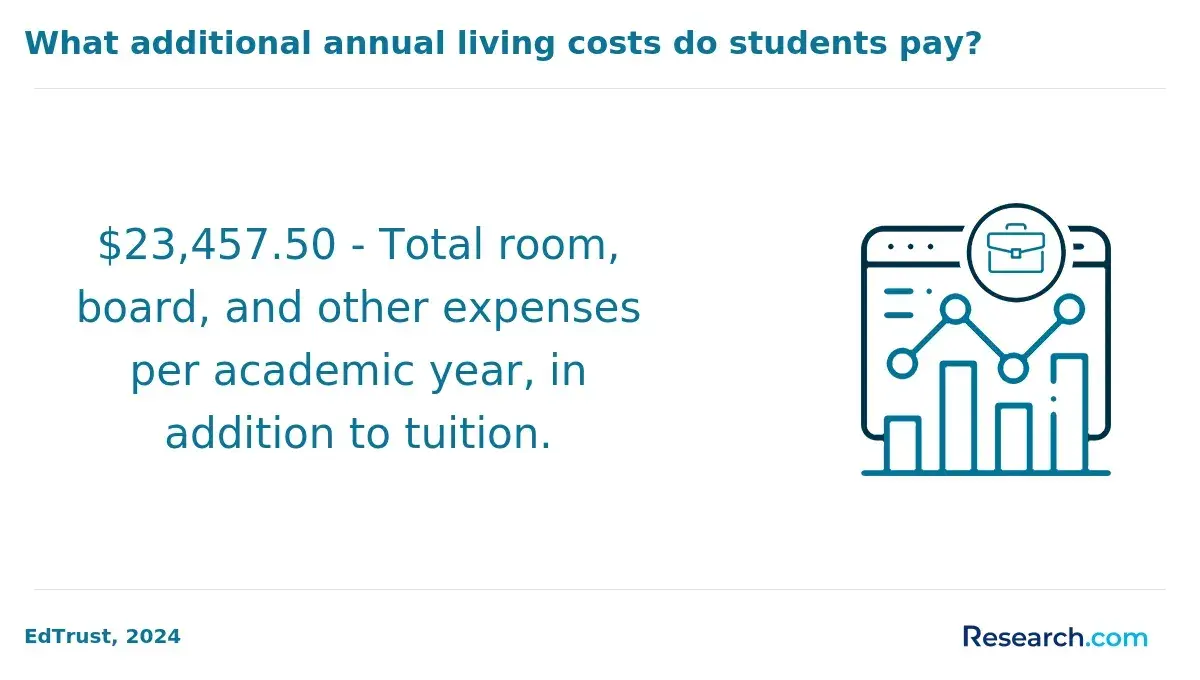
Estimating costs accurately is essential for prospective students evaluating online programs in women's health nurse practitioner specialties.
Program expenses can greatly affect both immediate budgeting and long-term financial commitments. For instance, tuition fees have been rising steadily, with an average increase of about 3% annually across these programs.
Typical costs associated with online women's health nurse practitioner programs include:
- Tuition per credit: This is often the largest expense, typically ranging from $400 to $900 per credit hour. Variations depend on the institution's reputation, geographic location, and whether the program is offered fully online or in a hybrid format.
- Mandatory fees: Programs usually charge additional fees such as technology, lab, and administrative fees. These cover access to online learning platforms, digital resources, and clinical placement coordination, and can differ widely between schools.
- Materials and supplies: Costs for textbooks, specialized clinical simulation equipment, and other learning materials are additional. These expenses vary based on program requirements and whether materials are included in course fees or purchased separately.
- Clinical practicum expenses: Some programs charge practicum fees or require students to arrange their own clinical placements, which may involve travel, supervision, or liability insurance costs. These factors can significantly impact the total financial commitment.
Students seeking an affordable online women's health nurse practitioner degree tuition may benefit from comparing programs carefully, including total costs beyond just tuition. Insights into the online nursing programs landscape can also help identify more cost-effective options.
Understanding financial aid options is vital for prospective students considering online women's health nurse practitioner programs because it can substantially lower the overall cost and make advanced training more attainable.
Recent trends show that approximately 85% of graduate nursing students utilize some form of financial aid, underscoring the necessity of exploring these opportunities early.
Key types of financial aid available to online women's health nurse practitioner students include:
- Federal student loans: These loans generally have lower interest rates and provide flexible repayment plans, with eligibility determined by the Free Application for Federal Student Aid (FAFSA). They can significantly ease upfront financial burdens while pursuing education.
- Grants and scholarships: Often based on merit or financial need, these funds do not require repayment and may originate from government programs, nursing associations, or private organizations. Many students specifically seek scholarships and grants for women's health nurse practitioner students online to offset tuition fees.
- Institutional aid: Some institutions offer scholarships or tuition discounts specifically targeted at their online nursing cohorts, though eligibility criteria vary by school policies and program requirements.
- Employer tuition assistance: Registered nurses working in healthcare settings may qualify for employer-sponsored tuition reimbursement programs that cover part or all of their tuition, reducing out-of-pocket expenses.
Exploring these options early enables students to budget effectively and avoid excessive debt, paving a clearer path toward career growth in women's health nursing.
Prospective students interested in broader affordable options might research cheap rn to bsn online programs as part of their planning process.
Knowing the career opportunities available with an online women's health nurse practitioner degree is essential for prospective students to make informed decisions.
The Bureau of Labor Statistics projects a 46% growth in nurse practitioner jobs overall from 2021 to 2031, reflecting strong demand in healthcare.
Below is an overview of common roles graduates typically pursue.
- Primary Care Provider: Women's health nurse practitioners often deliver comprehensive primary care focused on reproductive health, wellness exams, and chronic condition management. This role allows for direct patient interaction and opportunities to specialize further.
- Obstetrics and Gynecology Support: Graduates may support OB/GYN practices by managing prenatal care, providing family planning counseling, and assisting with minor procedures, enhancing care collaboration and clinical expertise.
- Health Educator and Advocate: Some practitioners focus on community outreach and patient education regarding women's health issues, using their degree to impact public health and promote preventive care.
- Clinical Research Coordinator: With foundational knowledge from their programs, graduates can participate in or lead clinical studies related to women's health, contributing to evidence-based practice improvements.
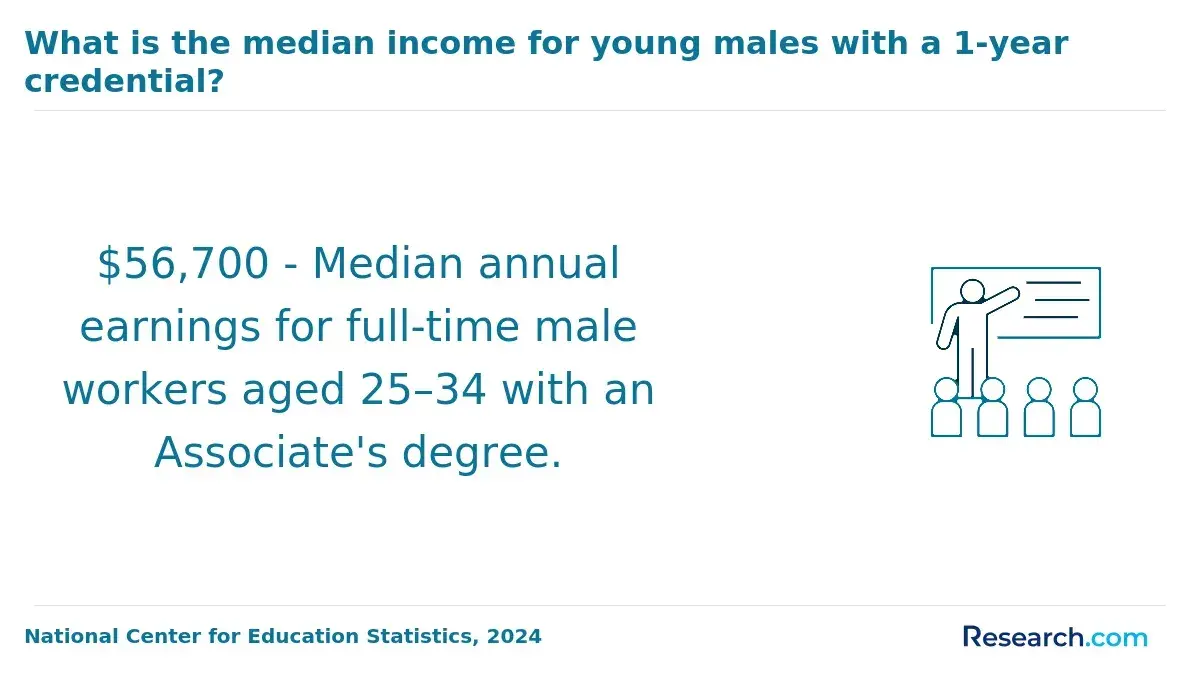
Knowing what salary to anticipate helps prospective students make informed decisions about online programs by weighing potential earnings against tuition costs and career goals.
Salaries for women's health nurse practitioner graduates commonly range from $90,000 to $115,000 annually, with demand expected to grow more than 40% in the coming decade, driving wage increases.
Several factors can significantly impact earning potential in this field:
- Level of education: Graduates holding a Doctor of Nursing Practice (DNP) often earn more than those with only a master's degree, as the higher credential can open doors to leadership roles and advanced clinical positions.
- Specialization: Pursuing additional certifications or focusing on niche areas within women's health can enhance salary prospects by qualifying practitioners for more specialized, high-demand services.
- Experience: Clinical experience plays a vital role in compensation, with more years of practice generally leading to higher pay and expanded responsibilities.
- Geographic location: Earnings can differ widely depending on the state or metropolitan area, reflecting variations in cost of living, regional demand for healthcare providers, and local healthcare funding.
- Work setting: Employment environments such as hospitals, private practices, outpatient clinics, or specialty centers influence salary levels, with larger institutions frequently offering better pay or benefits compared to smaller facilities.
What Graduates Say About Enrolling in an Online Women's Health Nurse Practitioner Degree
- Taylor: "Enrolling in the affordable online women's health nurse practitioner degree program was a game-changer for me. The cost was manageable compared to on-campus options, and the flexible online format allowed me to balance work and study seamlessly. Since graduating, I've seen a significant boost in my clinical confidence and career opportunities. "
- Cruz: "The decision to pursue the online women's health nurse practitioner degree wasn't taken lightly, especially considering the financial investment involved, which was reasonable for the comprehensive education provided. The online classes were engaging and well-structured, giving me the convenience I needed without compromising learning quality. This program truly enhanced my ability to deliver specialized care and opened doors for advanced roles. "
- Luka: "From a professional standpoint, the online women's health nurse practitioner degree offered excellent value given the cost, which was transparent and fair. The coursework was rigorous yet adaptable to my schedule, making it a practical choice for advancing my credentials. Completing this program has elevated my practice and allowed me to better serve my patients with specialized knowledge. "
Other Things You Should Know About Women's Health Nurse Practitioner Degrees
Most Women’s Health Nurse Practitioner programs require at least 500 supervised clinical hours, and some require 600 or more. Ask whether those hours must be completed in women’s health, across the lifespan, and whether the program guarantees preceptors or expects you to arrange placements yourself.
Students must have access to reliable internet and a computer capable of running the program's learning management systems and software. Some programs may require additional tools for simulations or telehealth training.
It is important to review technical standards before enrollment to ensure smooth participation in all virtual and hybrid learning components.
Many programs offer flexible scheduling with asynchronous lectures, allowing students to balance work and study. However, clinical hours must still be completed during typical healthcare facility hours, which may require some scheduling accommodations.
Prospective students should consider how program timelines align with their personal and professional responsibilities.
Online Women's Health Nurse Practitioner programs ensure quality clinical training by partnering with local healthcare facilities for clinical placements. This allows students to gain hands-on experience under the supervision of experienced professionals. Some programs also offer virtual simulations and skills labs to complement practical learning, maintaining high educational standards in 2027.
- 11 Highest Paid Nurse Practitioner (NP) Specialties https://nurse.org/articles/highest-paying-np-specialties/
- Online WHNP Program | MSN Women's Health Nurse Practitioner | Carlow https://online.carlow.edu/programs/msn-womens-health-nurse-practitioner/
- Women' s Health Nurse Practitioner Certificate https://www.online.drexel.edu/online-degrees/nursing-degrees/cert-pm-whnp/index.aspx
- 2026 Best Online Women's Health Nurse Practitioner Programs | NursePractitionerOnline.com https://www.nursepractitioneronline.com/programs/whnp/
- Women’s Health Nurse Practitioner Program - Nursing - Georgetown https://nursing.georgetown.edu/degree-programs/masters/whnp-online/
- Women's Health Nurse Practitioner (NP) Programs - Nurse Practitioner Degrees https://npdegrees.org/degrees/np-masters-degrees/womens-health-np-programs/
- Women's Health Nurse Practitioner Programs https://www.herzing.edu/nursing/whnp-programs
- Online Women's Health Nurse Practitioner (WHNP) Programs https://nursinglicensemap.com/nursing-degrees/online-nurse-practitioner-programs/whnp/
- Women’s Health Nurse Practitioner (WHNP) | TWU https://twu.edu/nursing/master-of-science-in-nursing-msn/womens-health-nurse-practitioner-whnp/
- Top Online WHNP Programs 2026: Comprehensive Rankings https://www.npschools.com/rankings/all-online-whnp-programs