2027 Questions to Ask About Online Physical Education Degree Programs Before You Enroll

Co-Founder and Chief Data Scientist
Choosing an online physical education degree can be overwhelming without clear insights into program quality and career outcomes. Nearly 40% of physical education graduates report challenges securing licensure or relevant employment within a year of graduation. This statistic highlights the risks of enrolling in programs lacking proper accreditation or practical training. Students need to understand how each program aligns with state requirements and workforce demands.
This article outlines essential questions to ask when evaluating online physical education degrees. It provides practical guidance on assessing licensure preparation, curriculum rigor, and career support to make informed enrollment decisions.
Key Benefits of Enrolling in Online Physical Education Degree Programs
- Online physical education programs offer significant flexibility, allowing students to access coursework anytime, accommodating diverse schedules and reducing commute times by up to 50% compared to traditional programs.
- Cost savings are notable, as online formats often eliminate expenses for housing, transportation, and campus fees, lowering overall degree costs by an average of 20-30%.
- Balancing work, study, and personal life improves with online learning, supporting higher retention rates in physical education degrees among working adults and parents.
Is the Online Physical Education Degree Program Accredited?
Accreditation is essential for online physical education degree programs because it guarantees that the institution meets established quality standards, which influences degree recognition, licensure eligibility, and career outcomes. Graduating from an accredited program is often required for state licensure, a critical step for those pursuing a career as licensed physical education teachers. According to the National Center for Education Statistics, over 70% of online degree-seeking students enroll in accredited institutions, underscoring the value of accreditation for ensuring a credible qualification. For those interested in physical education degree program accreditation, look for validation from bodies such as the Council for the Accreditation of Educator Preparation (CAEP) and regional accreditors like the Southern Association of Colleges and Schools.
Prospective students should carefully verify a program's accreditation status by consulting the U.S. Department of Education's database of accredited institutions and programs, confirming both institutional and programmatic accreditation. This step protects against future credit transfer issues and employment or licensure barriers. Students comparing options might also benefit from reviewing other relevant fields, such as online speech pathology programs, which often adhere to similar accreditation rigor. Choosing only from accredited online physical education degrees safeguards your educational investment and helps ensure your diploma holds value in the job market.
What Are the Admission Requirements for Online Physical Education Programs?
Knowing admission requirements is essential for prospective students evaluating online physical education programs to ensure they qualify and are prepared for the coursework. These criteria often reflect both academic readiness and practical considerations crucial for success in the field.
Below are common admission requirements to help understand how to qualify for online physical education programs:
- High school diploma or equivalent: This foundational requirement verifies that applicants have completed basic education, demonstrating readiness for college-level studies and the physical education curriculum.
- Minimum GPA: Many programs require a GPA threshold to confirm consistent academic performance. This helps ensure candidates can handle the program's rigor and demands.
- Standardized test scores: Some programs may request ACT or SAT scores, either optionally or as a requirement, to further assess academic capability and preparedness.
- Letters of recommendation: Recommendations from educators or employers provide insights into the applicant's character, work ethic, and potential for success in physical education and related careers.
- Personal statement or essay: This allows candidates to express their motivation, goals, and commitment to the discipline, giving admissions committees a better understanding of the applicant's fit and dedication.
- Background check: Necessary for programs involving practicum placements in schools or community settings, this ensures safety and trustworthiness in professional environments.
Meeting these requirements is key for students pursuing online physical education degrees who want to strengthen their career outcomes and licensure readiness. Those interested in broader educational options might also explore accredited online counseling programs as complementary pathways.
What Classes Do You Take in an Online Physical Education Program?
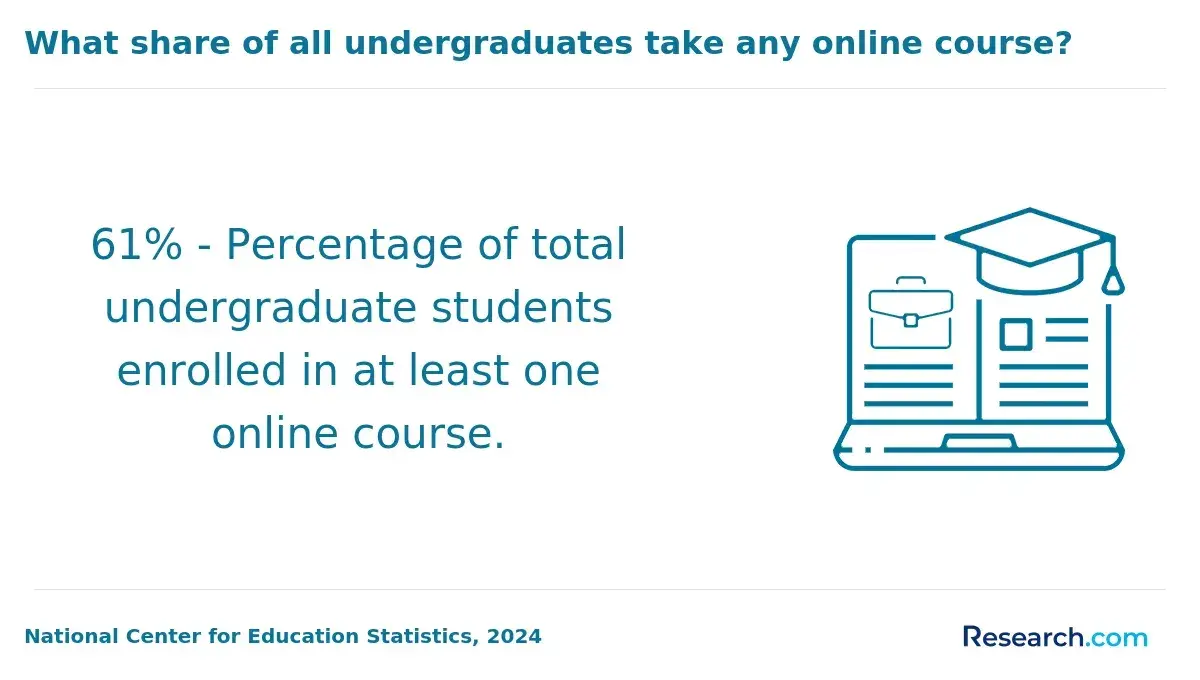
Choosing the right online physical education program requires a clear grasp of its curriculum, as this directly impacts your skillset, job prospects, and ability to obtain licensure. Nearly 40% of physical education degrees now incorporate extensive online coursework, highlighting the shift toward more accessible study options. Below is an overview of the common types of classes you can expect in these programs.
- Core courses: These classes cover essential topics such as human anatomy, kinesiology, exercise physiology, and motor learning. They lay the groundwork for understanding how the body moves and responds to physical activity, which is crucial for careers in teaching and coaching.
- Electives: Elective options allow you to delve into areas like sports psychology, nutrition, adaptive physical education, or health promotion. These choices enable you to customize your education to match your professional interests and future goals.
When I spoke with a student currently enrolled in an online physical education degree, he described how navigating the variety of available courses initially felt overwhelming but ultimately rewarding. He shared, "I wasn't sure how the electives would fit into my career path, but after discussing options with my advisor, I found classes that really sparked my passion and complemented my core studies." He also emphasized the challenge of balancing coursework with his personal schedule, noting that the program's flexible structure helped him stay on track while managing other responsibilities.
Breakdown of Private Fully Online Nonprofit Schools

Knowing the duration of an online physical education degree helps students effectively coordinate their academic schedules, career goals, and financial planning. The length varies widely based on enrollment type, program design, and mandatory practical experiences.
Here are typical timelines and key considerations for completing an online physical education degree:
- Full-time study: Usually completed in about four years, full-time students follow a traditional academic pace. This option suits those able to dedicate most of their time to coursework and progress steadily toward graduation.
- Part-time study: This path often extends to five or six years or longer, allowing students to balance school with work or personal obligations. Longer timelines should be factored into career and financial planning.
- Accelerated programs: Designed for faster completion, these programs can take three years or less by increasing course loads or offering continuous enrollment throughout the year. They demand significant commitment and time management skills.
- Programs with internships or clinical hours: Additional hands-on requirements may add weeks or months to the timeline. Practical placements are essential for licensure preparation but can vary depending on availability and program structure.
Most online physical education programs include internships or practicum components to complement theoretical learning with practical experience. These placements are often arranged at nearby schools, community centers, or sports organizations, allowing students to engage directly with diverse groups and refine instructional skills. Such hands-on training is vital not only for developing teaching confidence but also because many states require supervised fieldwork for teaching certification. Additionally, these experiences often open doors to professional networks and job opportunities. According to a 2023 survey by the National Association for Sport and Physical Education, over 85% of accredited programs mandate some form of practicum or internship.
One graduate of an online physical education degree shared her experience when asked about internships. She recalled feeling initially uncertain about coordinating her placement while managing coursework remotely but found that local supervisors were supportive and flexible. "It was challenging to balance my schedule," she explained, "but working directly with students and coaches made all the theoretical lessons meaningful." The practical component helped her build real-world skills and confidence that felt intangible during online classes alone. Reflecting on the journey, she described the internship as a pivotal step that bridged her academic knowledge with the professional environment, reinforcing that online programs require careful planning but ultimately prepare students well for their careers.
Graduates of online physical education degree programs can obtain professional licensure, but meeting state-specific requirements is essential. Most states require candidates to hold a bachelor's degree from an accredited program, complete specified coursework, and pass licensure exams.
Many online programs are designed to fulfill these criteria by offering state-approved curricula and access to required fieldwork or student teaching experiences. Licensure preparation in online programs typically includes courses aligned with state standards, supervised in-person practical experiences, and exam preparation resources tailored for certification tests.
Prospective students interested in how to get teaching license with online PE degree should ensure the program meets their state's regulations for licensure eligibility.
Licensure is a critical factor for students evaluating online physical education degree licensure requirements because it directly affects employability in K-12 schools and other educational settings. Around 85% of physical education teachers nationwide hold teaching licenses, which are often mandatory for public school employment. Choosing an approved program can prevent delays and extra costs during certification.
Prospective students may compare online options with other educational investments, such as an executive mba, to make informed decisions about career outcomes and program quality.
Evaluating costs is a critical step for prospective students comparing online physical education programs to ensure their financial plans align with educational goals. Program expenses can differ significantly, affecting overall affordability and eligibility for financial aid options. On average, tuition for online physical education degree tuition costs ranges from $300 to $700 per credit hour, but these figures fluctuate based on institution type and program prestige.
Key cost components to consider include the following:
- Tuition: This is typically charged per credit hour and usually covers instruction and access to course materials. Public institutions often offer lower rates compared to private ones, but program reputation and specialization can influence pricing.
- Technology Fees: These fees support online learning platforms, virtual classrooms, and technical support services. Their amount varies and can add several hundred dollars to the total program cost.
- Lab and Equipment Fees: Some programs require physical education resources or specialized equipment usage, which necessitates additional charges. These fees ensure students have access to necessary materials for hands-on learning, even remotely.
- Administrative Fees: Covering enrollment processing, student services, and other institutional costs, these can fluctuate between schools and may be billed per semester or annually.
- Materials Fees: Materials fees may include textbooks, software, or other required resources specific to physical education courses. Online formats may also require subscriptions or licenses that contribute to these costs.
When combining all expenses, the average total cost for earning a bachelor's degree in physical education typically ranges from $20,000 to $40,000. Students seeking affordable online physical education programs should carefully compare full program expenses, not just tuition rates. Financial aid, scholarships, grants, and installment plans differ by institution, so inquiring about these options is essential. Considering cost alongside program quality and career outcomes will help students make well-informed decisions aligned with their goals.
For those interested in future career earnings, it is helpful to research degrees that make the most money to better understand the long-term return on investment associated with various academic paths.
Understanding financial aid options is essential for prospective students considering online physical education programs because it directly influences affordability and can reduce reliance on loans. Approximately 85% of college students use some form of financial aid, underlining its vital role in educational access and success.
Several financial aid opportunities can help online physical education students manage costs and obtain their degrees more economically. Exploring these options early gives students a clearer financial path and helps them focus on their studies.
- Federal Grants: These need-based awards, like the Pell Grant, do not require repayment. Eligibility is generally based on financial need as determined through the FAFSA application, making them a valuable resource for lowering tuition expenses.
- Scholarships: Scholarships for online physical education degrees are often merit- or need-based and can come from professional organizations, schools, or other entities. Maintaining a specified GPA or participating in related extracurriculars may be required to retain these awards.
- Federal Student Loans: While these loans must be repaid with interest, they typically offer lower interest rates and flexible repayment schedules compared to private loans. Eligibility depends on FAFSA completion and credit assessments.
- State Aid Programs: Many states provide grants or scholarships targeted at residents pursuing education or health-related degrees, including physical education. These programs can significantly reduce overall costs for qualifying students.
- Work-Study Opportunities: Part-time jobs connected to education fields are sometimes available through work-study programs, allowing students to earn money to help cover tuition and living expenses while gaining relevant experience.
Students researching financial aid options for online physical education students should also consider how these supports align with career goals and licensure requirements. For those exploring related paths, comparing financial packages alongside program quality is critical. In addition, prospective learners might explore associates degrees as a potential cost-effective start to their educational journey.
Evaluating career options is essential for students considering online physical education programs to ensure their investment aligns with job prospects. The Bureau of Labor Statistics projects a 7% growth in fitness training and instruction jobs through 2031, reflecting rising demand in health and wellness sectors. Below is an overview of typical careers available to graduates.
- Physical Education Teacher: Graduates often become certified teachers in K-12 schools, developing and implementing fitness curricula to promote student health. This role can lead to leadership positions such as department head or athletic coordinator.
- Fitness Trainer or Instructor: This path involves designing personalized exercise programs for individuals or groups in gyms, community centers, or private practice. The degree provides foundational knowledge of anatomy and exercise science essential for client safety and progress.
- Recreational Therapist: Combining physical activity with therapeutic methods, recreational therapists help clients improve physical and emotional well-being. A physical education degree supports understanding of motor skills and adaptive techniques for diverse populations.
- Health and Wellness Coach: Professionals guide clients toward lifestyle changes to enhance overall health, often collaborating with medical staff. This career benefits from strong communication skills and knowledge of health education covered in physical education programs.
Evaluating salary potential is crucial for prospective students considering online physical education programs, as it influences financial planning and career satisfaction. Recent data indicates that median annual wages for physical education teachers typically fall between $50,000 and $60,000, with projected growth of around 5% over the next ten years.
Several elements contribute to the earnings of online physical education graduates:
- Level of education: Higher qualifications such as master's degrees or doctorates often result in increased salaries, reflecting deeper knowledge and advanced skill sets.
- Specialization: Graduates concentrating on niches like sports management, adapted physical education, or kinesiology tend to access better-paying roles that demand specific expertise.
- Experience: Accumulated years in teaching, coaching, or related activities typically correlate with salary improvements and career advancement opportunities.
- Geographic location: Compensation varies nationwide, with urban centers or regions with higher living expenses generally offering more competitive pay.
- Work setting: Employment environments such as private institutions, universities, or specialized athletic centers often provide different salary scales compared to public schools.
What Graduates Say About Enrolling in an Online Physical Education Degree
- Nina: "I was initially worried about the cost of pursuing a physical education degree online, but the affordable tuition made it a clear choice for me. The flexibility of the program allowed me to balance work and study efficiently, and the practical assignments helped me apply what I learned directly to my coaching career. Since graduating, I've seen a significant boost in my professional confidence and opportunities."
- Jeric: "Reflecting on my experience, enrolling in the online physical education program was one of the best decisions I made. The cost was reasonable compared to traditional colleges, which made it accessible for me. The interactive coursework and support from instructors really enriched my learning experience. This degree opened doors for me to move into a leadership role in sports education. "
- Chris: "I decided to pursue my physical education degree online because the cost was much lower than on-campus options, and the curriculum was just as comprehensive. The convenience of studying from home suited my busy schedule, and I appreciated the program's focus on both theory and real-world application. Earning my degree has elevated my career, allowing me to work with schools more effectively and advance professionally."
Other Things You Should Know About Physical Education Degrees
Many online physical education degree programs require 100 to 300 supervised practicum or student-teaching hours before graduation. If you want teacher licensure, check whether those hours must be completed in a school setting approved by the state education department.
In 2027, many online physical education degrees are accredited by recognized bodies, ensuring they meet quality standards. Accreditation is crucial as it often determines the degree's respectability among employers. Prospective students should verify a program's accreditation status before enrolling.
Students enrolling in online physical education degrees should have reliable internet access, a computer capable of streaming video content, and often a webcam for participation in live sessions. Some courses may require fitness tracking devices or software for assignments. Checking technology requirements ahead of enrollment is critical to ensure full access to course materials and activities.
- Bachelor's Degree in Physical Education - Nelson University https://www.nelson.edu/academics/programs/bachelor-s-degree-in-physical-education/
- Continuing Education | Fresno Pacific University https://ce.fresno.edu/physical-education-courses/
- FAQs - Online Master's in Physical Education https://www.canisius.edu/academics/programs/graduate/physical-education-online/faqs-online-masters-physical-education
- Top 6 Low-Cost Online Bachelor's in Physical Education https://www.greatvaluecolleges.net/rankings/online-bachelors-physical-education/
- Distinctives https://www.eastern.edu/academics/graduate-programs/certification-health-and-physical-education-pk-12
- What Can You Do With a Bachelor's Degree in Physical Education? https://www.onlineu.com/resources/college-planning/what-can-you-do-with-bachelors-in-physical-education
- Top 5 Reasons Students Take Online PE Courses | Carone Learning https://caronelearning.com/courses/how-online-pe-works/top-5-reasons-students-take-online-pe/
- The 10 Benefits of Online Learning - School of Education https://drexel.edu/soe/resources/student-teaching/advice/benefits-of-online-and-virtual-learning/
- Online Physical Education Degrees: Compare Top Programs https://www.publicservicedegrees.org/online-degrees/education-teaching-programs/physical-education-pe/
- The Benefits of Taking Physical Education Online https://www.apexlearningvs.com/blog/the-benefits-of-taking-physical-education-online/