2027 Can You Get Licensed With an Online Physical Education Degree? Requirements, Rules, and What to Know

Co-Founder and Chief Data Scientist
Many aspiring physical education teachers wonder if earning an online degree qualifies them for state licensure. This uncertainty persists as 65% of school districts report difficulty filling physical education positions. Since licensure requirements vary by state, candidates must ensure their online programs meet essential criteria. The rise of online physical education degrees offers flexible pathways, yet questions remain about accreditation, clinical hours, and exam eligibility.
This article explores the specific requirements for obtaining licensure with an online physical education degree, clarifying regulatory rules and providing guidance to help candidates navigate credentialing challenges effectively.
Key Benefits of Getting Licensed with an Online Physical Education Degree
- Licensure with an online physical education degree verifies professional credibility, meeting state requirements essential for teaching and coaching roles in public schools.
- Licensed graduates have broader employment options, including schools, community programs, and sports organizations, enhancing job mobility nationwide.
- Professionally licensed individuals typically enjoy higher salaries and more advancement opportunities, with certified physical educators earning 10-15% more on average than nonlicensed peers.
Can You Get Licensed With an Online Physical Education Degree?
It is possible to obtain licensure with an online physical education degree, provided the program meets state and accreditation standards. Completing approved coursework along with practical components such as fieldwork or student teaching equips candidates with the experience necessary for professional teaching and coaching.
These programs prepare graduates to take state licensure exams, which evaluate knowledge of physical education principles, pedagogy, and safety. Candidates must also fulfill requirements like background checks and continuing education to maintain their certification, reflecting the complex process of how to get teaching license with online physical education degree programs.
Licensure earned through an online physical education degree unlocks access to regulated career paths in both public and private education settings. Licensed professionals are eligible for positions involving greater responsibility, including curriculum design and athletic coaching leadership, often resulting in enhanced salary potential.
Additionally, earning a license boosts professional credibility and advancement opportunities, making it an important credential for long-term career growth. Students balancing various commitments benefit from the flexibility of accredited online study options, similar to other fields; for example, some explore a SLP online masters program to expand their skills in education and therapy-related professions.
Do Licensing Requirements for Physical Education Vary by State?
Licensing rules for physical education professionals exist to ensure educators demonstrate adequate professional competence and comply with safety and educational standards. These requirements can differ substantially by state; a survey by the National Association for Sport and Physical Education found that over 30% of states require separate subject-area exams or certification assessments.
The following key areas illustrate how state licensing requirements for physical education teachers may vary:
- Examination requirements: Some states mandate a specific physical education content test tailored to the discipline, while others accept more general teaching exams. This impacts how candidates prepare for licensure and can influence exam content relevance.
- Supervised teaching experience: The amount and type of required fieldwork before licensure differ across states. Prospective teachers should verify required internship durations or practicum components, as these often affect eligibility for initial licensure.
- Continuing education: To maintain certification, some states require a set number of professional development hours. These ongoing education mandates ensure teachers stay updated with evolving physical education teaching methods, but they also require long-term commitment.
- Scope of practice: Definitions of permitted activities and teaching boundaries can vary, determining what subjects or age groups educators are authorized to teach. This can influence job responsibilities and career flexibility.
- Renewal policies: Licenses may have differing renewal periods and procedures, influencing how teachers plan their career progression and compliance with state mandates.
Students pursuing an online physical education degree should consider physical education teaching license rules by state carefully, as their chosen state impacts licensure paths and post-graduation requirements. For those interested in accelerated options, some may find a fast track psychology degree useful for complementary knowledge in health education fields.
Are Online Physical Education Programs Different From Campus Programs for Licensure?
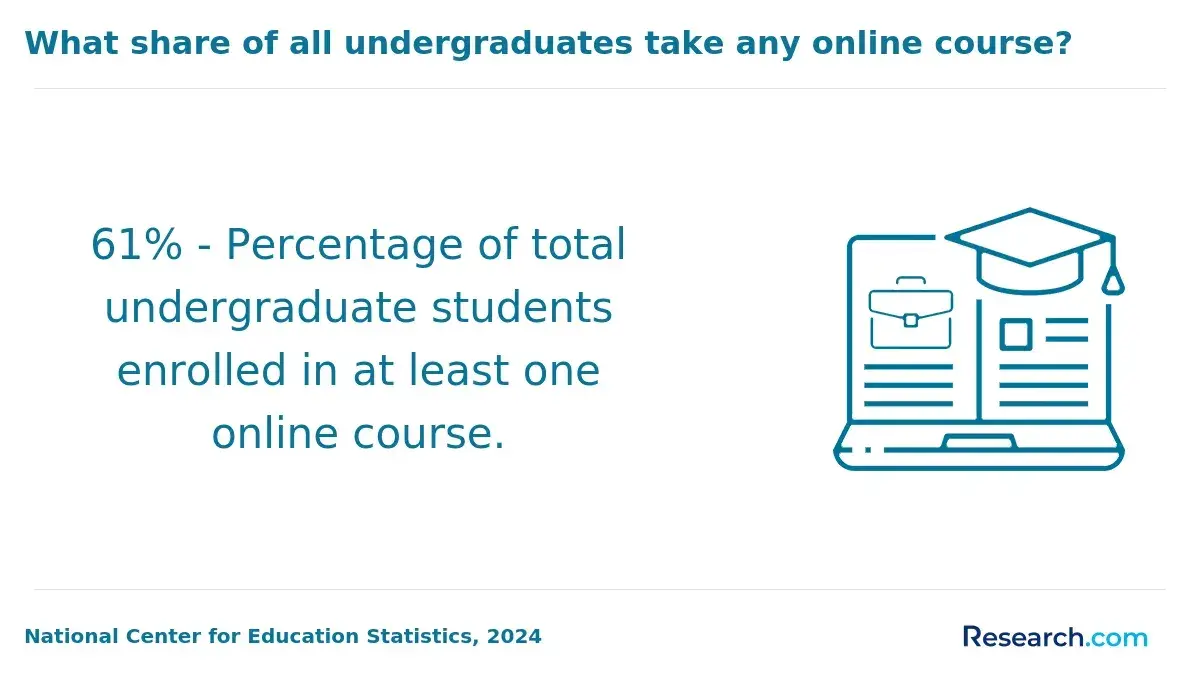
The format of a physical education program-online or on-campus-does not inherently impact eligibility for licensure, as long as the program meets accreditation and state requirements. A study showed that more than 60% of education employers consider online degrees equally credible when combined with appropriate certification and experience.
- Curriculum Coverage: Both online and campus programs must include core subjects like kinesiology, health education, and pedagogy to meet licensure standards. Comprehensive coursework ensures graduates are prepared for teaching physical education effectively.
- Practical Training: Hands-on experience is critical for licensure, whether gained through local partnerships or arranged field placements. Online programs typically require documented supervised practice to fulfill state board requirements.
- Assessment Methods: While campus programs may rely more on in-person exams, online formats use digital testing, video submissions, and remote evaluations. These alternative assessments are designed to uphold rigorous standards matching traditional formats.
- Skill Development: Both modalities aim to develop professional skills through theory and practice. Ensuring practical components exist in online degrees is essential for mastering real-world teaching techniques.
- Employer Perceptions: The acceptance of online credentials is growing, with many employers valuing proper certification and experience over program format, reflecting a shift toward broader recognition of remote learning.
I spoke with a licensed professional who completed an online physical education degree and asked about his experience with elective courses. He recalled feeling initially uncertain about how well electives would supplement his core training but found them valuable for diversifying his skill set.
Balancing the electives alongside fieldwork required careful time management, sometimes creating stress when coordinating schedules for observation hours. However, he appreciated the flexibility online electives offered, allowing him to explore areas like sports psychology and adaptive physical education that enhanced his teaching approach.
His overall impression was that the online program prepared him well for licensure despite the unique challenges of remote learning.
Online physical education degrees typically require completion of clinical or practicum hours to ensure students gain practical experience crucial for professional practice and state licensure. These supervised hours help future educators develop essential teaching skills and professional competencies in real-world settings.
- Clinical Hours Requirement: Programs usually mandate between 100 and 300 hours, depending on state licensure regulations and institutional standards. This range is common to fulfill the clinical hours requirement for online physical education degrees and ensure adequate hands-on involvement.
- Placement Types: Students complete practicums in schools, fitness centers, or community programs, providing direct interaction with diverse populations. These settings simulate actual teaching environments, supporting skills vital for licensure and effective instruction.
- Supervision and Mentorship: Certified physical education teachers or program advisors closely monitor students' progress. This supervision offers valuable feedback and guidance, reinforcing instructional techniques needed for successful classroom management and student assessment.
- Skills Development: Through practicum experience, candidates practice curriculum implementation, adherence to safety protocols, and communication strategies. These competencies are essential for meeting standards required during state teaching licensure evaluations.
- Online Program Coordination: Despite the distance-learning format, online programs arrange local partnerships or allow students to fulfill practicum hours near their homes. This ensures that the practicum experience needed for online physical education licensure includes vital in-person practice.
State licensing boards typically demand documented, supervised hours to verify a candidate's readiness for professional roles. Working professionals searching for related degrees may also consider exploring affordable options like an affordable online psychology masters to complement their skill sets in education and student wellbeing.
The licensing exam ensures that candidates possess the necessary skills and knowledge to teach physical education safely and effectively. Passing this exam is crucial for gaining certification and securing teaching positions, with around 80% of first-time test takers succeeding.
Here are key points to understand about this exam:
- Exam Name: The Praxis Physical Education Content Knowledge test is the standard licensing exam required by most states for certification.
- Content Areas: The test assesses knowledge in motor learning, human movement, exercise physiology, assessment methods, and instructional strategies to ensure comprehensive subject mastery.
- Format: It primarily consists of multiple-choice questions, often supplemented by scenario-based items to evaluate practical application of concepts.
- Preparation: Successful candidates commonly review official content outlines, complete practice exams, and sometimes join study groups or workshops to reinforce understanding.
- Retake Policies: States typically allow multiple attempts with mandatory waiting periods, accommodating candidates who need additional preparation time.
- Online Graduates: Graduates from online physical education programs meet the same exam requirements as traditional students, ensuring consistent licensure standards nationwide.
When I discussed licensing with a licensed professional who earned her physical education degree online, she emphasized the importance of tailored preparation. She mentioned, "Balancing work and study was challenging, but focusing on practice tests helped me identify weak spots."
She also appreciated how online resources and virtual study groups created a flexible yet structured path to passing the exam. Although initial nerves were high, especially approaching the scenario-based questions, the consistency of the preparation methods built her confidence.
Reflecting on her journey, she noted that passing the exam validated her capability and opened doors to fulfilling teaching opportunities, proving that earning a degree online does not limit professional credentialing.
Yes, supervised work experience is typically required after earning an online physical education degree to qualify for licensure or employment. This hands-on training integrates academic learning with practical skills, helping graduates confidently address real-world teaching and coaching challenges. Approximately 75% of physical education licensure programs in the U.S. mandate such supervised internships or practicum placements.
Below are key components of this essential experience:
- Duration: Generally spans 12 to 15 weeks or an equivalent number of hours, often equating to one academic year of supervised practice.
- Typical settings: Includes public schools, recreational facilities, and health or fitness centers, providing varied environments for skill application.
- Mentorship: Conducted under certified physical education professionals who observe, guide, and offer constructive feedback throughout the placement.
- Skill development: Emphasizes lesson planning, student engagement, classroom and activity management, and adapting methods for diverse learners.
- Impact on licensure and career readiness: Successful completion validates teaching competency, supports licensing requirements, and eases transition into professional roles within education or sports fields.
Licensure reciprocity allows educators licensed in one state to obtain certification in another with minimal additional requirements, providing crucial flexibility for professionals seeking to work across different states or regions. This process is especially important for those holding online physical education degrees who want to maximize their career opportunities nationwide.
Key aspects of licensure reciprocity for these graduates include several essential factors outlined below.
- Eligibility Criteria: States typically require that the candidate holds a valid teaching license from their original state. For online physical education graduates, meeting these criteria often depends on their program's alignment with the new state's educator standards, which can vary significantly.
- Program Requirements: Reciprocity often hinges on whether the degree program is regionally accredited and includes required coursework specified by the receiving state. Some states have stricter policies on accepting online degrees, impacting licensure transfer possibilities.
- State Agreements: Participation in formal reciprocity agreements or interstate compacts can simplify the licensing process. States involved in such agreements generally recognize licenses from partner states, reducing redundant testing or coursework.
- Application Process: Applicants normally must submit current licensure proof, official transcripts, exam scores such as Praxis results, and satisfy any additional state-specific mandates. This documentation ensures that online physical education graduates meet transfer standards effectively.
- Potential Limitations: Restrictions may occur if the original license lacks endorsement in physical education or if the online degree program doesn't fully comply with the new state's standards. Such limitations can affect the overall ease of obtaining licensure in a second state.
Considering state licensing transfer for online physical education degrees is essential for graduates aiming to teach in multiple states. This understanding encourages candidates to choose programs aligned with licensure requirements to facilitate smooth transitions.
Additionally, online physical education graduates should explore resources related to degrees that pay well to complement their licensure knowledge with career planning for high-demand fields.
Online physical education programs have seen significant growth as students seek flexible learning that supports licensure goals. Enrollment in online education has risen by over 30% in the last five years, reflecting the shift toward remote academic options.
Considering both benefits and challenges is essential when evaluating these programs for licensure success.
Pros
- Flexible schedules: Students can manage coursework alongside jobs or family responsibilities, aiding in timely completion of licensure requirements.
- Broader access: Programs reach students in remote or underserved areas, expanding opportunities beyond local institution limitations.
- Course availability: Online formats often offer diverse electives or specialized courses that might not be offered in traditional settings, supporting tailored licensure pathways.
Cons
- Limited hands-on training: Physical education licensure typically mandates supervised, practical experience, which can be harder to fulfill fully online.
- Reduced networking: Fewer in-person interactions may impact mentorship and professional connections important for career development.
- Employer perceptions: Some licensing boards and employers may be cautious about online credentials if practical competencies appear insufficiently demonstrated.
Licensure plays a significant role in the impact of an online physical education degree on salary and career growth. Licensed physical education teachers online typically earn 10% to 15% more than their non-licensed peers, reflecting the increased value employers place on verified credentials and professional standards within the education sector.
This salary advantage highlights why pursuing licensure after completing an online degree can be a strategic decision. Below are key ways licensure influences salary and job opportunities.
- Access to Higher-Paying Roles: Licensure often qualifies professionals for roles beyond basic teaching, including specialized positions that offer better compensation. These roles leverage advanced skills and knowledge verified through certification, which generally results in higher pay.
- Eligibility for Leadership Positions: Licensed educators are more likely to be considered for leadership roles such as department head or curriculum coordinator. These positions typically come with increased salary and greater responsibility, rewarding those who have met licensure requirements.
- Specialized Responsibilities: Holding a license may enable physical education teachers to engage in specialized duties like coaching advanced teams or delivering adaptive physical education programs. These added responsibilities often carry premium pay and recognition within school systems.
- Greater Job Security: Licensure provides formal recognition and ensures compliance with state regulations, which can enhance job stability. This security often translates into a more consistent income stream and access to state-funded positions that require certification.
- Opportunities for Advancement: Licensed professionals have increased chances to move into administrative or policy-making roles. These career advancements typically come with salary increases and broader influence in the education field.
For those exploring career benefits and salary outcomes, it's helpful to consider additional online certifications that pay well and complement a physical education degree. Evaluating these options alongside licensure can further enhance earning potential and professional growth.
Licensure significantly shapes the career opportunities available to graduates with an online physical education degree. Those with a license often pursue roles in regulated educational settings, while non-licensed graduates have access to a broader array of positions in fitness and wellness sectors. Employment data shows licensed physical education teachers generally enjoy about 15% higher median wages compared to their non-licensed peers.
Below is a breakdown of typical jobs associated with each path.
Jobs With a License
- Public School Physical Education Teacher: These professionals deliver state-approved curricula, monitor student progress, and promote healthy activity habits within K-12 environments, benefiting from stable employment and structured career growth.
- School Athletic Coach: Licensed coaches develop athletic programs and mentor student-athletes, often integrating educational standards and safety protocols to enhance both performance and personal development.
- Educational Program Coordinator: Coordinators manage physical education initiatives, align activities with academic goals, and may advance into administrative or leadership roles within school systems.
Jobs Without a License
- Personal Trainer: Offering customized fitness plans and one-on-one coaching, personal trainers work in gyms or independently, providing flexibility but with less regulatory oversight than licensed educators.
- Community Fitness Instructor: These instructors lead group classes and wellness programs in recreational centers, focusing on engagement and health promotion without the necessity of formal licensure.
- Wellness Consultant: Consultants design and implement workplace or community wellness strategies, leveraging expertise in physical activity to improve health outcomes outside traditional school settings.
What Graduates Say About Getting Licensed with an Online Physical Education Degree
- Grace: "I was pleasantly surprised by the affordability of the online physical education degree, which cost me significantly less than many traditional programs-around $15,000 in total. The flexibility of studying at my own pace while balancing work made the experience rewarding and manageable. Since getting licensed, this degree has truly opened doors for me in coaching and fitness instruction, turning my passion into a thriving career."
- Rahul: "Reflecting on my journey, the cost of the online physical education program felt like a worthwhile investment, averaging about $18,000 including licensure fees. The course structure was thoughtfully designed, with engaging content that translated well into real-world teaching scenarios. Earning my license through this program has allowed me to confidently step into educational roles with solid credentials and practical skills."
- Dev: "Opting for an online pathway was a practical choice given the lower average costs-around $16,500 for the entire program and licensure. The experience was professional and rigorous, with comprehensive coursework that thoroughly prepared me for licensure exams. This degree has significantly enhanced my credibility as a licensed physical education instructor and broadened my opportunities in school systems and wellness programs."
Other Things You Should Know About Physical Education Degrees
Yes, many state licensing boards accept coursework completed through accredited online physical education programs as part of continuing education for license renewal. However, it's essential to verify that the online courses meet your state's specific standards and are from approved providers to ensure they count toward required professional development hours.
In 2027, there are generally no specific age requirements for obtaining a Physical Education license with an online degree. However, applicants must have completed the necessary education and any required state examinations, which typically necessitate being at least 18 years old.
The state department of education or state licensing board makes that decision. Most states require a bachelor’s degree, an approved teacher-preparation program, supervised student teaching, and passing the Praxis II Physical Education exam or a state equivalent before issuing a K–12 license.
International students can pursue licensure in the U.S. with an online physical education degree but must meet additional requirements, such as credential evaluations and legal work authorization. Each state has its own policies regarding foreign-trained applicants, so international candidates should consult the relevant state licensing board for specific procedures.
- Education—Physical Education K–12 Licensure, BA - New England College https://www.nec.edu/programs/education-k-12-physical-education-b-a
- Licensing Disclosure - Physical Education https://www.brockport.edu/academics/kinesiology/licensing-disclosure-physical-education/
- Physical Education (Teaching) (PET) - BT Major https://w3.winona.edu/DataServices/WSUCatalog/2928
- Physical Education (B.S.) | NWU https://www.nebrwesleyan.edu/academics/majors-and-minors/education/education-degrees/physical-education-bs
- Becoming a Physical Education (PE) Teacher https://www.sparxservices.org/blog/becoming-a-physical-education-pe-teacher
- List of Requirements https://www.prc.gov.ph/list-of-requirements
- Foreign Educated Physical Therapists https://www.fsbpt.org/Free-Resources/Foreign-Educated-PTs-and-PT-Assistants/State-Licensure-NPTE-Information
- B.S.Ed. in Physical Education https://mayvillestate.edu/msu-online/programs/bsed-physical-education/
- Office of Teaching Initiatives https://www.highered.nysed.gov/tcert/certificate/teachrecother.html