2027 Public Health Degree Programs With Rolling Admissions

Co-Founder and Chief Data Scientist
How do rolling admissions change access to public health degree programs, especially for working adults balancing irregular hours and career shifts? With 40% of U. S. adult learners citing flexibility as their top enrollment factor (NCES), rolling admissions offer crucial timing advantages beyond traditional semester deadlines. This flexibility can ease transitions into public health fields where credentialing and practical training follow strict timelines. Understanding how rolling admissions accommodate these demands helps learners target programs that align with employment cycles and continuing education needs. This article examines varying rolling admissions models in public health degree programs and guides readers in assessing their fit with individual career trajectories and enrollment priorities.
Key Benefits of Public Health Degree Programs With Rolling Admissions
- Rolling admissions accommodate variable student timelines but can complicate cohort cohesion, potentially limiting peer-networking vital for collaborative research and policy development in public health careers.
- Flexible entry points allow applicants to align enrollment with evolving workforce needs, enhancing timely skill acquisition crucial for sectors facing dynamic public health challenges and employer demand shifts.
- Extended application windows reduce financial pressure by enabling staggered decision-making, yet may prolong uncertainty, affecting timely access to scholarships and internships pivotal for practical experience.
How Do Public Health Degree Programs With Rolling Admissions Work?
Rolling admissions in public health degree programs fundamentally shift the dynamics of enrollment and academic progression, particularly by altering when and how students enter programs. This approach reflects a deliberate balance between widening access and managing finite resources, but it also requires nuanced decision-making from applicants and administrators alike.
- Continuous Application Flow: Unlike fixed deadlines, rolling admissions accept applications year-round, allowing candidates to apply as soon as they are ready. This flexibility addresses practical barriers such as career interruptions or unexpected availability changes, benefiting professionals in transition seeking timely access.
- Enrollment Management Tradeoffs: Programs use rolling admissions to maintain steady enrollment levels, yet this can create competition imbalances. Early applicants often fill available seats, leaving fewer openings later and increasing pressure on those applying toward the end of the cycle.
- Academic Scheduling Complexity: Staggered admissions challenge curriculum and faculty scheduling, requiring programs to adapt course sequencing and cohort activities. This can affect students' ability to take prerequisite classes in order or participate fully in experiential learning opportunities tied to specific semesters.
- Workforce Alignment: Rolling admission supports public health workforce needs by supplying graduates more responsively compared to traditional cycles. However, the immediacy of entry can disrupt internship and practicum coordination, which depend on synchronized academic calendars and established employer partnerships.
- Strategic Applicant Considerations: Prospective students face a tradeoff between applying early to increase admission chances and waiting to prepare stronger applications. Understanding how rolling admissions impact public health degree enrollment helps applicants time submissions strategically to optimize outcomes.
One tangible implication appears for mid-career professionals who may need to pivot quickly after job loss. Rolling admissions allow such candidates to apply immediately without waiting for next fixed deadlines, minimizing downtime and facilitating faster workforce reentry. This responsiveness is crucial in public health, where employer demand can shift rapidly due to emergencies or policy changes. For students researching flexible pathways, it is important to evaluate how these admission timelines affect not only entry but also long-term academic and practical training continuity. For additional resources on adaptable training pathways, consider exploring cheapest medical billing and coding online courses as examples of flexible program structures complementary to public health education.
What Are the Admission Requirements for Rolling Admissions Public Health Programs?
Rolling admissions processes for public health programs require a strategic approach, as continuous evaluation means timing can impact both acceptance chances and access to financial aid. Applicants submitting early often benefit from more program availability and competitive positioning, whereas late applicants might face limited openings despite meeting all criteria. This ongoing assessment demands applicants demonstrate readiness through academic performance and relevant experience, reflecting the multidisciplinary and applied nature of public health careers.
- GPA Requirement: Most programs expect a minimum undergraduate GPA that reflects consistent academic competence, often emphasizing quantitative and analytical coursework relevant to epidemiology and health policy.
- Transcripts: Official transcripts from accredited institutions must verify degree completion and coursework related to biology, social sciences, or health disciplines to show foundational knowledge.
- Application Form: A comprehensive application collects educational background, extracurricular activities, and professional history, serving as a baseline for holistic evaluation.
- Standardized Test Scores: Though increasingly test-optional, some programs still request GRE scores; however, greater weight is placed on practical experience due to shifting employer expectations.
- Letters of Recommendation: References must provide insight into collaborative skills and evidence-based thinking, attributes essential for public health success.
- Personal Statement: Applicants need to articulate how their goals align with public health workforce demands, reflecting self-awareness of sector challenges and opportunities.
- English Proficiency: Non-native speakers usually must demonstrate language skills through recognized exams to ensure effective communication in diverse public health settings.
When Should You Apply for Rolling Admissions Programs?
Rolling admissions in public health programs function differently from traditional fixed-deadline models by evaluating applications continuously as they arrive. This structure means that early applicants generally encounter lower competition and enjoy access to a wider range of available seats, often benefiting from priority eligibility for scholarships or financial aid tied to early submission. Conversely, applying too early without a polished application may undermine competitiveness if test scores or experience need bolstering. Mid-cycle application strategies can offer a nuanced advantage by allowing time to strengthen qualifications while still retaining reasonable access to program spots and funding. Timing decisions therefore entail balancing readiness and program resource availability within an inherently fluid admissions landscape.
Delayed applications within rolling admissions risk multiple practical setbacks beyond reduced acceptance odds. As seats fill, later candidates face intensified competition with fewer scholarships or assistantships remaining, which can shift financial burdens and extend time-to-degree completion. Late admission decisions might constrain course scheduling options critical for expedited workforce entry-an important consideration given demand across healthcare sectors for timely credentialed professionals. Selecting when to apply under rolling admissions demands realistic judgment about application quality and awareness of shifting program resource constraints, emphasizing strategic pacing over impulsive or overly cautious timing.
A recent public health applicant shared how she debated submitting early despite incomplete GRE scores, ultimately applying mid-cycle after retaking the exam. She recognized her initial hesitation was tied to wanting a stronger profile but also understood that waiting too long might close doors or reduce funding. Her cautious timing helped secure admission with partial aid, validating a strategy that factored in both personal readiness and the admissions timeline's evolving context rather than defaulting to the earliest possible submission.
Are Rolling Admissions Common in Online Programs?
Rolling admissions have become a strategic tool for many online public health programs, reflecting the need to accommodate diverse student timelines and manage enrollment effectively. Compared to traditional on-campus programs, these online formats often provide extended application windows or multiple start dates throughout the year to align with asynchronous course delivery and remote learner accessibility. Institutions use rolling admissions to balance cohort sizes, ensuring stable enrollment and efficient use of digital resources amid fluctuating demand. However, this approach is not uniform; some programs maintain fixed admissions cycles to foster cohort cohesion and streamline instructional design, especially where faculty or technological support is constrained, illustrating how operational scale and program structure influence admissions models.
For students, flexible enrollment public health degree programs online offer tangible benefits including accelerated review processes and the ability to start sooner than traditional deadlines allow-an important consideration for those swiftly transitioning into workforce roles. Still, rolling admissions can introduce heightened competition in popular programs, as continual application acceptance attracts a steady flow of candidates. Data indicates that nearly 60% of accredited online public health programs utilize rolling or extended admissions, a notable increase compared to roughly 25% in on-campus equivalents, underscoring shifting enrollment management strategies amid increasing demand. Prospective students considering flexible timelines might also investigate complementary programs, such as a masters of health administration, to assess how rolling admissions models vary across related fields.
Do Rolling Admissions Schools Have Higher Acceptance Rates?
Rolling admissions policies do not inherently translate to higher acceptance rates, a misconception often rooted in how these processes operate rather than the selectivity of programs. This model simply processes applications as they arrive instead of collectively after a deadline, offering flexibility without compromising admissions rigor. Acceptance rates hinge on structural factors like program capacity, applicant demand, and cohort size limits, which can vary widely across public health programs regardless of admissions style. For instance, a highly specialized Master of Public Health program with rolling admissions may maintain stringent standards comparable to traditional deadlines, reflecting consistent workforce expectations rather than adaptive leniency.
Timing within rolling admissions can influence admission chances indirectly, as earlier applicants often access a fuller range of seats and resources, enhancing their prospects. Late applicants might face reduced availability, but this does not indicate lowered academic criteria at later stages. Variability in acceptance rates tends to correlate more with institutional reputation and program selectivity than with whether deadlines are fixed or rolling. Consequently, prospective students should assess program competitiveness and capacity rather than presume rolling admissions equate to easier acceptance, especially considering workforce demands that shape admission standards and affect employability in public health careers.
How Much Do Rolling Admissions Public Health Programs Cost?
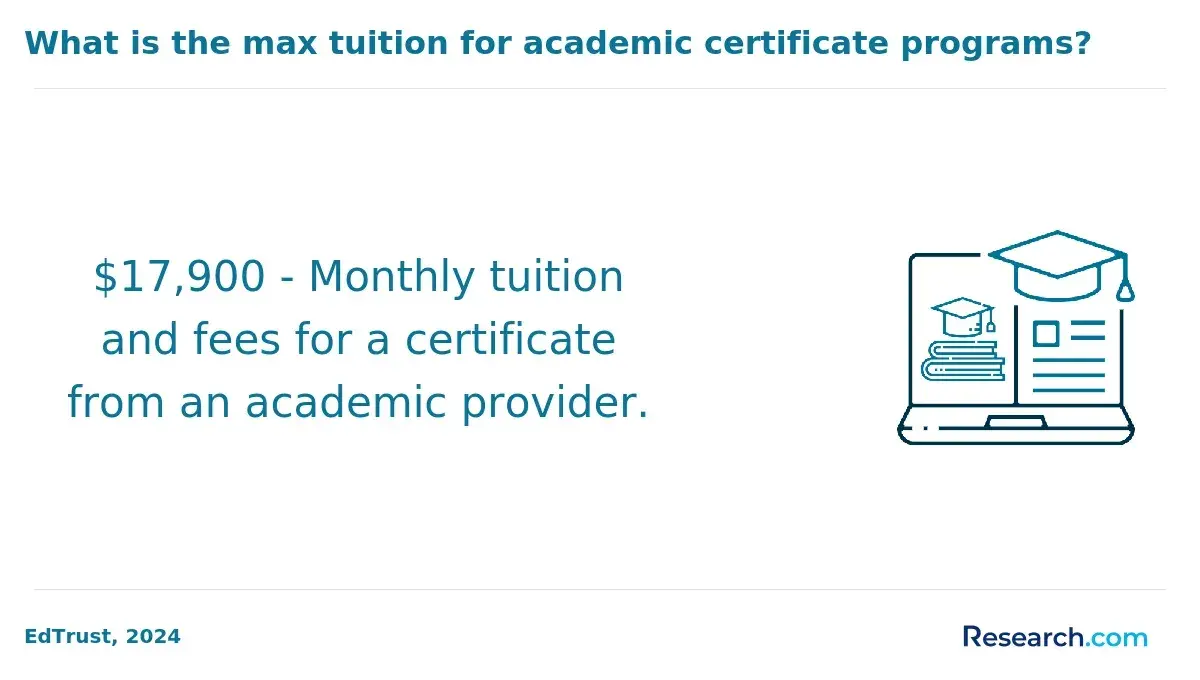
Tuition pricing in rolling admissions public health programs mirrors traditional degree structures, primarily charging per credit hour, often ranging from $300 to over $1,000 depending on institution type and residency status. However, rolling admissions do not alter tuition amounts directly; instead, they affect the pacing of payments and course entry points, which can influence cash flow management for students. For instance, a student starting mid-cycle may initially pay only for fewer credits, easing upfront expenses but potentially increasing cumulative costs across successive terms. Many programs add institutional or technology fees, typically between $100 and several hundred dollars, alongside additional charges for course materials, labs, or clinical practicum components essential in public health training. This cost layering means students must budget beyond just tuition, considering the full financial scope over their course of enrollment.
The total cost experience also shifts according to program format: online or hybrid designs often reduce commuting and housing expenses but may require investment in reliable technology and incur higher tech fees. Accelerated or cohort-based models compress coursework into shorter periods, increasing upfront financial obligations yet potentially lowering total living expenses and time-to-degree, a factor influencing employability timelines in a competitive labor market. This nuanced cost profile aligns with a broader cost comparison of rolling admissions public health degrees, underscoring that while tuition remains a baseline, the financial strategy must account for program delivery style and payment scheduling flexibility. Prospective students weighing rolling admissions public health program tuition should assess these variables against their career goals and financial readiness rather than focusing solely on sticker price.
Are Career Outcomes Different for Rolling Admissions Students?
Career outcomes for students admitted through rolling admissions in public health programs do not inherently differ from those admitted via traditional deadlines. Rolling admissions simply offer a flexible application window and do not impact the academic rigor or the program's professional reputation. Essential factors such as accreditation, curriculum relevance, field specialization, and access to internships strongly influence employment prospects. Additionally, the strength of institutional networks and geographic location relative to public health job markets remain critical determinants. Notably, the Bureau of Labor Statistics projects an 11% growth in employment opportunities in public health from 2022 to 2032, underscoring a robust demand that outweighs admission timing in significance.
There can be modest indirect effects related to rolling admissions; for example, students admitted earlier may finish their degrees sooner and enter the workforce ahead of peers constrained by fixed enrollment periods. This timing advantage might offer slightly earlier access to professional experience, yet long-term career progression depends far more on applied skills, continuous learning, and strategic networking rather than admission schedules. Institutional disparities in faculty expertise, curricular rigor, and community engagement also shape outcomes more decisively than whether admissions are rolling or fixed. Prospective public health students should prioritize these qualitative program factors over flexible admissions alone when evaluating career impact.
One graduate recalled navigating a rolling admissions process with a mix of relief and uncertainty. Applying late in the cycle due to job disruptions, she appreciated the extended deadline but worried about missing valuable internship placements. After submitting her application, the waiting stretched longer than expected, adding anxiety about timing and financial aid. Ultimately, once admitted, she felt her ability to select focused specialization courses and local practicum opportunities mattered far more than when she was accepted, reinforcing that admissions timing was a logistical concern rather than a career determinant.
Can Rolling Admissions Programs Lead to High-Paying Careers?
High-paying careers in public health stem from specialized expertise, demonstrated skills, and relevant experience rather than the timing or structure of admissions processes. While rolling admissions programs offer flexible application timelines, this mechanism functions primarily as an enrollment convenience and does not inherently influence salary potential. For example, an epidemiologist's earnings-often ranging from $55,000 to $75,000 early in their career-depend on field specialization, institutional reputation, and geographic market demand rather than whether they entered a program via rolling admissions. Employers emphasize candidates' academic credentials, internships, and professional networks over admission timing when making hiring and compensation decisions.
Admitting students throughout the year can allow some to start sooner, potentially leading to earlier graduation and workforce entry, but this timing advantage is typically marginal and indirect in affecting income trajectories. Salary disparities within public health fields are driven by experience, industry demand, and individual career progression rather than enrollment windows. Graduates from rolling admissions programs are not automatically positioned for higher-paying roles; instead, the critical determinants include program quality, accreditation, hands-on experience, and connections formed during study. Ultimately, rolling admissions should be evaluated as a path to accessible education rather than a factor that transforms career earnings or accelerates attainment of senior-level public health positions.
What Are the Disadvantages of Rolling Admissions Programs?
Rolling admissions programs in public health introduce uncertainty that directly affects applicants' ability to plan and position themselves competitively. Unlike fixed enrollment models, the continuous evaluation until slots fill means applicants cannot confidently predict seat availability or final deadlines, complicating strategic application timing. This dynamic particularly challenges individuals juggling work, family, or financial constraints, as they must navigate an unpredictable and often compressed timeline.
Disadvantages of rolling admissions in public health programs include:
- Unpredictable Capacity Limits: Because seats can fill at any time during the cycle, later applicants risk sudden closures despite official deadlines, disrupting plans for those needing stable enrollment dates.
- Fragmented Peer Networks: Staggered start dates reduce opportunities to build cohesive cohorts, weakening collaborative bonds that are crucial in public health fields reliant on teamwork and shared learning.
- Funding and Scholarship Timing Challenges: Financial aid deadlines often align with traditional academic calendars. Applicants may miss critical funding opportunities if their enrollment falls outside these standard cycles, limiting access to employer tuition assistance or external scholarships.
- Potential Employer Misunderstandings: Graduates may face skepticism from employers unfamiliar with rolling admissions, as non-standard academic timelines can complicate narratives around educational continuity during hiring.
- Clustering of Early Applications: Data shows approximately 70% of applicants submit within the first two-thirds of the admission period, intensifying early competition and leaving fewer options later, a pattern that reflects the challenges analyzed in rolling admissions for public health degree applicants.
Considering these factors is essential, especially for those weighing flexible application timelines against the practical realities of academic funding, professional networking, and workforce expectations. Students might also explore alternative pathways such as the MA to LPN bridge program online for related health career advancement options.
How Do You Choose the Best Public Health Program With Rolling Admissions?
Evaluating the best public health program with rolling admissions requires balancing flexibility with substantive outcomes that affect both educational value and employability. Programs opening applications throughout the year serve diverse students but differ widely in quality and long-term benefit. Prospective and returning students must look beyond convenient start dates to how these choices influence workforce readiness and career progression.
- Graduation and job placement rates indicate program efficacy and reflect institutional support crucial for students managing work-life demands. A program with higher completion rates signals consistent advisement and career services that matter for future employability.
- Curriculum relevance ensures the skills taught align with employer needs, particularly in data analytics, policy development, and community engagement. Programs integrating internships or practicum components give students hands-on experience essential for bridging theory with practice.
- Quality of online delivery impacts student engagement and professional networking. Institutions investing in synchronous formats and interactive platforms facilitate peer connections and mentoring, which often translate into stronger job-market positioning despite rolling or asynchronous enrollment.
- Admissions criteria shape program culture and student preparedness. While rolling admissions ease entry, rigorous prerequisite requirements or targeted work experience filters help maintain standards, improving graduates' competitiveness in a crowded job market.
Students exploring the best public health degree options with rolling admission policies should weigh these factors carefully. Additionally, considering complementary programs such as an MBA healthcare can broaden leadership potential in health systems and administration.
What Graduates Say About Public Health Degree Programs With Rolling Admissions
- Louie: "Balancing a full-time job and family responsibilities meant I needed a program with rolling admissions and flexible pacing, so I chose a public health degree that allowed me to start whenever I was ready. The real challenge came after graduation when I realized many employers valued hands-on internships and certifications more than just the degree, which pushed me to take a voluntary internship that eventually led to a coordinator role. While my salary growth has been steady, I've noticed that career advancement often requires additional licensure or specialized skills beyond the degree itself."
- Zamir: "After a decade in a different industry, I decided to pivot to public health but was constrained by a limited budget and the need for quick entry into the workforce. The rolling admissions allowed me to start mid-year without waiting for a traditional term, which was crucial. Post-graduation, I landed a remote role focusing on data analysis, but I've found that many higher-level jobs still demand experience or portfolios showcasing practical projects, so I'm actively building mine to stay competitive."
- Matthew: "I chose a public health program with rolling admissions because I wasn't sure when I could fit it into my hectic schedule as a working parent. Despite completing the degree, I quickly learned that employers sometimes prefer candidates with specialized certifications or direct field experience, making entry-level positions competitive. However, the flexibility of the program helped me secure an internship during the final semester, which has been key to gaining relevant experience and improving my chances for future promotions."
Other Things You Should Know About Public Health Degrees
Employers generally value accredited public health degrees from reputable institutions, regardless of rolling admissions processes. Students should focus on the program's accreditation, curriculum quality, and reputation when considering how their degree might be viewed by potential employers.
Employers generally focus on program accreditation and degree relevance rather than admission timing. However, rolling admissions may correlate with nontraditional or part-time study formats, which can affect perceived rigor. Candidates should prioritize programs with strong practicum or internship components, as hands-on experience holds more weight than admission format in public health job markets. Clear communication of program quality and real-world training is essential to counter any assumptions about the flexibility of rolling admissions.
Rolling admissions can create uneven distributions of student enrollment, occasionally leading to variable access to faculty and support resources. This means that students enrolling off-cycle might face delayed feedback or limited availability of mentoring compared to traditional semester starts. Prospective students should verify how programs allocate advising and academic assistance throughout the year, prioritizing those that maintain consistent support regardless of entry point to avoid negative impacts on academic performance and retention.
Flexibility in start times is valuable for managing external commitments, but public health curricula often involve cumulative projects and group work that demand sustained attention. Students should assess whether their personal schedules allow them to meet these demands without the structure of a fixed cohort timeline. When workload intensity is high, committing to a consistent semester schedule might better ensure completion on time and deeper engagement, even if it means waiting for standard admission cycles.
References
- The Advantages and Disadvantages of Rolling Admissions https://www.petersons.com/blog/the-advantages-and-disadvantages-of-rolling-admissions/
- Highest Paid Public Health Careers https://www.publichealthdegrees.org/careers/highest-paid-public-health-jobs/
- 10 Things to Know Before You Apply https://aspph.org/student-journey/10-things-to-know-before-you-apply/
- Choosing the Right MPH Program: A Guide for Aspiring Public Health Leaders https://blog.jmir.org/choosing-the-right-mph-program
- Public Health - Future graduate students https://grad.usask.ca/programs/public-health.php
- Master of Public Health Admission | University of Health Sciences and Pharmacy in St. Louis https://www.uhsp.edu/admissions/graduate-admissions/mph-admissions/
- Rolling Admissions Explained: How It Works and When You Should Apply https://riseglobaleducation.com/blogs/rolling-admissions-explained-how-it-works-and-when-you-should-apply
- Easiest MPH Programs to Get into in 2025 https://masterspublichealth.com/easiest-mph-programs-to-get-into/
- Best Online MPH Degree Programs for 2025 https://www.princetonreview.com/grad-school-rankings
- Application & Selection Procedure - Europubhealth https://www.europubhealth.org/application-procedure/