2027 Social & Behavioral Sciences Specializations for Community Outreach Careers

Co-Founder and Chief Data Scientist
Community outreach professionals often confront intense pressure to adapt interventions swiftly amid shifting social dynamics and resource constraints. For example, effective program design hinges on integrating behavioral insights with local cultural nuances, yet many candidates struggle to align their academic specializations with employers' expectations for measurable impact.
Complicating this, adult learners entering social and behavioral sciences now face an enrollment landscape where nearly 40% of students opt for flexible online formats, according to the National Center for Education Statistics, signaling a shift toward accessible, career-compatible education pathways.
This article examines key specializations that balance market relevance with the flexible structures increasingly demanded by community outreach careers.
Key Things You Should Know
- Specializations in trauma-informed care offer a 15% higher employer preference for community outreach roles but often require costly 2-year certifications, limiting timely workforce entry per 2024 labor reports.
- Data analytics proficiency in social behavioral sciences drives 22% greater program impact measurement accuracy, shifting employer demand toward hybrid skills that reduce traditional outreach roles.
- Aligning specialization with understudied populations accelerates placement rates by 18% as agencies pivot to equity-focused funding, yet narrows cross-sector mobility as per federal community workforce trends.
What are social and behavioral sciences specializations that lead to community outreach careers?
Careers in social and behavioral sciences specializations for community outreach jobs require navigating distinct practical demands linked to employer expectations and certification barriers. Public health, health education, social work, behavioral science, and health policy analysis each cultivate skill sets suited to different sectors.
For instance, health education professionals often develop school-based curricula targeting issues like childhood obesity, aligning interventions with local demographics and available resources.
Social work commonly mandates licensure and emphasizes direct engagement with vulnerable populations through outreach addressing housing, substance abuse, or family support—sectors that nonprofits typically prioritize. Behavioral science roles focus on interpreting human behavior and social determinants to craft community initiatives that alter risk factors or enhance wellness.
Meanwhile, health policy advisors, who earned an average of $128,250 annually in 2024 according to Glassdoor, cited by Kent State University College of Public Health, apply policy analysis blended with social science to shape health-related legislation and organizational strategies.
Decision-makers evaluating top social and behavioral sciences career paths in community outreach must consider how employer sectors influence the value of specialized knowledge: government agencies favor public health or policy expertise; nonprofits prioritize social work and education credentials; and private healthcare looks for behavioral science insights.
Candidates who combine advanced data analytics with applied community engagement, including internships and policy practicums, improve their marketability. Balancing interdisciplinary skills with certification and funding challenges remains a key tradeoff affecting employability and impact.
Prospective students seeking strategic advancement or pivot opportunities in this field might also examine how an online psychology degree could complement or expand their outreach competencies.
What degree pathways prepare students for community outreach roles in social services and nonprofits?
Community outreach roles in social services and nonprofits demand a balance of theoretical grounding and applied skills, which degree programs for community outreach in social and behavioral sciences must address.
The Bachelor of Social Work (BSW) is the most straightforward credential, equipping graduates with client assessment, crisis intervention, and resource coordination capabilities that align with employer expectations for immediate fieldwork readiness. These roles typically involve case management, community advocacy, and program implementation.
The Master of Social Work (MSW) pathway caters to advanced or clinical positions, offering specialized expertise in mental health, substance abuse, or child welfare. This degree is often a prerequisite for supervisory roles or licensure but requires a two- to three-year commitment and substantial financial investment. Students should weigh these factors against potential higher earnings and increased autonomy.
Alternatively, degrees in sociology or human services serve social and behavioral science pathways for nonprofit career preparation that emphasize research, program evaluation, or grant writing rather than direct service. However, these alternatives may necessitate additional certification or practical experience to meet hiring standards in outreach roles.
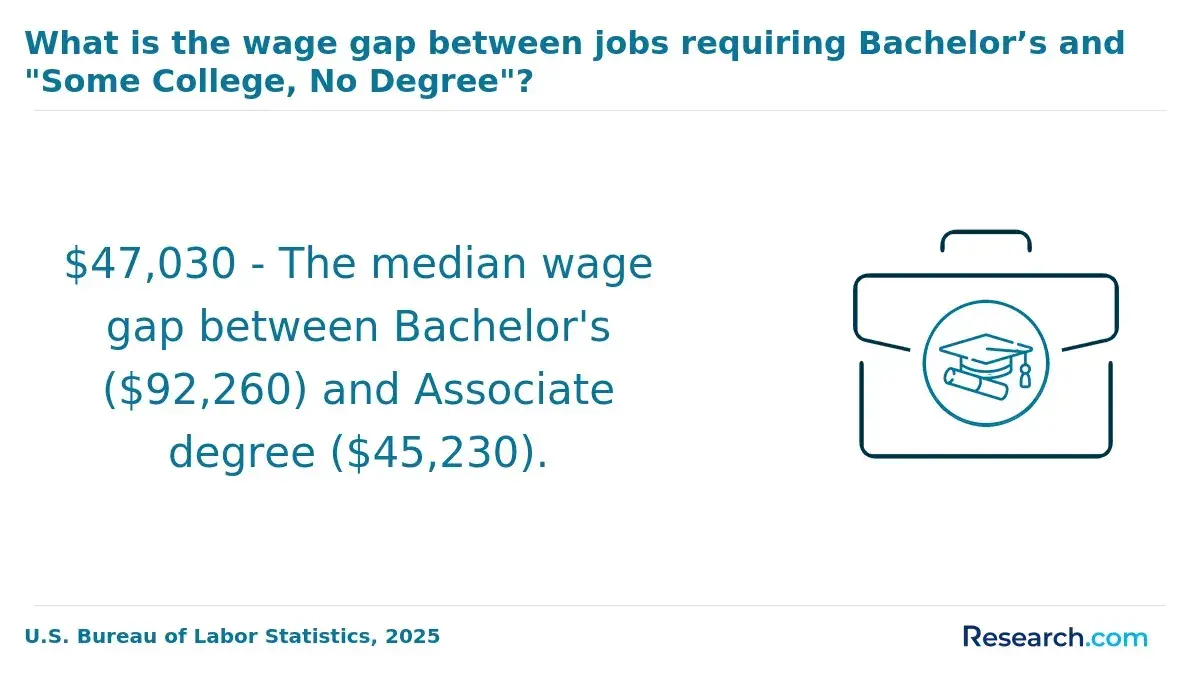
Employers invest heavily in accredited field placements to ensure graduates possess tangible case management experience, a critical factor given the projected 6% employment growth and median wage of $61,330 reported by the U.S. Bureau of Labor Statistics for social workers in May 2024.
For candidates exploring further education options, comparing specific program costs can be crucial. Resources like affordable psychology masters programs can offer relevant insights for financial planning.
How do online and campus-based social and behavioral sciences programs compare for outreach work?
Practical training and networking remain pivotal differences when comparing online social and behavioral sciences programs for community outreach with campus-based degrees. Campus students benefit from structured, supervised fieldwork through direct access to internships and faculty mentorship, often embedded naturally within the curriculum.
For instance, mental health counseling students on campus frequently engage in onsite clinics or collaborations with social service agencies, giving them clearer, earlier pathways to applied skills essential for outreach roles.
In contrast, online learners must actively arrange local practicums and verify their compliance with licensing and employer standards—adding logistical challenges that can delay readiness for direct client interaction.
Employers in community outreach prioritize demonstrable experience alongside academic credentials, and campus environments often facilitate stronger peer and professional networks that lead to referrals or job opportunities; these networks can be harder to cultivate digitally.
Both formats cover relevant theories and research equivalently, but strong field components integrated into campus curricula often better align with workforce demands. The median annual wage of $59,190 for substance abuse, behavioral disorder, and mental health counselors and a 17% job growth projection highlight the premium placed on verified practical competencies in this sector.
Choosing between campus and online formats requires weighing immediate experiential learning access against flexibility for personal and professional obligations. Those evaluating campus vs. online social and behavioral sciences degree benefits for outreach careers should assess which better supports supervised practice, networking, and licensure alignment to optimize employability.
Prospective students exploring specialized routes can also consider forensic psychology master's programs, which share similar practical demands and workforce implications, available through carefully selected online options like the forensic psychology master's programs designed for affordability and professional relevance.
What core courses and skills are taught in community-focused social and behavioral sciences programs?
Programs emphasizing community-focused social and behavioral sciences core courses center on tightly integrated skills applicable to frontline outreach and health equity work. These curricula prioritize behavioral science fundamentals, including social determinants of health and health communication strategies, crucial for engaging diverse populations with accuracy and respect.
Students develop research methods competence—both quantitative and qualitative—enabling rigorous evaluation of community health outcomes and program effectiveness.
Essential skills developed in social and behavioral sciences for community outreach extend beyond theory to include policy analysis and ethical frameworks, which prepare graduates to navigate regulatory complexities and advocate for fair resource allocation. Practical communication training, such as motivational interviewing and crisis intervention, reflects employer demands for nuanced, culturally competent interaction in real-world settings.
Technical proficiency in digital tools for data management and telehealth platforms is increasingly critical. For example, a community health worker coordinating vaccine outreach must blend interpersonal communication skills with precise data reporting to public health systems.
Employers expect mastery in needs assessment, strategic planning, and coalition building, often cultivated through project-based learning and internships, enabling adaptation of interventions for distinct urban or rural challenges.
The Bureau of Labor Statistics projects an 11% employment growth for community health workers from 2024 to 2034, with a median wage of $51,030 as of May 2024. This demand reflects the crucial role of professionals who can synthesize communication, data analysis, and cultural awareness.
Prospective students weighing options for practical, outcomes-driven education may also consider exploring the best degree for remote work, which increasingly intersects with social and behavioral sciences pathways.
What accreditation and institutional quality standards should these programs meet in the U.S.?
Accreditation for social & behavioral science programs aimed at community outreach roles in the U.S. directly impacts graduate employability and credential acceptance. Regional institutional accreditation recognized by the U.S. Department of Education or the Council for Higher Education Accreditation sets a baseline for academic quality, faculty competence, and institutional soundness.
Yet programmatic accreditation from organizations like the Council for Accreditation of Counseling and Related Educational Programs (CACREP) or the Council on Social Work Education (CSWE) is often the critical differentiator for jobs in sectors such as human services and nonprofit leadership.
Consider nonprofit leadership roles managing grants and policy: employers expect candidates from accredited programs to demonstrate competence in ethics, budgeting, and regulatory compliance. These positions offer a median salary of around $86,100 annually and anticipate 9% job growth, according to recent Bureau of Labor Statistics data. Ignoring accreditation can result in underpreparedness and barriers to professional certification or licensure.
Practical ramifications extend beyond hiring. Transfer credit acceptance, financial aid eligibility, and state licensure requirements frequently depend on recognized accreditation status. Students pivoting careers into social & behavioral sciences must verify accreditation early to avoid costly delays or redundant coursework. This saber-rattling highlights that accreditation is less a formality and more an operational necessity, ensuring workforce readiness and credential portability.
What admission requirements and prior experience are typically needed for these specializations?
Professionals entering social & behavioral sciences specializations aimed at community outreach frequently face stringent baseline requirements that reflect employer expectations and jurisdictional regulations.
A minimum bachelor's degree in sociology, psychology, criminology, or social work combined with specialized coursework in areas such as community health or public policy is fundamental. However, meeting GPA thresholds—typically between 2.5 and 3.0—is just the initial hurdle.
Experience outweighs credentials alone: applicants often need 1,000+ hours of supervised internships or volunteer roles within community organizations, correctional institutions, or social service settings.
For roles focused on criminal justice or reentry, candidates must prove practical familiarity with justice systems, crisis intervention, and case management through internships or paid positions like probation aides. Furthermore, clearance protocols, including fingerprinting and drug tests, are mandatory prerequisites to gain entry to trainings or practicum placements, particularly when working with vulnerable populations.
Advanced certifications or master's-level concentrations add practical demands such as demonstrated skills in data collection, client assessment, report writing, and trauma-informed care approaches, ensuring cultural competence to meet diverse demographics.
Notably, probation officers and correctional treatment specialists report a median wage of $64,520 annually, emphasizing the importance of efficiently navigating these requirements.
How long do community outreach-focused programs take, and what tuition and financial aid options exist?
Programs focused on community outreach within social & behavioral sciences demand careful consideration of time, cost, and career outcomes. Associate degrees, typically two years, impart entry-level skills that confine advancement, while bachelor's degrees take four years and better align with a 5% job growth forecast for child, family, and school social workers.
Master's degrees, adding roughly two years, are required for clinical or licensed roles but introduce significant financial and time commitments that must be weighed against career goals.
Tuition costs vary drastically: public in-state institutions average $10,000 annually, whereas private universities can exceed $35,000. This disparity influences total investment, especially for working adults balancing income and education.
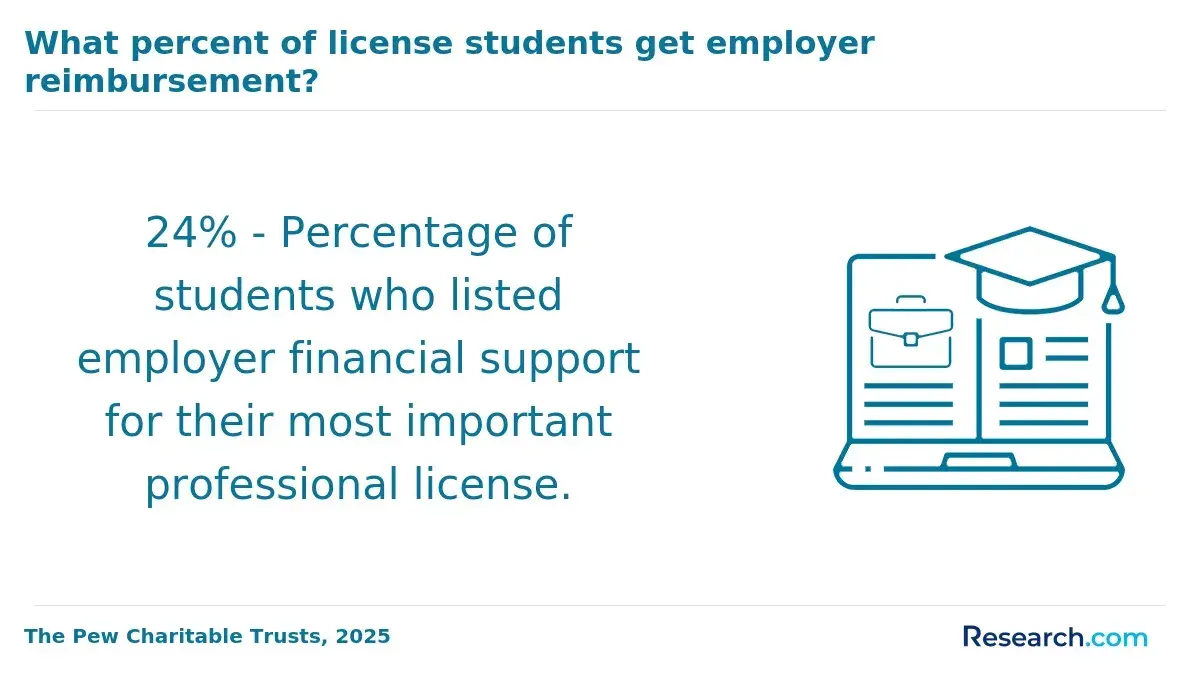
Financial aid options such as Pell Grants and Stafford Loans partially offset costs but entail application, eligibility, and repayment considerations. Employer tuition assistance may reduce expenses but often restricts eligibility to job-related studies and may include service obligations.
A part-time bachelor's program over four years can be a strategic path for professionals pivoting to school social work, enabling income retention while leveraging federal loans and employer support. The median salary of $62,920 for child, family, and school social workers underscores the financial rationale despite protracted program timelines. Students should evaluate these tradeoffs realistically, emphasizing career viability over credential accumulation.
What specific community outreach and engagement careers can graduates pursue with these specializations?
Graduates with social & behavioral sciences specializations oriented toward community outreach face a nuanced professional landscape that demands both analytical rigor and adaptable skills. The projected 7% growth in political scientist roles—under which health policy analysts fall—signals a stronger-than-average demand rooted in the ability to blend behavioral insights with policy evaluation.
However, this sector requires confronting operational constraints like limited budgets, data silos, and bureaucratic navigation, often necessitating proficiency in grant writing, data tools, and stakeholder management.
For example, a graduate employed by a nonprofit may coordinate grassroots campaigns targeting health equity in underserved populations while balancing resource scarcity and complex partnerships. The tradeoff between broad policy advocacy and direct service delivery often demands flexibility and cross-sector collaboration capabilities.
Institutional roles frequently stress culturally competent engagement approaches that address disparities in access and outcomes, shaping interventions that are measurable and sustainable.
Continued professional relevance hinges on the integration of evolving epidemiological data and legislative trends into program design and outreach strategy. Practical workforce success in this path requires not only subject expertise but continuous learning and the capacity to translate behavioral science into actionable, data-informed public health initiatives aligned to shifting community needs.
What salary ranges and advancement opportunities exist in community outreach and social impact roles?
Frontline roles in community outreach and social impact typically start with median salaries around $47,090 but face constraints due to limited budgets and rising caseloads. Progression beyond entry-level assistant positions demands targeted skill development, such as data tracking and grant writing, along with additional credentials or bachelor's degrees.
Without this investment, candidates risk stagnation, especially as employers increasingly prioritize higher education for supervisory or analytic roles.
Advancement often involves moving into specialty or supervisory roles where salaries can increase between 15% and 40%, depending on factors like employer type and geographic location. For example, a community outreach coordinator in a state-funded health department might earn over $65,000 annually, a figure largely dependent on grant availability and agency scale.
In contrast, nonprofit sectors may offer tighter salary ranges but provide broader experiential opportunities vital for long-term career flexibility.
Key considerations for individuals in this field include balancing frontline job stress with ongoing education and credentialing efforts. Combining part-time study with work or pursuing certifications in areas such as mental health or social work supervision often represents the most efficient route to improved compensation and responsibilities.
How is the job outlook and labor market demand for community outreach professionals in the U.S.?
Projected sector growth of 7.8% for community outreach roles significantly outpaces the 2.8% total occupational average, reflecting targeted increases in social programs and public health investment. This demand favors professionals blending behavioral science with applied data analysis and communication skills to adapt interventions effectively, such as a healthcare system tailoring outreach for chronic disease management based on population health data.
Practical career entry often includes roles focused on intensive community engagement and data collection, especially for those switching from unrelated fields. Employers prioritize candidates demonstrating verified field experience via internships in complex environments.
Key workforce realities include:
- Job stability often hinges on fluctuating nonprofit and government funding cycles.
- Grant writing and project management expertise are essential supplements to behavioral science knowledge for long-term sustainability.
- Geographic mobility may be required as funding shifts across regions.
Training programs emphasizing cross-sector collaboration and applied research methods align better with employer expectations than purely theoretical curricula. Candidates who integrate behavioral insights with strategic resource management and stakeholder relations are positioned to meet the evolving demands of community outreach work and navigate the practical limitations imposed by funding volatility.
Other Things You Should Know About Social & Behavioral Sicences
Many programs offer part-time or evening courses to support working professionals, but flexibility varies widely. Programs with asynchronous online options provide greater scheduling freedom, though they may limit real-time interaction and networking opportunities which employers value. When choosing a specialization, prioritize programs with practical components scheduled around your work availability to ensure you gain hands-on experience without disrupting your employment.
Certification requirements differ by employer and community context. While a degree provides foundational knowledge, many agencies require additional credentials in areas such as case management, mental health first aid, or cultural competency. Prioritize programs with clear advisement on continuing education and certifications aligned with local employer expectations to ensure smooth transition from academic study to the workforce.
Credit transferability is inconsistent, especially between programs with varying specialization focuses or delivery methods (online vs. campus-based). This can extend time to degree completion and increase costs if students switch programs mid-course. Students aiming for career pivots should select programs with transparent articulation agreements or consortia to protect prior credits and avoid setbacks that delay entry into community outreach roles.
References
- Top MBA Specializations: How to Choose the Right MBA Specialization | ARINGO https://aringo.com/top-mba-specializations/
- Community Outreach Specialist: Job, Salary & Requirements https://www.appliedbehavioranalysisedu.org/jobs-related-to-applied-behavior-analysis/what-is-a-community-outreach-specialist/
- 12 top careers in community services built for people who care | Acknowledge Education https://www.acknowledgeeducation.edu.au/knowledge-hub/careers-community-services-opportunities
- Requirements https://www.hec.edu/en/mba-executive-mba/mba/admissions/requirements
- PA Admissions Information UNT Health Fort Worth https://www.unthealth.edu/students/future-students/admissions/pa-admissions-information.html
- Navigating Salaries in the Social Impact Sector: A Comprehensive Guide - PCDN Global, Social Change Career https://pcdn.global/navigating-salaries-in-the-social-impact-sector-a-comprehensive-guide/
- Bachelor’s Behavioral Science Degrees | University of Phoenix https://www.phoenix.edu/online-behavioral-sciences-degrees/bachelors.html
- Community outreach programs | tchop⢠https://tchop.io/resources/glossary/community-building/community-outreach-programs
- 10 Careers for Social Work Majors https://www.umassglobal.edu/blog-news/careers-for-social-work-majors