
2027 Political Science Degree Programs for Career Changers

Co-Founder and Chief Data Scientist
Many professionals contemplate switching careers but hesitate due to uncertainty about the relevance of their background. For those targeting political science, challenges arise from balancing existing job demands with academic commitments and the need for practical skills in public policy, law, or governance. Research shows adult learners pursuing political science degrees are 35% more likely to secure employment within a year compared to other fields, highlighting its growing industry demand. This article examines key political science degree paths tailored to career changers and offers strategies to transition efficiently into new roles, ensuring readers make informed educational choices aligned with their ambitions.
Key Things to Know About Political Science Degree Programs for Career Changers
- Many political science degree programs offer flexible scheduling and online or hybrid formats, enabling working adults to balance education with professional and personal responsibilities.
- Accelerated pacing options allow career changers to complete their political science degrees faster, often within 12-18 months, facilitating a quicker transition into new roles.
- Programs increasingly emphasize employer-relevant skills such as data analysis and policy evaluation, with support services like career counseling improving job placement outcomes for adult students.
What Political Science Programs Accept Career Changers?
Political science programs designed for working adults and professionals transitioning into new careers often offer flexible admissions and curricula that recognize diverse backgrounds. Over 40% of graduate students in social sciences are adult learners or returning professionals, highlighting strong interest in political science degree programs with flexible admissions for working professionals.
- Online Political Science Degrees: These allow career changers to balance studies with existing commitments through flexible scheduling and remote access. They often waive strict prerequisites to accommodate professional experience.
- Hybrid Programs: Combining in-person and online learning, these programs provide opportunities for direct interaction while maintaining convenience for busy adults. Their adaptable structure supports diverse learning needs and skill development.
- Accelerated Political Science Master's: These fast-tracked degrees offer streamlined core courses that help professionals acquire relevant knowledge efficiently. Flexible admissions often enable learners without traditional political science backgrounds to enroll.
- Continuing Education Certificates: Focused on practical skills and policy analysis, these certificates require minimal prior coursework and swiftly build foundational expertise. They are ideal for those seeking career advancement with targeted study.
Such programs emphasize transferable skills like critical thinking, research, and communication, enabling career changers to leverage their previous experience in new public, nonprofit, or private roles.
For those considering degree options that support nontraditional students, exploring resources on AI degrees can provide insight into similar flexible program structures in other fields.
What Political Science Specializations Are Best for Career Changers?
Selecting the right political science specialization is essential for career changers to build skills that match evolving job market demands. According to recent data, 68% of employers prioritize candidates with focused expertise aligned to industry needs.
Below are four top political science specializations especially suited for working professionals seeking career mobility and transferable skills.
- Public Policy: This specialization develops strong analytical and problem-solving abilities valuable in government roles and nonprofit organizations. It provides accessible entry points for career changers aiming to influence policy-making and community initiatives.
- International Relations: Focused on global diplomacy, trade, and advocacy, this track enhances communication and cultural competency. It opens opportunities in international agencies and expanding global markets, ideal for those seeking worldwide career options.
- Political Communication: Emphasizing media strategy, public relations, and campaign management, this specialization builds message crafting and strategic thinking capabilities. It is well suited for professionals moving into communications and political consulting fields.
- Comparative Politics: Offering a broad understanding of governance systems, this area strengthens critical thinking and research skills. Career changers benefit from its applicability across diverse industries, supporting flexible career paths.
For working adults exploring the best political science degree tracks for working professionals, these specializations provide relevant knowledge to ease transitions. Additionally, those interested in related fields might compare options like accelerated psychology programs to complement their career goals.
What Are the Admission Requirements for Career Changers Applying to a Political Science Program?
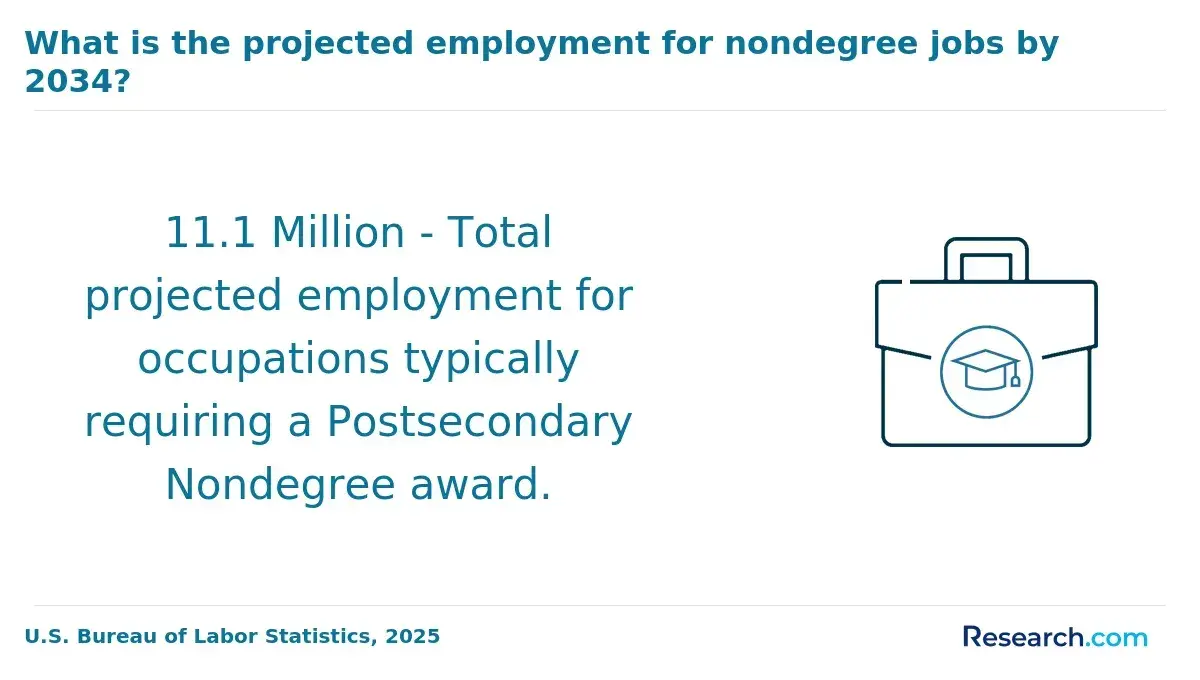
Career changers face distinct challenges when applying to a political science program, making it essential to understand specific admission requirements. Nearly 40% of undergraduates are adult learners, reflecting increased demand for programs accommodating nontraditional students.
Below are common criteria tailored to career changers in political science programs.
- Official Transcripts: Most programs require submission of official transcripts to assess prior academic performance. Some institutions offer flexibility by recognizing relevant professional experience in evaluation.
- Statement of Purpose: A well-crafted statement helps applicants articulate their motivation for shifting to political science and how previous careers align with this new academic path.
- Letters of Recommendation: Strong recommendations, particularly from supervisors or professionals familiar with the applicant's skills, can highlight transferable abilities valuable to political science studies.
- Standardized Test Scores: While some programs still request test scores, many have adopted flexible policies or waived them for experienced professionals and nontraditional students.
- Alternative Qualifications: Some programs accept portfolios or work experience instead of traditional prerequisites. Others may require foundational courses or competency exams to bridge gaps.
- Flexible Enrollment Options: Part-time, evening, and online classes cater to working adults, with rolling admissions often available to accommodate varying schedules.
Career changers should review political science program prerequisites for nontraditional students carefully and emphasize their unique experiences to strengthen applications. Those interested in flexible learning paths may explore online marriage and family therapy programs or similar options that accommodate working professionals.
For those shifting careers, familiarizing themselves with the coursework in a political science degree is essential to make informed choices that sync academic work with new professional goals. This clarity ensures the program is both meaningful and adaptable to their experience level.
The key areas of study often encompass the following:
- Foundations of Political Theory: This coursework delves into core philosophies and ideological frameworks that underpin political systems, encouraging analytical approaches to governance and policymaking.
- Comparative Politics: Students examine a variety of governmental structures worldwide, gaining insights that enhance understanding of how diverse political entities function and relate globally.
- International Relations: This segment focuses on topics such as diplomacy, foreign affairs, and conflict resolution, offering practical perspectives for roles in government agencies and international organizations.
- Research Methods and Statistics: Essential for interpreting political data, this area trains learners in both qualitative and quantitative techniques suitable for evidence-based evaluation.
- Public Policy and Administration: Covering policy creation and execution, this portion connects academic concepts to actual administrative practices encountered in professional settings.
This arrangement supports career changers by providing flexible study options that balance academic rigor with real-world relevance.
More than 40% of undergraduate students in the U.S. are adult learners, reflecting a growing preference for flexible education paths tailored to busy lifestyles. For career changers, selecting a program that balances convenience and academic quality is critical to advancing professionally without overwhelming their existing commitments.
Below are common political science program formats designed to meet these needs.
- Online Degree Programs: These programs offer complete flexibility by allowing students to access coursework anytime and anywhere. This format suits those managing full-time employment by enabling self-paced study without commuting.
- Evening and Weekend Classes: Targeted at working individuals, these in-person or hybrid classes are scheduled outside typical office hours. They provide direct interaction with instructors and peers without disrupting daytime jobs.
- Part-Time Enrollment: Ideal for students who need to spread their studies over a longer period, part-time options reduce course loads. This approach helps maintain work-life balance while steadily progressing toward a degree.
- Hybrid Programs: Combining online learning with occasional in-person sessions, hybrid options blend flexibility with hands-on experiences. They encourage networking opportunities and practical skill development important in political science careers.
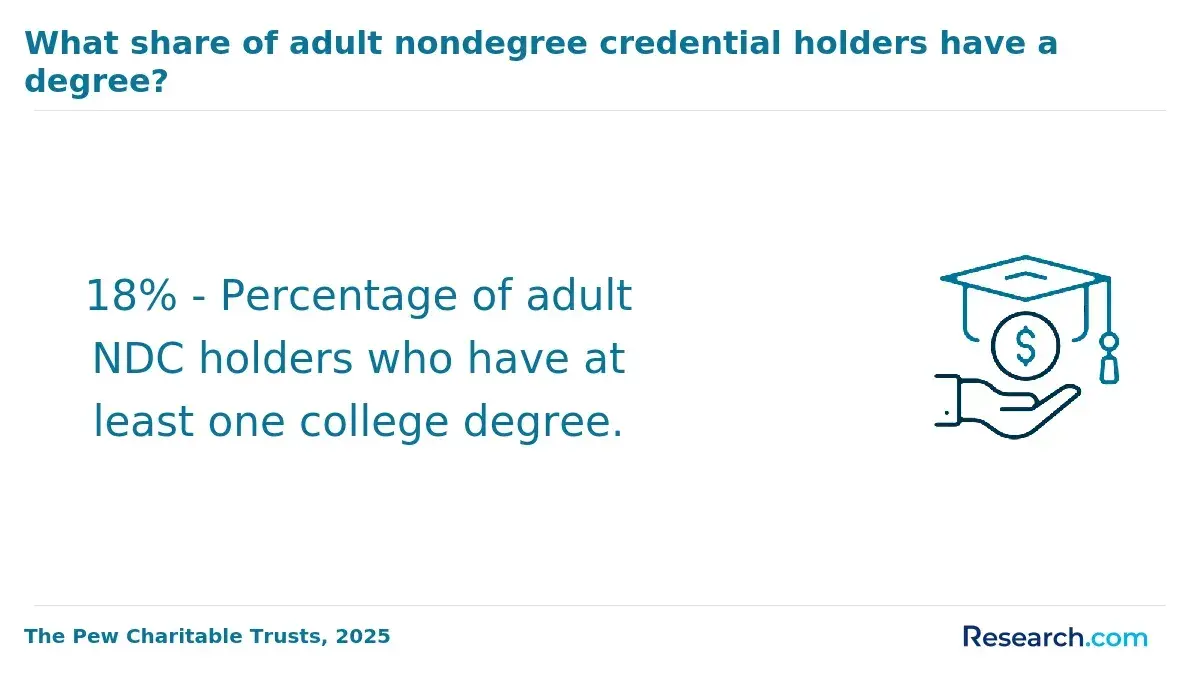
With 87% of workers worldwide recognizing the importance of reskilling for future job stability, advancing new competencies is especially critical for adults shifting careers. Political science programs encourage the development of adaptable skills that are essential for navigating diverse professional landscapes.
Below are five core abilities career changers typically acquire during their studies:
- Critical Thinking: Delving into political theories and structures enhances one's capacity to assess multifaceted issues rigorously. This fosters sound judgment applicable to fields such as consulting, law, and strategic planning.
- Research and Data Analysis: Students learn to systematically collect and interpret quantitative and qualitative information, enabling them to craft evidence-based recommendations vital in market research, policy development, and various analytical roles.
- Communication: Honing written and verbal skills prepares graduates to articulate persuasive arguments and convey complex ideas clearly, a key asset in advocacy, journalism, and corporate messaging.
- Problem-Solving: Exploring socio-political challenges cultivates innovative thinking to devise effective solutions, aligning with tasks in nonprofit leadership, government positions, and social initiatives.
- Cultural Awareness: Engaging with diverse perspectives builds empathy and adaptability, improving teamwork and collaboration in global or multicultural professional environments.
Career changers must carefully consider the total cost of earning a political science degree, especially as graduate education costs continue to rise. The average student loan debt for master's degree recipients has reached nearly $66,000, highlighting the need for thorough financial planning.
Several cost components contribute to the overall expense, each with options to help working professionals manage these effectively.
- Tuition and Fees: Tuition typically ranges from $10,000 to $40,000 per year depending on whether the institution is public or private and if in-state rates apply. Fees can add several hundred to a few thousand dollars annually. Flexible payment plans and employer tuition assistance programs can help reduce direct costs.
- Textbooks and Materials: Costs for textbooks and course materials vary but often add several hundred dollars per semester. Online or hybrid formats might require additional technology investments, such as software or hardware, which should also be budgeted for.
- Additional Expenses: For working professionals pursuing affordable political science programs for working professionals, ancillary costs such as travel, childcare, or lost income due to study time may apply. Part-time enrollment, evening classes, or credit transfers can mitigate these expenses and shorten time to completion.
Exploring cost-saving pathways like prior learning assessments or credit transfers is particularly beneficial for adult learners balancing work and education. Additionally, investigating what degrees make the most money can help align program choices with long-term career and financial goals.
Curriculum design is especially important for career changers because it offers targeted learning opportunities that respect their prior experience and current responsibilities. This approach ensures learners can gain relevant knowledge and skills while progressing flexibly in their studies.
Key features that support career transitions in a political science curriculum include:
- Applied Learning: Case studies and simulations replicate complex professional scenarios, helping students develop problem-solving skills vital for new roles.
- Transferable Skills: Emphasis on critical thinking, effective communication, and data analysis equips graduates with competencies highly valued across diverse career paths, highlighting the skills gained from political science degree for career transition.
- Flexible Pacing: Course scheduling and online options allow working adults to balance education with current job demands, facilitating a smoother career change.
- Real-World Experience: Projects and internships provide hands-on practice and networking opportunities essential for building professional connections in new industries.
- Organizational Insight: Understanding political and organizational systems aids graduates in adapting to roles in public, private, and nonprofit sectors, broadening their career prospects.
For adults considering a shift in their professional lives, exploring the easiest online degrees that pay well can complement the benefits of a carefully designed political science curriculum, helping ensure a practical and efficient transition.
For career changers, knowing potential job outcomes helps target education toward sectors with strong demand. The U.S. Bureau of Labor Statistics forecasts a 6% employment growth in social science occupations through 2032, highlighting stable prospects.
Below are several roles commonly pursued by those with a political science degree.
- Policy Analyst: Researches and assesses public policies to inform effective decisions. This role benefits from strong analytical skills and attention to detail, making it a suitable option for professionals shifting careers with an interest in public affairs.
- Legislative Assistant: Provides support to lawmakers by conducting legislative research and managing communication with various stakeholders. Transferable writing and interpersonal skills aid career changers in adapting quickly to this position.
- Public Relations Specialist: Oversees media strategies and crafts public messaging to influence opinion. This career aligns well with individuals possessing excellent communication abilities and an interest in managing public perception.
- Community Development Coordinator: Designs and executes programs aimed at improving local communities. Prior experience in project management or organizational roles can be leveraged in this adaptable position.
- Intelligence Analyst: Gathers and interprets security-related information, requiring sharp analytical thinking and problem-solving skills. It suits career changers drawn to strategic analysis and information management.
Salary expectations play a key role for career changers earning a political science degree, as they help evaluate the financial benefits of switching fields. Reskilled professionals generally experience a 7% to 15% salary increase on average, depending on their sector and position.
The following points outline typical earnings and factors that influence compensation after gaining a political science qualification.
- Entry-Level Salaries: Starting pay usually ranges from $45,000 to $60,000 annually, especially within government and nonprofit organizations where budgets tend to be more limited.
- Mid-Career Earnings: Professionals with five to ten years of relevant experience can expect salaries between $65,000 and $90,000, reflecting growth from both expertise and tenure.
- Private Sector Opportunities: Positions in consulting or corporate environments often offer compensation exceeding $100,000, rewarding skills that align with business or policy strategy.
- Geographic Impact: Location significantly affects earnings, as cost of living and regional demand for political science expertise vary widely across the U.S.
- Experience Leverage: Previous work history outside political science can boost initial salary offers and accelerate pay progression by bringing transferable skills and domain knowledge.
What Graduates Say About Their Political Science Degrees for Career Changers
- Brixton: "Choosing to switch careers was daunting, but enrolling in a political science degree program gave me a fresh start.I was particularly concerned about the average cost-around $35,000-but saw it as a worthwhile investment in my future.Today, I'm thriving in government relations, and I owe much of my success to the skills I gained."
- Slate: "Reflecting on my journey, deciding to pursue a political science degree was driven by a deep desire for meaningful change.The financial commitment was challenging, especially with average costs nearing $30,000, but I managed through scholarships and careful planning.Completing the program broadened my perspective and opened doors in nonprofit advocacy that I hadn't imagined possible."
- Rowe: "When I shifted from finance to politics, enrolling in a political science degree program was a strategic move.The cost, roughly $33,000, was a significant consideration, yet the value I received in terms of knowledge and network was unmatched.Finishing this degree positioned me perfectly for a leadership role in public policy."
Other Things You Should Know About Political Science Degrees
In 2027, career changers pursuing political science degrees can access various financial aid options, including federal student loans, grants such as the Pell Grant, and scholarships tailored to non-traditional students. Many universities offer need-based and merit-based scholarships, and there are also workplace tuition reimbursement programs that could be utilized.
Many political science programs require students to complete introductory courses in government, politics, and social sciences before moving on to advanced topics. Career changers without a background in these areas may need to take foundational classes to build essential knowledge. These prerequisites ensure students have a solid understanding of political theory, institutions, and methods.
Yes. Many programs ask for a resume and a statement of purpose showing prior work experience, academic goals, and reasons for switching fields. Some also require two recommendation letters and official transcripts. Graduate programs often set a minimum 3.0 GPA for admission.
- Politologia - studia magisterskie II stopnia na Uniwersytecie VIZJA https://vizja.pl/en/specjalizacja/politologia/
- 5 Careers Outside Politics With a Political Science Degree – Brescia University – Owensboro, Kentucky https://www.brescia.edu/2015/10/5-careers-outside-politics/
- 17 Jobs for Political Science Majors (That Don't Require You to Run for Office) https://www.theforage.com/blog/careers/jobs-for-political-science-majors
- Career Development and Transition Funding | Coefficient Giving https://coefficientgiving.org/funds/global-catastrophic-risks-opportunities/career-development-and-transition-funding/
- What Can I Do With a Political Science Degree? https://www.belmont.edu/stories/articles/2024/what-can-i-do-with-a-political-science-degree.html
- What Can You Do with a Political Science Degree? | School of Public Affairs | American University https://www.american.edu/spa/dispatches/what-can-you-do-with-a-political-science-degree.cfm
- Beyond the Courtroom: Thrilling Career Paths for Political Science Majors Without Going to Law School https://careertools.binghamton.edu/blog/2023/11/07/beyond-the-courtroom-thrilling-career-paths-for-political-science-majors-without-going-to-law-school/
- Political Science Sample Transfer Plan https://www.harpercollege.edu/academics/social-science/political-science/political-science-sample-transfer-plan.php
- Political Science - Bachelor's Degree - The Institute of Political Science https://politologia.uwr.edu.pl/en/candidates/bachelor-degree-political-science/
- Research & Public Service Career Support – Horizon Institute for Public Service https://horizonpublicservice.org/programs/career-support/


