2027 Part-Time vs Full-Time Online History Bachelor's Degree Programs

Co-Founder and Chief Data Scientist
Balancing a demanding job with family commitments, many adults wonder how to pursue a bachelor's degree in History without sacrificing their current responsibilities. Online education offers flexibility, but deciding between part-time and full-time study remains challenging, especially when time and financial resources are limited.
Recent data shows that 65% of online History bachelor's students enroll part-time to accommodate work-life balance. Choosing the right pace can affect academic success, career prospects, and personal wellbeing. This article explores the key differences between part-time and full-time online History bachelor's degree programs to help prospective students make an informed decision.
Key Benefits of Part-Time vs Full-Time Online History Bachelor's Degree Programs
- Part-time online history programs offer greater scheduling flexibility, allowing students to progress at their own pace while managing work and family commitments effectively.
- Full-time programs generally enable degree completion in about four years, whereas part-time paths often extend to six years or more, affecting time to graduation.
- Balancing personal and career responsibilities is typically easier with part-time studies, though full-time enrollment may lead to faster workforce reentry and potential salary benefits.
What is the difference between part-time and full-time online history bachelor's degree programs?
Part-time and full-time online history bachelor degree programs primarily differ in workload, pacing, and time commitment. About 40% of U.S. online degree students enroll part-time, showing considerable demand for flexible study options. This enrollment pattern reflects the need to balance academics with other responsibilities, affecting how students approach their studies. Exploring these differences can help students find the best fit for their goals and schedules.
Part-Time Online Programs
- Course Load: Part-time students typically take fewer than 12 credit hours per term, spreading their courses over a longer period and allowing for a more manageable pace.
- Scheduling Flexibility: This option offers greater adaptability, enabling students to adjust enrollment each term based on personal and professional demands.
- Study Intensity: Students balance coursework with other life activities, which requires consistent but less concentrated weekly study time than full-time enrollment.
- Program Structure: Part-time enrollment maintains the same foundational history knowledge but with a schedule tailored to individual needs.
Full-Time Online Programs
- Course Load: Full-time students usually enroll in 12 to 15 credit hours per semester, completing more courses simultaneously and progressing faster through the curriculum.
- Scheduling Rigidity: They follow a more structured academic calendar, often with less room to adapt course loads each term.
- Study Intensity: Full-time study involves a concentrated effort, with significant weekly hours dedicated to readings, assignments, and participation.
- Academic Immersion: The focused pace offers an intensive learning experience, ideal for students prioritizing rapid completion.
Students comparing full-time and part-time online history degree program options should consider how these structural differences align with their lifestyles. Those interested in flexible and manageable pacing may lean toward part-time study, while others might prefer the immersive experience of full-time. For students exploring modern fields alongside history, many also research the best AI masters programs online as part of their academic planning.
How long does it take to complete part-time vs full-time online history bachelor's degrees?
The time it takes to complete an online history bachelor's degree varies depending largely on whether a student enrolls part-time or full-time, as well as their individual pace. National data indicates the average bachelor's degree completion time in the U.S. is about 5.1 years when considering both enrollment types. These duration differences highlight important considerations for prospective students comparing part-time vs full-time online history degree completion time.
Part-Time Online Programs
- Flexible Scheduling: Part-time students often take six to nine credit hours per term, which allows them to balance study with work or family responsibilities while extending program length.
- Asynchronous Classes: Many programs offer asynchronous courses suited to part-time learners, enabling study on a customizable schedule that accommodates varied lifestyles.
- Longer Completion Time: Due to a lighter course load, part-time students typically take six years or more to finish, depending on consistent enrollment and personal pacing.
- Enrollment Interruptions: Breaks or irregular semesters can significantly extend degree duration, so steady participation is crucial for timely completion.
Full-Time Online Programs
- Heavier Course Load: Full-time students usually enroll in 12 to 15 credit hours per term, accelerating progress through their history curriculum in about four years.
- Structured Calendar: Programs follow regular academic terms, providing a predictable timeline that supports steady advancement toward graduation.
- Steady Pacing: The consistent workload and schedule help students maintain momentum, reducing overall completion time compared to part-time enrollment.
- Alignment with Norms: Full-time options mirror traditional on-campus timelines, appealing to students aiming for standard degree duration.
Those interested in further education might also explore opportunities like a PhD leadership online to complement their history background and advance their career.
2026 Update: Check Course Rotation Before Choosing Your Pace
For 2026, this update adds a practical enrollment-planning angle: how online history course availability can affect whether part-time or full-time study is realistic from term to term.
- Whether required history survey courses are offered every term or only once a year.
- If upper-division electives match your interests, such as public history, U.S. history, world history, or archival studies.
- Whether prerequisites could delay access to research seminars or capstone courses.
- If accelerated sessions make full-time enrollment manageable or too compressed.
- Whether part-time students get equal registration access to high-demand online courses.
- If internships, fieldwork, or primary-source projects require fixed schedules or local availability.
Reviewing course rotation before enrolling helps students choose a pace they can actually sustain, instead of discovering later that required classes are not available when needed.
What is the workload for a part-time vs. a full-time online history bachelor's degree?
Part-time and full-time online history bachelor's programs differ significantly in course load and study commitment. Full-time students usually take around 12 to 15 credit hours per term, equating to roughly four to five courses, which requires dedicating 40 hours or more weekly for readings, assignments, and class participation. In contrast, part-time students typically enroll in one to two classes per semester, spending about 10 to 20 hours each week on coursework.
The pacing also varies; full-time programs follow a faster schedule with weekly or biweekly deadlines, while part-time study allows for extended timeframes to complete assignments. This flexibility benefits those balancing education with work or family responsibilities without compromising academic standards.
The academic demands between the two formats reflect their differing intensities. Full-time students face concentrated workloads with frequent deadlines for essays, quizzes, and projects, demanding continuous attention and effective multitasking skills. Part-time learners experience a more spread-out timeline, giving additional breathing room to engage deeply with course material and manage unexpected life demands.
Both require solid time management, but full-time study has less margin for delay and requires sustained focus. Regardless of enrollment type, students must engage critically with historical sources and actively participate in online discussions to succeed.
Which option is better for working adults in an online history bachelor's degree?
Both part-time and full-time online history bachelor's degree programs can accommodate the needs of working adults, depending on individual schedules, capacity for coursework, and personal commitments. According to the National Center for Education Statistics, more than 30% of undergraduates studying fully online are employed full-time. These differences highlight important considerations when choosing between part-time and full-time study.
- Scheduling Flexibility: Part-time study often provides more adaptability, allowing students to distribute their classes over multiple semesters to better juggle work and family obligations.
- Workload Intensity: Full-time students face a denser course load each term, which can be challenging alongside full-time employment or other duties.
- Time Management: Both formats demand strong organization, but full-time enrollment requires more continuous and focused daily effort to meet faster deadlines.
- Pace of Completion: Full-time students usually complete the degree within around four years, whereas part-time learners may extend their studies to six years or beyond, depending on circumstances.
- Stress and Burnout Risk: Intensive full-time schedules can increase pressure and fatigue, while a part-time approach may alleviate burnout but prolong the academic journey.
When speaking with a working professional enrolled online in a history bachelor's program, she reflected on balancing her job with studies: "Choosing part-time allowed me to keep up without feeling overwhelmed," she said. "Some weeks were tough managing deadlines alongside work, but pacing myself helped me stay motivated." She described moments when juggling assignments and job tasks tested her resolve but also gave her a strong sense of accomplishment progressing steadily without sacrificing personal well-being.
Can I switch from part-time to full-time in an online history bachelor's degree?
Many online bachelor's degree programs in history offer the option to switch between part-time and full-time enrollment based on a student's changing needs, academic progress, or personal circumstances. This flexibility is especially important for nontraditional learners balancing work and other commitments.
Data shows that about 37% of students in online programs have adjusted their study load at least once, highlighting a growing trend in shifting between part-time and full-time pathways. Such adaptable structures help students maintain momentum toward their degree while accommodating life's unpredictability. For those interested in related flexible options, exploring an online school for game design can provide similar enrollment versatility.
Switching from part-time to full-time study requires careful consideration of factors like the increased academic workload and faster pace of coursework. Students must evaluate their capacity to handle a heavier credit load each term and understand how this shift influences their overall progression.
Many programs have policies that necessitate notifying advisors or obtaining formal approval, often with set deadlines for making enrollment changes. Planning ahead is crucial to prevent disruptions that could delay graduation. Therefore, students changing from part-time to full-time online history degree students should weigh these demands and institutional requirements carefully to ensure a smooth transition.
How does tuition differ for part-time vs. full-time online history bachelor's degrees?
Tuition for online history bachelor's degrees can vary significantly based on enrollment status, program pacing, and how schools charge-for example, per credit or flat rates. On average, online history bachelor's programs can range from $250 to $600 per credit. These differences affect how students budget and plan their education costs. Below is a closer look at how tuition typically compares between part-time and full-time online studies.
Part-Time Online Programs
- Per-Credit Billing: Part-time students usually pay tuition based on each credit hour they enroll in, giving flexibility to take fewer courses at a time.
- Spreading Out Costs: Because classes are taken over a more extended period, tuition payments are smaller but more frequent, aligning with a manageable budget.
- Longer Duration Impact: While individual payments are lower, the total cost may increase due to longer enrollment periods and potential fee accumulations.
- Payment Frequency: Students often face multiple billing cycles throughout the year, reflecting the varying number of credits per term.
Full-Time Online Programs
- Flat-Rate Tuition: Many full-time students pay a set tuition fee per semester or term covering a typical credit range, often 12 to 15 credits.
- Front-Loaded Expenses: Payments come in larger, consolidated chunks, requiring more upfront budgeting each term.
- Accelerated Completion: By taking a full load, students finish degrees quicker, potentially lowering total living or incidental costs over time.
- Stable Payment Schedule: Full-time enrollment often means consistent tuition amounts each term, simplifying financial planning.
When I spoke with a graduate of an online history bachelor's degree, he shared how juggling tuition payments shaped his experience. He found flexibility critical, saying, "Paying per credit let me handle my finances without feeling overwhelmed, especially during months I worked overtime."
Yet, he also noted the challenge of the longer timeline: "Stretching the program meant keeping track of payments for years, which sometimes made it hard to feel the finish line was near." His perspective highlights how both paths offer unique financial rhythms that impact student life beyond just dollar amounts.
Which option offers better financial aid for an online history bachelor's degree?
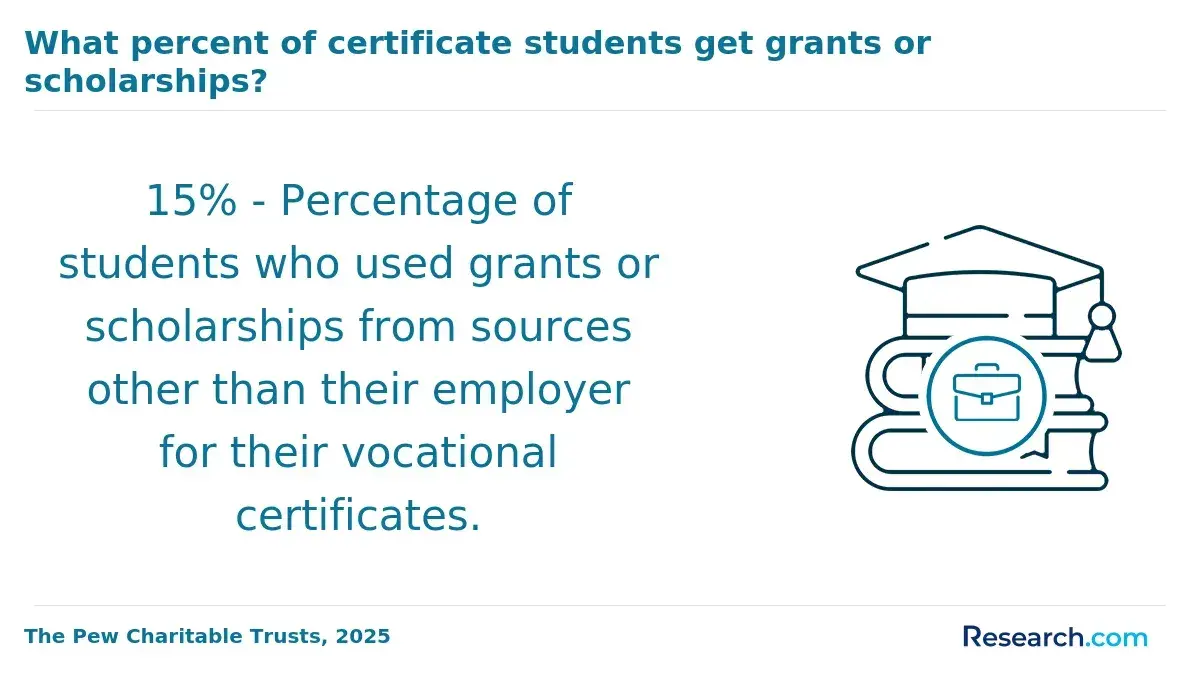
Financial aid for online history bachelor's degrees often varies based on whether students attend part-time or full-time, along with eligibility criteria and specific institutional policies. Approximately 40% of online learners nationwide are part-time students, reflecting their significant presence in higher education. These differences affect the types and amounts of aid available. Below is a comparison of common financial aid options for part-time versus full-time online history students.
- Federal Pell Grants: These grants typically require at least half-time enrollment, so part-time students may qualify but often receive smaller awards than full-time students. Full-time attendees generally have higher eligibility and can maximize these funds.
- Federal Student Loans: Both part-time and full-time students can access federal loans, but part-time students usually face lower borrowing limits, which might restrict their total loan amount compared to full-time peers.
- Institutional Scholarships: Colleges often prioritize full-time students for scholarships, but some institutions offer awards specifically designed for part-time or working adult learners to support their unique schedules.
- Employer Tuition Assistance: This form of aid usually applies equally to both enrollment statuses, especially for working adults pursuing online degrees, making it a flexible and valuable resource regardless of full-time or part-time status.
What are the pros and cons of part-time vs full-time online history bachelor's degrees?
Deciding between part-time and full-time online history bachelor's degree programs is a critical step for many students juggling work, family, and other commitments. Each option offers unique benefits and drawbacks that align differently with personal schedules and career aspirations. Below is a comparison that highlights key pros and cons of both approaches.
Pros
- Flexibility: Part-time programs allow students to balance coursework with professional and personal responsibilities, reducing stress and making education more accessible.
- Cost Management: Spreading tuition over a longer period in part-time study can be financially manageable for many students.
- Accelerated Completion: Full-time study enables students to finish degrees faster, ideal for those eager to enter or re-enter the workforce quickly.
- Continuous Engagement: Full-time programs often help with better information retention through more consistent interaction with material and peers.
Cons
- Extended Timeline: Part-time enrollment means it takes longer to graduate, which might delay career advancement or further graduate studies.
- Slower Progress: The prolonged pace of part-time study can be a drawback for those seeking rapid educational progress.
- Intensity: Full-time study demands disciplined time management and can be overwhelming for students with jobs or family duties.
- Higher Immediate Costs: Full-time programs usually require larger immediate tuition payments and can increase pressure on learners.
Those considering these paths should also explore related fields, such as art therapy master's programs, which might align with their broader career goals. Both part-time online history degree benefits and drawbacks and full-time online history degree program advantages and challenges must be weighed carefully to find the best fit.
Does part-time vs full-time affect career outcomes in an online history bachelor's degree?
Employers today increasingly focus on skills and competencies over traditional degree formats, with a 2023 survey by the National Association of Colleges and Employers showing that about 72% prioritize skills-based hiring.
This shift highlights that the pace of earning an online history bachelor's degree-whether part-time or full-time-has less impact on career outcomes than the actual skills and experience gained. Here are key factors influencing career success for both enrollment types.
- Skill Development: Graduates who cultivate critical thinking, research proficiency, and communication skills tend to excel professionally. This applies equally to part-time and full-time students who commit to mastering these core areas.
- Work Experience Integration: Part-time students often balance studies with ongoing employment, enabling them to apply historical knowledge in real-world contexts and strengthen their resumes simultaneously.
- Degree Credibility: Accredited online history programs remain the critical foundation employers look for, validating that the education meets recognized standards regardless of enrollment status.
- Progression Opportunities: Full-time students may have quicker access to internships and networking events, while part-time learners can build connections over a longer timeframe within their current workplaces, both pathways supporting career growth.
- Career Impact: Career outcomes for online History bachelor's degree students depend heavily on how individuals leverage their studies alongside professional development. For those exploring related fields, resources highlighting jobs with elementary education and environmental science degree demonstrate the value of intersecting skills and education.
What mistakes should I avoid in part-time vs full-time study?
Deciding between part-time and full-time online study demands thoughtful preparation to tackle common challenges. Research shows that nearly 40% of online learners struggle with retention, often due to underestimated demands and ineffective scheduling. Recognizing these pitfalls can help students stay on track and complete their degrees.
- Underestimating Workload: Both part-time and full-time students often misjudge the intensive reading, research, and writing needed in History programs. Full-time learners might assume online study is easier, while part-time students may overlook how assignments accumulate over time.
- Poor Time Management: Balancing school with work or family is tough. Full-time students may fall behind without dedicated study hours, and part-time students can find it hard to maintain consistent progress, risking delays in graduation.
- Misaligned Schedules: Rigid routines benefit full-time students, but failing to adapt daily activities can cause overwhelm. Part-time learners sometimes enroll in too many classes at once, which spreads them too thin and leads to missed deadlines.
- Unrealistic Expectations: Expecting fast completion without accounting for academic hurdles is risky. Full-time students might push too hard, while part-time students can underestimate that stretching coursework prolongs both time and cost.
What Graduates Say About Part-Time vs Full-Time Online History Bachelor's Degree Programs
- Truett: "Choosing a part-time online history degree was crucial for me as I balanced work and family commitments. The flexibility allowed me to dive deep into historical contexts without sacrificing my daytime job. Overcoming the occasional isolation of online learning pushed me to engage more with digital resources, which truly enriched my understanding and has opened new doors in my education career."
- Charlie: "Enrolling in a full-time online history program was a bold step that suited my goal to switch careers quickly. The immersive curriculum and access to live discussions helped me build a strong foundational knowledge, despite the distance learning format. This degree has been instrumental in landing my role as a museum curator, demonstrating the real-world value of a focused, full-time commitment."
- Daniel: "As someone who needed to juggle part-time study with other personal projects, the online history bachelor's program was ideal for me. It demanded discipline, especially in managing deadlines and detailed research assignments, but the ability to tailor study schedules made all the difference. Professionally, this qualification has dramatically boosted my credibility and opportunities in academic publishing."
Other Things You Should Know About History Degrees
Yes, part-time online History bachelor's degree programs typically allow students to enroll in fewer courses each semester compared to full-time programs. This flexibility helps students manage other commitments while progressing through the curriculum at a slower pace. However, taking fewer courses extends the overall degree completion timeline.
In 2027, part-time online history degree programs typically offer greater scheduling flexibility compared to full-time options, allowing students to balance coursework with personal or professional commitments more effectively. Full-time programs usually have a more rigid structure, requiring a larger time commitment each semester to maintain a steady pace toward graduation.
Part-time students in online History programs usually have access to the same academic resources as full-time students, including digital libraries, tutoring, and faculty support. Access depends more on the institution's policies than enrollment status. Thus, part-time students should confirm resource availability with their chosen program.
References
- Part-Time vs Full-Time CS Degrees: Which Path Is Right for You? 2026 https://hakia.com/resources/part-time-vs-full-time/
- Do Online Degrees Lead to Jobs as Reliably as Traditional Ones? - EdSurge News https://www.edsurge.com/news/2022-10-19-do-online-degrees-lead-to-jobs-as-reliably-as-traditional-ones
- Pros and Cons of part-time study https://www.bcu.ac.uk/student-info/types-of-study/postgraduate/postgraduate-taught-blog/part-time-pros-and-cons
- Switching from part time to full time https://www.thestudentroom.co.uk/showthread.php
- Does a Part-Time Degree Cost the Same as Full Time? - Healthcare Management Degree Guide https://www.healthcare-management-degree.net/faq/does-a-part-time-degree-cost-the-same-as-full-time/
- Part-Time Online Study: The Impact on FAFSA Dependency Status Explained https://www.straighterline.com/blog/part-time-online-study-the-impact-on-fafsa-dependency-status-explained
- Full-time and part-time study explained https://www.bbk.ac.uk/prospective/full-time-and-part-time-study-explained
- History (Online) BA (Hons) https://www.tees.ac.uk/undergraduate_courses/history/ba_(hons)_history_(online).cfm
- History (BA) (Part-time study) duration 4-8 years https://warwick.ac.uk/fac/arts/history/prospective/undergraduate/part-time/