2027 Return on Investment of an Online History Bachelor's Degree: Salary vs Cost

Co-Founder and Chief Data Scientist
Considering a shift into the history field through an online bachelor's degree raises a critical question: does the potential salary justify the upfront and ongoing costs? Many prospective students worry about accumulating debt without a clear path to financial recovery.
Recent data shows that graduates with an online history bachelor's degree see an average starting salary of around $50,000, which is 12% below the national average for all bachelor's degree holders.
This article explores the balance between the tuition investment and earning potential, aiming to equip readers with the knowledge to make informed decisions about pursuing an online history degree.
Key Things to Know About the Return on Investment of an Online History Bachelor's Degree
- Average tuition for online history bachelor's degrees ranges from $15,000 to $30,000, significantly lower than traditional programs-making cost a critical factor in ROI calculations.
- Graduates see median salaries around $55,000 annually, with variations based on region and industry-highlighting the need to weigh salary outcomes against program expenses.
- Non-financial benefits such as enhanced career advancement, improved job security, and expanded professional networks often outweigh immediate salary gains, delivering long-term value.
What Is the True Cost of Earning an Online History Bachelor's Degree From Enrollment to Graduation?
The cost breakdown of online history bachelor's degree programs includes multiple direct and indirect expenses beyond just tuition. Prospective students should consider these to effectively plan their finances over the typical four-year duration.
- Tuition and Fees: Published tuition rates range widely from $15,000 to $40,000. However, net prices after scholarships, grants, and federal aid often fall between $10,000 and $25,000, based on IPEDS data and individual university net price calculators.
- Technology and Access Fees: Online learners typically pay $200 to $600 annually for digital platform access, proctoring services, software licenses, and technical support required by their programs.
- Textbooks and Course Materials: Physical or digital textbooks, along with primary source databases used extensively in history courses, can cost $500 to $1,200 each year. Some schools bundle these costs, but many require separate purchases.
- Indirect Costs: While online programs reduce commuting and housing expenses, students may still need reliable high-speed internet, updated computers, and quiet study spaces, adding $500 to $1,500 yearly depending on individual circumstances.
National Center for Education Statistics data suggest total expenses for earning an online history degree can vary from about $20,000 for financially aided public school students to over $50,000 at private or out-of-state institutions.
These estimates serve as a baseline for evaluating return on investment alongside salary prospects and career growth. Students on tight budgets might also explore affordable alternatives, including cheap doctoral programs, as part of long-term career planning in related fields.
How Does the Starting Salary for History Bachelor's Degree Graduates Compare to the Total Cost of the Degree?
Graduates with a bachelor's degree in history often start careers as historians, archivists, or secondary education teachers. According to the Bureau of Labor Statistics (BLS) Occupational Outlook Handbook, median annual starting salaries for these roles range from about $45,000 for secondary school social studies teachers to $54,000 for entry-level historians.
Archivists and curators typically earn around $46,000. Comparing these figures to the total cost of an online history degree offers valuable insight. The average total cost varies widely-from roughly $15,000 in favorable tuition and financial aid conditions to over $40,000 without significant assistance.
With these numbers, graduates can expect to spend between 3 to 9 months of starting salary income to recoup their investment in the degree. This quick offset period is particularly relevant for first-generation college students on a tight budget or career changers weighing the upfront cost against immediate earnings.
The total cost of an online history degree must be evaluated alongside projected salary growth, which often ranges from 30 to 50 percent over a decade as professionals gain experience and potentially advanced skills.
When researching programs, prospective students should consider financial aid options carefully in light of the starting salary for history bachelor graduates. For those interested in broader options, exploring the best online EMBA programs can offer additional career advancement pathways.
- Entry-Level Salaries: Median starting salaries for common history graduate roles generally range from $45,000 to $54,000 annually, providing a tangible income foundation post-degree.
- Degree Costs Vary: The total cost of an online history degree can be as low as $15,000 with aid or exceed $40,000 without, affecting how soon graduates recoup their expenses.
- Months to Offset Cost: Graduates typically need 3 to 9 months of starting salary income to cover degree costs, depending on tuition and financial aid scenarios.
- Salary Growth Potential: Salary projections show 30 to 50 percent growth over 10 years, improving the long-term return on investment beyond initial earnings.
- Non-Financial Returns: Career advancement, job security, and professional development contribute essential value beyond monetary outcomes.
What Is the Average Return on Investment (ROI) for an Online History Bachelor's Degree Over a 10-Year Career?
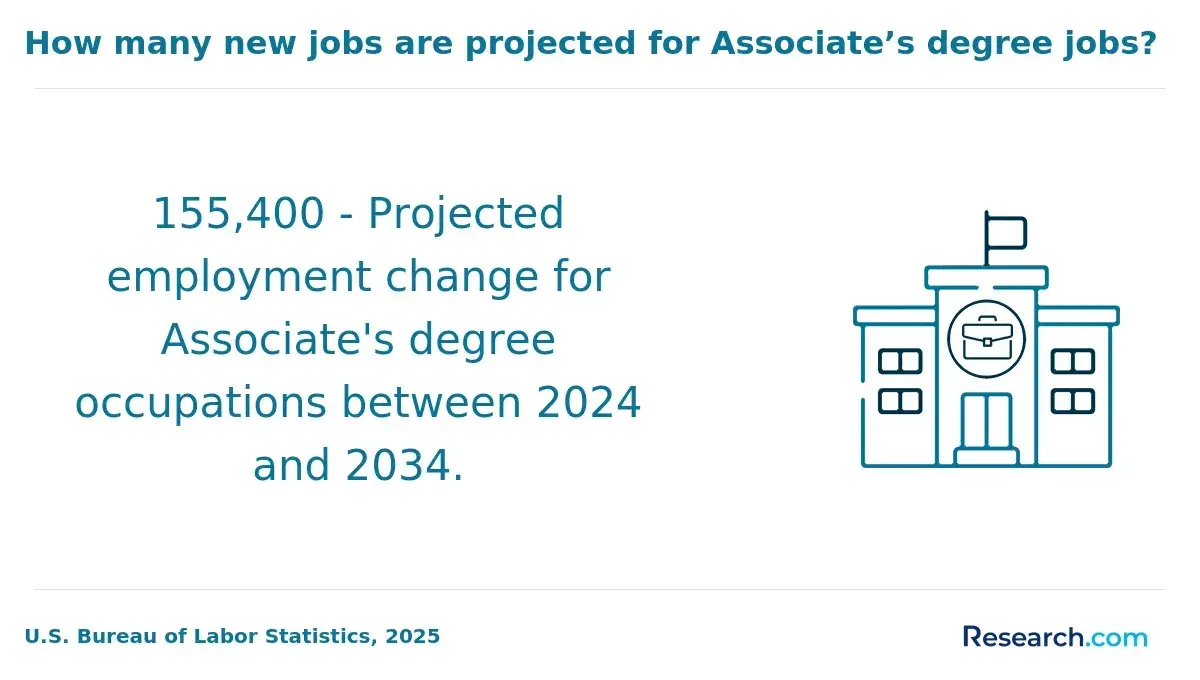
Return on investment (ROI) in higher education measures the financial gain from a degree by subtracting the total cost of education from the additional earnings accumulated over a specific period-typically 10 years-compared to peers holding only a high school diploma or associate degree in the same field.
According to the Georgetown University Center on Education and the Workforce, individuals with a bachelor's degree earn about 84% more on average over their lifetime than high school graduates. PayScale's College ROI Report confirms these trends, providing benchmark data for various majors.
Using median wage data from the Bureau of Labor Statistics, historians earn an average of $63,000 annually. Assuming a consistent 3% raise each year, a history graduate's total earnings over 10 years would reach around $741,000. Non-degree workers in related roles typically start at $40,000 annually, totaling $440,000 after a decade.
After accounting for an average online bachelor's degree cost of $40,000, the net financial benefit over 10 years for history graduates is roughly $261,000. This figure, while solid, falls a bit below the national 10-year average ROI for all bachelor's degrees, which is near $300,000.
- Average Earnings Differential: History graduates make about $23,000 more per year than comparable non-degree holders, significantly boosting their cumulative earnings.
- Degree Cost Impact: The $40,000 investment in online programs affects overall ROI, making affordability a critical consideration for working students or career changers.
- Salary Growth Factors: Annual raises from promotions or inflation increase lifetime earnings, enhancing ROI beyond starting salaries.
- Comparative ROI: While solid, history's 10-year ROI is slightly less than the national average for bachelor's degrees, reflecting variations by field.
- Non-Financial Benefits: Career advancement, job stability, and skill development add meaningful value beyond direct financial returns.
A professional who chose to pursue an online history bachelor's degree shared that deciding to enroll involved detailed calculations of both upfront costs and expected salary gains.
"I needed a flexible program that allowed me to work full-time while building my credentials," he said. Balancing coursework with his job proved challenging at times, but knowing the long-term financial benefit was clear made it manageable.
He emphasized, "Estimating the ROI helped me stay focused when workload pressure was high and reinforced that this was an investment in my future career path."
How Do Online History Program Tuition Rates Compare Across Public, Private, and For-Profit Institutions?
Tuition costs for online history programs vary significantly by institution type, influencing the overall return on investment. Public universities offer the most affordable options for in-state students, frequently using flat-rate pricing between $7,000 and $12,000 annually.
These lower rates reflect state funding aimed at broadening access and providing predictability for budgeting, making public schools an attractive choice for many seeking online history program tuition comparisons public private for-profit.
- Public Institutions: Provide the lowest tuition for in-state online history degrees, benefiting from subsidies and simplified flat-rate pricing that supports budget planning.
- Private Nonprofit Schools: Charge higher tuition, typically ranging from $20,000 to $35,000 per year, but often compensate with stronger academic resources, reputation, and financial aid that can improve net affordability.
- For-Profit Colleges: Tend to have the lowest initial tuition-sometimes below $7,000 annually-but these cost savings come with compromises.
While upfront tuition savings at for-profit colleges might appeal to budget-conscious students or career changers, the impact on long-term outcomes deserves attention.
Evaluating both tuition cost differences in online history degrees and completion success is essential since employer perceptions and credential value influence career advancement and job security. For those mindful of cost and outcomes, this balance can guide smarter educational investments that lead to stronger financial returns.
A useful reference for cost-effective options beyond history is the cheapest online master's degree in criminal justice, which illustrates similar tuition and ROI considerations in other fields.
What Long-Term Salary Growth Can History Bachelor's Degree Holders Expect Over a 20- to 30-Year Career?
A history bachelor’s degree can support steady long-term salary progression, with earnings growing over time as graduates build experience, develop specialized expertise, and move into advanced or leadership roles across diverse fields.
- Early Career Growth: Within the first five years, bachelor's degree holders in history typically begin in foundational roles such as educators, archivists, or research assistants. While starting salaries are generally modest, this stage allows crucial skill development and professional networking.
- Mid-Career Acceleration: Around the ten-year mark, many advance to positions like historians, curators, or policy analysts. PayScale data highlights that mid-career history graduates often experience salary increases exceeding 20%, linked to deeper specialization and greater leadership duties.
- Experienced Professional Plateau: Between 15 and 20 years, salary growth usually steadies but remains positive. Senior roles such as tenured professors, senior researchers, or program directors benefit from accrued expertise and reputational advantages, resulting in earnings that surpass those without degrees in comparable jobs.
- Cumulative Lifetime Earnings Premium: Over a full career span of 20 to 30 years, history bachelor's degree holders are estimated to earn $400,000 to $600,000 more than similarly employed peers lacking degrees. This advantage reflects ongoing promotions, salary escalations, and access to specialized career paths.
A professional who built her career after completing an online history bachelor's program shared insights into her journey. She recalled initial self-doubt balancing coursework with full-time work but emphasized how the online format's flexibility empowered her to succeed.
Networking through virtual forums opened unexpected career doors, while the program's rigorous curriculum helped refine critical thinking and communication skills.
Reflecting on salary growth, she noted, "The progression wasn't overnight, but each step forward felt rewarding as it aligned with new responsibilities and greater confidence in my field." Her story underscores how the degree can provide meaningful long-term professional and financial gains despite early challenges.
How Does the ROI of an Online History Bachelor's Degree Compare to an Associate Degree or a Professional Certificate?
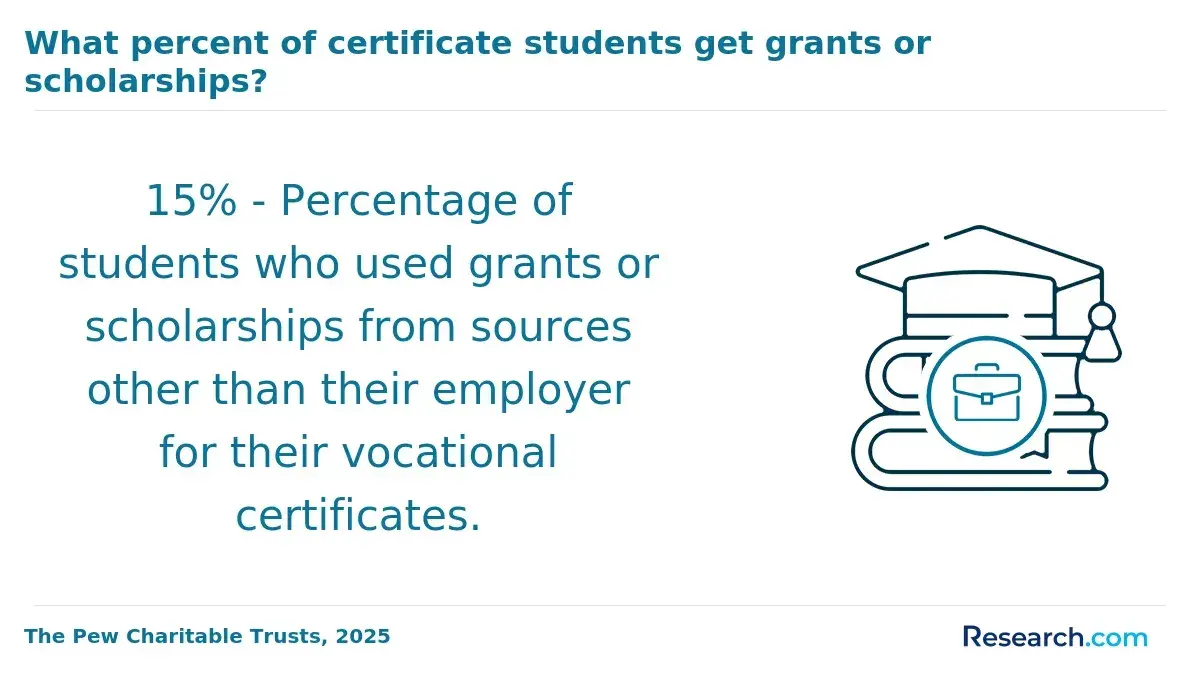
Comparing the ROI of an online history bachelor’s degree with an associate degree or professional certificate reveals key differences in investment, career versatility, and long-term earning potential.
- Cost Efficiency: Associate degrees and certificates typically require lower financial investment and can be completed within two years or less. This makes them appealing for those aiming to start working sooner or managing immediate budget constraints.
- Median Salary Comparison: Data from the Bureau of Labor Statistics and the National Center for Education Statistics indicate that individuals with a bachelor's degree in history earn median wages about 20% to 35% higher than those holding only an associate degree or certificate in related fields.
- Career Advancement: A bachelor's degree opens doors to a wider array of roles-including positions in education, research, and government sectors-that often require or favor a four-year credential. In contrast, certificates and associate degrees generally limit access to entry-level or technician roles with slower wage progression.
- Short-Term vs. Long-Term Returns: Certificates and associate degrees suit individuals needing quick workforce entry or supplementary skills, due to lower upfront costs and shorter completion times, offering faster returns on investment. Conversely, those targeting long-term careers typically gain greater cumulative earnings with a bachelor's degree.
- Job Security and Professional Development: Graduates with bachelor's degrees often benefit from enhanced job stability because of the demand for advanced qualifications. They also have improved prospects for continuing education and professional certifications that drive career growth.
- Decision Framework: Consider these factors: current financial resources and willingness to invest time; career ambitions focused on immediate employment versus roles requiring advanced credentials; and the ability to manage education costs against long-term salary benefits.
Which Online History Specializations or Concentrations Yield the Highest Earning Potential After Graduation?
Specializing within an online history bachelor's degree can substantially boost earning potential compared to generalist tracks.
According to Bureau of Labor Statistics data, graduates concentrating in Public History-focusing on museums, archives, and heritage sites-typically secure roles with median salaries near $60,000, which surpasses the $50,000 median for general history majors employed in education or research.
- Military History: Graduates often find opportunities with defense agencies or government contractors in intelligence analysis and consultancy, with median salaries exceeding $65,000. These roles commonly require security clearances, which add time for processing but no direct expense.
- Digital History and Archives: Expertise in digital curation and historical data management commands salaries from $55,000 to $70,000. Certification such as Certified Archivist involves additional coursework and fees, increasing initial costs but enhancing job market competitiveness.
- Legal and Political History: This specialization suits careers in legal research, policy analysis, or lobbying, with median salaries ranging $60,000 to $75,000. Additional investment is needed for law-related certifications or degrees, extending time-to-ROI.
- Economic History: Careers in economic policy or financial analysis offer salaries often above $65,000. A strong foundation in economics or statistics is essential, requiring more study hours and possible tuition increases.
Choosing the right specialization depends on your experience and goals. Fields with certifications and licensure generally demand higher upfront costs but provide better job security and advancement.
For working professionals, digital history or public history balances salary growth with manageable additional training. First-generation students with tight budgets might lean toward specializations with lower ancillary costs to optimize return on investment.
How Do Employer Tuition Reimbursement and Financial Aid Reduce the Net Cost of an Online History Bachelor's Degree?
Employer tuition reimbursement programs can dramatically lower the out-of-pocket cost of an online History bachelor's degree. Under IRS Section 127, employers may offer up to $5,250 per year in tax-free tuition assistance, which employees often apply directly to course fees and related expenses.
According to the Society for Human Resource Management (SHRM), about 66% of U.S. employers provide some form of tuition assistance or reimbursement, making employer tuition reimbursement benefits for online History degrees a valuable resource for many working students.
Federal and institutional financial aid further reduce net tuition costs. Grants and scholarships-awarded based on merit or financial need-do not require repayment, while subsidized federal loans pause interest accrual during half-time enrollment or greater.
These sources complement employer benefits, significantly cutting the financial burden for students pursuing an online History degree. Combining these options often turns the full sticker price into a much smaller net investment.
For example, a student facing $15,000 in annual tuition might receive the IRS tax-free maximum of $5,250 from an employer, $4,000 in federal grants, and $3,000 in scholarships.
This could leave as little as $2,750 in tuition debt or out-of-pocket cost. Such a substantial reduction illustrates how federal aid impact on net cost of online History bachelor's programs can enhance affordability and improve return on investment.
Students considering an online History degree can also explore related fields, such as an online hospitality degree, to compare financial options and career pathways.
- Employer Tuition Reimbursement: Many employers offer tax-free tuition benefits under IRS Section 127, covering up to $5,250 annually. This reduces employees' taxable income while supporting their educational goals.
- Prevalence of Tuition Assistance: SHRM data show that approximately two-thirds of U.S. employers provide tuition assistance, making this a broadly available benefit for degree-seeking workers.
- Federal and Institutional Aid: Grants, scholarships, and subsidized loans play a crucial role in lowering net costs, often drastically reducing what students pay out of pocket.
- Combined Financial Strategies: Using employer tuition reimbursement in combination with federal aid can reduce tuition expenses by over 80%, significantly improving financial accessibility.
- Worked Cost Example: A $15,000 yearly tuition can be cut to under $3,000 after applying employer benefits, grants, and scholarships-demonstrating tangible savings for students.
What Hidden Costs Should Students Factor Into the Total Investment of an Online History Bachelor's Degree?
When budgeting for an online history bachelor's degree, students should account for additional expenses beyond tuition, which can significantly increase the total cost-sometimes by $1,000 or more annually.
These hidden fees affect the financial considerations for an online history bachelor's total cost and lengthen the break-even timeline for recovering expenses through salary gains.
Technology fees generally range from $100 to $500 per year and cover digital infrastructure, learning management systems, and technical support. Proctoring services, essential for secure online exams, commonly charge $25 to $50 per test, potentially adding several hundred dollars over the duration of the degree.
Graduation fees usually fall between $100 and $200, while some courses demand licenses for specialized software or access to archival databases. Additionally, professional memberships in history-focused organizations, costing $50 to $150 annually, can provide valuable networking opportunities but often go unplanned in budgets.
Requesting a full cost-of-attendance breakdown-not just tuition-is crucial for an accurate financial picture. Such transparency ensures prospective students can fully evaluate programs, balancing salary outcomes with these additional expenses.
Considering research from verified sources and comparisons to other fields, like the top online electrical engineering schools, can provide perspective on investment value.
- Technology Fees: Institutions commonly impose annual technology fees between $100 and $500 that cover platforms and technical support, substantially adding to the degree's overall cost.
- Proctoring Services: Secure online testing often requires paid proctoring with fees from $25 to $50 per exam, which can cumulatively reach hundreds of dollars across a degree program.
- Graduation and Software Fees: Graduation fees typically cost $100 to $200, and some courses require additional paid software or database access, increasing total expenses.
- Professional Memberships: History-related organizations offer career networking but may charge $50 to $150 annually, a frequently overlooked budgeting item.
- Impact on ROI Timeline: These hidden costs increase total investment, potentially extending the time needed for salary gains to offset education expenses, highlighting the necessity of full cost transparency.
How Does the Accreditation Status of an Online History Program Affect Graduate Salary and Employability?
Regional accreditation evaluates an entire institution's academic quality and is the gold standard recognized by employers and graduate schools. Programmatic accreditation assesses specific academic disciplines but is less common for history programs.
Graduates from regionally accredited schools usually command higher salaries and have stronger negotiating power. According to surveys by the National Association of Colleges and Employers (NACE), hiring managers prefer candidates with degrees from regionally accredited institutions, viewing them as better prepared and more credible.
Attending a school without proper accreditation may restrict access to licensure exams, graduate programs, and certain jobs in government or healthcare sectors. These limitations reduce long-term career prospects despite initially lower tuition costs.
Prospective students should consult the U.S. Department of Education's accreditation database and the Council for Higher Education Accreditation (CHEA) to confirm a program's legitimacy before enrolling.
- Employer Preference for Regional Accreditation: Hiring managers favor degrees from regionally accredited institutions, associating them with higher academic standards and workforce readiness.
- Salary Negotiation Advantages: Graduates of regionally accredited programs tend to have greater leverage in salary and promotion discussions.
- Licensing and Career Restrictions: Lack of regional accreditation can block entry to key licensure exams and regulated professions.
- Graduate School Eligibility: Many advanced degree programs require graduation from regionally accredited schools, impacting educational advancement.
- Accreditation Verification: Checking programs through the U.S. Department of Education and CHEA protects students from investing in non-recognized education.
What Entry-Level Job Titles and Salary Ranges Are Available to Graduates of Online History Bachelor's Programs?
Graduates holding online history bachelor's degrees often enter careers with diverse salary prospects across varied industries. Entry-level positions include roles in government, education, technology, and cultural sectors-each impacting the return on investment differently.
- Archivist: Median starting salaries range from $40,000 to $50,000, with government agencies offering the highest pay.
- Curatorial Assistant: Earnings typically fall between $35,000 and $45,000, commonly within museums and galleries; prior internships or certifications can boost compensation.
- Research Analyst: Entry salaries usually span $45,000 to $55,000, especially in finance and tech sectors where data expertise is valued.
- Education Coordinator: Starting pay ranges from $38,000 to $48,000 in nonprofits and public schools; additional teaching credentials may accelerate growth.
- Historical Consultant: Compensation starts at $40,000 to $55,000, with higher rates in government and private contracts; specialization in digital or Native American history can enhance earnings.
- Library Technician: Entry-level salaries are roughly $33,000 to $43,000, primarily in public and academic libraries; information science certifications can increase pay.
- Content Writer/Editor: Median earnings of $40,000 to $50,000 reflect media and publishing opportunities; expertise in specific historical fields can command premium rates.
- Public Relations Assistant: Starting salaries between $37,000 and $47,000 are common in technology and healthcare, with digital communication skills valued.
Internships, focused concentrations, and certifications significantly influence placement within these salary ranges, often leading to quicker ROI recovery.
Concentrations like digital archives or public history open access to tech-driven roles, while education and nonprofit careers may offer slower financial returns but greater job stability and advancement potential.
What Graduates Say About the Return on Investment of Their Online History Bachelor's Degree
- Prue: "Choosing the online history bachelor's degree was a strategic decision for me-after weighing its cost against potential job prospects, I realized the program's flexibility allowed me to work while studying, ensuring I didn't accumulate heavy debt. Beyond the financial side, the degree opened up new career paths I hadn't considered, like museum curation and research analysis, which offer long-term job security. The knowledge and critical thinking skills I gained have proven invaluable in advancing my professional standing within the educational sector."
- Elina: "Reflecting on my decision to earn an online history bachelor's degree, the return on investment goes far beyond salary increases-although those were certainly a nice bonus. The program's emphasis on cultural understanding and analytical writing has enhanced my ability to engage in meaningful discussions at work and develop compelling grant proposals. This degree truly provided the non-financial benefits of confidence and career longevity, making the investment both personally and professionally rewarding."
- Daniel: "From a purely professional perspective, the online history bachelor's degree has been a game-changer. Knowing that the tuition was reasonable compared to some traditional programs helped me justify the upfront cost, especially since I anticipated clear career advancement opportunities. Since graduating, I've noticed how employers value the critical research skills I acquired, which has resulted in promotions and a more stable career trajectory in public policy research."
Other Things You Should Know About History Degrees
Most graduates with an online History bachelor's degree can expect to recover their tuition investment within 5 to 10 years through higher earnings compared to those with only a high school diploma.
This timeframe varies based on factors such as tuition costs, financial aid, and career progression. While History majors may start with moderate salaries, steady growth in fields like education, research, and public service contributes to long-term financial gains.
Employer surveys demonstrate that History bachelor's degrees are valued for critical thinking, research, and communication skills-qualities in demand across various sectors.
Labor market data from sources like the Bureau of Labor Statistics indicate stable employment opportunities in education, historical research, and public administration. Employers increasingly seek graduates who can analyze information and contextualize issues, which are core competencies developed through a History degree.
Non-financial returns include enhanced critical thinking, cultural awareness, and communication abilities. These skills support career advancement and professional development beyond immediate pay increases.
Graduates often experience greater job satisfaction and flexibility, especially when working in education or research contexts. Such benefits contribute to an overall positive return on investment that goes beyond salary metrics alone.
References
- How Employer Tuition Assistance Helps Professionals Return to School https://www.apu.edu/articles/how-employer-tuition-assistance-helps-professionals-return-to-school/
- Is College Worth it? | Return on Investment Analysis of College Degree https://educationdata.org/college-degree-roi
- www.collegevaluesonline.com: Verifying that you are not a robot... https://www.collegevaluesonline.com/resources/online-learning/online-degree-legitimacy/
- 2025 Most Affordable Online History Degrees https://www.onlineu.com/most-affordable-colleges/history-degrees
- ROI on degrees, certificates https://www.ccdaily.com/2024/10/roi-on-degrees-certificates/
- Bachelor’s Degrees Offering the Highest and Lowest Return on Investment Revealed https://www.investopedia.com/bachelors-degrees-offering-the-highest-and-lowest-return-on-investment-revealed-11929932
- ROI of Online Degrees in 2025: Cost, Benefits, Career Impact https://www.pwmedharthi.com/blogs/guide/roi-of-online-degrees
- ROI in Higher Education - FREOPP https://freopp.org/roi-in-higher-education/
- History Majors: Beyond the Myths and Into the Workforce https://www.graydi.us/blog/gray-insights/history-majors-beyond-the-myths-and-into-the-workforce
- Employability of University Graduates as a Measure of Quality https://www.e-mentor.edu.pl/eng/article/index/number/110/id/1714