2027 Online Paralegal Bachelor's Degree Programs With Open Enrollment

Co-Founder and Chief Data Scientist
Choosing an online paralegal bachelor’s degree with open enrollment is mainly a timing and access decision: you want legal studies training without waiting for a traditional fall or spring admission cycle. These programs can be useful for working adults, parents, military-affiliated students, career changers, and former college students who need a more flexible route into legal support education.
Open enrollment does not mean every program is equal or that admission has no standards. Students still need to confirm accreditation, transfer-credit policies, total cost, course format, student support, and whether the curriculum develops practical paralegal skills such as legal research, writing, litigation support, ethics, and case management. This guide explains who qualifies, how open enrollment differs from rolling admission, what applicants usually need, how to apply, what costs to expect, and how to decide whether this flexible pathway fits your goals.
Key Benefits of Online Paralegal Bachelor's Degree Programs With Open Enrollment
- Flexible start dates enable students to begin their paralegal bachelor's degree programs throughout the year, accommodating varying schedules and reducing wait times for enrollment.
- Open enrollment policies simplify admissions by minimizing prerequisites, making paralegal education accessible to nontraditional students and those with diverse academic backgrounds.
- Online formats offer convenience for working students, allowing them to balance employment and study without commuting, thereby supporting timely degree completion and workforce integration.
Who Qualifies for an Online Paralegal Bachelor's Degree With Open Enrollment?
Students who qualify for an online paralegal bachelor’s degree with open enrollment are usually those who meet basic undergraduate eligibility requirements rather than competitive admission benchmarks. Open enrollment is designed to reduce barriers for applicants who may not fit the traditional full-time, campus-based college model. Nearly 40% of postsecondary students are classified as nontraditional learners, which helps explain why flexible admission policies matter.
Common qualifying groups include:
- Recent high school graduates: Applicants who have completed high school or an equivalent credential, such as a GED, may qualify without needing a highly selective admissions profile. This can be helpful for students who want to begin legal support training soon after graduation.
- Working adults: Adults balancing employment, caregiving, or changing schedules often choose online open enrollment programs because the admission process is usually simpler and the course format may be more adaptable.
- Career changers and returning students: Learners who have been out of school for several years can often reenter higher education without having to compete against a limited applicant pool.
- Previous college attendees: Students with prior college credits may be able to transfer eligible coursework into the bachelor’s degree, reducing both time and cost if the school accepts those credits.
- Military veterans and service members: Military-affiliated learners may qualify under the same flexible policies and should also ask about transfer credit for military training, tuition assistance processing, and veteran support services.
Open enrollment should not be confused with automatic success. Students still need college-level reading, writing, organization, and technology skills. Before enrolling, ask whether the program is institutionally accredited, how transfer credits are evaluated, what academic support is available, and whether paralegal coursework aligns with your intended legal work setting. Students comparing flexible legal education pathways may also want to review an aba paralegal certificate if they already have a degree or want a shorter credential focused specifically on paralegal training. For broader comparisons of flexible graduate study models, resources on the cheapest online PhD programs in USA can also show how online affordability and access vary by degree level.
What Is the Difference Between Open Enrollment and Rolling Admission in an Online Paralegal Bachelor's Degree?
The main difference is that open enrollment focuses on broad access for students who meet minimum requirements, while rolling admission still involves an individual admissions review as applications arrive. Approximately 70% of students in online postsecondary programs benefit from flexible admission options, so understanding the distinction can help you avoid choosing a program based on a misunderstood admissions promise.
Open Enrollment
- Admission standard: Students are generally accepted if they meet baseline eligibility requirements, such as proof of high school completion or equivalent preparation.
- Selectivity: The process is usually noncompetitive. The school is not typically ranking applicants against one another for a limited number of seats.
- Timing: Programs may offer frequent entry points, but they can still have scheduled start dates, orientation windows, or document deadlines.
- Best fit: Open enrollment is often a good fit for applicants who want a more predictable path into a bachelor’s program and do not want admission to depend heavily on GPA, test scores, or a selective committee review.
Rolling Admission
- Admission standard: Applications are reviewed as they are received, but acceptance can still depend on academic record, space availability, and program-specific criteria.
- Selectivity: Rolling admission may be selective. Applying earlier can sometimes improve access to preferred start dates, advising, or financial aid processing time.
- Timing: Students may apply throughout much of the year, but course availability and academic calendars still determine when they can begin classes.
- Best fit: Rolling admission can work well for students with stronger academic records who want flexibility in when they apply but are comfortable with a review process.
When comparing open enrollment vs. rolling admission for online paralegal programs, ask three practical questions: Does meeting minimum requirements guarantee admission? When is the next available course start? Are required paralegal courses available every term or only on a rotation? Students comparing flexible online education more broadly may also find affordability patterns in programs such as the cheapest online master's degree in psychology useful for understanding how admission models and online pricing can differ by field.
What Are the Admission Requirements for an Online Paralegal Bachelor's Degree With Open Enrollment?
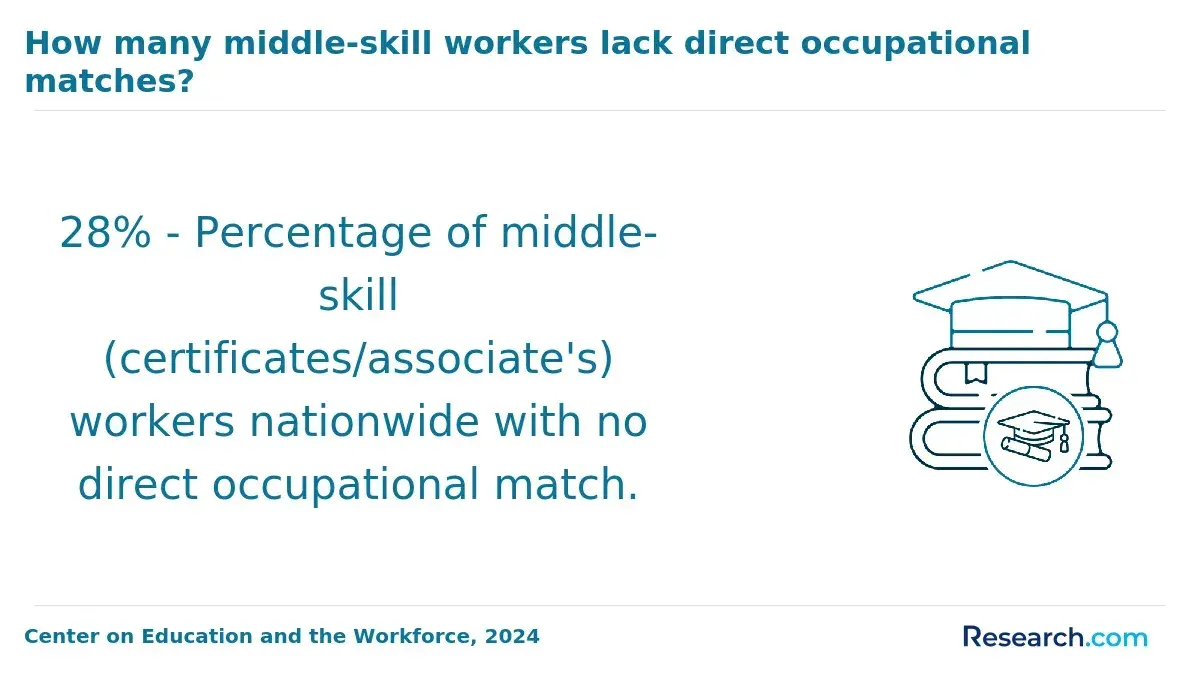
Admission requirements for an online paralegal bachelor’s degree with open enrollment are usually straightforward, but they are not optional. Approximately 40% of U.S. colleges operate with nonselective admissions, which means many applicants can enter if they document basic readiness for undergraduate study. The exact requirements vary by institution, so always confirm them before submitting an application fee or enrollment deposit.
Common requirements include:
- Proof of prior education: Most programs require a high school diploma or equivalent, such as a GED. Transfer students may also need official college transcripts from every previously attended institution.
- Completed application: Applicants typically submit an online form with personal information, education history, intended program, and preferred start term. Some schools may ask for a short statement, but open enrollment programs usually do not rely on lengthy essays as a major selection factor.
- Identity verification: Schools may require a government-issued ID, secure login setup, or other verification steps to confirm that the enrolled student is the person completing the coursework.
- Technology readiness: Because legal research, document drafting, discussion boards, and exams may be online, programs often require students to complete an orientation or readiness check before classes begin.
- English and writing readiness: Paralegal coursework depends heavily on reading statutes, cases, procedures, and legal documents. Some schools may use placement tools or prior coursework to determine whether a student should begin with foundational writing or college success courses.
- Financial aid documentation: If you plan to use financial aid, you may need to complete additional steps before your start date. Open enrollment can speed up admission, but aid processing can still take time.
A student in an online paralegal bachelor’s program with open enrollment described the process as accessible but still structured: “Submitting my transcripts was simple, but verifying my identity through the online system took a little getting used to.” He also said the online readiness check helped him feel prepared before classes began, even though the digital orientation was “a bit overwhelming at first.” His experience reflects a useful reality: open enrollment reduces admission barriers, but reputable programs still verify identity, eligibility, and readiness for online study.
Which Online Paralegal Bachelor's Degree Programs Have Open Enrollment?
Online paralegal bachelor’s degree programs with open enrollment are most often found at institutions that serve adult learners, transfer students, and fully online undergraduates. Data from recent years reveals that over 40% of undergraduate students in the U.S. engaged in at least one online course, which has increased demand for flexible legal studies programs.
When researching options, focus less on the marketing label and more on the program’s structure. Look for clear evidence of institutional accreditation, transparent tuition, transfer-credit rules, access to legal research tools, faculty experience, and career services. If a school describes itself as open enrollment, confirm whether that means nonselective admission, frequent start dates, self-paced coursework, or some combination of those features.
Common paralegal or legal studies focus areas include:
- Litigation support: This concentration emphasizes civil procedure, trial preparation, discovery, case organization, and support for attorneys before and during court proceedings.
- Corporate law: Students study legal issues connected to business operations, compliance, contracts, governance, and commercial transactions.
- Criminal justice: This pathway combines legal support skills with topics related to criminal law, law enforcement, courts, corrections, and public safety systems.
- Family law: Coursework may address divorce, custody, adoption, domestic relations, and the sensitive documentation involved in family-related legal matters.
- Health care law: This option focuses on health regulations, patient rights, compliance, privacy, and legal issues affecting medical and health-related organizations.
Before choosing a specialization, compare it with the type of workplace you want: law firm, corporate legal department, government agency, nonprofit, court system, or compliance office. Also ask whether the program includes practical assignments such as legal memoranda, case briefs, document preparation, research exercises, and ethics scenarios. Students reviewing flexible online formats in other helping professions may notice similar access features in MFT online programs, although licensing and career requirements differ significantly from paralegal education.
How Do I Apply to an Online Paralegal Bachelor's Degree With Open Enrollment?
Applying to an online paralegal bachelor’s degree with open enrollment is usually simpler than applying to a selective campus program, but you should still treat it as a formal academic and financial decision. The goal is not just to get admitted quickly; it is to confirm that the program is legitimate, affordable, and aligned with your career plans before you enroll.
A typical application process includes the following steps:
- Confirm accreditation and program fit: Check the institution’s accreditation status, bachelor’s degree requirements, paralegal curriculum, transfer-credit policies, and student support services before starting the application.
- Create an online account: Most schools use an application portal where you enter information, upload documents, track status, and receive next-step instructions.
- Complete the application form: Expect to provide personal details, education history, contact information, and your intended program. Some schools may ask about your career goals or preferred start date.
- Submit required documents: You may need official transcripts, proof of high school completion or GED, identification, and records from any prior colleges. Request transcripts early because processing delays can affect your start date.
- Review transfer credits: If you have prior college coursework, ask for a written transfer evaluation. Do not rely only on informal estimates when calculating completion time or cost.
- Plan financing: Review tuition, fees, books, technology costs, and payment deadlines. If using financial aid, complete the required aid steps early and confirm when funds are expected to apply.
- Select enrollment preferences: Choose your start date, course load, and advising options. Working students should avoid overloading their first term until they understand weekly workload expectations.
- Complete orientation: Orientation often covers the learning platform, academic policies, online library access, tutoring, and technology requirements.
A graduate of an online paralegal bachelor’s degree with open enrollment said the application itself was manageable, but organizing documents and understanding the timeline took effort. She valued the school’s follow-up communication: “Having the flexibility to start whenever I was ready made a big difference.” Her experience underscores a key point for applicants: open enrollment gives you more control over timing, but you still need to manage paperwork, aid, advising, and course registration carefully.
Can I Start an Online Paralegal Bachelor's Degree at Any Time?
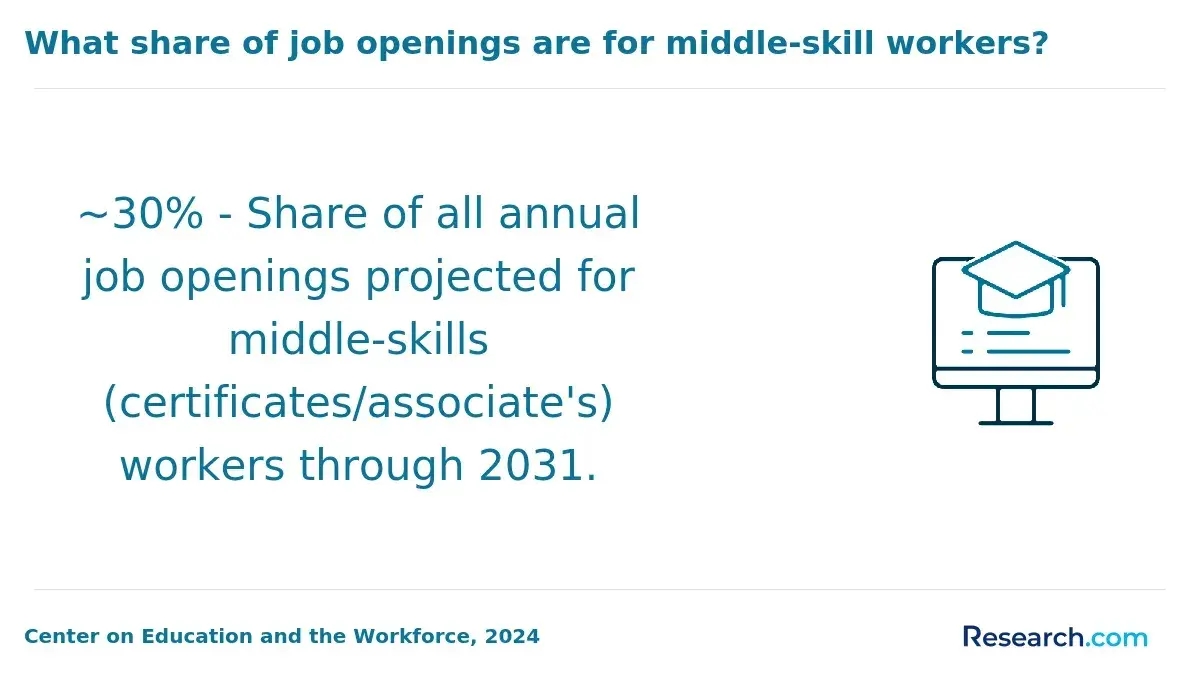
You may be able to start an online paralegal bachelor’s degree at several points during the year, but “open enrollment” does not always mean you can begin a course the same day you apply. Around 60% of these programs allow students to begin at multiple times throughout the year, yet actual start dates depend on course scheduling, administrative processing, financial aid, and orientation requirements.
Key start-date models include:
- Continuous enrollment: Some programs allow students to enroll and begin coursework with minimal delay once required documents, payment arrangements, and orientation are complete.
- Monthly or frequent starts: Many online programs use monthly, bimonthly, or quarterly start dates instead of a traditional two-semester calendar.
- Term-based starts: A program may be open enrollment for admission but still require students to begin classes at the next available term.
- Self-paced formats: Competency-based or self-directed models may offer more control over pacing, but students still need to meet academic policies and completion requirements.
- Course-rotation limits: Required legal studies courses may not be available every term. This matters if you are transferring credits and only need upper-division paralegal courses.
- Administrative delays: Transcript evaluation, financial aid approval, identity verification, placement checks, and orientation can delay your first course even after admission.
Before assuming you can start immediately, ask the admissions office for the next available start date, the deadline for documents, the expected transcript evaluation timeline, and whether your first-term courses are guaranteed to be available.
Is It Easier to Get Into an Online Paralegal Bachelor's Degree With Open Enrollment?
Yes, it is usually easier to get into an online paralegal bachelor’s degree with open enrollment than into a selective program. These programs often remove or reduce requirements such as minimum GPA thresholds, standardized test scores, competitive essays, or committee-based ranking. Nearly 40% of public institutions in the U.S. now use nonselective admissions policies for some online degrees, reflecting a broader shift toward access and flexibility.
However, “easier to enter” does not mean “easy to complete.” Students typically still need to provide proof of high school completion or equivalent preparation, submit required documents, complete identity verification, and meet technology expectations for online learning. Some programs may also require placement steps or orientation before registration.
The academic work can be demanding. Paralegal students must read carefully, write clearly, follow legal citation and formatting expectations, understand legal terminology, and apply rules to facts. Online students also need enough independence to manage deadlines without the structure of a physical classroom. Open enrollment can be an accessible gateway, but success depends on preparation, time management, and consistent engagement with legal coursework.
How Much Does an Online Paralegal Bachelor's Degree With Open Enrollment Cost?
The cost of an online paralegal bachelor’s degree with open enrollment depends on the institution, tuition model, transfer credits, fees, and how quickly you complete the program. On average, tuition for online bachelor’s degrees in the U.S. ranges between $350 and $450 per credit hour, though the final price can differ by public, private, or for-profit institution.
Major cost factors include:
- Tuition per credit: Tuition is usually the largest expense. Most programs require between 120 and 130 credits for completion, so even a modest per-credit difference can significantly affect total cost.
- Transfer-credit acceptance: Prior college credits can reduce the number of credits you need to complete, but only if the school accepts them toward degree requirements. Ask for a written evaluation before enrolling.
- Technology and online learning fees: Some programs charge fees for digital platforms, remote services, proctoring systems, or online course delivery.
- Course materials: Textbooks, legal research tools, software, document platforms, and publisher access codes can add to the cost. Ask whether courses use open educational resources or paid materials.
- Administrative fees: Registration, assessment, graduation, transcript, student service, and orientation fees can increase the total price beyond advertised tuition.
- Time to completion: Part-time enrollment can make the program more manageable but may extend the period in which you pay fees. Full-time enrollment may shorten the timeline but can be difficult for working students.
When comparing programs, calculate the total estimated degree cost rather than focusing only on the per-credit rate. Include required credits, accepted transfer credits, recurring fees, books, technology, and any lost income if you reduce work hours. Students comparing online affordability across fields may find the cheapest online master's in counseling useful as a reference point for how online program costs can vary by level and discipline.
Overall, prospective students should evaluate the average cost of paralegal bachelor’s programs with open enrollment in relation to accreditation, support services, completion timeline, and career relevance—not price alone.
Are There Disadvantages to Open Enrollment Online Paralegal Bachelor's Degrees?
Yes. Open enrollment online paralegal bachelor’s degrees can make legal education more accessible, but they also come with trade-offs. A national study from the National Center for Education Statistics reports that online undergraduate retention rates average only about 57%, substantially lower than traditional on-campus programs. That does not mean online open enrollment programs are poor choices, but it does mean students should evaluate support, structure, and personal readiness before enrolling.
Potential disadvantages include:
- Wide variation in student preparation: Because admission is less selective, students may enter with different levels of writing, reading, and study readiness. This can affect classroom pacing and peer interaction.
- More responsibility on the student: Flexible programs require strong self-management. Without a fixed campus schedule, it is easier to fall behind.
- Limited live interaction: Some online programs rely heavily on asynchronous discussion boards and recorded materials. Students who learn best through live debate, immediate feedback, or in-person collaboration may find this challenging.
- Uneven student support: Tutoring, legal research help, career advising, library access, and internship guidance vary by school. Do not assume every online program offers the same services.
- Reduced practical exposure: Paralegal work is detail-oriented and workplace-based. Programs that lack practical assignments, document drafting, research exercises, or career connections may not prepare students as effectively.
- Marketing confusion: “Open enrollment,” “self-paced,” “accelerated,” and “flexible” can mean different things. Students should verify actual policies in writing.
To reduce risk, ask about retention support, writing help, faculty access, legal research databases, career services, internship options, and graduate outcomes. If you are comparing online degree quality across unrelated fields, an architecture online degree guide can offer another example of why accreditation, practical training, and program structure matter in career-focused online education.
How Do I Manage Time in an Open Enrollment Online Paralegal Bachelor's Degree?
Time management is one of the biggest success factors in an open enrollment online paralegal bachelor’s degree. Data indicates that students who stick to consistent study habits are 30% more likely to graduate on schedule. Because paralegal coursework often involves dense reading, writing, research, and deadlines, vague intentions to “study when there is time” are rarely enough.
Use these strategies to stay on track:
- Build a weekly study schedule: Reserve specific blocks for reading, lectures, assignments, legal research, and review. Treat these blocks like work shifts or appointments.
- Start with a realistic course load: If you work full time or have caregiving responsibilities, begin with a manageable number of credits. You can increase your load after learning the program’s workload.
- Break legal assignments into stages: For research memos, case briefs, or document projects, separate the work into reading, outlining, drafting, citation checking, editing, and final review.
- Prioritize deadline-heavy tasks: Legal studies courses often include discussion posts, quizzes, writing assignments, and research projects. Track due dates in one calendar rather than relying on memory.
- Minimize distractions: Choose a consistent study location, silence unnecessary notifications, and use focused work sessions for complex reading and writing.
- Check in early when you fall behind: Contact instructors, advisors, or tutors before missed deadlines accumulate. Open enrollment programs may be flexible, but academic policies still apply.
- Monitor progress each week: Review grades, completed assignments, upcoming deadlines, and course pacing so you can adjust before a small delay becomes a major setback.
A practical rule is to plan your study time before the term begins, not after the first major deadline. Students who create structure early are better positioned to benefit from the flexibility open enrollment provides.
What Graduates Say About Online Paralegal Bachelor's Degree Programs With Open Enrollment
- : "Choosing an online paralegal bachelor's degree with open enrollment was essential for me because it allowed me to start immediately without waiting for traditional semester deadlines. The flexibility to balance my job and studies was a significant advantage, though managing time effectively was still a challenge. Since graduating, I've noticed a real boost in my confidence and opportunities within the legal field, and I'm grateful for the accessible path this program provided. — Kayden"
- : "Enrolling in an open enrollment online paralegal program was a reflective decision driven by my unpredictable schedule and family commitments. The self-paced nature required discipline, and initially, I struggled with staying motivated without live class interactions. However, the program's comprehensive curriculum equipped me with practical skills that have been invaluable in advancing my career as a paralegal professional. — Cannon"
- : "Pursuing an online paralegal degree with open enrollment met my need for flexibility and immediate commencement, which traditional programs lacked. The challenge of adapting to a fully remote learning environment pushed me to develop strong self-directed study habits. Today, I attribute my promotion within a corporate legal team to the knowledge and credentials earned through this accessible and rigorous program. — Nolan"
Other Things You Should Know About Paralegal Degrees
The time to complete an online paralegal bachelor's degree with open enrollment varies depending on the student's course load and prior credits. Most programs range from three to four years for full-time students, while part-time students may take longer. Some schools offer accelerated tracks that can shorten the duration.
Yes, reputable online paralegal bachelor's degree programs with open enrollment often align their curriculum with certification exam requirements such as the Certified Paralegal (CP) or Professional Paralegal (PP) exams. However, students should confirm that their chosen program explicitly prepares them for these credentials if certification is a goal.
When selecting a 2027 online paralegal bachelor's degree program with open enrollment, students should consider factors such as accreditation, the flexibility of course schedules, available financial aid, faculty expertise, support services, and resources like career counseling and technical assistance to ensure a comprehensive educational experience.
References
- Master Time Management as a Paralegal Student https://www.paralegalinst.com/time-management-for-paralegal-students
- paralegal https://talk.collegeconfidential.com/t/paralegal/957921
- 12 Tips for Balancing Work and Study in Online Paralegal Programs https://lakewood.edu/balancing-online-paralegal-programs/
- ABA-Approved Online Paralegal Programs: Why Accreditation Matters in 2026 - Online Paralegal Degree Center https://www.online-paralegal-degree.org/aba-approved-programs/
- Security Verification https://coronatodays.com/online-paralegal-bachelor-degree-jobs/
- Paralegal Schools: Types of Studies and Paralegal Degrees https://www.allcriminaljusticeschools.com/legal-and-paralegal/paralegal-programs/
- How to Become a Paralegal Online | Bryan University Online© https://bryanuniversity.edu/faq/how-to-become-a-paralegal-online/
- 7 Tips for Succeeding in Your Online Paralegal Courses https://www.legalstudies.com/7-tips-for-succeeding-in-your-online-paralegal-courses/
- Paralegal Studies Program & Courses | UCLA Extension https://www.uclaextension.edu/legal-programs/paralegal-studies
- Bachelor of Legal Studies (Paralegal) Degree https://www.capilanou.ca/programs--courses/program-profiles/bachelor-of-legal-studies-paralegal-degree/