
2027 Online Military Science & Studies Degree Programs With Monthly Tuition Payment Plans

Co-Founder and Chief Data Scientist
Paying a full term's tuition at once can make an online Military Science & Studies degree difficult to budget for, even when a program's per-credit price is reasonable. College Board reported average published 2024-25 tuition and fees of $11,610 at public four-year colleges for in-state students, illustrating why installment options matter. This guide is for prospective military, veteran, civilian, and working-adult students comparing online programs. Learn how monthly plans work, what they may cost, how aid is applied, and how to evaluate terms before committing.
Key Things to Know About Military Science & Studies Programs with Monthly Tuition Payments
- Online Military Science & Studies programs may offer tuition installment plans, but the plan is usually administered by the university or a billing partner and can vary by term, campus, and student status.
- A monthly plan generally divides the remaining balance after financial aid into several scheduled payments; it is not the same as a student loan and usually must be paid off within the academic term.
- There is no authoritative national average tuition or monthly payment figure for Military Science & Studies specifically, so compare each school's published tuition, required fees, deposit, number of installments, and missed-payment policy.
Which online Military Science & Studies degree programs have monthly tuition payment plans?
Monthly tuition options are more commonly published at the institutional level than on an individual program page. That means a school may make an installment plan available to students in its online military studies, national security, strategic studies, leadership, or related degree programs, provided the student has an eligible unpaid balance.
The programs below are examples of online study paths that prospective students can investigate. Payment-plan availability, installment count, enrollment fees, and deadlines must be confirmed directly with the school's student accounts or financial services office before applying.
| School and online study option | Relevant degree area | What to verify about monthly payments |
| American Military University | Military Studies and related security programs | Whether the selected term and enrollment type qualify for an installment arrangement, plus any setup fee. |
| Arizona State University Online | Military Studies | Whether online undergraduate charges can be split after aid disbursement and the payment due dates. |
| Norwich University Online | Strategic Studies and Defense Analysis | Whether the program's accelerated course calendar changes the number or timing of installments. |
| University of Maryland Global Campus | Homeland Security and related military-connected study | Whether a payment plan is available for the applicable session and whether prior balances prevent enrollment. |
Program names and classifications can change, and "military studies" is not a standardized federal degree category. Ask whether the plan applies to the exact online program, degree level, session, and residency or military-affiliation category shown on your bill.
If speed matters more than a standard academic calendar, compare a Military Science & Studies pathway with 2 year bachelor degree programs carefully. Accelerated terms can reduce time enrolled, but shorter billing periods may create larger installments.
How much do online Military Science & Studies degree programs typically cost?
There is no federal or national tuition average limited to online Military Science & Studies degrees. Total cost depends on the institution, credits required after transfer work, undergraduate or graduate level, military tuition rates, mandatory fees, and whether the program bills by credit, course, or term.
For context, College Board's 2024-25 published tuition-and-fee averages were $11,610 for in-state students at public four-year institutions and $43,350 at private nonprofit four-year institutions. Those figures are not online Military Science & Studies prices and do not include housing, books, or program-specific charges; they are a useful reminder to evaluate the school's actual bill rather than institution type alone.
A monthly plan changes when you pay, not the number of credits you need. Before comparing schools, request a written estimate showing tuition, required fees, anticipated transfer credit, military or veteran benefits, and the balance left after grants and scholarships.
The following calculation helps turn a term bill into a realistic budget. It is an illustration, not a quoted price: divide the eligible balance after aid by the number of scheduled payments, then add any enrollment fee or required initial payment.
| Illustrative item | Example calculation | Why it matters |
| Term charges | $4,800 | Start with tuition and mandatory institutional charges for one billing period. |
| Grants, scholarships, or benefits posted to the account | -$2,400 | Only confirmed aid that will disburse on time should reduce the amount you plan to pay. |
| Eligible balance | $2,400 | This is the amount a school may allow you to divide into installments. |
| Four scheduled payments | $600 each, before any plan fee | Compare the payment with dependable monthly cash flow, not with expected income alone. |
Graduate-level strategic studies and security programs can have a different pricing structure from bachelor's programs. Students comparing advanced study across fields may also find useful benchmarks in guides to most affordable masters degrees online, while still obtaining a program-specific cost estimate.
How common are monthly tuition payment plans among Military Science & Studies programs?
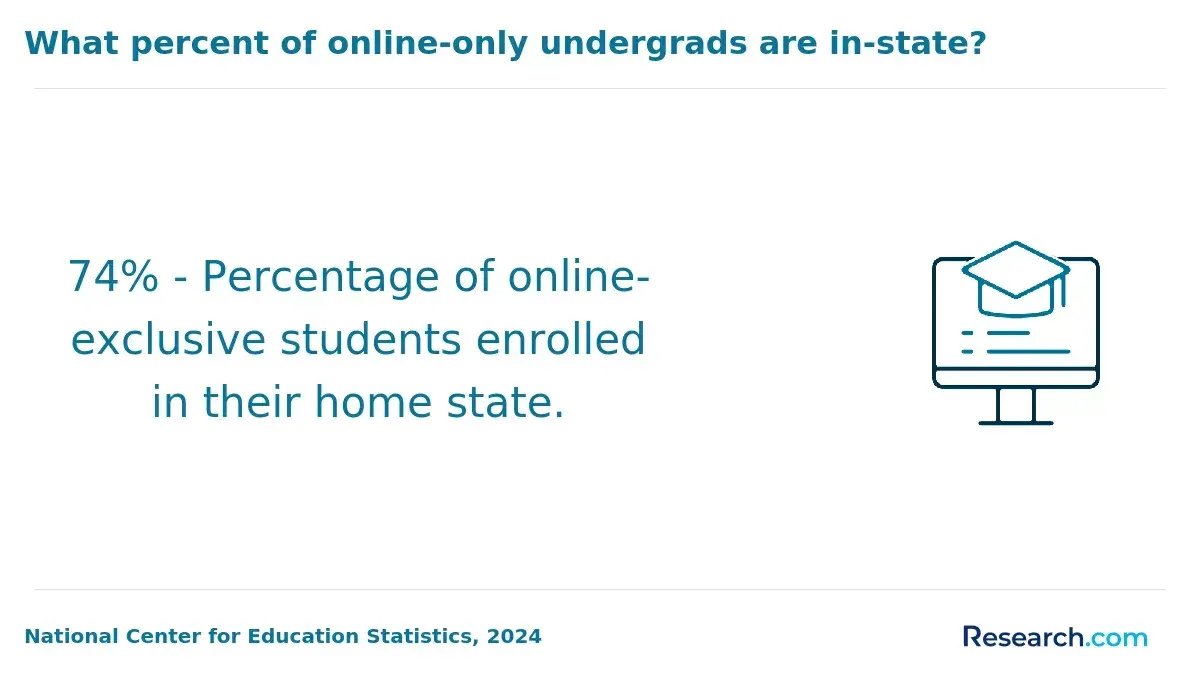
Monthly plans are common enough across U.S. higher education that many colleges use an institutional payment portal, but availability is not universal and should not be assumed for every online Military Science & Studies program. A plan may be limited to students enrolled in a particular term, those with balances above a minimum amount, or those without overdue charges.
The biggest reason for variation is calendar design. Traditional semesters may permit several installments over several months, while eight-week, six-week, or other accelerated sessions can leave little time to divide the bill. A university can offer a payment plan generally while offering only two payments for a short online session.
Use this comparison to understand why asking about the billing calendar matters more than simply asking whether a school has "monthly payments."
| Billing structure | Typical effect on installments | Best question to ask |
| Standard semester | May allow several payments before the term ends. | How many payments remain if I enroll after the first due date? |
| Accelerated session | May allow fewer installments and a higher amount per payment. | Is the plan based on the full semester or each individual session? |
| Continuous or multiple-start calendar | New charges may appear frequently as courses begin. | Will each new course create a separate payment-plan obligation? |
Do not confuse recurring card charges with a formal tuition payment plan. A formal plan should state the covered balance, payment dates, setup costs, late consequences, and whether registration can be held for nonpayment.
Can monthly tuition plans make paying for Military Science & Studies degrees more attainable?
Monthly plans can make a degree more attainable when a student has predictable income but cannot comfortably pay a complete term balance at once. They spread a known short-term obligation across scheduled dates and may reduce the amount a student needs to borrow for that term. They do not reduce tuition, replace financial aid, or solve a gap that exceeds the student's available monthly cash flow.
This option often fits active-duty personnel, veterans using education benefits, military spouses, public-sector employees, and working adults whose income arrives regularly. It is less suitable for someone with unstable income, uncertain benefit processing, or a balance that would require payments larger than their reliable monthly surplus.
The trade-offs below can help determine whether installments improve affordability or merely postpone an unaffordable bill.
| Option | When it can make sense | Main trade-off |
| Monthly tuition plan | You can clear the entire term balance from income within the plan period. | Missed payments can trigger fees, holds, or removal from the plan. |
| Paying tuition upfront | You have sufficient savings and the school offers no meaningful installment advantage. | A larger immediate cash outlay can reduce emergency reserves. |
| Federal student loan | Federal aid eligibility and longer repayment are needed to cover a larger gap. | Interest and repayment can extend well beyond enrollment. |
| Employer tuition reimbursement | Your employer reimburses eligible coursework and you can meet its grade or service rules. | Reimbursement may arrive after tuition is due, leaving a short-term cash need. |
Students using employer support should confirm reimbursement timing in writing. Those exploring career changes may also compare the shorter, job-focused structure of an office administration degree online with a Military Science & Studies program's broader leadership, defense, and policy focus.
To test affordability, subtract essential monthly expenses, minimum debt payments, and a small emergency cushion from dependable take-home income. If the remaining amount does not cover the installment with room for error, reduce the course load, seek additional aid, or choose a lower-cost option instead of relying on a late payment.
Does monthly payment plans have an effect on the overall cost of Military Science & Studies degrees?
A monthly payment plan usually does not change tuition itself. Its direct cost is typically any nonrefundable enrollment, administrative, or returned-payment fee. Its indirect cost can be higher if late charges, registration holds, dropped courses, or a need for additional financing result from missed installments.
Compare the full term cost rather than only the advertised monthly amount. A lower monthly figure may reflect more installments, a later start, a smaller course load, or aid that has not yet been finalized.
This checklist identifies the costs that should be included when comparing plans. Obtain the figures from the school's current agreement because fees and policies can change by term.
- Multiply the scheduled installment by the number of payments and add the initial payment, if one is required.
- Add the plan enrollment fee, any card-processing fee, and the school's stated fee for late or returned payments.
- Compare that total with the cost of paying by the normal due date and with the estimated borrowing cost of any loan you would otherwise use.
- Check whether a missed payment can cause a course drop, transcript hold, or loss of eligibility for future registration.
A plan can still be the lower-cost choice when it prevents loan interest or credit-card borrowing. It is not automatically cheaper, however, and it should not be used to finance a balance that cannot be paid by the end of the term. Students considering specialized graduate pathways should similarly assess program-specific costs and professional requirements, as they would when reviewing ASHA approved online speech pathology programs.
Do monthly payment plans affect your financial aid eligibility for Military Science & Studies programs?
Enrolling in a school payment plan generally does not by itself change eligibility for federal financial aid. Eligibility depends on factors such as the FAFSA, enrollment status, satisfactory academic progress, citizenship or eligible noncitizen status, program eligibility, and other federal requirements. School grants, state aid, military tuition assistance, and veterans' education benefits have their own rules.
The practical issue is timing. Schools generally apply eligible aid to institutional charges when it disburses; the payment plan should then cover only the remaining balance. If an award is pending, reduced, delayed, or canceled, the student may become responsible for a larger installment than expected.
The U.S. Department of Education set the maximum Federal Pell Grant at $7,395 for the 2024-25 award year. That maximum is not a typical award and is not available to every Military Science & Studies student, but it illustrates why students should complete aid steps before calculating a payment-plan balance.
Before accepting a plan, take these steps to avoid using an estimate as if it were guaranteed funding.
- Review the financial aid offer and distinguish accepted aid from pending, estimated, or conditional aid.
- Ask the financial aid office when each source is expected to disburse and whether enrollment changes could alter it.
- Ask student accounts whether pending aid is excluded from the installment calculation or temporarily credited to the plan.
- Keep enough cash available for the first installment if benefits or aid arrive after the payment deadline.
Veterans and military-connected students should also ask the school's certifying official how course changes, withdrawals, repeats, and enrollment intensity can affect benefits. A billing plan cannot override federal, state, or VA benefit rules.
Is there a deposit required before starting Military Science & Studies monthly payment plans?
A deposit may be required, but it is not universal. Schools may call the upfront amount a down payment, first installment, plan enrollment fee, or initial payment. The amount can depend on when the student enrolls, the remaining balance, the number of payments left in the term, and whether aid has already posted.
Later enrollment often means a higher initial payment because fewer due dates remain before the term ends. The most useful question is not simply whether there is a deposit; ask for the total due at enrollment, including fees, and the date the first recurring payment will be withdrawn.
Request these details in writing before authorizing an automatic payment method.
- The initial amount due today and whether any portion is nonrefundable.
- The number, amount, and dates of all remaining installments.
- Whether financial aid, military tuition assistance, or employer payments reduce the initial amount before disbursement.
- Whether enrolling after a stated deadline requires a larger down payment or eliminates the plan entirely.
A student who can pay a modest setup amount but cannot meet a larger first installment should consider registering earlier, reducing credits, or asking about an alternative billing arrangement rather than assuming the school will waive its deadline.
Are there fees not covered by monthly tuition payment plans for Military Science & Studies programs?
Yes. A plan may cover tuition and some institutional charges while excluding application fees, graduation fees, books, technology, proctoring, course materials, residency expenses, prior balances, or optional services. The exact exclusions are set by the institution and can differ between online programs.
The table separates charges that are often included in a billed balance from charges that students should verify separately. It is a comparison tool, not a universal school policy.
| Charge category | Often included in the plan balance? | What to confirm |
| Tuition for registered courses | Often | Whether all current-term tuition is eligible and whether later-added courses are included. |
| Mandatory institutional fees | Sometimes | Whether technology, distance-learning, or student-service fees are divided into installments. |
| Books, supplies, and equipment | Often not | Whether costs are billed by the school or paid directly to a vendor. |
| Payment-plan enrollment fee | Usually separate | Whether it is refundable and whether it is charged per term or per academic year. |
| Late, returned-payment, or collection charges | No | The fee amount, grace period, and consequences of a failed payment. |
Do not overlook course materials for online study. A program with a low installment can still strain a budget if required software, textbooks, certification-related expenses, or reliable internet access must be paid separately.
What should you look for in payment plan terms for Military Science & Studies programs?
Read the agreement as a short-term financing contract. The key comparison is the total amount due, when it is due, what happens if circumstances change, and whether the plan fits the academic calendar. Save a copy of the agreement and of the itemized student account statement.
Use the following questions when speaking with student accounts, financial aid, and military or veteran services. Answers should be specific to your program and enrollment term.
- What charges are included, excluded, or added after I enroll in the plan?
- How many installments are available, and what are the exact withdrawal dates?
- What initial payment, enrollment fee, late fee, returned-payment fee, or card-processing fee applies?
- How are pending grants, scholarships, military tuition assistance, employer reimbursement, and VA benefits treated?
- What happens if I add, drop, withdraw from, or fail a course after starting the plan?
- Will a missed payment create a registration, transcript, graduation, or learning-platform hold?
- Can I change a payment method, pay early, or cancel the plan, and are there charges for doing so?
Red flags include vague language about fees, payment dates that do not match paydays, an agreement that treats estimated aid as guaranteed, and a plan that runs beyond the term without clearly explaining the financing terms. A school should be able to provide written answers before you authorize automatic withdrawals.
How do you know if online Military Science & Studies degrees with monthly payments are right for you?
A monthly plan is a good fit when it supports a degree you have already determined is academically and professionally appropriate, and when you can pay the entire remaining term balance on schedule from reliable resources. It is a budgeting tool, not a substitute for choosing an accredited program, confirming transfer credit, or evaluating whether the curriculum fits your goals in military leadership, defense analysis, public service, intelligence, or related fields.
It may be a strong choice if you have steady monthly income, limited short-term cash, a manageable post-aid balance, and a clear understanding of the plan's fees and dates. Paying upfront may be preferable if you have adequate savings, the plan adds material fees, or your school requires an initial payment almost as large as the full bill.
A federal loan may be more realistic if your verified education gap cannot be repaid during the term, though borrowing requires careful review of interest, repayment obligations, and total debt. Avoid relying on a payment plan if your income is unpredictable, benefits are unresolved, or one missed paycheck would make a payment late.
Make a final decision using this sequence.
- Confirm the program's accreditation, curriculum, transfer-credit evaluation, delivery format, and fit with your intended career or further education.
- Obtain an itemized cost estimate for your actual course load and subtract only confirmed grants, scholarships, benefits, and employer support.
- Compare the resulting payment amount with dependable monthly cash flow and maintain room for routine expenses and emergencies.
- Read the payment agreement, including cancellation, withdrawal, late-payment, and hold policies, before enrolling.
- Choose the least costly option that you can realistically complete without jeopardizing basic financial stability.
The right plan should make even the most affordable online colleges easier to pay for. If it merely delays an unaffordable balance, reassess the course load, funding mix, or school before the term begins.
Other Things You Should Know About Military Science & Studies
Often, yes, if the school participates and the course is approved under the applicable service rules. Tuition assistance processing and school billing timelines vary, so confirm whether the benefit is treated as pending aid and whether you must make payments before it posts.
Possibly. Some schools require a minimum eligible balance or restrict plans to a particular term. Ask whether one-course enrollment meets the plan's balance and timing requirements.
Institutional payment plans usually are not traditional credit products, but policies differ. Ask whether the school performs a credit check, reports payment activity, or sends delinquent accounts to collections.
Yes, if accepted transfer credits reduce the number of courses you must take and therefore your future tuition charges. Obtain an official transfer evaluation before relying on an estimated completion cost or monthly payment amount.
References
- 2025 Best Military-Friendly Online Colleges https://www.onlineu.com/online-schools/military-friendly
- Military Studies Degree- Best Schools, Major & Programs https://www.onlinedegree.com/bachelors/military-studies/
- LinkVet https://www.linkvet.org/s/article/Scholarships
- Online Degrees for Military https://www.umgc.edu/military-and-veterans/online-degrees
- Online Military Science Degrees | Latest News and Information About Online Degree Programs https://www.sheffieldstateuniversity.com/blog/online-military-science-degrees/
- Military science - Wikiversity https://en.wikiversity.org/wiki/Military_science
- Top Online Degree Programs: Veterans U.S. Veterans Magazine https://usveteransmagazine.com/usvm/top-online-degree-programs-for-veterans/
- Scholarships | AMVETS National Site https://www.amvets.org/scholarships
- StudyQA - Program structure for Military Science degrees https://studyqa.com/articles/program-structure-military


