Online MBA in Organizational Change: Curriculum and Workload for Public Sector Professionals

Co-Founder and Chief Data Scientist
Leading change in a public agency means working within budgets, procurement rules, oversight requirements, and competing stakeholder priorities. An online MBA in organizational change may help, but its value depends on what you study and whether the schedule fits your job.
This guide explains the MBA core, change-focused coursework, and practical workload for government and public-institution professionals. It also shows how to compare programs and decide whether a full MBA offers enough benefit over a more targeted qualification.
Key Things You Should Know
- Expect broad MBA coursework in finance, operations, and strategy alongside change-focused study; check whether organizational change is a formal concentration or only an elective.
- Online delivery does not eliminate live meetings, group work, or intensive deadlines. Ask for a recent syllabus and term calendar before committing.
- The $126,520 median wage for management occupations in May 2025 describes a broad US occupational group - not public-sector MBA graduates or a likely post-degree salary.
What is an online MBA in organizational change for public sector professionals?
It is a general management degree delivered primarily online, with coursework that examines how organizations plan, implement, and sustain change. Depending on the school, organizational change may be a named concentration, a leadership track, a certificate taken alongside the MBA, or a few electives. Those options offer different amounts of depth and may appear differently on a transcript.
For a public-sector professional, the central question is whether business methods can be adapted to a mission-driven organization. A useful program should let you examine service outcomes alongside financial constraints, statutory authority, procurement processes, public accountability, and the interests of employees and residents. If your goal is deep training in policy design or government administration rather than broad management, a specialized public-service degree may be a better fit.
How does an online MBA compare with a campus-based program for public sector professionals?
An online MBA can make it easier to remain in your agency while studying and to apply assignments to current operational problems. A campus-based program may offer more predictable face-to-face contact, but travel and fixed meeting times can be difficult for employees with public-facing duties or irregular schedules. Neither format determines academic quality by itself.
Compare the actual timetable and access to faculty, classmates, and career services - not just the delivery label. Online cohorts may include managers from multiple jurisdictions, which can broaden discussions about implementing change. Ask whether networking events and employer recruiting available to campus students are also accessible online. Experienced professionals considering online MBA programs after 50 may place particular value on applying coursework without leaving an established role.
What does an organizational change MBA curriculum include?
Curricula vary, but a useful comparison separates broad MBA requirements from change-specific study and applied work. The table shows what each component can contribute to a public-sector role; it is not a standard course list shared by all schools.
| Curriculum component | Likely focus | Public-sector application |
| MBA core | Managerial accounting, finance, operations, strategy, and organizational behavior | Evaluating resource choices and service-delivery performance |
| Change-focused courses | Organizational diagnosis, stakeholder engagement, communication, and implementation | Planning a process change while addressing staff and community concerns |
| Electives | Topics such as analytics, negotiation, or project leadership | Filling a skill gap relevant to the employee's agency |
| Applied project or capstone, where offered | Integrating evidence, budgets, and an implementation plan | Testing a proposal against legal, operational, and accountability constraints |
Expect management-level decision-making rather than comprehensive instruction in public law, government contracting, or specialized policy analysis. Before enrolling, compare course descriptions and assessment examples. A concentration title matters less than whether you can practice diagnosing resistance, building a feasible implementation plan, and measuring results in a public institution.
Schools set their own requirements. Applicants commonly submit evidence of an undergraduate degree and a professional résumé; a program may also request recommendations, an essay, an interview, or test scores. Work-experience expectations, prerequisite courses, and test waivers vary, so do not assume public-sector experience automatically satisfies every rule.
A strong application can connect specific work to the proposed course of study: for example, coordinating an agency-wide software rollout, managing a budget, or negotiating a service redesign. Applicants concerned about academic records can compare stated policies for online MBA programs for low-GPA applicants rather than guessing whether an older grade average rules them out. Ask admissions staff which requirements are mandatory and whether accounting or quantitative preparation is recommended.
Completion time depends on required credits, term structure, course availability, and how many courses you take at once. A working professional may prefer a lighter course load during budget preparation or an agency reorganization, even if that extends the degree. An accelerated schedule shortens elapsed time only if required courses are available when needed and the workload remains manageable.
Request a term-by-term plan showing when change electives run, whether courses have prerequisites, and how long students may pause enrollment. Professionals in public hospitals comparing fast online MBA programs in healthcare management should check whether the faster timeline leaves room for the organizational-change coursework they actually want.
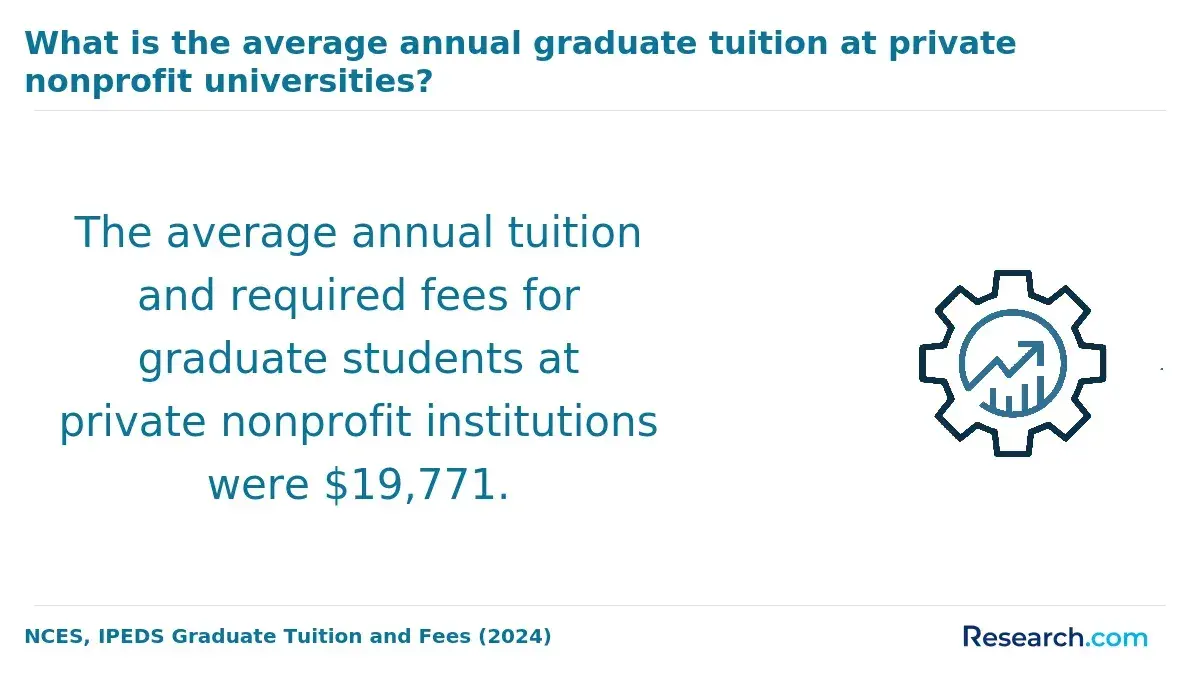
There is no single price for this type of MBA. Calculate the cost using the school's published tuition basis and required credits, then add mandatory fees, materials, and any travel for residencies. Check whether tuition differs by residency status, whether electives carry extra charges, and whether extending enrollment adds term-based fees. A tuition-only figure is not the complete cost.
Ask your agency's human resources office about education assistance before applying. Confirm eligible schools and courses, approval deadlines, reimbursement limits, grade requirements, and any service commitment after payment. If borrowing, account for interest as well as tuition. For an internal promotion goal, compare your likely out-of-pocket cost with the skills and qualifications the target position actually requires; do not assume a private-sector pay increase will follow a public-sector MBA.
First, verify that the university holds recognized institutional accreditation. Then check whether its business school or MBA has specialized business accreditation, such as AACSB, ACBSP, or IACBE accreditation, if that distinction matters to your employer or career plans. Institutional and business-school accreditation are different claims; neither proves that a particular organizational-change concentration exists.
Confirm status through the accreditor's directory and ask your employer whether its tuition-assistance or hiring rules specify an accreditation standard. Review the actual online curriculum and support services separately: accreditation alone does not tell you whether the program fits a public agency's operating environment.
Plan for recurring reading, recorded or live instruction, discussion, case analysis, and assignments - not just time spent logging into a course site. Change courses may add team projects that require meetings across time zones or work schedules. Finance and analytics courses may demand more preparation if those subjects are unfamiliar. Schools may not publish a dependable weekly-hour estimate, and actual effort changes with course design and enrollment intensity.
Before accepting an offer, obtain a recent syllabus and ask when live sessions, group meetings, examinations, and any campus visits occur. Map those commitments against legislative sessions, budget cycles, emergency-response duties, or other predictable peaks in your job. Nurse administrators considering MBA programs with accelerated schedules in a dual-degree format should also account for the second degree's requirements; a shorter calendar need not mean a lighter workload.
The degree may support advancement in agency operations, program management, organizational development, performance improvement, or implementation leadership. For someone already managing services or projects, MBA coursework can strengthen budget analysis, cross-functional coordination, and the case for a change proposal. It does not replace required government experience, civil-service qualifications, or knowledge of an agency's legal authority.
Fit depends on the setting. A city operations manager may use change methods to redesign permitting; a public-hospital manager may focus on coordinating staff and service processes. Healthcare professionals weighing broader leadership paths can compare MBA pathways for healthcare leaders with their organization's requirements. Before choosing a program, read target job postings and discuss advancement criteria with a supervisor or mentor.
What salaries and job outlook can graduates expect in public sector management?
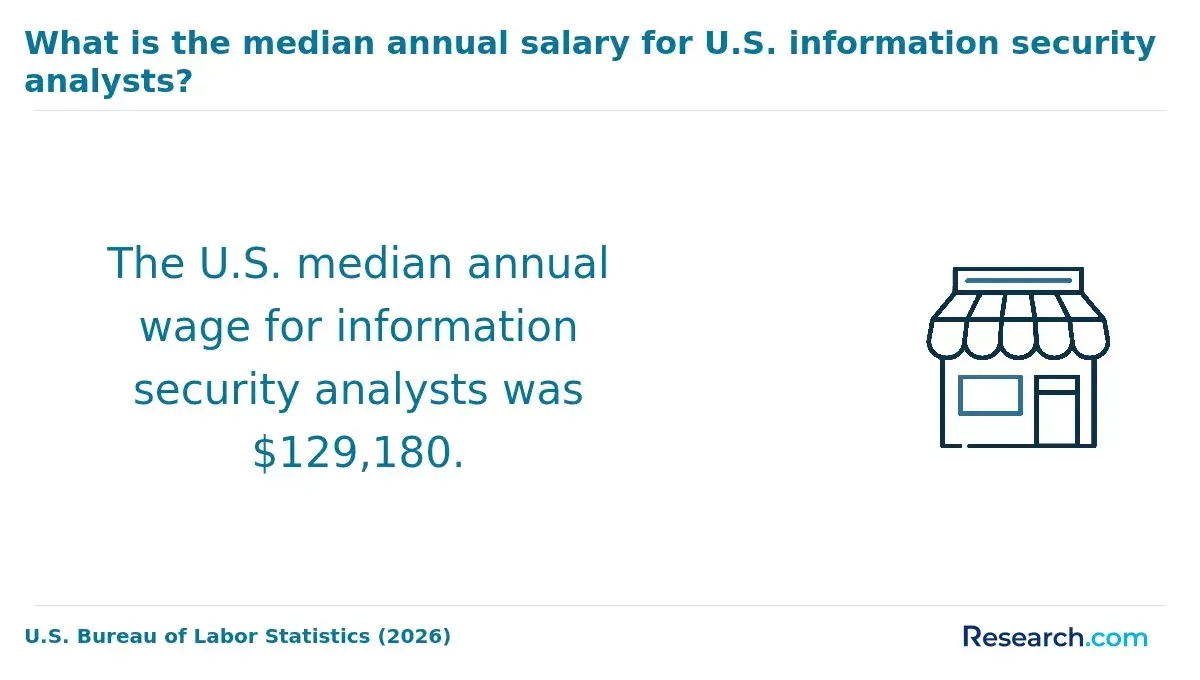
The US Bureau of Labor Statistics reports a median annual wage of $126,520 for management occupations in May 2025 and projects employment across that broad group to grow faster than the average for all occupations from 2025 to 2035. Neither measure isolates government employees, organizational-change roles, or MBA graduates. It should not be treated as an expected salary or evidence that the degree causes a raise.
For a realistic estimate, look up the pay band and qualification rules for the specific position and jurisdiction you want. Public employers may use fixed grades, competitive hiring, or negotiated pay structures. An MBA's financial value is therefore more credible when it helps you meet a documented advancement requirement or perform work your agency values - not when it is justified by a broad management wage alone.
Other Things You Should Know About MBA
Choose based on the work you need to learn. An MBA emphasizes broad management and organizational decisions; a master of public administration typically centers public governance, policy, and administration. Compare actual courses and your target job's qualifications.
Not without appropriate authorization. Ask your agency and instructor about data-handling rules, and use public, anonymized, or hypothetical material when necessary.
Usually only if the university has an applicable credit-recognition policy and approves the training. Ask the program for its written rules before assuming employer courses will shorten the degree.
Not universally. Review postings for your target role: some employers value a specific certification, while others prioritize demonstrated implementation experience. A certificate can be more targeted than an MBA when change methods are your only skills gap.
- Qualified Ed expenses | Internal Revenue Service https://www.irs.gov/credits-deductions/individuals/qualified-ed-expenses
- Driving Successful Organizational Change | U.S. Office of Personnel Management https://www.opm.gov/agency-services/training-and-development/for-individuals/skill-building-courses/driving-successful-organizational-change/
- Academic Years, Academic Calendars, Payment Periods, and Disbursements | 2025-2026 Federal Student Aid Handbook https://fsapartners.ed.gov/knowledge-center/fsa-handbook/2025-2026/vol3/ch1-academic-years-academic-calendars-payment-periods-and-disbursements
- How Many Hours of Work Per Online Course Credit | ASU Online https://asuonline.asu.edu/newsroom/online-learning-tips/discover-weekly-number-hours-online-students-study/
- Course Descriptions | rutgers.edu https://dppa.camden.rutgers.edu/public-administration/mpa-courses/
- Public Administration (MP) | Monroe University Catalog https://catalog.monroeu.edu/catalog/course-descriptions/graduate-course-descriptions/mp/
- Public Administration | Waldorf University https://waldorf.edu/degree-programs/masters/mba-general-master-business-administration/public-administration/
- CPM Capstone Projects - Local Government Education https://localgovernment.extension.wisc.edu/cpm-capstone-projects/
- Post-Baccalaureate Certificate in Public Sector Management | Student Central https://southeast.iu.edu/certificate/public-sector-management-post-baccalaureate.html
- What's the Difference Between Asynchronous and Synchronous Learning? | Ohio State Online https://online.osu.edu/content-hub/blogs/whats-the-difference-between-asynchronous-and-synchronous-learning/