2027 Online Legal Services Associate Degree Programs That Do Not Require SAT or ACT Scores

Co-Founder and Chief Data Scientist
Many students are applying to college without standardized test scores, and legal services associate programs are part of that shift. Common App reporting for the 2023-24 cycle showed that fewer than half of applicants submitted SAT or ACT scores, making no-test applications a mainstream pathway rather than an exception. This guide is for high school students, recent graduates, adult learners, and career changers considering online legal services, paralegal studies, or legal support programs. You will learn how test-optional admission works, what colleges review instead, and how to apply with confidence.
Key Things to Know About Legal Services Associate Degrees Without Testing Requirements
- Test-optional is common at associate-level colleges: many community colleges, online colleges, and career-focused institutions admit legal services students using transcripts, placement tools, or open-admission policies rather than SAT or ACT scores.
- No-test admission does not mean no evaluation: schools may still review your high school completion status, prior college credits, GPA, English readiness, math placement, residency, identity documents, or financial aid eligibility.
- Program fit matters more than test policy alone: compare accreditation, legal specialty coursework, internship options, transfer pathways, tuition, student support, and whether the curriculum prepares you for paralegal, legal assistant, court, compliance, or public-sector support roles.
Are test-optional or test-free programs common for online Legal Services associate degrees?
Yes, test-optional and test-free admission policies are common for online legal services associate degrees, especially at community colleges, public two-year colleges, and adult-serving online institutions. At the associate level, colleges often focus on college access and placement rather than using SAT or ACT scores as a gatekeeping requirement.
A test-optional program lets you apply without SAT or ACT scores, but may review them if you choose to submit them. A test-free or test-blind program does not use SAT or ACT scores in the admission decision even if you have them. An open-admission college generally admits applicants who meet basic eligibility requirements, such as a high school diploma, GED, or equivalent credential, though specific programs may still have placement or course-readiness steps.
NCES reported in 2024 that more than half of U.S. undergraduates were enrolled in at least one distance education course in fall 2022. For legal services students, that matters because online delivery is no longer a niche option; it is a normal way to complete general education, legal research, legal writing, technology, and civil litigation coursework while working or managing family responsibilities.
Students comparing legal services with adjacent public safety pathways may also want to review an online criminal justice degree, especially if they are interested in courts, corrections, victim advocacy, or law enforcement administration rather than law office support.
The table below explains the most common admission policy types you will see when researching online legal services associate programs and what each policy means for a student applying without SAT or ACT scores.
| Admission policy | How SAT/ACT scores are treated | What colleges usually review instead | Best fit for |
| Open admission | Usually not required for admission | High school completion, residency, identity, placement, program prerequisites | Students who want the broadest access and a straightforward path to enrollment |
| Test-optional | Optional; scores may be considered if submitted | Transcript, GPA, coursework, prior credits, writing readiness, application form | Students with solid grades but weak, missing, or outdated test scores |
| Test-free or test-blind | Not used in the admission decision | Academic record, placement, prerequisites, advising requirements | Students who want an admissions process that does not reward or penalize testing |
| Selective no-test program | May not require scores, but may have GPA or course requirements | Minimum GPA, college-level English placement, prior coursework, program capacity | Students with stronger transcripts who want a more structured legal studies pathway |
Test-optional admission is usually a viable option if your transcript shows that you can complete reading-heavy courses. Legal services programs involve statutes, cases, pleadings, contracts, and legal research databases, so admissions teams and advisors care more about writing readiness and persistence than a single standardized test score.
What are the best online Legal Services associate programs without testing requirements?
The best online legal services associate program without SAT or ACT requirements is the one that matches your career goal, budget, transfer plan, state residency, and academic readiness. Because admission policies can change, treat any school list as a shortlist for verification rather than a substitute for contacting admissions.
Many students who are interested in courts, policing, probation, or public safety administration also compare legal services programs with the best online associate degree programs in criminal justice. That comparison can help you decide whether you want to work inside law offices and legal departments or in broader justice-system roles.
The programs below are examples of online or online-friendly associate-level legal studies, paralegal, or legal support options where SAT/ACT scores are generally not central to first-year admission. Always confirm the current policy, state authorization, tuition, and program availability before applying.
| School | Relevant online associate option | No-test admission context | Why it may be worth considering | Important caution |
| Purdue Global | Associate-level legal support or legal studies pathway | Career-focused online admission typically emphasizes eligibility and readiness rather than SAT/ACT scores | Designed for adult and online learners, with legal research, document preparation, and professional skills coursework | Review tuition by credit, transfer policies, and whether the program aligns with your state and employer expectations |
| American Public University System | Associate of Science in Legal Studies | Undergraduate admission generally does not depend on SAT/ACT scores | Flexible monthly course starts can suit working adults and military-affiliated students | Confirm career services, transfer goals, and whether you need a paralegal-specific credential |
| University of Cincinnati Online | Associate of Applied Business in Law and Paralegal Studies | Admissions review typically centers on transcripts and university requirements rather than standardized testing | Recognized public university option with a law and paralegal studies focus | Check state authorization, online format details, and any program-specific prerequisites |
| Herzing University | Associate of Science or Associate of Applied Science in Legal Studies, where available | Admissions pathways commonly prioritize prior education and program readiness | Career-focused structure may appeal to students seeking legal office and paralegal support skills | Verify campus or online availability in your state and total program cost |
| Bryant & Stratton College | Associate-level Paralegal Studies option, where available online | Admissions typically does not rely on SAT/ACT scores as the main admission factor | Practical curriculum may support entry-level legal assistant and paralegal-related roles | Confirm online availability, transferability, and employer recognition in your market |
| Local public community college online programs | Associate of Applied Science, Associate of Science, or certificate-to-associate paralegal pathway | Many public two-year colleges use open admission plus placement rather than SAT/ACT requirements | Often lower tuition for in-district or in-state students and easier transfer into public universities | Online availability may vary by semester, and some legal specialty courses may require synchronous or campus-based components |
A "best" program for a recent high school graduate may not be the same as a best program for a working adult. A student planning to transfer should prioritize general education transferability and articulation agreements, while a student seeking faster employment should look closely at legal technology, internship access, and career services.
Before you choose a program, ask admissions or the program director direct questions so you do not rely on assumptions. The most useful questions are specific and tied to your situation.
- Do you require SAT or ACT scores for admission to the legal services, legal studies, or paralegal associate program?
- If I do not submit scores, will I need placement testing for English, reading, math, or technology?
- Is the program fully online, or are any legal specialty courses, exams, orientations, or internships campus-based?
- Does the program prepare students for paralegal, legal assistant, court clerk, compliance assistant, or transfer pathways?
- Are credits transferable to a bachelor's degree in legal studies, criminal justice, public administration, or a related field?
- What student supports are available for online learners, including tutoring, writing help, library access, and legal research database training?
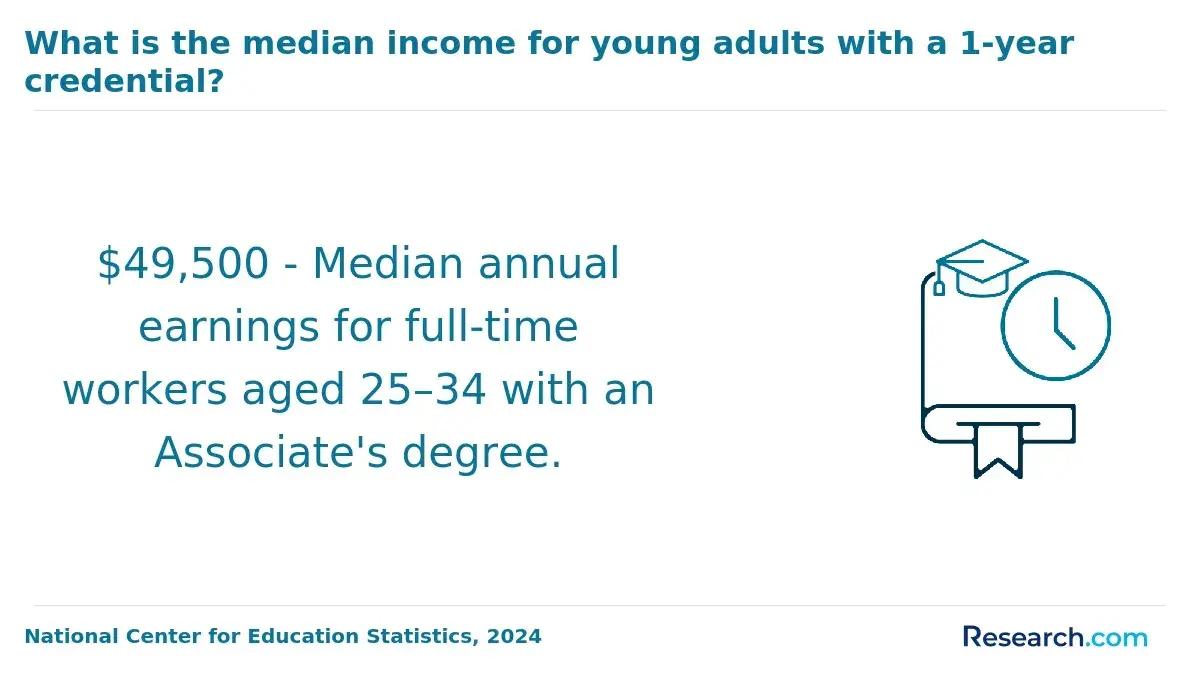
How do colleges handle no-test-score admission for Legal Services associate programs?
Colleges that admit legal services associate students without SAT or ACT scores usually shift the review toward eligibility, academic readiness, and placement. The goal is to place you into the right starting courses, not to make you prove your potential through a national exam.
Most no-test-score admissions processes include a few predictable documents or checks. Understanding them early helps you avoid delays after you submit the application.
| Requirement | Why it matters without SAT/ACT scores | What to prepare |
| High school transcript, GED, or equivalent | Confirms that you meet the basic education requirement for college admission | Official transcript or completion document sent directly to the college |
| Prior college transcript | May replace high school review and can reduce the number of credits you need | Official transcripts from every college attended, even if credits were not completed |
| Placement information | Determines whether you start in college-level English or developmental support | High school GPA, prior courses, college credits, or placement assessment results |
| Program application or declaration | Some colleges admit you first, then require a separate step to enter the legal services major | Program form, advisor meeting, or prerequisite checklist |
| Financial aid documents | Helps determine grants, loans, and work-study eligibility | FAFSA information, residency documents, and school-specific aid forms |
| Technology readiness | Online legal courses require reliable access to learning platforms and research tools | Computer access, internet connection, basic word processing skills, and email use |
Holistic review at the associate level is usually practical rather than highly selective. Advisors may look at whether you are ready for college writing, whether you need support in reading legal materials, and whether your schedule can handle weekly assignments. If your transcript is uneven, that does not automatically rule you out, but it does mean you should ask about tutoring, developmental coursework, and part-time enrollment options.
Common mistakes include sending unofficial documents when official transcripts are required, assuming the general college application automatically admits you to the legal services major, and waiting until registration week to ask about placement. These mistakes can push your start date back even at colleges that do not require SAT or ACT scores.
Yes, placement tests can often be used instead of SAT or ACT scores, but they serve a different purpose. SAT and ACT scores are traditionally used for admissions and broad academic comparison, while placement tests help colleges decide which English, reading, math, or support courses you should take first.
For legal services students, English and reading placement are especially important. Legal support work depends on careful reading, precise writing, document review, citation basics, and the ability to follow procedures. If placement shows that you need extra writing support, that may affect your first-semester schedule, but it usually does not prevent you from entering college.
Placement policies vary, but colleges commonly use several types of evidence. Knowing the options helps you avoid taking an unnecessary test.
- High school GPA: Some colleges use recent GPA to place students directly into college-level English or math.
- Prior college credit: Completed English composition, college algebra, statistics, or equivalent courses may satisfy placement requirements.
- Institutional placement test: Colleges may use tools such as ACCUPLACER or a local assessment to evaluate reading, writing, or math readiness.
- Directed self-placement: Some schools let students review sample assignments and choose the course level that fits their confidence and preparation.
- Advisor review: An advisor may consider multiple measures, especially for adult learners whose high school records are old.
Placement testing can be helpful if your high school GPA does not reflect your current ability. For example, an adult learner who has been writing reports at work for several years may place into college-level English even without recent test scores. On the other hand, rushing through a placement test without preparation can place you into extra courses that cost time and money.
If you are asked to take a placement test, prepare for it seriously. Review sample writing prompts, refresh basic algebra if math placement is required, and ask whether retesting is allowed. The result can shape your first semester and your total completion timeline.
Work experience can strengthen your application, but it usually does not replace the basic education requirement for admission to an associate degree program. Most colleges still need proof of high school completion, GED, or equivalent status. However, relevant work experience can help with placement, advising, credit for prior learning, internship planning, and career fit.
Work experience is most useful when it shows that you already have skills connected to legal services. Examples include office administration, customer service, records management, billing, compliance, healthcare administration, insurance claims, law enforcement support, military legal office work, or court-related experience.
If you have work experience but no SAT or ACT scores, organize it in a way that helps the college understand your readiness. The strongest materials are specific rather than general.
- Resume: List roles, dates, software tools, document responsibilities, confidentiality duties, and client-facing experience.
- Short statement of purpose: Explain why legal services fits your goals and how your work history prepared you for online study.
- Supervisor reference: If allowed, use a reference who can speak to writing, reliability, organization, ethics, or attention to detail.
- Prior learning request: Ask whether the college offers credit for workplace training, military training, certifications, or portfolio review.
- Technology evidence: Mention experience with Microsoft Office, case management systems, databases, calendars, or secure records.
Work experience is especially valuable for adult learners deciding whether to apply now or wait. If your academic record is old or weak, but your recent work history shows strong communication and organization, an open-admission or test-optional program may be a realistic next step. If you have limited writing experience, consider taking a short writing refresher or starting part time.
A common mistake is assuming work experience automatically shortens the degree. Credit for prior learning is school-specific and must be formally evaluated. Ask for the policy in writing before counting on it for cost or timeline planning.
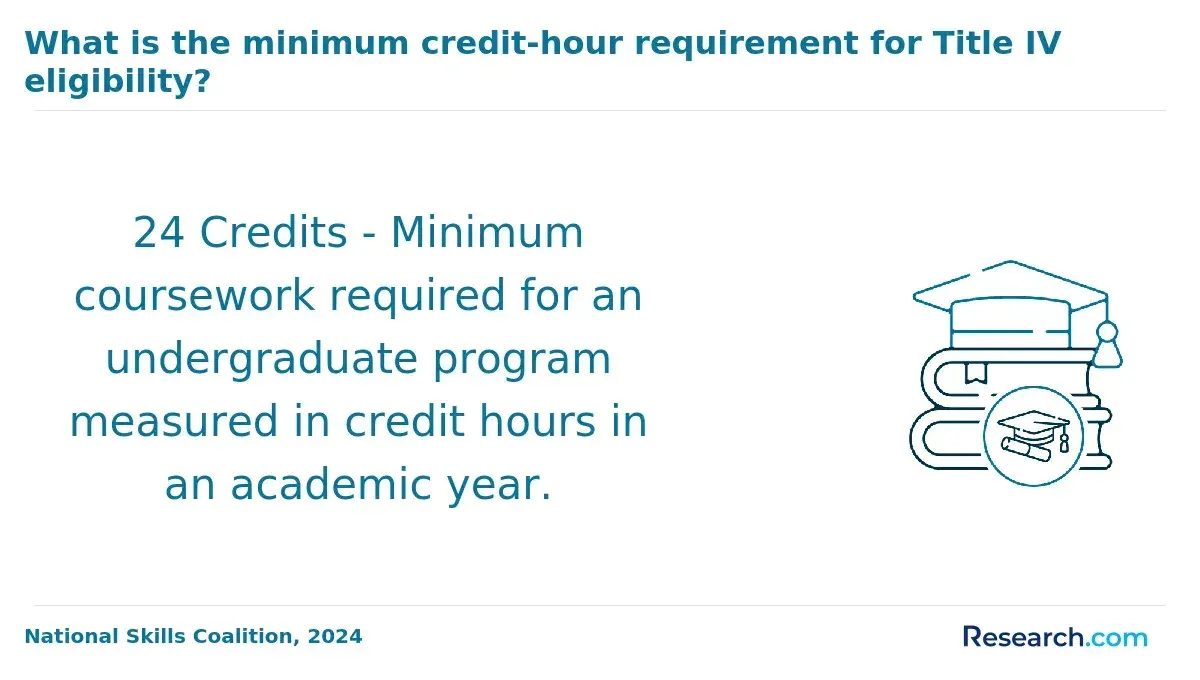
Some test-optional legal services associate programs have a minimum GPA, but many open-admission colleges do not use a strict GPA cutoff for general admission. Instead, GPA may determine placement, scholarship eligibility, honors options, or whether you begin in college-level English.
College Board's 2024 pricing analysis listed average published tuition and fees at public two-year colleges at about $4,050 for in-district students for the 2024-25 academic year. That cost context matters because GPA-related placement can affect the total price: extra developmental or prerequisite courses may add credits, fees, books, and time before you reach legal specialty classes.
The table below shows how GPA is commonly used in no-test associate admissions. Use it to estimate whether you are ready to apply now or whether you should talk with an advisor before choosing your first semester schedule.
| GPA situation | Likely admission impact | What it may affect | Good next step |
| Strong recent GPA | Usually supports no-test admission | College-level placement, scholarships, program confidence | Apply and ask about honors, transfer, or accelerated options |
| Average GPA with solid English grades | Often acceptable at open-admission or test-optional colleges | English placement, advising recommendations | Submit transcripts early and ask whether placement can be based on GPA |
| Low GPA but completed high school or GED | May still qualify at open-admission colleges | Developmental support, course load, first-term restrictions | Consider part-time enrollment and writing support |
| Older transcript | May require advisor review or placement testing | Placement, financial aid satisfactory progress if prior college exists | Collect all records and explain recent work or training experience |
| Prior college GPA concerns | Can affect transfer admission or financial aid standing | Academic probation, aid eligibility, transfer credit acceptance | Ask about academic renewal, appeal options, and restart policies |
You should not retake the SAT or ACT just because your GPA is imperfect unless a specific college tells you a score would help. For most associate-level legal services applicants, time is better spent resolving transcript issues, preparing for placement, improving writing skills, and selecting a manageable first-term schedule.
Admissions interviews are not usually required for online legal services associate programs, especially at open-admission community colleges. However, some colleges require an advising appointment, enrollment consultation, orientation, or program meeting before you can register for classes.
An advising meeting is not the same as a selective interview. In most cases, the college is trying to confirm your goals, explain online learning expectations, review transfer credits, and help you choose courses in the right order. For legal services students, that advising step can be valuable because course sequencing often matters: legal research, legal writing, civil litigation, contracts, and internship courses may have prerequisites.
If a program does require a conversation, prepare for practical questions. Admissions staff are usually looking for fit, readiness, and clarity rather than perfect answers.
- Why are you interested in legal services, paralegal studies, or legal support work?
- Have you completed high school, GED, or any prior college coursework?
- How many hours per week can you realistically study in an online program?
- Do you plan to work while enrolled, and would part-time study be more realistic?
- Are you seeking immediate employment, transfer to a bachelor's degree, or career advancement?
- Do you have access to the required technology for online courses and legal research assignments?
The best way to approach an interview or advising appointment is to be honest about gaps. If you have no test scores, a weak transcript, or limited technology experience, say so and ask what support exists. The wrong move is to treat the meeting as a formality and skip questions that could prevent registration problems later.
Look beyond the words "no SAT required." A strong test-optional online legal services associate degree should be affordable, properly accredited, clearly structured, supportive for online learners, and aligned with the type of legal work you want to do.
Cost is one of the biggest comparison points, but it should not be the only one. When estimating your investment, compare tuition, fees, books, technology, transfer credits, placement outcomes, and the cost of taking extra support courses. For broader context on how online justice-related programs structure expenses, review this guide to criminal justice degree price factors.
The table below summarizes the most important quality signals and red flags for no-test online legal services associate programs. Use it to narrow your list before you apply.
| Selection factor | Strong sign | Red flag | Why it matters |
| Institutional accreditation | College is accredited by a recognized institutional accreditor | Accreditation is unclear, expired, or described only in vague terms | Accreditation affects financial aid, transfer credit, and employer confidence |
| Legal services curriculum | Includes legal research, writing, ethics, civil litigation, contracts, technology, and document preparation | Curriculum is mostly general business courses with few legal specialty classes | Legal employers often expect job-specific familiarity with legal processes |
| Online student support | Provides writing center access, library support, tutoring, advising, and technical help | Support is available only on campus or during limited hours | No-test students may need strong support during the first semester |
| Transfer pathway | Has clear bachelor's transfer agreements or degree maps | Credits are difficult to transfer or mostly career-only without explanation | Transferability matters if you may continue into legal studies, criminal justice, or public administration |
| Career alignment | Connects coursework to paralegal, legal assistant, compliance, court, or law office roles | Promises unrealistic job outcomes or implies the degree qualifies you to practice law | An associate degree can support legal support roles, but it does not make you an attorney |
| Internship or experiential option | Offers internship, practicum, simulated case work, or portfolio projects | No applied work, writing samples, or career preparation | Employers may value evidence that you can handle legal documents and deadlines |
The U.S. Bureau of Labor Statistics' May 2024 wage data lists the median annual wage for paralegals and legal assistants at $61,010. That figure is not a guarantee for new associate degree graduates, but it helps frame the investment: a lower-cost, accredited program with strong writing and legal technology training may offer better practical value than a more expensive program chosen only because it advertises easy admission.
Before enrolling, watch for common red flags. Be cautious if a school will not clearly answer whether SAT/ACT scores are required, avoids discussing total cost, pressures you to enroll immediately, lacks transparent accreditation information, or cannot explain how online students complete legal research and applied assignments.
Deadlines for test-optional legal services associate programs vary widely. Many online and community college programs use rolling admissions, while some public colleges follow semester deadlines for fall, spring, and summer entry. Career-focused online colleges may offer monthly or multiple start dates.
Rolling admission can make enrollment faster, but it can also create a false sense of unlimited time. Financial aid, transcript processing, placement testing, course registration, and online orientation still have deadlines. Applying late may leave you with fewer course options or delay legal specialty classes until the next term.
If your long-term plan includes moving from legal services into government, policy, or agency leadership, keep future academic calendars in mind as well. Graduate pathways such as a 1 year MPA online can have more structured cohort deadlines, so building good deadline habits during the associate degree can help later.
The table below shows common application timing patterns for online associate programs and what each means for students applying without SAT or ACT scores.
| Deadline type | How it usually works | What no-test applicants should watch | Best strategy |
| Rolling admission | Applications are reviewed as they arrive | Placement and transcript review can still take time | Apply at least several weeks before your intended start date |
| Semester deadline | Applications close before fall, spring, or summer terms | Late applicants may miss registration or financial aid priority dates | Submit transcripts early and complete placement before course selection |
| Monthly start | Online courses begin at frequent intervals | Fast starts can leave little time to compare aid offers or transfer credits | Do not start until cost, credits, and schedule are clear |
| Program-specific deadline | The college may admit you first, then require a separate legal services program step | General admission does not always equal major admission | Ask whether the legal services program has its own deadline or capacity limit |
| Financial aid priority date | Aid documents are prioritized by a school or state deadline | Missing the date can affect grant access or payment timing | Complete financial aid forms as soon as possible after choosing schools |
For most applicants without SAT or ACT scores, the safest timeline is to apply early enough to fix problems. Transcript delays, name mismatches, missing prior college records, and placement requirements are common issues that are easier to solve before classes fill.
How can you prepare to apply for Legal Services associate programs if you don't have SAT/ACT scores?
You can prepare a strong application without SAT or ACT scores by focusing on the materials colleges actually use: transcripts, readiness evidence, placement, program fit, and financial planning. The goal is not to apologize for missing scores; it is to show that you are ready to begin the right program at the right pace.
Use the steps below to move from interest to application without overlooking common requirements. This sequence is especially useful if you are comparing several online programs with different test policies.
- Confirm the exact test policy: Ask whether the legal services associate program is test-optional, test-free, open admission, or program-selective.
- Collect every transcript: Request high school, GED, homeschool, military, and prior college records early because missing transcripts are a frequent cause of delays.
- Check English and reading placement rules: Legal services coursework is writing-heavy, so find out whether GPA, prior credit, or a placement test determines your first English course.
- Compare total cost: Include tuition, fees, textbooks, legal database access, technology, transfer credits, and the cost of any required support courses.
- Review accreditation and transfer options: Confirm institutional accreditation and ask whether credits transfer into bachelor's programs related to legal studies, criminal justice, or public administration.
- Prepare a simple resume if you have experience: Include office work, customer service, records, compliance, military, law enforcement, or administrative duties.
- Ask about online support: Verify tutoring, writing help, library services, technical support, advising, and career services for fully online students.
- Choose a realistic first term: If you have been out of school or are unsure about writing, consider starting part time rather than overloading your schedule.
A good readiness check is simple: can you read assigned material weekly, write organized paragraphs, meet deadlines, use a learning management system, and ask for help when needed? If the answer is mostly yes, a test-optional legal services associate program may be realistic. If the answer is no, you may still be eligible, but you should build support into your first semester.
Avoid applying only because a program is easy to enter. The better question is whether the program can help you finish. Completion depends on schedule fit, affordability, advising, academic support, and whether the curriculum connects to your goals.
Other Things You Should Know About Legal Services
No. Your diploma and transcript typically show the institution, degree, major, completed courses, credits, and grades. They do not state whether you applied with or without standardized test scores.
No. An associate degree in legal services, legal studies, or paralegal studies does not qualify you to practice law or give legal advice. It can prepare you for legal support roles or serve as a step toward further education.
They can be, if the school is properly accredited and participates in federal student aid programs. Always confirm aid eligibility with the college and complete the FAFSA if you plan to seek federal grants, loans, or work-study.
Often, yes, but transfer depends on the receiving school, accreditation, course grades, and whether the associate degree is designed for transfer or direct employment. Ask for a written transfer map before enrolling if a bachelor's degree is part of your plan.
- Online Schools with High Job Placement Rates in Legal Services https://lakewood.edu/online-schools-with-high-job-placement-rates-in-legal-services/
- What are the career prospects after studying law in the USA? https://www.princetonreview.sg/career-prospects-after-studying-law-in-the-usa/
- Your Guide to an Associate Degree in Legal Studies: Career Paths, Programs, and More https://masteroflegalstudies.com/programs/associates-in-legal-studies/
- Step-by-Step Financial Aid Guide for International Students https://www.collegeessayguy.com/blog/financial-aid-international-students
- Standardized Testing and College Eligibility https://www.ppic.org/blog/standardized-testing-and-college-eligibility/
- Juris Doctor (JD) Online - Thomas Jefferson School of Law https://www.tjsl.edu/academics/online-degrees/jd/
- 2025 Most Affordable Online Associate Degrees https://www.onlineu.com/most-affordable-colleges/associate-degrees
- Online J.D. Program - St. Mary's Law https://law.stmarytx.edu/academics/programs/jd/online-j-d-program/
- Review of Standardized Testing in Doctoral Health Professions Admission Requirements https://journal.opted.org/article/review-of-standardized-testing-in-doctoral-health-professions-admission-requirements/
- Paralegal Bachelor's Degree Programs | State by State Analysis https://www.paralegaledu.org/top-bachelors-degree-programs-in-paralegal-studies/