2027 Online Innovation Bachelor's Degree Programs With No SAT or ACT Requirements

Co-Founder and Chief Data Scientist
Many prospective students face barriers when traditional testing like SAT or ACT is mandatory for admissions. For nontraditional applicants balancing work or family commitments, these requirements often delay or derail educational pursuits. Approximately 65% of online Innovation bachelor's degree programs now waive SAT and ACT scores, reflecting a shift toward more inclusive admissions policies. This change accommodates diverse learners seeking flexible and accessible paths into Innovation fields. This article explores online Innovation bachelor's degree programs that do not require standardized test scores, providing guidance for applicants aiming to enter the industry without these traditional exam hurdles.
Key Benefits of Online Innovation Bachelor's Degree Programs With No SAT or ACT
- These programs remove standardized test barriers, enabling applicants from varied educational backgrounds and underrepresented groups to access higher education more easily.
- Flexible scheduling allows working students to balance employment and studies, with many programs offering asynchronous coursework for improved time management.
- The streamlined admissions process shortens application timelines, reducing administrative burdens and accelerating entry into degree programs focused on innovation skills.
Who Should Consider an Online Innovation Bachelor's Degree With No SAT or ACT?
Online innovation bachelor's degree programs with no SAT or ACT requirements appeal to many students by offering broader access and greater flexibility. Over 60% of four-year U.S. colleges and universities now use some form of test-optional admissions, highlighting a shift toward evaluating applicants beyond standardized tests. Such programs attract a diverse group of learners for whom traditional testing may not fully represent their potential or circumstances.
These programs are well suited for:
- Working Adults: Those balancing employment and family responsibilities benefit from flexible online courses paired with admissions processes that value professional experience over standardized test results.
- Nontraditional Students: Individuals returning to education after time away often prefer test-optional degrees to bypass testing hurdles that don't reflect current academic readiness.
- Prior College Experience: Students who started but did not finish a degree find these programs a practical way to complete their education without retaking tests like the SAT or ACT.
- Flexible Admission Seekers: Applicants from underserved communities or with alternative educational backgrounds often find these pathways more inclusive and accessible.
By removing barriers related to the SAT or ACT, online innovation bachelor's degrees emphasize creativity, problem-solving, and professional skills. This approach aligns well with the dynamic nature of innovation fields. For those considering advanced studies, there are also 1 year phd programs online that provide accelerated graduate opportunities tailored to diverse learners.
This model especially benefits students pursuing an online innovation bachelor's degree programs no standardized tests and those curious about who benefits from no SAT ACT online innovation degrees, contributing to more diverse and inclusive higher education options.
What Is the Difference Between Test-Optional and Test-Free Online Innovation Bachelor's Degrees?
The terms test-optional and test-free often create confusion among students exploring online innovation bachelor's degree programs with no SAT or ACT requirements. While both policies reduce testing barriers, they represent distinct admissions approaches. By 2023, approximately 35% of U.S. four-year colleges embraced test-free policies, reflecting a shift toward more accessible and equitable admissions. Below is a clear comparison of these approaches.
Test-Optional Online Program
- Applicants may choose whether to submit SAT or ACT scores, which are considered alongside other materials such as transcripts, essays, and recommendation letters.
- Evaluation includes scores as one factor among many, maintaining flexibility for students who believe their test results enhance their applications.
- This policy offers some accessibility but may still pressure applicants to submit scores if they think those scores are competitive.
- Students applying to test-optional online innovation bachelor's degrees often weigh the potential benefit of submitting scores versus applying without them, affecting their admissions strategy.
Test-Free Online Program
- Schools do not accept SAT or ACT scores under any circumstances, relying solely on academic records, personal statements, and extracurricular involvement.
- Applicant evaluation is entirely holistic, without consideration of standardized test performance.
- This approach enhances accessibility, especially for students with limited testing opportunities or test anxiety.
- Applicants face no expectations related to standardized tests, allowing a stress-reduced application experience.
Prospective students researching flexible programs should weigh how test policies impact the admissions review when choosing an online innovation bachelor's degree. Those interested in related fields can also explore options such as bachelors in psychology online as alternative pathways.
2026 Update: Evaluating Program Quality Beyond Test-Free Admission
For the 2026 refresh, this article adds guidance on how students can compare online innovation bachelor’s programs after confirming that SAT or ACT scores are not required.
- Verify institutional accreditation and whether credits can transfer if your plans change.
- Review the curriculum for project-based courses in entrepreneurship, design thinking, product development, or emerging technology.
- Check whether students build a portfolio, capstone project, or real-world innovation proposal before graduation.
- Look for flexible pacing, asynchronous courses, and clear expectations for group work or live sessions.
- Confirm access to career services, academic advising, tutoring, and online library resources.
- Ask whether the program connects students with mentors, industry projects, internships, or networking opportunities.
Looking beyond the no-test policy helps applicants choose a program that is not only accessible, but also practical, credible, and aligned with their long-term goals.
What Are the Admission Requirements for an Online Innovation Bachelor's Degree Without SAT or ACT?
Admissions for online innovation bachelor's degree programs that do not require SAT or ACT scores typically emphasize a holistic evaluation beyond standardized tests. Over 60% of four-year U.S. colleges have adopted test-optional or test-blind policies, reflecting a shift toward considering varied aspects of an applicant's background. Below are key criteria these programs often use to assess candidates.
- Academic Transcripts: Applicants submit official high school or college transcripts to demonstrate their prior academic achievements and readiness for college-level work.
- Personal Statement: A thoughtful essay allows candidates to express their motivation, creativity, and alignment with innovation studies, showcasing their unique perspectives and goals.
- Letters of Recommendation: References from educators, mentors, or employers provide insight into an applicant's character, skills, and capacity for academic rigor.
- College Readiness Evidence: This may include placement test results, prior college credits, or documented completion of relevant preparatory coursework, confirming the ability to succeed in demanding online programs.
These components help admissions committees form a well-rounded understanding of each applicant's potential beyond test scores. Emphasizing qualities like critical thinking and problem-solving, this approach particularly benefits nontraditional students and working adults seeking flexible, accessible pathways into innovation disciplines.
When I spoke with a graduate of an online innovation bachelor's degree without SAT or ACT requirements, he described the admissions process as "refreshingly personal but thorough." Without test scores, he said the emphasis on his experiences and recommendations "felt like an opportunity to tell my story, not just my numbers." However, gathering strong letters of recommendation and crafting a compelling essay took time and careful effort. He found this approach encouraging because it valued his diverse background and "real-world skills" that standardized tests don't measure.
Do Online Innovation Bachelor's Degrees Require a Minimum GPA?
GPA expectations for online innovation bachelor's degree programs differ significantly by school and admissions practices. Many programs adopting test-optional policies still weigh GPA as an important element, with nearly 60% of these colleges factoring it significantly in evaluations. This reflects a shift toward considering applicants more broadly beyond numerical scores.
Admission decisions often reflect a comprehensive review that goes beyond strict GPA cutoffs. Common considerations include:
- Flexible GPA Thresholds: Programs frequently accept a range of GPAs, allowing candidates with varying academic backgrounds to apply and be evaluated on their overall potential rather than fixed numeric requirements.
- Holistic Academic Review: Admissions committees look at the trajectory of an applicant's academic history, acknowledging improvements or challenging circumstances that provide context to the GPA.
- Experience and Skills: Relevant work experience, portfolios, or innovation-related projects are valued as evidence of capability and creativity beyond grades alone.
- Conditional Admissions: For students with lower GPAs, some programs offer pathways such as probationary enrollment or supplementary coursework to demonstrate readiness for the curriculum.
Prospective students should carefully highlight strengths beyond their GPA to enhance their profiles. Those exploring online game design programs have seen similar holistic trends in admissions standards, indicating broader shifts within innovative online degree fields.
Is It Easier to Get Into an Online Innovation Bachelor's Degree Without SAT or ACT?
Removing SAT or ACT requirements can make online Innovation bachelor's degree programs more accessible to a wider range of applicants, but this does not necessarily translate to easier admission. In fact, about 42% of candidates face selective admission processes even in these test-optional settings, reflecting maintained academic standards. Admissions typically involve a holistic review that considers factors such as college transcripts, letters of recommendation, personal statements, and relevant experience to assess an applicant's potential. Competitiveness varies widely depending on the quality of the applicant pool and specific program priorities, meaning some institutions remain highly selective despite the absence of standardized test scores.
When speaking with a current student enrolled in such a program, she noted that while not submitting standardized test results eased initial application stress, the admissions team placed strong emphasis on her project portfolio and recommendations. "They really wanted to see how I could apply creative problem-solving in real-world scenarios," she shared, explaining how these components were crucial in demonstrating her readiness. She described the process as demanding but fair, reflecting a focus on practical skills and authentic experiences rather than just test scores. This approach encouraged her to highlight her unique background and professional achievements, which ultimately helped her gain admission and boosted her confidence in succeeding academically.
Which Online Innovation Bachelor's Degree Programs Do Not Require SAT or ACT?
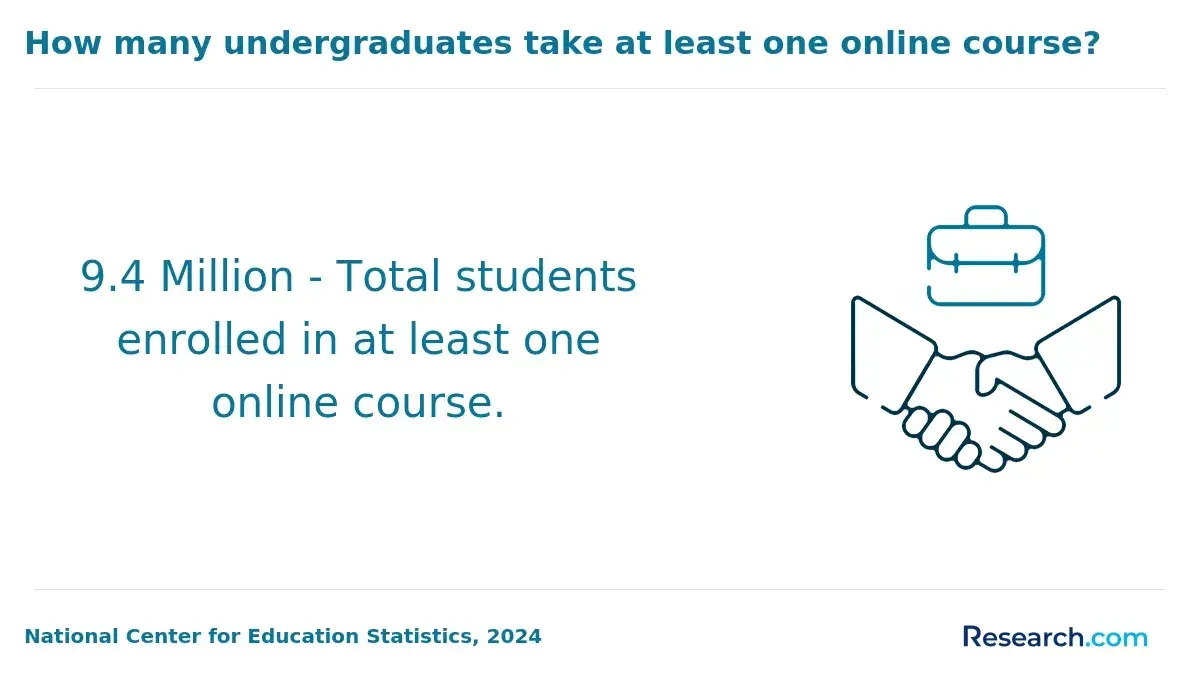
Many online innovation bachelor's degree programs have embraced test-optional or test-free admissions, eliminating the requirement for SAT or ACT scores. This approach reflects a wider increase in online education, with enrollment in virtual programs rising by over 20% recently as students seek flexible and inclusive learning options. Such policies span numerous innovation-related fields, promoting accessibility for diverse applicants. Below are some common specializations where standardized test scores are typically not required.
- Entrepreneurship and New Venture Management: Programs in this area prioritize applicants' real-world experience, creativity, and leadership potential. Admissions committees often evaluate academic records and professional achievements instead of standardized tests.
- Technology and Digital Innovation: These degrees focus on developing technical skills and innovative problem-solving abilities. Candidates are assessed mainly through transcripts and personal statements, emphasizing readiness over test performance.
- Product Development and Design Thinking: Emphasizing creativity and strategy, this specialization seeks students who demonstrate strong critical thinking and relevant experiences. Test scores generally play little to no role in admissions decisions.
- Business Analytics and Innovation Strategy: Programs combine data-driven decision-making with forward-thinking business approaches. Evaluators tend to focus on applicants' academic background and professional potential rather than standardized testing.
- Creative Leadership and Organizational Change: This field values adaptability, vision, and leadership skills. Admissions usually depend on transcripts and recommendation letters instead of SAT or ACT results.
How Do I Apply to an Online Innovation Bachelor's Degree Without SAT or ACT?
Applying to an online innovation bachelor's degree program without submitting SAT or ACT scores is typically a straightforward experience centered around an online application portal. This digital approach streamlines the process, allowing applicants to focus on submitting key information and documents easily. Below is a step-by-step outline of what applicants can expect when enrolling in such test-free programs.
- Create an Account: Begin by registering on the institution's admissions website, which provides access to the application form and instructions. This profile is essential for managing your application progress and communication.
- Complete the Application: Fill out personal details, educational background, and contact information following the on-screen prompts. Ensuring all required sections are filled helps avoid delays.
- Upload Supporting Documents: Submit required materials such as a personal statement, resume, or other documents directly through the portal. Optional fields for test scores can be left blank if not applicable.
- Submit Your Application: Review all entered information then formally submit the application. A confirmation email usually follows, outlining next steps or additional requests.
- Monitor Status and Follow-up: Log in regularly to track your application's progress, respond to any requests for further information, or complete supplemental tasks like interviews or essays if invited.
How Can I Improve My Online Innovation Bachelor's Degree Application Without SAT Scores?
Applicants to online innovation bachelor's degree programs that do not require SAT or ACT scores can enhance their prospects by emphasizing strengths beyond standardized testing. Nearly 60% of colleges adopt holistic admissions approaches, factoring in academic records, personal statements, and life experiences significantly. Strengthening these areas helps create a more compelling application.
Consider these strategies to improve your application to test-optional online innovation bachelor's degree programs:
- Academic Performance: Focus on maintaining strong high school transcripts, especially in subjects related to technology, business, or the arts. Admissions officers value rigorous coursework and consistent grades as indicators of college readiness.
- Compelling Personal Statement: Use the personal essay to clearly express your motivation and fit for an innovation-focused program. Highlight your career goals and share personal experiences involving creativity, problem-solving, or leadership.
- Relevant Experience: Showcase internships, volunteer work, projects, or part-time jobs that demonstrate your practical skills in creativity or technology. Real-world experience can set you apart by proving your dedication beyond academics.
- Supporting Materials: Include strong letters of recommendation from educators or mentors who can vouch for your potential in innovative fields. A well-organized portfolio or other supplementary materials can also boost your credibility.
- Professional Presentation: Pay attention to details like proofreading, clear formatting, and meeting all submission requirements. This reflects seriousness and professionalism, making a positive impression.
For applicants exploring flexible options, researching online mba aacsb programs may offer insights into accredited, affordable programs that emphasize practical skills, which aligns with many innovation bachelor's degree curriculums.
What Mistakes Should I Avoid When Applying Without SAT or ACT?
Applying to online innovation bachelor's degree programs without SAT or ACT requirements broadens access but can still pose challenges. Nearly 30% of applicants face setbacks due to incomplete or improperly submitted materials, showing how important attention to detail remains in test-optional admissions. Below are some common pitfalls to avoid when applying to these programs.
- Incomplete Materials: Submitting partial applications or missing required documents can cause automatic disqualification or delay your review. Even if test scores are not required, every part of your application must be complete and accurate.
- Weak Personal Statement: A generic or unfocused personal statement that doesn't clearly express your passion for innovation and your unique qualifications can lower your chances in holistic evaluations.
- Insufficient Relevant Experience: Failing to showcase internships, projects, or work related to innovation deprives reviewers of evidence of your readiness and potential contributions.
- Neglecting Details: Errors in formatting, unclear responses, or ignoring instructions undermine your professionalism and attention to detail, which are critical for successful applicants.
Carefully addressing these aspects improves the quality of your application and boosts your chances of acceptance in flexible online programs. For those interested in broadening their academic options, exploring related fields might also be helpful, such as pursuing an online theoretical physics degree, which shares an emphasis on analytical and innovative thinking.
Will Not Taking the SAT or ACT Affect My Career After an Online Innovation Bachelor's Degree?
Standardized test scores like the SAT or ACT rarely influence long-term career success after completing an online innovation bachelor's degree. Employers increasingly prioritize practical abilities over exam results, valuing critical thinking, communication, and problem-solving skills during hiring. According to the National Association of Colleges and Employers, 91% of employers focus more on these competencies than on standardized test scores, reflecting a shift toward skills-based recruitment, especially in innovation and technology fields.
Career advancement in innovation depends more on academic achievements, relevant work experience, and professional skills developed throughout the degree program. Hands-on learning through internships, project portfolios, and mastery of innovation tools often outweigh standardized testing when employers assess candidates. Additionally, building strong soft skills and obtaining industry certifications significantly enhance employment prospects and readiness for real-world challenges within innovation careers.
What Graduates Say About Online Innovation Bachelor's Degree Programs With No SAT or ACT
- Jason: "Choosing an online Innovation bachelor's degree with no SAT or ACT requirement was a game-changer for me because it allowed me to focus on my passion without the stress of standardized tests. The application process was straightforward, and I appreciated how the program valued my professional experience over test scores. Since graduating, I've been able to lead creative projects at work that directly benefit from the skills I sharpened in this unique program."
- Camilo: "Initially, I was skeptical about online programs that don't require the SAT or ACT, but the innovation degree proved its worth throughout my studies. The biggest challenge was adapting to a self-paced learning environment, but the flexibility made it possible to balance work and school effectively. Reflecting now, I see how this program opened doors for me in tech consulting, where an understanding of innovation drives real-world solutions."
- Alexander: "Pursuing an online Innovation bachelor's degree without the traditional SAT or ACT requirements allowed me to break free from the typical college admission barriers. It was a relief not to worry about test scores and instead focus on building a portfolio of innovative projects. Professionally, this degree has been invaluable in enhancing my strategic thinking, which has led to a promotion in my role as a product manager."
Other Things You Should Know About Innovation Degrees
Many online innovation bachelor's degree programs that do not require SAT or ACT scores accept transfer credits from accredited institutions. Transfer policies vary, but students can often apply previously earned college credits toward their degree, reducing time and cost. It is important to check each program's specific guidelines on credit transfer before applying.
Yes, internships are often integrated into online innovation bachelor's degree programs regardless of standardized test requirements. These opportunities provide practical experience in real-world innovation projects, helping students build professional skills. Program coordinators typically assist with internship placement to enhance career readiness.
In 2027, many online innovation bachelor's programs without SAT or ACT requirements offer comprehensive career services. These typically include resume workshops, virtual career fairs, networking opportunities, and one-on-one career counseling to help students transition successfully into the workforce. Always check specific programs for details.
References
- Bachelor’s degrees are no longer required for many jobs https://ssti.org/blog/bachelors-degrees-are-no-longer-required-many-jobs
- How to Stand out on Your College Applications Without Taking the SATs https://expertadmissions.com/how-to-stand-out-on-your-college-applications-without-taking-the-sats/
- Test-Optional Admissions: A Paradigm Shift or a Temporary Solution? - Acuity Insights https://acuityinsights.com/test-optional-admissions-pros-and-cons/
- 10 Great Universities That Don’t Require SAT or ACT Scores https://careerkarma.com/blog/colleges-that-dont-require-sat-or-act/
- OVERWHELMING MAJORITY OF U.S. COLLEGES AND UNIVERSITIES REMAIN ACT/SAT OPTIONAL OR TEST-BLIND/SCORE-FREE FOR FALL 2025 - Fairtest https://fairtest.org/overwhelming-majority-of-u-s-colleges-and-universities-remain-act-sat-optional-or-test-blind-score-free-for-fall-2025/
- What do Test Optional and Test Blind/Free Mean? | College Essay Guy https://www.collegeessayguy.com/blog/test-optional-test-free
- Colleges That Don't Require SAT Or ACT In The US | UoPeople https://www.uopeople.edu/blog/colleges-that-dont-require-sat-or-act/
- 3 Ways to Future-Proof Your Application Process https://edualto.com/insights/eduardo/3-ways-future-proof-application-process
- Find Test-Optional Colleges — No SAT/ACT Requirement https://www.accreditedschoolsonline.org/online-colleges/no-sat-or-act/
- Test Blind vs. Test Optional: What’s the Difference? https://www.ivywise.com/blog/test-blind-vs-test-optional/