2027 Hybrid vs Fully Online Innovation Bachelor's Degree Programs

Co-Founder and Chief Data Scientist
Sitting at a crowded café, a working professional weighs whether to log in to their Innovation bachelor's classes from home or drive an hour twice a week to campus. Balancing a full-time job and family responsibilities, they crave schedule flexibility yet worry about missing hands-on projects and face-to-face networking vital to career growth. Nationwide, 65% of Innovation bachelor's students enrolled online chose programs for accessibility rather than traditional formats.
This tension between convenience and engagement shapes the decision to pursue hybrid or fully online Innovation degrees. This article examines these options, highlighting factors to help students select the best format for their goals.
Key Benefits of Hybrid vs Fully Online Innovation Bachelor's Degree Programs
- Hybrid programs offer flexible scheduling with some required campus visits, blending online convenience and valuable face-to-face interaction for enhanced networking and collaboration.
- Fully online formats provide maximum flexibility, ideal for balancing work and personal commitments, but may limit spontaneous peer engagement and hands-on learning experiences.
- About 68% of students in hybrid innovation programs report greater satisfaction in managing education alongside professional roles, compared to 55% in fully online programs, reflecting different support dynamics.
What Is a Hybrid vs Fully Online Innovation Bachelor's Degree?
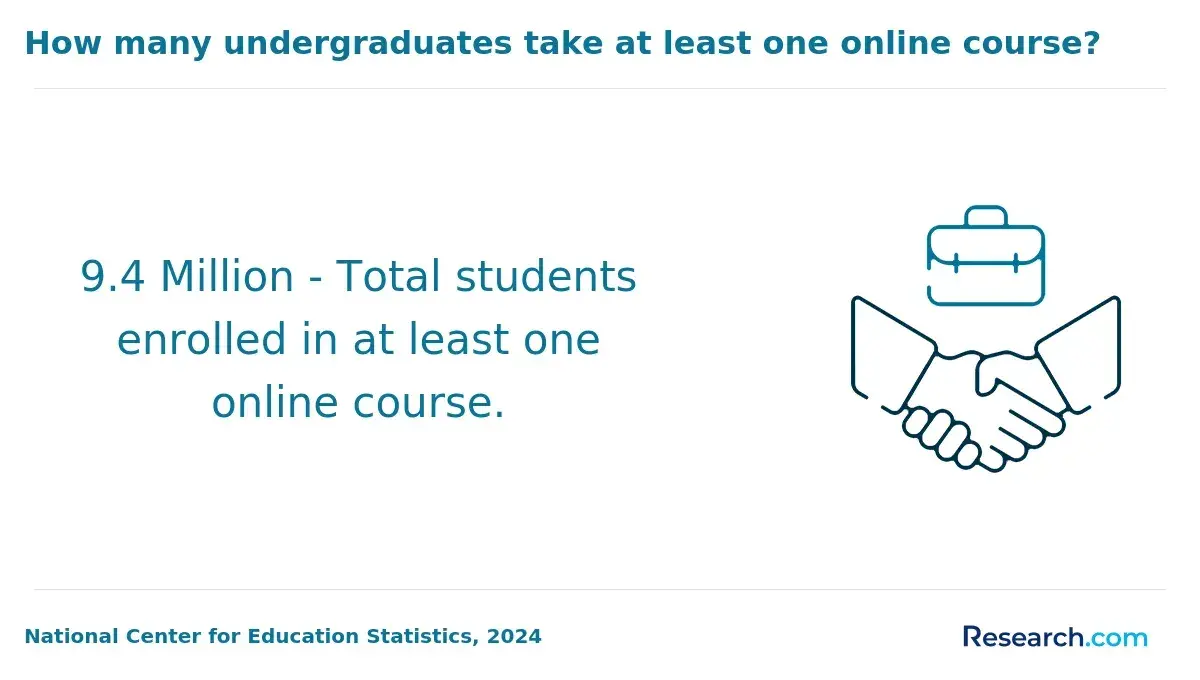
Hybrid and fully online formats for innovation bachelor's degree programs differ primarily in how classes are delivered, the extent of in-person interaction, and the structure of learning. According to the National Center for Education Statistics, roughly 40% of college students have taken at least one online course, reflecting a clear trend toward digital learning options. These distinctions are important when comparing hybrid innovation bachelor's degree programs explained with fully online options, each suited to different student preferences and lifestyles.
Hybrid Programs
- Classes combine scheduled in-person sessions with online coursework to offer a blended learning experience.
- Students must attend campus on specific days for discussions, labs, or collaborative projects, providing structured engagement.
- Direct interaction with peers and instructors is more frequent, encouraging active participation and mentorship.
- This approach supports hands-on activities and real-time feedback while maintaining some flexibility in timing.
Fully Online Programs
- All courses and materials are delivered remotely through virtual platforms with no campus visits required.
- Students enjoy greater freedom to schedule study time and access content asynchronously, ideal for self-paced learning.
- Interaction occurs primarily via discussion boards, video conferencing, and other digital tools, requiring strong self-motivation.
- This format suits learners with geographical or scheduling constraints seeking flexibility in their innovation bachelor's degree program benefits.
For more information on related educational formats, prospective students can also explore MSW online programs which share similar considerations of hybrid versus fully online learning.
How Does a Hybrid vs Fully Online Innovation Bachelor's Degree Program Work?
Both hybrid and fully online innovation bachelor's degree programs follow structured academic pathways with identical core curricula and learning outcomes. They differ primarily in how coursework is delivered and the interaction styles between students, instructors, and peers. Enrollment in online courses grew by more than 30% between 2015 and 2020, demonstrating a significant shift toward remote and blended education in the U.S. higher education landscape. These distinctions are key when comparing how hybrid innovation bachelor's degree programs compare to fully online options.
Hybrid Programs
- Classes alternate between physical attendance on campus and online participation through digital platforms
- Students engage in regular face-to-face meetings for collaborative projects and direct instruction
- Learning management systems support assignments and class discussions outside scheduled sessions
- Courses follow a fixed schedule with combined in-person class times and flexible online work periods
- Communication occurs via both in-person sessions and digital messaging tools such as forums and video calls
Fully Online Programs
- All coursework is delivered virtually, without physical attendance requirements
- Classes are predominantly asynchronous, allowing students to complete work on their own schedules with some optional live sessions
- Video lectures, digital readings, and online assessments form the core instructional materials
- Flexible deadlines replace fixed class meeting times, enhancing time management autonomy
- Student-instructor and peer communication rely on email, online discussion boards, and video conferencing
For students exploring digital degree options, programs like a master library science online demonstrate the growing acceptance and diversity of fully online learning models across disciplines.
Are Admission Requirements Different for Hybrid and Fully Online Innovation Bachelor's Degrees?
Admission requirements for hybrid and fully online innovation bachelor's degree programs generally align, though institutions may impose slight differences based on delivery format and program design. Both formats typically demand similar academic credentials, but variations arise depending on technological needs and campus interaction expectations. The following points highlight key areas where admissions criteria may diverge.
- Technical Requirements: Fully online programs usually expect applicants to have consistent access to reliable internet and compatible devices, as all coursework is completed remotely. Hybrid programs may have less stringent demands on technology but emphasize readiness for combining online learning with occasional in-person attendance.
- Campus Presence and Orientations: Hybrid programs often require some on-campus participation, such as orientation sessions or initial courses, making geographic proximity a factor. In contrast, fully online programs typically do not require any physical visits, allowing students to enroll from various locations without commuting concerns.
- Application Documentation: Hybrid applicants might need to submit additional materials, like letters of recommendation that speak to managing dual learning modes, whereas fully online applicants tend to focus more on demonstrating digital communication skills and independent learning capabilities.
- Prerequisites and Preparatory Work: Some hybrid programs include prerequisite courses designed for hands-on or collaborative settings, which are less common in fully online programs that prioritize self-paced and asynchronous study methods.
Reflecting on these differences, a student enrolled in a fully online innovation bachelor's program shared that the application process felt straightforward but required clear proof of digital literacy. She recalled, "Since everything was virtual, I had to make sure my technology setup met their standards and that I could manage time independently." She appreciated not needing to coordinate campus visits, which eased stress during admission. However, she noted the importance of demonstrating strong communication skills through her application materials, as this helped reassure the admissions team of her readiness for remote collaboration. Overall, her experience highlighted how fully online admissions focus on digital preparedness and self-motivation rather than onsite logistics.
Is the Learning Experience Better in Hybrid vs Online Innovation Bachelor's Degrees?
Hybrid innovation bachelor's degree programs offer a well-rounded learning experience by blending in-person and online components. Students benefit from face-to-face interactions with instructors and classmates, which helps build stronger connections and allows for immediate feedback. This format encourages active participation through group discussions and practical activities that are often harder to replicate online. Moreover, hybrid students have easier access to campus facilities like labs and libraries, providing valuable hands-on opportunities and enriching their academic environment. For those seeking both structure and flexibility, hybrid programs deliver a more engaging and interactive educational setting.
In contrast, fully online innovation degrees rely heavily on digital tools, demanding a high degree of self-motivation and effective time management. While offering the advantage of learning from anywhere at any time, these programs may limit spontaneous dialogue between students and instructors, often depending on scheduled video calls and online forums. The absence of physical presence can make peer collaboration and community feeling less immediate, potentially reducing the sense of connection. Nevertheless, fully online courses typically feature a wide range of multimedia materials and 24/7 accessibility to coursework, catering to learners who prefer independent study and flexible pacing. This approach suits individuals prioritizing convenience over direct interpersonal engagement.
Which Is More Flexible: Hybrid or Fully Online Innovation Bachelor's Degree?
Hybrid innovation bachelor's degree programs offer a mix of online and in-person learning, which affects their flexibility. These programs require scheduled on-campus sessions such as labs or group projects, meaning students must coordinate their availability and commuting time. While hybrid models reduce some campus visits compared to traditional formats, they still involve fixed times for specific activities. This structure balances hands-on, face-to-face interaction with digital coursework, appealing to students who want in-person engagement but need more flexible learning options for online innovation bachelor's programs than fully on-campus courses provide.
Fully online innovation degrees provide greater flexibility through entirely remote access to course materials. Many students benefit from asynchronous classes that allow self-paced study, making it easier to fit their education around work or personal commitments. This independence in time management is a key advantage, as shown by a 2023 Online Learning Consortium survey where 85% of online learners identified schedule flexibility as their top reason for choosing fully online formats. For those seeking a highly adaptable approach, exploring a data master online program can also demonstrate how comprehensive online learning models support busy lifestyles effectively.
What Is the Workload for Hybrid vs Fully Online Innovation Bachelor's Degrees?
Although both hybrid and fully online innovation bachelor's degree programs maintain comparable academic expectations, their delivery methods lead to differences in pacing, structure, and how students must manage their time. According to a 2023 study by the Online Learning Consortium, 65% of students in these program formats dedicate 10 to 15 hours weekly to coursework, indicating a significant time investment regardless of mode. These variations influence how students approach their studies.
In hybrid innovation programs, the workload is split between face-to-face sessions and online activities. Students attend scheduled classes on campus or at specific locations, which establishes a consistent routine that can aid in organizing study time. This blend often includes weekly lectures, collaborative group work, and hands-on labs alongside online discussions and assignments. While physical attendance is required, the digital components offer some flexibility but still necessitate steady engagement with deadlines and participation.
Fully online innovation programs primarily employ asynchronous learning, allowing students to access course materials, lectures, and assignments on their own schedules within set timeframes. This setup places greater emphasis on self-motivation and organizational skills, as students must independently plan and complete work without regular in-person interaction. Coursework involves digital assignments and virtual discussions that replace traditional classroom engagement. The option to learn at one's own pace benefits those balancing work or family commitments but requires discipline to avoid falling behind.
How Does Tuition Compare for Hybrid vs Online Innovation Bachelor's Degrees?
Tuition costs for hybrid and fully online Innovation bachelor's degree programs vary due to differences in program delivery, institutional policies, credit requirements, and associated student fees. Recent data shows that fully online programs can cost up to 15% less than hybrid options, largely because they avoid certain on-campus expenses. This trend highlights the financial impact of choosing between these two formats.
- Per-Credit Costs: Hybrid programs generally have higher per-credit tuition to cover both in-person and online instructional resources, while fully online programs typically offer more competitive per-credit rates due to streamlined delivery.
- Technology Fees: Students in hybrid degrees may pay extra technology or lab fees to support the combination of virtual and physical tools, whereas online-only students often face a single, fixed technology fee or none at all.
- Residency or Facility Charges: Hybrid students are commonly assessed campus facility fees that fund access to classrooms, libraries, and labs-fees usually absent in fully online programs.
- Payment Flexibility: Online programs often provide more adaptable payment plans aligned with asynchronous schedules, offering greater financial planning ease compared to the often more structured hybrid payment approaches.
- Additional Mandatory Fees: Hybrid learners may incur extra costs such as parking, campus events, or student service fees, which online students typically avoid.
When asked about tuition challenges, a graduate of a hybrid Innovation bachelor's degree shared that managing payments was sometimes stressful due to the multiple fees layered on top of tuition. He recalled, "Balancing lab fees, campus access charges, and technology costs all added up unexpectedly." Although the hybrid format offered valuable hands-on experiences, he found financial planning more complicated than anticipated. "I often had to adjust my budget mid-semester because of these extra fees," he explained, noting that such surprises were less common among friends enrolled fully online.
Do Employers Prefer Hybrid or Fully Online Innovation Bachelor's Degrees?
Employer perceptions of hybrid versus fully online innovation bachelor degree programs have shifted as online education has gained legitimacy and widespread acceptance. A 2023 survey by the National Association of Colleges and Employers (NACE) found nearly 75% of employers now view online degrees as equivalent to traditional ones. This growing confidence marks a significant change in how hiring managers evaluate candidates with varied educational backgrounds. Below is a comparison of employer preferences based on different considerations related to hybrid and fully online innovation degrees.
- In-Person Experience: Hybrid degrees are often favored for providing face-to-face collaboration and networking opportunities. Employers see this as valuable preparation for teamwork and communication skills critical in many roles.
- Digital Proficiency: Fully online innovation degrees highlight a student's discipline, time-management, and technological skills. These attributes are especially prized in tech-driven fields focused on digital transformation.
- Perceived Rigor: Some hiring managers historically viewed online formats as less rigorous, but this bias is diminishing as accredited institutions expand online offerings. Employers increasingly assess candidates holistically, considering project work and internships.
- Industry Variance: Preference often depends on industry and company culture. Hybrid degrees hold a slight edge in roles emphasizing interpersonal innovation, while fully online degrees gain parity where digital competencies dominate.
Those interested in innovative education models might also explore related fields, such as the cheapest online master's in urban planning, reflecting the growing range of accredited online offerings available.
Who Should Choose a Hybrid vs Fully Online Innovation Bachelor's Degree?
The choice between hybrid and fully online innovation bachelor's degree programs depends largely on individual learning preferences, schedule flexibility, and lifestyle needs. Hybrid programs offer a blend of in-person and digital instruction, while fully online programs provide maximum convenience and adaptability. These differences influence which format might better suit prospective students seeking an innovation degree.
- Structured Learners: Students who benefit from a structured routine and direct interaction with instructors often find hybrid innovation bachelor's degree benefits appealing. This format supports those who thrive on face-to-face collaboration alongside online coursework.
- Working Students: Individuals balancing part-time jobs yet wanting some campus engagement prefer hybrid programs because they offer both flexibility and personal connection in scheduling.
- Self-Motivated Individuals: Those who possess high self-discipline and prioritize flexibility tend to choose fully online innovation degree flexibility advantages, enabling them to study independently without attending campus.
- Remote Residents: Learners living far from educational institutions or in rural areas benefit from fully online options, gaining access to quality programs that might otherwise be unavailable.
- Professionals with Irregular Hours: Fully online studies suit professionals working unpredictable schedules by allowing them to study anytime, anywhere without the constraints of fixed class times.
For those considering a pathway into higher education, an online associate's degree may also offer foundational benefits before pursuing a bachelor's program in innovation.
How Can I Succeed in a Hybrid vs Fully Online Innovation Bachelor's Degree Program?
Success in hybrid and fully online innovation bachelor's degree programs depends on adapting to their unique formats and interaction levels. Hybrid courses blend face-to-face and virtual learning, requiring flexible time management, while fully online programs demand strong self-discipline without fixed class times. The following strategies highlight key approaches for excelling in each setting.
- Time Management: Hybrid students must balance scheduled in-person classes with independent online work, planning ahead for seamless transitions. Fully online learners benefit from creating a consistent daily routine to maintain focus and avoid procrastination.
- Active Engagement: In hybrid formats, participating during on-campus sessions enhances understanding, whereas fully online students should leverage discussion forums and video chats to connect with peers and instructors.
- Resource Utilization: Both formats require effective use of learning management systems for tracking assignments and accessing materials, while hybrid students can also take advantage of campus facilities.
- Study Habits: Hybrid learners often collaborate in person for group projects, but fully online students should form virtual study groups to foster accountability and motivation.
- Learning Environment: Creating a dedicated, distraction-free study space is crucial for online learning segments, helping maintain concentration across both formats.
- Self-Motivation: While important for all, fully online students especially need to cultivate strong self-drive to remain engaged without face-to-face oversight.
- Instructor Feedback: Regularly seeking and acting on feedback helps both hybrid and online students address challenges promptly and improve their performance.
What Graduates Say About Hybrid vs Fully Online Innovation Bachelor's Degree Programs
- Jason: "Choosing a fully online innovation bachelor's program was ideal for me since I needed the flexibility to balance work and study. The platform was intuitive, making it easy to access lectures and interact with peers despite the distance. Completing this program has not only expanded my creative problem-solving skills but also boosted my confidence when pitching new ideas in my current job."
- Camille: "As someone who values face-to-face learning but couldn't relocate, the hybrid innovation degree offered the perfect blend. Navigating between in-person classes and online sessions required discipline, but it ultimately enhanced my time management and adaptability. Thanks to this experience, I feel well-prepared to lead innovation projects that require collaboration across different environments."
- Alexander: "Enrolling in a fully online innovation bachelor's degree stemmed from my desire to upskill while staying employed. The self-paced nature allowed me to dive deeply into emerging technologies and strategic thinking without disrupting my workflow. Professionally, this degree has opened doors to roles that emphasize creative leadership and digital transformation within my industry."
Other Things You Should Know About Innovation Degrees
Transferring credits between hybrid and fully online innovation bachelor's degree programs depends on the policies of the receiving institution. Many schools accept credits from accredited programs regardless of format, but it is essential to verify that the courses align closely with the program's curriculum. Students should consult academic advisors early to ensure that credit transfer will be smooth.
In 2027, internship opportunities can vary significantly between hybrid and fully online Innovation programs. Hybrid programs often offer more local internships due to campus connections, while fully online students may have to seek remote or geographically diverse internships, benefiting from digital networking platforms.
Access to faculty in hybrid and fully online innovation programs can vary based on the institution's resources. Hybrid students usually have more opportunities for face-to-face interaction with professors, which can enhance mentorship. Online students often communicate via email, video calls, and discussion boards; while less direct, many programs maintain strong faculty engagement through scheduled virtual office hours.
Student engagement in hybrid innovation programs often includes in-person discussions and group activities, which may foster a stronger sense of community. Fully online programs rely on digital tools like forums, video chats, and collaborative software to encourage interaction. While methods differ, both formats aim to promote active participation, though students in hybrid programs might experience higher immediacy in peer interactions.
References
- The Rise of Hybrid & Online Degrees: Are They Worth It? | EdNet Consultants https://www.ednetconsultants.com/the-rise-of-hybrid-online-degrees-are-they-worth-it/
- Hybrid class vs. online: Choosing the best for your student https://www.asuprepdigital.org/blog/hybrid-class-vs-online/
- Hybrid College Classes: What They Are & How They Work https://beal.edu/what-are-hybrid-college-classes/
- Hybrid Programs- Which Students Want Them? https://www.encoura.org/resources/wake-up-call/hybrid-programs-which-students-want-them/
- 4 Flexible Ways to Earn a College Degree on Your Schedule https://www.stjohns.edu/news-media/johnnies-blog/4-flexible-ways-earn-college-degree-your-schedule-0
- What do higher education students want from online learning? https://www.mckinsey.com/industries/public-sector/our-insights/what-do-higher-education-students-want-from-online-learning
- Tips for Remote/Hybrid Learning https://www.colorado.edu/oue/student-resources/tips-remotehybrid-learning
- Online or hybrid training? The 5 differences https://www.dyndevice.com/en/news/online-or-hybrid-training-the-5-differences-ELN-1808/
- The Future Of Hybrid Learning: Combining In-Person And Online Education https://elearningindustry.com/the-future-of-hybrid-learning-combining-in-person-and-online-education
- Hybrid vs Fully Online MBA Programs - Key Differences https://www.onlinecu.in/blog/cu/differences-between-hybrid-and-fully-online-mba-programs.php