2027 Online Innovation Bachelor's Degree Programs With No Prerequisites

Co-Founder and Chief Data Scientist
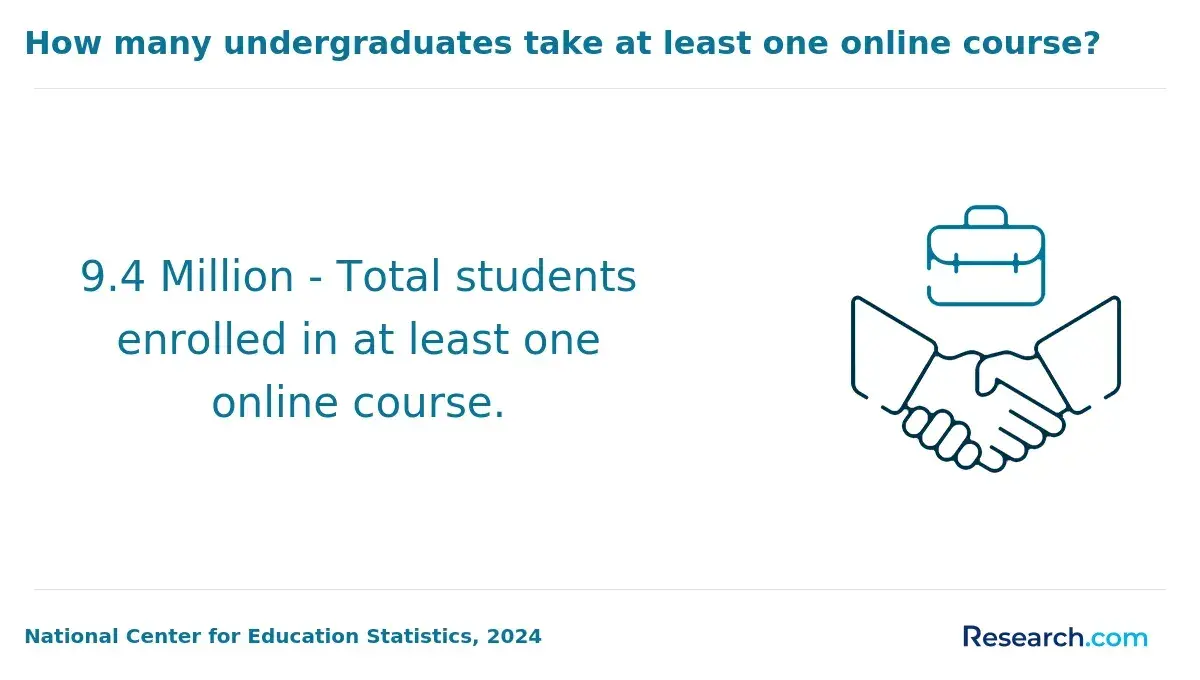
Many professionals with degrees in unrelated fields face barriers when seeking to enter the innovation industry due to strict prerequisite requirements. This challenge limits opportunities for career pivots in a rapidly evolving job market. According to the National Center for Education Statistics, enrollment in online bachelor's degree programs without prerequisites has increased by 35% over the past five years, reflecting growing demand for accessible education. This article explores online innovation bachelor's degree programs that require no prior experience, offering flexible, accredited pathways designed to equip students with the skills needed to thrive in innovation-focused careers.
Key Benefits of Online Innovation Bachelor's Degree Programs With No Prerequisites
- Online innovation bachelor's degrees offer flexible scheduling, allowing working professionals to balance coursework with full-time jobs and personal commitments without sacrificing progress.
- Programs emphasize accelerated skill acquisition through focused curricula and practical projects, enabling students to quickly gain relevant innovation competencies.
- Students can build credible innovation credentials affordably and efficiently, choosing timelines and budgets tailored to their individual financial and career goals.
What Does 'No Prerequisites' Mean for Online Innovation Bachelor's Degree Programs, and Who Benefits Most?
In online innovation bachelor programs with no prerequisites, students can enroll without prior college coursework, specific high school classes, or standardized test scores. This differs from open admission policies, which typically allow any high school graduate or GED holder, and from low-barrier enrollment, which reduces administrative steps but may still require some academic readiness. No prerequisites programs specifically remove formal academic requirements while maintaining structured pathways into the degree.
This enrollment model benefits diverse student populations. Career changers can pursue innovation degrees without concern for previous majors or coursework. Working adults returning to education find it easier to enroll without prerequisite courses, while returning learners-those who paused their education-have a direct route back to degree completion. First-generation college students seeking innovation degrees also benefit from these reduced barriers, making higher education more accessible and less intimidating.
Data from the National Center for Education Statistics (NCES) shows a rising trend in non-traditional student enrollment, including adults over age 25, part-time students, and those balancing work and family. Programs without prerequisites align well with these demographics, enabling greater inclusion and flexibility. For those interested in certifications, there are also relevant certificates I can get online that complement innovation degree pathways.
Key topics this article will address include:
- Admission Clarity: Explaining what "no prerequisites" means compared to other enrollment methods to help students navigate their options confidently.
- Program Quality: How to evaluate academic rigor and accreditation in innovation degrees with low entry barriers.
- Support Services: Identifying campus and online resources tailored to non-traditional innovation learners to promote success.
- Financial Aid: Exploring scholarships, grants, and loans available specifically for diverse online innovation students.
Which Accredited Online Innovation Bachelor's Programs Accept Students With No Prior College Coursework?
Several regionally accredited universities offer online innovation bachelor's programs designed for students with no prior college coursework. These programs embrace open-admission policies or provide foundational coursework to build skills without prerequisite barriers, making them ideal for working adults, first-generation students, and career changers.
- Western Governors University: This fully online program uses competency-based education, allowing students to progress at their own pace. WGU accepts learners with no prior credits and supports them with comprehensive mentorship. Enrollment exceeds 130,000, and admission requires meeting basic criteria without prerequisite coursework.
- Southern New Hampshire University: SNHU offers an online bachelor's in innovation and entrepreneurship, admitting students regardless of prior credits. It doesn't waive foundational skills but provides bridge courses and personalized coaching to prepare students. SNHU is regionally accredited by NECHE and serves over 135,000 online learners.
- Liberty University: Liberty's online innovation or related business administration programs require no previous college coursework. It provides introductory classes and support services focused on adult and first-generation students. Liberty is accredited by SACSCOC and enrolls nearly 100,000 students.
- University of Maryland Global Campus: UMGC's online bachelor's in innovation or technology management requires no prior academic experience. Foundational courses run alongside degree requirements, supporting military and working adults. UMGC is MSCHE-accredited with about 90,000 enrolled online.
- Indiana State University: ISU accepts students without prior credits for its innovation-focused bachelor's degree offered online. It provides bridge coursework, active advising, and tutoring. Accredited by the Higher Learning Commission, ISU enrolls around 12,000 students in a supportive environment for nontraditional learners.
These online innovation bachelor's programs with no prerequisite admission share a commitment to accessibility through low-barrier policies. Many deliver foundational classes as alternative pathways rather than waiving prerequisites outright, aiding smoother transitions into college study. Prospective students should verify each program's accreditation status, check financial aid availability, and consider student support services. Credit transfer policies also vary, affecting degree length and cost. To identify affordable, quality options, consider reviewing rankings such as the cheapest online masters degree resources, which sometimes include bachelor's affordability data as well.
2026 Update: Checking Project-Based Learning Before You Enroll
For 2026, this section was added to help students compare no-prerequisite online innovation bachelor’s programs by looking beyond access and reviewing how well each program builds practical innovation experience.
- Whether courses include real-world projects, prototypes, case studies, or problem-solving labs.
- How students build a portfolio they can show to employers after graduation.
- Whether the curriculum covers design thinking, product development, entrepreneurship, and change management.
- What collaboration tools and group project expectations are used in the online format.
- Whether capstone projects are guided by faculty, industry partners, or student-selected challenges.
- How feedback is provided on creative ideas, business models, presentations, and implementation plans.
Reviewing these details helps students choose a program that is not only easy to enter, but also strong enough to develop usable innovation skills for future career goals.
How Do Open-Admission Policies in Online Innovation Programs Differ From Traditional Selective Admissions?
Open admission policies in online innovation bachelor's programs allow students to enroll with only a high school diploma or equivalent, bypassing traditional barriers like GPA thresholds, standardized test scores, or prerequisite classes. This contrasts with selective admissions, which evaluate applicants through academic records, essays, or recommendations. Rolling admissions consider applications continuously without deadlines, while conditional admissions require students to meet specified conditions before full acceptance. Institutions such as the University of Texas at Arlington and Southern New Hampshire University officially document their open-admission policies through their admissions websites and IPEDS data.
- Accessibility and Diversity: Open admission promotes inclusion by welcoming a wide range of learners, including working adults and first-generation students, regardless of prior academic preparation.
- Academic Readiness: Students' backgrounds in open-admission programs often vary widely, prompting schools to provide support such as developmental courses, tutoring, or orientation sessions to build foundational skills.
- Admission Models Explained: Unlike the competitive nature of selective admission, rolling admissions process applications as they come, and conditional admissions require meeting certain criteria, open admission offers the broadest access with minimal restrictions.
- Institutional Support: Universities and community colleges with open admission, like Central New Mexico Community College, typically offer comprehensive advising and assistance services to help students succeed.
- Quality Assurance: Despite diverse student populations, accredited programs maintain rigorous curricula and learning outcomes to ensure academic standards remain high.
- Readiness Assessment: Prospective students should carefully evaluate their motivation, ability to learn independently, and career goals to determine if an open-admission innovation program suits their needs.
- Recent Trends: Nearly 30% of fully online bachelor's degree programs adopted open or low-barrier admissions from 2018 to 2023, expanding access in response to growing demand from adult learners, according to the National Center for Education Statistics.
A professional who enrolled in an online innovation bachelor's program without prerequisites shared that while transitioning back to school was initially daunting, the open admission policy made it achievable. He recalled feeling uncertain about balancing coursework and work responsibilities but appreciated the program's flexible enrollment and supportive resources. "Having the chance to start without worrying about previous academic gaps was a huge relief," he explained. Over time, tailored tutoring and orientation activities helped him build confidence and academic skills essential for his career change. He described the experience as challenging but ultimately empowering, highlighting how open admission gave him an opportunity that would have been closed under traditional selective criteria.
What Are the Typical Enrollment Requirements for No-Prerequisite Online Innovation Bachelor's Programs?
Even with open enrollment policies for online innovation bachelor's degrees, applicants generally must provide official proof of high school graduation or an equivalent credential like a GED. This requirement is standard across accredited public and private nonprofit institutions to confirm basic academic readiness. Other requirements include:
- Minimum Age Requirement: Most programs require students to be at least 18 years old. However, some institutions offer dual-enrollment options that allow younger learners to earn college credits while finishing high school, offering flexible pathways to enrollment.
- English Proficiency: Non-native English speakers must demonstrate their language skills through recognized tests or university assessments. This ensures the ability to actively participate in coursework and meet communication demands in innovation studies.
- Application Materials: Prospective students need to submit completed application forms, valid identification, and residency verification. Additional documents like personal statements explaining interest in innovation can help admissions staff evaluate motivation and fit.
- Alternative Pathways: Those without traditional diplomas can still qualify through GED programs or preparatory courses affiliated with the university. This approach supports inclusion while maintaining academic standards within no-prerequisite online innovation bachelor's degree programs.
Organizing all documentation in advance-such as ensuring transcripts are sent directly by issuing bodies and preparing optional essays-helps accelerate the admissions process. For career changers or first-generation students exploring no-prerequisite options, understanding these typical enrollment requirements is essential. Those also interested in related fields might consider programs like the cyber security degree online for additional flexible education pathways.
Are No-Prerequisite Online Innovation Bachelor's Programs Available at Regionally Accredited Universities?
Choosing a regionally accredited university for an online innovation bachelor's degree program without prerequisites ensures rigorous academic quality respected nationwide. Regional accreditation, verified via the U.S. Department of Education or CHEA directories, holds greater prestige than national accreditation, affecting credit transferability, employer recognition, and eligibility for federal financial aid. Students benefit from smoother credit transfer between institutions and often encounter stronger acceptance by employers and graduate programs. Additionally, most federal financial aid programs require enrollment at regionally accredited schools, easing the financial burden of earning a degree.
Many regionally accredited institutions offer innovation programs featuring open or low-barrier admissions, welcoming learners regardless of prior coursework while maintaining academic standards. Prospective students should carefully confirm these factors before applying.
- Accreditation Type: Verify that the school holds regional-not just national-accreditation to ensure transferability and recognition.
- Program Delivery: Confirm the bachelor's degree in innovation is available fully online and admits students without formal prerequisites.
- Financial Aid Access: Check if enrollment qualifies for federal or state aid to reduce out-of-pocket costs.
- Credit Transfer Policies: Review how credits are accepted from previous institutions and how easily they transfer if continuing education elsewhere.
A professional who completed an online innovation bachelor's program without prerequisites at a regionally accredited university shared that starting with no formal academic history was initially daunting. She recalled feeling uncertain about balancing work, studies, and family but appreciated the clear guidance on accreditation and credit transfers provided by her advisor. "Knowing the degree would be respected by employers and that I could access financial aid made a huge difference," she reflected. Her experience demonstrated that such programs, when accredited and well-supported, can open new career paths and empower adult learners to advance confidently.
How Do Students Without Academic Prerequisites Catch Up in Online Innovation Bachelor's Courses?
Many accredited online innovation programs offer tailored academic support to help students without formal prerequisites build necessary skills. These supports often include foundational courses aimed at strengthening competencies in critical thinking, writing, quantitative reasoning, and digital literacy before moving into advanced innovation topics. For instance, Southern New Hampshire University's open-admission system delivers personalized learning paths featuring refresher modules and skill-building workshops.
Additional resources commonly include virtual tutoring and peer mentoring. Online tutoring provides flexible, individualized help via chat or video sessions in challenging subject areas. Peer mentoring pairs new students with experienced peers to offer advice on managing coursework and time efficiently. Western Governors University highlights the value of peer collaboration through frequent virtual study groups, fostering a supportive community for innovation students.
Results from the 2022 National Survey of Student Engagement emphasize that institutions with strong academic support report a 15% increase in retention and better graduation rates for online learners. This illustrates the critical role of actively utilizing these resources, which students should engage with both prior to and during their studies to identify learning gaps and enhance preparedness.
- Developmental Courses: Introductory classes build essential baseline skills in research, writing, and math to prepare students for more specialized innovation coursework.
- Tutoring and Mentoring: Access to personalized academic support and guidance helps students overcome difficulties and gain confidence.
- Bridge Programs: Structured pathway modules assist learners without prior academic backgrounds in transitioning smoothly into online innovation studies.
- Self-Assessment Tools: Diagnostic quizzes and readiness surveys enable prospective students to evaluate their strengths and areas needing improvement.
- Engagement Importance: Regular use of academic supports is linked to higher persistence and successful degree completion.
Enrollment in no-prerequisite online innovation bachelor's programs is growing, driven by demand for accessible education among adult learners, career changers, and first-generation college students.
What Support Services Help No-Prerequisite Students Succeed in Online Innovation Bachelor's Programs?
Students in no-prerequisite online innovation bachelor's degree programs benefit greatly from a comprehensive suite of support services designed to accommodate their complex lives. These services are critical for learners balancing work, family, and studies, enabling greater persistence and completion rates.
- Academic Advising: Advisors provide personalized guidance on course planning, degree progression, and effective time management. Many programs offer asynchronous sessions that fit around students' schedules, ensuring flexibility for working adults.
- Mental Health Resources: Virtual counseling and wellness programs offer confidential support to help students manage stress and remain motivated. These resources are specially tailored to address the unique challenges faced by adult learners in remote settings.
- Disability Accommodations: Institutions deliver accessible course materials, captioned videos, and adaptive technologies that promote equity. Extended exam times and real-time support ensure students with disabilities succeed.
- Career Counseling: Services include resume building, interview coaching, and job placement assistance. Online workshops and networking events connect students with industry professionals in innovation fields, facilitating career transitions.
Nationally ranked online innovation programs noted by U.S. News Best Online Bachelor's Programs often excel in providing these supports, contributing to strong retention rates. A recent survey found 72% of remote students using available services completed their degrees on schedule, underscoring the value of investing in programs with robust student support infrastructure.
Can Transfer Credits or Prior Learning Assessments Replace Prerequisites in Online Innovation Programs?
Many online Innovation bachelor's degree programs allow transfer credits or Prior Learning Assessments (PLAs) to replace prerequisite coursework, enabling students to accelerate their progress. These options are especially valuable for working adults and career changers seeking to leverage previous learning without repeating courses.
- Transfer Credit Policies: Accredited institutions typically accept transfer credits to meet prerequisite requirements. Some programs allow up to 75% of the degree to be completed this way, making it easier to apply prior college coursework toward a no prerequisite Innovation degree program.
- Prior Learning Assessments (PLA): PLA options such as CLEP (College Level Examination Program) and DSST (DANTES Subject Standardized Tests) evaluate knowledge acquired outside traditional classrooms. Many programs recognize these assessments, reducing time and tuition by replacing several prerequisites.
- ACE Credit Recommendations: The American Council on Education (ACE) evaluates workplace training, military education, and certifications, offering credit recommendations. Innovation programs following ACE guidelines often grant credit for relevant nontraditional experiences, supporting diverse student backgrounds.
- Flexible Institutions: Schools like Thomas Edison State University and Excelsior College are noted for generous PLA and transfer credit policies. They accept various documentation-including military transcripts and training certificates-to verify prior learning for course equivalency.
- Documentation and Submission: To maximize prerequisite waivers, compile comprehensive records of professional experience, certifications, and training. Well-organized documentation speeds up evaluation and improves chances of credit approval.
- Recent Trends: Over 60% of adult learners now pursue degrees using some form of PLA or transfer credit, demonstrating wide acceptance of these alternatives in distance education, including for transfer credits for online innovation degree programs.
Incorporating transfer credits and PLA options into your plan can substantially reduce prerequisites and shorten your path to graduation. When researching no prerequisite Innovation programs, ensure they provide clear credit transfer policies and student support. Exploring financial aid and career services further enhances educational value. For those interested in related fields, consider exploring clinical psychologist online programs, which offer similar flexible credit options and strong support for adult learners.
What Is the Average Time to Completion for No-Prerequisite Online Innovation Bachelor's Degree Programs?
Most online innovation bachelor's degree programs without prerequisites require about 120 credit hours, the standard for U.S. undergraduate degrees. However, the average time to complete an online innovation bachelor's degree can vary depending on enrollment pace, term length, and prior credits, significantly affecting a student's total time in the program.
- Enrollment Pace: Full-time students generally complete their studies in four years, while part-time students may take six years or longer. Flexibility in many programs allows working adults and first-generation students to tailor their pace to balance education with other commitments.
- Term Length Variations: Accredited institutions offering accelerated options, such as eight-week terms instead of traditional 15-week semesters, help motivated learners finish courses faster. Schools like Western Governors University and Purdue Global use competency-based models with year-round enrollment, supporting quicker completion for self-directed students.
- Prior Credit Impact: Transfer credits from previous college experience or military training lower the total credit requirement, shortening program duration for those with prior credentials. This factor is crucial when considering the typical program duration for no-prerequisite online innovation degrees.
- Graduation Rates Comparison: IPEDS data highlights that selective-admission online programs tend to have higher on-time graduation rates compared to open-admission alternatives, which often serve a broader, less traditional student population. Open-access programs usually show longer average completion times.
- Cost and Opportunity: The length of a program directly influences total tuition and the opportunity costs of delayed full-time employment or career progress. Students should carefully assess these factors alongside academic quality and support services.
For additional context on affordability and program options, consider resources like the online history master's degree rankings, which reflect broader trends in online higher education investments and financial aid availability.
How Does Tuition Compare Between No-Prerequisite and Standard Online Innovation Bachelor's Programs?
When comparing tuition costs for online innovation bachelor's programs without admission prerequisites to those with standard selective admissions, several factors influence the price differences.
- Cost Per Credit: Open-admission programs generally offer lower or similar per-credit rates compared to selective schools. Community colleges and public universities often keep credit prices affordable to support broad access.
- Institution Type: Public institutions and community colleges with no-prerequisite options benefit from state funding and missions emphasizing accessibility, resulting in lower tuition. In contrast, private and research-focused universities with selective admissions usually charge more, reflecting their higher operating costs and resources.
- Additional Fees: Some no-prerequisite programs require developmental or foundational courses that add extra fees and increase overall expenses. Selective programs typically exempt applicants who meet admission requirements from these costs.
- Program Delivery Format: Fully online programs with efficient course design can reduce expenses for all students, but innovation degrees featuring extensive projects or advanced technology may incur premium pricing regardless of admissions policy.
- Total Cost Considerations: Focusing solely on per-credit rates can be misleading. Prospective students should assess the total degree expenses-including extra fees, required developmental coursework, and credit transfer policies-to make an informed investment in their innovation education.
Which Online Innovation Bachelor's Programs Allow Students To Start Without A High School Diploma Or GED?
Many accredited online innovation bachelor's degree programs admit students with high school equivalency credentials such as GED or HiSET, opening pathways for nontraditional learners. Understanding each institution's policies can streamline the application process and ensure eligibility.
- Open Admission Flexibility: Several programs welcome applicants with GED or HiSET credentials without requiring traditional diplomas or additional coursework, making enrollment more accessible for working adults and first-generation students.
- Conditional Enrollment Requirements: Some schools require GED holders to pass placement exams or complete foundational classes to demonstrate readiness before advancing to core innovation studies, balancing inclusivity with academic rigor.
- Official Documentation: Applicants must submit verified GED transcripts or equivalent records. Admissions offices often refer to the College Board's guidelines on credential equivalency to confirm authenticity and eligibility.
- International Student Guidance: Those educated abroad typically need to provide official secondary school transcripts and complete credential evaluations, sometimes including English language proficiency tests, to establish comparability with U.S. standards.
- Support Services: Many programs offer targeted tutoring, advising, and career counseling to help students without traditional prerequisites succeed academically and professionally.
- Financial Aid Access: GED credential holders are generally eligible for federal and institutional financial aid, but students should confirm program accreditation to secure funding.
- Credit Transfers: Prior learning or workforce experience may be recognized for credit in certain programs, reducing time and cost to degree completion for adult learners.
What Graduates Say About Their Online Innovation Bachelor's Degree Program With No Prerequisites
- Jason: "I chose the online innovation bachelor's degree program with no prerequisites because I wanted to jumpstart my career without the hassle of meeting endless entry requirements. The affordable tuition made it a practical option compared to traditional colleges. Since graduating, I've landed a role in product development where I apply what I learned every day-it's been a game changer for my professional growth."
- Camilo: "The flexibility of the online innovation program was exactly what I needed to balance work and study, especially with no prerequisites holding me back. The cost was manageable, allowing me to invest in my education without financial strain. Reflecting now, this degree opened doors in consulting that I hadn't thought possible before-I'm confident it's the foundation of my success."
- Alexander: "Pursuing an online innovation bachelor's degree without prerequisites suited my nontraditional background perfectly and gave me the confidence to establish a new career path. The reasonable price helped me commit without stress, and the knowledge I've gained has propelled me into leadership roles faster than I imagined. This program truly transforms the way you approach challenges in a professional setting."
Other Things You Should Know About Innovation Degrees
Most programs still require about 120 semester credits, including 30 to 40 credits of general education. Common courses are college writing, quantitative reasoning, communication, and introductory business or technology classes. Some schools let you transfer up to 90 credits, which can shorten completion time.
Employers generally evaluate innovation degrees based on the program's accreditation and the relevance of skills gained rather than the admission criteria. Degrees from accredited institutions-regardless of open admission policies-are increasingly accepted, especially when graduates demonstrate practical innovation competencies and project experience. However, some employers may favor candidates from programs with more selective admissions, making it important for students to highlight their accomplishments and internships.
Graduates typically pursue roles in product management, design thinking facilitation, business development, and technology consulting. The skill sets gained prepare students for varied sectors, including startups, corporate innovation labs, and nonprofit organizations focused on change management. While entry-level positions are common initially, specialized skills and experience gained through internships or certifications can accelerate career advancement.
References
- Selective Schools and Holistic Admissions | HESA https://higheredstrategy.com/selective-schools-and-holistic-admissions/
- How to Transition into a Digital Career (No Tech Background) https://digital4business.eu/transition-into-digital-career/
- Online College Tuition Comparison: Online vs. In-Person https://www.uagrantham.edu/blog/online-college-tuition-comparison-online-vs-in-person/
- Cost of Online Education vs. Traditional Education [2025]: Comparison https://educationdata.org/cost-of-online-education-vs-traditional-education
- College without a High School Diploma with C4L Academy https://chartercollege.edu/news-hub/enroll-college-without-high-school-diploma-through-c4l-academy/
- University of Nevada Reno, Online Programs and Degrees | Nevada Online https://nevadaonline.unr.edu/academics
- Online GED Alternative | Adult High School Diploma Program https://www.excelhighschool.com/blog/online-ged-alternative-how-excel-high-schools-online-adult-high-school-diploma-program-works/
- No diploma? No problem! - IntelliTec http://intellitec.edu/no-diploma-no-problem/
- Five Ways to Support Todayâs Online Learners â InsideTrack https://www.insidetrack.org/blog/5-ways-to-support-todays-online-learner
- Distance learning without A-levels: Start now and realize your dream! - Allensbach University https://www.allensbach-hochschule.de/en/distance-learning-without-high-school-diploma/