
2027 Online Industrial Design Master's Programs With No Personal Statement or Admissions Essay Required

Co-Founder and Chief Data Scientist
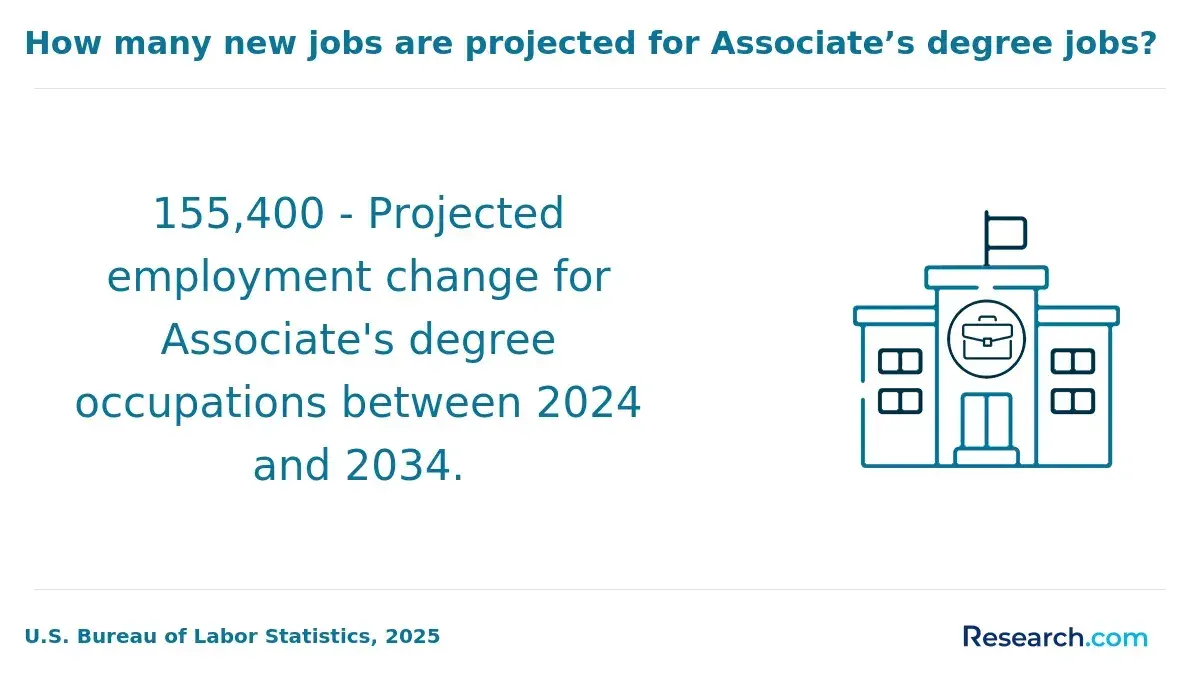
Applicants seeking an online Industrial Design master's degree may want a faster application without a personal statement, but "no essay" rarely means "no evidence of readiness." The U.S. Bureau of Labor Statistics projects 3% employment growth for industrial designers from 2024 to 2034, making portfolio quality, technical skills, and product-development experience important differentiators. This guide explains how to identify legitimate streamlined admissions options, compare their actual requirements, verify program quality, estimate costs, and decide whether an essay-free pathway fits your design goals.
Key Things You Should Know
- "No personal statement" usually means a school does not request a long narrative essay; it may still require a portfolio, résumé, short-answer questions, recommendations, transcripts, prerequisite coursework, or an interview.
- Fully online, studio-based Industrial Design master's programs are relatively limited, and a consistently published list of reputable programs that waive every essay-like requirement is not available; applicants must verify each term's graduate application checklist directly with the university.
- No-essay admission is separate from no-GRE admission and GPA policy: applicants should confirm the minimum GPA, portfolio expectations, institutional accreditation, total tuition, and whether the degree supports their intended product-design career path.
What Does "No Personal Statement or Admissions Essay Required" Mean for Online Industrial Design Master's Programs?
A no-personal-statement policy means the application does not require a traditional autobiographical essay explaining your goals, background, and reasons for applying. A no-admissions-essay policy can mean the same thing, but universities use these labels inconsistently. One school may call a 500-word goals response a "supplemental question," while another calls nearly identical content a statement of purpose.
For Industrial Design, the distinction matters because graduate faculty often need evidence that an applicant can work through a design process, communicate visual ideas, and succeed in critique-based coursework. Instead of an essay, a program may assess that readiness through materials such as a portfolio, résumé, academic record, or interview.
| Application item | What it usually evaluates | Does "no essay" automatically waive it? |
| Personal statement | Goals, motivation, academic context, and fit | Often yes, if explicitly waived |
| Statement of purpose | Academic interests, research or design direction, and career plans | No; it may be a separate required document |
| Short-answer response | Targeted questions about experience or goals | No; a program may require these instead |
| Portfolio | Visual thinking, process documentation, craft, and design judgment | No; it is commonly more important in design admissions |
| Résumé or CV | Employment, software skills, education, and relevant projects | No |
| Recommendations | Professionalism, collaboration, and academic potential | No |
An applicant should treat "no essay" as a narrow administrative benefit, not as a conclusion that the program has no written requirements. Download the current application instructions, inspect the portfolio guidelines, and ask admissions whether any prompts appear after an application account is created.
Which Online Industrial Design Master's Programs Do Not Require a Personal Statement or Admissions Essay?
There is no stable, comprehensive national directory of fully online Industrial Design master's programs that verifiably waive personal statements or admissions essays. This is partly because dedicated Industrial Design graduate degrees commonly rely on portfolio review and are often delivered in person or in low-residency studio formats. Admissions requirements also can change by term, concentration, applicant background, or graduate school policy.
Rather than relying on a list that can become outdated, use the comparison below to identify the types of programs most likely to appear in your search and the verification standard to apply before paying an application fee.
| Program type | Typical online availability | Likelihood of portfolio review | Best verification question |
| Master of Industrial Design | Limited; may use hybrid or low-residency delivery | High | "Is a personal statement, statement of purpose, or written design prompt required for this intake?" |
| Design management master's degree | More commonly online | Moderate | "Does the application include goal statements or supplemental written responses?" |
| Human-centered design or interaction design master's degree | Often online or hybrid | Moderate to high | "Are portfolio narratives or case-study explanations required?" |
| Engineering design or product-development master's degree | Varies by institution | Lower to moderate | "Are essays waived for all applicants, including those without an engineering degree?" |
Search results that promise "no essay" may describe a general graduate-school application rather than the design department's requirements. Confirm that the policy applies to the exact degree, modality, concentration, and start date you want. A program that requires no personal statement but asks for a portfolio narrative is not a fully no-writing application.
If your interest is broader than industrial design and includes learning-experience or digital-product work, an instructional design masters online program can be a related option to compare, although it prepares students for a different professional focus and should not be assumed to have the same portfolio expectations.
What Admission Requirements Do Online Industrial Design Master's Programs Use Instead of an Essay?
When an essay is omitted, admissions reviewers still need a way to assess academic preparation, visual communication, and professional fit. For design-focused graduate study, a portfolio can be more consequential than a personal statement because it shows how you identify problems, develop concepts, test solutions, and present final work.
The following materials are common substitutes or complements to a personal statement. Their relative weight differs substantially by school, so applicants should not assume that a strong GPA alone will offset a weak or incomplete portfolio.
- Official transcripts: Schools use these to confirm degree completion, cumulative GPA, and performance in relevant coursework such as design, art, engineering, CAD, research, or manufacturing.
- Portfolio: Applicants may submit product sketches, CAD models, prototypes, user research, process boards, usability findings, and finished work; strong portfolios show decisions and iteration, not only polished images.
- Résumé or CV: This documents design employment, internships, freelance work, software knowledge, technical certifications, and leadership experience.
- Recommendations: Faculty members, supervisors, or clients may describe your design ability, collaboration, reliability, and readiness for graduate-level work.
- Prerequisites: A program may require undergraduate coursework in studio art, design foundations, statistics, engineering, or digital modeling, particularly for applicants changing fields.
- Interview or portfolio review: Some departments use a conversation to test communication skills, clarify your role in projects, and assess fit with the curriculum.
Applicants without a conventional industrial design bachelor's degree should look closely at prerequisite and portfolio rules. A design-management program may welcome business or engineering backgrounds, while a studio-intensive Master of Industrial Design may expect foundational drawing, fabrication, and visual design skills before enrollment.
Can You Get Into an Online Industrial Design Master's Program With No Essay, No GRE, or a Low GPA?
Possibly, but these are three separate admissions questions. A program can waive an essay while requiring a portfolio and a 3.0 GPA; another can be GRE-optional while retaining a statement of purpose. Applicants with a lower GPA should seek programs that describe holistic review, conditional admission, prerequisite pathways, or an option to submit additional evidence of readiness.
For a low-GPA applicant, the most useful evidence is usually recent and relevant: strong grades in later coursework, a well-documented portfolio, relevant work experience, professional recommendations, or completion of designated prerequisites. Do not conceal a weak academic record. If a program provides an optional explanation field, briefly clarify documented circumstances and focus on the evidence that reflects your present capability.
| Admissions flexibility | What it changes | What may still be required |
| No personal statement | Removes a long narrative component | Portfolio, résumé, recommendations, transcripts, or short answers |
| No GRE or GRE-optional | Removes or reduces standardized-test reporting | GPA threshold, quantitative prerequisites, and portfolio review |
| Holistic or conditional review | May allow context beyond a stated GPA minimum | Additional coursework, probationary terms, or stronger supporting materials |
| Rolling admissions | May offer multiple application review periods | Complete materials and available cohort space |
A no-GRE policy may be more valuable than a no-essay policy for applicants whose standardized-test results are a barrier, but neither policy measures program quality. Students comparing flexible graduate admissions across professional fields can also review options such as a BCBA degree online; requirements and licensure outcomes differ sharply from design, so use it only as an example of how program-specific admissions rules matter.
Are Online Industrial Design Master's Programs With No Personal Statement Easier to Get Into?
Not necessarily. Removing an essay reduces application time, but it does not automatically reduce academic standards, portfolio expectations, or competition for limited studio capacity. In a design discipline, a portfolio review can provide more direct evidence of ability than a general personal statement, which means an essay-free application may still be selective.
A streamlined process is most useful for experienced applicants whose transcripts, project work, and résumé already make their preparation clear. It may be less suitable for career changers who need space to explain an unconventional academic path, a gap in enrollment, or why they are exploring the best degrees to get online to transition into industrial design.
Compare admissions design, not just admissions length. A program with an optional statement can be a better choice if it gives you a meaningful opportunity to explain your goals, especially when your portfolio is developing or your undergraduate major is unrelated.
Common mistakes include treating "no essay" as proof of open admission, submitting only final product images without process documentation, and applying before checking whether online students receive live critique, software access, fabrication support, or career services. A reputable program should clearly explain how online learners complete studio work and receive feedback.
How Can You Tell Whether a No-Essay Online Industrial Design Master's Program Is Accredited and Reputable?
Start with institutional accreditation. In the United States, institutional accreditation affects federal financial-aid eligibility, transfer-credit decisions, and the credibility of the degree with many employers. Confirm the institution through the U.S. Department of Education's Database of Accredited Postsecondary Institutions and Programs or directly with the accreditor named by the university.
Industrial design does not have one universal programmatic accreditation requirement comparable to licensure-oriented fields. However, design programs may hold specialized recognition or participate in discipline-specific associations. Those signals can be useful, but they do not replace checking curriculum quality, faculty expertise, student support, and the institution's accredited status.
Use this review checklist before enrolling. It helps separate a genuinely streamlined application from a program that is simply vague about its standards.
- Confirm that the university, not only the online platform or partner, awards the degree.
- Verify institutional accreditation in an official directory and confirm that the designation applies to the degree-granting institution.
- Read the curriculum for design research, ideation, CAD or visualization, prototyping, materials, manufacturing, usability, and portfolio development where relevant to your goals.
- Ask how online students receive studio critique, complete physical prototypes, access software, and collaborate with faculty and peers.
- Request the current application checklist in writing and ask whether a statement of purpose, short answers, portfolio captions, or interview are required.
- Review faculty biographies, student work, career support, refund policies, and total program cost before accepting an offer.
Be cautious if a school will not identify its accreditor, provides little faculty or curriculum information, promises effortless admission, or cannot explain how an online industrial design student develops hands-on skills. Simplified paperwork should never substitute for transparent educational delivery.
How Much Do Online Industrial Design Master's Programs With No Admissions Essay Cost, and What Financial Aid Is Available?
No-essay status does not predict tuition. Total cost depends on public or private status, resident tuition eligibility, number of credits, technology fees, required software, materials, shipping, travel for residencies, and whether studio or fabrication expenses are included. Request a written estimate for the entire degree rather than comparing only the advertised per-credit rate.
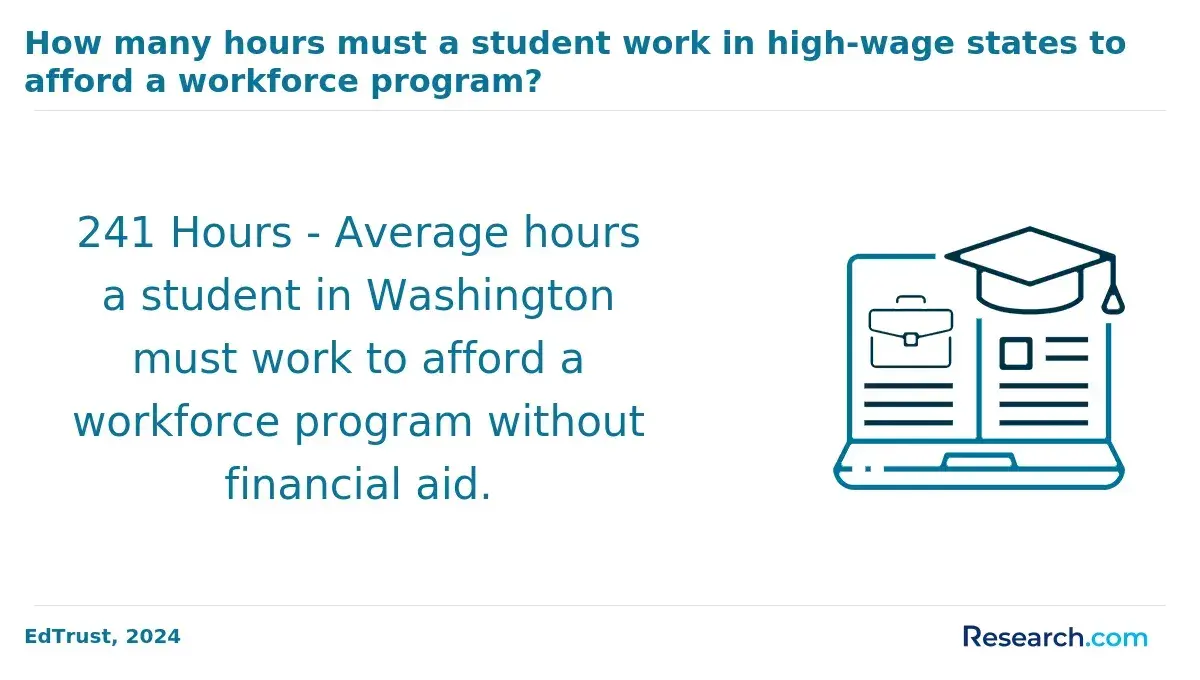
For the 2025-26 award year, the maximum Federal Pell Grant is $7,395 for eligible undergraduate students, but Pell Grants generally do not fund master's degrees. Graduate students may instead explore Direct Unsubsidized Loans, Grad PLUS Loans, employer tuition assistance, institutional scholarships, assistantships where available, veterans' education benefits, and private scholarships. Federal loan eligibility and annual limits depend on the student's individual aid record and enrollment.
| Cost category | Why it matters for online industrial design | Question to ask |
| Tuition and mandatory fees | Usually the largest direct expense | "What is the estimated tuition and required fee total for all credits?" |
| Software and hardware | CAD, rendering, VR, computing, and storage needs may be substantial | "Which licenses and computer specifications are required, and are student licenses included?" |
| Materials and prototyping | Models, printing, tools, and shipping can add recurring costs | "Does the program provide fabrication access, reimburse materials, or require personal equipment?" |
| Residency or travel | Hybrid programs may require campus visits or intensive sessions | "Are residencies mandatory, and what travel costs should students expect?" |
| Financing terms | Borrowing can affect the degree's long-term return | "Which institutional scholarships, payment plans, and federal aid options are available to online students?" |
Applicants comparing affordability across graduate disciplines may find a cheap online masters in counseling useful for understanding how program cost comparisons work, but counseling degrees have different practicum, licensure, and accreditation costs than industrial design programs.
How Do You Apply to an Online Industrial Design Master's Program With No Personal Statement Required?
Apply only after confirming that the waiver applies to your exact program and term. Graduate school pages, department pages, and third-party application portals can display different requirements, so the department's current checklist and an admissions representative's written confirmation are the most reliable combination.
The following process reduces the risk of discovering a hidden essay or portfolio requirement after paying an application fee.
- Identify the exact degree title, concentration, delivery format, start term, and residency requirement.
- Download the current graduate application checklist and compare the graduate-school instructions with the design department's instructions.
- Ask admissions whether "no personal statement" also means no statement of purpose, short-answer response, portfolio narrative, or written interview question.
- Order transcripts early and confirm whether international or unofficial transcripts require evaluation or translation.
- Prepare the portfolio according to the stated file format, image limit, labeling standard, and process-documentation requirements.
- Update your résumé to show design projects, tools, project role, outcomes, internships, and relevant employment.
- Request recommendations early if they are required, giving recommenders the deadline and a concise project summary.
- Submit before the priority deadline, save copies of all materials, and monitor the application portal for missing items.
Do not write an unsolicited personal statement unless the school invites optional material. Instead, use permitted portfolio captions and résumé entries to make your contributions clear. If the school offers an optional context statement, use it only for material information such as a transcript anomaly, career transition, or prerequisite plan.
How Long Does an Online Industrial Design Master's Program With No Admissions Essay Take to Complete?
The absence of an admissions essay does not shorten the degree itself. Completion time depends on credit requirements, cohort sequencing, thesis or capstone expectations, transfer credits, whether studios are offered every term, and whether the student enrolls full time or part time. Many master's programs are structured around approximately two academic years of full-time study, but online and hybrid design pathways can take longer when learners balance employment or complete prerequisite coursework.
Applicants should ask for a term-by-term course map rather than relying on an "accelerated" label. In a studio discipline, a short calendar may mean intensive project workload rather than less design instruction.
| Enrollment pattern | Potential time effect | Best fit |
| Full-time cohort | Usually follows the fastest published sequence | Students able to prioritize studio work and scheduled critiques |
| Part-time enrollment | Can extend completion but reduce term workload | Working professionals with predictable time constraints |
| Bridge or prerequisite coursework | May add time before or during graduate study | Career changers without design foundations |
| Low-residency format | May combine online terms with scheduled intensive sessions | Students who need remote access but can travel periodically |
Ask whether the capstone can be completed remotely, whether an internship is required, and whether leaves of absence affect course sequencing. These practical factors often influence completion time more than the admissions format.
Is an Online Industrial Design Master's Degree With No Admissions Essay Worth It for Your Career?
A no-essay online Industrial Design master's degree can be worthwhile when the curriculum, portfolio outcomes, faculty access, cost, and delivery format align with a specific career objective. It is not worthwhile solely because the application is simpler. Employers evaluating industrial design candidates commonly focus on demonstrated process, portfolio quality, communication, collaboration, technical fluency, and experience with products or users.
The U.S. Bureau of Labor Statistics reports a median annual wage of $79,450 for industrial designers in May 2024. This national figure is not a starting-salary promise and does not isolate master's degree holders; pay varies by industry, location, experience, specialization, and employer. Use it as labor-market context while comparing the program's full cost against your current earnings, likely borrowing, and the skills you expect to gain.
An industrial design master's can support work in consumer products, medical devices, furniture, transportation, packaging, sustainable materials, design research, product strategy, or design leadership. The strongest online programs make their outcomes visible through student portfolios, applied projects, faculty mentorship, industry connections, and clear support for remote studio learning.
Choose an essay-free option when you already have a credible body of work and want to reduce administrative friction. Consider a program with a fuller admissions process when you need to explain a career pivot, seek a highly specialized studio environment, or want faculty to assess your alignment with a selective design culture. Students considering people-centered helping professions should recognize that an LMFT online program has different clinical training and state-licensure requirements, even though both paths may advertise online graduate access.
Before deciding, compare the degree against alternatives such as a graduate certificate, targeted CAD or UX coursework, a portfolio-development program, employer-supported training, or a related master's degree. A degree has the strongest return when it closes a documented skill gap and helps you build work that supports the jobs you actually intend to pursue.
Other Things You Should Know About Industrial Design
No. The school may still require short-answer questions, portfolio captions, a statement of purpose, a résumé, or an explanation of your project role. Read every department-level instruction and ask whether any supplemental writing appears after you start the application.
Sometimes, but not automatically. A portfolio can demonstrate design process and technical ability, while a personal statement explains goals and context. A program may waive the statement while requiring a portfolio, or it may request both.
Not always. Some programs admit applicants from art, engineering, architecture, business, or related backgrounds. However, they may require foundational coursework, a portfolio, or bridge classes before advanced studio work.
Only if its curriculum, support, and professional outcomes fit your goals. Program length matters, but so do required studio experiences, portfolio development, cost, and any field-specific requirements. For another example of evaluating accelerated graduate options, compare the structure of the best MFT programs, while remembering that marriage and family therapy has distinct clinical and licensure standards.
References
- Why personal statements in academic admissions are (mostly) a waste of time - Acuity Insights https://acuityinsights.com/personal-statements-academic-admissions-mostly-waste-time/
- 2025 Most Affordable Online Master's Programs https://www.onlineu.com/most-affordable-colleges/masters-degrees
- 2025's Best Online Master's in Graphic Design Programs https://www.onlinemastersdegrees.org/best-programs/graphic-design/
- How to Check if a Graduate Program is Accredited (and Why This Matters) | ProFellow https://www.profellow.com/tips/how-to-check-if-a-graduate-program-is-accredited-and-why-this-matters/
- Graduate Industrial Design MS Program https://www.artcenter.edu/academics/graduate-degrees/industrial-design/overview.html
- Personal Statement For Residency https://www.imgprep.com/personal-statement-for-residency
- Average Cost of a Master's Degree: 2025 Analysis https://educationdata.org/average-cost-of-a-masters-degree
- Master of Science in Instructional Design and Technology https://financialaid.mercer.edu/cost-of-attendance/graduate-and-professional/college-of-education/master-of-science-in-instructional-design-and-technology/


