
2027 Online Healthcare Administration Doctorate Programs with Practicum, Internship, Clinical, or Fieldwork Requirements

Co-Founder and Chief Data Scientist
Choosing an online healthcare administration doctorate is not just about coursework; it is about whether you can realistically complete required supervised experience. The latest BLS data reports a $117,960 median annual wage for medical and health services managers, reflecting strong demand for leaders who can manage complex care systems.
This guide is for working professionals comparing DHA, DrPH, DNP leadership, DBA, EdD, and PhD options. You will learn how practicum, internship, clinical, and fieldwork requirements affect cost, scheduling, local placement, accreditation, and career fit before you enroll.
Key Things You Should Know
- Online healthcare administration doctorates are not always fully remote: DrPH and DNP leadership programs commonly require supervised applied practice or clinical practice hours, while DBA and PhD programs often rely more on research, consulting projects, or dissertations.
- Hands-on requirements can add indirect costs beyond tuition, including travel, background checks, immunizations, site onboarding, unpaid work time, and delayed graduation if a placement is not approved on schedule.
- The latest BLS outlook projects 23% employment growth for medical and health services managers, so experiential training can be valuable when it builds evidence of leadership, quality improvement, informatics, finance, or population health skills.
Which Online Healthcare Administration Doctorate Programs Require Practicum, Internship, Clinical, or Fieldwork Experience?
The online healthcare administration doctorate programs most likely to require practicum, internship, clinical, or fieldwork experience are practice-focused degrees. These programs are designed for professionals who want to solve real organizational problems, lead systems change, improve quality and safety, manage population health initiatives, or meet professional practice expectations.
Not every doctorate with "healthcare administration" in the title has the same hands-on requirement. The table below compares common online doctoral pathways so you can quickly identify which program models are more likely to include supervised experiential learning.
| Doctoral program type | How hands-on experience usually appears | Best fit | Placement caution |
| Doctor of Health Administration (DHA) | Administrative practicum, applied project, executive residency, leadership capstone, or site-based improvement project | Healthcare managers seeking senior leadership, operations, strategy, quality, or policy roles | Some DHA programs are fully project-based, while others require approved sites or in-person residencies |
| Doctor of Public Health (DrPH) with health management or policy concentration | Applied practice experience, fieldwork, integrated learning project, or community-based leadership work | Public health leaders, health policy professionals, population health executives, nonprofit executives, and government health administrators | CEPH-accredited DrPH programs generally include applied practice expectations |
| Doctor of Nursing Practice (DNP) in executive leadership, health systems leadership, or administration | Clinical practice hours, systems leadership practicum, DNP project, or executive practicum | Licensed nurses moving into executive, quality, informatics, or healthcare systems leadership | Often requires an active RN or advanced practice nursing license and documented practice hours |
| DBA in healthcare management or healthcare administration | Consulting project, organizational research project, business practicum, or applied dissertation | Executives focused on finance, operations, entrepreneurship, consulting, or business strategy | Many DBA programs do not require formal clinical or field placement, but may require access to an organization for research |
| EdD in health professions education or organizational leadership | Field-based leadership project, internship, improvement project, or dissertation-in-practice | Healthcare educators, training leaders, workforce development directors, and academic administrators | Requirements depend heavily on whether the program is education-focused or administration-focused |
| PhD in healthcare administration, health services research, or health policy | Research assistantship, dissertation research, data analysis project, or teaching experience | Future researchers, faculty, policy analysts, and evidence-generation specialists | Usually less practice-placement-focused than DHA, DrPH, or DNP programs |
If you are still building graduate-level healthcare leadership preparation, a masters in healthcare administration can be a more direct first step before committing to doctoral fieldwork, especially if your target role does not require a doctorate.
A common mistake is assuming that "online" means "no in-person responsibilities." In practice, online usually describes the course delivery format, not the practicum rules. Before applying, confirm whether the program requires site-based hours, an approved preceptor, campus residencies, live synchronous sessions, or a project within a healthcare organization.
What Are the Practicum, Internship, Clinical, and Fieldwork Requirements for Online Healthcare Administration Doctorates?
Practicum, internship, clinical, and fieldwork are related terms, but they are not interchangeable. In doctoral healthcare administration education, these experiences connect theory to real organizational practice, but they differ in supervision, purpose, setting, and level of professional regulation.
The table below clarifies the main experiential terms you will see in online healthcare administration doctorate catalogs. Use it to interpret program requirements more accurately before comparing schools.
| Requirement type | What it usually means | Typical setting | Why it matters |
| Practicum | A supervised experience tied to a defined learning plan, leadership competency, or doctoral project | Hospital department, health system office, public health agency, payer, consulting group, or nonprofit | Helps students apply administrative theory to operations, finance, quality, strategy, or policy work |
| Internship | A structured work experience that may involve broader professional exposure or role-based training | Healthcare organization, government agency, health technology company, or community health organization | Can be useful for career changers or students without senior healthcare experience |
| Clinical requirement | Supervised practice connected to clinical credentials or systems-level patient care improvement | Clinical practice environment, quality department, care coordination program, or health system leadership site | Most relevant in DNP executive leadership and other clinically grounded doctoral pathways |
| Fieldwork | Applied work conducted in a real community, public health, policy, or organizational setting | Public health department, community health program, advocacy organization, or health services agency | Common in DrPH and population health programs where applied practice is central to the degree |
| Residency | A short intensive experience that may occur online, on campus, or at a designated site | Campus, simulation center, leadership institute, or partner organization | May add travel costs even when the rest of the program is online |
Required hours vary widely. Some programs specify a fixed number of documented hours, while others define the requirement through competencies, deliverables, a capstone, or a doctoral project. DNP programs are the most likely to use formal practice-hour documentation because nursing accreditation and professional standards often expect evidence of advanced practice engagement.
When reviewing requirements, focus on evidence rather than labels. A program that calls its experience a "capstone" may still require site approval, a supervisor, organizational data access, and recurring meetings during business hours. Conversely, a research-focused PhD may require no formal practicum but still demand access to datasets, healthcare organizations, or research participants.
How Do Online Healthcare Administration Doctorate Programs Arrange Practicum and Clinical Placements?
Placement responsibility is one of the most important differences among online healthcare administration doctorate programs. Some schools maintain placement teams and approved site networks, while others expect doctoral students to identify, propose, and secure their own site.
The table below summarizes common placement models. This distinction matters because it affects time to completion, stress level, and whether a working adult can complete the program without relocating.
| Placement model | How it works | Student responsibility | Best for |
| School-arranged placement | The university helps match students with approved sites or preceptors | Submit documentation, complete onboarding, and meet eligibility requirements | Students who need structured support or have limited local healthcare contacts |
| Student-arranged placement with school approval | The student identifies a site, and the program reviews it before hours begin | Find a qualified site, secure a supervisor, complete affiliation paperwork, and obtain approval | Experienced professionals with employer support or strong local networks |
| Employer-based placement | The student completes the project or practicum within their current workplace | Confirm role boundaries, avoid conflicts of interest, and obtain supervisor approval | Working administrators whose employer can support a doctoral project |
| Project-based applied experience | The program requires a real-world organizational problem but may not require traditional site hours | Gain access to organizational data, stakeholders, and leadership sponsorship | Executives, consultants, and students with access to healthcare organizations |
| Residency-based model | Experiential learning is concentrated into scheduled campus or partner-site intensives | Travel, attend required sessions, and complete pre- and post-residency assignments | Students who can travel occasionally but cannot commit to weekly site hours |
Before enrolling, ask admissions and program faculty for a written explanation of how placements are approved. Verbal reassurance is not enough when your graduation timeline may depend on site contracts, preceptor credentials, background checks, or state authorization.
Use these questions to clarify the placement process before you accept an offer:
- Does the university arrange placements, or does the student identify the site?
- Are there approved placement sites in my state, region, or metropolitan area?
- Can my current employer serve as a practicum, internship, clinical, or fieldwork site?
- What qualifications must the site supervisor or preceptor have?
- How long does site approval usually take after all paperwork is submitted?
- What happens if a site withdraws, a supervisor leaves, or an affiliation agreement is delayed?
- Are evening, weekend, hybrid, or project-based hours allowed?
- Will the school confirm placement feasibility in writing before enrollment?
Many students can complete online healthcare administration doctorate fieldwork near home, but local completion is not automatic. It depends on the state where you live, the program's authorization to operate there, the availability of approved sites, the type of doctoral requirement, and whether qualified supervisors are available.
Local fieldwork is usually more feasible when the requirement is administrative rather than direct clinical care. For example, a healthcare operations project, quality improvement initiative, health equity assessment, or policy implementation project may be completed in a local hospital, clinic network, public health agency, insurer, or nonprofit if the program approves the site.
Local placement becomes harder when the program has strict preceptor credentials, clinical documentation standards, affiliation agreement requirements, or state-specific limitations. This is especially important for DNP leadership students, students in regulated professions, and students who live in rural areas where fewer health systems or public health agencies can host doctoral learners.
To verify whether you can complete requirements near home, follow a practical sequence rather than relying on broad marketing language:
- Find the exact experiential requirement in the academic catalog, handbook, or program manual.
- Confirm whether the requirement is measured by hours, competencies, deliverables, residency attendance, or project milestones.
- Ask whether your state is approved for online enrollment and experiential placement.
- Request examples of recent placement settings used by students in your region.
- Ask whether employer-based projects are allowed and whether your direct supervisor can serve as preceptor.
- Confirm whether the site must sign an affiliation agreement before you begin any hours.
- Ask what backup options exist if your local site is rejected or delayed.
A red flag is a program that advertises nationwide online access but cannot explain state restrictions, site approval standards, or local placement support. Another red flag is an admissions process that waits until after enrollment to disclose that students are responsible for finding their own fieldwork sites.
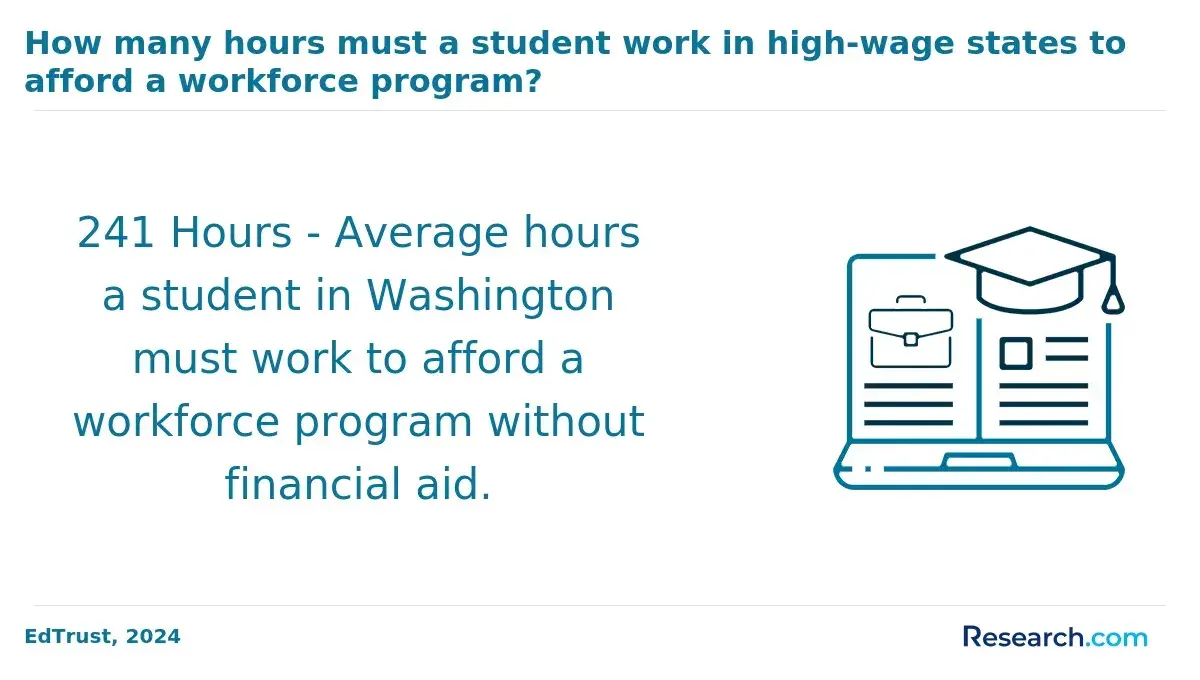
Clinical and fieldwork requirements affect doctorate cost in two ways: direct education expenses and indirect completion expenses. Tuition is the visible cost, but the practical requirement can add travel, time away from paid work, health screening, compliance documentation, liability coverage, parking, technology, and professional attire.
Federal student loan costs also matter. For loans first disbursed during the current federal award cycle, graduate Direct Unsubsidized Loans carry a 7.94% fixed interest rate and Grad PLUS Loans carry an 8.94% fixed interest rate. That makes delays and extra credits especially costly for doctoral students who borrow, because additional semesters can increase both principal and interest exposure.
The table below shows common cost and timeline variables that students often underestimate when comparing online healthcare administration doctorate programs.
| Cost or timeline factor | How it may show up | Why it matters |
| Tuition and doctoral fees | Charged per credit, term, semester, or subscription period | Programs with slower placement approval can become more expensive if billed by term |
| Practicum or clinical fees | Course fees, supervision fees, placement coordination fees, or project fees | May not be included in advertised tuition estimates |
| Compliance requirements | Background check, drug screening, immunizations, CPR verification, or health records | Often required before a site will approve student participation |
| Travel and lodging | Residencies, site visits, conferences, or intensive sessions | Can add meaningful expense for students far from campus or approved sites |
| Unpaid time | Business-hour meetings, site work, project implementation, or supervisor check-ins | Can affect income, childcare, and work scheduling |
| Placement delays | Affiliation agreement delays, preceptor changes, or site rejection | May postpone capstone completion, graduation, or credential advancement |
Students comparing doctoral options should separate "low tuition" from "low total cost." A lower-priced program can become less affordable if it shifts placement search, travel, or delay risk to the student. If budget is a major constraint, comparing the cheapest online healthcare administration degree options at earlier degree levels can also help you decide whether a doctorate is necessary for your immediate career goal.
To estimate your real timeline, ask whether fieldwork can overlap with coursework or only begins after all core classes are completed. Programs that allow early planning, employer-based projects, and concurrent practicum work may be easier for full-time professionals to complete on schedule.
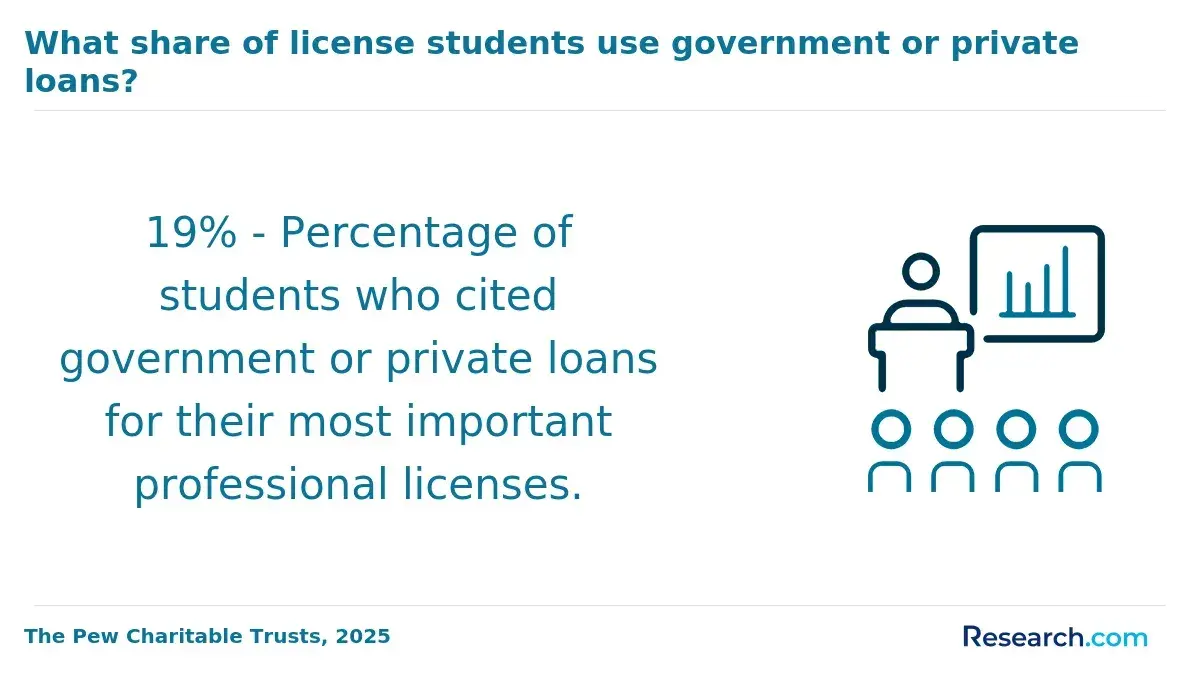
Flexibility varies more by degree type and placement policy than by online format. A program can offer asynchronous coursework but still require weekday meetings with a preceptor, live project presentations, campus residencies, or site work during normal business hours.
The most flexible programs usually define experiential learning through outcomes and deliverables, while the least flexible programs require fixed clinical hours, specific supervisor credentials, or site types that are difficult to secure locally. DNP and DrPH programs often have less room to modify practice requirements because they may be tied to professional standards, accreditation expectations, or public health competencies.
Students working full time should look for flexibility in several areas, not just course delivery:
- Asynchronous coursework that allows doctoral assignments outside standard work hours
- Early practicum planning before the formal fieldwork term begins
- Permission to use an approved current workplace site when conflicts of interest can be managed
- Options for project-based hours, remote stakeholder meetings, or hybrid site engagement
- Clear policies for changing preceptors or sites if job duties, relocation, or organizational priorities change
- Part-time enrollment options that do not trigger excessive fees or loss of academic progress
Some students choose faster pathways to reduce the number of terms spent balancing work, school, and fieldwork. When comparing accelerated healthcare programs, however, check whether the faster pace compresses practicum planning into a shorter window, because accelerated schedules can be harder if site approval is slow.
A useful rule is to compare flexibility at the bottleneck. If fieldwork is the bottleneck, an otherwise flexible online program may still be difficult. If coursework is the bottleneck, a well-organized practicum with employer support may be manageable.
Experiential requirements can strengthen accreditation alignment, but they do not automatically satisfy licensure, certification, or employer requirements. Healthcare administration itself is not licensed in the same universal way as medicine or nursing, but certain roles connected to nursing leadership, nursing home administration, public health practice, or clinical operations may involve state-specific or profession-specific rules.
Accreditation affects whether a program follows recognized academic quality standards. Institutional accreditation is essential for federal financial aid eligibility and credit recognition. Specialized accreditation may matter depending on the degree type: CEPH is important for many public health programs, CCNE or ACEN may apply to nursing programs, and CAHME is widely associated with graduate healthcare management education, though it is more commonly connected to master's-level programs than doctorates.
The table below explains how accreditation and licensure questions differ by program type. This helps you avoid assuming that one school's fieldwork structure will meet every professional requirement.
| Program type | Accreditation or standard to review | Licensure or credential issue to verify |
| DHA or DBA in healthcare administration | Institutional accreditation and any relevant business or healthcare management accreditation | Usually not tied to a universal healthcare administration license, but employer expectations vary |
| DrPH | CEPH accreditation when public health professional alignment matters | May support public health leadership careers, but does not automatically grant a state license |
| DNP executive leadership | Nursing program accreditation and institutional accreditation | Requires careful review of RN or APRN license rules, practice-hour requirements, and state authorization |
| EdD in health leadership | Institutional accreditation and education-related program quality indicators | May matter for academic or workforce development roles, but licensure depends on the role and state |
| PhD in health services or policy | Institutional accreditation and research training quality | Generally research-oriented rather than licensure-oriented |
Before enrolling, contact the relevant state board, employer credentialing office, or professional association if your goal involves regulated practice. Ask the school to document whether its fieldwork, clinical hours, or practicum structure is intended to meet any external standard. If the answer is vague, treat that as a signal to investigate further.
Strong support can make the difference between a manageable online doctorate and a stressful placement search. The best-supported programs are transparent about site approval timelines, preceptor qualifications, student responsibilities, and what happens if a placement falls through.
Support should begin before the fieldwork term, not after a student is already under deadline pressure. Look for programs that help students translate career goals into feasible projects, especially if the student wants to work in quality improvement, finance, analytics, health equity, informatics, population health, or executive leadership.
Important support services include several practical resources:
- A placement coordinator or faculty advisor who explains site approval requirements early
- Written practicum or fieldwork handbooks with required forms, deadlines, and evaluation rubrics
- Preceptor orientation so site supervisors understand doctoral-level expectations
- Templates for learning agreements, project charters, confidentiality reviews, and progress reports
- Backup procedures for site changes, supervisor turnover, or project scope problems
- Technology support for remote meetings, secure data handling, and online documentation
- Career advising that connects the practicum or project to promotion, executive search, consulting, or academic goals
AI and analytics are also changing the kind of support doctoral students need. Healthcare organizations increasingly expect leaders to understand data governance, privacy, clinical decision support, revenue cycle analytics, workforce modeling, and responsible AI adoption. A strong practicum experience should help students practice these skills in a supervised, ethical, and organization-specific context.
One warning sign is a program that treats fieldwork as an administrative checklist rather than a leadership development experience. Doctoral-level experiential learning should produce a meaningful deliverable, such as a quality improvement plan, strategic analysis, policy evaluation, implementation project, financial model, or population health intervention.
Practicum and clinical experiences can improve career readiness when they produce measurable leadership evidence. Employers often want proof that a doctoral graduate can lead teams, evaluate data, manage change, communicate with stakeholders, and improve outcomes in complex healthcare environments.
The latest BLS outlook projects 23% growth for medical and health services managers, much faster than the average for all occupations. This does not mean every doctorate leads to an executive role, but it does show that healthcare organizations continue to need administrators who can manage growth, regulation, technology, staffing pressures, and quality demands.
Experiential doctoral work can support several career directions:
- Hospital or health system executive leadership, including operations, strategy, service line management, and quality
- Population health, public health administration, community health, or health policy leadership
- Healthcare consulting, process improvement, revenue cycle strategy, and organizational transformation
- Health informatics, data governance, digital health implementation, and analytics leadership
- Academic administration, health professions education, teaching, or applied research
- Nursing executive leadership for licensed nurses pursuing DNP administrative pathways
The strongest career value comes when the required experience aligns with the student's target role. A DNP executive leadership practicum may be highly relevant for a nurse leader pursuing chief nursing officer or quality executive roles. A DrPH field experience may fit a public health director or population health strategist. A DBA consulting project may fit a healthcare entrepreneur or operations executive.
Students interested in data-heavy healthcare leadership should also understand adjacent career markets. For example, reviewing health information management salary trends can help clarify whether informatics, compliance, revenue cycle, or data governance experience should be part of the doctoral project.
The degree is most likely to be worth the added in-person commitment when the practicum creates a portfolio-quality achievement: a documented improvement, implementation plan, evaluation report, executive presentation, peer-reviewed project, or measurable organizational contribution.
How Should Students Choose an Online Healthcare Administration Doctorate With Experiential Requirements?
Choosing the right online healthcare administration doctorate means matching the degree type, experiential requirement, placement model, and career outcome to your real life. The best program is not always the one with the fewest hours or the lowest tuition; it is the one you can complete successfully while gaining experience that matters for your next role.
Use the following process to compare programs before applying or enrolling:
- Define your target outcome first, such as executive leadership, public health administration, nursing leadership, consulting, academia, informatics, or policy.
- Choose the degree type that fits that outcome, rather than assuming all healthcare administration doctorates serve the same purpose.
- Request the official handbook or catalog page showing practicum, internship, clinical, fieldwork, residency, capstone, or dissertation requirements.
- Confirm whether the program requires documented hours, approved competencies, site-based work, or a project deliverable.
- Ask who is responsible for finding the site and whether the school has approved placements in your area.
- Verify whether your employer can be used as a site and what conflict-of-interest rules apply.
- Estimate indirect costs, including travel, unpaid time, compliance paperwork, technology, and possible extra terms.
- Check institutional accreditation, specialized accreditation where relevant, state authorization, and any licensure-related limitations.
- Speak with current students or recent graduates about placement delays, faculty responsiveness, and workload during fieldwork terms.
- Ask the school to provide written answers to placement feasibility questions before you commit financially.
Students who benefit most from practice-based doctoral training are usually experienced professionals who can connect doctoral projects to real healthcare problems. Students who may want to avoid programs with substantial in-person requirements include those without access to healthcare organizations, those unable to adjust work hours, those in states where placement approval is uncertain, or those pursuing research careers better served by a PhD.
The biggest mistakes are avoidable: assuming online means fully remote, ignoring state restrictions, overlooking supervisor qualifications, underestimating unpaid fieldwork time, and choosing a program before confirming placement support. A good online doctorate should make the experiential requirement clear, feasible, and relevant before you enroll.
Other Things You Should Know About Healthcare Administration
Some programs accept applicants from business, public administration, policy, technology, or military leadership backgrounds, but they may require professional experience, prerequisite coursework, or a healthcare-focused statement of purpose. Programs with clinical or nursing leadership tracks usually have stricter background requirements.
Neither is automatically better. A DHA is usually more practice-focused and often fits senior administrators, while a PhD is usually more research-focused and may fit faculty, policy research, or health services research careers.
Many online professional doctorates have moved away from GRE requirements, especially for applicants with a graduate degree and substantial professional experience. However, admissions rules vary, so applicants should check each program's current policy.
Sometimes, but doctoral transfer credit is often limited. Schools may restrict transferred credits by age, grade, accreditation status, course match, or residency requirements, and dissertation or capstone credits are frequently not transferable.
- Can I Receive My Healthcare Administration Degree Online? - Healthcare Administration Degree Programs https://www.healthcare-administration-degree.net/faq/can-i-receive-my-healthcare-administration-degree-online/
- Health Management Careers https://www.ache.org/Career-Resources/Start-Your-Career/Health-Management-Careers
- What Are Hybrid Doctoral Programs? (Online-Campus Doctorate Programs) https://www.onlineeducation.com/faqs/what-are-hybrid-doctoral-programs
- Health Administration: Online Degrees and Careers https://www.publichealthonline.org/healthcare-administration/online-degree-programs/
- Future Students https://www.aupha.org/resourcecenter/futurestudents
- SECTION 6: DOCTORAL STANDARDS - CACREP https://www.cacrep.org/section-6-doctoral-standards-counselor-education-and-supervision/
- Managing clinical placements for online programs https://corehighered.com/en/blog/managing-clinical-rotations-for-online-programs
- Five Transferable Skills Developed in a Field Work Placement - Youth Research and Evaluation eXchange https://youthrex.com/blog/five-transferable-skills-developed-in-a-field-work-placement/
- Schools with Online Master’s Degree Programs in Healthcare https://www.mhaonline.com/school-profiles
- Best Online Doctorates in Healthcare Administration 2026 https://www.onlineu.com/degrees/doctoral-healthcare-administration


