2027 Online Health Informatics Bachelor's Degrees for Career Changers

Co-Founder and Chief Data Scientist
Faced with stagnant growth and a desire for more meaningful work, early-career professionals increasingly consider shifting into health informatics. The promise of a field that combines technology with healthcare appeals to those seeking stability and impact amid rapid industry evolution. Online health informatics bachelor's degree programs offer the flexibility to balance education with current job responsibilities, making career transitions manageable.
According to the U. S. Bureau of Labor Statistics, employment in health information occupations is projected to grow 13% from 2022 to 2032, faster than average for all occupations. This article explores how these programs equip learners to successfully enter the health informatics field.
Key Benefits of Online Health Informatics Bachelor's Degrees for Career Changers
- Online health informatics bachelor's degrees offer flexible scheduling, enabling working professionals to balance employment, family, and studies without commuting or rigid class times.
- Many accredited programs are accessible nationwide, ensuring degree recognition and meeting industry standards vital for career advancement.
- Curricula align with emerging health informatics roles, addressing workforce demand projected to grow 15% over the next decade.
Is an Online Health Informatics Bachelor's Degree Good for Career Changers?
Many adults seeking a career transition consider an online health informatics bachelor's degree because it offers a practical way to enter a growing professional field. With nearly 40% of postsecondary students over the age of 25, educational programs that accommodate adult learners are increasingly popular. This trend reflects how online degrees provide pathways for professionals looking to shift industries without pausing their careers. Choosing an online format allows learners to adapt their education to personal and professional demands.
Online health informatics programs support career changers by offering structured academic pathways designed to develop relevant healthcare technology skills and knowledge. Institutional accessibility through asynchronous classes and flexible pacing makes it easier for students from diverse backgrounds to succeed.
These degrees also closely align with the evolving needs of the healthcare industry, ensuring graduates gain applicable expertise. For those researching education options, comparing online programs to find the cheapest online pharmacy school alternatives can also highlight affordable paths in related healthcare fields.
Can I Work Full-Time While Studying an Online Health Informatics Degree?
Many working adults pursue an online health informatics bachelor's degree because of the program's flexibility designed specifically for busy professionals. The ability to attend classes asynchronously allows students to access coursework on their own schedules rather than adhering to strict class times.
This flexibility makes balancing full-time work and study more feasible, an important consideration for adult learners. According to the National Center for Education Statistics, nearly 38% of undergraduate online students maintain full-time employment during their studies, underscoring the prevalence of this combined commitment among learners.
Online health informatics programs often structure their courses to support full-time working students through modular scheduling, which breaks down a semester into focused, shorter units to minimize overlap and better manage time. Additionally, institutions provide advising and extended deadlines tailored to students balancing professional and academic demands.
For those exploring options, some of the best online health informatics programs for working professionals also provide resources aimed at managing both responsibilities effectively. Prospective students can find more information and compare options for healthcare administration degrees that fit a working student's lifestyle.
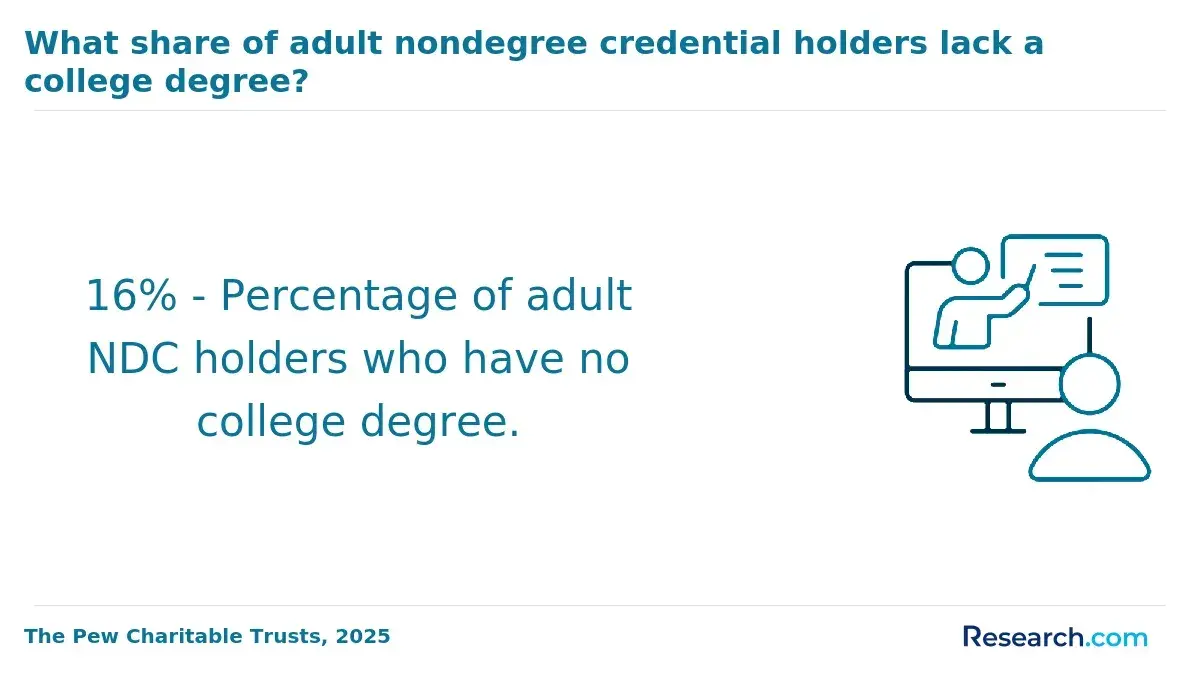
What Skills Do I Need to Succeed in an Online Health Informatics Program as a Career Changer?
Adapting to an online health informatics bachelor's program requires understanding certain skills essential for success, especially for those shifting careers. Adult learners represent a large portion of online students, with approximately 71% of undergraduates in fully online programs being 25 or older, emphasizing the importance of tailored strategies for this group.
The following key skills blend technical knowledge with effective online learning habits.
- Data Management and Analysis: Proficiency in handling healthcare data is fundamental. Career changers should focus on mastering databases, electronic health record systems, and interpreting data accurately to support clinical and administrative decision-making.
- Health Science Literacy: A grasp of medical terminology, healthcare delivery, and clinical workflows aids in meaningful communication and contextual understanding within the health informatics field.
- Technical Proficiency: Comfort with software tools, basic programming, and IT frameworks ensures smooth navigation of the technical requirements inherent in health informatics coursework and practice.
- Time Management: Since online learning demands self-directed study, strong planning and discipline help manage coursework alongside professional and personal commitments.
- Effective Communication: Skills in clear, written exchanges are critical for participating in virtual discussions, submitting assignments, and networking with instructors and peers.
Career planning plays a crucial role for students pursuing an online health informatics bachelor's degree, ensuring their education supports their professional objectives. With over 60% of adults changing careers after 30, mid-career upskilling and reskilling have become common strategies to stay competitive in evolving fields.
Considering these trends, certain key factors can ease the shift into health informatics.
- Align Academic Learning: Tailor coursework to match specific career goals in health informatics to build relevant skills in data management, healthcare systems, and IT. This alignment helps balance full-time work and studies in health informatics for career changers.
- Build Foundational Knowledge: Establish expertise in essential topics such as health information technology and healthcare operations, which form the basis for professional success.
- Leverage Institutional Resources: Utilize career services, internships, and networking events offered by educational institutions to gain practical experience and industry contacts.
- Gain Practical Experience: Engage in projects or part-time roles that demonstrate applied skills, which strengthen resumes and improve employment prospects.
- Understand Workforce Expectations: Develop soft skills like communication, adaptability, and problem-solving that are vital in tech-driven healthcare environments.
Those managing full-time jobs can explore flexible study options through a fast track program, accelerating their path while balancing responsibilities.
Timeframe expectations play a crucial role for those pursuing an online health informatics bachelor's degree as they manage career shifts. While a typical full-time bachelor's degree lasts about four years, many adult learners take around 5.5 years to graduate due to part-time enrollment and balancing other responsibilities. Factors such as prior credits, course load, program design, and availability of accelerated tracks greatly influence how quickly a career change can happen.
Some programs offer the option to test out of courses or transfer credits, which can shorten completion time, but personal circumstances often dictate the pace. Planning realistically around these elements helps future professionals align their education with both personal and career goals without risking burnout or setbacks.
Many individuals considering an online health informatics bachelor's degree wonder if they can find employment without prior professional experience. This concern is common, especially among those shifting careers who want to ensure their investment leads to viable job prospects. About 65% of recent graduates in health-related technology fields secure entry-level roles within six months of graduation, showing a generally favorable but competitive job market.
When hiring entry-level candidates, employers typically focus on several key factors:
- Academic Credentials: Employers look for degrees and coursework that closely align with the job's technical requirements, using education as a benchmark for foundational skills.
- Core Knowledge: Understanding essential subjects such as data management, healthcare regulations, and system workflows demonstrates readiness to handle workplace challenges.
- Adaptability: The ability to learn and adjust to rapidly evolving technologies is crucial in health informatics, where innovation is constant.
- Analytical Skills: Problem-solving capabilities developed through academic projects or research help employers gauge a candidate's potential for practical application.
- Transferable Skills: Career changers often bring diverse experiences and perspectives that can enhance team dynamics and innovation, balancing gaps in direct health informatics experience.
While direct work experience can be advantageous, a relevant online degree paired with these competencies can position graduates competitively in the health informatics job market.
Certifications provide career changers pursuing an online health informatics bachelor's degree with valuable opportunities to deepen their expertise and demonstrate industry-relevant skills. These credentials complement academic learning by validating specialized competencies that employers recognize.
Nearly 45% of adult learners pursue professional certifications to boost job skills and improve career prospects, highlighting their increasing importance in workforce upskilling.
- Certified Health Data Analyst (CHDA): This credential focuses on advanced data analysis and management, reinforcing the technical and analytical skills taught in an online health informatics program. It helps students develop abilities essential for interpreting healthcare data effectively.
- Registered Health Information Administrator (RHIA): Offered by AHIMA, RHIA certifies expertise in managing patient health information and governance. This aligns closely with coursework covering healthcare regulations, privacy practices, and information system oversight.
- Certified Professional in Health Informatics (CPHI™): Emphasizing the integration of IT with clinical knowledge, this certification supports the interdisciplinary approach core to health informatics degrees, bridging technology and healthcare delivery.
- Certified Electronic Health Records Specialist (CEHRS): Centered on practical skills for managing electronic health records, this certification enhances hands-on competencies often introduced theoretically in online programs, preparing students for real-world healthcare IT environments.
By earning these certifications alongside their degree, career changers can strengthen their academic foundation and signal readiness to contribute effectively in health informatics roles.
Career changers frequently inquire about job opportunities after earning an online health informatics bachelor's degree because they seek a reliable path into a new industry. This degree provides structured academic preparation that merges healthcare knowledge with technology skills, supporting a smooth transition into entry-level roles in a growing field.
Notably, about 45% of adult bachelor's degree holders change careers within ten years, demonstrating the degree's value in facilitating career shifts.
- Health Informatics Specialist: Graduates can manage healthcare information systems to improve patient outcomes by analyzing data trends and ensuring secure information exchange. Coursework in data standards and privacy directly supports this role.
- Clinical Data Analyst: These professionals work with medical staff to interpret health data and optimize clinical operations. Knowledge gained from coding, health databases, and statistics courses equips graduates to extract meaningful insights from complex datasets.
- Health Information Technician: This role involves organizing and maintaining patient records according to legal and ethical standards, relying heavily on understanding healthcare regulations and electronic record systems emphasized in the degree.
- Entry-Level Opportunities: Many career changers find these foundational positions accessible and practical when moving into the health sector. The flexibility of online programs allows students to balance current commitments while preparing for specialized roles.
Online health informatics bachelor's degree holders can explore various job opportunities with an online health informatics bachelor's degree that align with IT and healthcare integration. In addition, those curious about related fields should consider if is medical billing and coding in demand, as it shares overlapping skills with health informatics entry level jobs for career changers.
Understanding the job outlook is essential for career changers considering an online health informatics bachelor's degree, as labor market conditions shape long-term career planning and educational investments. The U.S. Bureau of Labor Statistics projects employment growth in health information technology at 13% from 2022 to 2032, significantly outpacing average occupational growth.
This positive trend indicates strong demand for skilled professionals capable of managing complex health data. Those entering entry-level health informatics jobs for career changers can view this growth as a key factor supporting a stable and rewarding career transition.
Several influences shape the favorable job outlook in health informatics, including rising healthcare demands from an aging population and broader access to medical services. Technological advancements such as telemedicine, electronic health records, and data analytics are reshaping healthcare delivery, requiring adaptability and technical proficiency.
Economic fluctuations may impact hiring trends, but healthcare information management tends to be resilient. Online health informatics programs deliver flexible academic preparation that aligns with these evolving industry expectations and complements various professional backgrounds. Career changers aiming to balance cost and quality should also explore resources like healthcare MBA cost analyses to inform their educational funding decisions.
Professionals who transition into health informatics after earning an online bachelor's degree in the field can anticipate entry-level salaries ranging from approximately $55,000 to $75,000 annually. This salary range reflects the growing need for experts capable of managing the fusion of healthcare and technology.
For career changers coming from unrelated industries, acquiring specialized knowledge through an online program often enables them to achieve compensation levels comparable to those starting directly in health informatics. Such wage prospects make the field an appealing option for those seeking a financially sustainable new career path.
Multiple factors shape salary expectations within health informatics careers. The industry's steady demand, driven by increasing reliance on electronic health records and data analysis, often leads to upward salary pressure.
Location also plays a crucial role, with salaries tending to be higher in metropolitan regions and areas dense with healthcare facilities or technological enterprises. Additionally, advanced degrees or certifications and prior work experience contribute to earning potential, especially as professionals develop health informatics-specific skills throughout their education and internships.
What Graduates Say About Online Health Informatics Bachelor's Degrees for Career Changers
- Callen: "Transitioning from retail management to a healthcare career felt daunting, but choosing an online health informatics bachelor's degree made it manageable. The flexibility allowed me to study while working full-time, and the tuition was surprisingly affordable compared to traditional programs. Now, I'm thriving in a data analysis role where I can really see the impact of what I've learned on patient outcomes."
- Koen: "After years in marketing, I realized I needed a change that aligned more with my passion for technology and healthcare. Pursuing an online health informatics degree gave me the opportunity to fully immerse myself in the field without relocating or quitting my job. The program's blend of technical skills and healthcare knowledge was just what I needed to confidently step into an evolving career."
- Owen: "Choosing an online health informatics bachelor's degree was a strategic move to break into a growing industry with strong job security. The cost was reasonable, especially considering the potential salary increase after graduation. Reflecting on my experience, the program's practical curriculum and networking opportunities were invaluable tools that accelerated my professional growth in healthcare IT."
Other Things You Should Know About Health Informatics Degrees
Many online health informatics bachelor's degree programs require foundational courses in subjects such as biology, computer science, or statistics. Career changers without a prior background in these areas may need to complete prerequisite coursework before fully entering the program. These prerequisites ensure students have the basic knowledge necessary to understand advanced health informatics concepts.
Career changers should learn spreadsheets, basic database concepts, and common health IT terms before enrolling. Many programs expect comfort with Microsoft Excel, SQL basics, and electronic health record systems. Programs usually require about 120 semester credits, including general education, informatics, and supervised practicum coursework.
Accreditation is an important factor to consider when selecting an online program. Reputable programs are often accredited by regional accrediting bodies and sometimes have program-specific accreditation from organizations like the Commission on Accreditation for Health Informatics and Information Management Education (CAHIIM). Accreditation ensures the quality of education and may affect eligibility for financial aid and professional certification.
- Careers in Health Informatics | University of Phoenix https://www.phoenix.edu/articles/healthcare/careers-in-health-informatics.html
- Health Informatics Job Description and Salary Information https://www.usfhealthonline.com/resources/health-informatics/health-informatics-jobs-health-informatics-salary/
- How is the Job Outlook for Health Informatics? - Healthcare Management Degree Guide https://www.healthcare-management-degree.net/faq/how-is-the-job-outlook-for-health-informatics/
- What kind of career and salary can I expect with my online Bachelor of Health Informatics degree? https://www.onlineschoolscenter.com/career-salary-online-bachelor-health-informatics-degree/
- Online Healthcare Informatics Master's Degrees - Part-Time Programs https://www.mhaonline.com/faq/part-time-healthcare-informatics-programs
- Learnsic https://learnsic.com/blog/health-informatics-salary-2025-guide
- Health Informatics Salary: How Much Can You Earn? https://www.uopeople.edu/blog/health-informatics-salary/
- Health Informatics | Advance Your Healthcare Career — Skills for Change https://skillsforchange.org/health-informatics
- Health Informatics Careers and Jobs https://www.publichealthdegrees.org/careers/health-informatics/
- Best Online Health Informatics Bachelor's Degree Programs, Jobs, and Salaries https://careerkarma.com/blog/best-online-health-informatics-bachelors-degrees/