2027 Online Health Informatics Bachelor's Degrees for Adults Over 40

Co-Founder and Chief Data Scientist
Many adults over 40 face barriers when seeking new careers-especially in rapidly evolving fields like health informatics. Balancing work, family, and education can seem impossible without flexible options. Online health informatics bachelor's degree programs offer a solution, providing accessible pathways to gain in-demand skills without disrupting life routines.
Notably, recent data shows that 42% of online health informatics learners are adults aged 40 and older, highlighting growing acceptance of this mode of study for career advancement. This article explores these programs' advantages, curriculum insights, and career prospects, helping readers navigate their options and make informed decisions.
Key Points About Online Health Informatics Bachelor's Degrees for Adults Over 40
- Online Health informatics bachelor's programs offer flexible scheduling, enabling adults over 40 to balance education with existing work and family commitments effectively.
- Earning this degree enhances career prospects in a growing healthcare tech field, where demand for skilled professionals is expected to increase by 15% over the next decade.
- These programs emphasize practical skills and data management, providing adults with valuable credentials that can lead to leadership roles and salary growth in healthcare organizations.
What are the best online Health Informatics bachelor's degrees for adults over 40?
For adults over 40 who are already professionals in the healthcare or information technology sectors, pursuing an online bachelor's degree in health informatics can be a strategic move to advance their careers and adapt to the rapidly evolving digital health landscape. Industry data shows that employment in health informatics roles is projected to grow by over 15% through 2030, highlighting the importance of selecting a program that aligns with practical skills and professional demands.
Here are some of the best online health informatics bachelor's programs tailored for adult learners seeking flexibility and accreditation.
- Arizona State University (ASU): ASU's online Health Informatics bachelor's degree is renowned for its use of advanced digital simulations via the University Technology Platform. This immersive feature enables adult learners to engage with practical, real-world healthcare scenarios remotely, enhancing their ability to apply theory dynamically.
- Boston University: BU offers an accredited online program emphasizing interdisciplinary learning. Its Health Data Analytics concentration equips students with critical skills in managing and interpreting healthcare data, a valuable specialization in today's healthcare industry.
- University of Illinois Springfield (UIS): UIS delivers a fully CAHIIM-accredited Health Informatics bachelor's program. The curriculum is rigorous and paired with personalized academic advising, designed specifically for adult learners balancing education with other responsibilities.
- Southern New Hampshire University (SNHU): SNHU's program stands out for its affordability and use of the SNHU Learning Studio platform, which provides interactive coursework and real-time collaboration, ideal for adult students seeking leadership and project management skills in healthcare.
- Northeastern University: Northeastern enhances learning through its Career Experience program, integrating real-world work placements with academic study. This experiential approach greatly benefits adults over 40, aiming to connect education with industry demands.
Choosing one of these top accredited online health informatics degrees for adult learners can provide a robust foundation for career advancement. For those looking to further their education in nursing leadership, an excellent complementary option to consider is the shortest online DNP program, which offers advanced practice pathways that align well with health informatics expertise.
How much do online Health Informatics bachelor's degrees typically cost?
The average cost of an online health informatics bachelor's degree ranges from $300 to $700 per credit hour, with total tuition typically between $30,000 and $60,000 for about 120 credits. Public universities often offer more affordable rates for in-state students, while private institutions generally have higher tuition. Those researching programs may find valuable insights in related fields, such as healthcare administration, which can share cost trends with health informatics.
Beyond tuition, hidden expenses can add to the financial investment required for an online health informatics bachelor's degree. Many programs include technology fees, ranging from $50 to $150 per semester, that support online learning platforms. Approximately 68% of online degrees charge these or similar distance learning fees. Additional costs may come from required software subscriptions, electronic health record simulation tools, or course materials essential for study.
Compared to traditional on-campus options, online programs can reduce housing and commuting expenses but may require investing in reliable internet and a capable computer system, indirect costs that students should consider. For professionals weighing their options, understanding the average cost of online health informatics bachelor's programs helps plan the overall financial commitment more effectively.
What are the admission requirements for adult learners enrolling in online Health Informatics bachelor's degrees?
Admission criteria for adult learners over 40 applying to online health informatics bachelor's programs often differ from those for recent high school graduates. Recent data from 2025 indicates that 62% of these programs incorporate flexible admissions steps tailored to mature students' varied experiences. Below are common requirements that help older applicants demonstrate their preparedness:
- Relevant experience: Applicants typically highlight previous work or education in healthcare, IT, or related fields to show familiarity with health informatics concepts and practical skills essential for program success.
- Academic readiness: Proof of competence in mathematics and statistics is necessary, often through transcripts, placement tests, or professional certifications, ensuring students can handle data-intensive coursework.
- Career statement: Many programs request a personal statement where applicants articulate their motivations and goals, allowing admissions committees to gauge commitment and how the degree aligns with their career plans.
- Supporting documents: Letters of recommendation from supervisors or colleagues who understand the applicant's skills, along with a detailed resume, provide further insight into the candidate's qualifications.
- Interview process: Some schools conduct interviews to assess applicants' readiness and fit, accommodating different formats such as live video or recorded submissions to suit adults with busy schedules.
A professional who completed an online health informatics bachelor's program shared his experience navigating these admissions steps. "The biggest challenge was translating years of practical experience into a format the admissions team could evaluate," he said. He described spending time gathering detailed letters of recommendation and crafting a personal statement that truly reflected his career ambitions.
"It felt rewarding to connect my past work with the program's expectations, proving that my age brought useful perspectives, not obstacles." He also appreciated the option for a flexible interview, which allowed him to balance application activities with ongoing job responsibilities.
Professionals over 40 pursuing an online health informatics bachelor's degree can expect meaningful salary growth, often between 15% and 25% within five years after graduation, depending on experience and role. This degree also strengthens job security by providing qualifications in a field driven by healthcare digitization.
Many employers favor candidates with formal health informatics education for leadership and specialized positions, enhancing promotion prospects. Long-term career stability is common, with graduates benefiting from steady demand for expertise in managing electronic health records and data systems.
Return on investment is compelling for adult learners, with most recouping their education costs within three to six years. Factors such as tuition fees, prior work history, and geographic location influence this timeline, yet health informatics consistently offers a strong ROI compared to other fields. This balance of competitive salaries, robust job markets, and manageable payback periods makes the degree a sound choice for mid-career advancement.
The author spoke with a professional who recently completed an online health informatics bachelor's program. He shared how balancing coursework with family and work presented challenges, especially during evenings and weekends. However, the flexibility of the online format allowed him to progress steadily.
He described the program as "intense but rewarding," noting that gaining current technical skills and healthcare knowledge gave him confidence to pursue leadership roles he previously thought unattainable. His reflection: "Choosing this degree later in life wasn't just practical-it was transformative for my career outlook."
Contemporary health informatics bachelor's programs are tailored for immediate practical use-enabling students to address real-world challenges in healthcare settings while continuing their education. Studies indicate that 85% of working students apply their coursework directly to their current roles, highlighting employers' strong emphasis on ongoing skill development.
The following points outline key professional benefits for adults pursuing career advancement with health informatics bachelor's after 40.
- Skill Modernization: These degrees teach the latest electronic health record systems and software tools, helping professionals replace outdated processes and stay proficient in evolving healthcare technologies.
- Data Proficiency: Students develop critical abilities to analyze healthcare data, which supports improved patient outcomes and informed clinical decision-making-skills increasingly valued in modern medical environments.
- Workplace Adaptability: Emphasizing flexible problem-solving techniques, the curriculum prepares learners to integrate cutting-edge innovations like telehealth and cybersecurity into complex healthcare infrastructures.
By choosing online health informatics degrees for professionals over 40, learners gain an essential edge in a competitive job market. For those considering further education, exploring nursing PhD programs can provide additional pathways to expand expertise and leadership opportunities in the healthcare sector.
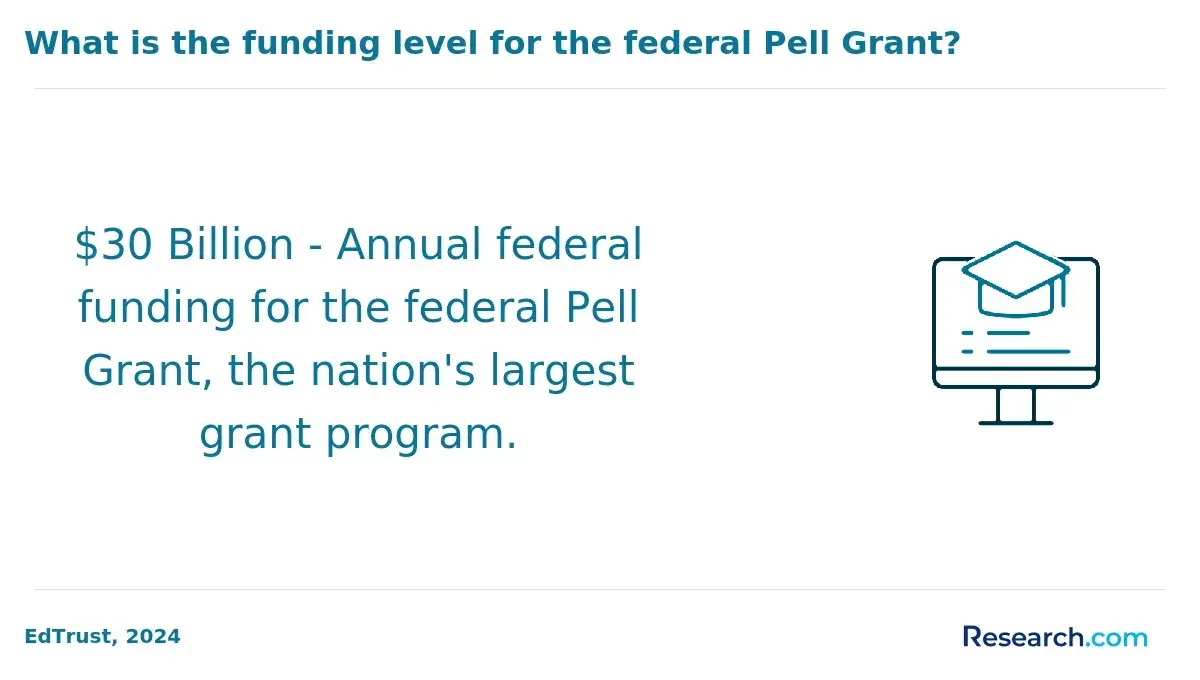
Adult learners over 40 pursuing an online health informatics bachelor's degree can access a variety of financial aid options designed to ease the cost burden. Nearly 85% of college students receive some form of financial aid, highlighting the importance of exploring available resources.
Below are key funding opportunities tailored to meet the needs of adults returning to education in this growing field.
- Federal Pell Grant: This grant supports undergraduate students with demonstrated financial need and requires no repayment. It offers crucial aid for adult learners managing education alongside other financial commitments.
- Workforce Innovation and Opportunity Act (WIOA): Aimed at unemployed or underemployed adults, this program finances training in high-demand areas such as health informatics. Applicants must typically prove their employment status and career goals to qualify.
- Nontraditional Student Scholarship: Offered by various organizations, these scholarships focus on adult learners returning to school, considering factors like employment history and family responsibilities. Amounts and eligibility vary but are vital for supporting this demographic.
- Adult Learner Grants: Some colleges provide grants or tuition discounts specifically for students over a certain age who enroll in health informatics programs. Eligibility usually requires enrollment verification and satisfactory academic progress.
- Employer Tuition Assistance: Many employers offer tuition assistance programs for employees advancing their qualifications. Proof of employment and connection between coursework and professional development are commonly required.
For adults seeking a path into health informatics, the financial aid landscape can significantly reduce the cost of obtaining an online health informatics bachelor's degree. Exploring these options is especially relevant when compared to other online degrees such as an online bachelor's degree in biology, where similar aid structures exist but may differ in availability or focus.
Many online health informatics bachelor's degree programs recognize professional certifications as a way to earn academic credit, benefiting adult learners returning to school. High-demand certifications such as Registered Health Information Administrator (RHIA), Certified Professional in Health Informatics (CPHI™), and Certified Health Data Analyst (CHDA) align closely with program curricula and can shorten the path to graduation.
According to the Council for Adult and Experiential Learning (CAEL), approximately 85% of U.S. colleges have policies allowing credit for prior learning, including certifications and relevant work experience. Adults over 40 who convert their professional credentials to academic credits typically save on tuition and reduce the time required to complete their degrees.
The process usually involves submitting documentation of certifications for evaluation, where they are matched to specific course outcomes. This ensures that prior expertise is formally recognized-helping mature students avoid repeating coursework and supporting efficient degree completion tailored to career goals.
Adult learners over 40 pursuing an online health informatics bachelor's degree can often transfer previously earned college credits, typically ranging from 60 to 90 credits. These transferred credits can account for about two to three years of study, enabling students to reduce both the duration and expense of their degree program significantly.
The transfer process usually requires submitting official transcripts along with detailed course descriptions. Academic advisors then review the coursework to ensure it aligns with the program's curriculum and quality standards, especially in relevant subjects such as biology, computer science, or healthcare.
Some health informatics courses may have expiration limits of five to ten years due to evolving technologies and regulations, while general education credits often remain valid indefinitely. A recent national survey found that 75% of online programs accept at least 60 transfer credits, reflecting strong institutional support for returning adult students.
By transferring eligible credits, adult students can fast-track their degree completion and lower overall tuition costs. This approach is especially beneficial for those balancing education with professional and personal responsibilities, allowing them to leverage prior learning efficiently and re-enter the workforce sooner with updated qualifications.
Most online health informatics bachelor's programs no longer require SAT or ACT scores, especially for applicants over 40. This trend reflects a broader shift among U.S. colleges toward test-optional admissions, accelerated by the COVID-19 pandemic, and recognizes professional experience and previous college coursework as stronger indicators of success. Many adult learners benefit from these waivers, as schools focus more on real-world competencies than standardized tests.
However, some programs may still request test scores in specific situations, such as when students have limited academic skills or are recent high school graduates. Additionally, competitive scholarships or specialized honors tracks within health informatics degree programs might require SAT or ACT results. Adult students interested in these opportunities should carefully review each program's current admissions criteria and reach out to admissions offices for guidance on submitting test scores or obtaining waivers based on age or professional background.
Choosing the best online health informatics bachelor's degree requires a structured approach to ensure alignment with personal career goals and program strengths. This is especially important for adults over 40 who seek to balance professional growth with other commitments.
- Flexibility in Scheduling: Select programs offering asynchronous courses or adaptable deadlines to accommodate work and family obligations. Such flexibility allows adult learners to progress at a comfortable pace without sacrificing other responsibilities.
- Industry Relevance: Prioritize curricula that focus on current technologies, data analytics, electronic health records, and regulatory updates. This ensures that skills gained remain valuable and applicable to evolving employer needs in health informatics.
- Support Services: Look for tailored academic advising, technical assistance, and career counseling designed for adult learners. These services help navigate career transitions and enhance online learning success for mid-life professionals.
- Practical Experience: Choose programs incorporating virtual labs, case studies, or capstone projects. Hands-on learning opportunities provide real-world skills and boost confidence for adults transitioning careers or upskilling.
- Cost and Aid Options: Consider transparent pricing and financial aid, including scholarships or employer tuition reimbursement. Managing tuition alongside other expenses is critical for feasibility and long-term commitment.
For those also interested in related fields, exploring an online dietitian degree may provide additional career pathways.
What Graduates Say About Their Online Health Informatics Bachelor's Degree
- Callen: "When I decided to pursue a bachelor's degree in health informatics at 40, flexibility was my top priority since I was balancing work and family. The online format allowed me to study at my own pace, which made the whole experience manageable and rewarding. The affordable tuition of an accredited program gave me peace of mind knowing I was making a smart investment in my future career."
- Koen: "Looking back, choosing an online health informatics degree later in life was a transformative decision. The program's recognition and accreditation assured me that my efforts would be valued in the job market. After graduating, I noticed a significant boost in my career progression and salary, which confirmed that the cost and commitment were absolutely worth it."
- Owen: "Pursuing an online health informatics degree at 40 was a challenge I embraced with a professional mindset. Balancing coursework and a full-time job tested my time management skills, but the program's relevant curriculum directly enhanced my expertise. The affordability of attending an accredited school also made a big difference, allowing me to advance my career without incurring overwhelming debt."
Other Things You Should Know About Health Informatics Degrees
The time to complete an online health informatics bachelor's degree varies but typically ranges from three to four years for full-time students. Adults over 40 often benefit from programs offering part-time or accelerated tracks, which can shorten or extend the duration based on prior credits and availability.
Yes, many online health informatics degree programs are designed with adult learners in mind, offering asynchronous classes that fit around work schedules. This flexibility allows students over 40 to balance education with personal and professional responsibilities effectively.
Yes. Most accredited programs include HIPAA and healthcare privacy training, and many require students to complete a compliance module before clinical or data-management coursework. Some schools also expect background checks or confidentiality agreements before practicum placements or capstone projects.
For adults over 40 in 2027, many online health informatics programs include components requiring hands-on experience, such as internships or practical projects. These experiences are designed to ensure real-world application of skills, even for mature students, and may vary by institution and curriculum.
- Online Health Informatics Degrees: In-Depth Program Info https://www.edumed.org/online-schools/health-informatics-degrees/
- What Kind of Scholarships Are Available For a Health Informatics Majors? https://www.healthinformaticsdegrees.org/faq/what-kind-of-scholarships-are-available-for-a-health-informatics-majors/
- Careers in Health Informatics | University of Phoenix https://www.phoenix.edu/articles/healthcare/careers-in-health-informatics.html
- Health Informatics Careers and Jobs https://www.publichealthdegrees.org/careers/health-informatics/
- Online Health Informatics Degrees: Your Path To A Tech-Savvy Healthcare Career https://ftp.bills.com.au/lunar-tips/online-health-informatics-degrees-your-path-to-a-tech-savvy-healthcare-career-1767648610
- Health Informatics Zugangsvoraussetzungen im Detail https://www.srh-university.de/en/master/teac/health-informatics/e/health-informatics-zugangsvoraussetzungen-im-detail/
- Online Health Informatics Degree | Programs And Career Options https://www.learnhowtobecome.org/best-online-bachelors-in-health-informatics-degree-programs/
- Are Online Degrees Worth It? Costs, Careers, and More Explained https://www.nu.edu/blog/are-online-degrees-worth-it/
- Best Health Informatics Bachelor's Degree Programs, Jobs, and Salaries https://careerkarma.com/blog/best-health-informatics-bachelors-degrees/
- Grants: The Guide To Finding Free Money To Finance Your Health Informatics Degree https://mastersinhealthinformatics.com/masters-in-health-informatics-college-grants/