2027 Online GIS Bachelor's Degrees for Career Changers

Co-Founder and Chief Data Scientist
Many mid-career workers face frustration when their current industry offers limited growth or stagnates. This often sparks a search for new skills and opportunities. Geographic Information Systems (GIS) stands out as a promising field, combining technology with spatial analysis across multiple sectors.
Online GIS bachelor's degrees provide the flexibility needed to balance work and study, making career shifts more accessible. With the U. S. Bureau of Labor Statistics projecting a 5% growth in GIS-related jobs through 2031, pursuing this path addresses both skill gaps and employment potential.
This article explores how online GIS programs can effectively support career changers transitioning into this dynamic field.
Key Benefits of Online GIS Bachelor's Degrees for Career Changers
- Online GIS bachelor's degrees offer flexible scheduling, enabling working professionals to balance studies with employment and personal commitments effectively.
- Many accredited programs provide accessible curricula designed to meet regional and national education standards, ensuring quality and recognized credentials.
- These degrees align with emerging career pathways in spatial analysis, urban planning, and environmental management, fields expected to grow by over 10% through 2030.
Is an Online GIS Bachelor's Degree Good for Career Changers?
Career changers increasingly view an online GIS bachelor's degree as a strategic option to pivot into a thriving field with versatile applications. Nearly 60% of adult learners in higher education report enrolling in online programs to accommodate their schedules and career goals, highlighting the appeal of flexible learning formats.
This flexibility makes it possible for professionals from diverse backgrounds to acquire the specialized knowledge needed to enter geospatial fields. As such, online GIS degrees serve as practical gateways for those seeking new challenges and opportunities in technology-driven industries. Online GIS programs often offer structured academic pathways that ease the transition for career changers, focusing on building relevant skills and industry knowledge efficiently.
Many institutions enhance accessibility by tailoring course delivery to fit non-traditional student needs, which supports persistence and completion. The curriculum typically aligns with current workforce demands, ensuring that graduates are equipped with practical expertise that employers value.
For individuals weighing the benefits of earning a GIS degree while working full time, this approach balances rigorous content with the flexibility required to maintain professional responsibilities, making it an attractive educational investment. A reliable resource for exploring other flexible degree options is the easiest masters degree to get online.
Can I Work Full-Time While Studying an Online GIS Degree?
Many students pursuing an online GIS bachelor's degree opt to work full-time for practical reasons such as financial stability and maintaining career momentum. Online learning platforms provide significant flexibility, allowing working professionals to balance their job responsibilities with academic demands.
According to the National Center for Education Statistics, nearly 70% of undergraduate students enrolled in online courses hold part-time or full-time employment, demonstrating the widespread ability to combine work and study. This flexibility makes part-time study an increasingly popular choice for those advancing their education while working.
Online GIS programs are specifically designed to accommodate students balancing full-time work. The use of asynchronous coursework enables learners to complete lectures, assignments, and exams on their own schedules rather than at fixed times.
Many programs incorporate modular scheduling with shorter course segments, which intensifies focus on fewer classes simultaneously. Institutions also provide tailored support services such as online tutoring and academic advising, ensuring accessibility and steady progress. For those weighing additional online options, resources on MSW programs offer useful comparisons for juggling work and study commitments.
What Skills Do I Need to Succeed in an Online GIS Program as a Career Changer?
For career changers entering an online GIS bachelor's program, understanding the necessary skills can significantly ease the transition and build confidence.
Nearly three-quarters of online students are adult learners, highlighting the importance of flexible programs that consider their unique challenges. With this context, it's vital to focus on key skills that support success in online GIS studies.
- Technical Proficiency: Familiarity with GIS software like ArcGIS or QGIS is crucial. These tools allow students to visualize and analyze spatial data, forming the core of GIS work and study.
- Analytical Thinking: The ability to interpret complex spatial relationships and approach problems systematically helps students navigate GIS concepts and apply them effectively.
- Time Management: Online learning demands strong discipline and scheduling to balance coursework with other responsibilities, making this skill essential for maintaining steady progress.
- Clear Communication: Writing detailed reports and participating in online discussions require precise and effective communication, especially when explaining technical results or project methodologies.
- Technological Adaptability: Comfort with various digital platforms, troubleshooting software issues, and navigating learning management systems helps students handle the practical aspects of online learning smoothly.
A professional studying for an online GIS bachelor's degree shared that the hardest part was adjusting to self-paced learning while managing a full-time job. "At first, I underestimated how much focus and planning it would take to stay on top of assignments," he explained.
Using online forums for questions and staying proactive with technical problems became vital. He mentioned that while mastering GIS software was challenging, the bigger hurdle was developing the patience and consistency needed in a virtual classroom. "It's not just about learning new tools," he reflected, "but also about adapting my mindset to thrive independently in a digital environment."
How Do I Transition Into a New Career With an Online GIS Bachelor's Degree?
Career transition planning is crucial for those pursuing an online GIS bachelor's degree, as it helps align education with specific professional goals and addresses skill gaps.
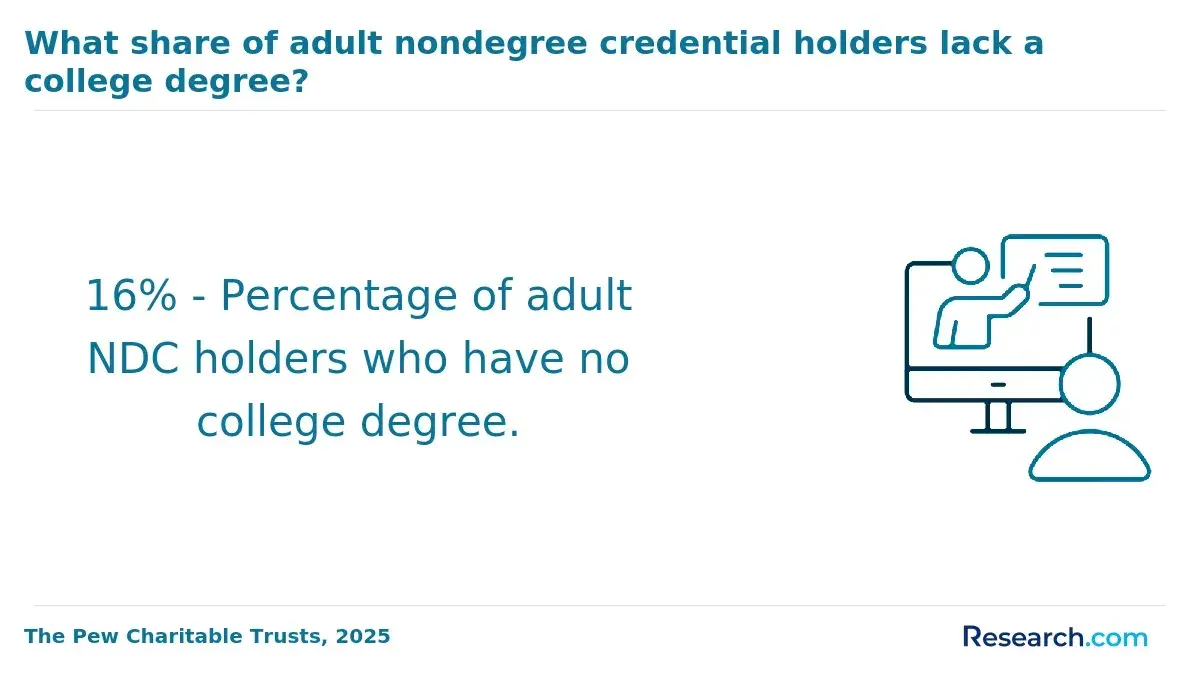
According to a 2023 Pew Research Center report, nearly 60% of adults who changed careers within five years engaged in formal education or training, reflecting a rise in workforce reskilling.
Keeping this in mind, here are essential factors to consider for a successful career change.
- Aligning Education with Goals: Choose a program that integrates core GIS concepts with broader analytical and technical skills, ensuring the degree supports long-term career change strategies with online GIS degree pathways.
- Building Foundational Knowledge: Develop practical abilities alongside theory, emphasizing hands-on skills in GIS software and data analysis, which are vital in starting a GIS career without experience.
- Utilizing Institutional Resources: Take advantage of career services, networking events, and faculty expertise to gain guidance and build professional contacts during your transition.
- Gaining Relevant Experience: Seek internships, projects, or volunteer opportunities in GIS to enhance your resume and demonstrate commitment to prospective employers.
- Understanding Workforce Expectations: Familiarize yourself with common tools, software, and problem-solving approaches used in GIS industries to better prepare for real-world job demands.
For those balancing education with work, exploring options like community colleges near me can provide flexible pathways into this evolving field.
How Long Does It Take to Change Careers With an Online GIS Bachelor's Degree?
The duration for completing an online GIS bachelor's degree significantly shapes career changers' plans, as most full-time students finish in about four years, but part-time learners often take much longer, with averages extending beyond six years according to the National Center for Education Statistics.
This wide range is influenced by factors such as program design, credit transfer options, previous academic experience, and how intensively the student can engage with coursework. Some programs offer accelerated schedules or year-round terms that help speed up completion, while others require a more gradual pace due to personal or professional commitments.
Additionally, mastering technical skills and managing time effectively affect how quickly one moves through the curriculum, making it essential for each individual to set realistic expectations about their timeline and its impact on career transition.
Reflecting on her own experience, a professional who graduated with an online GIS bachelor's degree shared that balancing full-time work with studies was challenging yet rewarding. She noted, "Adjusting to the technical content took longer than I expected, and sometimes I felt overwhelmed, but structuring my week carefully and using available academic resources really helped."
She also mentioned that taking summer courses shortened her timeline considerably. Her journey illustrated that while the path to completion is often nonlinear and filled with hurdles, persistence and adaptability can ultimately lead to a successful career shift within a manageable timeframe.
Can I Get a Job With No Experience After an Online GIS Bachelor's Degree?
Many individuals exploring an online GIS bachelor's degree often ask if they can secure employment without prior experience.
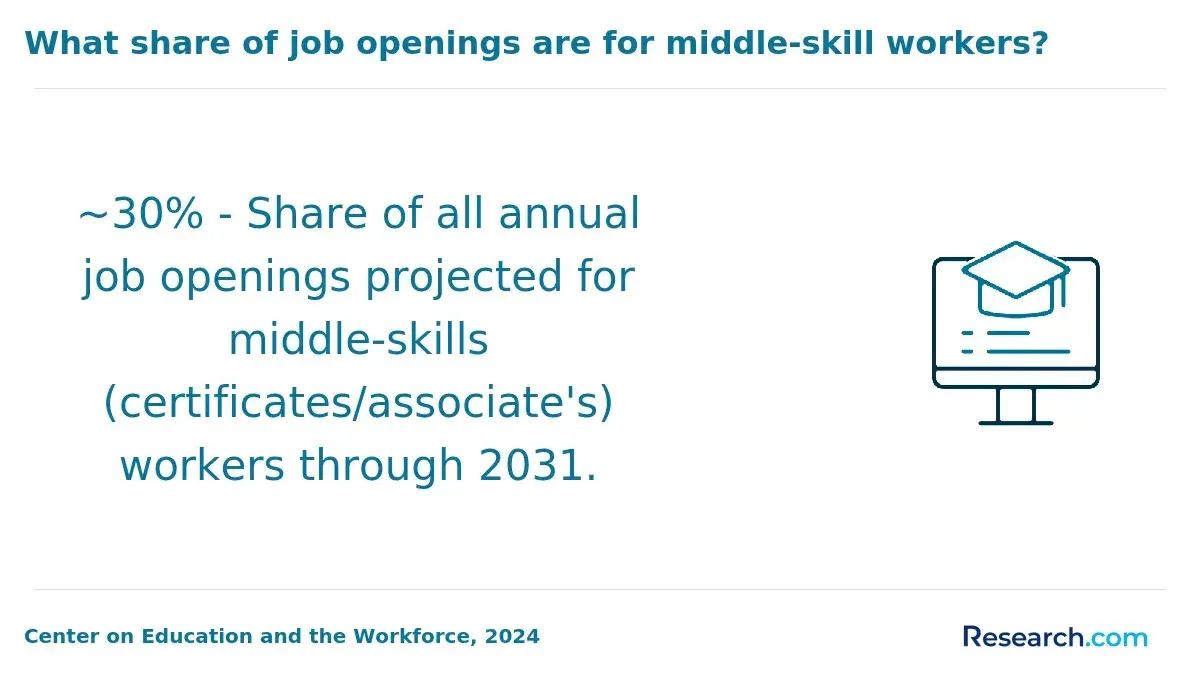
This concern is particularly common among those switching careers who aim to enter the geospatial industry without traditional GIS work history. National statistics highlight that about 56% of employers may consider candidates with limited experience, provided they have relevant educational qualifications and skills.
Key factors influence how employers view entry-level applicants with online GIS degrees:
- Academic Credentials: A relevant degree serves as proof of a candidate's theoretical knowledge and capacity to grasp complex geospatial concepts, which can partially offset the lack of hands-on experience.
- Foundational Knowledge: Coursework in spatial data analysis, cartography, and geospatial technologies equips graduates with core skills that match many job requirements in the field.
- Degree-Job Alignment: Employers appreciate when a candidate's academic background directly relates to job tasks like GIS software proficiency and data management, signaling readiness to contribute productively.
- Employer Expectations: Recent graduates are often expected to demonstrate adaptability and eagerness to learn, as entry-level roles typically include on-the-job training and mentorship.
- Transferable Skills: For career changers, prior experience in other fields can offer valuable soft skills such as problem solving and critical thinking, enhancing their appeal to employers despite limited direct GIS experience.
What Certifications Help Career Changers in GIS Fields?
Certifications provide valuable support for career changers enrolled in online GIS bachelor's degrees by validating practical skills and reinforcing theoretical knowledge.
They help bridge the gap between academic study and professional application in a rapidly evolving field. Notably, about 65% of adults participate in workforce upskilling or certification programs to maintain their competitiveness and relevance.
- Esri Technical Certification: This globally recognized credential affirms expertise in ArcGIS software, widely used across the geospatial industry. It complements online GIS coursework by demonstrating hands-on proficiency with essential GIS technologies and tools.
- GIS Professional (GISP) Certification: Offered by the GIS Certification Institute, the GISP credential highlights broad professional competence, ethical standards, and applied project experience. It reinforces the real-world application of concepts learned in bachelor's programs.
- Certified Geographic Information Systems Technologist: An ideal entry-level option, this certification signals foundational GIS technical skills for those new to the field. It aligns well with core online GIS bachelor's curriculum elements, supporting career transitions.
- Remote Pilot Certificate (FAA Part 107): For students interested in drone operations and aerial data collection, this certification boosts practical capabilities that complement advanced GIS spatial analysis taught in bachelor's programs.
Integrating these certifications during or after an online GIS bachelor's degree can significantly enhance a career changer's technical portfolio and credibility within geospatial fields.
What Jobs Can I Get After an Online GIS Bachelor's Degree?
Career changers often inquire about the job opportunities available after completing an online GIS bachelor degree, seeking clarity on how this credential facilitates entry into a new professional field. The degree provides structured academic preparation in critical areas such as spatial analysis and data management, which are essential for success in geospatial roles.
For adults pursuing entry level GIS careers for career changers, this qualification offers a credible pathway into a growing industry. Approximately 60% of bachelor's degree holders over the age of 25 experience a career change or advancement within five years of graduation, highlighting the degree's value for mid-career professionals.
- GIS Technician: Often an entry point into the geospatial field, GIS technicians support mapping and data collection efforts. The degree's coursework in GIS software applications equips graduates with practical skills for this role.
- GIS Analyst: These professionals interpret spatial data to guide decision-making in sectors like urban planning and environmental management. Studies in spatial statistics and database design prepare students for these analytical responsibilities.
- Geospatial Data Specialist: Focused on managing and updating geographic databases, this role depends on accuracy and data integrity, aligned with training received in database management during the degree.
- Environmental Specialist: Leveraging GIS tools, these specialists contribute to project analysis and strategic planning, making the degree's emphasis on spatial problem-solving especially relevant.
- Transportation Planner: Applying GIS technology to transportation systems, planners use spatial analysis skills to optimize routes and infrastructure development.
The comprehensive education offered by an online GIS bachelor degree not only prepares graduates for foundational roles but also supports further career growth and flexibility. Some learners exploring related fields may also consider an online masters child psychology program as part of broader career planning strategies.
What Is the Job Outlook for GIS Careers for Career Changers?
Understanding the job outlook for GIS careers is critical for career changers considering an online GIS bachelor's degree, as labor market conditions significantly impact long-term planning and field selection. Employment of cartographers and photogrammetrists, professions closely related to GIS specialists, is projected to grow 12% from 2022 to 2032 according to the U.S. Bureau of Labor Statistics, indicating a faster-than-average demand for these skills.
This trend suggests a promising labor market for those looking to shift into GIS roles, emphasizing the importance of aligning educational investments with stable and growing fields. For those exploring entry-level GIS jobs for professionals transitioning fields, this data signals potential opportunity and sector robustness in the coming decade.
The job outlook for GIS careers is shaped by evolving industry demand, rapid technological advancements, and broader economic conditions. As geospatial data increasingly informs decisions in areas like urban planning, environmental management, logistics, and public health, skilled GIS professionals are becoming more essential.
Ongoing innovations, including enhanced software and the integration of artificial intelligence in spatial analysis, necessitate continuous skill development often obtained through comprehensive academic preparation. Online GIS bachelor's degrees offer a flexible and accessible pathway for career changers to gain relevant expertise and remain adaptable amid shifting tools and methodologies.
For those considering a transition, programs akin to an online math bachelor's degree demonstrate the growing availability of remote learning tailored to workforce demands.
What Are the Salary Expectations After Switching to a GIS Career?
Individuals who transition into a GIS career after earning an online bachelor's degree can typically expect starting salaries between $50,000 and $65,000 annually. A 2023 survey by a professional geospatial organization reported an average entry-level salary close to $58,000 for graduates with a GIS-related bachelor's degree.
These figures provide a practical benchmark for career changers entering the industry with relevant academic and technical skills gained through flexible online programs. While these salaries reflect early career stages, they indicate strong market demand for qualified GIS professionals across sectors like urban planning, environmental science, and technology.
Several factors influence salary outcomes for those beginning GIS careers. Geographic location plays a key role, with metropolitan areas offering higher pay due to greater investment in spatial data and analysis. Additionally, industry demand in regions prioritizing data-driven decision-making can lift wage levels.
Educational background, including software proficiency and hands-on experience, as well as prior professional skills, also contribute to earning potential, even for entry-level roles. Candidates who combine previous work experience with new GIS qualifications may find enhanced opportunities and compensation as they build their presence in this expanding field.
What Graduates Say About Online GIS Bachelor's Degrees for Career Changers
- Greg: "Switching careers was daunting, but choosing an online GIS bachelor's degree made the transition manageable thanks to its flexible schedule. The affordability compared to traditional programs was a huge relief, letting me invest in my future without overwhelming debt. Since graduating, I've seen a remarkable boost in my job prospects and professional confidence."
- Harlan: "Reflecting on my decision to pursue an online GIS degree, I realize it was driven by both necessity and opportunity. The program's cost-effectiveness allowed me to study while working part-time, making the financial aspect sustainable. Now, as a professional, I appreciate how the skills I gained have positioned me uniquely within my industry and opened doors I never expected."
- Adrian: "I was enthusiastic about entering a field with strong growth potential, and an online GIS bachelor's degree fit perfectly with my hectic lifestyle. The balance between academic rigor and affordability proved that quality education can be within reach for career changers. My new qualifications have not only expanded my knowledge but also significantly enhanced my career trajectory."
Other Things You Should Know About GIS Degrees
In 2027, many online GIS bachelor's degree programs are accredited by recognized bodies such as the Accrediting Board for Engineering and Technology (ABET). Accreditation ensures that the program meets rigorous academic standards, providing a quality education for career changers. Always verify the accreditation status of a program before enrolling.
Students in online GIS programs typically work with industry-standard software such as ArcGIS, QGIS, and remote sensing tools. These programs provide access to virtual labs or cloud-based platforms so students can complete practical assignments without requiring expensive hardware.
Online GIS degrees often incorporate hands-on learning through project-based assignments, virtual labs, and case studies. Some programs may also offer optional fieldwork or internships that can be completed locally to provide practical experience alongside theoretical knowledge.
Many online GIS programs recognize transferable skills from previous careers, such as data analysis, computer proficiency, or environmental science. Some institutions may allow transfer credits or offer accelerated coursework depending on a student's background to streamline the degree completion process.
References
- The Essential GIS Skills Every Professional Must Have https://orionterrametrics.co.ke/blog/essential-gis-skills-every-professional-must-have/
- Working with the GIS Industry - Benefits of Research and Education https://www.gim-international.com/content/article/working-with-the-gis-industry-benefits-of-research-and-education
- GIS Certificate Program https://www.lincolnu.edu/academics/lu-online/programs/gis-certificate-program.html
- 10 GIS Career Tips to Help Find a GIS Job - GIS Geography https://gisgeography.com/gis-career-job/
- Bachelors in GIS Degrees, Online Included, Updated for 2026 https://www.gisdegrees.org/programs/degree/bachelors
- The Best Online Degrees for Career Change After 30 | National University https://www.nu.edu/blog/best-online-degrees-for-career-change/