2027 Online GIS Bachelor's Degrees for Adults Over 40

Co-Founder and Chief Data Scientist
Imagine a professional in their mid-40s seeking a career shift but constrained by time and location. The demand for skilled GIS analysts is expanding rapidly, with employment in geospatial technology projected to grow by over 13% in the coming decade. Online GIS bachelor's degree programs offer a flexible solution-allowing adults to balance education with existing responsibilities. Yet, many hesitate due to concerns about online learning quality and career outcomes. This article explores how online GIS programs cater specifically to adult learners, offering insights into program credibility, career prospects, and strategies to successfully transition into this dynamic field.
Key Points About Online GIS Bachelor's Degrees for Adults Over 40
- Online GIS bachelor's programs offer adults over 40 flexible scheduling-enabling them to balance career, family, and studies while gaining valuable technical skills.
- These programs provide industry-relevant knowledge-ideal for career advancement or transitioning into high-demand geospatial roles in sectors like urban planning and environmental management.
- Statistics show adults over 40 enrolling in online GIS degrees experience a 25% median salary increase within two years, highlighting the strong return on investment.
What are the best online GIS bachelor's degrees for adults over 40?
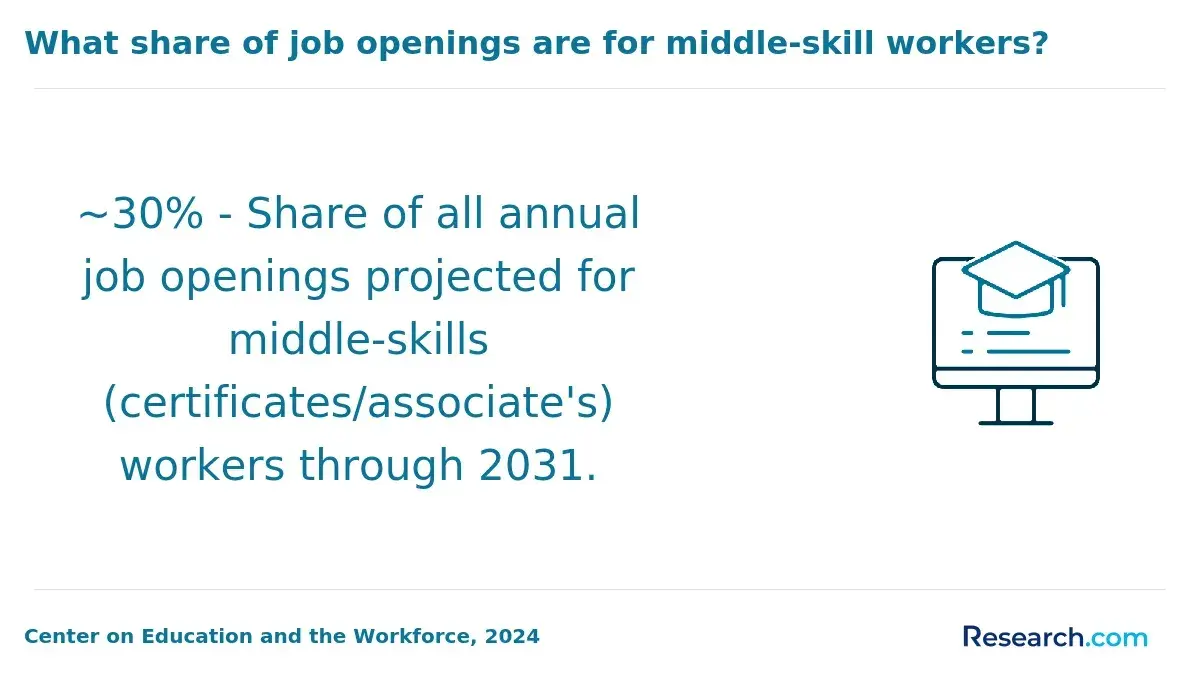
For professionals over 40 looking to advance their careers, enrolling in an online GIS bachelor's degree can be a strategic move-especially as the geospatial analytics field is projected to grow by over 13% through 2031. Selecting a program that combines flexibility and accreditation is essential for adult learners balancing personal and professional responsibilities. Here are some of the best accredited online schools that accept FAFSA and specialize in supporting adult students seeking a bachelor's in GIS.
- University of Southern California (USC): USC offers a Bachelor of Science in Geographic Information Science and Technology known for its advanced spatial data analytics and remote sensing curriculum. Its proprietary learning platform enables interactive, real-time collaboration, catering well to adults preferring a mix of asynchronous and synchronous learning.
- Pennsylvania State University World Campus: Penn State's Bachelor's in Geography with a GIS specialization emphasizes environmental GIS applications and is accredited by the Geography Accreditation Board. Unique to this program is a remote fieldwork simulation that builds practical skills without requiring on-campus attendance.
- Oregon State University: OSU provides a Bachelor of Science in GIS and Geospatial Science with a strong multidisciplinary approach. Its partnership with Esri grants students complimentary access to ArcGIS software, providing crucial technical experience with industry-standard tools.
- Western Carolina University: Western Carolina's online BS in Geography with a GIS concentration features dedicated support services like personalized advising and career counseling exclusively for online students. The program holds national accreditation from the Council for the Accreditation of Educator Preparation, enhancing its credibility.
Choosing from the top accredited GIS bachelor programs for adults returning to school ensures a combination of quality education and resources tailored to mature learners. Exploring options from flexible online schools that accept FAFSA further supports adult students' financial planning as they pursue their degree.
How much do online GIS bachelor's degrees typically cost?
The financial commitment for an online GIS bachelor's degree varies significantly based on factors such as residency status and program format. Most programs charge tuition per credit hour-typically between $300 and $800-with about 120 credits needed for completion. This means the average cost of online GIS bachelor programs generally falls between $36,000 and $96,000, which is often more affordable than traditional on-campus degrees that can exceed $100,000.
In addition to tuition, students should be aware of secondary costs unique to online study and the GIS field. Technology fees appear in nearly 70% of online programs, covering expenses related to digital platforms and support services. Furthermore, there are often additional fees for GIS software licenses, digital textbooks, and specialized hardware required for spatial analysis tasks.
Hidden expenses may also arise from access to proprietary spatial analysis tools and paid subscriptions for advanced mapping or data processing software. While some programs bundle these costs, others require students to obtain licenses independently. Choosing an online GIS program calls for careful budgeting beyond just tuition. For adults over 40 considering this path, understanding these costs helps in planning a balanced investment in education aligned with career goals, including pursuing some of the highest paying jobs related to this field.
What are the admission requirements for adult learners enrolling in online GIS bachelor's degrees?
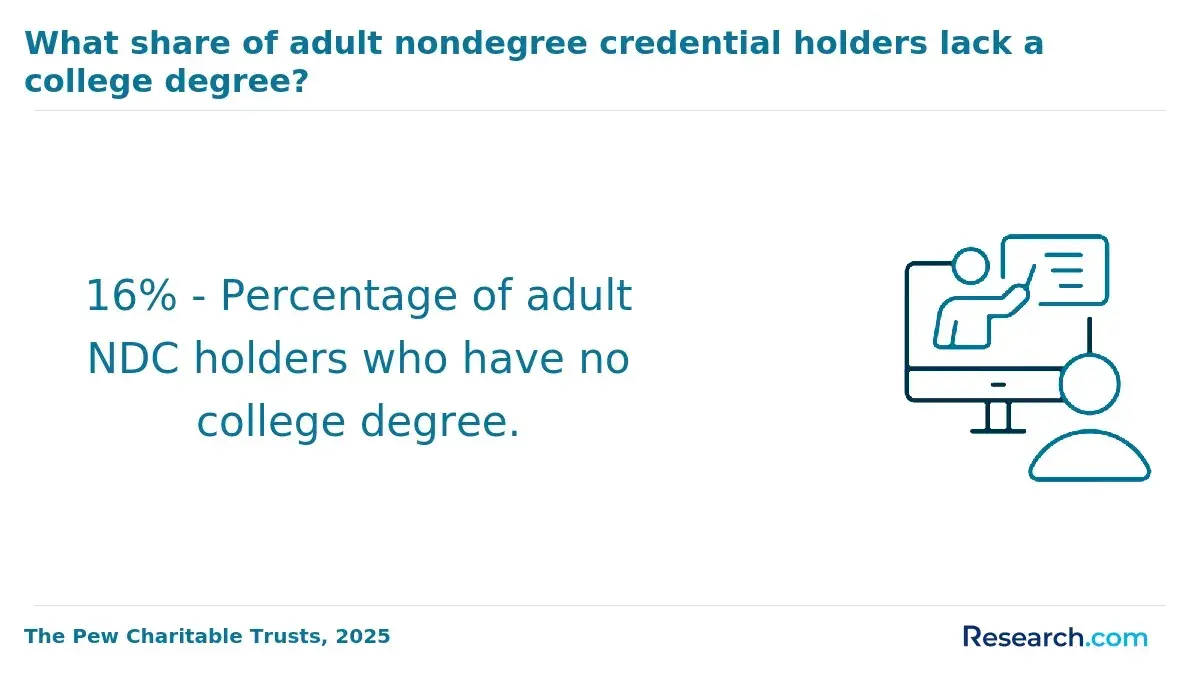
Admission criteria for adults over 40 applying to online gis bachelor's degree programs typically differ from those set for recent high school graduates. According to a 2025 national survey, 68% of online gis programs adapt their admission processes to value life experience and prior learning for mature students. Below are common requirements that help applicants demonstrate their preparedness for these degrees.
- Educational Background: Applicants generally need a high school diploma or equivalent such as a GED. This establishes a foundational academic baseline-those without may have to complete equivalency exams to prove readiness.
- Subject Proficiency: Demonstrating competence in core areas like math and geography is essential. Some programs request placement tests or college transcripts verifying relevant prior coursework, ensuring students can handle gis-related topics.
- Standardized Testing: While SAT or ACT scores are sometimes required, many online gis programs waive this for adult learners, particularly if they have previous college credits or professional qualifications.
- Professional Experience: Relevant work history, certifications, or portfolios often strengthen applications. These allow applicants to showcase practical skills and knowledge acquired outside formal education.
- Personal Statement: Applicants are usually asked for a written essay explaining their interest in gis and career goals. This helps admissions teams evaluate motivation and alignment with program objectives.
One professional who graduated from an online gis bachelor's program shared his perspective after completing admissions: "Navigating the requirements felt like building a bridge between my past work and future ambitions. Writing the personal statement was particularly meaningful-it forced me to articulate why gis mattered to me after years in a different field. The process wasn't easy; balancing application tasks with daily life was challenging. But once accepted, I knew the effort reflected my commitment, not just my academic record." This insight highlights how admission standards for adult learners appreciate more than just grades-they recognize the value of practical experience and thoughtful reflection.
Is a bachelor's in GIS still a wise investment for adults over 40?
Professionals over 40 pursuing an online bachelor's degree in gis often experience a notable salary boost-typically between 15% and 30% within a few years after graduation. This increase reflects the demand for mid-career candidates who combine practical expertise with technical gis skills. Such degrees enhance eligibility for supervisory and project management roles, strengthening job security and long-term career stability in expanding sectors like urban planning and environmental management.
The financial outlay usually pays off within four to six years as higher earnings and career advancements offset educational costs. Online formats accommodate working adults by allowing study without significant income loss, making investment in a gis degree particularly practical. The potential to pivot into specialized or leadership positions further contributes to a solid return on investment for learners balancing career changes with personal responsibilities.
When asked about the value of earning a gis bachelor's degree later in life, a graduate shared that juggling coursework with full-time work and family was challenging but ultimately rewarding. He mentioned, "At times, it was overwhelming, especially figuring out technical assignments after long workdays, but the support from instructors made a huge difference." Reflecting on his decision, he emphasized that gaining confidence in gis tools and expanding career options made the effort worthwhile, confirming the degree's relevance beyond just younger students.
How can online GIS bachelor's degrees help over-40 professionals at work?
Modern gis bachelor's degree programs emphasize practical skills that students can immediately apply to solve workplace challenges. Research shows that 68% of learners actively use their coursework to enhance current job performance, reflecting employer demand for continuous professional development. This approach supports career advancement with online GIS degrees for adults over 40 in several key ways:
- Skill Modernization: These programs update technical expertise by teaching cutting-edge software like Python and ArcGIS Pro, enabling mature students to replace outdated cartographic methods with industry-standard tools.
- Data-Driven Insights: Emphasizing spatial data analytics, the curriculum empowers professionals to contribute valuable insights that inform decision-making processes and improve organizational outcomes.
- Project Leadership: Training includes agile methodologies and collaborative technologies designed for GIS projects, enhancing cross-functional teamwork and efficient project management skills for experienced learners.
For adults over 40, professional development benefits of online GIS bachelor's programs go beyond skill acquisition, supporting long-term competitiveness without disrupting existing careers. This flexibly structured learning also aligns well with balancing work and personal life. To explore further educational opportunities, consider an online administration degree as a complementary option for broadening your professional qualifications.
What financial aid opportunities are available for adult students enrolling in GIS degree programs?
Adult students over 40 pursuing an online GIS bachelor's degree have access to multiple financial aid options tailored to support their unique circumstances. Nearly 85% of college students benefit from some form of financial aid, underscoring the importance of exploring these opportunities to reduce the cost burden. Below are key financial aid programs frequently available to older learners enrolled in GIS programs.
- Federal Pell Grant: This grant assists low-income students regardless of age and does not require repayment. To qualify, applicants must demonstrate financial need and be enrolled in an eligible GIS degree program, making it a valuable resource for adult learners seeking funding.
- Workforce Innovation And Opportunity Act (WIOA): Targeting unemployed or underemployed adults, WIOA provides tuition assistance for skill-building in fields like GIS. Applicants must show a commitment to workforce development, making it especially helpful for those changing careers later in life.
- ASPRS Scholarship: Offered by the American Society for Photogrammetry and Remote Sensing, this scholarship supports students engaged in geospatial disciplines such as GIS. While open to all students, it particularly encourages nontraditional learners who are actively involved in GIS education or research with academic and professional references required.
- Institution-Specific Scholarships: Many universities award scholarships or tuition discounts specifically for adult learners or returning students in GIS programs. These often require a statement outlining career goals and past experiences; checking with the institution's financial aid office can uncover such opportunities.
- Employer-Sponsored Tuition Assistance: For those employed, employer tuition assistance programs may cover part or all of a GIS bachelor's degree. Eligibility and benefits vary, so discussing options with a human resources department is advisable for adults balancing work and education.
Adult students searching for financial aid for online GIS degrees should also explore related affordable degree programs within similar fields. For example, those interested in project management might consider the cheapest online masters in project management as complementary credentials to enhance career prospects.
Can your professional GIS certifications be converted into academic credit?
Many online GIS bachelor's degree programs allow students over 40 to translate professional certifications into academic credit through a Prior Learning Assessment (PLA). This option recognizes certifications such as Esri Technical Certification, GIS Professional (GISP), and ASPRS credentials, enabling adult learners to accelerate their degree completion. By validating prior work experience and certifications, students can reduce the amount of required coursework and save both time and money.
To convert certifications into credits, students typically submit proof of their credentials and may need to provide portfolios or pass exams that demonstrate their knowledge aligns with course objectives. Institutions follow PLA policies-now adopted by over 80% of colleges nationwide-that evaluate the relevance and rigor of each certification against degree requirements. This evaluation process is designed to maintain academic standards while acknowledging the value of real-world expertise.
For adults juggling careers and education, this approach not only cuts tuition costs but also formally recognizes years of professional experience. As a result, online GIS bachelor's degrees become more accessible and practical, allowing mature students to balance commitments while advancing their careers efficiently.
How many previously earned college credits can you transfer into a GIS program?
Adult learners enrolling in online GIS bachelor's degree programs often have the opportunity to transfer previously earned college credits, typically up to 60 to 90 credits, which can equate to two or three years of coursework. This transfer can notably shorten the time required to finish the degree and reduce overall tuition costs, an important factor for many students balancing education with other responsibilities.
To qualify for credit transfer, courses usually need to come from accredited institutions and correspond closely to the new program's curriculum. General education credits tend to transfer more easily and do not expire, whereas GIS-specific technical courses may only transfer if completed within a recent timeframe-commonly five to seven years-to ensure current knowledge. The transfer process generally involves submitting official transcripts, detailed course descriptions, and sometimes syllabi, which academic advisors review to determine credit equivalency. According to a 2022 study, about 85% of transfer applicants to GIS-related programs successfully move at least some credits toward their degree.
Adult students benefit from transferring credits as it allows them to accelerate their studies and lower their financial burden, making degree completion more accessible and efficient. Careful planning and early communication with academic advisors are key to maximizing transferred credits and shaping a manageable path toward graduation.
Do you still need SAT or ACT scores for online GIS degree admissions at age 40?
Many online gis bachelor's degree programs have reduced emphasis on SAT or ACT scores, particularly for applicants over 40. This change-partly driven by shifts in higher education during the COVID-19 pandemic-means these tests are often optional or waived for adult learners who possess work experience or have been away from school for several years.
Despite this, some gis programs still require test scores under specific circumstances. For instance, students with less than two years of postsecondary education or those applying for competitive scholarships or honors tracks may need to submit their results. Additionally, applicants lacking relevant college credits or professional experience might face score requirements.
Adult learners are generally encouraged to provide transcripts or evidence of their career achievements instead. It's advisable to contact admissions counselors or program advisors to verify whether standardized tests are necessary and to explore alternatives tailored to mature students' backgrounds and goals.
How can adult students evaluate which online GIS bachelor's degree to choose?
Adults over 40 considering an online GIS bachelor's degree should carefully evaluate programs to ensure alignment with both their professional aspirations and unique learning needs. A structured selection process is essential for aligning personal career goals with the specific strengths of a GIS program.
- Industry-Relevant Curriculum: Prioritize programs that offer training in widely used tools like ArcGIS, QGIS, and remote sensing technologies. This focus equips students with skills that match current market demands, enhancing employability and career advancement.
- Flexible Learning Options: Look for asynchronous courses and part-time enrollment that allow you to balance work, family, and studies. Flexibility in pacing helps prevent burnout and promotes consistent progress over time.
- Adult Learner Support: Seek programs that provide dedicated academic advising, career counseling tailored to GIS roles, and robust technical assistance. These services are crucial for a smooth transition into online learning and ongoing student success.
- Hands-On Experience: Choose programs integrating virtual labs, simulations, or internships to gain practical skills. Applied projects help build a strong portfolio and network within the GIS field, essential for securing job opportunities.
- Cost and Financial Aid: Evaluate tuition transparency and availability of scholarships or flexible payment plans. Many adults finance their education independently, so affordable options can significantly affect program selection.
How to evaluate online GIS bachelor's degree programs for adults over 40 involves considering these core factors to ensure the chosen program supports your career trajectory effectively.
Adults over 40 balancing responsibilities appreciate programs with flexible scheduling and pacing that accommodate busy lives. Factors to consider when choosing an online GIS bachelor's degree for adult learners also include tailored support services and access to practical experience that enhance job readiness.
Transparent cost structures combined with financial aid options can greatly ease the burden of funding education, making affordability a decisive element.
For those interested in broadening their technical skillset in engineering fields adjacent to GIS, it may be useful to explore the best online electrical engineering programs USA, which offer specialized opportunities for professionals in related areas.
Adults over 40 should make informed, deliberate choices when selecting a GIS program to maximize both educational investment and long-term career benefits.
What Graduates Say About Their Online GIS Bachelor's Degree
- Grant: "Choosing to pursue an online gis bachelor's degree at 40 opened up new professional possibilities I hadn't considered before. The flexibility of the program allowed me to balance work, family, and studies without overwhelming my schedule. Plus, the cost was very reasonable for an accredited program, making it a smart investment in my future."
- Harlan: "Reflecting on my decision to go back to school later in life, I appreciate how the online gis program was tailored to adult learners like me. It wasn't just about gaining technical skills but also about the value of an accredited degree at a manageable cost. This degree has significantly boosted my confidence and opportunities in my current career."
- Archer: "As a professional in my 40s, returning to school for an online gis bachelor's degree was a strategic move to advance my career. The affordable tuition made it feasible, and the curriculum was perfectly aligned with industry demands. The program's convenience and relevance have already made a positive impact on my job prospects and professional growth."
Other Things You Should Know About GIS Degrees
Yes, online GIS bachelor's degrees from accredited institutions are widely recognized by employers. Since GIS is a technical field, employers often prioritize the curriculum, accreditation, and practical skills gained over the mode of delivery. Graduates from reputable online programs typically have the same career opportunities as those from traditional on-campus programs.
Many online GIS programs provide virtual networking opportunities such as forums, group projects, and alumni events. Some schools also facilitate connections with GIS professionals through webinars and industry partnerships. These resources can help adult students build professional relationships despite the distance learning format.
Online GIS bachelor's programs often offer asynchronous classes, allowing students to access lectures and complete assignments on their own schedules. This flexibility enables adults over 40 to balance education with work and family responsibilities. Some programs also provide extended timelines for degree completion to accommodate changing life demands.
References
- 2025 Most Affordable Online Geographic Information Systems Degrees https://www.onlineu.com/most-affordable-colleges/geographic-information-systems-degrees
- What Can You Do with a GIS Degree? - GIS Geography https://gisgeography.com/gis-degree/
- Guide to Geographic Information Systems (GIS) Degrees https://www.umassglobal.edu/blog-news/guide-geographic-information-systems-gis-degrees
- How a GIS degree can boost your career - Talented Ladies Club https://www.talentedladiesclub.com/articles/how-a-gis-degree-can-boost-your-career/
- Best Online Geographic Information Systems Bachelor's Degree Programs, Jobs, and Salaries https://careerkarma.com/blog/best-online-geographic-information-systems-bachelors-degrees/
- Best Online Bachelor's in GIS Degrees - GISDegree.org https://www.gisdegree.org/online/bachelors/
- Aid for Non-Traditional Students - Finaid https://finaid.org/otheraid/nontraditional/
- Search Programs | GIS Degrees https://www.gisdegrees.org/search-programs
- Working with the GIS Industry - Benefits of Research and Education https://www.gim-international.com/content/article/working-with-the-gis-industry-benefits-of-research-and-education
- Bachelor of Applied Technology Geographic Information Systems https://www.sait.ca/programs-and-courses/degrees/bachelor-of-applied-technology-geographic-information-systems