2027 How to Finish an Online GIS Bachelor's Degree Faster

Co-Founder and Chief Data Scientist
Completing an online GIS bachelor's degree often presents challenges like balancing work commitments and lengthy course timelines. Many students cite time constraints as the biggest barrier, with recent data showing that only 40% of online GIS undergraduates finish within six years. This delay can stall career advancement in a rapidly evolving field where timely credentialing is crucial.
Accelerating degree completion requires strategic decisions about credit transfer, course selection, and leveraging prior learning assessments. This article explores practical methods for working adults and career changers to finish their GIS degree faster-offering a detailed roadmap to overcome common hurdles and maximize available resources.
Key Things to Know About Finishing an Online GIS Bachelor's Degree Faster
- Leverage transfer credit policies and prior learning assessments to reduce required coursework-up to 30% of degree credits can often be waived through these programs.
- Enroll in accelerated course formats, such as 7-week or intensive sessions, to complete classes faster without sacrificing learning quality.
- Utilize financial aid options tailored for adult learners, including employer tuition reimbursement and military benefits, to maintain consistent enrollment and quick progress.
What Are the Fastest GIS Online Bachelor's Degree Programs Available Today?
Several key factors influence how quickly a student can complete an online GIS bachelor's degree program. These include credit load per term, transfer credit policies, availability of self-paced formats, and accelerated scheduling options-each impacting total program duration and flexibility. Recognizing these elements can help students, including working professionals and recent community college graduates, identify the best pathways to finish faster.
- Credit Load: Higher allowed credit loads per term, often between 15 and 18 credits, combined with summer sessions, enable quicker degree progress.
- Transfer Policies: Generous transfer credit acceptance-sometimes covering up to two-thirds of credits-reduces the time needed by leveraging prior coursework.
- Self-Paced Formats: Programs allowing students to advance at their own pace without fixed deadlines support accelerated completion, especially benefiting those balancing work, military commitments, or family.
- Accelerated Cohort Models: Some universities offer courses in condensed 5-7 week sessions rather than traditional 15-week terms, allowing completion of a GIS bachelor's degree in about three years depending on credit load.
- Flexible Scheduling: Offering multiple start dates with 8-week or quarterly terms and customizable course loads, these programs promote continuous enrollment and steady progress.
- Competency-Based Programs: Focusing on mastery rather than seat time, such programs enable rapid advancement for students with relevant experience or prior knowledge.
Program lengths typically range from three to five years, influenced by the program's structure and student pace. Accreditation ensures quality but does not necessarily impact speed-both traditional and accelerated programs may be regionally accredited.
Prospective students should verify current offerings and timelines directly with institutions, as program details can change. For those interested in related fields, exploring online SLP master's programs can provide further educational options within the geospatial and health sciences domains.
Fastest online GIS bachelor's degree programs in the U.S. cater especially to working adults, career changers, and military-affiliated students by emphasizing flexible, accelerated pathways. Top accelerated GIS online bachelor's degrees for working professionals integrate these strategies to facilitate timely degree completion without compromising quality.
How Does Transfer Credit Acceptance Accelerate Your GIS Degree Timeline?
Transfer credit acceptance plays a vital role in shortening the time required for completing an online gis bachelor's degree. By applying previously earned credits toward degree requirements, students can avoid retaking courses and accelerate their path to graduation.
A key part of this process is the credit equivalency review, wherein institutions evaluate courses taken at other accredited schools to see if they align with the gis curriculum. If a course matches a required class in content and rigor, those credits may be accepted. Transfer credit acceptance for online gis degrees depends heavily on this evaluation.
Articulation agreements further streamline credit transfer. These formal partnerships-often between universities and community colleges-guarantee that certain courses fulfill specific gis bachelor's degree requirements. For example, community college credits in geography or environmental science might directly apply to foundational gis classes, providing a practical way to reduce overall coursework.
Institutions typically set a maximum transfer credit limit, usually between 60 and 90 semester credits, to ensure students complete sufficient advanced coursework on campus or online. This limit often represents up to two years of study, enabling many to significantly cut down the time needed to earn their gis degree.
- Prior Coursework: Students with associate degrees or previous gis classes can apply those credits, reducing redundant study and shortening degree timelines.
- Community College Credits: Beginning gis education at a community college and then transferring credits is an economical option that accelerates progress, especially when articulation agreements apply.
- Consultation: Because evaluation and acceptance policies vary greatly, it's crucial to contact the registrar or admissions office at the target institution for clear guidance on acceptable credits and documentation.
For working adults and career changers looking to maximize savings of both time and tuition, integrating transfer credits with other acceleration strategies can be key. Prospective students can also explore options like the online engineering degree pathways, which often share similar credit transfer frameworks and flexible learning formats.
Can Prior Learning Assessment (PLA) Help You Finish Your GIS Degree Sooner?
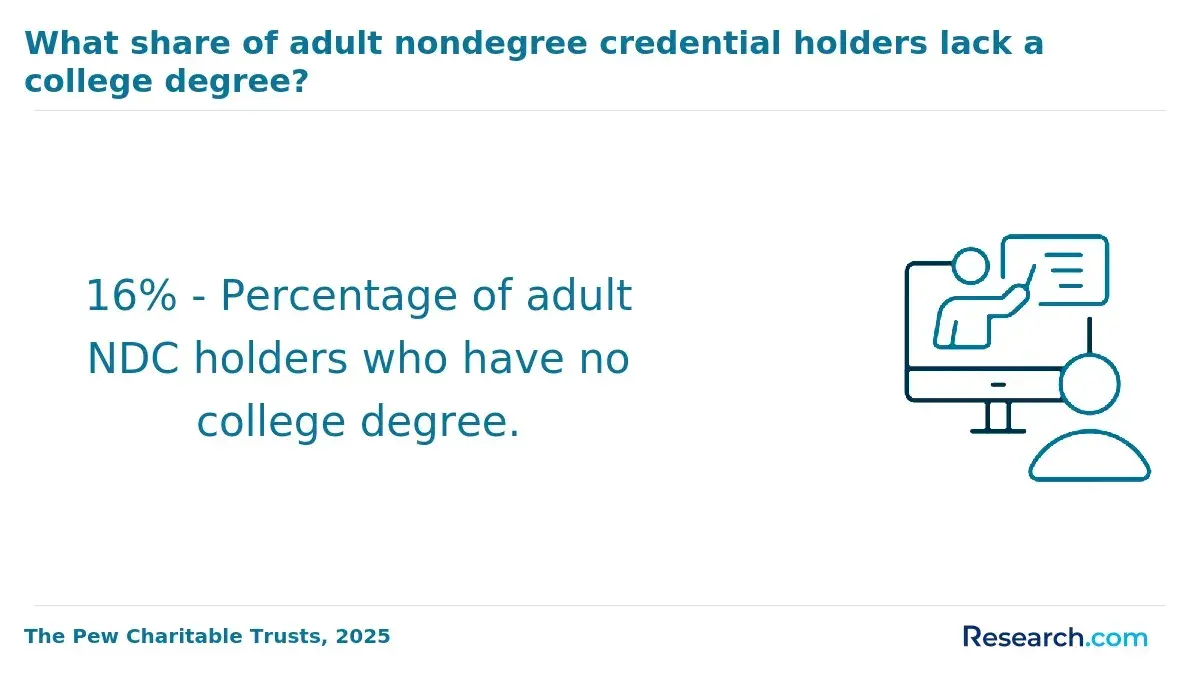
Prior Learning Assessment (PLA) offers a way for students pursuing an online geographic information systems (GIS) bachelor's degree to earn academic credit by demonstrating competencies acquired outside traditional classrooms. This approach can lessen the required coursework, helping students advance more quickly and reduce expenses.
- Portfolio Assessment: Students gather and present work samples, certifications, and professional experiences related to GIS, such as spatial analysis, use of GIS software, data management, and cartographic design, showcasing their expertise.
- CLEP Exams: These standardized tests cover fundamental subjects like geography, computer science, and statistics that align with GIS curriculum requirements.
- DSST Exams: Offering credit through exams in areas including information technology and environmental science, DSST exams often overlap with GIS course content.
- Military Credit: Veterans or active service members may receive credit for military training or courses relevant to technical skills or geographic intelligence.
- Challenge Exams: Students may test out of specific GIS classes by passing departmental exams that confirm mastery in targeted topics.
Experience involving hands-on use of GIS platforms like ArcGIS or QGIS, spatial data analysis, remote sensing, and database management typically translates well to PLA credit. Professional work or internships with geospatial data strengthen a student's portfolio.
Since PLA acceptance and policies vary widely, prospective students should check their target program's official resources or consult admissions and registrar offices to confirm eligibility and procedures. Preparing a compelling portfolio involves organizing relevant evidence aligned with course goals, adding explanatory notes, and including recommendation letters from supervisors familiar with the student's GIS skills. Early preparation and adhering closely to an institution's PLA guidelines can improve outcomes.
One professional pursuing an online GIS bachelor's degree described how PLA made a difference in his journey: "Balancing work and school was tough, and honestly, I worried I'd be stuck repeating what I already knew. Putting together my portfolio was hard at first-tracking down old project files, writing explanations, and getting supervisors to write recommendations.
But once my portfolio was submitted, it felt like my past experience finally counted. The school evaluated it thoroughly, and I got credit for several courses, which shortened my time and eased financial pressures. It wasn't easy, but it made the whole degree path feel more attainable."
How Can CLEP and DSST Exams Cut Down Your GIS Degree Completion Time?
Credit by examination through CLEP (College-Level Examination Program) and DSST (DANTES Subject Standardized Tests) exams can expedite earning a gis bachelor's degree by allowing students to replace traditional coursework with exam credits.
These assessments often cover general education subjects such as college algebra, composition, history, and sciences-areas that commonly overlap with gis degree requirements. Utilizing these exams helps students focus more on specialized gis topics rather than foundational classes.
- Registration Process: Candidates typically register for CLEP or DSST exams via authorized testing centers-including community colleges and military education offices-often completing registration online ahead of test day.
- Exam Fees: Exam costs range between $85 and $115, excluding potential administrative fees assessed by the test site.
- Score Requirements: Institutions generally require a passing score near 50 to 60, aligned with the American Council on Education (ACE) credit recommendations, to grant academic credit.
- Credit Awards: Passed exams translate into college credits that appear on transcripts, reducing the total credit hours needed to graduate.
It's crucial to consult the ACE credit recommendations to ensure that chosen exams meet the gis degree standards. Since acceptance policies vary, students should verify their institution's approved exam list before registering to maximize credit applicability. Working adults and career changers can further explore opportunities at online schools that support credit-by-examination for gis degree acceleration.
What Is the Role of Accelerated Course Formats in Finishing a GIS Degree Faster?
Accelerated course formats condense traditional 15-week semesters into intensive 5-, 6-, or 8-week sessions, significantly quickening the pace of learning in online gis bachelor's degree programs. This faster tempo requires students to swiftly assimilate complex concepts and manage overlapping deadlines, demanding superior focus and disciplined time management. Effective strategies include organizing study schedules, setting priorities, and utilizing digital tools such as reminders and calendars to maintain momentum.
Evaluating one's personal circumstances is crucial before committing to accelerated courses. Students juggling full-time jobs or family responsibilities should realistically assess their capacity to keep up with rapid coursework. Those with more flexible routines often find it easier to adapt, while others may risk burnout if external pressures interfere with study demands.
Another advantage lies in the ability to enroll in consecutive accelerated terms year-round, bypassing traditional summer breaks. This continuous enrollment pathway allows for faster credit accumulation and potential degree completion in three years or less, depending on transfer credits and program design. Enrollment in accelerated online degrees has grown by 20% over the last five years, underscoring rising interest among motivated learners.
- Condensed Structure: Shortened terms compress course content, intensifying student engagement and requiring strong concentration to master gis principles within weeks.
- Time Management: Success hinges on disciplined scheduling and minimizing distractions; tools like digital planners aid in balancing coursework with personal life.
- Readiness Evaluation: Assessing work and family demands helps ensure the accelerated pace is manageable without undue stress.
- Continuous Enrollment: Back-to-back courses throughout the year promote faster credit accumulation and quicker graduation.
- Growing Demand: Accelerated online gis programs have reported a 20% increase in enrollment over five years, reflecting growing appeal.
A professional who completed an online gis bachelor's degree shared how accelerated terms demanded constant focus and adaptability. She recalled that early in the program, balancing tight deadlines with a part-time job was "really tough," requiring "clear daily goals and cutting out distractions."
Over time, she refined her study habits and learned to leverage the program's flexibility by stacking courses strategically. "It felt intense, but seeing progress every few weeks kept me motivated," she reflected. The rapid pace, though challenging, ultimately helped her enter the workforce sooner and establish her career with confidence.
How Does Enrolling Full-Time vs. Part-Time Affect Your GIS Degree Timeline?
Choosing between full-time and part-time enrollment can significantly shape how quickly you complete your GIS degree. Each option influences your graduation timeline, financial aid eligibility, and ability to balance coursework with other responsibilities. Understanding these differences helps you select a pace that supports steady progress while maintaining long-term academic success and well-being.
Full-Time Enrollment: Taking roughly 12 to 15 credits per semester allows students to complete a typical 120-credit bachelor's degree in about four years from the start. For those with 60 credits left, enrolling full-time by taking 12 credits each term could lead to graduation in approximately five semesters-or around two years. This faster pace supports quicker degree attainment but demands significant time investment, which can be difficult for individuals juggling jobs or family responsibilities.
Part-Time Enrollment: Generally involves taking between 6 and 9 credits per semester. With 60 credits remaining, a part-time load of 6 credits per term might extend the completion timeline to about 10 semesters or five years. Although this approach prolongs the duration, it offers greater flexibility, making it easier for working adults, military personnel, or others with ongoing commitments to balance studies with their duties.
Financial Aid Implications: Enrollment status significantly influences eligibility for federal financial aid and scholarships. Most programs require at least half-time enrollment-usually 6 credits per semester-to qualify. Full-time students may access larger aid packages but must maintain satisfactory academic progress, which typically means achieving a minimum GPA and completing a required percentage of attempted credits. Part-time students should remain vigilant about these benchmarks, as slower progress can sometimes affect continued aid eligibility.
Balancing Speed and Sustainability: Opting for full-time study offers clear advantages in accelerating graduation but can increase the risk of burnout when combined with employment or family care. Assessing your ability to maintain consistent academic performance without sacrificing well-being is essential. Conversely, part-time study provides a steadier, more manageable pace for many busy adults, though it extends the path to degree completion.
Are There Self-Paced GIS Online Degree Programs That Let You Move at Your Own Speed?
Self-paced online degree programs in geographic information systems (GIS) often use competency-based education (CBE) models to let students move at their own speed. These models emphasize mastery of specific skills rather than time spent in traditional classes. Students demonstrate proficiency through assessments, allowing them to skip material they already know and potentially finish their degrees faster if they have prior experience or knowledge.
- Mastery-Based Progression: Students advance by passing tests or completing projects that prove they understand the required concepts and skills. This approach replaces standard credit hours with demonstrated competence, helping students focus on areas where they need improvement instead of retaking familiar content.
- Institutions Offering CBE GIS Degrees: Although not widespread, some universities known for their online STEM programs provide competency-based or self-paced options in GIS or related fields. Prospective students should directly contact admissions counselors to confirm availability, since many GIS bachelor's degrees still follow traditional semester schedules.
- Self-Discipline and Time Management: Completing self-paced GIS programs requires motivation and strong organizational skills. Without fixed deadlines, students must develop and stick to personal study plans to maintain progress and avoid delays.
- Admissions Advice: Because competency-based formats are not universally offered, applicants need to ask admissions representatives explicitly about these options before enrolling. Clarifying a program's structure ensures it matches a student's learning style and pace preferences.
What Academic Resources Help Online GIS Students Complete Their Degree on Time?
Online gis students benefit greatly from a variety of academic resources designed to keep them on track and help them finish their degree on time. Proactively engaging with these tools can prevent common pitfalls such as course failures and withdrawals that often delay graduation. Effective use of academic support services for online GIS students is essential for maintaining steady progress and avoiding setbacks.
- Academic Advisors: Maintaining regular communication with an academic advisor is crucial. Advisors offer personalized guidance on course selection, degree requirements, and scheduling strategies, ensuring that students follow an efficient path to graduation. Frequent check-ins help identify potential issues early and allow for timely adjustments in the academic plan, which supports successful time management tools for online GIS degree completion.
- Tutoring Services: Many online programs provide tutoring to improve understanding of challenging gis concepts and coursework. Promptly accessing tutoring allows students to clarify difficult material, improve their grades, and boost confidence-all key to steady academic progress.
- Writing Centers: Online writing centers assist students in enhancing their academic writing skills-an essential aspect of gis assignments and projects. Utilizing these services helps avoid penalties for poor writing and raises the likelihood of submitting polished, high-quality work.
- Library Access: Comprehensive digital libraries and databases supply essential research materials for gis coursework. Being familiar with these resources saves time gathering data and supports the creation of well-informed assignments.
- Orientation Programs: Participating in online orientation introduces students to the learning platform, available support services, and expectations-laying a strong foundation for effective time management and academic discipline.
- Digital Resource Libraries: Many institutions curate collections of tutorials, how-to guides, and recorded workshops tailored for online learners. These repositories allow students to access help anytime, fitting academic support into busy schedules.
Proactively leveraging these academic resources is a critical strategy for online students aiming to keep their degree plans on track. Those seeking additional options for online learning might consider an online degree in real estate as another flexible path to career advancement.
How Does Choosing the Right GIS Program's Curriculum Structure Impact Your Graduation Speed?
Choosing the right gis bachelor's degree curriculum impact on graduation time significantly influences how quickly students can finish their studies. Programs with numerous core requirements often have rigid sequencing, as core classes act as prerequisites for advanced courses. This structure can create bottlenecks that slow progression, especially in accelerated gis program curriculum for faster degree completion.
- Electives: Programs offering a variety of electives provide flexibility, allowing students to customize their paths and potentially transfer credits. This adaptability can help students bypass scheduling conflicts and accelerate degree completion.
- Prerequisite Chains: Extensive prerequisite chains form unavoidable hurdles. For instance, foundational courses must be completed before advanced gis classes, meaning missing a term could delay graduation-even under accelerated course formats with shorter semesters.
- General Education Clusters: Some curricula cluster general education requirements early or late. Front-loading these can free up later terms for gis-focused courses, aiding faster completion when planned strategically.
Before enrolling, map your entire degree plan using the institution's official catalog or degree audit tools. This helps identify prerequisite bottlenecks and elective options suited to your situation. Remember that curricula can change, so regularly consult with an academic advisor to stay updated and avoid surprises.
Careful analysis of curriculum structure - balancing core courses, electives, prerequisite depth, and general education timing - equips students to select a gis degree program that supports quicker graduation without sacrificing quality. For those in data-driven fields, understanding related professions is essential; explore topics like artificial intelligence degree salary to grasp how GIS complements emerging tech careers.
Can Summer and Winter Sessions Help You Finish Your Online GIS Degree Early?
Summer and winter inter-sessions let students add extra credits outside the regular fall and spring semesters, helping them accelerate completion of their GIS bachelor's degree. These short terms typically cap credits at 6 to 9 hours, offering manageable workloads that supplement a full-time schedule or reduce time to graduation.
Tuition is often billed by the credit for these sessions, though some schools may provide discounted rates or flat fees, making them more affordable. However, financial aid coverage for summer and winter may differ from traditional terms-students should check with aid offices to confirm eligibility and application steps to maximize support during these periods.
Electives and general education courses are usually the best fit for these intensive sessions since they often demand less classroom time and offer greater grading flexibility. Core GIS classes, given their complexity, might be less practical to take during accelerated terms. Because offerings vary by program and institution, students must review course availability each year and coordinate with advisors to integrate inter-sessions effectively into their academic plans.
- Credit Limits: Summer and winter sessions generally restrict enrollment to 6-9 credits, which helps maintain focus while providing additional progress opportunities.
- Tuition Considerations: Costs are mostly per credit hour, with some institutions offering more competitive pricing than regular semesters-confirm rates beforehand.
- Financial Aid: Aid policies vary widely for inter-sessions; students need to consult financial aid offices to understand what support is available and how to apply.
- Course Selection: Electives and general education courses are better suited for accelerated terms due to their flexible formats, while advanced GIS courses may require full-length semesters.
- Institutional Variation: Program availability and scheduling differ significantly-annual verification with academic advisors is essential to plan effectively.
What Financial Aid Options Are Available to Help Online GIS Students Graduate Without Delay?
Financial challenges frequently delay graduation for online GIS students-accessing various financial aid sources can help prevent setbacks and keep progress steady. Submitting the Free Application for Federal Student Aid (FAFSA) early each year is essential to maximize eligibility for support.
- Federal Grants: These need-based awards must not be repaid and are often the primary form of federal assistance. Early FAFSA submission ensures students receive the greatest amount possible from these grants.
- Institutional Scholarships: Numerous colleges provide scholarships targeted at GIS majors or online learners. Students should regularly consult their school's financial aid office, as well as dedicated scholarship databases, including professional associations and private sources, to find opportunities aligned with their academic focus.
- Employer Tuition Assistance: Many working adults qualify for tuition reimbursement programs through their employers. These benefits help reduce tuition expenses and support sustained enrollment by easing financial pressures.
- Military Benefits: Active duty personnel, veterans, and their families often have access to education benefits such as the GI Bill® and tuition assistance plans. These can significantly offset tuition fees and sometimes cover additional costs like books and fees.
Maintaining eligibility for financial aid typically requires enrolling in a certain number of credits each term-usually at least half-time. This enrollment minimum ties directly into course load planning and transfer credit strategies aiming for accelerated degree completion. Consistently updating FAFSA applications and diligent scholarship searching are vital to securing continuous funding and avoiding delays caused by financial shortfalls.
What Graduates Say About How to Finish an Online GIS Bachelor's Degree Faster
- Grant: "Enrolling in the online GIS bachelor's degree truly accelerated my educational journey-thanks largely to the acceptance of my transfer credits and the option to use CLEP and DSST exams, I finished much faster than I expected. I appreciated the accelerated course formats, which allowed me to dive deep into each topic without the typical semester-long wait. It felt rewarding to tailor my path efficiently and stay motivated throughout."
- Harlan: "The self-paced design of the GIS program was a game changer for me since I balanced work and studies. Choosing the right curriculum aligned with my interests made learning meaningful and engaging, while the financial support options eased my worries about tuition. Reflecting back, the flexibility and personalized approach helped me stay focused and confident in my progress."
- Archer: "After graduating, the GIS bachelor's degree opened up several professional doors I hadn't imagined would be possible so soon. The thorough learning assessments ensured I really mastered the skills employers are looking for, and the structured yet adaptable format was perfect for developing a solid foundation. I'm grateful for the practical nature of the program that directly contributed to my career growth."
Other Things You Should Know About GIS Degrees
Employer tuition reimbursement programs can significantly reduce the financial burden of completing an online GIS bachelor's degree. By covering part or all of your tuition costs, these programs allow you to take more courses each term without worrying about immediate out-of-pocket expenses. This financial support can enable you to accelerate your course load and finish your degree faster while maintaining a focus on your studies.
Effective time management for online GIS students includes creating a consistent study schedule and prioritizing coursework with deadlines in mind. Breaking down complex GIS topics into manageable sessions and minimizing distractions during study time can enhance focus and retention. Using digital calendars and reminders helps keep track of assignments and exams, making it easier to stay on pace with accelerated degree programs.
Yes, certain GIS professional certifications-such as the Geographic Information Systems Professional (GISP) credential-can sometimes fulfill elective or practical experience requirements within an online GIS bachelor's degree. These certifications validate skills and knowledge that align with academic objectives, allowing students to bypass some coursework. Before enrolling, check whether the program accepts certifications as credit toward degree completion to save time and effort.
References
- Financial Aid Options for Graduate Students | Edvisors https://www.edvisors.com/student-loans/fafsa/financial-aid-for-graduate-students/
- Finish My Degree Online | Athens State University https://www.athens.edu/online-degree-completion-programs-working-adults/how-to-use-athens-states-prior-learning-assessment-to-finish-my-degree-online/
- Credits To Graduate College: Planning, Transfer, And Timelines https://generation-europe.org/credits-to-graduate-college-planning-transfer-and-timelines
- Bachelors in GIS Degrees, Online Included, Updated for 2026 https://www.gisdegrees.org/programs/degree/bachelors
- Types of Financial Aid for Online Colleges https://www.umassglobal.edu/blog-news/types-financial-aid-online-colleges
- Putting Winter Break to Good Use with Online GIS Training | IGIS https://ucanr.edu/blog/igis/article/putting-winter-break-good-use-online-gis-training
- 2025 Most Affordable Online Geographic Information Systems Degrees https://www.onlineu.com/most-affordable-colleges/geographic-information-systems-degrees
- 4 Steps to Accelerate Your Online Course - Faculty eCommons https://faculty.risepoint.com/4-steps-to-accelerate-your-online-course/
- GeoAI Tech Stack: Why It’s Worth Learning | Bootcamp GIS https://bootcampgis.com/gis-education-is-in-need-of-modernization/
- Unlocking Education: The Power of Prior Learning Assessment for Credit Conversion - Pebble Hills University https://pebblehills.edu.pl/article/unlocking-education-the-power-of-prior-learning-assessment-for-credit-conversion/