2026 Online Human Resource Management Degrees With Nonprofit HR Career Alignment

Co-Founder and Chief Data Scientist
Mid-career professionals targeting nonprofit HR roles commonly confront rigid work schedules that hinder traditional degree attainment, while employers expect advanced competencies aligned with sector-specific challenges. The 23% rise in adult learners enrolling in online HR management programs reported by the National Center for Education Statistics signals a shift toward flexible, competency-driven education that accommodates ongoing employment.
This trend reflects the demand for programs balancing accessibility and practical skills application to support seamless career transitions without income disruption. This article examines online human resource management degrees optimized for nonprofit career alignment, focusing on program structures, admission flexibility, and strategic fit to resolve these practical barriers effectively.
Key Things You Should Know
- Nonprofit HR roles now demand specialized expertise; Bureau of Labor Statistics data shows 18% faster growth in nonprofit HR jobs than corporate equivalents, pressuring candidates to choose targeted degrees over broad HRM programs.
- Employers prioritize applied knowledge in nonprofit compliance and grant management, with 72% of hiring managers in a 2024 SHRM survey rejecting generalist HR credentials lacking nonprofit-relevant practicum experience.
- Online HRM degrees aligned with nonprofits balance cost and speed; median tuition is 22% lower than traditional programs but require 24-30 months to complete, challenging midcareer professionals to weigh investment against timely role qualification.
What is an online human resource management degree and how can it support nonprofit HR careers?
The practical value of an online human resource management degree lies in its alignment with the nonprofit sector's fiscal and operational constraints. Students pursuing online human resource management degree benefits nonprofit careers by gaining targeted skills in talent acquisition, labor regulation compliance, and volunteer coordination-core challenges for mission-driven organizations managing limited budgets and diverse workforces.
The tuition savings are significant: according to the National Center for Education Statistics, online HR bachelor's students pay an average of $22,676 annually, over 26% less than on-campus rates. This makes these programs accessible without jeopardizing current income or causing undue debt, a critical consideration given nonprofits' often restricted salary frameworks.
From the workforce perspective, how online human resource management supports nonprofit HR roles is evident in the asynchronous format that accommodates current employees balancing responsibilities with educational advancement. Curriculum components tailored to grant compliance, ethical fundraising HR practices, and volunteer engagement directly contribute to functional expertise in these roles.
Employers increasingly regard accredited online degrees as equivalent to traditional credentials when graduates demonstrate applied skills in staffing, diversity initiatives, and nonprofit labor laws.
Decision-making about these degrees must weigh accreditation and program rigor with personal circumstances. Key practical tradeoffs include limited networking opportunities typical of remote learning versus reduced financial and time burdens. Graduates immediately enhance employability through skills like conflict mediation in mission-driven environments and data-driven HR metrics optimized for nonprofits.
For those exploring related leadership paths, resources like the best organizational leadership master's programs online provide relevant further study options.
How do online and campus human resource management programs compare for nonprofit-focused students?
Enrollment decisions between campus and online human resource management programs for nonprofit students hinge on their impact on practical connections and experiential learning, key factors given nonprofit talent shortages reported by 45% of organizations facing recruitment challenges. Campus formats generally enable direct engagement with local nonprofit ecosystems through in-person internships, which cultivate trust and inside knowledge of regional organizational cultures.
This advantage matters most when targeting nonprofit sectors with localized workforces, such as community health or education.
On the other hand, online human resource management degrees for nonprofit careers offer flexibility to employed professionals, allowing immediate integration of new HR concepts into current nonprofit roles. Yet, these programs require heightened self-discipline since virtual pathways reduce spontaneous networking and face-to-face mentorship.
Some providers now include virtual internships and interactive nonprofit case studies, but students must assess their alignment with targeted job markets and skill demands.
Students that intend to pivot careers to nonprofit HR should consider these tradeoffs carefully:
- Campus-based study speeds access to local nonprofit job networks but may limit geographic mobility.
- Online programs support balancing existing employment with education but may necessitate extra outreach to build a nonprofit-specific portfolio.
Employers in nonprofit HR prioritize applied skills and nonprofit compliance expertise over whether education was delivered online or on campus. Consequently, developing tangible experience and networking beyond formal curricula is critical for overcoming nonprofit sector hiring barriers.
For professionals also considering accelerated options to enhance project leadership within nonprofit environments, exploring an online project management degree accelerated might complement human resource management competencies effectively.
What types of human resource management degrees best align with nonprofit HR career paths?
The decision to pursue bachelor's or master's degrees in human resource management tailored for nonprofit careers requires weighing a key tradeoff: specialized nonprofit knowledge versus broader corporate HR versatility. Programs focused on nonprofit administration emphasize compliance with nonprofit labor laws, grant-funded payroll systems, and volunteer management elements often absent in generalist curricula.
This specialization enhances effectiveness in organizations with limited recruitment resources and unique retention challenges shaped by social missions rather than profit motives.
For instance, a master's candidate specializing in nonprofit human resource management is better positioned to navigate IRS regulations and grant compliance, skills highly valued by nonprofit employers. General corporate HR skills-such as talent management driven by business profit-may not translate seamlessly into nonprofit contexts where public sector HR coordination is critical. Those seeking online human resource management programs focused on nonprofit sector should confirm that curricula integrate legal frameworks and fundraising personnel strategies.
The Bureau of Labor Statistics projects a 5% growth rate in human resources management roles, with median wages around $126,230, largely fueled by sectors like healthcare and social assistance, primary nonprofit employers. Certificates emphasizing nonprofit leadership can complement degrees, enhancing employability within these organizations.
Prospective students should also consider the narrower job market for nonprofit-specific qualifications compared to generalist degrees, balancing mission alignment against wider career options. Exploring related fields, such as project management degrees, can provide additional versatility in managing nonprofit projects and workforce initiatives.
How can students verify accreditation and program quality for online HR degrees in the U.S.?
Accreditation verification is not merely bureaucratic-it directly impacts credit transferability, employer recognition, and professional certification validation in the U.S. For students evaluating accredited online hr degree programs recognized by U.S. education authorities, a complexity lies in confirming both institutional validation and curricular relevance.
Employers consistently favor candidates from programs explicitly aligned with the Society for Human Resource Management (SHRM) HR Curriculum Guidebook and Templates because these graduates demonstrate proficiency in up-to-date HR practices vital across sectors, including healthcare compliance and nonprofit administration.
Students should take active steps to verify program quality and alignment by:
- Checking accreditation status through the U.S. Department of Education (USDE) or the Council for Higher Education Accreditation (CHEA) databases.
- Confirming SHRM alignment in official program descriptions or by consulting admissions advisors.
- Comparing course syllabi with SHRM's standardized HR competencies to ensure comprehensive curriculum coverage.
- Reviewing published employment outcomes and SHRM-CP certification pass rates as indicators of practical success.
Programs lacking proper accreditation or SHRM alignment often omit critical topics such as employment law and ethical labor standards, creating onboarding inefficiencies for employers and potential credential recognition issues for graduates. This gap is especially significant for those targeting nonprofit sectors, where alumni career placement data can clarify career alignment.
Real-world tradeoffs mean that even the most affordable health information management programs online, for example, must be assessed with similar rigor to ensure educational investments translate into recognized credentials and tangible workforce advantages.
What admissions requirements and prior experience help applicants get into nonprofit-oriented HR programs?
Admission to nonprofit-focused human resource management programs places a premium value on relevant sector experience over broad HR credentials. Candidates with hands-on involvement in volunteer coordination, community services, or fundraising often hold a strategic advantage compared to those whose experience is limited to traditional corporate HR roles.
For example, an applicant managing nonprofit volunteer programs for several years may better fit program expectations than one with a generic HR background lacking nonprofit context. This emphasis reflects employer demand for practical familiarity with mission-driven organizational cultures.
Eligibility typically requires at least a high school diploma for bachelor's tracks, while master's programs favor applicants with undergraduate degrees related to business, social sciences, or analogous disciplines. Though some programs accept GRE or GMAT scores, significant nonprofit experience increasingly mitigates the impact. Applicants must often submit portfolios showcasing communication, conflict resolution, or case analyses pertinent to nonprofit labor environments alongside clearly articulated goals aligned with nonprofit missions.
Financial considerations weigh heavily for professionals pivoting into nonprofit human resource management. Online bachelor's degrees such as Franklin University's program, priced near $49,352 for full-time study, demonstrate a substantial cost advantage-approximately 35-40% less-relative to on-campus public university offerings that exceed $80,000 over four years. This gap influences decision-making where cost-efficiency meets educational quality, especially for those balancing work, study, and long-term career transitions.
What core courses and specializations prepare HR students for work in nonprofit organizations?
Human resource management programs targeting nonprofit careers must balance sector-specific training with transferable HR fundamentals, reflecting the operational complexity nonprofits face. Core courses focus on nonprofit financial management, grant writing, volunteer coordination, and navigating IRS compliance-skills not typically emphasized in traditional HR curricula. This specialization equips students to manage scarce resources and diverse mission-driven stakeholders effectively.
A significant workforce challenge is fostering inclusive cultures: although 72% of nonprofit leaders rank diversity, equity, and inclusion (DEI) among top priorities, just 28% feel confident in implementing effective initiatives. Practical training in DEI leadership enables graduates to create measurable inclusion strategies critical for enhancing workforce diversity and community trust.
Real-world application emerges in scenarios such as managing volunteer and paid staff dynamics or resolving conflicts within nonprofit boards without undermining missions. Data analytics and impact measurement courses also prepare graduates to demonstrate program success, increasingly demanded by funders and employers.
Tradeoffs arise since deeply nonprofit-focused programs may limit flexibility for roles in the private sector, while broader HR programs risk underpreparing students for nonprofit legal and cultural frameworks. Prospective students should seek curricula that integrate core human resource management skills with nonprofit-specific modules to balance immediate sector readiness and long-term career adaptability.
How long do online HR degrees take, and what do they typically cost for U.S. students?
Choosing an online human resource management degree involves strategic tradeoffs between program length, cost, and curriculum relevance to current workforce demands. Completion typically ranges from 18 months to three years depending on full- or part-time enrollment; accelerated pathways shorten timelines but can strain working students balancing employment and study.
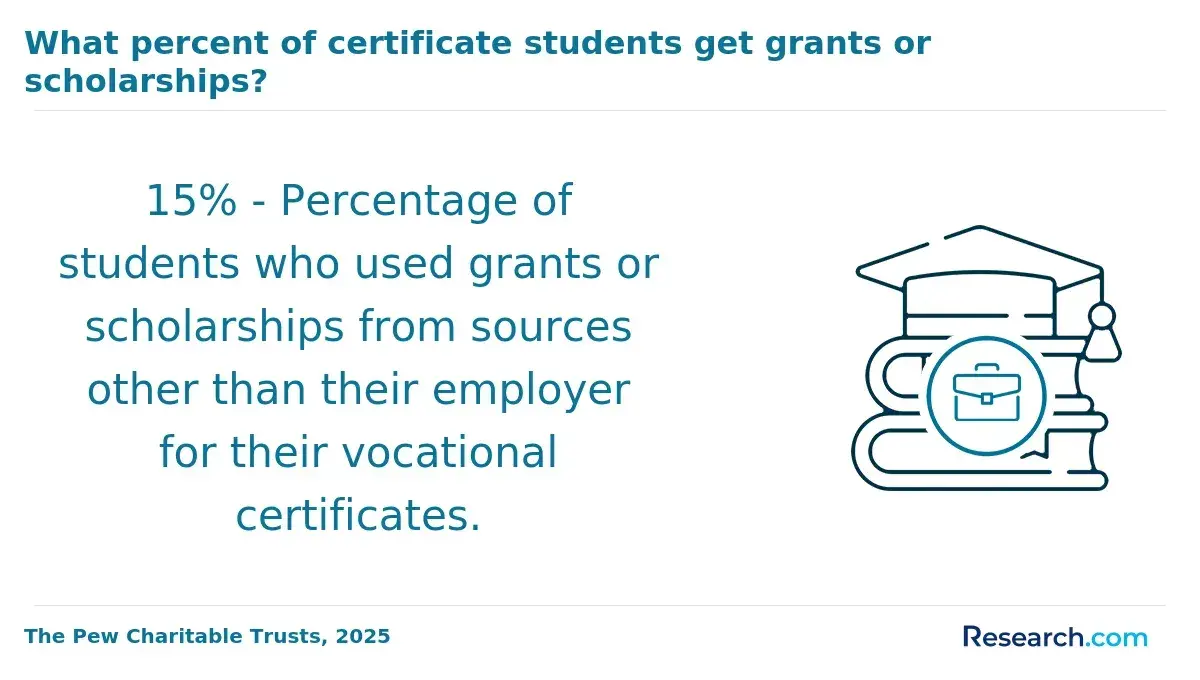
Certificate programs reduce time and cost but often fall short in preparing graduates for leadership roles in nonprofit organizations, where deeper knowledge and applied skills are crucial.
Cost remains a significant factor: public institutions generally charge $10,000 to $25,000 for bachelor's or master's degrees, while private universities can exceed $60,000. Community college-affiliated options are less expensive but frequently hinder upward mobility within mission-driven organizations prioritizing comprehensive HR expertise.
Deloitte's 2026 Global Human Capital Trends report reveals 64% of mission-driven organizations plan to expand their use of people analytics and AI in HR, yet only 23% currently excel here. This gap underscores the value of programs incorporating workforce data analytics, compliance, and strategic workforce planning to boost employability and functional impact in nonprofit settings.
Prospective students must navigate practical challenges such as financing tuition while working and securing internships or hands-on projects essential for real-world applicability. Programs offering flexible pacing, credit for experiential learning, and cohort support better accommodate working professionals than those requiring synchronous sessions or in-person residencies.
Balancing these factors aligns educational investment with emerging industry needs, enabling effective strategic pivots or advancement within nonprofit human resource management careers.
What nonprofit HR job roles can graduates pursue and what do those positions involve?
Pursuing an online human resource management degree aligned with nonprofit careers requires a clear grasp of role-specific expectations and resource constraints endemic to mission-driven organizations. Graduates often fill positions such as nonprofit HR generalists, talent acquisition specialists, volunteer coordinators, and organizational development managers, each demanding versatile skill sets adapted to tight budgets and multifaceted responsibilities.
For example, nonprofit HR generalists juggle recruitment, labor law compliance, benefits, and employee relations while sometimes taking on additional duties like event coordination or grant reporting. Talent acquisition specialists must deploy creative, cost-conscious outreach strategies to attract candidates who share the nonprofit's values, relying heavily on networking over large recruitment budgets.
Volunteer coordinators integrate volunteer management with operational goals, which requires balancing human capital with fluctuating volunteer availability. Organizational development managers focus on workforce culture and change management initiatives, often leveraging data for strategic planning despite limited resources.
These roles prioritize adaptability and multi-tasking amid financial constraints, underscoring the need for practical proficiency beyond textbook knowledge. Tuition costs, according to Affordable Colleges Online, average $22,676 annually for an online human resource bachelor's, with some in-state options below $4,000 per semester, offering financially accessible entry points to these specialized nonprofit HR pathways.
What are the salary ranges and job outlook for human resource professionals in the nonprofit sector?
Salary ranges for human resource professionals in the nonprofit sector typically span $55,000 to $95,000 annually, influenced by factors such as experience, organizational size, and location. Leadership or specialized roles in national nonprofits can exceed $100,000, but smaller organizations often offer lower compensation due to budget constraints. Employment growth in this sector has been robust, with an 18.6% increase from 2007 to 2017, significantly outpacing the for-profit sector's 6.2%.
This presents expanding opportunities for professionals skilled in talent acquisition, compliance, and workforce development tailored to mission-driven organizations.
Choosing nonprofit human resource management entails balancing somewhat lower salaries against benefits like community engagement and mission alignment. Employers expect familiarity with nonprofit labor regulations, volunteer coordination, and grant-funded staffing, which differentiates this pathway from corporate HR roles. Salary progression usually depends on acquiring targeted certifications and expertise in diversity, equity, and inclusion initiatives.
Consider a mid-career HR manager moving from corporate to nonprofit: a 10-20% initial pay cut is common, but quicker advancement to leadership is possible given flatter organizational structures. Practical preparation through relevant education or internships addressing nonprofit-specific HR challenges is crucial. With demand projected to rise through 2030 as nonprofits grow and adapt, entering this specialization involves measured tradeoffs but offers unique leadership prospects not found in the for-profit arena.
Which HR certifications and professional associations are most valuable for nonprofit HR careers?
Nonprofit human resource management demands credentials that balance legal compliance, organizational capacity, and mission-specific metrics. The HR Certification Institute's PHR and SPHR emphasize employment law and talent management foundations essential for nonprofit infrastructure stability, a key priority through 2030. Meanwhile, SHRM's SHRM-CP and SHRM-SCP credentials frame HR functions within mission-driven priorities such as impact and financial sustainability, aligning human resource management with nonprofit goals in measurable ways.
A practical scenario illustrates this: a nonprofit HR manager responsible for grant compliance requires knowledge beyond broad HR principles, benefiting from specialized sector associations like the Nonprofit HR Association and the National Human Services Assembly, which provide targeted updates on labor laws and federal grants unique to nonprofit operations.
Employers increasingly expect nonprofit HR professionals to demonstrate both standard HR expertise and understanding of nonprofit-specific challenges, including volunteer coordination and outcome measurement. This creates a tradeoff between immediate work demands and extended certification efforts. Prioritizing PHR/SPHR initially establishes core compliance and talent acquisition skills, while subsequent SHRM credentials deepen contextual nonprofit insight, forming a progressive credentialing path.
Given the projected growth of HR-related roles in nonprofits through 2030, investing in layered certifications supports both employability and practical readiness within this sector.
Other Things You Should Know About Human Resource Management
Courses in nonprofit labor relations, volunteer management, compensation design, and grant-funded staffing best support 2026 nonprofit HR goals. Programs aligned with SHRM or HRCI standards and offering 3-credit internships or practicum hours give students practical experience with mission-driven hiring, compliance, and employee relations.
Nonprofit employers expect candidates to demonstrate practical knowledge of volunteer coordination, grant-related HR reporting, and mission-driven talent management-skills that can be underrepresented in online-only theoretical programs. Graduates lacking hands-on experiences or nonprofit-specific coursework may face initial challenges securing roles beyond entry level. Employers also value cultural fit, ethical judgment, and adaptability to resource-constrained environments. Students should prioritize curricula that integrate nonprofit HR case studies and experiential learning to meet these nuanced expectations.
Choosing nonprofit-oriented specializations adds targeted value by addressing sector-specific challenges like volunteer workforce management and nonprofit labor regulations. However, narrow specializations might limit job flexibility outside nonprofits if career plans shift. Core HR competencies remain essential, so programs that balance foundational skills with nonprofit-focused electives offer the best long-term adaptability. Prioritizing programs with customizable tracks enables candidates to build relevant expertise without compromising broader HR qualifications.
References
- HR Salary Guide 2026 | Ashdown Group https://www.ashdowngroup.com/salary-guide/humanresources
- Human resources professionals | WorkBC https://www.workbc.ca/career-profiles/human-resources-professionals
- Human Resources Career Path: Roles, Skills & Growth https://hcm.sage.com/blog/human-resources-career-path
- 10 Best Human Resource Careers for Professionals - Human Resources Degrees https://www.humanresourcesmba.net/careers/best-careers-for-human-resources-professionals/
- Top HR Certifications to Start Your Career in Human Resources - Christian Leadership Alliance https://christianleadershipalliance.org/blog/2024/11/29/top-hr-certifications-to-start-your-career-in-human-resources/
- what courses are required for hr - A comprehensive guide https://www.bmc.net/blog/general-blog-posts/what-courses-are-required-for-hr
- Nonprofit HR Jobs | Nonprofit Operations https://www.nonprofitoperations.com/human-resources-jobs
- Are We Advancing a “People-First” Culture? Nonprofit Human Resource Management Education in the U.S. https://js.sagamorepub.com/index.php/jnel/article/view/11467
- Organizational Management (BAS), Human Resource Management Specialization https://catalog.easternflorida.edu/degrees-certificates/bachelor-applied-science-bas/organizational-management/human-resource-management-specialization/
- Career Insight: How Much Does a Human Resources Professional Make? https://www.utsa.edu/pace/news/career-insight-how-much-does-a-human-resources-professional-make.html