2027 Online General Studies Degree Programs With No Application Fee and Rolling Admissions

Co-Founder and Chief Data Scientist
Choosing an online general studies degree is often a balance between speed, cost, flexibility, and long-term value. NCES data published in 2024 shows that more than half of U. S. college students took at least one distance education course, making online degree comparison more important than ever.
This guide is for working adults, transfer students, military learners, and undecided students who want programs with no application fee and rolling admissions. You will learn which options to compare, what the waived fee really saves, and how to choose a legitimate program.
Key Things You Should Know
- No-application-fee programs can save money upfront, but the bigger financial decision is total tuition, technology fees, transfer-credit acceptance, and aid eligibility.
- Rolling admissions usually means applications are reviewed continuously, but students still need to confirm start-date cutoffs, FAFSA deadlines, course availability, and document deadlines.
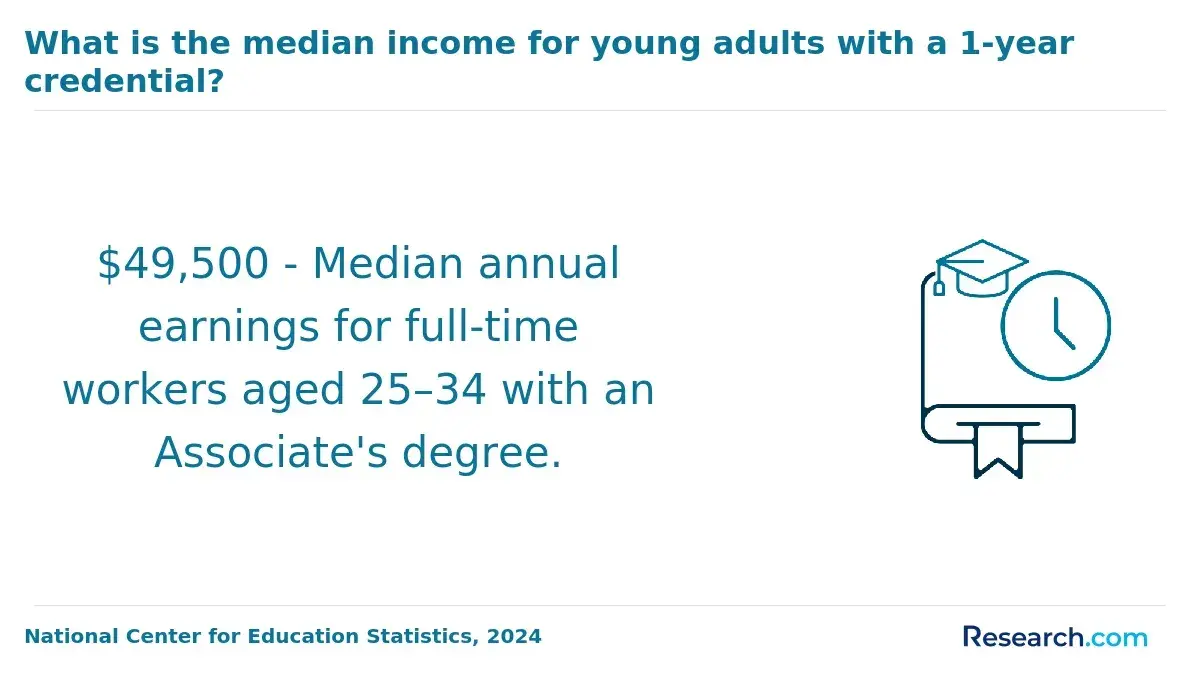
- BLS data for 2024 reports median weekly earnings of $1,543 for workers age 25 and older with a bachelor's degree, compared with $930 for high school graduates, but outcomes depend heavily on field, experience, location, and skills.
Which Online General Studies Degree Programs Have No Application Fee and Rolling Admissions?
Online general studies programs with no application fee and rolling admissions are usually designed for students who need a flexible path to finish a degree, transfer credits, or build a broad academic foundation. Schools may use different names for similar flexible degrees, including general studies, liberal studies, interdisciplinary studies, professional studies, or university studies.
The table below highlights examples of U.S. online programs that publicly advertise no application fee and frequent or rolling admissions review. Policies can change, so students should confirm the current application fee, admission cycle, start date, and degree name directly with the school before submitting materials.
| School | Online degree to review | Application-fee status to verify | Admissions and start-date model | Accreditation to confirm | Best fit |
| Southern New Hampshire University | BA in General Studies | No application fee advertised | Rolling admission with multiple undergraduate terms | New England Commission of Higher Education | Adults seeking a broad, transfer-friendly bachelor's pathway |
| University of Maryland Global Campus | Bachelor's in General Studies | No undergraduate application fee advertised | Multiple online sessions with ongoing admission review | Middle States Commission on Higher Education | Transfer, military, and working adult students |
| American Public University | BA in General Studies | No application fee advertised | Monthly course starts and ongoing admissions | Higher Learning Commission | Students who want frequent starts and customizable electives |
| Columbia College | Bachelor of General Studies | No application fee advertised for many applicants | Multiple sessions and rolling admission review | Higher Learning Commission | Students comparing online and transfer-completion options |
| Purdue Global | BS in Liberal Studies | No application fee advertised | Frequent online start dates with ongoing review | Higher Learning Commission | Students who want a broad bachelor's degree with career-focused electives |
| Wilmington University | BS in Liberal Studies | No application fee advertised | Rolling admission with several start dates | Middle States Commission on Higher Education | Students who want flexible course sequencing and online completion |
A no-fee application is most useful when it lets you compare several legitimate schools without spending money before you know how many credits will transfer. However, it should not outweigh accreditation, curriculum quality, support services, transfer policy, or total cost. If your career goal is already narrow, such as legal support, comparing specialized options like the best online paralegal programs may be more practical than choosing a broad general studies degree only because the application is free.
How Does Rolling Admission Work for Online General Studies Degree Programs?
Rolling admission means a school reviews applications as they are completed instead of waiting for one fixed deadline. For online general studies programs, this often pairs with multiple start dates, such as monthly, six-term, eight-week, or semester-based entry points.
The key advantage is flexibility, but rolling admission is not the same as unlimited time. Each start date usually has a document cutoff, registration deadline, tuition payment deadline, and financial aid processing timeline.
| Admissions model | How it works | Student advantage | Possible drawback |
| Rolling admission | Applications are reviewed as they arrive until a start date or enrollment capacity is reached | Students can apply when transcripts and aid documents are ready | Late applicants may miss their preferred start date or first-choice courses |
| Fixed deadline | Applications are reviewed after a published deadline | Students know the exact submission timeline | Missing one deadline can delay enrollment by a semester or more |
| Open admission | Applicants meeting baseline requirements are generally admitted | Useful for adults returning to college or students with varied academic histories | Students still need to check placement, transfer, and academic progression rules |
Students should ask whether admissions are truly rolling or whether the school uses rolling review only until a published priority date. A common mistake is assuming that "rolling" means there is no deadline; in practice, the application may stay open while the start-date window closes.
How Much Can Students Save by Choosing an Online General Studies Degree With No Application Fee?
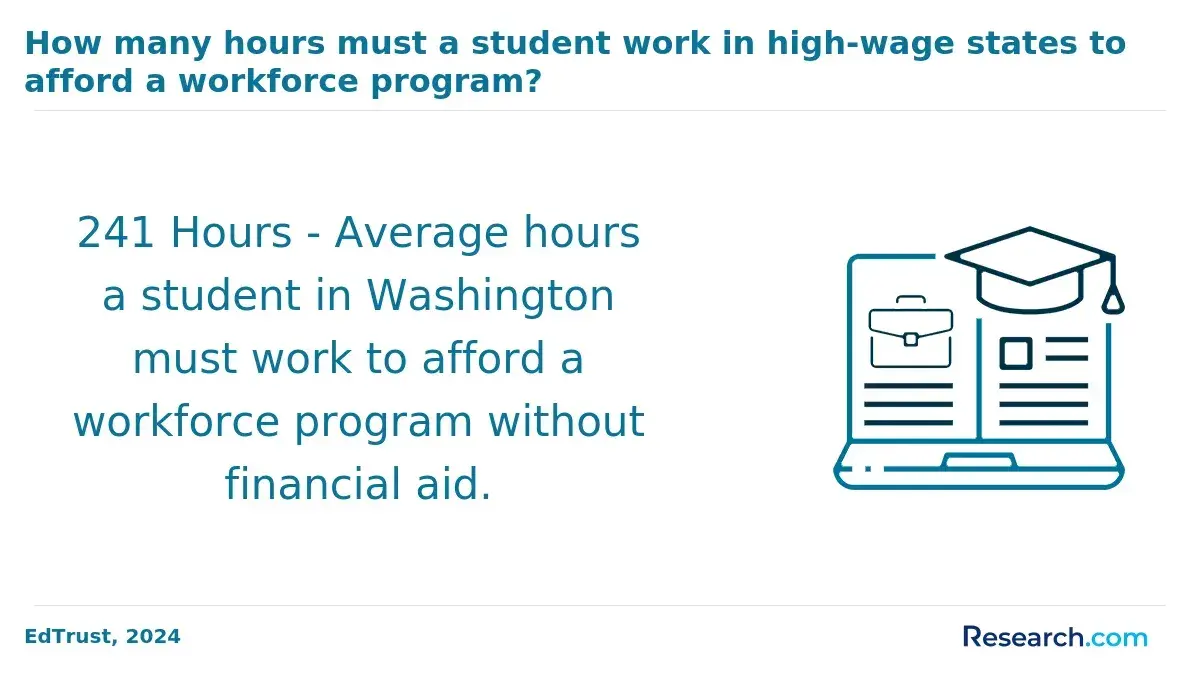
The direct savings from a waived application fee are usually modest compared with the full cost of a degree, but they can matter if you are applying to several programs to compare transfer credits and financial aid. The best use of a no-fee application is to request official evaluations before committing to one school.
The example below shows how application-fee savings work. These are simple comparison scenarios, not claims about any specific school's fee.
| Application strategy | Number of schools | Example fee per application | Upfront application cost | What the student gains |
| Apply only to no-fee programs | 4 | $0 | $0 | Ability to compare admission and transfer evaluations without paying application fees |
| Apply to schools charging a fee | 4 | $50 | $200 | Potentially broader school list, but higher upfront cost |
| Mixed approach | 4 | Two free, two at $50 | $100 | Balance between cost savings and program variety |
The larger issue is tuition. College Board's 2024 Trends in College Pricing and Student Aid reported average published tuition and fees of $11,610 for in-state students at public four-year colleges and $43,350 at private nonprofit four-year colleges for the 2024-25 academic year. This does not mean your online program will match those figures, but it shows why a $0 application fee should be treated as a helpful perk, not proof of affordability.
Before choosing a program, compare costs that can exceed the application fee many times over:
- Per-credit tuition and whether online students pay in-state, out-of-state, or flat-rate tuition
- Technology, course, graduation, transcript, proctoring, and payment-plan fees
- How many transfer credits the school accepts toward the degree
- Whether prior learning, military training, CLEP, DSST, or portfolio credit can reduce the number of courses required
- Whether scholarships, employer tuition assistance, veterans benefits, or federal aid apply to the exact online program
What Are the Admission Requirements for No-Fee Online General Studies Degree Programs?
Admission requirements for online general studies degrees are usually more flexible than requirements for selective professional majors, but students still need to provide official records and meet school-specific criteria. Requirements vary by institution, degree level, transfer status, and academic history.
The table below summarizes common requirements and why each one matters during a rolling-admission process.
| Requirement | What schools usually ask for | Why it matters |
| Online application | Personal information, intended major, enrollment term, and academic background | An incomplete application can delay review even when the fee is waived |
| High school transcript or GED | Required for first-year applicants and some transfer students | Confirms baseline eligibility for undergraduate admission |
| College transcripts | Official transcripts from every previously attended institution | Determines transfer credits, class standing, and remaining degree requirements |
| Minimum GPA | Often required for transfer admission or good academic standing | Students below the threshold may need conditional admission or extra advising |
| Placement or readiness review | Math, writing, or academic support assessment in some programs | Helps determine whether students need developmental support or prerequisite courses |
| Identity, residency, or military documentation | Required when applying for tuition categories, veterans benefits, or employer partnerships | Affects billing, benefits, and sometimes admission classification |
Students should also check whether the program requires synchronous online meetings, internships, capstone projects, or minimum credits completed at the institution. For students using general studies as a foundation for graduate school, prerequisites matter: someone considering online SLP programs, for example, should verify communication sciences, biology, statistics, and related prerequisite expectations before filling electives with unrelated courses.
When Should Students Apply to Online General Studies Degree Programs With Rolling Admissions?
Students should apply as early as possible once they have identified a realistic start date, especially if transfer-credit evaluation or financial aid will influence the final decision. Rolling admission rewards readiness because completed files are usually reviewed sooner than files missing transcripts or aid documents.
A practical timeline can help you avoid missing a preferred start date. Use the steps below to work backward from the term you want to begin.
- Eight to twelve weeks before the preferred start date, make a shortlist of accredited programs and confirm that the application fee is currently waived.
- Six to ten weeks before the start date, request official transcripts from every high school, college, military training provider, or testing organization the school requires.
- Five to eight weeks before the start date, complete the FAFSA and ask the school whether scholarships or institutional aid have separate priority deadlines.
- Four to six weeks before the start date, ask for a written transfer-credit evaluation and degree plan showing remaining credits, estimated completion time, and expected cost.
- Two to four weeks before the start date, confirm course availability, registration steps, billing deadlines, technology requirements, and orientation dates.
The biggest mistake is waiting because the school says applications are accepted year-round. The admissions office may continue accepting applications, but a late file can push you into the next session, delay aid packaging, or leave fewer course options open.
How Can Students Strengthen an Online General Studies Degree Application?
Online general studies programs may be accessible, but a stronger application can speed up admission, improve advising, and help the school place you in the right courses. This is especially important for transfer students, adults with interrupted enrollment, and students returning after academic difficulty.
Focus on the parts of the application that help the school understand your readiness and goals:
- Submit every transcript, even from colleges where you completed only one course, because missing transcripts commonly delay admission and transfer review.
- Write a clear goal statement if the application allows one, explaining whether you want degree completion, career advancement, graduate-school preparation, or a change of field.
- Organize prior learning records, military training, certifications, standardized exam credits, and professional licenses before requesting credit evaluation.
- Ask how repeated courses, old credits, pass-fail courses, and developmental credits are handled before assuming they will count.
- Use electives strategically by choosing courses that support a career pathway, graduate prerequisite, certification goal, or skill gap.
General studies is valuable when it is planned, not when it becomes a random collection of credits. If you are considering psychology, criminal justice, or human services electives, reviewing career pathways such as what can you do with a masters in forensic psychology can help you choose undergraduate courses that build toward a clearer next step.
Are Online General Studies Degree Programs With No Application Fees Accredited and Legitimate?
Many legitimate online general studies degrees have no application fee and rolling admissions, but those features do not prove quality by themselves. Accreditation, state authorization, transparent pricing, student support, and transferable credits are better indicators of legitimacy.
Start by checking institutional accreditation through the U.S. Department of Education's Database of Accredited Postsecondary Institutions and Programs or the accreditor's own directory. Regional accreditors now operate under broader institutional accrediting categories, but many employers and graduate schools still recognize names such as the Higher Learning Commission, Middle States Commission on Higher Education, New England Commission of Higher Education, Southern Association of Colleges and Schools Commission on Colleges, Northwest Commission on Colleges and Universities, and WASC Senior College and University Commission.
Watch for red flags before enrolling:
- The school emphasizes speed and free application more than curriculum, faculty, accreditation, and student outcomes.
- The admissions process pressures you to enroll immediately before you receive a degree plan or total-cost estimate.
- The school is unclear about whether credits transfer to or from other accredited institutions.
- The program does not disclose online fees, course format, academic support, withdrawal rules, or refund policies.
- The degree name sounds broad, but the curriculum does not align with your employment, graduate-school, or licensing goals.
Licensure is another important limitation. A general studies degree usually does not, by itself, prepare students for licensed fields such as teaching, counseling, social work, speech-language pathology, or nursing. Students interested in licensed social-service careers should compare prerequisite and accreditation expectations for pathways such as the best online MSW programs before assuming a general studies curriculum will meet future requirements.
How Do Financial Aid and Total Costs Compare Among Online General Studies Degree Programs?
Financial aid can make a no-fee online general studies degree more affordable, but aid rules depend on accreditation, enrollment intensity, satisfactory academic progress, program eligibility, and deadlines. Students should compare the full cost after grants, scholarships, transfer credits, and employer benefits, not just the application fee.
The table below shows the main cost categories students should request from each school before enrolling. This format helps separate one-time savings from recurring costs.
| Cost or aid factor | Why it matters | Question to ask the school |
| Per-credit tuition | Usually the largest cost driver | What is the exact online undergraduate tuition rate for my program and residency status? |
| Transfer-credit acceptance | Can reduce both time and tuition | How many of my credits apply to degree requirements, not just electives? |
| Mandatory online fees | Can add recurring cost each term | Which technology, course, service, or proctoring fees apply? |
| Federal aid eligibility | Determines access to Pell Grants, loans, and work-study where available | Is this exact online program eligible for federal student aid? |
| Scholarship deadlines | May not follow rolling admission timelines | Are there priority dates for institutional scholarships or state aid? |
| Employer or military benefits | Can lower out-of-pocket cost | Does the school participate in my employer, military, veterans, or tuition-assistance program? |
Federal Student Aid began using the redesigned FAFSA process for recent aid cycles, and students should expect aid timing to remain an important planning issue. Even if a school admits you quickly through rolling admission, your financial aid package may require additional processing time, verification, or documentation.
As a rule, a no-fee program with higher tuition may cost more than a fee-charging program with better transfer acceptance or stronger scholarships. Before committing, ask each school for the same three documents: an official or preliminary transfer evaluation, an estimated total cost to completion, and a term-by-term degree plan.
Which Students Benefit Most From No-Fee, Rolling-Admission Online General Studies Degrees?
No-fee, rolling-admission online general studies degrees are most useful for students who need flexibility and want to compare options without paying upfront application costs. They are not automatically the best choice for every student, especially those entering fields with strict prerequisites, licensure rules, or employer-preferred majors.
These students often benefit the most:
- Working adults who need several start-date options because of job schedules, childcare, or relocation.
- Transfer students who want to compare how different schools apply prior credits before choosing where to enroll.
- Military-affiliated students who need flexible terms, online access, and careful evaluation of military training credits.
- Students with many completed credits but no finished degree who need a broad completion pathway.
- Undecided students who want to build a bachelor's degree around communication, business, humanities, social science, technology, or public-service electives.
Students should be more cautious if they already know they need a specialized credential. For example, someone aiming for executive leadership, consulting, higher education administration, or advanced organizational roles may eventually compare graduate pathways such as online PhD programs in organizational leadership, which may value specific undergraduate preparation, professional experience, or research readiness.
A general studies degree can support career mobility by documenting bachelor's-level education, writing ability, problem solving, and broad knowledge. However, it is strongest when paired with experience, internships, certificates, technical skills, or a focused concentration that employers can understand.
How Should Students Choose Among No-Fee Online General Studies Degree Programs?
Students should choose a no-fee online general studies program by comparing total value, not just admissions convenience. The best program is the one that is accredited, affordable after transfer and aid, realistic for your schedule, and aligned with your next academic or career goal.
Use this decision process before enrolling:
- Confirm the school currently charges $0 to apply and ask whether the waiver applies to your applicant type, program, and term.
- Verify that admissions are rolling for the specific online general studies degree, not just for the university overall.
- Request a written list of upcoming start dates, application cutoffs, registration deadlines, and financial aid priority dates.
- Compare total cost to completion after transfer credits, fees, scholarships, employer benefits, military benefits, and expected course load.
- Review the curriculum to make sure electives form a useful concentration rather than a scattered set of unrelated courses.
- Check accreditation, state authorization, online support services, tutoring, career advising, library access, and graduation requirements.
- Ask whether courses are asynchronous, synchronous, hybrid, self-paced, or cohort-based so the format matches your schedule.
- Compare outcomes carefully, including retention, graduation information where available, career services, alumni support, and employer relevance.
A good final test is whether you would still consider the program if it charged an application fee. If the answer is no, the free application may be distracting you from bigger issues such as tuition, weak transfer policies, limited support, or a curriculum that does not match your goals.
Students who are using general studies as a bridge should also map the next credential early. For example, if you may later pursue healthcare, education, counseling, law, social work, or public administration, ask whether your undergraduate electives can support prerequisites or strengthen graduate applications.
Other Things You Should Know About General Studies
In many cases, diplomas do not state that the degree was completed online, but policies vary by school. Ask the registrar how the degree, major, and campus or online designation appear on the diploma and transcript.
Often, yes, but it depends on the school and how your credits apply to the new major. Some courses may become electives instead of major requirements, so speak with an advisor before changing programs.
It can be, if you complete the prerequisites and maintain a strong academic record. Graduate programs usually care about GPA, required coursework, recommendations, experience, and fit more than the broad title of the undergraduate major.
Many accredited online programs accept military or veterans education benefits, but eligibility depends on the school, program, enrollment level, and benefit type. Confirm approval with both the school's veterans office and the appropriate benefits administrator.
References
- College Admissions on Your Timeline - TheCollegeTour.com https://www.thecollegetour.com/blog/college-admissions-on-your-timeline/
- Online Colleges No Application Fee: Schools With No Fees to Apply https://www.top10onlinecolleges.org/with-no-application-fee/
- Cost of College by Country [2025]: Average Tuition Fees https://educationdata.org/average-cost-of-college-by-country
- Best Accredited Online Universities in 2025 https://www.study.eu/article/best-accredited-online-universities
- Top Online Schools That Accept Transfer Credits https://www.edvisorly.com/student-guides/online-schools-that-accept-transfer-credits
- US Universities Without Application Fee | 2026 International Guide https://northcypruseducation.com/blog/us-universities-without-application-fee-your-complete-guide/
- Rolling Admissions Explained: How It Works and When You Should Apply https://riseglobaleducation.com/blogs/rolling-admissions-explained-how-it-works-and-when-you-should-apply
- Rolling Admission for Bachelor’s Degrees https://www.vamk.fi/en/applicant/apply/rolling-admission-for-bachelors-degrees-2
- Do Online Programs Have Rolling Admissions? Process, Benefits & Key Insights https://www.onlinecu.in/blog/cu/do-online-programs-have-rolling-admissions
- Online Bachelor's Degree: General Studies https://www.umgc.edu/online-degrees/bachelors/general-studies