
2026 Online Esports Business Bachelor's Degree Programs With Asynchronous Classes

Co-Founder and Chief Data Scientist
Choosing an online esports business bachelor’s program is partly about the major and partly about the schedule. If you work changing shifts, care for family members, live far from campus, or prefer to study outside set class times, asynchronous courses can make the difference between enrolling and postponing a degree.
In an asynchronous program, you typically watch recorded lectures, complete readings, join online discussions, and submit assignments through a learning management system rather than attending live classes at fixed times. That flexibility matters in esports business, where students may be preparing for roles tied to team operations, event planning, sponsorship, marketing, analytics, content strategy, and digital communities. The industry is projected to reach $2.9 billion by 2025, so students need more than enthusiasm for gaming; they need business training, discipline, and a realistic plan for completing coursework.
This guide explains how asynchronous online esports business bachelor’s programs work, how assignments and deadlines are handled, whether students can take multiple courses at once, how to evaluate flexibility, what admissions requirements to expect, and how to verify accreditation before enrolling.
Key Benefits of Online Esports Business Bachelor's Degree Programs With Asynchronous Classes
- Asynchronous classes offer flexible scheduling, enabling students to access coursework anytime, which accommodates varied time zones and busy lifestyles common among Esports industry professionals.
- The self-paced learning structure supports personalized study habits, allowing students to thoroughly master Esports business concepts without the pressure of synchronous deadlines.
- This format helps balance academic responsibilities with work or personal commitments, critical in an industry where many students seek internships or part-time roles alongside their degree.
How do asynchronous online classes work in esports business programs?
Asynchronous online classes in esports business programs allow students to complete most learning activities without logging in at a scheduled class time. Instead of attending live lectures, students usually access recorded videos, assigned readings, case studies, discussion prompts, quizzes, and project instructions through an online learning platform.
The format is flexible, but it is not usually “do anything whenever you want.” Most courses still follow a weekly or module-based calendar. A course might open a new unit each week, require a discussion post by one date, responses to classmates by another, and a project or quiz by the end of the module. This structure helps students stay on pace while still giving them control over when they study during the day.
What students typically do each week
- Review course materials: Students watch recorded lectures, read assigned materials, and study examples related to esports operations, sponsorships, fan engagement, event management, or business strategy.
- Participate in discussions: Instead of live classroom conversations, students may post written responses, analyze esports business scenarios, or respond to classmates through discussion boards.
- Complete applied assignments: Coursework may include marketing plans, event proposals, team brand analyses, revenue models, audience research, or strategic recommendations.
- Meet posted deadlines: Students can choose when to work, but they must still track due dates for quizzes, discussion posts, papers, presentations, and group projects.
The strongest asynchronous programs combine flexibility with accountability. Students should look for clear weekly expectations, accessible instructors, detailed rubrics, reliable technical support, and opportunities to apply business concepts to real esports contexts. Students comparing different online formats may also review broader online learning examples, including resources on the easiest masters degrees, to understand how pacing and workload can differ across programs.
How are assignments submitted in asynchronous courses?
Assignments in asynchronous esports business courses are usually submitted through a learning management system, commonly called an LMS. The LMS functions as the course hub: students download instructions, upload work, check deadlines, receive grades, review feedback, and communicate with instructors.
Submission requirements vary by course, but most programs use a predictable process so students can manage their workload without attending live class meetings.
- Learning management systems: Platforms such as Canvas, Blackboard, or Moodle commonly accept PDFs, Word documents, slides, spreadsheets, images, and sometimes video files. For an esports business course, students may submit a sponsorship proposal, event budget, social media campaign, competitive market analysis, or recorded presentation.
- Published due dates: Asynchronous does not mean deadline-free. Most assignments have firm due dates inside the LMS. Students should check whether deadlines are listed by local time, school time zone, or instructor-specific policy.
- Rubrics and grading criteria: Many instructors attach rubrics that explain how assignments are evaluated. This is especially useful for business projects because it clarifies expectations for research quality, financial reasoning, audience analysis, strategy, and presentation.
- Instructor feedback: Feedback often appears as written comments, rubric scores, annotated files, or short audio/video notes. Students should review feedback carefully because later projects may build on earlier work.
- Academic integrity tools: Some courses use plagiarism detection, locked quiz settings, or identity verification. These tools help maintain academic standards in online programs.
A common mistake is waiting until the deadline to upload a file. Students should submit early when possible, confirm that the file opens correctly, and save proof of submission. Those comparing education costs across fields can also review examples such as how much does it cost to get a masters in psychology to see how online program expenses can vary by discipline and level.
Can you take multiple asynchronous courses at once?
Yes. Students in online esports business bachelor’s programs can generally take multiple asynchronous courses at the same time, as long as they meet the program’s enrollment rules and prerequisites. Many schools allow both full-time and part-time study, with full-time enrollment often defined as around 12 to 15 credit hours per semester.
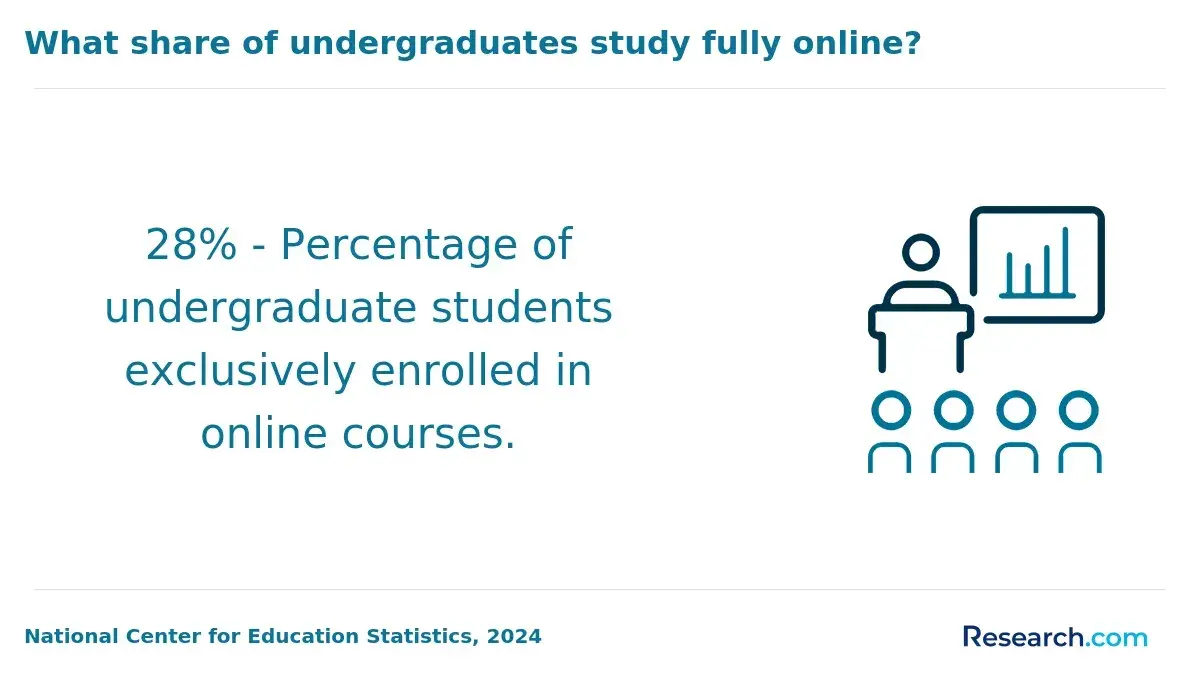
The main issue is not whether multiple asynchronous courses are allowed; it is whether the combined workload is realistic. A typical course demands about 15 to 18 hours of work per week, so three or four courses can create a substantial weekly commitment even without live class meetings. According to recent data from the National Center for Education Statistics, roughly 30% of undergraduate online learners enroll part-time, reflecting the fact that many students are balancing school with work, caregiving, or other responsibilities.
How to decide how many courses to take
- Start with your weekly availability: Count the hours you can consistently study, not the hours you hope will be available in an unusually quiet week.
- Check assignment types: Courses with group projects, presentations, data analysis, or major business plans may require more coordination than reading-heavy courses.
- Look for overlapping deadlines: Multiple asynchronous courses may still have assignments due on the same day each week.
- Consider your first term carefully: New online students may benefit from a lighter course load until they understand the LMS, instructor expectations, and their own pace.
When asked about taking multiple asynchronous courses, one professional who completed an online esports business bachelor’s degree said the workload was manageable only after he built a strict weekly routine. “At first, syncing deadlines across classes felt overwhelming, especially juggling work and family,” he explained. He said some weeks required “extra hours late at night to catch up,” but early communication with instructors helped prevent small problems from becoming major setbacks. His advice was simple: map every deadline at the start of the term and treat study blocks like work shifts.
Can you switch between asynchronous and synchronous courses?
In some online esports business programs, students may be able to take a mix of asynchronous and synchronous courses. However, switching between formats is not always guaranteed. It depends on the school’s course schedule, program design, instructor availability, and whether a required class is offered in more than one format during a given term.
Asynchronous courses are best for students who need maximum schedule control. Synchronous courses require live attendance, but they can offer faster interaction, real-time discussion, and stronger class connection. A student might prefer asynchronous courses for general business requirements and synchronous courses for topics where live discussion, presentations, or networking are especially valuable.
- Course availability: Some classes may only be offered asynchronously, while others may only be offered live online. Required courses can limit how much format choice a student has.
- Program rules: Some programs are designed as fully asynchronous degrees. Others use a hybrid model with occasional required live sessions, orientations, exams, or presentations.
- Schedule fit: Moving into a synchronous course means committing to set meeting times. Students with rotating work shifts should confirm attendance policies before registering.
- Learning preference: Students who need immediate clarification may benefit from synchronous classes, while students who prefer to pause, replay, and review lectures may prefer asynchronous delivery.
- Group work expectations: Even asynchronous courses may include team projects. Students should ask how group meetings are handled across time zones.
Before switching formats, students should speak with an academic advisor and confirm whether the change affects degree progress, financial aid status, course sequencing, or graduation timing. Students comparing flexible online options in other career fields may also find cost and scheduling context in resources such as the cheapest online construction management degree.
How flexible are asynchronous esports business programs for working students?
Asynchronous esports business bachelor’s programs can be highly flexible for working students because they remove the requirement to attend class at a fixed time. Students can often watch lectures before work, complete readings during breaks, draft assignments on weekends, or review material after family responsibilities are handled.
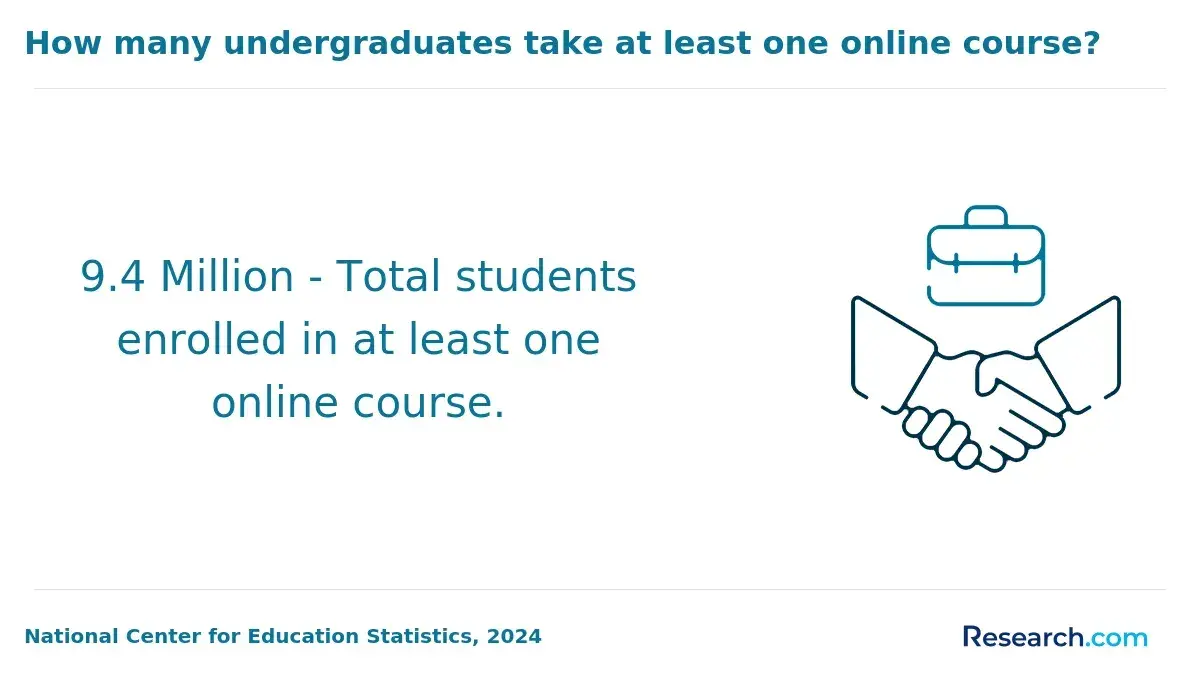
That flexibility is especially useful for students in service jobs, event work, esports operations, retail, hospitality, military roles, or any position with changing hours. According to the National Center for Education Statistics, nearly 70% of adult students enrolled in at least one online course in 2021, showing how important adaptable formats have become for learners who cannot easily attend campus-based classes.
Where the flexibility helps most
- Lecture access: Recorded lectures can be paused, replayed, and reviewed before exams or major assignments.
- Location independence: Students can study from home, work during travel, or complete coursework from another time zone if the program allows it.
- Workload planning: Students can use slower work periods to get ahead and reserve busier weeks for review and smaller assignments.
- Reduced commute time: Online delivery can free up hours that would otherwise be spent traveling to and from campus.
However, flexibility does not remove the need for structure. Working students should build a weekly study calendar, set reminders for every deadline, and avoid assuming they can complete all coursework in one long session. Esports business assignments often require research, planning, writing, revision, and sometimes collaboration.
One working student in an online esports business bachelor’s program said the ability to log in early in the morning or late in the evening helped her stay enrolled during demanding work periods. “It’s reassuring to know I can pause a lecture and revisit it when I have time,” she said. She also noted that spreading coursework across quieter work weeks helped her maintain both job performance and academic progress.
Who should choose an online esports business program with asynchronous classes?
An online esports business program with asynchronous classes is best for students who need schedule control and can manage their own progress. The format works well when students are organized, comfortable using technology, and willing to plan ahead without frequent live reminders from an instructor.
Data from the National Center for Education Statistics shows nearly 30% of online postsecondary students choose fully asynchronous courses, reflecting strong demand for programs that fit around work, caregiving, location, and time-zone constraints.
- Working professionals: Students with full-time or irregular work schedules often benefit from being able to study in the evenings, on weekends, or during variable breaks.
- Parents and caregivers: Students with family responsibilities may need to pause lectures, study after bedtime routines, or complete assignments around unpredictable care needs.
- Independent learners: Students who can set goals, follow a calendar, and ask for help before falling behind are often strong fits for asynchronous study.
- Remote or global students: Learners who live far from campus or in different time zones may prefer programs without required live sessions.
- Current esports or gaming industry workers: Students already involved in marketing, content, tournaments, community management, or events can often connect coursework directly to workplace challenges.
This format may be a poor fit for students who need live discussion to stay engaged, struggle to start assignments without external pressure, or want frequent face-to-face networking. Those students may prefer a synchronous or hybrid program with scheduled meetings. If affordability is also a major factor, students comparing esports business programs with broader business options may want to research the cheapest online business management degree as part of their cost comparison.
How long does it take to finish an asynchronous esports business degree?
An asynchronous esports business bachelor’s degree typically takes about four years to complete for students who follow a standard full-time course plan. The actual timeline can be shorter or longer depending on enrollment intensity, transfer credits, course availability, breaks in attendance, and whether the school offers summer or year-round courses.
According to the National Center for Education Statistics, around 40% of bachelor’s students finish within four years, but completion time varies widely, especially for students who attend part-time or stop out temporarily.
- Full-time enrollment: Students who take a full course load each term are more likely to stay close to a traditional four-year timeline.
- Part-time enrollment: Students taking fewer courses per term gain flexibility but usually extend the time required to graduate.
- Transfer credits: Prior college credits, eligible general education courses, or approved credits from another institution may reduce the number of courses needed.
- Summer terms: Programs with summer courses can help students catch up, graduate sooner, or maintain momentum.
- Prerequisites and sequencing: Some upper-level business or esports courses may require earlier coursework, so students should plan course order carefully with an advisor.
Students who want to finish efficiently should request a degree plan before enrolling, ask how often required courses are offered, and confirm how transfer credits will apply. In an asynchronous format, the flexibility is valuable, but students still need steady enrollment and careful planning to avoid delays.
What are the requirements for asynchronous esports business degree programs?
Admission requirements for asynchronous esports business bachelor’s degree programs generally include a high school diploma or equivalent, official transcripts, and evidence that the applicant is ready for college-level work. Some schools may also request an application essay, placement information, transfer credit evaluation, or proof of English proficiency when applicable.
Because asynchronous programs require students to manage coursework without regular live class meetings, readiness matters. About 70% of students in fully asynchronous online programs report confidence in balancing coursework with personal commitments, underscoring the importance of organization and self-direction.
- Academic background: Applicants typically submit official transcripts showing completion of high school or prior college coursework. English, math, communication, and business-related preparation can support success in the major.
- Technology access: Students need reliable internet, a compatible computer, updated software, and the ability to use the school’s learning management system.
- Digital literacy: Students should be comfortable uploading files, joining discussion boards, using spreadsheets or presentation tools, watching streaming lectures, and troubleshooting common technical issues.
- Time management: Asynchronous students must track deadlines, plan study sessions, and complete assignments without a live class schedule forcing weekly attendance.
- Program-specific requirements: Some programs may require prerequisite coursework, minimum GPA standards, transfer credit limits, or orientation modules for online learners.
Applicants should also ask whether the program includes internships, capstone projects, portfolio requirements, or industry-focused assignments. These experiences can be important in esports business because employers often look for evidence of applied skills, not only completed coursework. Students evaluating similar online business and management pathways may also compare requirements with a project management online degree.
How do you verify accreditation for online esports business programs with asynchronous classes?
To verify accreditation for an online esports business program with asynchronous classes, start by confirming the accreditation status of the institution, not just the program page. Accreditation helps indicate that a school has been reviewed for academic quality, governance, faculty standards, student support, and institutional integrity.
Accreditation can affect credit transfer, financial aid eligibility, graduate school options, and employer confidence. Students should not rely only on marketing language. They should confirm accreditation directly through the school’s website and through the accreditor’s official directory.
Accreditors students may encounter
- The Higher Learning Commission (HLC): This regional accreditor oversees degree-granting postsecondary institutions primarily in the central United States and reviews institutional quality, faculty qualifications, curriculum, and student services.
- Middle States Commission on Higher Education (MSCHE): MSCHE focuses on institutions in the mid-Atlantic region and emphasizes institutional mission, outcomes assessment, and continuous improvement.
- Southern Association of Colleges and Schools Commission on Colleges (SACSCOC): SACSCOC serves southern states and evaluates academic quality, integrity, faculty competence, and institutional resources.
- Accreditation Council for Business Schools and Programs (ACBSP): ACBSP is a specialized accreditor for business-related programs and reviews areas such as business curriculum quality, faculty expertise, and learning outcomes.
Steps to check accreditation
- Find the school’s accreditation statement on its official website.
- Identify the accrediting agency named by the school.
- Search the accreditor’s official directory to confirm the institution is listed.
- Check whether accreditation applies to the institution, the business school, or a specific program.
- Ask admissions or advising staff how accreditation affects transfer credits, financial aid, and graduate study options.
Each accreditor conducts reviews that can include institutional self-evaluation, peer review, documentation checks, and site visits. For asynchronous programs, students should also examine whether online learners receive adequate advising, library access, technical support, career services, and instructor interaction. Students interested in technical fields connected to gaming infrastructure or adjacent STEM pathways may also review online electrical engineering career outcomes for broader online education context.
What are the disadvantages of asynchronous online degrees?
Asynchronous online degrees offer flexibility, but they are not the best fit for every student. The same independence that makes the format convenient can create problems for students who need live structure, immediate feedback, or frequent interaction to stay motivated.
Research shows that retention rates for online courses are 10-20% lower than traditional classes, and asynchronous formats can make engagement more difficult when students feel disconnected or fall behind quietly.
- Less real-time interaction: Students may have fewer opportunities for live debate, spontaneous questions, and immediate collaboration. This can matter in esports business, where networking, communication, and teamwork are important career skills.
- Greater need for self-discipline: Without scheduled class meetings, students must create their own structure. Procrastination can quickly turn into missed assignments.
- Delayed answers: Instructors may respond within hours or days rather than immediately. Students working on complex projects may need to plan questions early.
- Possible isolation: Students who rarely interact with classmates may feel disconnected from the program, especially if discussion boards are shallow or optional.
- Group project challenges: Coordinating with classmates across work schedules and time zones can be difficult, even when the course itself is asynchronous.
- Technology dependence: Internet outages, LMS issues, outdated software, or file upload errors can interfere with coursework if students do not plan ahead.
Students can reduce these disadvantages by choosing programs with strong instructor access, active discussion expectations, clear calendars, advising support, career services, and technical help. Before enrolling, ask whether courses include optional live office hours, peer networking opportunities, esports industry projects, or virtual events that help students build relationships while maintaining schedule flexibility.
What Graduates Say About Online Esports Business Bachelor's Degree Programs With Asynchronous Classes
- : "Choosing an online esports business bachelor's degree with asynchronous classes was a game-changer for me because it allowed me to pursue my passion for competitive gaming while completing my education on my own schedule. The flexibility meant I could balance my part-time job and family time without missing deadlines or live lectures. This program enhanced my understanding of the esports industry and gave me practical skills that helped me land a role in a top gaming organization shortly after graduation. — Vance"
- : "When I started the esports business program online, I appreciated how asynchronous classes let me learn at my own pace, especially while managing my responsibilities as a caregiver. The structure encouraged me to become disciplined and self-motivated, which I believe is key for success in this fast-paced industry. Reflecting on my journey, I see how this format prepared me for remote work environments and improved my ability to juggle multiple projects professionally. — Marvin"
- : "Enrolling in an esports business bachelor's degree program that offered asynchronous classes was a strategic move to grow my career without pausing my full-time job. The program's design enabled me to absorb complex business concepts on my own timeline, which reduced stress and kept me engaged. The knowledge I gained has been directly applicable and invaluable as I've moved into esports management roles and started building my own consultancy. — Parker"
Other Things You Should Know About Esports Business Degrees
Yes, many online esports business programs incorporate virtual networking opportunities such as discussion boards, group projects, and live webinars. While asynchronous classes offer flexibility, students can still connect with peers, faculty, and industry professionals through scheduled online events and social media groups dedicated to esports business topics.
Yes, many 2026 asynchronous esports business programs incorporate real-world experiences through virtual internships, industry projects, and collaboration with gaming companies. These opportunities allow students to apply their learning in real-world settings, making it possible to gain practical skills essential for the esports industry.
Asynchronous esports business degrees typically cover industry-specific subjects such as esports marketing, event management, sponsorship negotiation, and digital media strategy. These programs also emphasize critical skills like project management and data analytics tailored to the esports ecosystem, ensuring graduates are prepared for various roles within the gaming industry.
Students should have reliable internet access and a computer capable of handling video streaming, specialized software for business simulations, and collaboration tools. Additionally, familiarity with esports platforms and digital communication applications is often beneficial to participate fully in coursework and interaction with instructors and peers.
References
- Game Business & Esports Bachelor's Degree https://www.fullsail.edu/degrees/game-business-esports-bachelor
- Bachelor's Degree in Esports Business https://kamk.fi/en/koulutukset/bachelors-degree-in-esports-business/
- Kritik - Kritik360 - Advantages and Disadvantages of Synchronous and Asynchronous Learning https://www.kritik.io/blog-post/benefits-and-challenges-of-asynchronous-learning
- eSports - Academic program in eSports management https://esbs-spain.com/en/programa/esports-management/
- Online Bachelor of Business Administration and Digital Innovation with Sports and eSports Management https://www.global-business-school.org/programs/bachelor-europe-bachelor-of-business-administration-online/online-bachelor-of-business-administration-and-digital-innovation-with-sports-and-esports-management/
- The Business of Esports Specialization https://algomau.ca/academics/faculty-of-business-economics/the-business-of-esports-specialization/
- Benefits of Online Business School Programs https://smceducation.com/blog/benefits-of-online-business-school-programs/
- Strengths And Weaknesses Of Asynchronous Learning https://elearningindustry.com/strengths-weaknesses-asynchronous-learning
- The Pros and Cons of Asynchronous Distance Learning - ViewSonic Library https://www.viewsonic.com/library/education/the-pros-and-cons-of-asynchronous-distance-learning/


