2027 Online Digital Marketing Doctorate Programs with One-on-One Faculty Mentorship

Co-Founder and Chief Data Scientist
Choosing an online digital marketing doctorate is really a decision about access: will you get meaningful faculty guidance, or just periodic advising? That matters because advanced marketing roles are increasingly data-driven, AI-influenced, and research-heavy; the U. S. Bureau of Labor Statistics reported a May 2024 median annual wage of $161,030 for marketing managers.
This guide is for working professionals comparing online DBA, PhD, and applied doctoral options. You will learn how mentorship works, how to verify it, what it costs, and when it is worth prioritizing over flexibility or lower tuition.
Key Things You Should Know
- True one-on-one mentorship is more than academic advising: it should include regular faculty access, research-methods guidance, dissertation or applied-project feedback, and career-relevant expertise in areas such as analytics, consumer behavior, branding, AI marketing, or digital strategy.
- Online doctorates specifically titled "digital marketing" are uncommon; most students compare DBA in Marketing, PhD in Business with marketing research, Doctor of Business Administration concentrations, or related programs in communication, analytics, UX, or strategy.
- Cost value depends on usage: the federal Direct PLUS Loan interest rate for graduate borrowers is 8.94% for loans first disbursed from July 1, 2025, to June 30, 2026, so paying more for mentorship only makes sense if the program provides verifiable faculty availability and research support.
How Does One-on-One Faculty Mentorship Work in Online Digital Marketing Doctorate Programs?
One-on-one faculty mentorship in an online digital marketing doctorate is a structured relationship between a doctoral student and a faculty member who supports research design, scholarly development, professional positioning, and progress through major milestones. It is different from general academic advising, which usually focuses on registration, policy questions, degree audits, and administrative deadlines.
In digital marketing, mentorship is especially important because the field changes quickly. A strong mentor can help a student turn broad interests such as influencer strategy, paid search, marketing analytics, consumer privacy, AI-assisted personalization, or omnichannel engagement into a researchable doctoral topic. Students coming from an online business degree background often need this bridge between practitioner experience and doctoral-level research design.
The most useful mentorship models usually include several layers of faculty contact. The table below shows how common forms of support differ, because schools often use similar language for very different levels of access.
| Support type | Who usually provides it | What it helps with | What to verify before enrolling |
| Academic advising | Advisor or student-success staff | Course sequence, registration, policies, deadlines | Whether this person is faculty or administrative staff |
| Faculty mentorship | Doctoral faculty member | Research focus, scholarly development, professional direction | Meeting frequency, response expectations, and mentor assignment process |
| Dissertation or project chair | Faculty research supervisor | Proposal, methodology, analysis, final manuscript or applied project | Whether students can request a chair with marketing expertise |
| Committee support | Multiple faculty reviewers | Specialized feedback on theory, method, and field relevance | How committee members are selected and replaced if unavailable |
| Career or executive coaching | Career office, faculty, alumni, or external coach | Leadership goals, consulting positioning, networking, academic job search | Whether it is included in tuition or offered separately |
A practical way to understand the model is to ask who will help you when your research becomes difficult. If the answer is only "student support" or "the online platform," the program may offer convenience but not deep doctoral mentorship.
Which Online Digital Marketing Doctorate Programs Offer the Strongest Faculty Mentorship?
The strongest faculty mentorship usually appears in programs that make the mentor relationship visible before enrollment, not after the first year. Because fully online doctorates explicitly branded as "digital marketing" are rare, many students compare online DBA in Marketing programs, business administration doctorates with marketing specialization options, and applied doctoral programs that allow digital marketing research.
The best-fit program is not always the one with the most attractive marketing language. It is the one where faculty expertise, dissertation structure, communication norms, and student workload align with your professional goal.
The table below summarizes the program categories most likely to serve students interested in doctoral-level digital marketing work. It is designed to help you compare mentorship strength by structure rather than by advertising claims.
| Program type | Typical online format | Mentorship strength to look for | Best fit | Main caution |
| DBA in Marketing or DBA with marketing concentration | Mostly online, sometimes with residencies | Applied faculty guidance tied to managerial marketing problems | Marketing directors, consultants, executives, entrepreneurs | May emphasize practice more than theory-heavy scholarship |
| PhD in Business with marketing research focus | Less commonly fully online | Research-intensive faculty supervision and publishing guidance | Students seeking academic research, teaching, or advanced methodology roles | Online options may be limited and admissions may be more selective |
| Doctorate in Strategic Communication or Media | Online or hybrid | Faculty with expertise in digital media, persuasion, audience analytics, or platforms | Students focused on messaging, campaigns, media strategy, or brand communication | May not include deep business analytics or marketing-management coursework |
| Doctorate in Analytics, Information Systems, or Technology Management | Online or hybrid | Technical mentorship in data, platforms, AI, measurement, and decision systems | Students focused on marketing analytics, personalization, attribution, or automation | May require stronger quantitative preparation |
| Interdisciplinary doctorate with individualized study plan | Online, hybrid, or low-residency | Custom faculty committee across marketing, technology, consumer behavior, and design | Students with a niche research agenda that does not fit one department | Requires careful verification of faculty availability before enrolling |
Programs with stronger mentorship tend to publish faculty profiles, explain dissertation-chair assignment, list research interests, and describe how online students interact with faculty. A red flag is a program that promises "personal attention" but does not explain who provides it, how often it happens, or whether faculty have marketing research expertise.
If your interest is closer to platform strategy, content ecosystems, or creator marketing than doctoral business research, it may also help to review adjacent social media degree programs before committing to a doctorate. A master's or specialized graduate certificate can sometimes meet career goals without the cost and dissertation commitment of a doctoral program.
How Does Faculty Mentorship Support Dissertation or Applied Research in an Online Digital Marketing Doctorate?
Faculty mentorship becomes most important when coursework ends and the dissertation, doctoral project, or applied research phase begins. In digital marketing, students often need help narrowing a topic that is timely but still academically defensible. For example, "AI in marketing" is too broad, while "how mid-market retailers evaluate AI-generated product recommendations under privacy constraints" may be specific enough to study.
A good mentor helps the student connect professional experience to a credible research method. This can include qualitative interviews with marketing leaders, survey-based consumer research, case-study analysis, secondary data analysis, or mixed-methods designs. The right choice depends on the research question, access to data, ethics review requirements, and the student's methodological preparation.
Students should expect mentorship to be most visible at major research checkpoints. These are the stages where individualized faculty feedback can prevent wasted time and weak research design.
- Topic development: the mentor helps turn a broad digital marketing interest into a focused, researchable problem.
- Literature alignment: the mentor guides the student toward relevant scholarship in marketing, consumer behavior, analytics, strategy, information systems, or communication.
- Method selection: the mentor helps determine whether qualitative, quantitative, mixed-methods, or applied project methods fit the question.
- Proposal review: the mentor identifies gaps before institutional review, committee review, or data collection.
- Data interpretation: the mentor helps the student explain findings without overstating causal claims or business impact.
- Final defense or presentation: the mentor prepares the student to explain contribution, limitations, and implications clearly.
The common mistake is assuming that a faculty mentor will design the study for you. Doctoral students remain responsible for original work, but a strong mentor helps them make better research decisions, avoid methodological dead ends, and understand the standards expected at the doctoral level.
One-on-one mentorship can support progress, but it does not automatically make a doctorate faster or easier. Its real value is reducing ambiguity: students are more likely to keep moving when they know what feedback means, what milestone comes next, and how to fix problems in a proposal or manuscript.
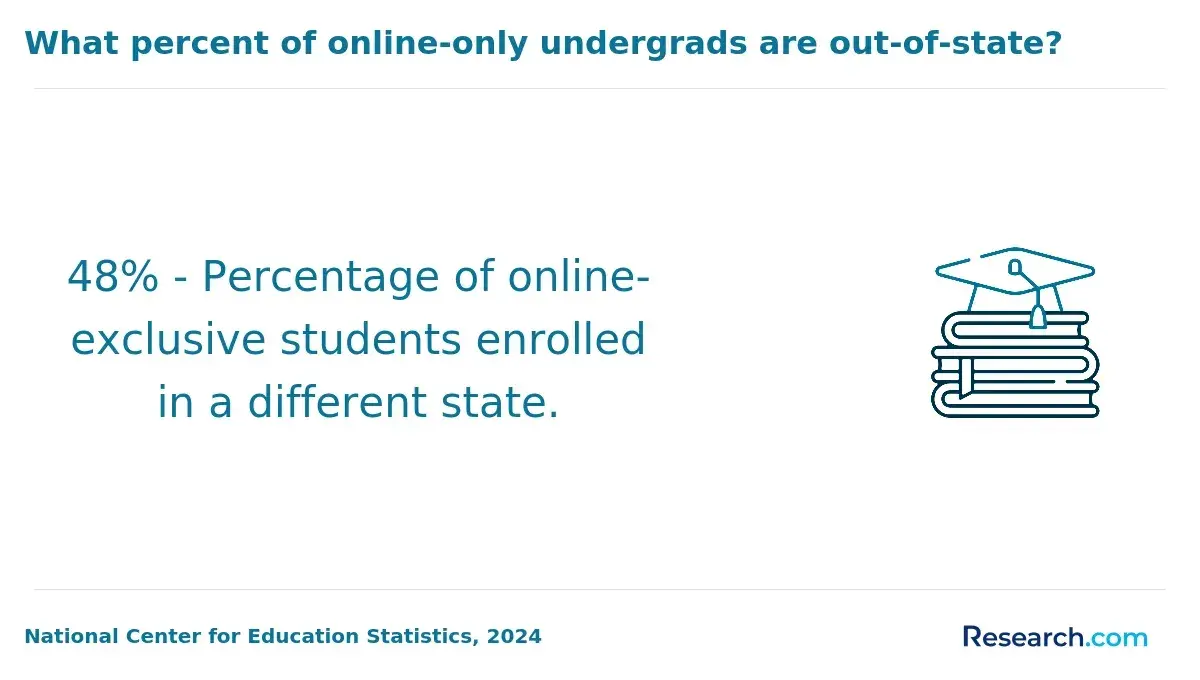
Doctoral completion is shaped by time management, research readiness, work and family obligations, funding, institutional policies, and faculty responsiveness. Mentorship is one important factor among several. The National Center for Education Statistics reported in 2024 that graduate enrollment remains substantial across U.S. institutions, which means online doctoral programs are serving many adults who must balance advanced study with employment. For those students, predictable faculty interaction can be more valuable than occasional intensive contact.
The table below compares common progress risks with the way meaningful mentorship can reduce them. Use it to identify whether a program's support model addresses the actual challenges of doctoral study.
| Progress risk | How it shows up | How strong mentorship helps | Question to ask the school |
| Unclear research focus | Student keeps changing topics | Mentor helps narrow the problem and audience | When are students matched with research faculty? |
| Slow feedback cycles | Weeks pass between submissions and responses | Program sets response-time norms and escalation paths | What is the expected faculty response time for doctoral work? |
| Methodology gaps | Proposal fails review or data plan is unrealistic | Mentor connects student to methods resources and committee expertise | Who supports students with quantitative or qualitative methods? |
| Professional overload | Work demands interrupt research momentum | Mentor helps plan realistic milestone pacing | How does the program support working professionals during dissertation stages? |
| Faculty mismatch | Mentor lacks expertise in the student's topic | Program allows chair changes or committee additions | Can students request or change a dissertation chair? |
A program with excellent mentorship still requires disciplined independent work. If you need a highly prescribed path, strict weekly deadlines, and peer accountability, a cohort-based model may support completion better than a flexible mentorship-heavy model.
Faculty mentorship models vary widely across online doctoral programs. Some programs assign a faculty mentor early; others rely on course instructors until the dissertation phase. Some use a chair-and-committee system, while others emphasize a cohort, doctoral seminars, or structured residencies.
The strongest model depends on your goal. A student planning to become a professor may need research-intensive faculty collaboration, while a senior marketing executive may need applied guidance from faculty who understand marketing leadership, digital transformation, and organizational decision-making.
The comparison below shows how common mentorship models differ. It can help you decide which structure fits your learning style and career objective.
| Mentorship model | How it works | Best advantage | Possible drawback | Best for |
| Assigned individual mentor from entry | Student is matched with a faculty mentor early in the program | Early research direction and continuity | Quality depends heavily on match and faculty availability | Students with a defined digital marketing research interest |
| Course-to-dissertation transition | Students work with instructors first, then receive a chair later | Flexible during coursework | Research planning may start late | Students still exploring their topic |
| Chair and committee model | A primary chair supervises research with committee review | Multiple perspectives on theory, method, and practice | Feedback may be slower if roles are unclear | Students completing dissertations or formal doctoral projects |
| Cohort-based faculty support | Students move through seminars with faculty and peers | Peer accountability and structured pacing | Less individualized topic support | Students who need rhythm, deadlines, and community |
| Residency-enhanced mentorship | Online study is combined with short in-person or virtual intensives | Deeper relationship-building and proposal development | Travel, scheduling, or attendance requirements | Working professionals who can plan around intensive sessions |
When comparing programs, do not assume "online" means less interaction. Some online programs create more deliberate faculty contact than campus programs because they must design communication intentionally. The key is whether the interaction is required, documented, and tied to doctoral milestones.
Faculty mentorship can strengthen career value when it helps students translate doctoral work into visible expertise. For digital marketing professionals, this may mean building authority in marketing analytics, customer experience, consumer trust, AI adoption, brand strategy, social commerce, or digital transformation.
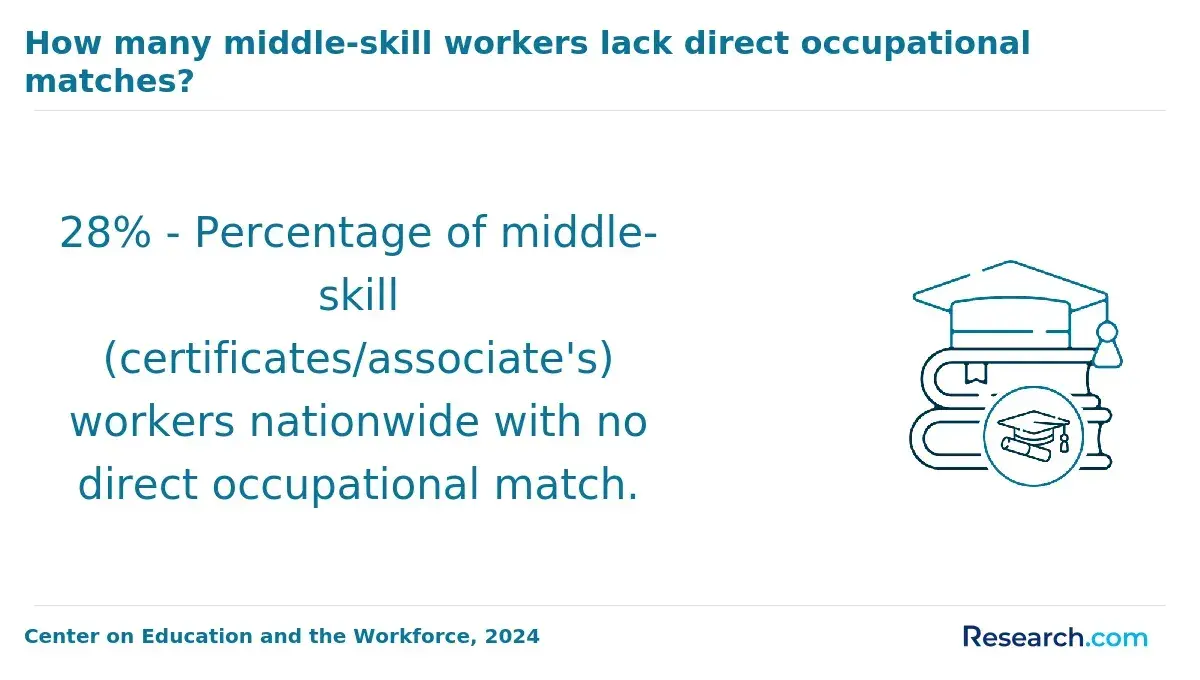
The BLS projected employment for advertising, promotions, and marketing managers to grow faster than the average for all occupations over the 2023-2033 period. That does not mean a doctorate is required for most marketing roles, but it does show that advanced marketing leadership remains a competitive labor-market space where research, analytics, and strategic decision-making can matter.
Mentorship can support career development in several concrete ways. The most useful programs make at least some of these opportunities explicit rather than leaving them to chance.
- Research positioning: faculty help students frame a dissertation or applied project as evidence of expertise in a marketable niche.
- Conference or publication guidance: mentors may recommend practitioner outlets, academic conferences, or industry venues appropriate to the student's goals.
- Teaching preparation: students interested in adjunct or full-time faculty roles may receive guidance on syllabi, research statements, or classroom strategy.
- Consulting development: mentors can help shape a doctoral project into a framework, diagnostic model, or executive presentation.
- Professional network navigation: faculty may point students toward alumni, associations, research collaborators, or industry contacts, though this should not be assumed unless the program confirms it.
Students focused on user behavior, conversion design, and customer experience may also compare doctoral marketing options with a specialized UX degree. In some career paths, a targeted UX, analytics, or product strategy credential may produce more immediate professional value than a broad doctoral program.
A strong online doctoral mentor should have both doctoral-level academic credibility and relevant expertise for the student's research direction. In digital marketing, that expertise may come from peer-reviewed research, applied consulting, executive experience, analytics work, or interdisciplinary scholarship in business, communication, information systems, psychology, or design.
Students should look beyond job titles. A faculty member may be a respected scholar but have little connection to current digital marketing questions. Another may have practitioner expertise but limited experience supervising doctoral research. The best match depends on whether your goal is academic publishing, executive leadership, consulting, teaching, or applied organizational change.
Before choosing a program, review potential mentors using a consistent checklist. This helps you avoid being impressed by broad bios without confirming fit.
- Academic credentials: the mentor should hold an earned doctorate in business, marketing, communication, information systems, analytics, psychology, education, or another field relevant to the proposed research.
- Research alignment: the mentor's publications, projects, or teaching should connect to the student's topic, such as consumer behavior, marketing analytics, digital platforms, AI, branding, or customer experience.
- Methodological competence: the mentor should understand the research methods the student is likely to use, or the program should provide committee members who do.
- Doctoral supervision experience: the mentor should have experience guiding dissertations, doctoral projects, or applied research from proposal through completion.
- Professional relevance: for DBA students, the mentor should understand how marketing research applies to organizations, budgets, technology adoption, and executive decision-making.
- Availability: the mentor should have a manageable advising load and clear communication expectations.
A useful red-flag question is: "How many doctoral students does this faculty member currently supervise?" Schools may not always disclose exact advising loads, but they should be able to explain how they prevent faculty overload and what happens if a mentor becomes unavailable.
One-on-one faculty mentorship can increase the value of an online digital marketing doctorate, but it can also be part of a higher-cost structure. Students should evaluate mentorship as a return-on-effort feature, not just a tuition feature. The question is not "Does the program mention mentorship?" but "Will the support reduce research friction, improve professional positioning, and justify the time and debt involved?"
Cost comparisons are especially important for working adults because doctoral programs can extend over several years. Federal graduate borrowing is also expensive: Direct PLUS Loans for graduate and professional students carry an 8.94% interest rate for loans first disbursed from July 1, 2025, to June 30, 2026, before considering fees. That makes it risky to pay a premium for vague support that cannot be verified.
When comparing tuition, look at the full cost structure rather than per-credit tuition alone. These items commonly affect the real price of an online doctorate.
- Tuition model: per-credit tuition, per-term tuition, dissertation continuation fees, or subscription-style billing can change total cost depending on pace.
- Residency costs: some online programs require campus visits, hotel stays, travel, meals, or time away from work.
- Technology and course fees: doctoral research platforms, statistical software, and digital resources may add recurring costs.
- Dissertation extension costs: slow faculty feedback, topic changes, or delayed data collection can increase total tuition if the program charges for continuation terms.
- Employer support: tuition reimbursement, professional development budgets, or military education benefits can improve value but may come with service or grade requirements.
- Opportunity cost: time spent on doctoral work may reduce consulting hours, overtime, business development, or family time.
Students who mainly want promotion eligibility or a marketing leadership credential should compare doctoral tuition with master's-level alternatives, including the cheapest online marketing degree options that may deliver a faster and lower-cost return. A doctorate is more defensible when the goal requires doctoral-level research, university teaching, executive authority, consulting differentiation, or advanced applied inquiry.
One-on-one mentorship is most valuable for students whose goals require individualized research judgment. It is less important for students who primarily want a structured credential, broad business knowledge, or a low-cost path to career advancement.
The students who benefit most often have a specific professional question they want to investigate. For example, a chief marketing officer may want to study AI adoption barriers among regional healthcare firms, while a consultant may want to build evidence around customer retention analytics in subscription businesses.
Consider prioritizing one-on-one faculty mentorship if you fit one or more of the following profiles. These students are more likely to use individualized guidance enough to justify its cost and effort.
- You already have a focused research interest and need a faculty expert to help refine it into a doctoral study.
- You plan to teach at the college level and need guidance on scholarship, publication, and academic positioning.
- You want to build a consulting practice or executive authority around a specialized digital marketing problem.
- You need help connecting practitioner experience with formal research methods.
- You are pursuing a dissertation or applied project that requires access to organizations, consumer data, interviews, or analytics systems.
- You are returning to school after a long gap and need structured scholarly feedback.
Students may be better served by a cohort-based or lower-cost program if they need external pacing more than individualized research support. Likewise, students who are uncertain about doctoral research should consider a graduate certificate, master's degree, or applied analytics credential before enrolling in a doctorate.
The biggest mistake is choosing mentorship as a prestige feature. It is only valuable if you will actively prepare for meetings, send drafts, ask informed questions, and apply feedback consistently.
How Should Students Evaluate Faculty Mentorship Before Choosing an Online Digital Marketing Doctorate?
Students should verify mentorship before applying, not after enrolling. Strong programs can explain how mentors are assigned, how often students meet with faculty, how dissertation chairs are selected, what communication methods are used, and what happens if a student's research direction changes.
Use a structured evaluation process so you do not rely on vague admissions language. The steps below can help you distinguish genuine mentorship from routine advising.
- Identify your research direction in one paragraph, including the marketing problem, population, industry, and possible method.
- Search faculty profiles for topic alignment in digital marketing, analytics, consumer behavior, branding, communication, AI, customer experience, or strategy.
- Ask admissions whether students can request a mentor or dissertation chair based on research fit.
- Request details on expected meeting frequency, response time, synchronous meeting options, and written feedback standards.
- Ask how many doctoral students faculty typically supervise and how the school handles faculty overload or turnover.
- Confirm whether mentorship begins during coursework or only after the dissertation or applied-project phase starts.
- Ask for examples of recent dissertation or doctoral project topics related to marketing, digital strategy, analytics, or consumer behavior.
- Speak with current students or alumni about how often faculty actually respond, how useful feedback is, and whether support changes after coursework.
- Compare mentorship quality with total cost, residency requirements, transfer-credit policies, employer reimbursement, and expected timeline.
Admissions requirements also deserve careful review. Online doctoral programs commonly require a master's degree, professional experience, transcripts, a statement of purpose, resume, letters of recommendation, and sometimes writing samples, interviews, or prerequisite business coursework. Requirements vary by institution, and some programs may admit students with a bachelor's degree into longer doctoral pathways.
Accreditation matters because it affects transferability, employer recognition, federal financial aid eligibility, and academic credibility. At minimum, confirm institutional accreditation recognized by the U.S. Department of Education or the Council for Higher Education Accreditation. For business doctorates, programmatic accreditation from organizations such as AACSB, ACBSP, or IACBE may add value, but requirements and employer preferences vary.
Finally, compare mentorship against flexibility. If you cannot maximize mentorship, low cost, and scheduling convenience at the same time, prioritize based on your goal. Future faculty and research consultants should usually prioritize faculty fit. Promotion-focused managers may prioritize affordability and schedule. Students who need structure may prioritize cohort pacing over individualized independence.
Other Things You Should Know About Digital Marketing
No. Most digital marketing roles do not require a doctorate. A doctoral degree is more relevant for college teaching, senior strategy roles, consulting authority, research leadership, or specialized executive work that benefits from advanced applied research.
Important skills include marketing analytics, consumer research, content strategy, AI tool evaluation, privacy-aware data use, customer experience design, brand strategy, experimentation, and executive communication. Doctoral students should also build research-methods and evidence-based decision-making skills.
It can support teaching opportunities, especially for adjunct or practitioner-focused faculty roles, but hiring depends on the institution, discipline, accreditation expectations, teaching experience, publication record, and degree type. A PhD is often preferred for tenure-track research positions.
Many online business or marketing-related doctorates take about three to five years, depending on transfer credits, enrollment pace, dissertation progress, research access, and program structure. Students should ask how long recent students took to finish, not just the minimum advertised timeline.
- Online Business Degrees with Digital Marketing https://www.coloradotech.edu/degrees/studies/business-and-management/articles/online-business-digital-marketing-degree
- How Much Does a PhD Cost https://aituedu.org/how-much-does-a-phd-cost/
- Faculty-Student Mentoring in Online Higher Education https://www.facultyfocus.com/articles/online-education/online-assessment-grading-and-feedback/faculty-student-mentoring-in-online-higher-education/
- Best Business Doctoral Programs Online 2026 https://www.onlineu.com/degrees/doctoral-business
- Digital Marketing Research Topics https://a-z-topics.com/digital-marketing-research-topics/
- Marketing https://www.hec.edu/en/phd-program/research-areas/marketing
- The Price of a PhD: What to Expect and How to Fund Your Studies - Swiss School of Business Research https://ssbr-edu.ch/the-price-of-a-phd-what-to-expect-and-how-to-fund-your-studies/