2027 Online Data Science Master's After a Bachelor's in Industrial Engineering: Prerequisites and Program Fit

Co-Founder and Chief Data Scientist
An industrial engineering degree can be a strong starting point for an online data science master's, but it does not settle every prerequisite. Your coursework may already cover statistics and optimization while leaving gaps in programming, databases, or machine learning. The useful question is not whether your degree title qualifies you; it is whether your transcript and experience match a particular program's expectations.
This guide helps you identify gaps, compare program fit, and decide whether graduate study is the right next step.
Key Things You Should Know
- Industrial engineering graduates may bring statistics, optimization, and systems knowledge; check your own transcript for calculus, linear algebra, programming, and database preparation.
- Choose a program around the work you want to do: operations-focused analytics calls for different projects and electives than machine-learning engineering.
- The Bureau of Labor Statistics projects 35% growth in data scientist employment from 2025 to 2035, but that occupation-wide forecast does not predict an individual graduate's job prospects.
What Is an Online Data Science Master's After Industrial Engineering?
It is a graduate path that builds computing and statistical modeling skills on top of an engineer's experience with processes, constraints, and decisions. Depending on the program, coursework may emphasize statistical inference, machine learning, data engineering, or applied projects. The online format changes how students participate, not the need to assess the curriculum course by course.
For an industrial engineer, the distinction from analytics is worth examining. A data science master's may be the better fit if you want deeper model development and computational work. If your goal is primarily to improve operational decisions through reporting, experimentation, and applied analysis, graduate programs in data analytics may also merit comparison. Degree titles alone do not establish the difference.
Can Industrial Engineering Graduates Meet Data Science Prerequisites?
Yes, potentially. Industrial engineering coursework often provides relevant quantitative preparation, but requirements differ by program and individual transcript. An admissions office may assess completed courses rather than assume that every industrial engineering graduate studied the same material. The most useful comparison is between your documented work and each program's stated prerequisites.
This table separates strengths that may transfer from areas you may need to document or develop. It describes possible matches, not universal admissions requirements.
| Preparation area | Possible industrial engineering evidence | Potential gap to check |
| Mathematics and statistics | Calculus, probability, statistical quality methods, or optimization | Whether the program specifically requires linear algebra or mathematical statistics |
| Programming | Simulation code or analytical work in Python, R, or another language | Ability to write, test, and explain code beyond using software interfaces |
| Data handling | Operations datasets, experiments, or process measurements | SQL, database concepts, and work with less-structured data |
| Modeling | Forecasting, simulation, or operations research | Machine-learning methods and evaluation practices |
Do not repeat a subject you have already mastered merely because it appears in a data science curriculum. Instead, compare syllabi and ask whether prior coursework meets a formal prerequisite. Self-study or a short course can improve readiness, but it fulfills an admissions requirement only if the program accepts it. If your interests lean specifically toward AI and you need structured preparation, compare AI graduate programs with foundation study alongside data science options.
How Do You Choose an Online Data Science Master's Program?
Start with the role you want after graduation, then compare programs on evidence you can verify in their current catalogs and policies. A strong fit fills your particular gaps without sacrificing the domain knowledge that makes your engineering background valuable.
Use the following checks to narrow a shortlist. Each should produce a concrete answer from a course description, policy, or conversation with the program.
- Match core courses and electives to your goal: operational analytics, statistical modeling, data engineering, or machine-learning development.
- Inspect project requirements for opportunities to work with forecasting, logistics, manufacturing, quality, or other problems relevant to your experience.
- Confirm whether prerequisite courses are required before admission, available after enrollment, or excluded from graduate credit.
- Compare synchronous meetings, group-work expectations, academic support, and any required campus attendance against your work schedule.
- Check institutional accreditation, current tuition and fees, and whether the program can enroll students residing in your state.
A common mistake is choosing by ranking or degree title without inspecting the actual coursework. If your target role is still unclear, compare data science degree options for career-focused students by the skills and projects they offer, rather than assuming every program prepares students for the same jobs.
What Admission Requirements Apply to Industrial Engineering Graduates?
There is no single admissions rule for industrial engineering applicants. Programs may request transcripts, a résumé, a statement of purpose, recommendations, or evidence of particular mathematics and programming courses. Test policies, minimum grades, and prerequisite rules must be checked on each program's current admissions page.
Your application can make the connection between engineering and data science explicit. Describe the problem, data, methods, and decisions involved in a simulation, optimization, quality, or forecasting project. Name the languages and tools you used, but do not substitute a tool list for evidence of what you built or analyzed. If a required course is missing, ask admissions whether an accredited course completed before enrollment would satisfy it and whether the program requires a particular grade.
What Does an Online Data Science Master's Curriculum Include?
Curricula vary, but relevant areas to inspect include probability and statistical inference, programming, data management, machine learning, model evaluation, and responsible use of data. For an industrial engineer, the crucial distinction is between learning to apply a model to a familiar process and learning to build, validate, and communicate a model that works on unfamiliar data.
Read beyond course titles. A dedicated machine-learning course may offer more depth than a brief unit inside a survey course; a substantial project may provide better evidence of applied skill than either. Look for assignments involving imperfect data, an appropriate baseline, defensible evaluation, and an explanation of how a prediction or recommendation would affect an operational decision. An operations-focused student may value forecasting or supply-chain electives, while a student aiming for model deployment should scrutinize software and data-engineering coverage.
How Long Does an Online Data Science Master's Take and Cost?
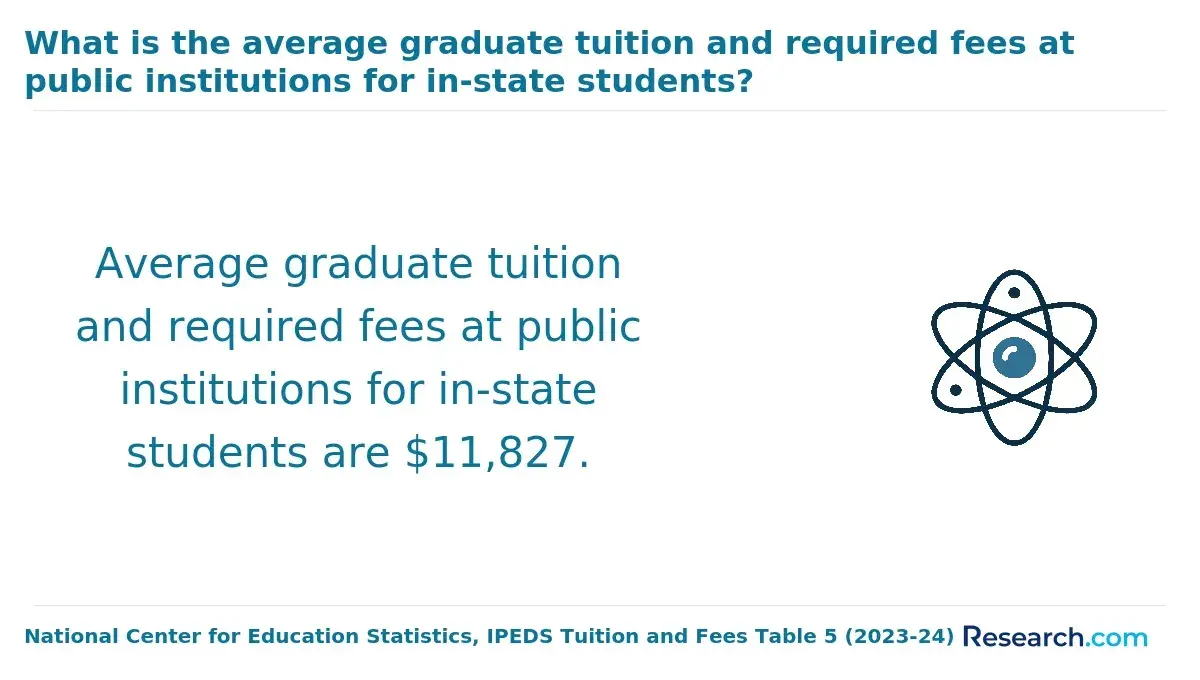
Time and total cost depend on required credits, prerequisite or foundation work, course availability, enrollment pace, and the school's tuition policy. Without a named program and its current fee schedule, there is no reliable single price or completion time to quote. A published fastest-case timeline may not reflect the pace of a student working full time or taking courses in sequence.
For a meaningful comparison, calculate the cost of your route through each program: tuition for required credits, mandatory fees, any additional prerequisite courses, materials or technology, and travel if campus attendance is required. Ask whether tuition differs by residency or enrollment status and whether employer assistance applies. Financing costs and time away from work also matter, but they should not be mistaken for tuition.
If completion speed is your main constraint and AI is your intended specialty, AI graduate degree options by completion time offer another comparison. Verify their prerequisite burden and actual course schedule before treating a shorter advertised timeline as a faster path for you.
Is an Online Data Science Master's Better Than a Campus Program?
Neither format is inherently better for an industrial engineering graduate. Online study may let you keep working and apply coursework to problems at your employer. Campus study may suit you better if you want regular in-person access to classmates, faculty, and local recruiting. The practical comparison is what you can participate in consistently, not whether lectures arrive through a screen.
Before choosing online study, verify live-session times, exam rules, team-project schedules, career services access, and any campus visits. Ask whether the institution is authorized to enroll students in your state. If changing careers is the goal, compare the formats' access to projects and employer connections rather than assuming flexibility alone will create those opportunities.
What Careers Can Follow a Data Science Master's in Industrial Engineering?
An industrial engineering background can be particularly useful in roles where a model must improve a real process. Potential directions include operations or supply-chain analytics, manufacturing data science, forecasting, and broader data scientist roles. The degree may expand your technical options, but your prior experience remains valuable when defining constraints, identifying usable measurements, and explaining recommendations to operational teams.
Match the role to the evidence you can show. An operations-focused portfolio might pair a forecast with inventory decisions or compare a predictive-maintenance model against the cost of false alarms. A broader data scientist role may demand stronger evidence of coding, statistical reasoning, and model validation across unfamiliar datasets. If you already do substantial analytical work, a full master's may be less necessary than targeted coursework and stronger projects; assess the gap between your current skills and actual job descriptions before enrolling.
What Salary and Job Outlook Can Data Science Graduates Expect?
The U.S. Bureau of Labor Statistics reports a $120,230 median annual wage for data scientists in May 2025. That is an occupation-wide midpoint, not an entry-level offer or a measured outcome for master's graduates. Experience, industry, location, and responsibilities can change what a particular job pays.
BLS projects 35% employment growth for data scientists from 2025 to 2035. That indicates expanding demand across the occupation, not a guarantee that a degree holder will be hired. When weighing tuition against potential earnings, compare roles you could realistically pursue with and without the degree, and consider data science career earnings by industry in the context of your existing engineering experience. Do not treat a national salary figure as the salary increase caused by graduate study.
Do Data Science Careers Require Licensure or Professional Certification?
Data scientist roles generally do not have a universal professional license or mandatory certification. Employers may instead assess technical skills, project work, education, and domain experience. A voluntary certification can demonstrate a particular tool or platform skill, but it does not replace the ability to explain your methods and results.
Different rules can apply if a position includes regulated engineering duties or work in a regulated industry. An industrial engineering degree and a data science master's should not be assumed to grant a Professional Engineer license; requirements depend on the jurisdiction and the work performed. Check the applicable licensing board or employer requirements for the specific position you want.
Other Things You Should Know About Data Science
Yes, if you can explain the data, your contribution, the method, and how you evaluated the result. A capstone centered on optimization or simulation may be especially useful when you clearly distinguish its analytical components from machine learning.
Only with appropriate permission and in line with employer, university, and privacy rules. Ask whether a public or synthetic dataset can substitute if the original data cannot be shared.
Not necessarily. Doctoral programs set their own requirements, but evidence of research ability matters. If a PhD is a serious possibility, ask prospective master's programs about faculty-supervised research opportunities.
Policies vary. Before enrolling, confirm online access to advising, recruiting events, employer connections, and alumni resources rather than assuming that services are identical.
References
- DAPIP | Homepage - Office of Postsecondary Education (OPE) https://ope.ed.gov/dapip/
- What preparations do I need for graduate education? | Statistics & Data Science Graduate Interdisciplinary Program https://stat.arizona.edu/what-preparations-do-i-need-graduate-education
- Michigan Engineering Post-Graduation and Intern/Co-op Employment Data - Engineering Career Resource Center https://career.engin.umich.edu/students/michigan-engineering-student-salary-information/
- What Can I Do With a Degree in Data Science? Career Paths & Skills | Harvard SEAS https://seas.harvard.edu/news/what-can-i-do-degree-data-science-career-paths-skills
- Top 12 Data Science Programming Languages | MDS@Rice https://csweb.rice.edu/academics/graduate-programs/online-mds/blog/programming-languages-for-data-science
- Statistics Data Science Curriculum | stanford.edu https://statistics.stanford.edu/academic-programs/graduate-programs/statistics-data-science-curriculum
- Master's in Data Science: Admissions Requirements | nyu.edu https://cds.nyu.edu/admissions/masters-in-data-science-admissions-req/admissions-requirements/
- Admissions - UVA School of Data Science https://datascience.virginia.edu/phd/admissions
- Tuition & Fees - UF Online - University of Florida https://ufonline.ufl.edu/tuition/tuition-fees/
- What's the Difference Between Asynchronous and Synchronous Learning? | Ohio State Online https://online.osu.edu/content-hub/blogs/whats-the-difference-between-asynchronous-and-synchronous-learning/