2027 Online Data Analytics Doctorate Programs with Strong Student Support: Advising, Writing Help, and Career Services

Co-Founder and Chief Data Scientist
Choosing an online data analytics doctorate is not just a curriculum decision; it is a support decision. NCES reported in 2024 that more than half of postbaccalaureate students took at least one distance education course, making remote doctoral support a major persistence issue.
This guide is for working professionals comparing online PhD, DBA, and applied doctorate options in analytics. You will learn how to evaluate advising, dissertation help, faculty access, research support, and career services so you can choose a program that fits your goals, schedule, and need for structure.
Key Things You Should Know
- Strong online data analytics doctorate programs support students through more than a course platform: look for proactive academic advising, clear dissertation milestones, virtual writing help, research and statistics support, accessible faculty, and doctoral-level career coaching.
- Career support matters because analytics leadership roles remain competitive and technical: the U.S. Bureau of Labor Statistics reported a $112,590 median annual wage for data scientists in 2024 and projected 34% employment growth from 2024 to 2034, but outcomes depend on experience, skills, industry, and location.
- The biggest differences between programs are often operational: dedicated advisor vs. general help desk, scheduled committee feedback vs. ad hoc mentoring, live writing consultations vs. static guides, and career coaching for doctoral professionals vs. basic job-board access.
What Student Support Services Should Strong Online Data Analytics Doctorate Programs Provide?
Strong student support in an online data analytics doctorate means the school has systems that help distance learners make steady academic, research, and professional progress. It should not depend only on a motivated student knowing whom to email when something goes wrong.
At the doctoral level, support should match the complexity of the degree. Data analytics students may need help with research design, statistical modeling, machine learning methods, dissertation writing, ethics review, data management, and career positioning for senior technical or leadership roles.
The table below summarizes the main support categories to compare. Use it to distinguish comprehensive doctoral support from services that are available in name only.
| Support area | What strong support looks like | Why it matters for online doctoral students |
| Academic advising | A named advisor or small advising team, degree-plan reviews, milestone tracking, and outreach before registration or academic-risk points | Doctoral students often balance work, research, and family obligations, so delays can compound quickly |
| Dissertation mentoring | Clear chair assignment process, committee expectations, proposal timelines, and documented feedback standards | The dissertation or doctoral project is usually where online students need the most structured support |
| Writing help | Doctoral writing center access, live consultations, APA or discipline-specific support, literature review guidance, and revision coaching | Analytics students may be technically strong but still need help turning complex results into scholarly arguments |
| Research and statistics help | Library research consultations, database access, statistical software support, methodology workshops, and IRB guidance | Doctoral analytics work depends on valid methods, data ethics, and defensible interpretation |
| Career services | Executive-level career coaching, portfolio or publication guidance, interview preparation, networking, and industry-specific labor market support | Many doctoral students want advancement, consulting, applied research, teaching, or analytics leadership opportunities |
| Technology and accessibility | Reliable help desk coverage, orientation, assistive technology support, captioning, accessible course materials, and online exam or software support | Distance learners need services that work outside campus hours and across time zones |
A useful comparison question is whether online doctoral students receive the same practical access as campus students. A school may advertise a writing center or career office, but the real issue is whether those services offer virtual appointments, evening availability, doctoral expertise, and fast response times.
If you are still comparing earlier-stage pathways before committing to doctoral study, reviewing a data analytics master's degree can help you see how graduate-level analytics preparation differs from doctoral-level research and leadership expectations.
How Does Academic Advising Work in Online Data Analytics Doctorate Programs?
Academic advising in an online doctorate should help students translate a long, complex program into manageable decisions. Advising usually covers course sequencing, transfer credit, comprehensive exam preparation, research milestones, registration, academic policies, and progress toward graduation.
The most supportive programs use proactive advising rather than waiting for students to request help. This matters because doctoral students may not realize they are off track until a prerequisite, residency, exam, or dissertation requirement causes a delay.
When reviewing advising models, compare the level of personalization and the advisor's authority to solve problems. The table below outlines common advising structures and their trade-offs:
| Advising model | Typical strengths | Potential limitations |
| Dedicated doctoral advisor | Personalized planning, continuity, stronger knowledge of the student's goals, and better milestone tracking | Quality may vary if caseloads are high or the advisor lacks analytics-specific familiarity |
| Faculty advisor | Direct connection to research expectations, scholarly fit, and dissertation planning | Faculty may have limited availability for administrative questions |
| Central advising team | Broad coverage, standardized information, and potentially faster service hours | Students may repeat their situation to different staff members |
| Self-service planning tools | Useful for tracking degree audits, registration, and deadlines | Not enough by itself for doctoral research planning or problem-solving |
Before enrolling, ask how often advisors contact doctoral students, whether advising is available by video, and whether students can schedule evening appointments. Also ask what happens if an advisor is unavailable, leaves the institution, or cannot answer a dissertation-related question.
Strong advising also connects students to the right resource at the right time. A student struggling with research design should not be sent only to a general academic policy page; the advisor should know how to route the student to faculty, statistics support, library research help, or the dissertation office.
What Dissertation Mentoring and Committee Support Should Online Data Analytics Doctoral Students Expect?
Dissertation mentoring is one of the clearest indicators of whether an online data analytics doctorate is built for doctoral completion rather than just course delivery. Students should understand when they receive a chair, how committee members are selected, what feedback timelines are typical, and how disputes or delays are handled.
In data analytics, dissertation or doctoral project support often includes help narrowing a research problem, choosing methods, locating data, designing models, addressing bias, interpreting results, and explaining technical findings to academic or organizational audiences.
Programs should be transparent about the dissertation process. The following elements are especially important because they affect momentum after coursework ends:
- Early research alignment: Students should have opportunities to identify research interests, faculty expertise, and feasible data sources before the formal dissertation phase.
- Clear chair assignment rules: The program should explain whether students choose a chair, are matched by the department, or must meet eligibility thresholds before assignment.
- Committee communication standards: Students should know expected response times, meeting frequency, review cycles, and escalation options if feedback stalls.
- Proposal and defense preparation: Strong programs offer proposal templates, mock defense opportunities, rubric-based feedback, and guidance on presenting methods and results online.
- Ethics and data governance support: Analytics research may involve privacy, consent, organizational data, scraping, secondary datasets, or AI tools, so students need clear IRB and data-use guidance.
A common mistake is assuming that a strong course instructor will automatically become a strong dissertation mentor. Teaching skill, technical expertise, mentoring availability, and committee experience are related but not identical.
Students should also ask whether the program supports applied dissertations, traditional dissertations, capstone-style doctoral projects, or organization-based research. The right format depends on whether the student wants an academic research path, senior analytics leadership role, consulting practice, or applied data strategy career.
What Writing and Dissertation Help Is Available in Online Data Analytics Doctorate Programs?
Doctoral writing support is not the same as undergraduate tutoring. Online data analytics doctoral students often need help with literature synthesis, scholarly argument, methodology chapters, technical explanation, citation management, data visualization narratives, and revisions after committee feedback.
The best programs provide writing support that is both accessible and doctoral-specific. A writing center that only reviews grammar may be helpful, but it will not fully support a student trying to frame a research gap or explain why a statistical method fits a dissertation question.
Look for writing support that covers different stages of the doctoral journey. The following services are especially useful for online analytics students who are working independently between faculty meetings:
- Live online writing consultations: Video or synchronous appointments allow students to discuss structure, argument, and revision priorities instead of receiving only margin comments.
- Doctoral writing workshops: Sessions on literature reviews, methodology chapters, results chapters, and dissertation formatting help students anticipate common problems.
- Discipline-aware feedback: Support staff should understand technical writing, data presentation, statistical interpretation, and scholarly conventions in analytics-related fields.
- Citation and reference support: Students should receive help using citation tools and applying required style rules consistently across long documents.
- Revision coaching: Strong programs help students interpret committee feedback, organize revisions, and avoid repeatedly resubmitting unclear chapters.
Writing support should also be available before the dissertation phase. Students who practice scholarly writing during coursework are usually better prepared for comprehensive exams, proposals, journal-style papers, and final defenses.
A red flag is vague language such as "students have access to writing resources" without specifics. Ask whether doctoral students can book individual appointments, how many appointments are allowed, who reviews dissertation drafts, and whether support is available outside standard business hours.
Do Online Data Analytics Doctorate Programs Provide Research, Statistics, and Library Support?
Research support is essential in an online data analytics doctorate because students must produce defensible, ethical, and methodologically sound work. Strong programs do not expect students to solve every methodological problem alone once coursework ends.
Research and library support should include access to scholarly databases, interlibrary loan, research consultations, data management guidance, statistical software support, and workshops on quantitative, qualitative, or mixed-methods design. For analytics students, support may also include tools for Python, R, SQL, visualization, machine learning, cloud platforms, or reproducible research workflows.
Here is what research support may look like across a well-supported doctoral program:
- Library research consultations: Librarians help students build search strategies, use specialized databases, manage sources, and avoid weak or outdated literature reviews.
- Statistics and methods coaching: Students receive help understanding model selection, assumptions, validity, reliability, sampling, and interpretation without outsourcing the intellectual work.
- Software access and troubleshooting: Programs clarify whether online students receive licenses, remote lab access, or support for tools used in advanced analytics coursework and dissertation research.
- IRB and ethics guidance: Students learn how to protect data, address privacy concerns, and document ethical use of human subjects or organizational data.
- Data sourcing support: Faculty or librarians help students identify feasible public, proprietary, or organizational datasets and understand permissions before committing to a topic.
Students interested in adjacent AI-focused research should compare analytics support with what is available in an online PhD in artificial intelligence USA, especially if their dissertation may involve machine learning, generative AI, computer vision, natural language processing, or algorithmic accountability.
One practical limitation to verify is whether statistics help is educational rather than a substitute for faculty mentoring. A statistics consultant can explain a method, but the dissertation chair and committee should still evaluate whether the method fits the research question and doctoral standard.
What Career Services Should Online Data Analytics Doctorate Programs Offer Doctoral Students?
Doctoral career services should go beyond resume templates and entry-level job boards. Many online data analytics doctoral students are mid-career professionals seeking promotion, industry transition, consulting credibility, research roles, executive analytics leadership, or teaching opportunities.
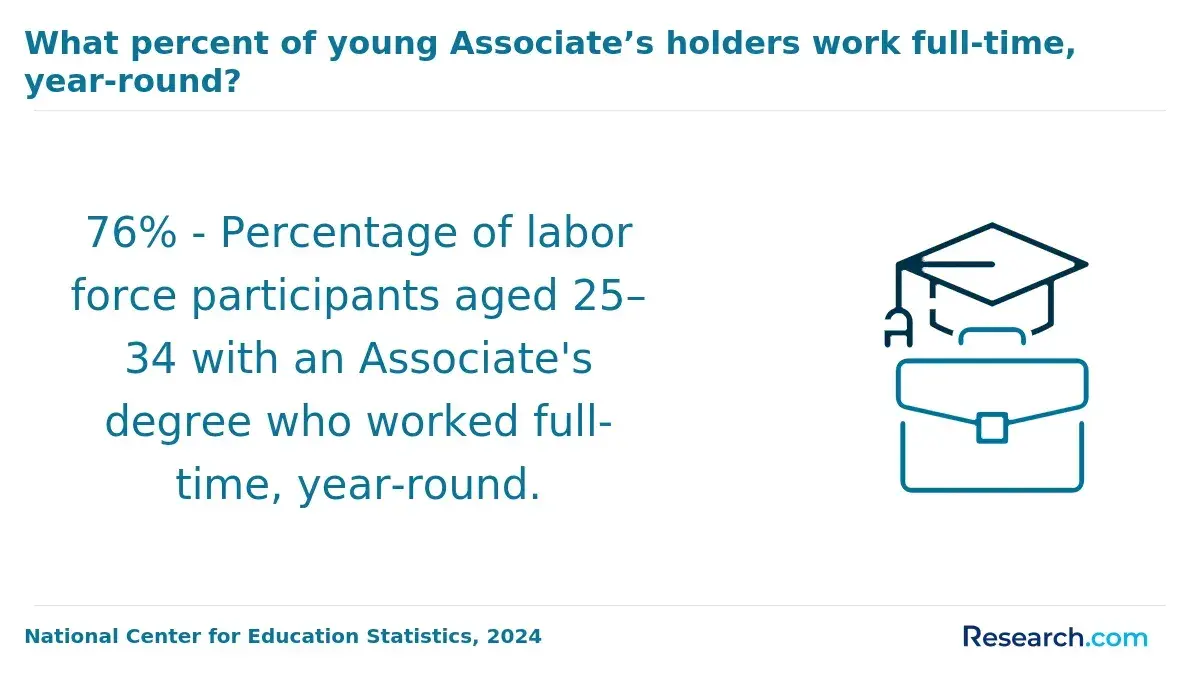
The labor market makes targeted support important. The U.S. Bureau of Labor Statistics reported a 2024 median annual wage of $112,590 for data scientists, but doctoral students should interpret that figure as an occupational benchmark, not a guaranteed return on the degree. Pay varies by industry, region, role scope, management responsibility, and technical specialization.
The table below shows how doctoral-level career services differ from basic student career support:
| Career support type | Basic version | Stronger doctoral version |
| Career coaching | General resume review and job search advice | One-on-one coaching for analytics leadership, research roles, consulting, promotion strategy, or academic job searches |
| Professional materials | Resume and cover letter templates | Executive resume, CV, LinkedIn profile, portfolio, publication list, and dissertation-to-impact narrative |
| Interview preparation | Mock interviews for general roles | Preparation for technical leadership interviews, research presentations, case interviews, and executive stakeholder discussions |
| Networking | Online job board access | Alumni connections, employer panels, faculty networks, research communities, and industry-specific events available to online students |
| Career outcomes support | Limited placement information | Transparent discussion of typical paths, employer expectations, regional differences, and how the doctorate fits the student's current experience |
Students comparing analytics and AI pathways can also explore how an artificial intelligence major connects to roles in machine learning engineering, AI product strategy, data science, research, and automation leadership.
Ask whether career services work with doctoral students specifically. A program may have a strong undergraduate career office but limited experience advising senior professionals who already manage teams, publish research, run analytics projects, or want to move into executive decision-making.
How Accessible Are Faculty and Support Staff in Online Data Analytics Doctorate Programs?
Faculty and staff accessibility can determine whether an online doctorate feels structured or isolating. In a strong program, students know how to reach instructors, advisors, dissertation chairs, librarians, technology support, and career staff without searching through disconnected portals.
Accessibility should be evaluated by response quality, not just response speed. A fast but generic reply may not help a doctoral student resolve a research design issue, registration block, committee delay, or software problem.
Before enrolling, ask for specific service standards. These questions help reveal whether support is realistic for working adults and distance learners:
- What is the expected response time for faculty, academic advisors, dissertation chairs, and student services?
- Are faculty office hours available by video, phone, or asynchronous discussion, and are any offered outside weekday business hours?
- Can online students meet with writing center staff, librarians, career coaches, and accessibility staff virtually?
- Is there a formal escalation process if a dissertation chair, advisor, or support office does not respond?
- How are time-zone differences handled for students who work full time, travel, serve in the military, or live outside the school's region?
- Do online students receive the same access to faculty research events, guest speakers, workshops, and doctoral colloquia as campus students?
One red flag is a program that relies heavily on asynchronous course shells but cannot explain how students interact with faculty outside graded assignments. Doctoral education requires feedback, mentoring, and scholarly conversation, not just content delivery.
Another warning sign is unclear ownership. If admissions, advising, the dissertation office, and faculty each refer students elsewhere, online learners may lose weeks trying to solve problems that a coordinated support model would handle quickly.
How Do Online Data Analytics Doctorate Programs Build Peer, Cohort, and Mentoring Support?
Peer support helps online doctoral students stay connected, test ideas, share resources, and normalize the difficulty of advanced research. It is especially valuable in data analytics, where students may come from varied backgrounds in business, computer science, statistics, healthcare, finance, education, or government.
Some programs use a cohort model, where students begin together and move through a defined course sequence. Others use rolling admissions and individualized pacing. Neither model is automatically better, but each creates a different support experience.
Consider how the program builds community beyond discussion boards. Strong peer and mentoring structures may include the following:
- Cohort-based courses: Students build relationships with peers who understand the same deadlines, faculty expectations, and research milestones.
- Doctoral residencies or virtual intensives: Short, structured events can help students meet faculty, refine research topics, practice presentations, and form writing groups.
- Peer writing groups: Regular accountability meetings help students sustain progress during the dissertation stage, when course deadlines may disappear.
- Alumni mentoring: Graduates can explain how they managed dissertation challenges, career transitions, publication goals, or leadership advancement.
- Research communities: Faculty-led groups or seminars can connect students around topics such as predictive modeling, AI ethics, business analytics, health analytics, or data governance.
The main risk is mistaking social presence for academic support. A lively student forum is helpful, but it does not replace faculty mentoring, writing feedback, methods guidance, or timely advising.
Ask current students how often they interact with peers outside required posts. Their answers can reveal whether the online doctoral experience is collaborative, loosely connected, or mostly independent.
What Technology, Accessibility, and Student Wellness Support Do Online Data Analytics Doctorate Programs Provide?
Technology support is more than password resets in an online data analytics doctorate. Students may need help with learning platforms, proctoring tools, statistical software, cloud computing environments, coding tools, data visualization software, secure file storage, and collaboration platforms.
Accessibility and wellness support are also part of student success. Online doctoral students may be working professionals, caregivers, military-affiliated learners, career changers, or students managing disabilities, burnout, or high-pressure work schedules.
When comparing programs, review the support infrastructure that affects day-to-day persistence. These services are especially important for distance learners:
- Online orientation: Students should learn how to use the learning platform, contact support offices, access library databases, understand doctoral milestones, and use required software before courses become demanding.
- Technical help desk: Strong programs publish support hours, emergency options, ticket tracking, and support for tools used in analytics coursework rather than only general campus systems.
- Accessibility services: Online students should be able to request accommodations, accessible documents, captioned media, assistive technology support, and exam adjustments through a clear virtual process.
- Mental health and wellness resources: Programs should explain whether online doctoral students can access counseling, wellness coaching, crisis resources, or referrals in their state.
- Academic integrity and AI guidance: Because analytics students use advanced tools, programs should clearly define acceptable use of generative AI, code assistance, data tools, and editing software.
Students whose interests overlap with automation, machine learning, or intelligent systems should compare whether the program's tools and policies support AI-related research. This can be especially important when choosing between data analytics, data science, and AI-focused doctoral pathways.
A related consideration is preparation. Some students enter doctoral analytics programs after a statistics, business, computer science, or data scientist degree pathway, while others need more structured onboarding in programming, research methods, or quantitative analysis.
How Can You Compare Online Data Analytics Doctorate Programs Based on Student Support Quality?
To compare online data analytics doctorate programs well, evaluate support as part of program quality, not as an extra perk. A lower-cost program may be attractive, but weak advising, unclear dissertation processes, or limited career support can increase frustration and delay progress.
Cost also affects the support decision. For federal loans disbursed in the 2025-26 academic year, graduate Direct Unsubsidized Loans carry a 7.94% fixed interest rate, and Grad PLUS Loans carry an 8.94% fixed interest rate. That makes it important to compare not only tuition but also time-to-completion, fees, software costs, residency costs, and the likelihood that support services help students avoid unnecessary delays.
Use this step-by-step process before applying or enrolling. It turns broad marketing claims into evidence you can compare across schools.
- Confirm institutional accreditation and whether the doctorate is a PhD, DBA, EdD, DSc, or other applied doctorate, because degree type affects research expectations and career fit.
- Request a written degree plan showing coursework, exams, dissertation or doctoral project milestones, residency requirements, and expected completion timelines.
- Ask who your advisor will be, how advising appointments are scheduled, and whether advisors proactively contact online doctoral students before major deadlines.
- Ask when dissertation chair matching occurs, how committee members are selected, and what typical feedback timelines are for proposals and chapters.
- Verify that writing, library, statistics, accessibility, technology, and career services are available virtually to fully online doctoral students.
- Ask whether career services have experience supporting doctoral-level analytics professionals, not only entry-level students.
- Speak with current students or recent graduates about response times, dissertation support, faculty access, and whether advertised resources were actually usable.
- Compare total cost against support intensity, including tuition, fees, software, travel, lost time, loan interest, and possible extension courses.
The table below summarizes common red flags and better evidence to look for. It can help you avoid choosing a program based only on brand recognition, convenience, or tuition.
| Red flag | Why it matters | Better evidence |
| "Advising is available" with no named contact or service standard | Students may not receive timely help when registration, milestone, or policy issues arise | Named advisor, published appointment process, response expectations, and proactive outreach |
| Dissertation process is explained only after coursework | Students may discover too late that faculty fit, data access, or methodology support is limited | Transparent dissertation handbook, early research planning, and clear chair assignment process |
| Writing support is limited to grammar review | Doctoral students need help with argument, structure, literature synthesis, and revision strategy | Doctoral writing consultations, dissertation workshops, and support for technical communication |
| Career services focus on entry-level jobs | Doctoral students often need advancement, consulting, research, or leadership guidance | Executive coaching, CV support, portfolio guidance, alumni networking, and industry-specific advising |
| Online support hours are unclear | Working adults may be unable to use services during standard campus hours | Published virtual hours, evening options, ticket tracking, and escalation procedures |
A strong final test is to ask each program the same questions and compare the specificity of the answers. Programs with mature online doctoral support usually provide clear processes, names, timelines, examples, and written policies rather than broad assurances.
Other Things You Should Know About Data Analytics
Yes. Institutional accreditation is essential for federal financial aid eligibility, credit recognition, employer confidence, and academic credibility. Program-specific accreditation is less common in data analytics than in fields such as nursing or counseling, so students should focus first on institutional accreditation and then evaluate faculty expertise, curriculum quality, and dissertation support.
Many online doctoral programs are designed to take about three to seven years, depending on degree type, transfer credit, course load, dissertation progress, and whether the student studies part time. The dissertation or doctoral project phase is often the most variable part of the timeline.
Many programs require a master's degree, but requirements vary. Some may accept applicants with a strong bachelor's degree, substantial quantitative preparation, or professional analytics experience. Applicants should review prerequisites in statistics, programming, research methods, and business or technical analytics.
It can be worthwhile for professionals seeking senior analytics leadership, applied research, consulting, teaching, or specialized technical authority. The value depends on cost, time, career goals, employer expectations, prior experience, and the program's ability to support online students through advising, research, writing, and career development.
References
- Explore Cutting-Edge Online Data Science PhD Programs https://www.phds.me/online-programs/data-science/
- Expert PhD Writing Services for Doctoral Students Guide https://thesiswritingservices.uk/blog/expert-phd-writing-services-for-doctoral-students-guide/
- PhD in Technology - Data Analytics Specialization https://walshcollege.edu/programs/phd-technology-data-analytics/
- Are Online PhD Programs Credible? https://henryharvin.ae/blog/are-online-phd-programs-credible/
- How to Use the PhD Training Platform in Your Job Search – AAR https://aarweb.org/event/how-to-use-the-phd-training-platform-in-your-job-search/
- Help With Writing a Thesis | English Support in the Netherlands and online https://www.topscriptie.nl/en/help-with-writing-a-thesis/
- PhD Dissertation Part Writing Service for Global Scholars https://www.phdassistance.com/services/phd-dissertation/phd-dissertation-part/
- How to Use Data to Drive Student Engagement with Career Services - uConnect https://www.gouconnect.com/career-everywhere/how-to-use-data-to-drive-student-engagement-with-career-services/
- How to find the right academic writing coach or scientific editor https://annaclemens.com/blog/when-how-hire-scientific-editor-writing-coach/
- 12 Best Dissertation Editing Services for PhD Students https://thesis-edit.com/best-dissertation-editing-services-for-phd-students-12-expert-services-to-improve-your-thesis-quality/