2027 Online Crisis Management Doctorate Program Costs: Tuition, Fees, Financial Aid, and Employer Reimbursement

Co-Founder and Chief Data Scientist
An online Crisis Management doctorate can support senior roles in emergency management, homeland security, public safety, risk leadership, and academic research, but the cost can be difficult to judge. NCES data released in 2024 show graduate tuition and required fees averaged more than $12,000 at public universities and more than $29,000 at private nonprofit universities. For working professionals already managing debt, choosing the wrong program structure can add years of repayment. This guide explains tuition, fees, aid, employer reimbursement, and ROI so you can compare programs with a realistic budget.
Key Things to Know About Online Crisis Management Doctorate Program Costs
- Most online Crisis Management doctorate students should budget for total tuition in the broad range of about $35,000 to $90,000, depending on credits, per-credit pricing, residency requirements, and dissertation enrollment rules.
- Hidden costs often include technology fees, online course fees, books, software, background checks, conference travel, dissertation continuation credits, and required campus or field residencies that are not always included in base tuition.
- Federal graduate loans can cover up to the school-certified cost of attendance through Direct Unsubsidized and Grad PLUS Loans, but employer reimbursement, scholarships, assistantships, and pay-as-you-go pacing can reduce borrowing risk.
What is the average tuition cost of an online Crisis Management doctorate program?
There is no single federal tuition average specifically for "online Crisis Management doctorates" because these programs are often housed under emergency management, homeland security, public safety, security studies, leadership, public administration, or criminal justice departments. A practical way to estimate cost is to multiply the required credits by the per-credit graduate doctoral rate, then add mandatory fees and dissertation-stage charges.
Most online doctoral programs in crisis-related fields require roughly 45 to 66 post-master's credits. Programs with lower per-credit tuition can become expensive if they require more credits, while higher-priced programs may cost less than expected if they accept transfer credits or have a shorter dissertation sequence.
The table below shows common tuition planning bands for U.S. online doctoral programs related to crisis management. Use it as a budgeting framework, not as a substitute for a school's official tuition sheet.
| Tuition model | Typical cost pattern | Best fit | Cost risk to check |
| Public university in-state rate | Often the lowest per-credit option for state residents | Students who qualify for resident graduate tuition | Out-of-state surcharges, online fees, and limited online doctoral availability |
| Public university online flat rate | Same online tuition for in-state and out-of-state students | Working professionals comparing programs nationally | Flat rates may still exclude program, technology, or residency fees |
| Private nonprofit doctoral rate | Often higher sticker tuition but sometimes more predictable | Students seeking flexible pacing, cohort support, or specialized faculty | Long dissertation enrollment can raise the final bill |
| Per-term or subscription model | Cost depends heavily on how quickly credits are completed | Highly organized students who can move quickly | Slower progress can erase expected savings |
If you are comparing crisis management with adjacent public safety pathways, reviewing the components behind a criminal justice degree price can help you spot similar fee categories, especially technology charges, course materials, and online program fees.
To estimate your likely tuition, ask admissions for the total number of credits required after transfer review, the per-credit rate for your residency status, the minimum dissertation enrollment requirement, and whether tuition can increase while you are enrolled. The most common budgeting mistake is using only the advertised per-credit rate and ignoring the number of terms needed to finish the dissertation.
Are online Crisis Management doctorate programs subject to distance learning or technology fees?
Yes. Many online Crisis Management doctorate programs charge distance learning, technology, digital library, online course, student services, or program-specific fees. These fees may appear small per credit or per term, but they compound across a doctoral program that can last three to six years.
For a working professional, the key question is whether the listed tuition is "all-in" or whether mandatory online fees are billed separately. Schools may also charge graduation fees, transcript fees, proctoring fees, payment plan fees, late registration fees, and doctoral research fees.
The table below summarizes the fee types that most often change the real cost of an online doctorate. These are important because they can make two programs with similar tuition look very different after billing.
| Fee category | How it is commonly charged | Why it matters |
| Technology or distance learning fee | Per credit, per course, or per term | Can add a recurring cost throughout coursework and dissertation enrollment |
| Student services fee | Per term | May apply even if the student never visits campus |
| Residency or intensive fee | Per required event | May not include travel, lodging, meals, or time away from work |
| Dissertation continuation fee | Per term after coursework | Can become expensive if proposal approval, data collection, or defense is delayed |
| Graduation and administrative fees | One-time charges | Usually smaller, but should still be included in the final budget |
Before enrolling, request a sample billing statement for one course term and one dissertation term. This is more useful than a tuition brochure because it shows which mandatory charges appear on real student accounts.
What out-of-pocket expenses should online Crisis Management doctorate students anticipate?
Online study reduces commuting and relocation costs, but it does not make a doctorate cost-free beyond tuition. Crisis Management doctoral students may need specialized software, research tools, professional memberships, emergency management conference participation, fieldwork travel, or short campus residencies.
The following expenses are worth building into your budget before you accept admission. They are especially important for students who plan to borrow, because some may be included in the school-certified cost of attendance while others may need to be paid directly.
- Books, case studies, standards manuals, and research methods materials for leadership, emergency management, homeland security, or public administration courses.
- Statistical, qualitative analysis, mapping, citation management, or survey software required for doctoral research.
- Travel, lodging, meals, parking, and lost work time for any required residency, dissertation defense, practicum, or intensive weekend.
- Professional association dues, conference registration, poster printing, or presentation costs if the program expects scholarly dissemination.
- Reliable computer equipment, webcam, headset, secure internet access, cloud storage, and backup systems for dissertation files.
- Continuation credits or dissertation supervision fees if research extends beyond the standard program timeline.
A good rule is to create two budgets: a school-billed budget and a personal cash-flow budget. The first shows what appears on your student account; the second shows what you will actually spend to stay enrolled and finish the degree.
Does in-state versus out-of-state residency status impact online Crisis Management doctorate tuition?
Residency status can matter a great deal, but the impact depends on the school's pricing model. Some public universities charge separate in-state and out-of-state graduate tuition, while others use a flat online rate for all distance learners. Private nonprofit universities often charge the same tuition regardless of state residency, although fees and travel requirements can still vary.
For online doctoral students, the best deal is not always the lowest per-credit rate. A public in-state program may be cheaper if you qualify for resident tuition and can complete the degree on schedule. A flat-rate online program may be better if you live out of state and want predictable pricing without relocation.
The table below compares common residency-based tuition structures and the decision each one supports.
| Pricing structure | Potential advantage | Potential drawback | When it makes sense |
| Public in-state tuition | Lower advertised graduate tuition for residents | May have limited online doctoral seats or required campus components | You are a verified resident and can meet any in-person requirements affordably |
| Public out-of-state tuition | Access to specialized faculty or curriculum | Can be significantly more expensive than resident tuition | The program has a unique crisis, security, or emergency management focus that fits your goal |
| Flat-rate online tuition | Predictable pricing across states | May not be the lowest rate for in-state students | You are comparing national options and want billing simplicity |
| Private nonprofit tuition | Often consistent regardless of residence | Sticker price may be higher | The program offers strong doctoral advising, flexible pacing, or employer-recognized specialization |
Students comparing crisis management with broader justice and public safety pathways may also want to review an online criminal justice degree to understand how public, private, in-state, and online flat-rate models differ across related programs.
Ask whether moving, military status, public safety employment, tribal affiliation, state authorization, or regional tuition exchanges can affect your rate. Do not assume that online status automatically removes residency rules.
How do total costs for an online Crisis Management doctorate compare to traditional on-campus programs?
Online Crisis Management doctorates are often more affordable than on-campus programs when relocation, commuting, parking, and lost work hours are included. However, online programs are not always cheaper on tuition alone. Some universities price online doctoral credits at a premium because of instructional design, platform support, and remote student services.
The biggest financial advantage of online study is usually opportunity cost. A working emergency manager, security director, public safety administrator, military professional, or healthcare preparedness leader may be able to keep earning while studying part time. That income preservation can matter more than a small tuition difference.
The table below compares major cost categories for online and on-campus doctoral study. It helps show why the lowest tuition option is not always the lowest total-cost option.
| Cost factor | Online doctorate | On-campus doctorate | Decision point |
| Tuition | May be flat-rate, per-credit, or residency-based | Often tied to campus residency status | Compare total credits, not just per-credit tuition |
| Housing and relocation | Usually avoidable | May require moving or maintaining housing near campus | Important for mid-career professionals with families or mortgages |
| Transportation | Usually limited to residencies or fieldwork | Recurring commuting, parking, or transit costs | Online formats can reduce weekly costs |
| Employment impact | Often compatible with full-time work | May require reduced hours or relocation | Lost income can exceed fee differences |
| Research access | Requires strong remote library and faculty support | May provide easier lab, archive, or faculty access | Choose based on dissertation needs |
Cost comparisons can also be useful across adjacent risk fields. For example, students interested in workplace safety, disaster preparedness, or regulatory compliance may compare crisis management programs with the best online environmental health and safety programs to see whether a different credential better matches their budget and career target.
Online study makes the most financial sense when the program is accredited, the curriculum fits your career path, the dissertation support is strong, and you can continue earning. It makes less sense if the online tuition is high, residencies are frequent, or the program does not support your intended role.
Can graduate assistantships and fellowships reduce online Crisis Management doctorate costs?
Assistantships and fellowships can reduce doctoral costs, but they are less common for fully online professional doctorate students than for full-time on-campus PhD students. Many assistantships require teaching, research support, campus presence, or a fixed weekly work commitment that may not fit a working professional's schedule.
Still, online students should not ignore this funding category. Some universities offer doctoral scholarships, dissertation fellowships, research stipends, public service awards, diversity fellowships, military-affiliated grants, or limited remote research assistant work.
Use the following questions when speaking with graduate admissions and the department, not just the central financial aid office. Department-level awards are sometimes separate from federal aid packaging.
- Are online doctoral students eligible for the same scholarships, fellowships, or assistantships as campus-based students?
- Do any awards cover tuition only, or can they also reduce fees, research costs, or dissertation enrollment charges?
- Are assistantships remote, hybrid, or campus-based, and how many hours per week are required?
- Is funding renewable, or does the student need to reapply every academic year?
- Does receiving employer reimbursement reduce eligibility for institutional scholarships?
- Are there dissertation completion grants for students who finish coursework but need support during research and writing?
A common mistake is assuming that "doctoral program" automatically means funded. In professional online doctorates, funding is often competitive, partial, or limited to specific terms. Apply early and ask whether awards are stackable with employer benefits.
What financial aid options are available for students enrolled in an online Crisis Management doctorate?
Online Crisis Management doctorate students at accredited U.S. institutions may qualify for federal student aid if the program and school meet eligibility requirements. Graduate students typically do not receive Pell Grants, so the main federal aid tools are Direct Unsubsidized Loans, Grad PLUS Loans, institutional aid, external scholarships, veterans benefits, and employer assistance.
Federal loan costs are an important current consideration. For loans first disbursed in the 2025-26 award year, the fixed interest rate is 7.94% for Direct Unsubsidized Loans for graduate students and 8.94% for Direct PLUS Loans. That means students should borrow only after subtracting scholarships, employer benefits, cash payments, and realistic course pacing.
The table below summarizes common funding options and how they usually function for doctoral students. It is designed to help you compare the role each option can play in a funding plan.
| Funding option | What it may cover | Repayment requirement | Best use |
| Direct Unsubsidized Loan | Part of school-certified graduate cost of attendance | Yes, with interest | Baseline federal borrowing before considering Grad PLUS |
| Grad PLUS Loan | Remaining eligible cost of attendance after other aid | Yes, with interest and credit check | Gap funding after lower-cost options are used |
| Institutional scholarship | Tuition, fees, or specific program costs | Usually no | Reducing sticker price before borrowing |
| External scholarship or professional award | Varies by sponsor | Usually no | Students in public safety, emergency management, military, or public service fields |
| Veterans and military education benefits | Tuition, fees, housing, or books depending on benefit | Usually no | Eligible service members, veterans, and dependents |
| Employer tuition assistance | Often tuition and sometimes fees or books | Usually no, unless service agreement is broken | Working professionals whose degree aligns with organizational needs |
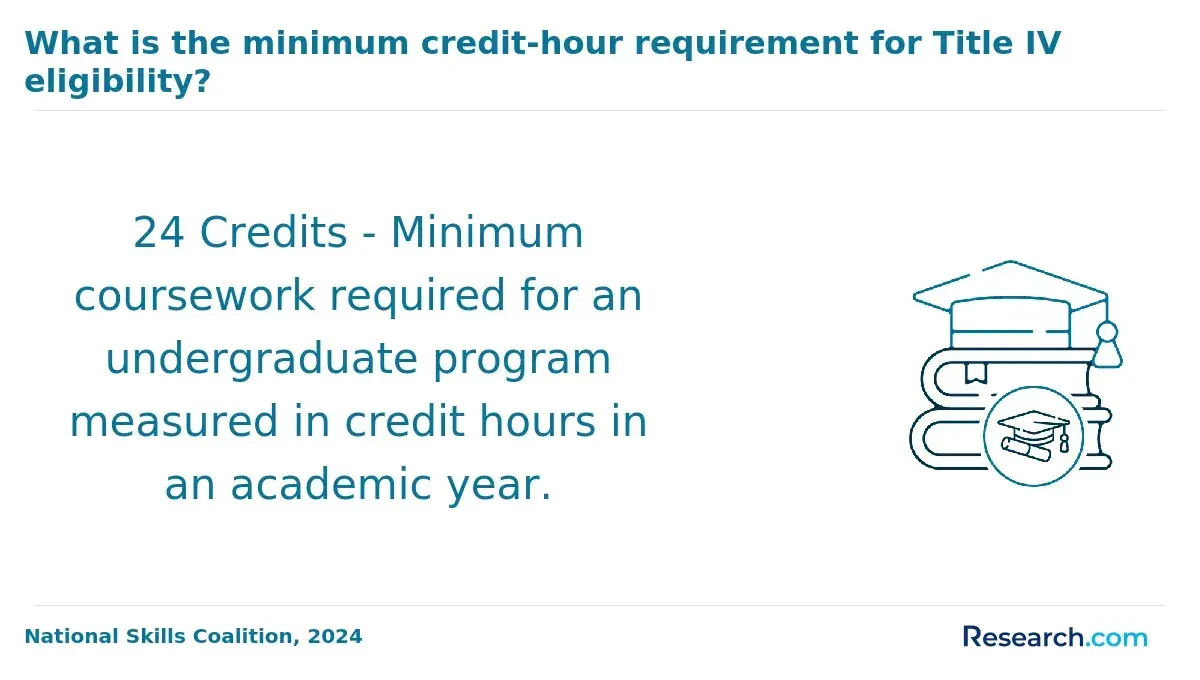
Before borrowing, complete the FAFSA, confirm accreditation and Title IV eligibility, request the full cost of attendance, and ask the school to separate direct billed charges from estimated personal expenses. If you are considering a lower-cost stepping-stone credential before doctoral study, the best online associate degree programs in criminal justice can provide context on how earlier education choices affect long-term debt planning.
The safest funding strategy is layered: use grants, scholarships, employer funds, cash-flow payments, and transfer credits first; use federal loans only for the remaining amount you can justify through career value and repayment capacity.
Does employer tuition reimbursement cover an online Crisis Management doctorate?
Employer tuition reimbursement can cover an online Crisis Management doctorate, but approval depends on the employer's policy, the job relevance of the degree, annual reimbursement caps, grade requirements, and whether doctoral programs are included. Public agencies, hospitals, utilities, universities, defense contractors, large corporations, and emergency services organizations may be more open to sponsorship when the degree supports risk reduction, continuity planning, compliance, safety, or leadership succession.
Many employers distinguish between tuition reimbursement and tuition assistance. Reimbursement usually means you pay first and receive money back after earning an approved grade. Assistance or direct billing may reduce your upfront cost because the employer pays the school or provides funds earlier.
The table below compares common employer funding structures so you can evaluate how much cash you may need before the benefit arrives.
| Employer benefit type | How it usually works | Cash-flow impact | Risk to review |
| Tuition reimbursement | Employee pays first, employer repays after course completion | Requires upfront payment or short-term financing | May require minimum grade, continued employment, and documentation |
| Tuition assistance | Employer provides funds before or during enrollment | Reduces upfront burden | May have annual caps or approved-school lists |
| Direct bill arrangement | School invoices employer directly | Lowest upfront cost for approved charges | Often limited to partner schools or specific programs |
| Full sponsorship | Employer covers most or all approved costs | Can significantly reduce borrowing | May require service commitment after graduation |
Under current federal tax rules, up to $5,250 in employer-provided educational assistance may generally be excluded from taxable income each year when the employer's plan qualifies. Amounts above that may be taxable unless they meet other work-related education rules, so employees should check with payroll or a tax professional.
Do not assume your employer will cover the full degree because the program is online or job-related. Ask which costs are eligible: tuition, fees, books, residencies, software, and dissertation continuation charges may be treated differently.
How can working professionals negotiate employer sponsorship for an online Crisis Management doctorate?
Working professionals have the strongest case for employer sponsorship when they connect the doctorate to measurable organizational problems. For crisis management, that may include emergency preparedness, business continuity, cyber-physical risk, safety culture, disaster recovery, compliance, critical infrastructure protection, or executive succession planning.
Before making the request, prepare a short business case rather than a personal essay. Your employer needs to see how the program reduces risk, improves leadership capacity, or builds internal expertise that would otherwise require outside consultants.
Use this negotiation sequence to make the conversation specific and easier for your manager or HR team to approve.
- Identify the organization's crisis-related priorities, such as continuity planning, emergency operations, workplace violence prevention, regulatory compliance, resilience, or incident command leadership.
- Map three to five courses or dissertation topics directly to those priorities and explain how each can produce a usable workplace deliverable.
- Request the school's full tuition and fee schedule, then separate costs into tuition, mandatory fees, travel, books, and dissertation expenses.
- Propose a funding structure, such as annual reimbursement, per-course support, direct billing, partial sponsorship, or a service agreement after graduation.
- Offer measurable return points, such as updated response plans, training modules, tabletop exercises, risk assessments, or continuity metrics.
- Clarify expectations in writing, including grade requirements, repayment obligations if you leave, covered expenses, annual caps, and approval deadlines.
If full sponsorship is unlikely, ask for a smaller commitment first: one course, dissertation research support, conference travel, or a paid study schedule during critical program milestones. A partial benefit can still reduce borrowing and demonstrate value before a larger request.
What ROI can graduates expect from an online Crisis Management doctorate?
ROI for an online Crisis Management doctorate depends on the student's starting salary, career target, employer support, total debt, and how directly the degree connects to advancement. The degree may be worth it for professionals pursuing senior emergency management, homeland security, public safety leadership, consulting, higher education, or executive risk roles. It may be a poor investment if the student needs a lower-cost credential for entry-level work or expects the degree alone to create a salary jump.
BLS data for May 2024 list the median annual wage for emergency management directors at $86,130. That figure is useful as a baseline, but doctoral ROI should be evaluated against senior leadership, consulting, faculty, and administrative roles rather than assuming every graduate will move into one occupation.
The table below shows common post-doctorate outcome paths and the financial questions that matter for each. It avoids treating salary as guaranteed because outcomes depend on experience, geography, sector, and employer demand.
| Career path | How the doctorate may add value | ROI question to ask |
| Emergency management or resilience director | Supports executive-level planning, policy, and cross-agency leadership | Will the degree qualify you for roles above your current pay band? |
| Public safety, security, or homeland security administrator | Builds research-based leadership and strategic decision-making credentials | Does your agency or employer reward doctoral education in promotion criteria? |
| Consultant or risk advisor | Can strengthen credibility for complex crisis, continuity, or preparedness projects | Can you convert the credential into billable expertise or higher-value contracts? |
| College faculty or researcher | May meet terminal-degree expectations for teaching and applied research roles | Does the program's research focus align with hiring expectations in your field? |
| Corporate continuity or risk leadership | Connects crisis planning to governance, compliance, and enterprise risk | Will the employer sponsor the degree or recognize it in leadership compensation? |
Students still exploring the broader justice and public safety education ladder may compare doctoral investment with earlier credentials, including a best online associate degree programs in criminal justice search, to understand how career goals change the right level of educational spending.
To judge whether the degree is worth it, calculate the total net cost after aid and reimbursement, estimate the monthly loan payment under likely repayment terms, and compare that payment with realistic advancement opportunities. The strongest ROI cases usually involve students who already work in the field, have employer support, and can apply dissertation research to real organizational problems.
Other Things You Should Know About Crisis Management
Many working professionals finish in about three to six years, depending on credit load, transfer credits, dissertation progress, and whether the program uses a cohort or self-paced structure. The dissertation stage is often the biggest variable.
Yes. Regional or properly recognized institutional accreditation is important for federal financial aid eligibility, employer reimbursement, transfer recognition, and academic credibility. Program-specific accreditation may not exist for every crisis management doctorate, so verify institutional accreditation first.
They can, but policies vary widely. Some schools accept a limited number of post-master's doctoral credits, while others require most credits to be completed in residence. Always request a written transfer evaluation before comparing total cost.
It may not be the best fit for students seeking entry-level crisis management jobs, those who cannot commit to doctoral research, or those who would need to borrow heavily without a clear advancement path. A certificate, master's degree, or specialized professional credential may be more cost-effective in those cases.
References
- Emergency Student Aid (ESA) - UNCF https://uncf.org/pages/cesa
- Getting Your Employer to Pay for Your Online Masters https://www.onlinemastersdegrees.org/financial-aid/employer-tuition-assistance/
- School of Doctoral Studies https://yesbud.online/doctoral/
- How does employer tuition reimbursement work? https://www.citizensbank.com/learning/how-does-tuition-reimbursement-work.aspx
- Financial Aid For Online Colleges https://www.affordablecollegesonline.org/financial-aid/financial-aid-for-online-colleges/
- Emergency Management Scholarships & Online Resources https://www.degreesforgood.org/financial-aid/scholarships/emergency-management/
- Best Online Ph.D. and Doctoral Programs | OEDb https://www.oedb.org/rankings/online-phd-programs/
- Tuition Reimbursement for MHA Programs https://www.mhaonline.com/blog/mha-tuition-reimbursement
- Employer Tuition Assistance Program / Employee Tuition Reimbursement - Finance | Learn & Work Ecosystem Library https://learnworkecosystemlibrary.com/topics/employer-tuition-assistance-program-employee-tuition-reimbursement-finance/
- Average Cost of a Doctorate Degree [2026]: Ph.D., Psy.D. & More https://educationdata.org/average-cost-of-a-doctorate-degree