2027 Online Community Health Degree Programs That Accept 60, 75, or 90 Transfer Credits

Co-Founder and Chief Data Scientist
Transfer students often have enough prior credit to be halfway, two-thirds, or nearly finished with a bachelor's degree, but only if those credits apply correctly. National Student Clearinghouse data published in 2024 showed undergraduate transfer enrollment growing 5.3%, making credit mobility a timely issue for adult and degree-completion students.
This guide explains how online Community Health programs may accept 60, 75, or 90 credits, what still must be completed, and how transfer rules affect cost, timeline, and graduation planning.
Key Things You Should Know
- A 120-credit online community health bachelor's degree may leave about 60 credits after transferring 60 credits, 45 credits after transferring 75 credits, or 30 credits after transferring 90 credits, but only courses that satisfy general education, major, elective, upper-division, and residency requirements reduce the remaining degree plan.
- The highest advertised transfer limit is not automatically the fastest option because many schools still require around 30 credits in residence and may require specific upper-division community health, public health, epidemiology, program planning, research, or internship courses.
- Before enrolling, request an official transfer evaluation, a remaining-course degree map, and a written estimate of tuition based on credits still required; otherwise, "accepted credits" may become excess electives that do not shorten completion time or reduce cost.
How Many Transfer Credits Can You Apply Toward an Online Community Health Degree?
Most bachelor's degrees in community health, health promotion, public health, or health education require about 120 semester credits. When a school says it accepts 60, 75, or 90 transfer credits, it is describing the maximum number of prior credits that may be brought into the degree record, not a guarantee that every credit will satisfy a graduation requirement.
The most important distinction is accepted credits versus applied credits. Accepted credits appear on your transfer evaluation; applied credits actually fill requirements in the degree audit. Credits that do not match the curriculum may transfer as free electives, which can be useful only if the program has room for electives.
The table below shows how common transfer-credit scenarios can change the number of credits remaining in a typical 120-credit online community health degree. Use it as a planning framework, not as a promise, because each school's curriculum and transfer rules can change the final result.
| Transfer-credit scenario | Approximate credits remaining in a 120-credit degree | Best fit | Main risk to check |
| 60 transfer credits | 60 credits | Students with an associate degree, completed general education block, or two years of college | Major prerequisites may still be missing, especially biology, statistics, public health, or social science courses |
| 75 transfer credits | 45 credits | Students with an associate degree plus extra college coursework or credits from multiple institutions | Some credits may become excess electives if the Community Health major has a tightly sequenced curriculum |
| 90 transfer credits | 30 credits | Degree-completion students with substantial prior coursework who need only upper-division major and residency credits | The school may still require 30 credits in residence and specific upper-division courses that cannot be transferred |
A 90-credit transfer allowance is most valuable when the remaining 30 credits are exactly the courses you need for the community health major. If many of your prior credits are unrelated, duplicated, remedial, technical, or lower-division courses, a school that accepts fewer total credits but applies more of them to the major may be a better choice.
Which Online Community Health Degree Programs Accept 60, 75, or 90 Transfer Credits?
Online community health programs that accept substantial transfer credit are usually designed as bachelor's completion programs. They may be listed under community health, health education, health promotion, public health, population health, or health studies, so students should search beyond one exact major name while confirming that the curriculum supports their career goals.
The table below summarizes common program types and the transfer-credit levels they are most likely to support. It is not a substitute for an official school evaluation, but it helps you decide which programs are worth contacting first.
| Program type | Typical transfer-credit fit | Why it may work for transfer students | What to verify |
| Online Community Health bachelor's completion program | Often built for 60 or more transfer credits | Usually expects students to enter with general education or an associate degree completed | Whether Community Health core courses must be completed at the university |
| Online public health or health promotion bachelor's program | May accept 60, 75, or up to 90 credits depending on policy | Curriculum often overlaps with community health through prevention, health behavior, epidemiology, and program planning | Whether the degree name and coursework match your desired jobs or graduate school plans |
| Online health studies or interdisciplinary health bachelor's program | Often transfer-friendly for 75 or 90 credits | May have more elective space, making it easier to apply mixed credits from multiple schools | Whether the program has enough community health content for CHES preparation, public health roles, or nonprofit work |
| Online applied health, human services, or wellness program | Often useful for students with technical or career credits | May recognize allied health, health care administration, or human services coursework | Whether technical credits apply to the major or only count as electives |
Students comparing community health with other accelerated pathways can also review fast track career programs to decide whether a bachelor's completion route, certificate, or shorter credential better matches their timeline.
A good transfer-friendly program should provide a clear maximum transfer limit, regionally accredited course acceptance rules, minimum grade requirements, and a degree audit showing exactly what remains. Be cautious if a school markets "up to 90 transfer credits" but will not tell you how those credits apply before you commit.
How Can You Tell Whether Transfer Credits Will Actually Apply Toward Your Community Health Degree?
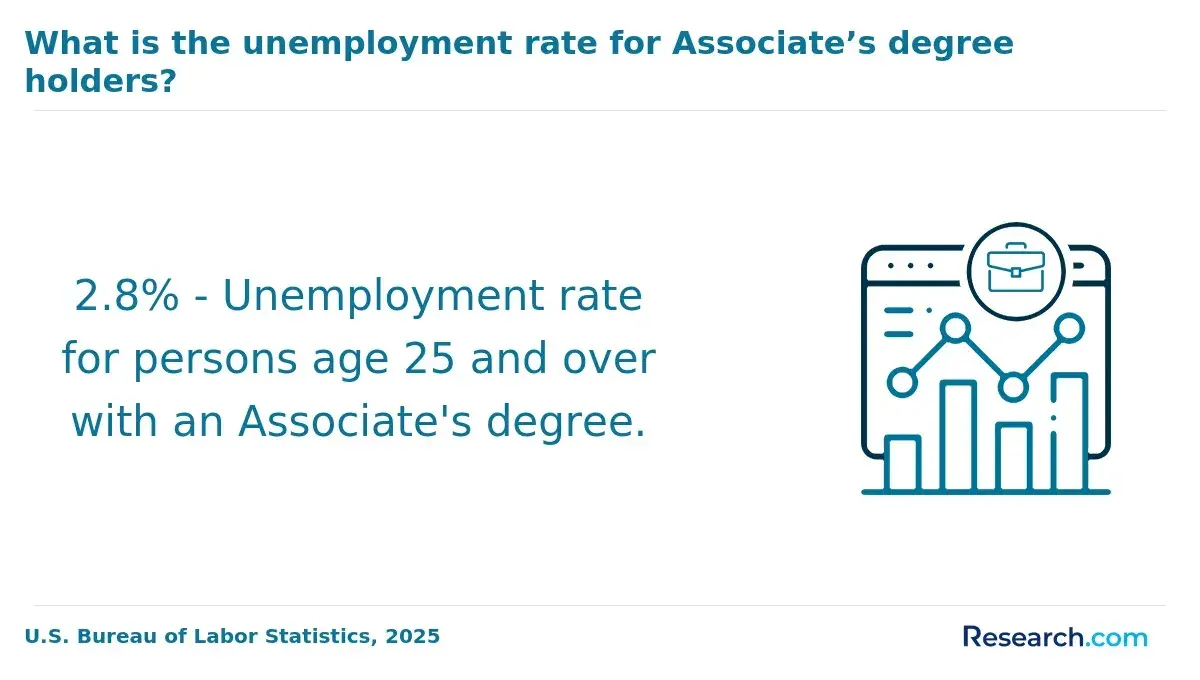
You can tell whether credits will actually apply by comparing your previous coursework with the receiving school's degree requirements. The goal is to find out which requirements are already complete, which courses transfer only as electives, and which upper-division or major courses you still must take.
Use the following process before you choose a program, especially if you are deciding between schools with different maximum transfer-credit limits:
- Request an unofficial pre-evaluation early, then ask when an official transfer evaluation becomes available.
- Send transcripts from every college you attended, even if the credits appear on another institution's transcript.
- Ask for a degree audit that separates general education, major core, major electives, free electives, upper-division credits, and residency credits.
- Confirm whether repeated courses, developmental courses, pass/fail courses, quarter credits, or technical credits are treated differently.
- Ask which remaining courses are offered online and how often they run, because a missing course that is offered once per year can delay graduation.
- Get the final transfer decision and remaining-course plan in writing before enrolling or paying a deposit.
Common red flags include vague statements such as "most credits transfer," refusal to provide a course-by-course review, or an estimate that counts every prior credit as useful without showing how it fits the community health curriculum. A precise evaluation is more valuable than a generous marketing claim.
What Types of Previous College Credits Can Transfer Into an Online Community Health Degree?
Community health transfer students often bring credits from community colleges, previous four-year institutions, allied health programs, human services coursework, or unfinished majors. The receiving school decides whether each course is college-level, appropriately accredited, relevant to the degree, and equivalent to a requirement.
The table below shows common credit sources and how they usually fit into an online Community Health degree. The key question is not whether the credit exists, but whether it fills a requirement you still need.
| Previous credit source | How it may apply | What to watch |
| Associate degree from a community college | Often satisfies many lower-division general education requirements | Major prerequisites may still be missing if the associate degree was not health-related |
| Public health, psychology, sociology, biology, or statistics courses | May apply to prerequisites, major support courses, or social science requirements | Course level and content must match the receiving school's requirements |
| Allied health, nursing, EMS, medical assisting, or human services courses | May apply as electives or applied health credits | Some technical credits may not satisfy upper-division Community Health major courses |
| Health care administration or health information courses | May support electives in health systems, policy, data, compliance, or management | Programs may separate community health practice from health administration coursework |
| Credits from multiple colleges | Can be combined if they are accepted by the receiving institution | Duplicate courses and mismatched general education categories can reduce usefulness |
If your previous coursework is more focused on records, coding, privacy, analytics, or health data than community prevention, you may also want to compare a HIM degree online with community health before deciding which major uses more of your existing credits.
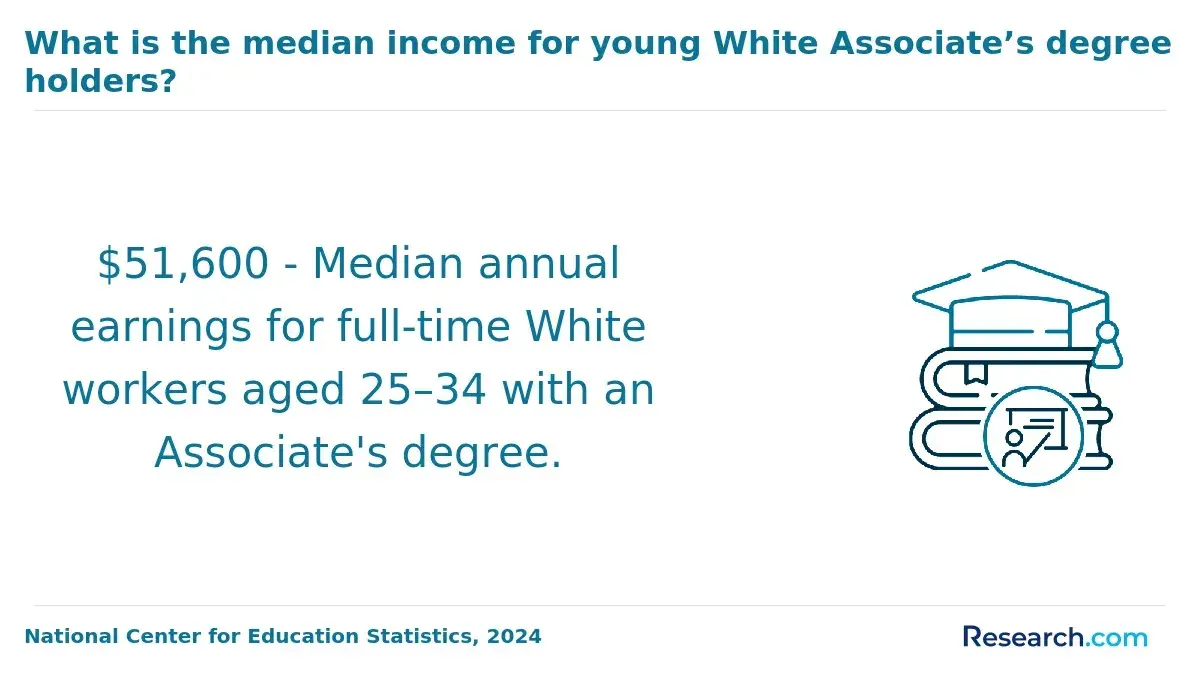
Most schools require transfer courses to come from accredited institutions and may require a minimum grade, often a C or higher, for courses used in the major. However, grade rules vary, and some programs are stricter for science, statistics, writing, or core health courses.
How Do Residency and Upper-Division Requirements Affect Community Health Transfer Students?
Residency requirements determine how many credits you must complete at the school awarding the degree. Upper-division requirements determine how many advanced junior- or senior-level credits you must complete. Together, these rules often explain why a student with 90 transferable credits may still need a full year of coursework.
The table below explains the transfer policies that most often affect Community Health degree-completion students. These rules matter because they can limit how much time and tuition your transfer credits actually save.
| Requirement | What it means | How it affects transfer students |
| Residency requirement | Minimum credits that must be completed through the graduating university | A school may accept 90 credits but still require about 30 credits taken in residence |
| Upper-division requirement | Minimum credits at the 300- or 400-level | Lower-division community college credits may not satisfy advanced community health courses |
| Major core requirement | Required courses in community health, public health, health education, epidemiology, or program planning | Prior electives may transfer but not replace required major courses |
| Capstone or internship requirement | Culminating project, practicum, fieldwork, or applied experience | Usually must be completed through the degree-granting school, even for high-credit transfers |
| Minimum institutional GPA | Required GPA in courses taken at the new school | Transfer grades may not count toward the new GPA, so remaining courses carry extra weight |
For example, a student transferring 90 credits into a 120-credit program may still need 30 credits at the new university because of residency rules. If those 30 credits are all upper-division community health courses, the program may be efficient; if prerequisites are missing, the student may need more than 30 credits.
How Does the Transfer Credit Evaluation Process Work for an Online Community Health Degree?
The transfer credit evaluation process is the formal review that turns old coursework into a new degree plan. It usually starts with admissions but often involves the registrar, academic departments, transfer specialists, and program faculty.
A complete evaluation should give you more than a total number of accepted credits. It should show what each course equals, which degree requirement it satisfies, and which requirements remain before graduation.
- Gather official transcripts from every college, including institutions where you withdrew, earned only a few credits, or completed dual-enrollment coursework.
- Collect syllabi for courses that may not transfer cleanly, especially public health, health education, statistics, biology, research methods, or technical health courses.
- Ask whether the school uses course equivalencies, block transfer, articulation agreements, or faculty review for major courses.
- Review the degree audit line by line and identify credits listed as electives, because those may not shorten your program if elective space is already full.
- Appeal missing or mismatched courses when you have documentation showing similar learning outcomes, contact hours, textbooks, assignments, or lab work.
- Confirm the final remaining-course schedule, including whether all required courses are available online within your planned enrollment terms.
The biggest mistake is enrolling based on an admissions estimate rather than a completed academic evaluation. Admissions staff may understand transfer limits, but the registrar and academic department usually make the binding decision about equivalencies and major applicability.
How Long Does It Take to Finish an Online Community Health Degree With 60, 75, or 90 Transfer Credits?
Completion time depends on how many credits remain, whether prerequisites are missing, how many courses you can take per term, and how often required classes are offered. A student with 90 applied credits may finish quickly, but only if the remaining 30 credits are available online in a sequence that fits their schedule.
The table below estimates timelines for a 120-credit degree after 60, 75, or 90 credits are applied. These are planning estimates based on common full-time and part-time course loads, not guaranteed completion dates.
| Applied transfer credits | Credits remaining | Possible full-time pace | Possible part-time pace | What could extend the timeline? |
| 60 credits | 60 credits | About 2 academic years at 30 credits per year | About 3 to 4 years depending on course load | Missing prerequisites, internship timing, or limited course rotations |
| 75 credits | 45 credits | About 1.5 academic years at 30 credits per year | About 2 to 3 years depending on course load | Upper-division sequencing or required courses not offered every term |
| 90 credits | 30 credits | About 1 academic year at 30 credits per year | About 18 months to 2 years depending on course load | Residency rules, capstone scheduling, or major courses that must be taken in order |
Students who are already licensed nurses or who plan to move into advanced clinical leadership should also compare whether a community health bachelor's completion program is the right step or whether a nursing pathway such as the shortest DNP program online makes sense later in their education plan.
To estimate your own timeline, ask the school for a term-by-term plan rather than a simple credit total. A 30-credit remaining plan can take longer than expected if one required course is a prerequisite for several others or if a practicum must be arranged in a specific term.
How Much Can Transfer Credits Reduce the Cost of an Online Community Health Degree?
Transfer credits can reduce the cost of an online community health degree because you pay for fewer remaining credits at the new institution. The amount saved depends on the school's per-credit tuition, fees, whether transferred credits replace expensive upper-division courses, and whether the remaining courses qualify for financial aid.
College Board's 2024 Trends in College Pricing reported average published in-state tuition and fees of $11,610 at public four-year institutions for the 2024-25 academic year. For transfer students, that figure highlights why each avoided year of coursework can matter, although online program prices vary widely by institution, residency status, and fee structure.
The table below uses illustrative per-credit tuition scenarios to show why applied credits, not merely accepted credits, drive potential savings. Replace these examples with each school's actual tuition and fees when comparing programs.
| Transfer scenario in a 120-credit degree | Remaining credits if fully applied | Estimated remaining tuition at $350 per credit | Estimated remaining tuition at $500 per credit |
| 60 applied transfer credits | 60 credits | $21,000 | $30,000 |
| 75 applied transfer credits | 45 credits | $15,750 | $22,500 |
| 90 applied transfer credits | 30 credits | $10,500 | $15,000 |
If your prior credits are heavily nursing-related, compare the Community Health option with cheap nursing programs before enrolling, because the lowest-cost path is the one that applies the most relevant credits toward the credential you actually need.
Do not compare schools by tuition rate alone. A program charging less per credit may cost more overall if it applies fewer transfer credits, requires extra prerequisites, or adds fees for online courses, technology, graduation, labs, proctoring, or field placement.
Can Prior Learning, Military Training, Exams, or Certifications Count Toward an Online Community Health Degree?
Many online degree-completion programs consider credit beyond traditional college coursework, but policies vary widely. Prior learning can include standardized exams, military training, professional certifications, workplace learning portfolios, and ACE-reviewed training, depending on the school.
Before assuming alternative credits will count, ask how the university evaluates each source and whether those credits can apply to the Community Health major or only to electives.
- Exam credit: CLEP, DSST, Advanced Placement, International Baccalaureate, or similar exams may satisfy general education or elective requirements if scores meet school policy.
- Military credit: Joint Services Transcript or Community College of the Air Force coursework may apply when training matches college-level learning outcomes.
- Professional certifications: Health care, emergency response, health education, fitness, human services, or administrative credentials may be reviewed for elective or applied credit.
- Portfolio assessment: Some schools allow students to document college-level learning through work samples, training records, reflective essays, and supervisor verification.
- ACE-reviewed training: Employer, union, military, or industry training recommended for college credit may be considered if the institution accepts that recommendation.
Students who already hold graduate nursing credentials should be especially careful not to mix undergraduate transfer rules with advanced-practice credential rules. For example, a post masters FNP certification follows different admission, clinical, and licensure expectations than an undergraduate community health bachelor's degree.
The practical question is whether prior learning reduces remaining requirements. Alternative credit can be valuable, but it may not replace required upper-division courses such as community assessment, program evaluation, health communication, epidemiology, policy, or capstone work.
Do Older College Credits Expire When Transferring Into an Online Community Health Degree?
Older college credits do not automatically expire, but some programs treat them differently depending on subject area. General education courses such as English composition, humanities, history, or introductory social science are often more durable than science, statistics, technology, or health policy courses, which may be reviewed for currency.
The table below shows how older credits are commonly handled. Always verify the receiving school's written policy, because age limits can vary by institution, department, and course type.
| Older credit type | Likelihood of transfer | Why the school may review it closely |
| English, humanities, communication, or social science | Often transferable if from an accredited institution and completed with an acceptable grade | Content is less likely to become outdated quickly |
| Biology, anatomy, statistics, or research methods | May transfer, but some programs require recent coursework | Programs may want current scientific, quantitative, or research preparation |
| Technology, health informatics, or data courses | Often reviewed for currency | Software, privacy rules, analytics tools, and workflows change over time |
| Public health, health policy, or community health courses | May require faculty review | Public health practice, policy, ethics, and population health priorities evolve |
| Clinical or technical health courses | Depends heavily on accreditation, licensure relevance, and course content | Programs may not treat technical training as equivalent to upper-division academic coursework |
If your credits are more than a decade old, do not assume they are unusable. Instead, ask whether the school can apply them to electives, accept them through block transfer, or allow you to refresh missing competencies through a lower-cost course, exam, or portfolio review.
Avoid enrolling before resolving old-credit questions. The difference between "accepted as elective credit" and "applied to the major" can determine whether you need one year, two years, or more to finish.
Other Things You Should Know About Community Health
Yes, it may still help. A different associate degree can often satisfy general education or elective requirements, but you may still need Community Health prerequisites and upper-division major courses.
Not always. Community health often focuses on health education, prevention, outreach, and local population needs, while public health may place more emphasis on epidemiology, policy, systems, and research. Course titles can overlap, so compare the curriculum rather than relying only on the degree name.
Many universities do not list the delivery format on the diploma, but policies vary. Ask the registrar how the degree, major, campus, and transcript notation appear before enrolling.
Often, yes, if the student meets federal aid rules and enrolls in an eligible degree program. However, aid can be affected by enrollment level, satisfactory academic progress, lifetime limits, and whether remaining courses count toward the declared degree.
References
- 20 Best Online Bachelor's in Public Health - MPH Online https://www.mphonline.org/best-online-bachelors-in-public-health/
- Health and Human Services: Campus & Online Degrees and Careers https://www.publichealthonline.org/human-services/online-degree-programs/
- Online Bachelor’s Degree in Community Health and Wellness https://www.monroeu.edu/academics/undergraduate-programs/school-allied-health-professions/online-bachelors-degree-community