2027 Online Clinical Mental Health Counseling Master's Programs for Utah Residents: Costs and Practicum Options

Co-Founder and Chief Data Scientist
For a Utah resident, an online clinical mental health counseling master's degree is only workable if the school can enroll you, approve clinical training near you, and prepare you for Utah's counseling licensure pathway. Online coursework does not settle any of those questions.
This guide separates Utah-based study from out-of-state online options and shows how to compare total costs, placement responsibilities, and required attendance before committing to a program.
Key Things You Should Know
- Confirm Utah enrollment authorization directly with each program; permission to take online classes does not establish permission to complete a Utah practicum or eligibility for Utah licensure.
- Under CACREP's 2024 standards, accredited counseling programs include at least 100 practicum hours and 600 internship hours. Ask where and under whose supervision you can complete them in Utah.
- Compare an itemized, Utah-specific total-cost estimate - not a tuition rate alone - and obtain written answers about placement support, travel, and licensure alignment before paying a deposit.
Which Online Clinical Mental Health Counseling Master's Programs Accept Clinical Mental Health Counseling Residents?
For this article, "residents" means people living in Utah. An out-of-state university can offer online coursework to Utah students without having a campus in Utah. Its ability to enroll a Utah resident, however, must be confirmed for the specific counseling degree and start term; a university-wide online admissions statement is not enough.
Walden University and Liberty University are examples of out-of-state institutions offering online clinical mental health counseling master's study. They are inquiry candidates, not confirmed Utah-eligible recommendations: this comparison does not establish their current Utah enrollment authorization, approval of Utah clinical sites, tuition for a particular cohort, or suitability for Utah licensure. Likewise, a Utah institution's campus-based counseling degree should not be described as online unless that degree's delivery format is confirmed.
Ask each admissions office to confirm in writing whether it accepts students physically residing in Utah for your intended term. Then ask the program's clinical training office separately whether it can approve a practicum and internship in your Utah community. If either answer is conditional or unavailable, keep the program off your final shortlist.
Which Online Clinical Mental Health Counseling Master's Programs Meet Clinical Mental Health Counseling Licensure and CACREP Accreditation Requirements?
No program named here is established as meeting every Utah licensure requirement. Utah's Division of Professional Licensing (DOPL) administers the state's clinical mental health counseling credentials. A prospective student should compare the degree's coursework and supervised training with DOPL's requirements for the intended credential, then ask the school for a written Utah licensure disclosure. Admission, graduation, and licensure are separate decisions.
CACREP - the Council for Accreditation of Counseling and Related Educational Programs - accredits counseling programs, not every degree offered by a university. Check that the exact clinical mental health counseling program is accredited for your enrollment period; institutional accreditation or accreditation of a different counseling specialty is not a substitute. Also ask whether the school has assessed its curriculum against Utah requirements and whether any coursework or clinical hours would remain after graduation.
State rules can affect applicants differently depending on their education and later supervised experience. For context on why a degree's acceptance elsewhere is not a Utah determination, see counseling licensure variations by state. Obtain current requirements from Utah DOPL rather than relying solely on a school's general statement that its program "prepares students for licensure."
How Much Do Online Clinical Mental Health Counseling Master's Programs Cost for Clinical Mental Health Counseling Residents?
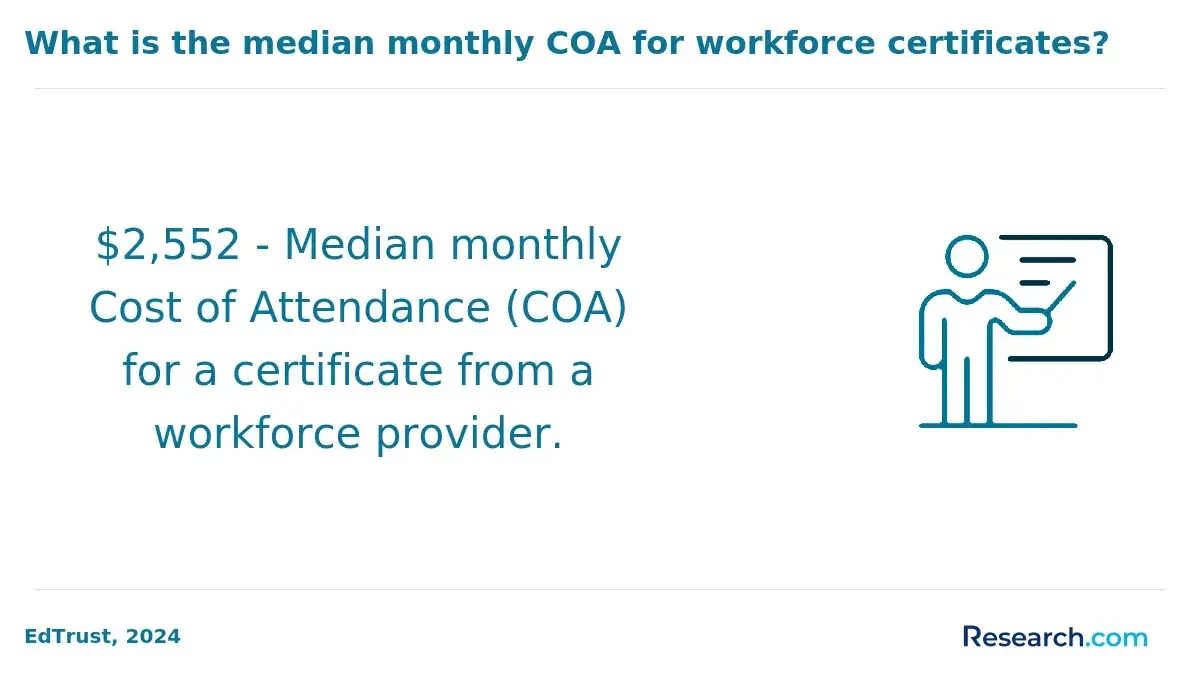
There is no defensible single price for Utah residents across online counseling programs. Published tuition may be charged per semester credit, quarter credit, or term; required credits and enrollment pace change the total. An out-of-state online school may charge one online rate or different rates by residence, while a Utah-based school may apply its own resident-tuition policy. Neither an advertised per-credit price nor an institution's location establishes your final bill.
Request a written estimate for your intended 2026-27 start term covering the complete degree. These components belong in the comparison because clinical training can add costs beyond online coursework:
- Tuition for all required credits, mandatory university and online-course fees, and any expected tuition increases during enrollment.
- Clinical-course or placement fees, background checks, liability insurance, and any costs associated with securing supervision.
- Required campus travel and lodging, plus transportation and reduced work hours during local practicum and internship.
Compare like with like: a lower tuition quote may cease to be the lower-cost option if it requires travel or leaves substantial placement expenses to the student. For a broader framework, see understanding affordability comparisons for accredited counseling programs; request current, individual estimates before treating any published price as your Utah cost.
What Financial Aid and Scholarships Can Clinical Mental Health Counseling Residents Use for an Online Counseling Master's Degree?
Utah residents enrolled in an eligible graduate program may be able to use federal student aid after completing the FAFSA, subject to federal rules, the school's participation, and individual eligibility. Ask the financial aid office whether your intended online program and enrollment pace qualify. Institutional scholarships, graduate assistantships, employer tuition benefits, and professional-association awards may also be available, but eligibility and amounts vary.
Do not assume a Utah-administered award applies to an out-of-state online institution, or that a school's advertised scholarship applies to graduate counseling students. Ask for the award's residency, school, program, enrollment, and renewal conditions. Compare your net cost after confirmed grants or scholarships with the amount you would need to borrow; projected counseling employment is not a guarantee that borrowing will be affordable.
What Practicum and Internship Requirements Apply to Clinical Mental Health Counseling Students in Clinical Mental Health Counseling?
Online counseling students generally take academic classes remotely but complete supervised work with clients in approved clinical settings. Under CACREP's 2024 standards, counseling programs require at least 100 clock hours of practicum and 600 clock hours of internship. Those are accreditation-based program minimums, not a promise that any particular Utah site qualifies or a complete statement of Utah's post-degree licensure requirements.
For a student remaining in Utah, an approved community mental health organization, healthcare setting, or counseling practice may be a potential site if it offers the required client experience and qualified supervision. Approval depends on the school's site and supervisor criteria; a current employer does not automatically qualify. Ask the clinical coordinator how direct client contact, supervision, documentation, and any telehealth activities are evaluated. Do not assume remote supervision or remote client sessions can replace required in-person activities.
Utah DOPL's requirements for professional licensure must be checked separately from the degree's practicum and internship rules. In particular, confirm how supervised experience needed after graduation differs from clinical hours completed as a student.
Which Online Counseling Programs Help Clinical Mental Health Counseling Students Find Local Practicum and Internship Placements?
Placement help cannot be inferred from an "online" label. A program may introduce sites and guide approvals while expecting students to obtain interviews; another may expect students to identify prospective sites before the school reviews them. Neither model proves that an opening or qualified supervisor exists near a particular Utah student. The degree-specific placement commitments of the out-of-state inquiry candidates named above have not been established here.
Before choosing a school, ask its clinical placement office for a written description of its Utah process. The distinction matters most if you live far from multiple prospective sites or cannot change work hours quickly:
- Ask whether the university identifies Utah sites, provides leads, or requires you to find and approach sites yourself.
- Ask when site outreach begins, who checks supervisor qualifications, and who signs the placement agreement.
- Ask what happens if your preferred site is unavailable or rejected, and whether the delay changes your graduation date or tuition bill.
A school's willingness to review a Utah site is useful, but it is not the same as arranging a placement. Seek a realistic plan for both practicum and internship before your first clinical course.
What Residencies, Campus Visits, and In-Person Requirements Should Clinical Mental Health Counseling Residents Expect?
"Online" can describe coursework without describing the entire degree. Depending on the program, students may need to attend skills training, intensive sessions, orientations, or other activities in person. Practicum and internship also involve real clinical schedules, even when lectures are asynchronous.
Ask for the attendance calendar for your cohort, including the location, frequency, duration, and approximate scheduling notice for every required visit. An out-of-state school's campus obligation can mean flights and lodging for a Utah resident; a Utah-based hybrid program may trade more frequent travel for easier access to campus activities. Neither arrangement is inherently better - compare it with your work schedule, location, and complete cost estimate.
How Long Do Online Clinical Mental Health Counseling Master's Programs Take for Clinical Mental Health Counseling Students?
Completion time depends on the school's course sequence, required credits, enrollment pace, and availability of approved clinical placements. A fast academic schedule cannot eliminate required practicum and internship hours. Part-time study may better accommodate paid work, but it can extend the period over which tuition changes and clinical scheduling must be managed.
Request a term-by-term plan showing when a Utah student would begin site applications, practicum, and internship. Ask whether courses can be taken while awaiting site approval and what happens if a clinical term must be postponed. A guide to accelerated online clinical mental health counseling master's programs can help frame timeline comparisons, but the relevant finish date is the one the school can support under your enrollment pace and placement circumstances.
What Admission Requirements Must Clinical Mental Health Counseling Residents Meet for Online Clinical Mental Health Counseling Master's Programs?
Programs typically review an applicant's bachelor's degree and academic record, but prerequisites and selection steps are school-specific. A program may also request recommendations, a statement of purpose, an interview, or evidence of readiness for supervised clinical work. Utah residence alone neither meets these criteria nor establishes that the school can enroll you.
Check the current admissions page for your intended term and ask whether missing prerequisites can be completed before entry or during the degree. If you intend to use a current workplace for clinical training, discuss that separately with the clinical coordinator rather than treating employment as an admissions advantage or automatic site approval. For a fuller review of possible application components, see admissions criteria for clinical counseling programs explained.
How Should Clinical Mental Health Counseling Residents Compare Online Clinical Mental Health Counseling Master's Programs Before Enrolling?
The strongest fit is the program that can document a workable path from Utah-based enrollment through clinical training to your intended Utah credential, at a cost and pace you can manage. A low tuition rate is less useful if site approval is uncertain; extensive placement guidance may be worth considering if finding qualified supervision near home is your main constraint.
Use the same decision sequence for every school you shortlist:
- Get written confirmation of Utah enrollment eligibility for the exact degree and start term.
- Verify program-specific CACREP status and request the school's Utah licensure disclosure; compare it with current Utah DOPL requirements.
- Obtain the full clinical handbook and written answers about Utah sites, supervisor approval, placement responsibilities, and required campus visits.
- Compare itemized total costs and realistic graduation schedules after accounting for aid, travel, and potential placement delays.
The degree can support a path toward clinical mental health counseling work, which involves assessment, treatment planning, counseling, and coordination of care within the practitioner's authorized scope. It does not itself confer a license or guarantee employment. For broader career context, see industry demand for mental health counselors explained; use Utah-specific job and pay information separately when evaluating your likely return on investment.
Other Things You Should Know About Clinical Mental Health Counseling
Possibly. Confirm that the school accepts Utah residents into the specific degree for your start term. Then confirm Utah clinical-site approval and licensure alignment separately; enrollment permission settles neither question.
Only if the program approves the site, duties, supervision, and required clinical experiences. Ask the clinical coordinator before relying on your employer as a placement.
No. Verify accreditation for the exact program and compare its education and clinical training with current Utah DOPL requirements. Graduation may be followed by additional supervised experience and other licensing steps.
Not necessarily. Even if classes are online, a program may require campus activities, and supervised clinical work has site-specific obligations. Request the cohort attendance calendar and clinical handbook before enrolling.
References
- FAFSA® Application Deadlines | studentaid.gov https://studentaid.gov/apply-for-aid/fafsa/fafsa-deadlines
- School-Determined Requirements | 2025-2026 Federal Student Aid Handbook https://fsapartners.ed.gov/knowledge-center/fsa-handbook/2025-2026/vol1/ch1-school-determined-requirements
- Clinical Mental Health Counselor - commerce.utah.gov https://commerce.utah.gov/dopl/clinical-mental-health-counseling/apply-for-a-license/clinical-mental-health-counselor/
- Practicum / Internship Information | USU https://cehs.usu.edu/sperc/rehab-counseling/current-students/practicum-internship-info
- Clinical Mental Health Counseling M. Ed. Program | The University of Utah https://ed-psych.utah.edu/programs-and-degrees/clinical-mental-health-counseling/
- Tuition and Aid | USU Online https://www.usu.edu/online/cost
- Master of Science in Clinical Mental Health Counseling Program | westminsteru.edu https://westminsteru.edu/academics/programs/master-of-science-in-clinical-mental-health-counseling/index.html
- Utah Counseling License | ACMHC & CMHC Requirements | Public Health - https://www.publichealthonline.org/mental-health/utah-counseling-license/
- For Students | CACREP https://www.cacrep.org/for-students/
- How to Become a Clinical Counselor (LCMHC) in Utah | Online Counseling Programs https://onlinecounselingprograms.com/become-a-counselor/counseling-licensure/how-to-become-a-counselor-in-utah/