2027 Online BS in Business Administration Admissions with A Reentry Education Background: What to Check
Audited and Verified:
Our Editorial and Data Verification Process
Research.com uses government datasets, official education statistics and primary institutional information to support its career and degree guides. Our review process checks factual accuracy, occupational definitions, source dates and the requirements associated with the credentials discussed.
How This Article Was Fact-Checked
Our editorial team verifies salary estimates, employment projections, education requirements and program information against original data providers and official organizations. Salary figures are checked against the relevant occupational definitions and reporting periods. Information about licensure, accreditation and required in-person training is reviewed separately.
Fact-checked and verified on:

Co-Founder and Chief Data Scientist
Coursework completed during incarceration may help you enter or finish an online BS in Business Administration - but only if a college accepts it and applies it to your degree. Returning to school can also involve questions about transcripts, academic standing, financial aid, and required workplace activities.
This guide is for people with a reentry education background, including those who studied in a correctional setting. It explains what to document, which policies to verify, and how to compare programs before committing time or money.
Key Things You Should Know
- Ask whether the institution and business major will admit you separately, and whether any conduct disclosure or placement screening applies.
- Request an official degree audit: credit awarded for prior study may count only as electives, not toward the business core or graduation requirements.
- Compare your remaining courses, aid eligibility, and total completion cost before choosing a start date; an advertised fast path is not an individual graduation plan.
What Is an Online BS in Business Administration for Reentry Students?
An online BS in Business Administration is an undergraduate degree covering several business functions, generally through online coursework. For a student with a reentry education background, it may provide a route from GED preparation, correctional education, prior college study, or post-release training toward a bachelor's degree. Reentry education is a background, not a separate type of business degree. The diploma and degree requirements are those of the admitting institution.
The distinction matters when evaluating previous learning. A course taken through a college in a prison education program may have an official college transcript; a completion certificate from another training provider may not award college credit. Neither should be dismissed - or assumed equivalent - without a review by the prospective school.
A broad business degree can fit someone exploring operations, administrative, or customer-facing work. If your goal is specifically supervising teams, compare the business curriculum with fast-track undergraduate organizational leadership study; the better choice depends on applicable credits and the responsibilities you want to develop, not the program's advertised speed.
What Admissions Requirements Apply to Reentry Students for an Online Business Degree?
Start by separating admission to the institution from admission to the business major. A school may accept an applicant while requiring additional coursework, a minimum college GPA, or a separate major application. Requirements differ for first-time students, transfer applicants, and former students seeking readmission.
Gather your high school diploma or GED documentation, official transcripts from every college attended - including a college that taught courses in a correctional facility - and records of any other training you want evaluated. Ask admissions how enrollment gaps, older grades, academic renewal, and prior academic standing are handled. If you previously attended the same institution, ask whether readmission, rather than a new application, is required.
Some applications ask about disciplinary or criminal history, while some academic placements or employers conduct separate screening. Read the actual questions and request a confidential explanation of any applicable policy; do not assume that a record either bars admission or will be irrelevant to every later opportunity. Comparing American fast-paced business bachelor's degrees is useful only after confirming that you qualify to enter the program and can take its required courses in the advertised sequence.
How Can Reentry Students Transfer Previous College Credits Into a Business Program?
Send official transcripts directly from each credit-awarding college to the prospective institution's transfer office. If a transcript is difficult to obtain, ask the issuing college or prison education program who maintains its records. Keep course descriptions or syllabi when available, particularly for accounting, economics, mathematics, and statistics courses that may need an equivalency review.
Accepted credit is not necessarily useful credit. A transfer office may award elective credit while the business department still requires its own accounting course or a particular quantitative prerequisite. Ask for a written degree audit that distinguishes general education, business core, concentration, elective, and in-residence requirements. For non-college training, ask whether the school offers a formal prior-learning assessment; work experience alone does not automatically earn credit.
When comparing degree paths, note that online undergraduate project management credit acceptance may differ from a general business program's rules. Have each institution evaluate the same records, then compare requirements remaining, not just credits accepted. If a course is placed only among electives, ask the business department about a substitution and the transfer office about its appeal process before enrolling.
Check the institution's current accreditation status and the accreditor's recognition through the U.S. Department of Education's accreditation resources or the accreditor itself. Confirm that the online degree is awarded by that institution. Institutional accreditation is a key check for academic recognition and federal aid eligibility, but accreditation alone does not establish that every student or program qualifies for a particular form of aid.
Business-specific accreditation is a separate question. AACSB, ACBSP, and IACBE have different accreditation scopes; check the relevant accreditor's directory and the school's listing to see whether the business unit or named program is covered. A school-wide accreditation statement does not prove that its business degree holds separate business accreditation.
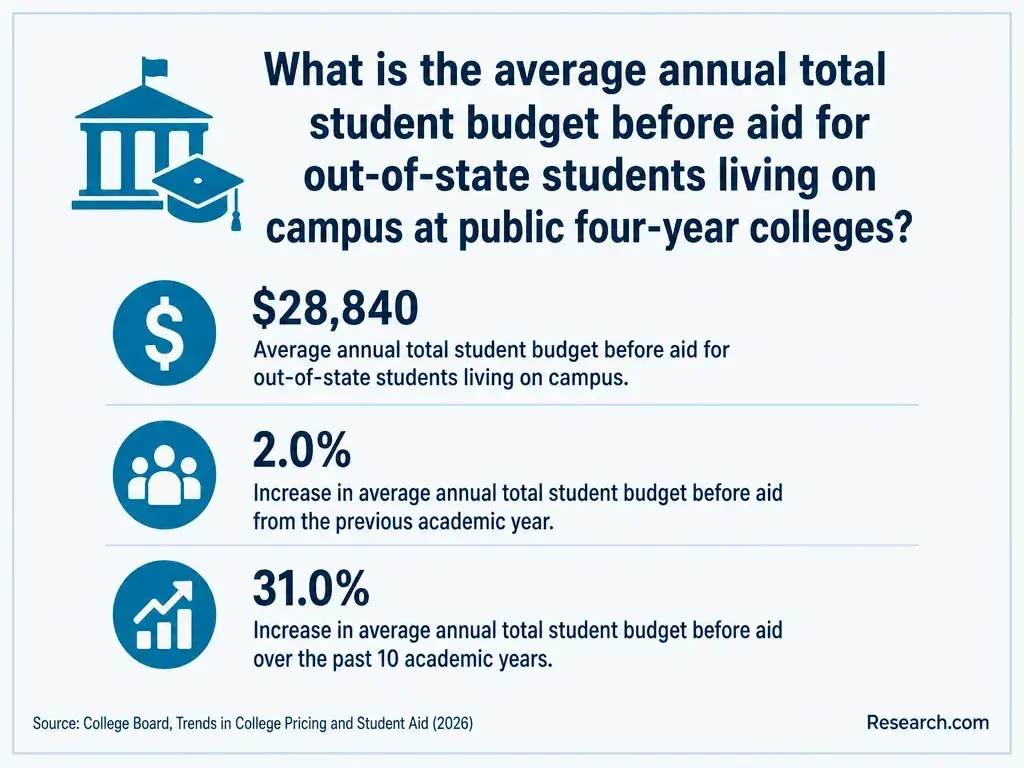
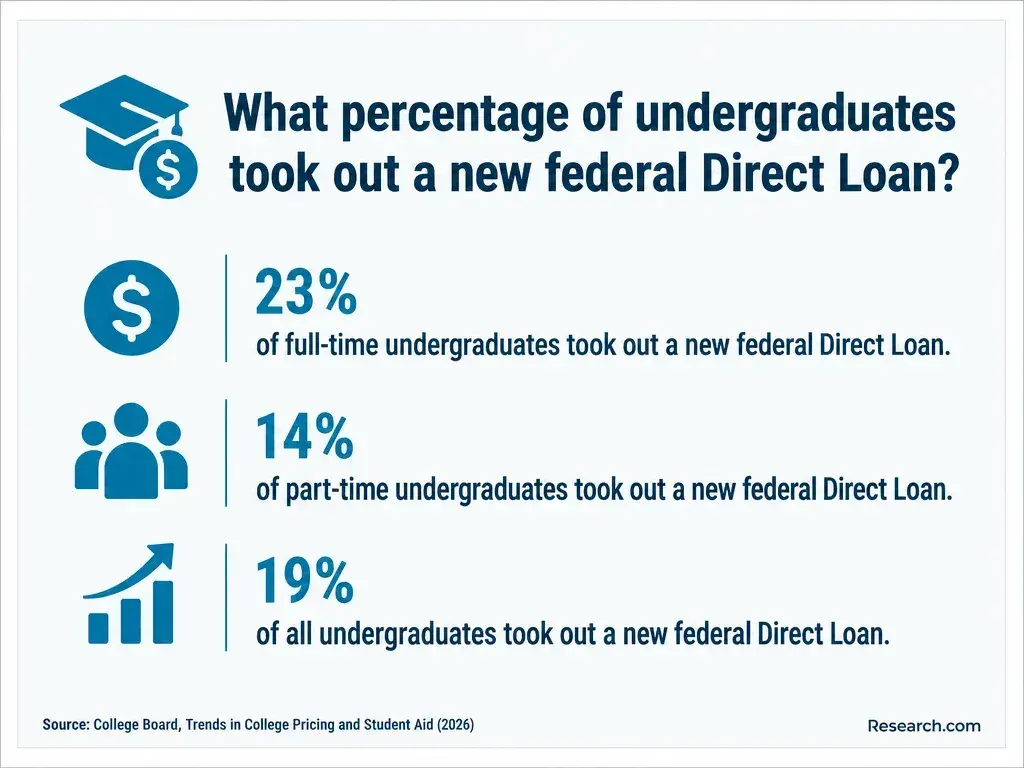
If aid will determine whether you can enroll, compare cheaper business administration study with FAFSA-based aid only after checking each institution's current aid participation and your individual eligibility with its financial-aid office. Accreditation, FAFSA access, and an affordable net cost are related checks, not interchangeable assurances.
A BS in Business Administration commonly combines general education with accounting, economics, finance, marketing, management, operations, quantitative reasoning, and business communication. Programs differ in prerequisites, course depth, and whether they require an internship, simulation, or capstone. Review the catalog for your enrollment term rather than assuming that a similarly named degree has the same requirements elsewhere.
For reentry students, course sequence can matter as much as course content. An older math course might transfer as an elective but fail to satisfy a statistics prerequisite; an unavailable prerequisite can delay several later courses. Ask an adviser which classes you can take first and whether required courses run during every term you expect to attend.
Choose electives or a formal concentration based on a job function you want to explore. For example, procurement or logistics interests may justify comparing the business core with fastest online supply chain bachelor's programs. An elective in supply chain management does not, by itself, constitute a concentration or specialist qualification.
Online delivery can reduce travel, but it does not necessarily mean self-paced study. Confirm live-session attendance, exam proctoring, group meeting times, presentation requirements, deadlines, and any campus visits. Ask whether required courses - not just introductory courses - are available online at the pace you can sustain.
Campus programs may make in-person advising, peer interaction, and local recruiting easier to access; online programs may better accommodate work, transportation, or caregiving constraints. Either format can include career services and applied assignments, but you should confirm how remote students actually use them. For someone balancing a job with school, degree options for working business administration students are a starting point for checking real scheduling obligations, not a substitute for the course schedule.
If you hope to use your workplace for a project, ask faculty what approval and supervision are required. Do not assume an existing job fulfills an internship or permits use of confidential employer data.
Your completion time depends on the official audit, course sequencing, enrollment pace, and whether required classes are offered when you need them. Compare programs using the same planned course load and ask for a term-by-term outline. A shorter advertised calendar does not mean fewer required courses or an easier workload.
For cost, obtain a school-specific estimate covering remaining tuition, mandatory fees, books, software, proctoring, and any travel. Ask the financial-aid office how your enrollment level, academic standing, and prior attempted credits affect aid, including satisfactory academic progress. If you have an unpaid balance at a former college, ask that college what options exist for obtaining the records needed for evaluation.
Use lower-tuition online business administration programs to identify candidates, then calculate cost from your remaining requirements. A lower price per credit can still produce a higher completion bill if fewer prior courses satisfy the degree.
A business bachelor's can support applications for roles in operations coordination, administrative services, sales support, marketing coordination, procurement, or human resources. Entry routes depend on prior work, demonstrated skills, the employer, and local openings. A degree does not automatically qualify a new graduate to manage staff or budgets.
Translate both coursework and previous experience into evidence for a target role: a spreadsheet-based budget exercise for an administrative position, documented scheduling responsibility for operations, or customer communication experience for sales support. Describe work accurately without disclosing restricted employer information. If human resources is your specific goal, compare the business curriculum and remaining credits with human resources bachelor's credit transfer options; a specialized degree may offer more relevant coursework but may also leave more credits to complete.
Ask career services whether it supports online students with resumes, interviews, and employer connections, and whether placements associated with your target role have separate screening requirements.
There is no single salary or growth rate for business administration graduates: labor statistics track occupations, not everyone holding a particular degree. As one relevant example, the U.S. Bureau of Labor Statistics reports a $75,940 median annual wage for human resources specialists in May 2025. That is an occupation-wide median, not an expected starting salary for a new graduate. Experience, location, employer, and the actual job requirements matter.
Use occupation data only after identifying a realistic target role and checking local job postings. Then compare prospective earnings with remaining education costs and any income you would give up while studying. A business administration degree affordability duration and value guide can help frame that comparison, but no program's price or completion speed establishes your future pay.
Which Certifications and Professional Standards Support Business Administration Careers?
A business degree and an occupational credential serve different purposes. Depending on your target job, an employer may value training or certification in human resources, project management, accounting software, or another specific practice. Certifying bodies set their own eligibility, exam, experience, and renewal rules; completing a business course does not automatically meet them.
If project coordination is your goal, compare the coursework and cost of budget-friendly online project management programs with a general business degree, then check the requirements of any certification you intend to pursue separately. For accounting or regulated financial work, verify applicable licensing rules rather than treating the business degree as authorization to practice.
Across business roles, reliable financial reporting, appropriate handling of customer or employee information, and honest descriptions of your qualifications matter more than collecting unrelated certificates. Choose additional training after you know which skills your target role requires.
Other Things You Should Know About Business Administration
Follow the application's instructions. If an essay or adviser asks about the gap, briefly explain your academic readiness now and the support or study plan you have in place; you need not volunteer unrelated personal details.
Some schools allow provisional enrollment, but deadlines and course restrictions vary. Get the policy in writing and confirm when official records must arrive to preserve your enrollment or aid.
Diploma wording is institution-specific. Ask the registrar for a sample diploma description if the distinction matters to you.
Ask about leave, withdrawal, readmission, and refund policies before your first term. A pause can affect course sequencing and financial aid, so contact both your adviser and aid office before stopping attendance.
- School-Determined Requirements | 2024-2025 Federal Student Aid Handbook https://fsapartners.ed.gov/knowledge-center/fsa-handbook/2024-2025/vol1/ch1-school-determined-requirements
- Staying Eligible | Federal Student Aid https://studentaid.gov/understand-aid/eligibility/staying-eligible
- Undergraduate Admissions Requirements | Pacific Oaks College https://www.pacificoaks.edu/admissions/admissions-requirements/
- Admissions Policies and Procedures | University of South Carolina https://academicbulletins.sc.edu/undergraduate/policies-regulations/admissions-policies-procedures/
- Transfer Credit Policies and Procedures | Prince George's Community College https://www.pgcc.edu/hs/transfer-credit-policies-and-procedures/
- Transfer Rules | Portland State University https://www.pdx.edu/admissions/transfer-rules
- Transfer credit policies - Office of Admissions https://admit.washington.edu/apply/transfer/policies/
- Admissions Requirements - Undergraduate Online Programs | Bay Path University https://www.baypath.edu/admissions-aid/undergraduate-online-programs/admissions-requirements-undergraduate-online-programs/
- Admission Procedures - Washington University Bulletin - WashU https://bulletin.wustl.edu/undergrad/admissions/