
2027 Online BA in Psychology - Addictions After an AAS in Medical Assisting: Compare Transfer Credit and Remaining Coursework
Audited and Verified:
Our Editorial and Data Verification Process
Research.com uses government datasets, official education statistics and primary institutional information to support its career and degree guides. Our review process checks factual accuracy, occupational definitions, source dates and the requirements associated with the credentials discussed.
How This Article Was Fact-Checked
Our editorial team verifies salary estimates, employment projections, education requirements and program information against original data providers and official organizations. Salary figures are checked against the relevant occupational definitions and reporting periods. Information about licensure, accreditation and required in-person training is reviewed separately.
Fact-checked and verified on:

Co-Founder and Chief Data Scientist
A medical assisting AAS gives you healthcare experience, but it does not tell you how close you are to finishing an online psychology bachelor's degree. Applied clinical courses may transfer as electives while psychology, research, and general education requirements remain.
If you are considering an addictions focus, the useful comparison is not just how many credits a school accepts - it is which requirements those credits satisfy. This guide shows you how to compare degree audits, remaining coursework, schedules, and costs before choosing a program.
Key Things You Should Know
- Accepted AAS credits and credits that satisfy BA requirements are different measures; request a course-by-course degree audit before estimating completion time.
- Expect to check psychology prerequisites, statistics, research methods, general education, addictions electives, and in-residence requirements even if much of the AAS transfers.
- An addictions-focused psychology BA can support nonclinical work, but it does not by itself qualify you to diagnose, provide therapy, or practice as a licensed counselor.
How Does an Online Addictions Psychology Bachelor's Degree Follow a Medical Assisting AAS?
An Associate of Applied Science (AAS) in medical assisting is usually designed around employment preparation. A psychology BA is built around broader general education and the scientific study of behavior. Your patient communication, clinical workflow, and health terminology experience can provide useful context for studying substance use and recovery, but experience does not automatically replace psychology coursework.
First verify what the school actually awards. "Addictions psychology" might be a named concentration, a set of electives within a psychology BA, or a separate degree. That distinction affects which courses are required and what appears on your transcript. Compare psychology degrees available through online study by their published degree requirements, not the concentration label alone.
This route fits a medical assistant who wants broader behavioral-science preparation or a bachelor's credential for nonclinical support roles. If your only goal is a specific state addiction-support credential, check that credential's rules first; a full BA may not be the shortest route.
How Many Transfer Credits Can You Bring From a Medical Assisting AAS?
There is no reliable universal transfer total for a medical assisting AAS. The receiving university decides which courses it accepts, how they apply to the BA, and whether limits on transfer, lower-division, or residency credit affect graduation. An institution may admit you as a transfer student without applying every accepted course to a requirement.
The comparison below shows why a headline transfer-credit total can be misleading. These are categories to check on an official audit, not predictions about your AAS.
| AAS coursework | Possible BA treatment | What to verify |
| English, mathematics, or social science | General education or elective credit | Whether the course meets the university's specific requirement |
| Anatomy, medical terminology, or clinical procedures | Science requirement or free elective; some courses may not transfer | Transferability, credit level, and any elective-credit cap |
| Introductory psychology or statistics | Potential major or prerequisite credit | Departmental equivalency, content, grade, and recency rules |
| Practicum or externship | Possible elective credit or no credit | Whether experiential credit is accepted and whether it applies to this BA |
Send official transcripts from every college attended and keep course descriptions or syllabi for disputed classes. Ask the registrar or transfer-credit office for its evaluation, then ask psychology advising to confirm major equivalencies and remaining requirements. A guide to moving existing credits into psychology study can help you frame those questions, but the receiving institution has final authority.
What Coursework Remains After Transferring a Medical Assisting AAS?
Your remaining work is the difference between an approved degree audit and every graduation requirement - not simply the bachelor's credit minimum minus your accepted credits. Medical assisting courses may fill electives while leaving writing, quantitative reasoning, upper-division psychology, or research requirements open. Check whether a transferred statistics course counts for the psychology major rather than only general education.
Request an audit that identifies unmet requirements and courses that must be taken in sequence. It should show prerequisites, upper-division minimums, the school's in-residence requirement, and how often necessary online courses are offered. If a required course is unavailable for a term, completion may take longer even when relatively few credits remain.
Compare the requirements left to complete across schools, not just their accepted-credit totals. A program with fewer accepted clinical electives could still be the faster choice if it recognizes your writing and statistics courses. If you are comparing another specialization, such as three-year online forensic psychology degree options, obtain a separate audit: a different major or concentration can change which AAS credits are useful.
Check the university's institutional accreditation and confirm that it covers the institution awarding the online BA. Then check separately whether "addictions" is an officially approved concentration and what the school says graduates earn. Institutional accreditation matters for academic recognition and potential aid eligibility, but it does not mean a concentration satisfies a state's addiction-counselor requirements.
Do not look for APA accreditation as a general seal of approval for an undergraduate psychology BA; APA accreditation applies to specified professional psychology training programs, not ordinary BA majors. The distinction also matters if you later compare short-duration online forensic psychology graduate options: a nonclinical master's title does not establish professional licensure eligibility.
Before enrolling, confirm accreditation through the accreditor's current directory and ask the university to identify any program-specific recognition it claims. For a regulated addiction role, take the curriculum to the relevant state licensing or certification authority rather than relying on the school's concentration name.
Transfer admission commonly involves an application and official college transcripts, but the required GPA, minimum transferable credit, deadlines, and rules for entry into the psychology major are school-specific. An AAS in medical assisting does not, by itself, establish that you have completed the BA's psychology or mathematics prerequisites.
Before applying, ask admissions whether your AAS qualifies you for transfer admission and whether the psychology major has a separate declaration or admission process. Ask the department which introductory psychology or statistics classes must be completed before upper-division study. If counseling graduate study is a longer-term aim, use fast-track mental health counseling master's planning as a prompt to check prospective programs' actual prerequisites; do not assume every master's requires the same undergraduate major.
Keep copies of syllabi for courses you may seek to substitute. If an evaluation seems incomplete, ask about the school's written transfer-appeal process before registering for a repeat course.
Expect the psychology major to cover foundational theory, statistics, and research methods alongside upper-division topics such as development, social behavior, biological psychology, or psychopathology. An addictions focus may add study of substance use, prevention, recovery systems, and the social contexts of addiction. Exact courses and whether they form a formal concentration vary by school.
For a medical assisting graduate, statistics and research methods are especially important to inspect on the audit. Healthcare experience can help you understand service settings, but these courses teach you to evaluate evidence rather than infer that an intervention works from individual encounters. Where offered, a supervised nonclinical project or internship can help connect that learning to outreach or program support; confirm site approval, scheduling, and confidentiality rules first.
If graduate counseling is a possible next step, compare your prospective BA plan with the prerequisites and overall commitment described in clinical counseling master's time-to-degree and salary outlook. Undergraduate addictions coursework is useful preparation, not a substitute for a qualifying professional program.
Time to completion depends on the approved audit, your term-by-term course load, prerequisite order, and course availability. For illustration only, if a BA requires 120 credits and an evaluation applies 45 AAS credits toward that total, at least 75 credits remain. Required courses or residency rules could increase the coursework you must actually take. Neither figure predicts what a particular school will award you.
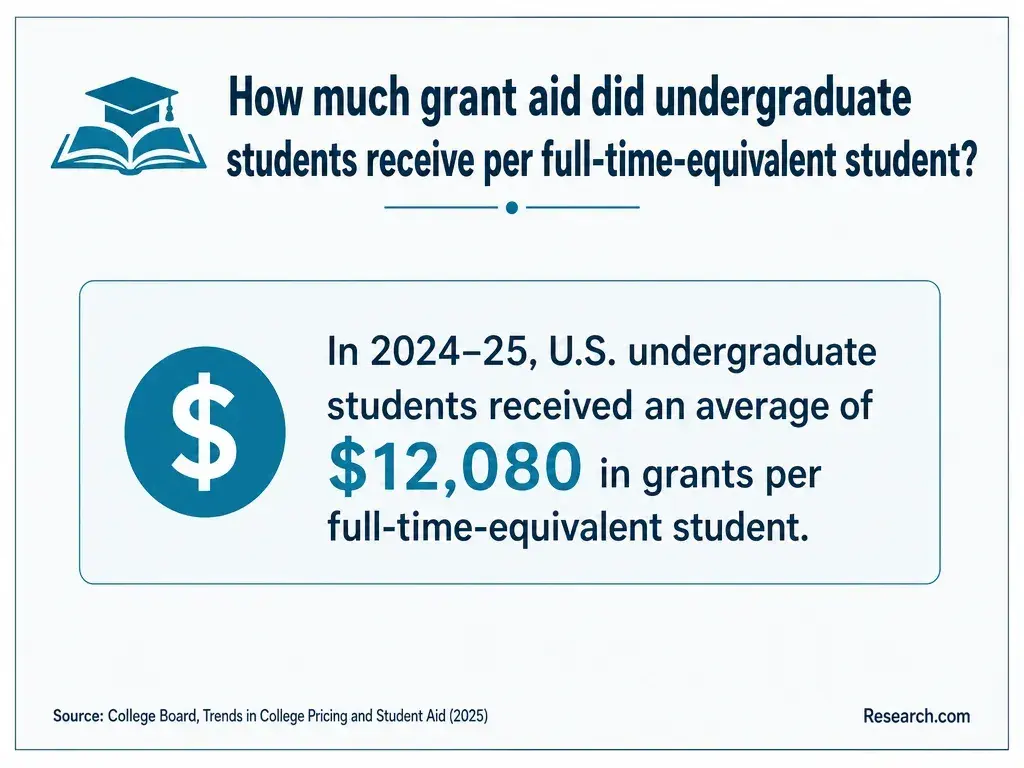
For cost, compare the price of the remaining plan, not the advertised price of a full degree or a single term. Multiply the school's applicable tuition rate by the credits you still need, then add required fees, books, technology, and any travel or placement costs. Compare that estimate with an online psychology tuition comparison guide, and confirm current charges directly with each school.
Ask financial aid how your remaining requirements, enrollment intensity, prior coursework, and satisfactory academic progress affect aid eligibility. If you work as a medical assistant, also compare feasible weekly study time and any verified employer education assistance. A lower per-credit rate may not save money if the program requires more credits or delays a required course.
Online delivery can make it easier to keep a medical assisting job, but it is not automatically asynchronous or self-paced. Check for live classes, group meetings, proctored exams, campus visits, and approved local placements. Campus study may be preferable if you want face-to-face research opportunities or if nearby course schedules work better than the online sequence.
Compare both formats using the same audit and a realistic weekly calendar. Ask whether a field experience is required, whether your workplace could be proposed as a site, and who must approve it; existing employment does not automatically satisfy an academic placement. Online coursework also should not be confused with remote professional training: accelerated clinical counseling degrees and study length involve separate graduate-level and supervised-practice considerations if that is your eventual goal.
Your combined healthcare experience and psychology education may be relevant to nonclinical work in behavioral-health outreach, intake, service navigation, research support, or recovery programs. Medical assisting experience can demonstrate patient communication and documentation skills; the BA can add research literacy and knowledge of behavior. Whether you qualify for a particular opening depends on its duties, employer requirements, and any state credential rules.
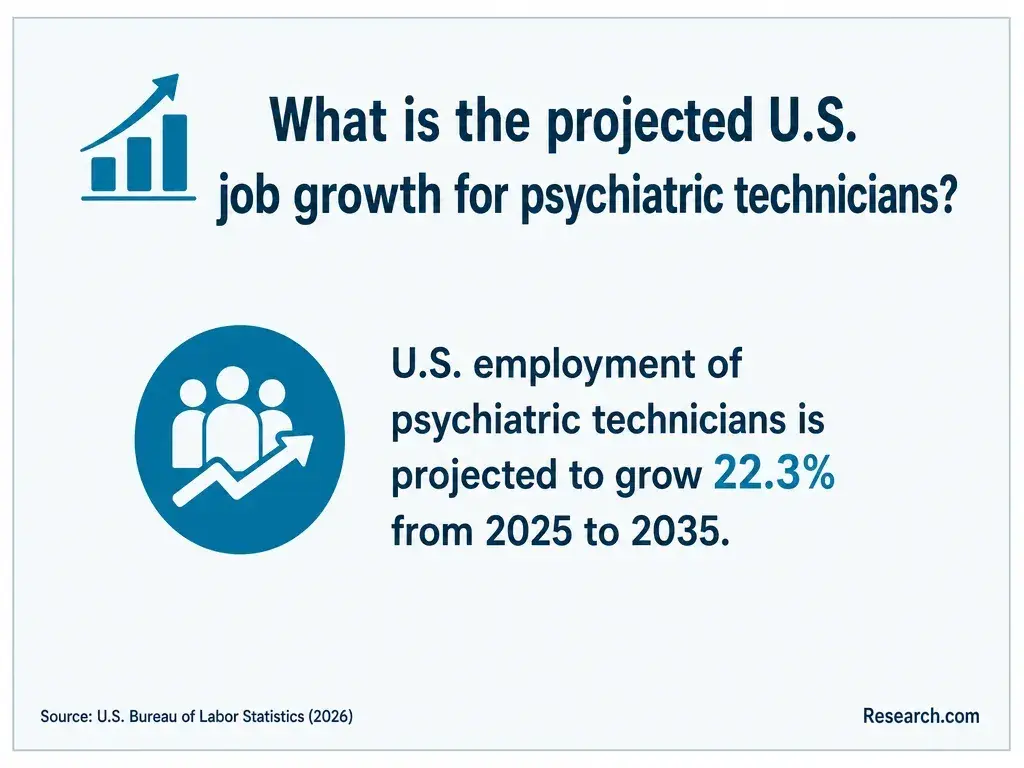
When exploring careers in addiction treatment and support settings, read job descriptions closely. A recovery-support worker may connect people with services, while a licensed counselor may assess and treat substance use disorders within a regulated scope. Job titles alone do not establish equivalent responsibilities. Check current U.S. Bureau of Labor Statistics occupation-specific pay and outlook data only for roles you are actually considering; an occupational median is not a projected salary for graduates of this BA.
If your target employer values a state-recognized support credential or relevant supervised experience more than a psychology major, that route may be more direct. Ask prospective employers which qualifications they require before committing to the remaining BA coursework.
Does an Addictions Psychology Bachelor's Qualify You for Counseling Licensure?
No. A psychology BA with addictions coursework does not by itself authorize independent counseling, diagnosis, psychotherapy, or use of a protected professional title. Requirements differ by state and by credential: an addiction-counselor pathway may not have the same educational and supervised-experience rules as licensed mental health counseling.
If counseling is your goal, identify the exact credential and jurisdiction first. Ask the responsible board which degrees, program features, supervised hours, examinations, and other conditions apply. Then assess whether the BA supplies useful prerequisites or whether another bachelor's path would work equally well. Budget separately for any qualifying graduate education; mental health counseling tuition fees and financial aid concern a different educational commitment from finishing this undergraduate degree.
Other Things You Should Know About Psychology
Possibly, if a university offers prior-learning assessment and accepts your documented experience for credit. Ask which assessments it uses, what they cost, and whether awarded credit would satisfy a BA requirement rather than count only as an elective.
Not necessarily. Some schools offer a general education waiver for qualifying associate degrees, but an AAS may be treated differently. Get the policy and its application to your record in writing.
Yes, but the next university will evaluate your coursework under its own rules. If you may move, keep syllabi and check prospective transfer and residency policies before taking additional classes.
Do not use identifiable patient information without appropriate authorization. Ask your instructor and employer what data and approvals are permitted; a hypothetical case or public information may be a safer alternative.
- Information for Transfer Students - NYU SPS https://www.sps.nyu.edu/info/information-for-students/information-for-transfer-students.html
- Glossary | Valencia College https://catalog.valenciacollege.edu/glossary/
- Online Bachelor's Degree in Psychology in Addictions | Purdue Global https://www.purdueglobal.edu/degree-programs/psychology/bachelor-psychology-addictions/
- Transfer Credit Policy - Medgar Evers College - CUNY https://www.mec.cuny.edu/admissions/transfer-applicant/transfer-policy/
- Medical Assisting | maricopa.edu https://www.maricopa.edu/degrees-certificates/health-sciences/medical-assisting-3291-aas
- Medical Assistant Program Curriculum: What Classes Are Required and What Will I Learn? | American Career College https://americancareercollege.edu/blog/medical-assistant-program-curriculum-required-classes
- Transfer Credit Policy | Lincoln Memorial University https://cdmcatalog.lmunet.edu/transfer-credit-policy
- Applied Psychology: Addictions Studies, B.S. - CPS, CPSO | University of New Hampshire https://www.unh.edu/program/bachelor-science/applied-psychology-addictions-studies
- Requirements for Transfer Students | William Paterson University https://www.wpunj.edu/admissions/undergraduate/transfer-students/requirements-for-transfer-students
- Block Transfer | Undergraduate Admissions https://admissions.uconn.edu/apply/transfer/block-transfer/


