2027 Online Artificial Intelligence Doctorate Programs with Strong Student Support: Advising, Writing Help, and Career Services

Co-Founder and Chief Data Scientist
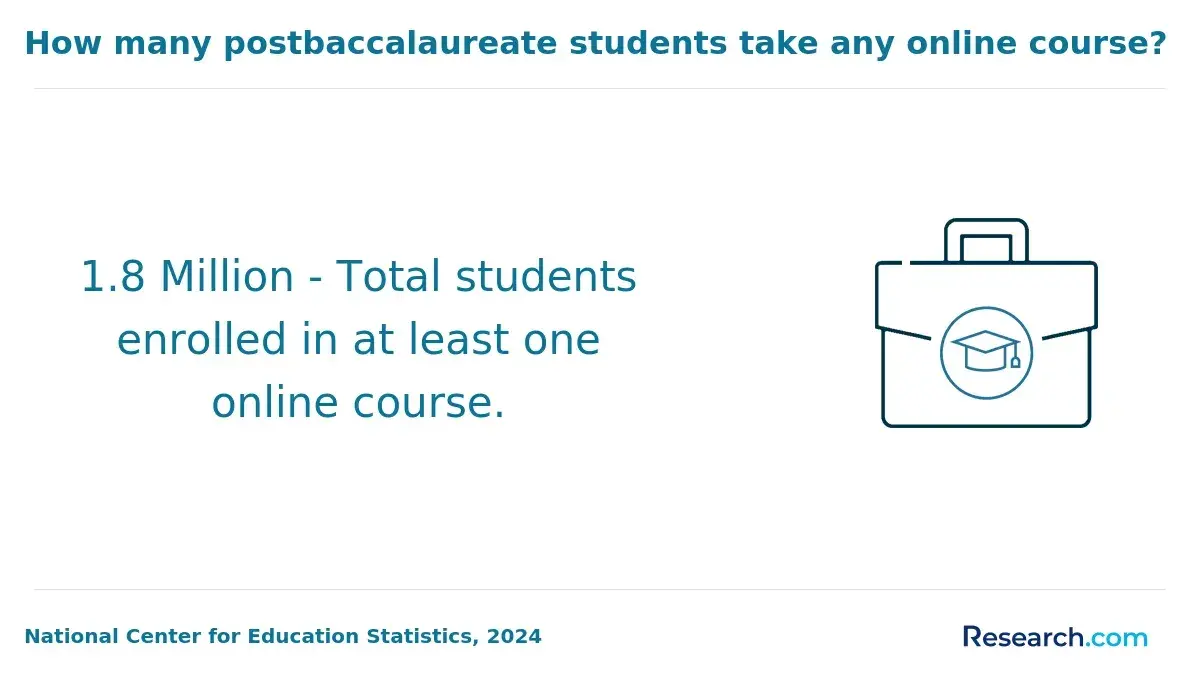
Choosing an online AI doctorate is not only about curriculum; it is about whether the program can support you through years of research, writing, and career planning. NCES reported in 2024 that more than half of postbaccalaureate students took at least one distance education course, making online doctoral support a mainstream concern. This guide is for prospective doctoral students comparing programs by advising, dissertation help, faculty access, and career services so they can identify which online artificial intelligence doctorate programs offer the structure needed to persist and make informed career moves.
Key Things You Should Know
- Strong online artificial intelligence doctorate programs should give fully online students direct access to academic advisors, dissertation chairs, research librarians, writing support, technology help, accessibility services, and doctoral-level career coaching.
- Support quality varies widely: a dedicated doctoral advisor, scheduled faculty mentoring, live writing consultations, and clear response-time expectations are stronger indicators than vague promises of "student success resources."
- Career support matters because AI doctoral pathways often lead to research, data science, machine learning leadership, consulting, or faculty roles; BLS 2024 data shows computer and mathematical occupations had a median annual wage of $105,990, but outcomes depend on role, experience, location, and employer expectations.
What Student Support Services Should Strong Online Artificial Intelligence Doctorate Programs Provide?
A strong online artificial intelligence doctorate program should support the full doctoral journey: admissions, coursework, qualifying exams, research design, dissertation writing, publication, networking, and career planning. "Student support" should mean more than a help desk or a general email inbox; it should include people, systems, and timelines that help online doctoral students stay academically on track.
Prospective students comparing AI degrees online should look for support that is explicitly available to distance learners, not just campus-based students. The best programs make support visible before enrollment and continue it through dissertation completion.
The table below summarizes the major support categories to compare and what each one should look like in a high-quality online doctoral experience.
| Support area | What strong support looks like | What to verify before enrolling |
| Academic advising | A named advisor or doctoral advising team that helps with course sequencing, milestones, policies, and progress tracking | Advisor assignment timing, appointment availability, and typical response time |
| Faculty mentoring | Regular access to faculty with AI, machine learning, data science, robotics, NLP, or applied research expertise | Whether online students can meet faculty virtually before selecting a chair |
| Writing and dissertation help | Doctoral writing consultations, proposal review, citation guidance, and dissertation milestone support | Whether support includes live feedback or only self-service templates |
| Research and library services | Remote access to databases, research librarians, interlibrary loan, and methodology support | Availability of AI, computing, statistics, and technical research collections |
| Career services | Doctoral-level coaching for research roles, executive technology roles, teaching portfolios, publications, and interviews | Whether services are tailored to PhD, DBA, DSc, or EdD-level AI students |
| Technical and accessibility support | Reliable LMS help, remote proctoring support, assistive technology, captioning, and accommodations | Support hours, escalation process, and online accommodation procedures |
Strong support is especially important for students who work full time, are returning after years away from school, are new to academic research, or plan to complete a dissertation while managing professional and family responsibilities.
How Does Academic Advising Work in Online Artificial Intelligence Doctorate Programs?
Academic advising in an online AI doctorate should help students understand requirements, avoid missed milestones, and make strategic choices about electives, research topics, and dissertation timing. In doctoral programs, advising is not the same as undergraduate course registration; it is an ongoing relationship that should connect academic planning with long-term research and career goals.
Students should distinguish between administrative advising and scholarly mentoring. Administrative advisors help with policies, registration, deadlines, and degree audits, while faculty mentors help shape research questions, methods, and professional identity.
When evaluating advising, ask schools for concrete details rather than accepting broad claims. These are the advising features that usually matter most to online doctoral students:
- Dedicated advisor assignment: The program should explain whether each doctoral student receives a named advisor, a rotating advising team, or only general support through a shared inbox.
- Milestone planning: Advising should map coursework, comprehensive exams, residency requirements if any, proposal deadlines, IRB steps, and dissertation defense expectations.
- Proactive outreach: Strong programs contact students after missed assignments, registration delays, low grades, or stalled dissertation progress instead of waiting for students to ask for help.
- Evening or flexible appointments: Because many online doctoral students are working professionals, advising hours should include options beyond traditional weekday office hours.
- Documented response standards: Programs should be able to state whether students can expect replies within a defined window, such as one or two business days, rather than "as soon as possible."
A common mistake is assuming that "online format" automatically means flexible support. Some programs allow asynchronous coursework but still offer advising only during limited office hours. Before enrolling, request an advising workflow from first term to dissertation phase and ask how often students are expected to meet with advisors.
What Dissertation Mentoring and Committee Support Should Online Artificial Intelligence Doctoral Students Expect?
Dissertation mentoring is one of the most important support factors in an online artificial intelligence doctorate because AI research often requires technical depth, methodological rigor, ethical review, and access to specialized datasets or computing tools. A dissertation chair should help narrow an ambitious idea into a feasible, defensible research project.
Online doctoral students should expect clear guidance on how dissertation chairs and committee members are selected. Programs should also explain whether students can work with faculty whose research interests align with machine learning, natural language processing, computer vision, AI ethics, autonomous systems, decision science, or applied analytics.
The dissertation stage works best when expectations are formal and transparent. Ask the program to explain the process in sequence:
- Identify possible research interests during coursework and research seminars.
- Meet virtually with potential faculty mentors to discuss fit and feasibility.
- Select a chair according to program policy, faculty availability, and research alignment.
- Form a committee with methodological, subject-area, and applied expertise where required.
- Develop a proposal with feedback cycles, rubric-based expectations, and deadlines.
- Complete ethics review or IRB approval if the study involves human subjects or protected data.
- Conduct research, analyze results, revise chapters, and prepare for the final defense.
Red flags include unclear committee assignment rules, long delays in chair approval, no faculty list, no published dissertation handbook, or no explanation of what happens if a faculty member leaves. Strong programs reduce uncertainty by publishing dissertation milestones and giving online students the same access to committee feedback as campus students.
What Writing and Dissertation Help Is Available in Online Artificial Intelligence Doctorate Programs?
Doctoral writing support should help students move from technical knowledge to publishable, well-structured scholarship. In AI programs, students may need help explaining algorithms, justifying methods, presenting results, citing sources, and translating technical findings for academic or executive audiences.
Writing help is strongest when it combines live expert feedback with reusable resources. A basic writing center may be helpful, but doctoral students often need specialized support for literature reviews, methodology chapters, proposal alignment, argument structure, and revision planning.
Look for writing support that addresses doctoral-level work rather than only grammar or formatting. Useful services may include:
- Doctoral writing consultations: One-on-one sessions focused on argument development, literature synthesis, chapter organization, and revision strategy.
- Dissertation proposal support: Feedback on research problem alignment, purpose statements, research questions, methodology, and contribution to the field.
- Technical communication help: Guidance on explaining models, variables, algorithms, datasets, limitations, and reproducibility in clear academic language.
- Citation and formatting support: Assistance with APA, IEEE, ACM, or school-specific dissertation formats, depending on the program's standards.
- Writing accountability structures: Dissertation boot camps, writing groups, progress check-ins, or scheduled milestones that help online students keep momentum.
Students should also ask whether writing staff review full chapters, partial drafts, or only short excerpts. Some universities limit the number of appointments per term, which may be fine during coursework but insufficient during proposal and dissertation writing.
Do Online Artificial Intelligence Doctorate Programs Provide Research, Statistics, and Library Support?
Research support is essential because online AI doctoral students often work with large datasets, statistical methods, machine learning tools, and scholarly databases from a distance. A strong program should make research infrastructure accessible remotely and should not assume students already know how to conduct doctoral-level inquiry.
Students coming from a data scientist degree background may already be comfortable with modeling and analysis, but doctoral work usually adds theory, research design, peer-reviewed literature, ethics review, and defensible methodology. That shift requires structured support.
The most useful research-support services help students find, evaluate, and apply evidence. Compare programs by checking whether online doctoral students receive:
- Remote library access: Full access to scholarly databases, AI and computer science journals, ebooks, conference proceedings, and citation tools.
- Research librarian consultations: Virtual appointments with librarians who can help build search strategies for literature reviews and systematic reviews.
- Statistics or methodology support: Help with research design, sampling, validity, reliability, model evaluation, qualitative analysis, or mixed methods where relevant.
- Software support: Guidance or access for tools such as Python environments, R, SPSS, SAS, MATLAB, NVivo, cloud platforms, or institutional high-performance computing resources when available.
- Research ethics guidance: Clear support for IRB applications, data privacy, consent, bias, responsible AI, and use of sensitive or proprietary datasets.
A practical test is to ask admissions staff to connect you with a research librarian or dissertation support representative before enrollment. If the school cannot clearly explain how online doctoral students access research infrastructure, that is a sign to investigate further.
What Career Services Should Online Artificial Intelligence Doctorate Programs Offer Doctoral Students?
Career services for AI doctoral students should go beyond a job board. Doctoral students may be preparing for different outcomes: faculty roles, AI research scientist positions, machine learning leadership, consulting, product strategy, policy work, or senior data roles. Each path requires different evidence of expertise.
BLS 2024 data reports a median annual wage of $105,990 for computer and mathematical occupations, but a doctorate does not automatically place a graduate into the highest-paying role. Career outcomes depend on research area, technical portfolio, publication record, management experience, industry, and geography.
Students comparing an online doctorate with a data analytics master's degree should consider whether they need doctoral-level research preparation or whether a shorter graduate credential better fits their career goal. Doctoral career services should help clarify that trade-off before students invest several years in a program.
The table below shows how career support should differ by doctoral career path.
| Career direction | Career services that matter most | Evidence students may need |
| AI research scientist | Research branding, publication strategy, conference preparation, technical interview coaching | Dissertation, publications, coding portfolio, research presentations |
| Machine learning leader | Executive resume coaching, leadership positioning, project impact storytelling | Applied AI projects, team leadership, measurable business outcomes |
| Faculty or academic role | Teaching portfolio help, academic CV review, mock job talks, publication planning | Teaching philosophy, research agenda, publications, dissertation defense |
| AI consultant | Personal branding, client case studies, proposal writing, networking support | Portfolio, industry expertise, technical and communication samples |
| AI ethics or policy specialist | Policy resume support, writing samples, public-sector networking, interdisciplinary positioning | Research on governance, fairness, bias, privacy, or responsible AI |
Strong programs make career services available to online doctoral students throughout the program, not only near graduation. Ask whether career coaches understand doctoral-level AI roles, whether alumni mentoring is available, and whether virtual employer events include research and senior technical opportunities.
How Accessible Are Faculty and Support Staff in Online Artificial Intelligence Doctorate Programs?
Faculty access can make or break the online doctoral experience. Students need timely feedback on complex work, especially when projects involve coding, data analysis, theory, ethics, or dissertation design. Accessibility does not mean professors are available at all hours, but it does mean expectations are clear and support is reachable.
The strongest programs publish communication norms for instructors, advisors, dissertation chairs, and student support offices. They also use multiple channels, such as video meetings, learning management system messages, email, virtual office hours, and scheduled dissertation check-ins.
Before enrolling, verify access by asking specific questions that reveal how support works in practice:
- Faculty response time: Ask how quickly instructors typically respond to coursework questions and how that differs from dissertation-chair feedback.
- Office-hour format: Confirm whether virtual office hours are live, recorded, appointment-based, or limited to discussion boards.
- Feedback depth: Ask whether dissertation feedback is rubric-based, margin-comment based, meeting-based, or handled through brief approval notes.
- Escalation process: Find out what students can do if an advisor, instructor, or committee member is unresponsive.
- Online parity: Confirm that online students can access the same faculty, librarians, career coaches, disability services, and academic policies as campus students.
A common red flag is a program that emphasizes faculty prestige but cannot explain how online students interact with those faculty members. For an online doctorate, access matters more than a faculty name on a webpage.
How Do Online Artificial Intelligence Doctorate Programs Build Peer, Cohort, and Mentoring Support?
Online doctoral work can feel isolating, especially during the dissertation stage. Strong programs intentionally build peer and mentoring structures so students can exchange ideas, troubleshoot research challenges, practice presentations, and maintain accountability.
Cohort models can be helpful because students move through core milestones together, but they are not the only good option. Some flexible programs use research groups, dissertation labs, writing circles, faculty-led colloquia, or alumni mentoring instead.
Peer support is most valuable when it is tied to doctoral progress. Look for programs that provide structured opportunities such as:
- Cohort onboarding: A formal orientation that introduces doctoral expectations, technology platforms, academic policies, and support staff.
- Research communities: Virtual seminars where students discuss AI research, dissertation ideas, emerging methods, and ethical challenges.
- Dissertation writing groups: Scheduled sessions that help students set goals, share progress, and reduce isolation during long writing phases.
- Alumni mentoring: Access to graduates working in AI research, data science leadership, academia, consulting, or policy roles.
- Conference preparation: Support for presenting papers, posters, or dissertation research at academic and professional events.
The most important question is whether peer support is optional and informal or intentionally designed into the program. Informal student chats can be useful, but they should not replace faculty guidance, dissertation mentoring, or professional advising.
What Technology, Accessibility, and Student Wellness Support Do Online Artificial Intelligence Doctorate Programs Provide?
Technology support is not a minor convenience in an online AI doctorate. Students may rely on learning platforms, remote proctoring, collaboration tools, coding environments, cloud systems, statistical software, and library systems. If those tools fail and support is slow, academic progress can stall.
Accessibility and wellness services are also part of student support quality. Doctoral students often balance work, research, family responsibilities, financial pressure, and long writing timelines. Programs should make accommodations, counseling referrals, wellness resources, and crisis procedures clear to online learners.
Use the table below to compare the practical support systems that affect day-to-day success in an online doctorate.
| Support type | Why it matters | What strong programs clarify |
| Technical help desk | Students need fast support for LMS access, video tools, exams, and research platforms | Hours, live support options, ticket response times, and emergency procedures |
| Software and computing access | AI doctoral work may require coding, modeling, data storage, or statistical tools | Licenses, remote access, cloud resources, and student hardware expectations |
| Accessibility services | Online students must be able to request accommodations without campus visits | Documentation process, assistive technology, captioning, and proctoring accommodations |
| Wellness resources | Doctoral stress can affect persistence, productivity, and decision-making | Counseling access, referrals, wellness workshops, and crisis support information |
| Orientation and onboarding | Students need to understand platforms, policies, milestones, and support contacts early | Required orientation, recorded modules, live sessions, and follow-up advising |
A lower-cost program may still be a good choice if it has clear technology systems and responsive support. However, a program with weak tech support, unclear accommodation processes, or no online orientation can create hidden friction that costs students time and momentum.
How Can You Compare Online Artificial Intelligence Doctorate Programs Based on Student Support Quality?
The best way to compare online artificial intelligence doctorate programs is to evaluate support as part of academic quality, not as an extra benefit. A program with strong advising, dissertation mentoring, writing help, and career services may justify a higher cost for students who need structure, while self-directed students may prefer a more flexible, lower-touch model.
If you are still deciding whether an artificial intelligence major or graduate AI pathway is the right long-term direction, compare doctorate programs against your intended role. A research-heavy doctorate may be excessive for some applied analytics roles, but valuable for students who want to lead original AI research or teach at the postsecondary level.
Use a consistent comparison process so you are not swayed by marketing language. These steps can help you evaluate support quality before committing:
- Confirm accreditation: Verify institutional accreditation through recognized U.S. accrediting bodies and check whether the program's structure is appropriate for your career goal.
- Request the doctoral handbook: Review advising policies, dissertation milestones, grading expectations, residency requirements, leave policies, and dismissal standards.
- Ask for support access details: Get written information on advisor assignment, faculty office hours, writing center appointments, library services, technical help, and career coaching.
- Evaluate dissertation fit: Compare faculty research areas with your intended AI topic and ask how chairs are assigned.
- Test responsiveness: Contact admissions, advising, library services, and career services with specific questions and note how clear and timely the replies are.
- Speak with current students or alumni: Ask whether support is proactive, whether faculty feedback is timely, and whether online students feel included in research and networking opportunities.
- Compare total cost with support depth: Include tuition, fees, software, travel, residencies, time-to-completion risks, and the availability of support that may reduce delays.
Watch for red flags such as vague "mentorship" language, no published dissertation process, limited writing support, career services aimed only at undergraduates, no evening support options, or unwillingness to explain online student access. The right program should be able to show exactly how it supports students from first course through final defense.
Other Things You Should Know About Artificial Intelligence
Not always. Some programs award a PhD, while others may offer a Doctor of Science, Doctor of Engineering, DBA, or related doctorate with an AI, machine learning, data science, or analytics concentration. The best choice depends on whether you want academic research, applied industry leadership, consulting, or teaching opportunities.
Some do, and some do not. Programs may include short residencies, dissertation intensives, research workshops, or in-person defenses. Ask whether any visits are mandatory, how often they occur, where they are held, and whether travel costs are included in published tuition estimates.
Many online doctoral students do work full time, but the workload can be demanding, especially during research and dissertation phases. Ask each program for expected weekly study time, part-time options, leave policies, and whether courses are asynchronous, synchronous, or mixed.
Programs often prefer applicants with graduate preparation or professional experience in computer science, data science, statistics, engineering, information systems, or a related field. Some may require programming, quantitative methods, research experience, a master's degree, a statement of purpose, recommendations, and a writing sample.
References
- The AI Index: Emerging Trends in AI Education https://cra.org/crn/2021/04/the-ai-index-emerging-trends-in-ai-education/
- 9 Ways Career Services Can Use AI to Work Smarter and Prepare Students - uConnect https://www.gouconnect.com/career-everywhere/9-ways-career-services-can-use-ai-to-work-smarter-and-prepare-students/
- Study Supports Training Therapy Students on AI Tech | Eleos Blog https://eleos.health/blog-posts/training-therapy-students-on-ai/
- Balancing ethics and support: Peer tutors’ experiences with AI tools in student writing https://www.cedtech.net/article/balancing-ethics-and-support-peer-tutors-experiences-with-ai-tools-in-student-writing-16554
- 16 Artificial Intelligence Career Paths https://www.calmu.edu/news/artificial-intelligence-career-paths
- DCS in AI | Doctorate of Computer Science in Artificial Intelligence https://www.floridacoastaluniversity.com/program/doctorate-of-computer-science-artificial-intelligence-ai/
- Meet Sophia, the all-knowing AI Student Advisor https://studyportals.com/meet-ai-student-advisor/
- AI and ML Job Placement Training Program in USA - Fortray https://www.fortray.com/us/career-path/bootcamp/ai-ml-job-placement-training-courses-online/
- A Future for Writing Centers? Generative AI and What Students are Saying https://thepeerreview-iwca.org/issue-9-2/a-future-for-writing-centers-generative-ai-and-what-students-are-saying/
- AI-Augmented Advising | Journal of Learning Analytics https://learning-analytics.info/index.php/JLA/article/view/8593